For folks asking about 8.4B record “RockYou2021” password list that’s in the news today, this is an aggregation of multiple other lists. For example, this password cracking list: crackstation.net/crackstation-w…
Among other things, it contains “every word in the Wikipedia databases” and words from the Project Gutenberg free ebook collection: gutenberg.org
Unlike the original 2009 RockYou data breach and consequent word list, these are not “pwned passwords”; it’s not a list of real world passwords compromised in data breaches, it’s just a list of words and the vast majority have *never* been passwords
Just do the maths: about 4.7B people use the internet. They reuse passwords like crazy not just across the services each individual uses, but different people use the same passwords. Then, only a small portion of all the services out there have been breached.
Continuing the maths, the increasing prevalence of stronger password hashing algorithms in data breaches make it harder to extract plain text passwords for use in lists like this so the real number of exposed and *usable* passwords declines again
So, are there 8.4B passwords out there *in total*, let alone breached, cracked and in a single list? No, not by a long shot.
This list is about 14 times larger than what’s in Pwned Passwords because the vast, vast majority of it isn’t passwords. Word lists used for cracking passwords, sure, but not real world passwords so they won’t be going into @haveibeenpwned
Still really surprised this has made headlines and been shared to the extent it has, it’s like people don’t read stories before sharing them…
Tempted to add a 1 to the end of each “password”, join it back to the original list and ship it to the media as 16.8B passwords!
• • •
Missing some Tweet in this thread? You can try to
force a refresh

I’m seeing a lot of commentary to this effect about the under 16 social media ban in the UK. Given we’ve just gone through this in Australia, let’s look at how that’s done in a way the DOESN’T require everyone to provide ID:
“eSafety does not expect a platform to make every account holder go through an age check process if it has other accurate data indicating the user is 16 or older.”
I don’t know of a single adult who has had to “prove their age by uploading an ID (passport/drivers licence) and biometric data”. I also don’t know of a single one who has had to prove their age at all.
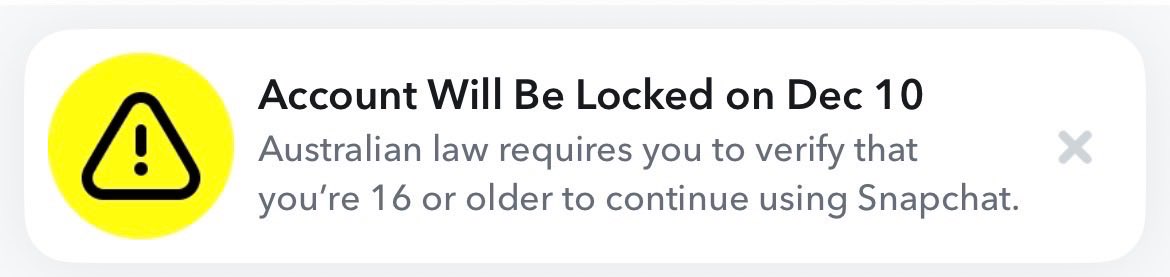
Watching the dismay on my 13 year old daughter’s face as the final 2 weeks of social media access tick down to Dec 10. It’ll be 2028 before she can use Snapchat (and others again). What’s everyone think about this? esafety.gov.au/about-us/indus…
This got a lot of traction, it’s like the Twitter of old! So, let me clarify a few things as a parent, cybersecurity guy and industry commentator:
Firstly, recognise that parental decisions around how you raise children is very personal. Diet. Exercise. Religion. Study. Family. And, how they use social media, messaging and devices in general. There are wide-ranging views on all these, obviously.
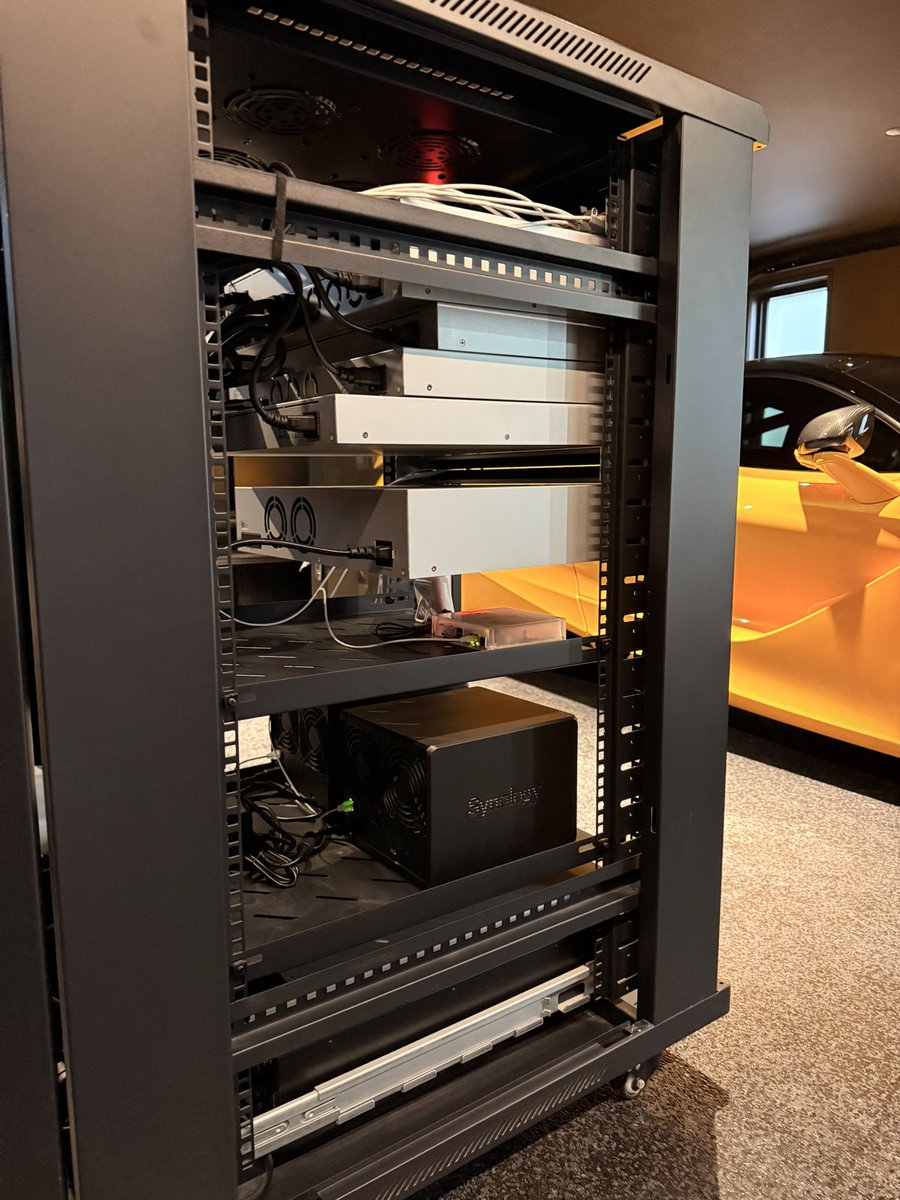
Rack upgrade day! Some new @Ubiquiti goodness to consolidate things, pics and details coming…
Alright, let’s jump into this and full disclosure: @Ubiquiti has sent me all the bits you’ll see to play with. That’s after I spent a bunch of my hard-earned cash buying their gear and writing about it 9 years ago now, I’ve just been a fan ever since: troyhunt.com/ubiquiti-all-t…
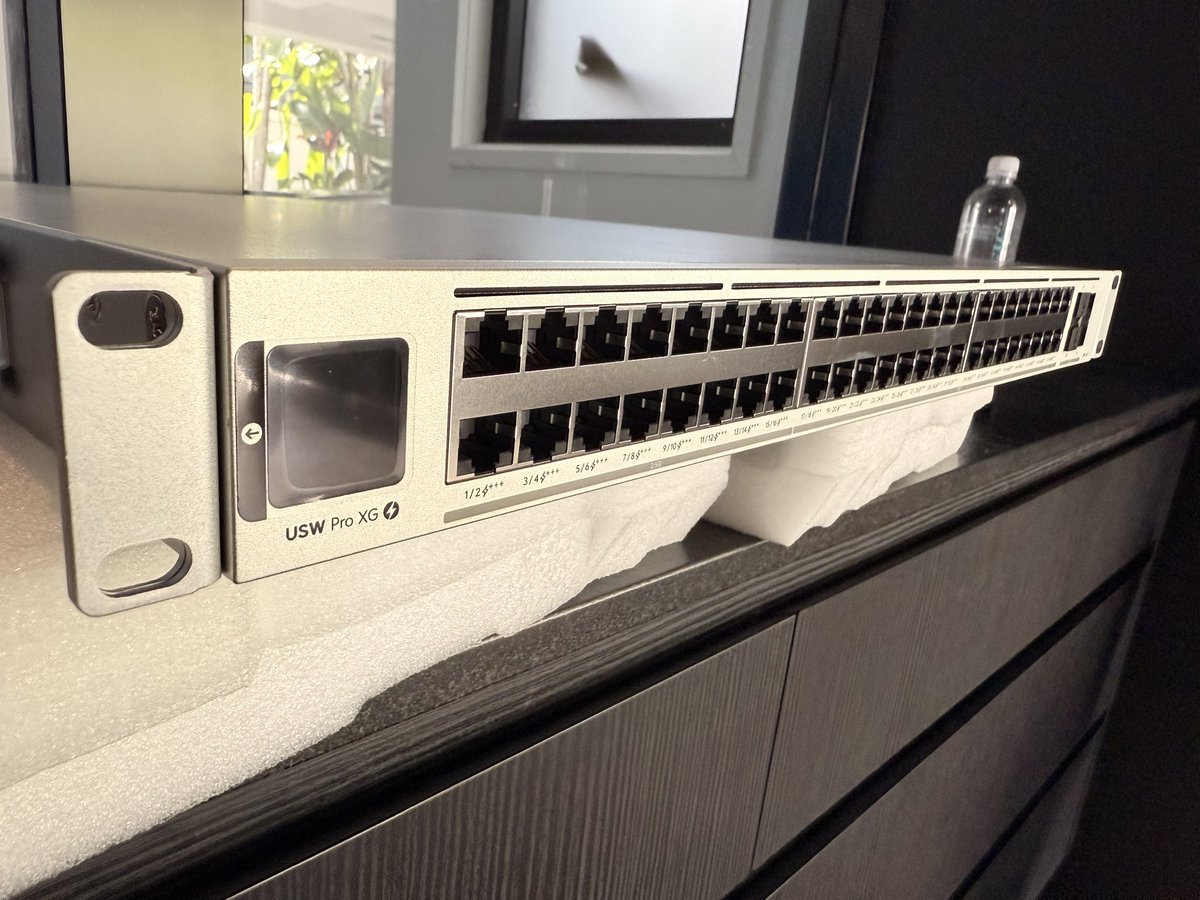
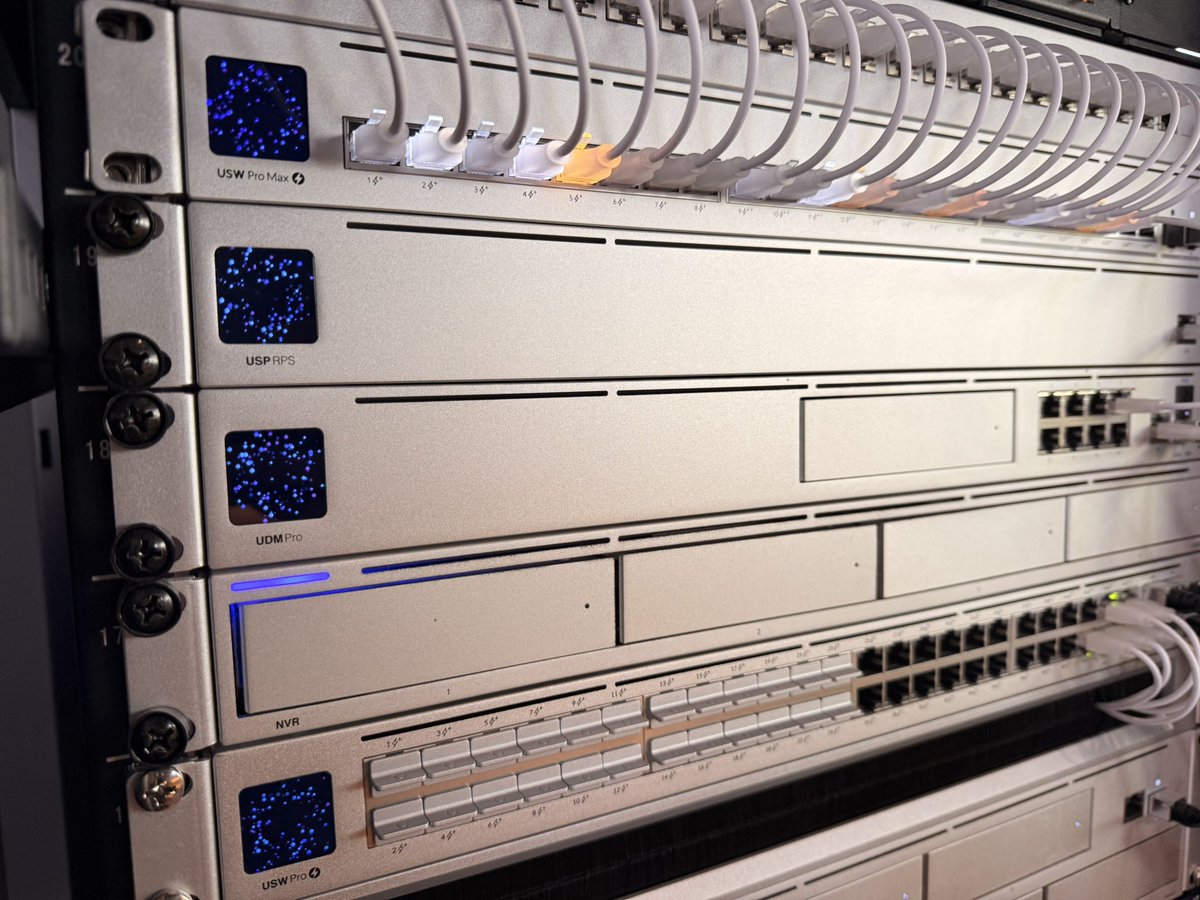
@Ubiquiti What we’ve got here is new 48 port Pro XG switch with 10 GbE, PoE+++ and etherlighting (more on that soon). That’ll replace both the older 24 port USW Pro Max (which was to play with etherlighting) and 48 port USW Pro (because I needed more ports), so I’ll reclaim an RU.
The Pornhub story regarding age verification shows just how hard privacy-preserving identifying verification is. Even when everyone agrees on the sentiment (nobody is saying kids should have access to porn), there’s no consensus on the execution. 404media.co/pornhub-is-now…
It took me a few seconds to VPN into Texas and capture these screens. It takes someone in Texas a few seconds to VPN into California and *not* see these screens! It costs a few bucks a month for a good VPN with loads of exit nodes around the world, placing you where you want.
I suspect that factored into Pornhub’s decision - the knowledge that they can satisfy a state law whilst not posing any real barrier to paying customers. If someone is willing to pay for porn, surely they’re willing to pay a lot less for a VPN to access it?
Was confused whilst doing my live stream just now why there was a sudden spike in DB usage on @haveibeenpwned. Turns out it was related to *dropping* this constraint:
ALTER TABLE [dbo].[Domain] ADD CONSTRAINT [CHK_DomainName_Pattern] CHECK (([dbo].[IsDomainValid]([DomainName])=(1)))
We'd decided a constraint that calls a function on every insert of a new domain was unnecessary; all it did was validate that the string adhered to the correct pattern, but because we controlled the upstream code, we could do that before it even hit the DB.