The June 2021 Core Update is an "odd" one. Very unique patterns & behavior.
In fact, it's been really hard to find any considerable patterns, etc.
But here's one case I stumbled on that is just... beautiful.
<<Thread>>
In fact, it's been really hard to find any considerable patterns, etc.
But here's one case I stumbled on that is just... beautiful.
<<Thread>>
The keyword is "Commercial Truck Loans"
Here are the "Winners":
fastcapital360.com/business-loans…
fundera.com/business-loans…
& the losers:
firstcapitalbusinessfinance.com/commercial-tru…
thetruckersreport.com/financing-new/
lendingtree.com/business/comme…
Here are the "Winners":
fastcapital360.com/business-loans…
fundera.com/business-loans…
& the losers:
firstcapitalbusinessfinance.com/commercial-tru…
thetruckersreport.com/financing-new/
lendingtree.com/business/comme…
Here are the ranking patterns for the pages in the above Tweet. 

It's easy to see why the First Capital Business Finance page lost some rankings... just look at what's on the page...
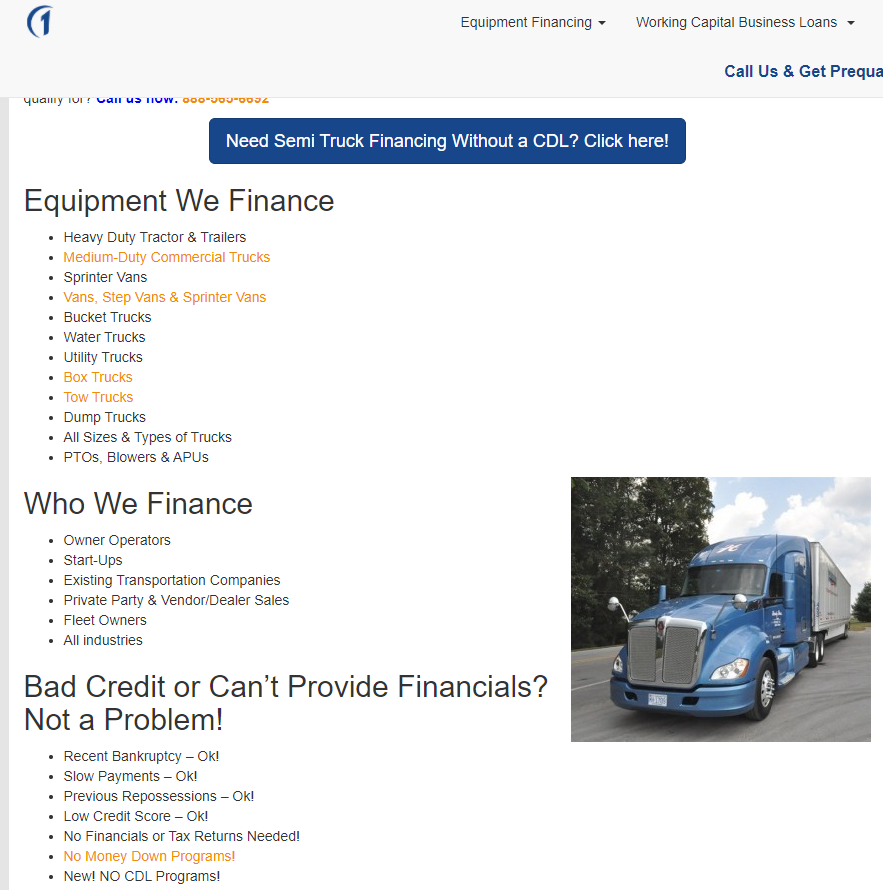
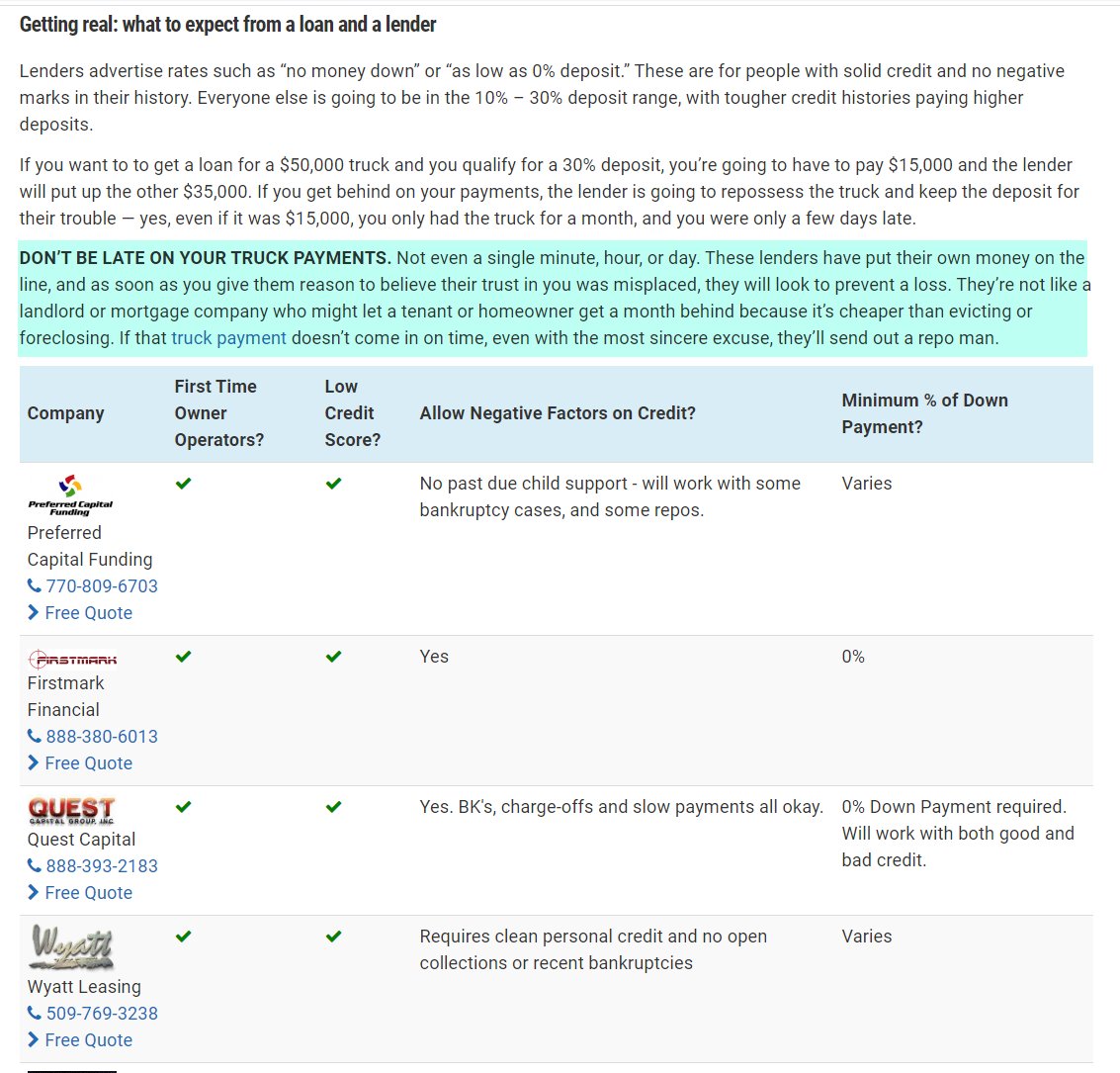
Same for the Trucker's Report page... Up top nothing too helpful...

Under the fold... some really not great content at all followed by a thin list....
Now the Lending Tree page is where this gets fun... because it's REALLY good but lost rankings.
Starts off with some nice overview content...
Starts off with some nice overview content...
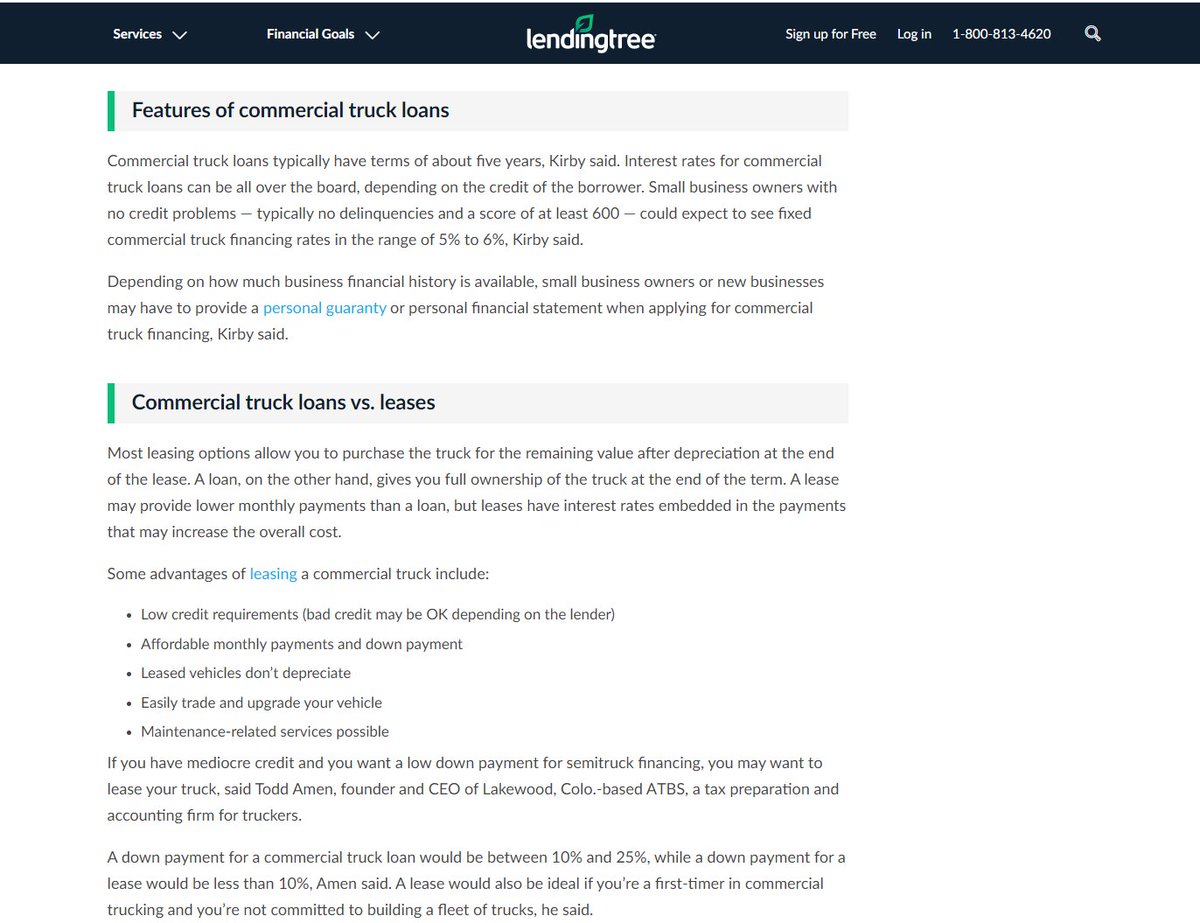
Then some nice info on where to get a loan from...

A nice FAQ... you get the point. It's a solid page... why would it lose rankings?

Let's look at the Fundera page that saw gains. It does a lot of what the Lending Tree pages does... but a bit more.
It goes some really nice details that speak very specifically to the target audience... truckers/business owners looking for a loan.
It goes some really nice details that speak very specifically to the target audience... truckers/business owners looking for a loan.
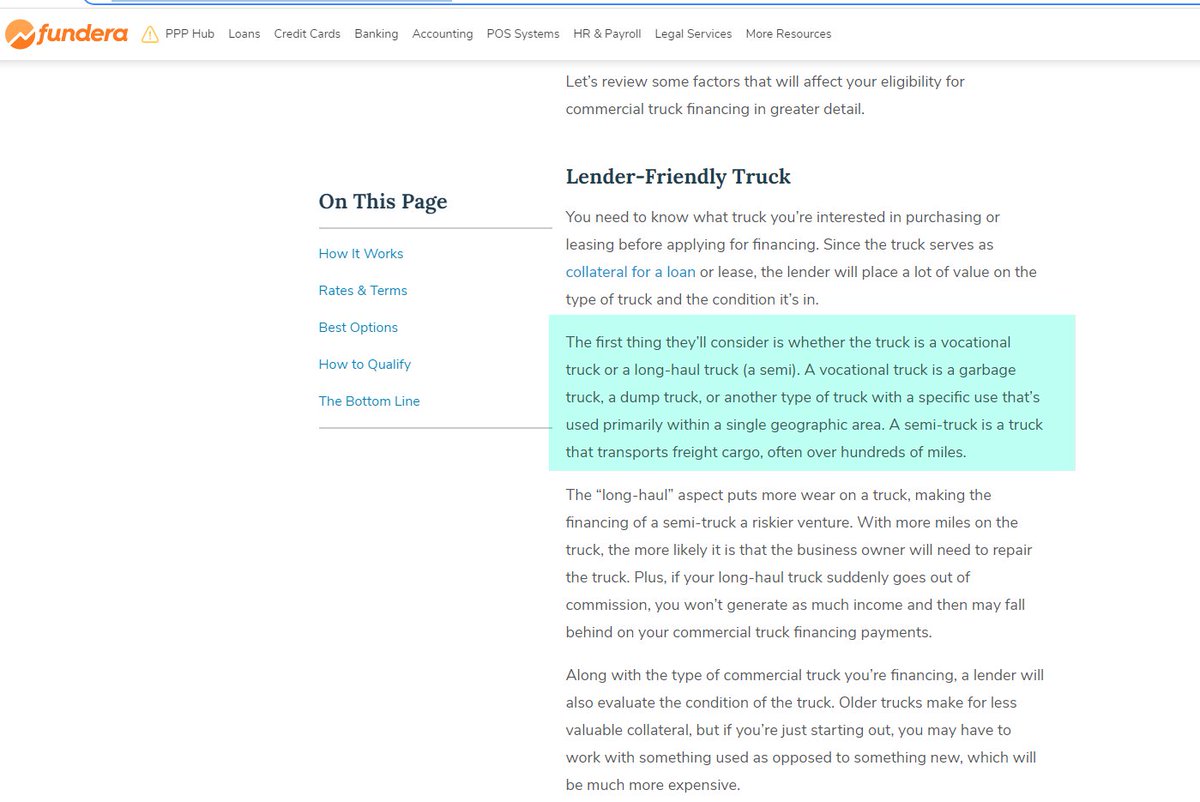
The Fundera page is really a classic example of being that much better than the good content that already ranks on the SERP.
It has that added value that differentiates.
It has that added value that differentiates.
Now take the Fast Capital page, which also saw gains...
Same as the Fundera page... deep details about the nature of the industry...
Again. This type of info is missing from the Lending Tree page
Same as the Fundera page... deep details about the nature of the industry...
Again. This type of info is missing from the Lending Tree page
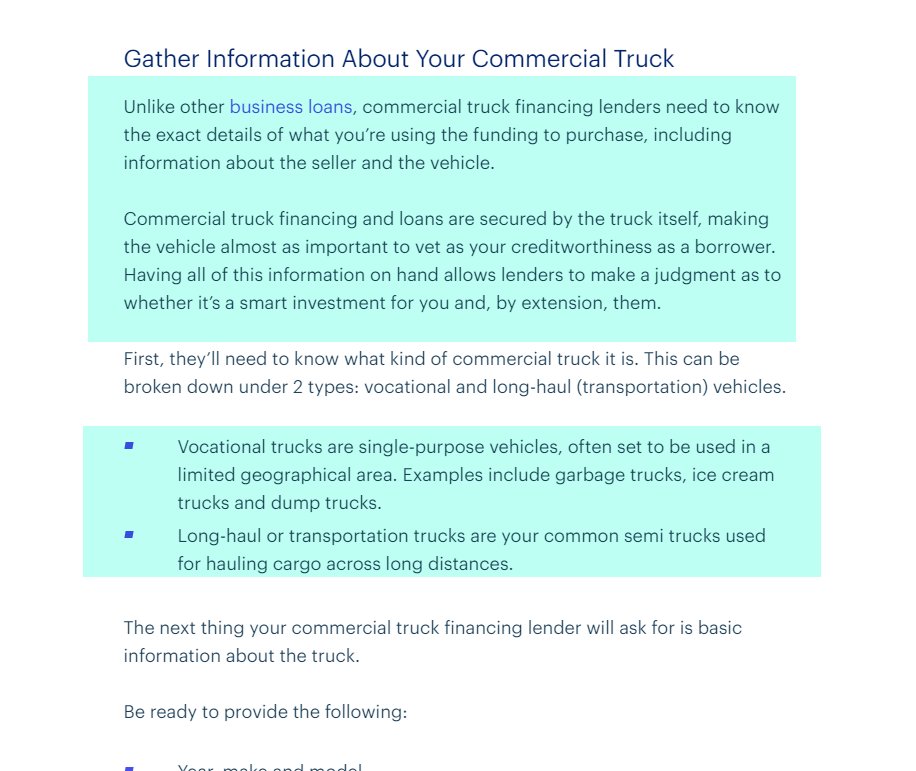
The Fast Capital page is just full of nuance and details all the way through...
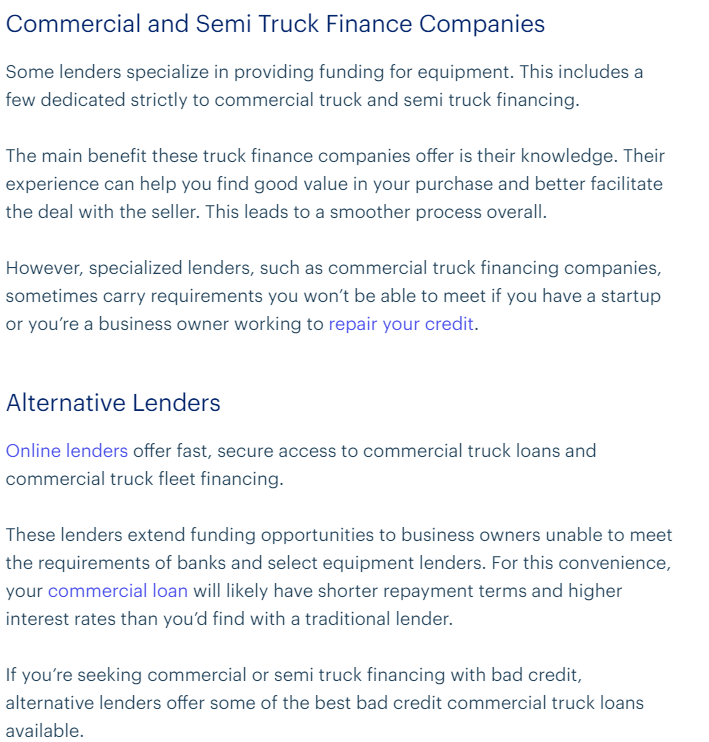
One of the elements that caught my eye was a graphic the page starts off with... it really helps the reader understand not just how to get a loan or where to get a loan but helps the reader get a grasp on the trucking industry from a financial POV. It helps give context.

What I think you have with the 2 pages that saw gains is that they both really speak to the user.
They both empathize with the user.
They don't just tell you what to do but help the user understand the larger picture.
They both empathize with the user.
They don't just tell you what to do but help the user understand the larger picture.
In other words, if I'm looking for a trucking loan... what does that say about me? It says I'm looking to get into the trucking business.
The Lending Tree page ignores that. It solely focuses on getting the loan per se... not getting into the business.
The Lending Tree page ignores that. It solely focuses on getting the loan per se... not getting into the business.
In contrast, the Fundera and Fast Captial pages pay attention to who the user is, not just what their immediate wants are.
As such, it offers contextual information via a targeted level of detail, depth, & nuance.
Simply, they speak to the USER & not the user's TASK.
As such, it offers contextual information via a targeted level of detail, depth, & nuance.
Simply, they speak to the USER & not the user's TASK.
• • •
Missing some Tweet in this thread? You can try to
force a refresh