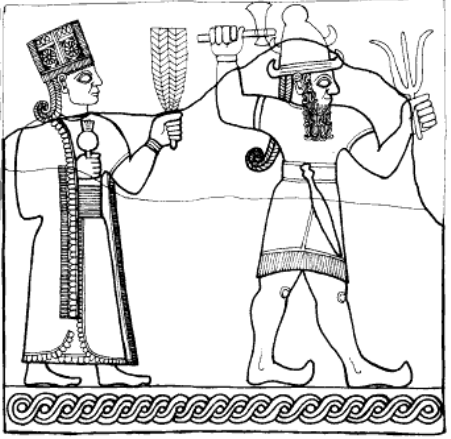
Tread: Very interesting: A drawing of a relief from the great staircase from the Luwian city of Carchemish. It depicts the storm god Tarhunt, holding an axe and vajra (lightning trident), leading the earth goddess Kubaba, holding grain and poppies...🙂 Sounds familiar?
The drawing is from this great article: "Building Inscriptions of Carchemish: The Long Wall of Sculpture and Great Staircase" by J. D. Hawkins
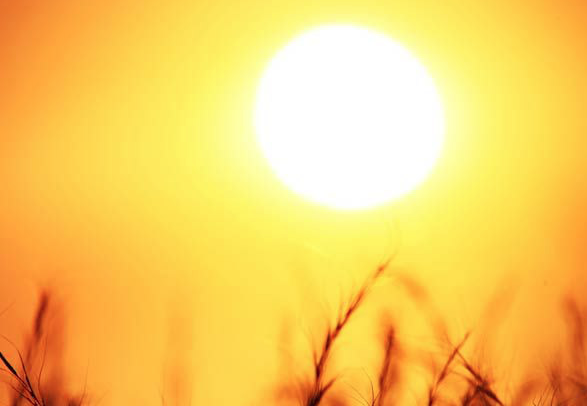
The grain goddess follows the storm god...Because in the area where Carchemish (en.wikipedia.org/wiki/Carchemish) is located, without rain, the land ends up looking like this...No grains (or poppies)...
This is the climatic year in the area of Carchemish. You can see that the year is clearly divided into hot/dry half and and cool/wet half...
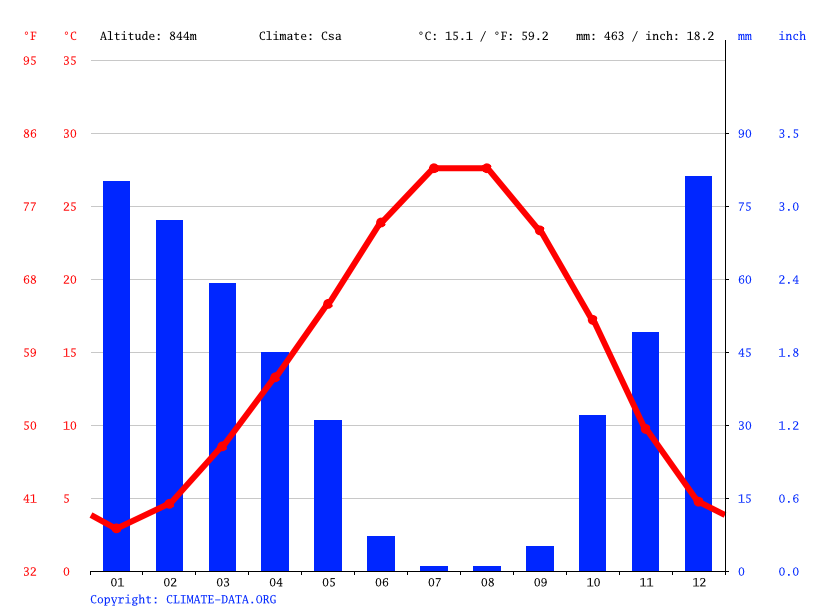
The hottest and driest part of the year is the end of Jul beginning of Aug. Leo...The time of death...Ruled by the god of death...Another name for the destructive burning sun.
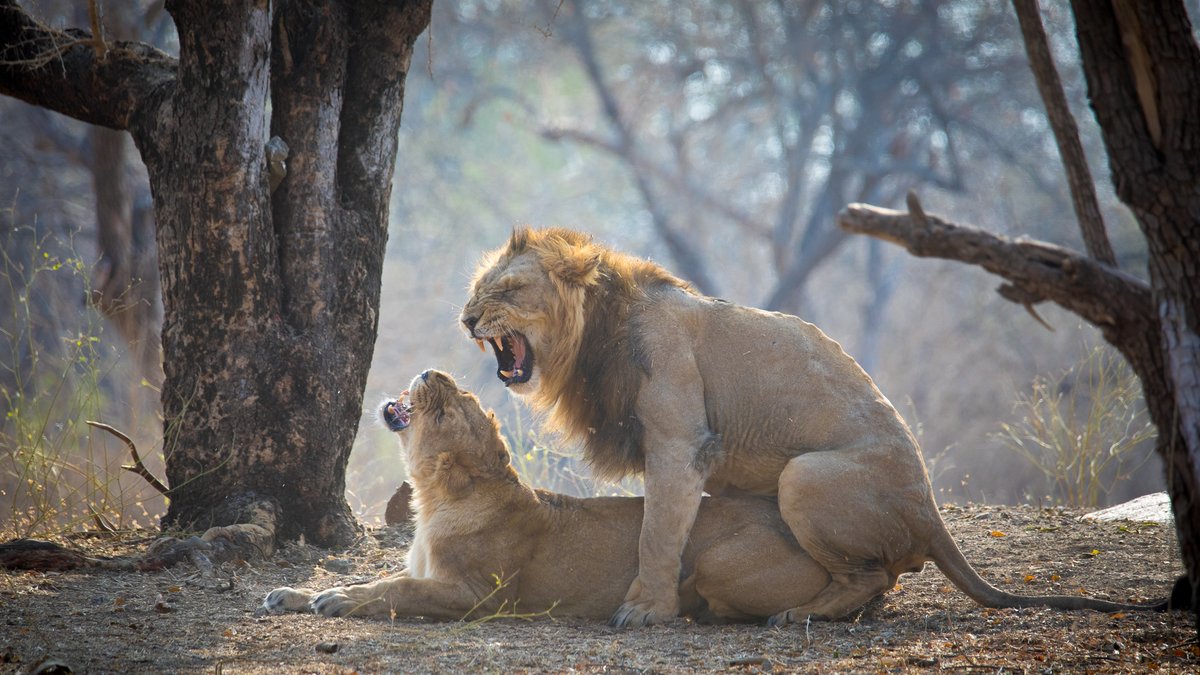
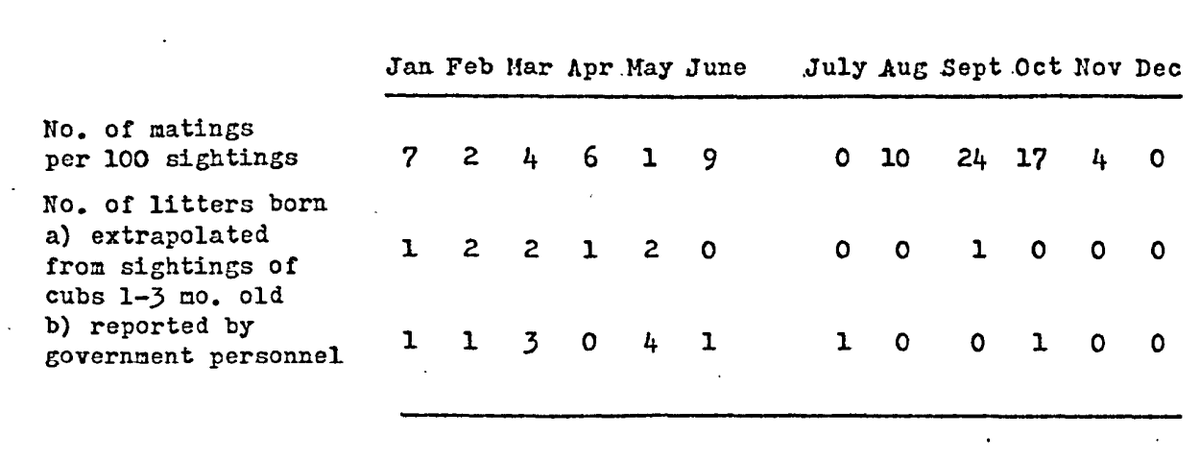
The hottest, driest part of the year is marked by the lion animal calendar marker...Leo...The reason for this is that this is when the Eurasian lions main mating season starts...
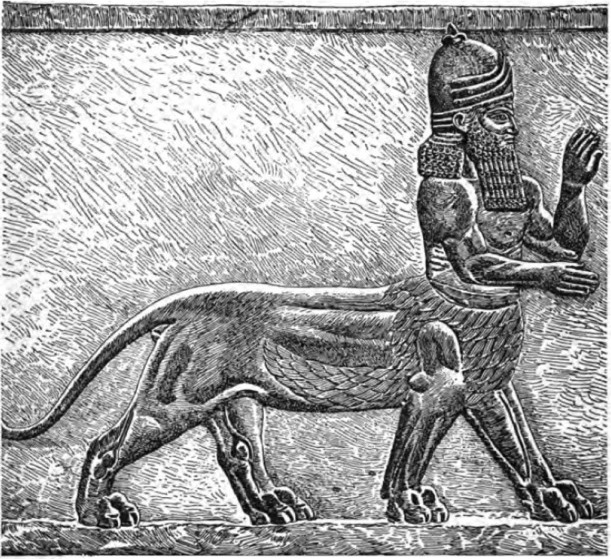
This is the reason why in Carchemish we also find this relief depicting the above mentioned storm god killing a lion. The image is from this great article "Carchemish ša kišad puratti" by Irene J. Winter jstor.org/stable/3642708…
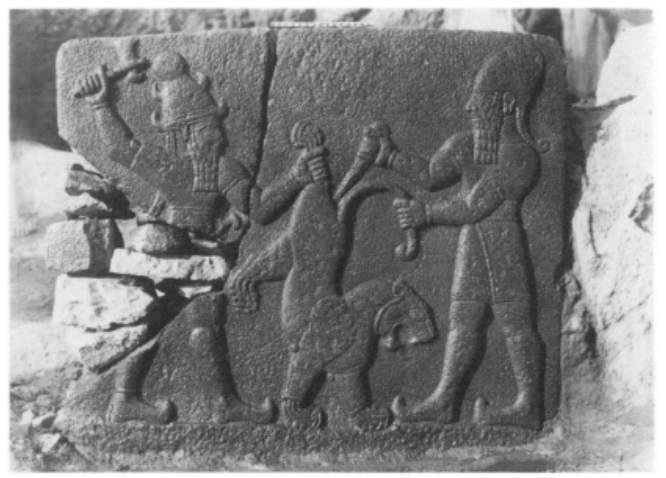
The other guy helping the storm god is probably the local king, not another god...The role which later became the main role of local kings, who were "(storm) god's incarnation on earth"
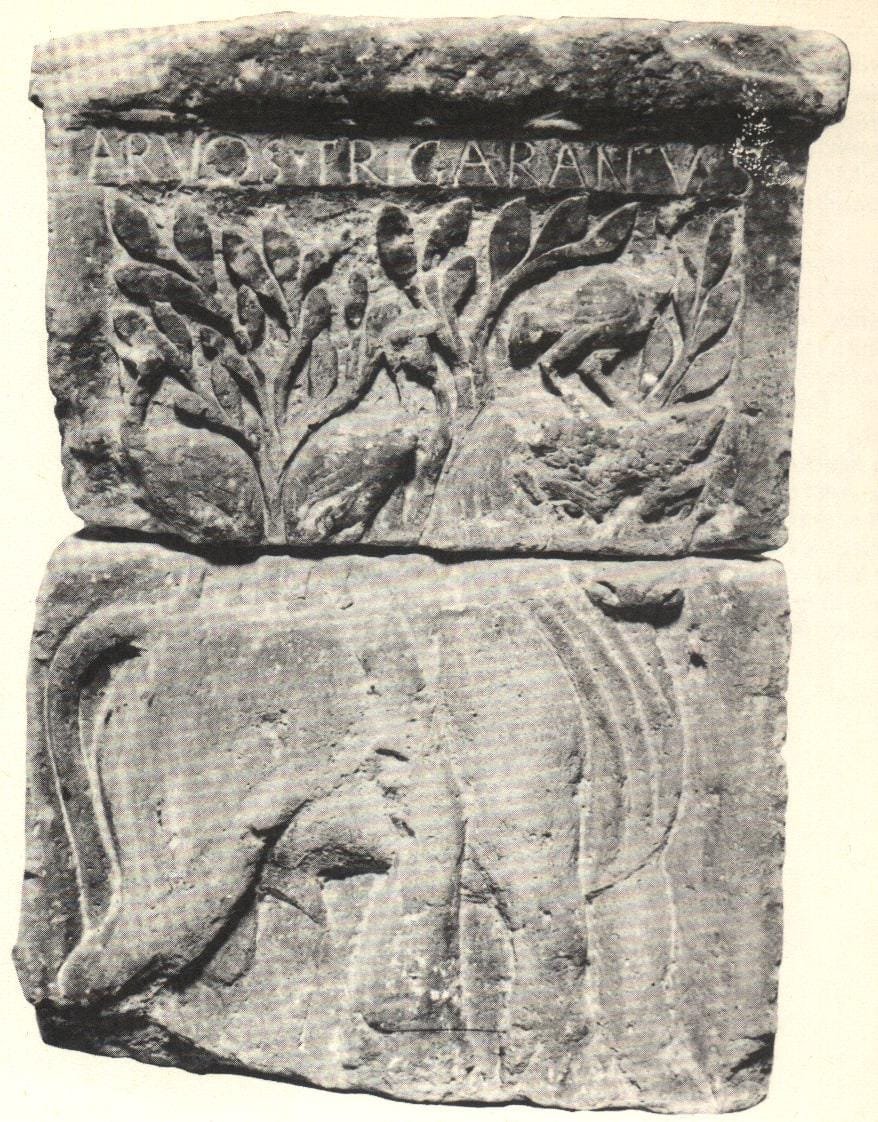
Thread: Strap in. This is going to be fun. In this thread I am going to talk about the first raw of panel from the 1st c. AD Roman monument known as the "Pillar of the Boatmen" found in Paris, France... en.wikipedia.org/wiki/Pillar_of…
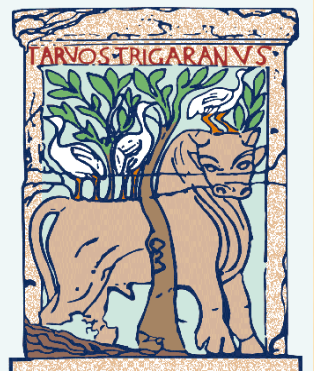
I was prompted to look into it by the posts by this great account @Michssspp82096 about this panel which depicts a bull standing under a willow tree, with 3 cranes perched on his back. The inscription reads "TARVOS TRIGARANOS" or "Bull and Three Cranes" in Gaulish...
@Michssspp82096 This is a coloured version of this image. It looks cool, but the colours are wrong...The only cranes native to France are Common Cranes and their feathers are grey not white and their legs are black not orange... en.wikipedia.org/wiki/Common_cr…
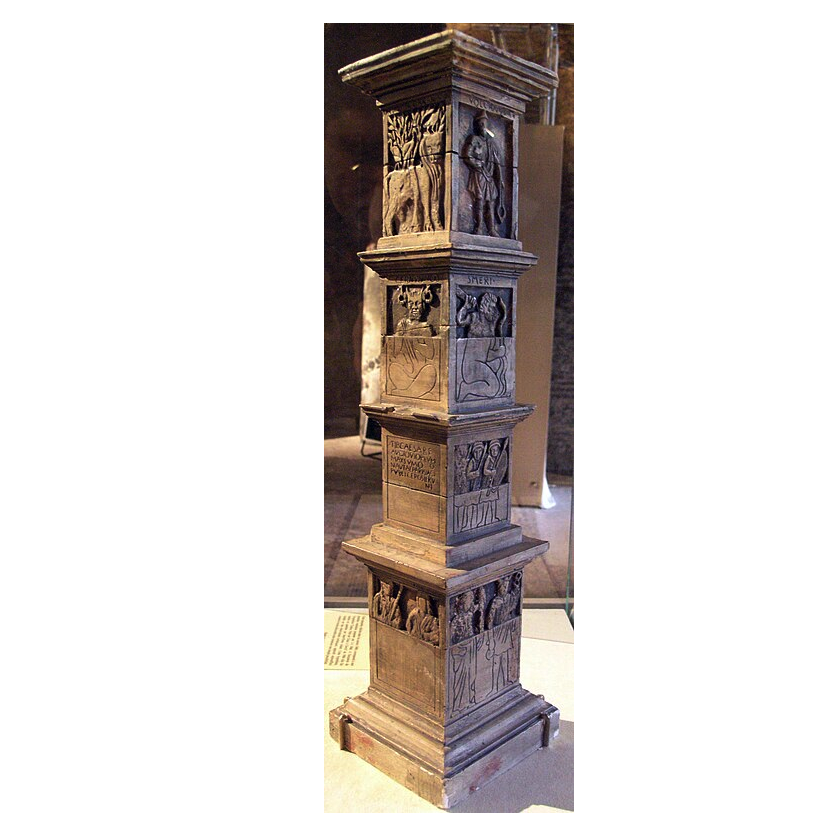
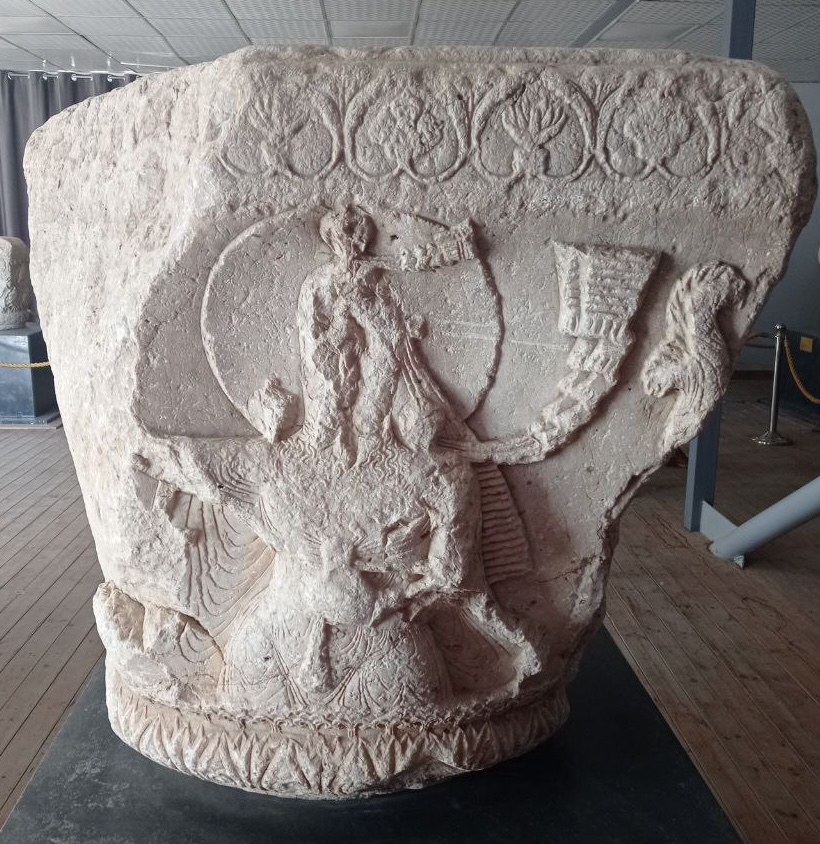
Thread: Late Sassanian depiction of a deity on a column capital now held in Taqe Bostan , which @persiaantiqua identified as Mehr (Mithra) based on the fact that he is surrounded by blooming lotuses... en.wikipedia.org/wiki/Taq-e_Bos…
Mithra was directly associated with lotus, to the point where on the most famous relief of Mithra, the one from Taqe Bostan, he is actually depicted standing on a lotus flower, radiating light, while witnessing Ahura Mazda giving ring of power to king Ardashir II...
Why Lotus? Mitra originates in India. Where he was, in the earliest times, directly associated with Varuna, the old Monsoon good whose Vahana was a crocodile, an animal calendar marker for the monsoon season in India....
Thread: Two Sassanian wall relief slabs dated to the 5th-6th c. AD, depicting rampant ibex goats flanking "the tree of life"...
This is an ancient symbol found throughout Iran, Mesopotamia, Central Asia, Levant, Crete. The reason for that is that in all these regions, year is divided into two halves:
Thread: 900-700 BC Syro-Hittite relief from Carchemish which everyone believes depicts the ancient Sumerian Hero Gilgamesh as master of animals, holding the horn of a bull and the leg of a lion. Museum of Anatolian Civilizations (Ankara, Turkey). Who is this dude really?
If we interpret the animals as animal calendar markers, which they always are in compositions like this, The Dude (with big D) stands in the moment when bull (summer) ends and lion (autumn) begins (end of Jul start of Aug)...
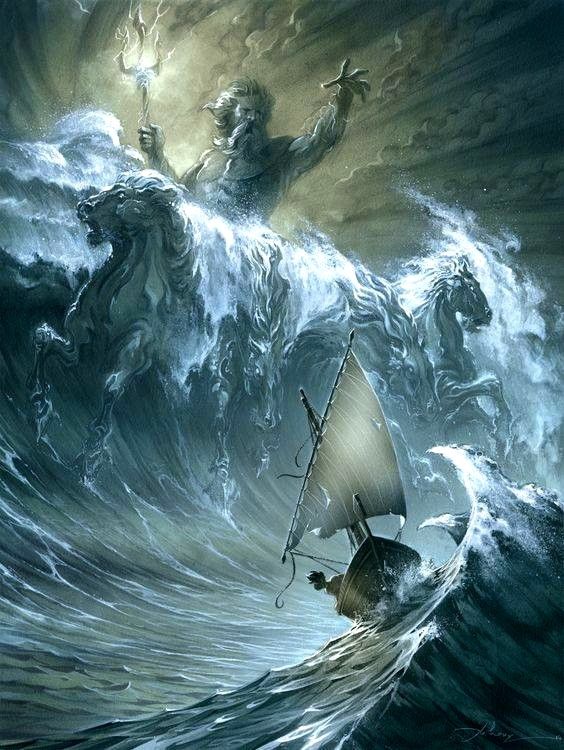
Thread: Poseidon, Greek god of the sea was associated with waves (obvious), horses (not so obvious, unless you know about animal calendar markers and the link between the horse mating season and the sailing season in eastern Mediterranean) and earthquakes (???)...
Why earthquakes? Look at this: Map of the Greek region showing the epicenters of the intermediate depth earthquake activity...
Big earthquakes trigger tsunamis. If you lived on these islands, observing this for millennia, you would eventually start believing that it is the god of waves, Poseidon, that is also creating earthquakes, as the big earthquakes are always accompanied with big waves...