Aristocratic Fury Profile picture
Jul 8, 2021 17 tweets 7 min read Read on X
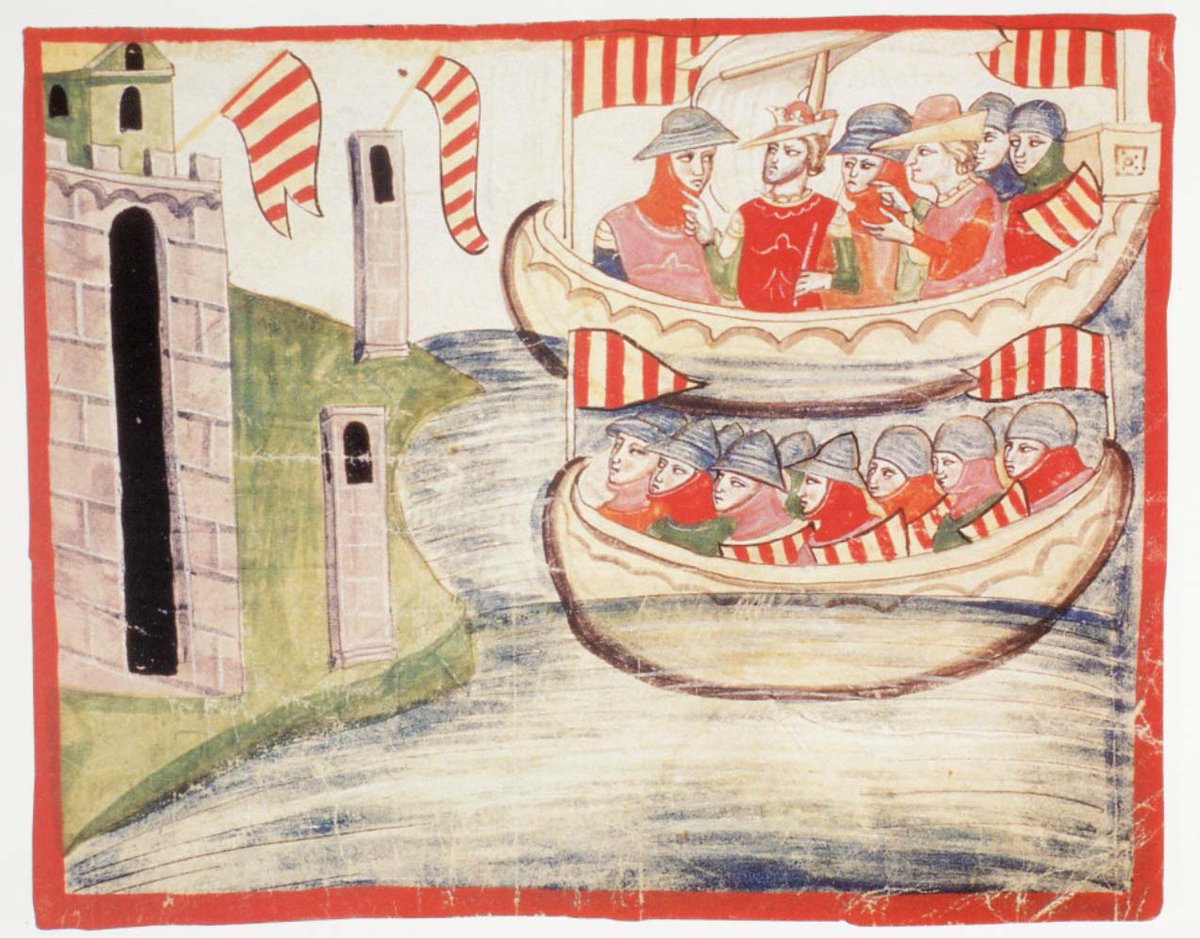
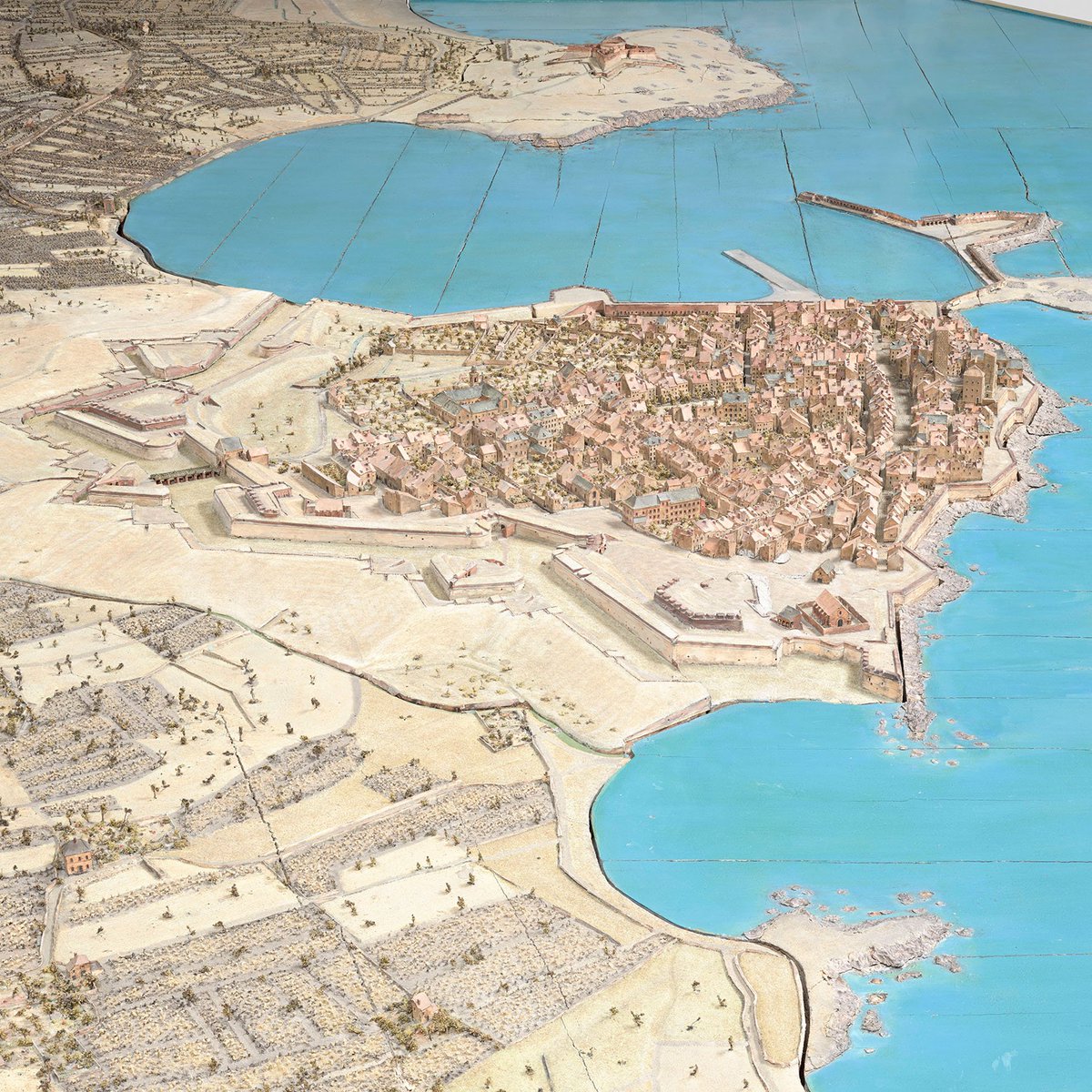
Today 8 July is the anniversary of the 1283 battle of Malta which was part of the War of The Sicilian Vespers between Crown of Aragon and the French princes of Anjou. The famous admiral Roger of Lauria won the battle for Aragon! Let's take a look at the medieval naval warfare...
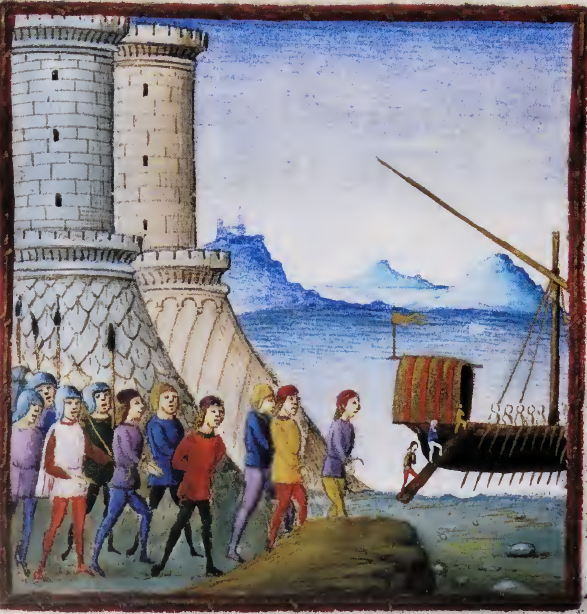
Medieval naval warfare in the Mediterranean was dominated by long galleys of shallow draft propelled by oars and equipped with sails, which were not used in battle however. Unlike galleys of antiquity, medieval galleys did not have rams.
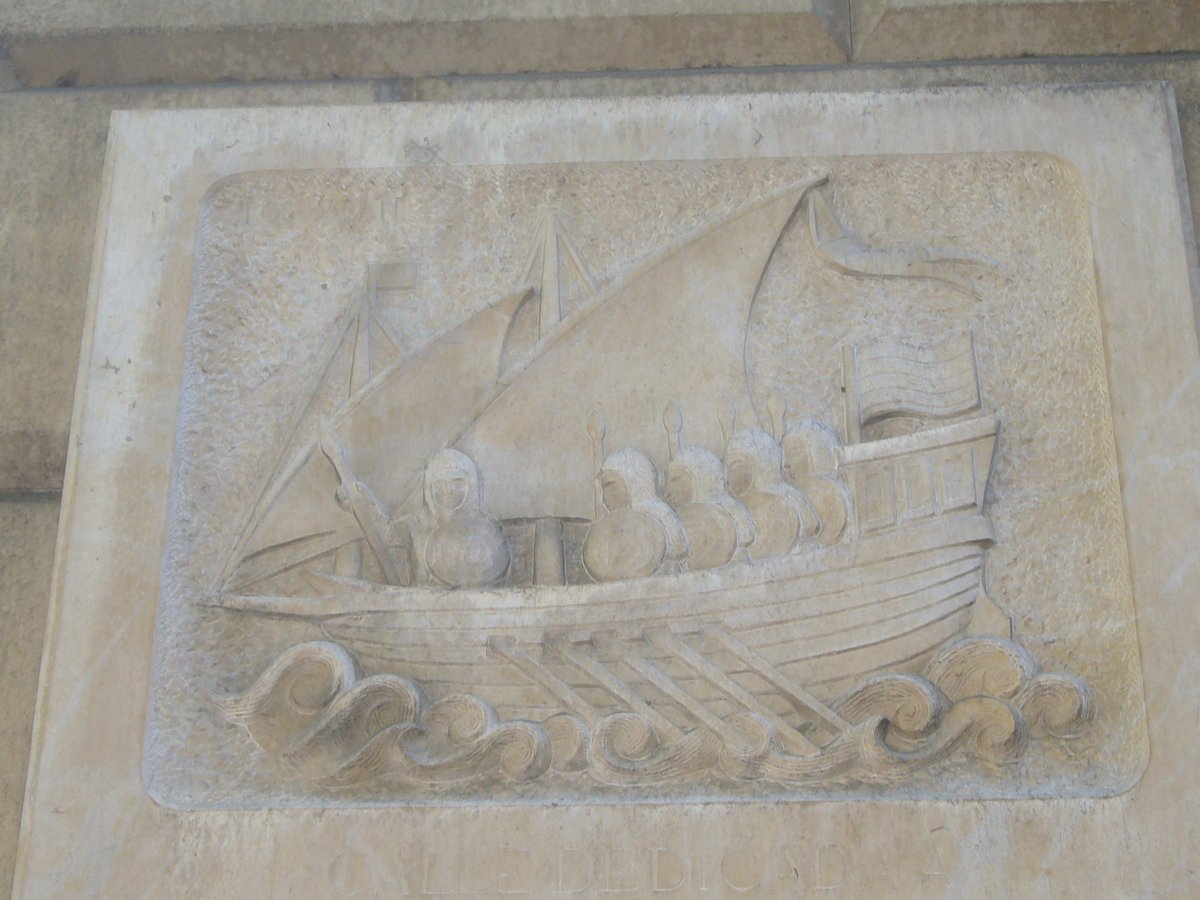
Instead of using rams, medieval ships fought by first firing arrows, javelins and other projectiles and then boarding the enemy ships. The position of the ship's bow or sterncastle was important so that the arrows could be fired at greater height at the fore and aft of the ship.
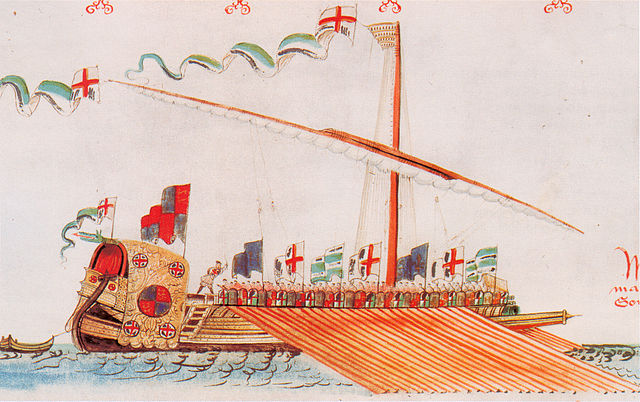
Mobility of the ships, experience of sailors and quality of the fighting troops all played part and the ships had to work in cohesion which was very difficult and required a good strategy by the admiral of the navy. Roger di Lauria was probably the greatest medieval admiral!
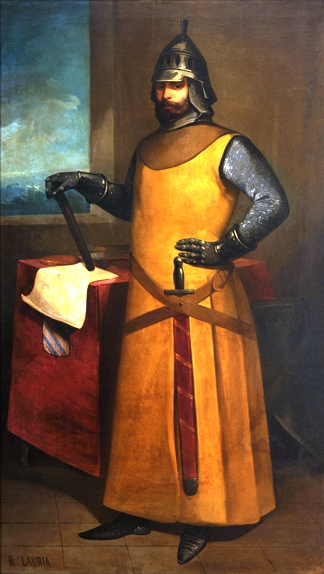
Roger di Lauria would win many battles for the Aragones which won them the War of Sicilian Vespers against the French which was decided through naval engagements. In the next comments I will explain what exactly made his fleet so invincible and why he was such a great admiral.
Roger di Lauria understood the specific nature of naval warfare and made several innovative adjustments. He suggested the Aragonese build galleys with significant modifications, increasing them in size from the standard Mediterranean size of 104-108 oars to 112-118.
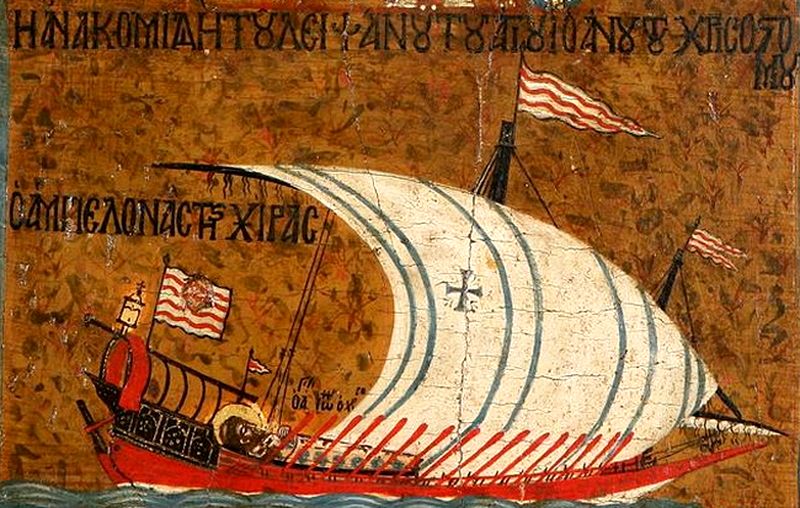
This made the ships slower and heavier, but the trade off was that they had higher bulwarks, forecastles and sterncastles, giving more protection to men. Di Lauria counted on his crossbowmen and the famed almogavars armed with javelins to cause significant damage to enemy ships.
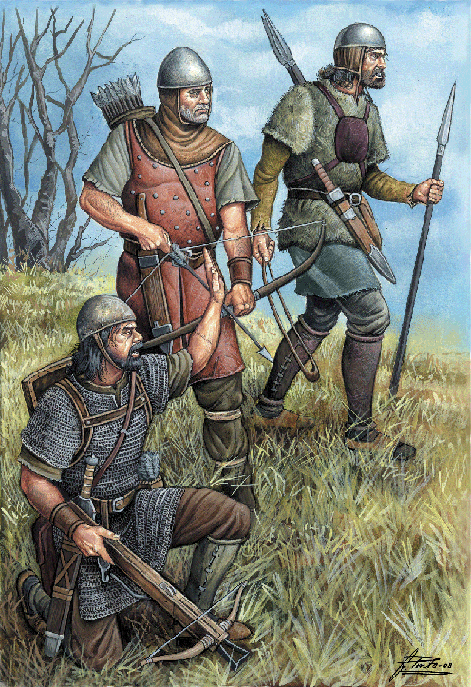
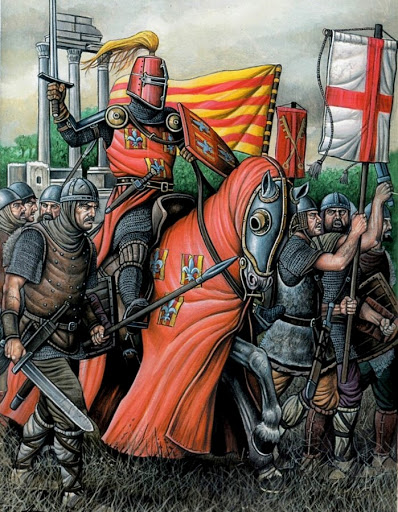
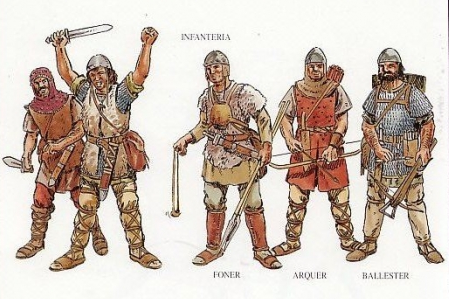
This Aragonese light infantry was well suited for naval fighting due to their mobility and experience with projectiles, they just needed to be protected to come close enough to the enemy ships to fire at them and board them. Di Lauria personally recruited sailors and marines.
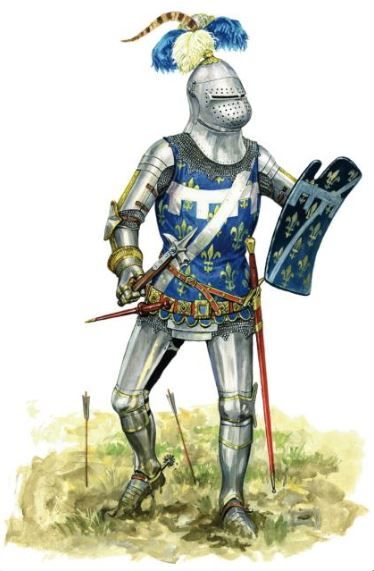
Meanwhile the French took naval warfare too much as if it was a land battle. Their main fighting force were the heavy armored knights who lacked mobility for boarding and fighting on unstable ships.They hired Genoese and Pisan crossbowmen but their crews had lack of communication
Their lack of communication problem affected their leadership as well, as Charles of Anjou appointed two admirals Guillaume Cornut and Bartholomé Bonvin, dividing the command for an unknown reason and it furthered the lack of coordination among French ships.
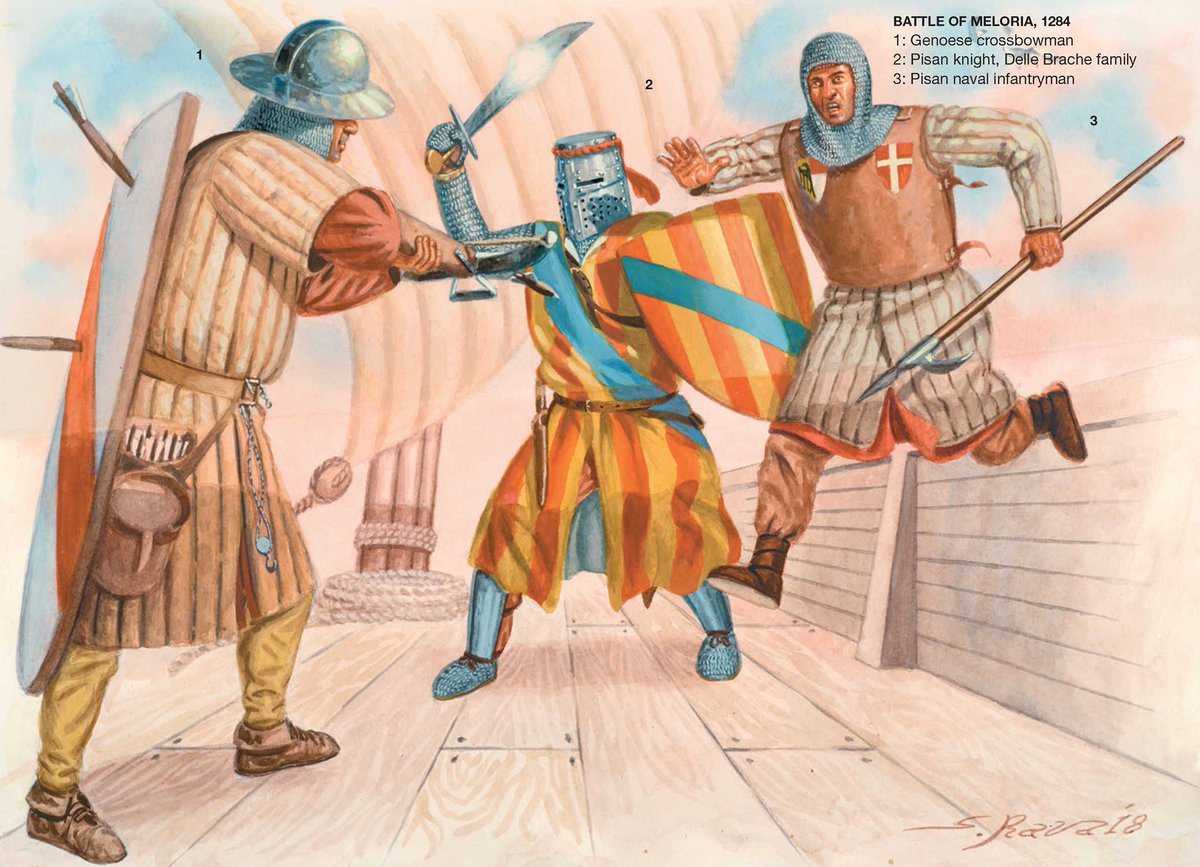
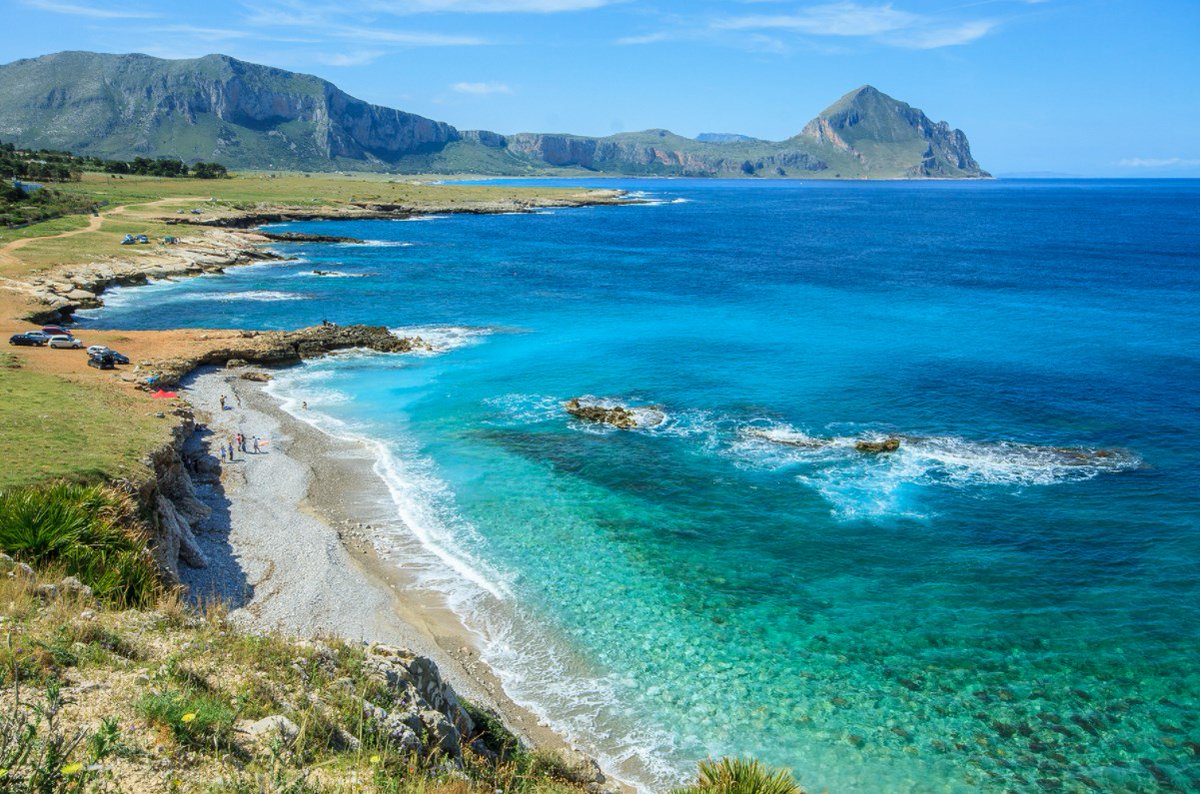
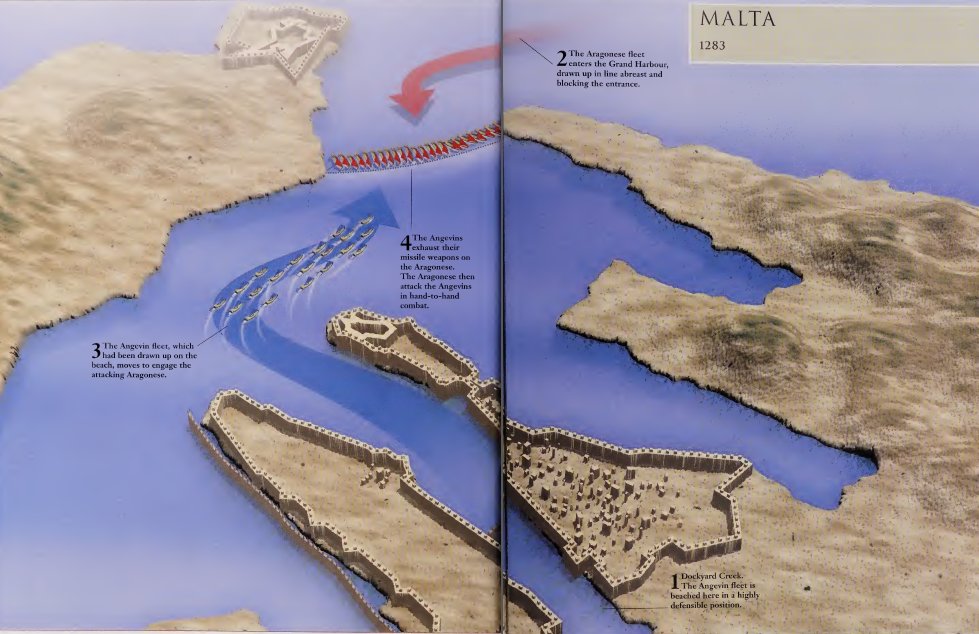
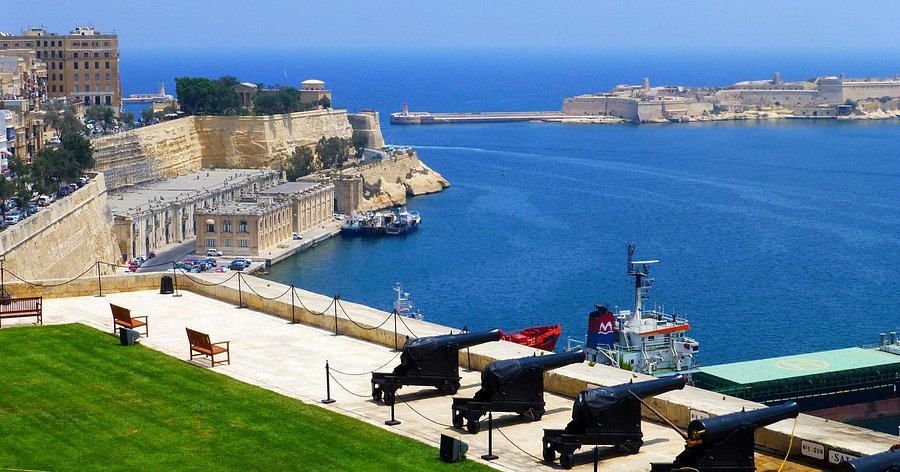
The battle would be fought in the entrance to the Grand Harbour of Malta. Roger di Lauria skillfully caught the French off guard but instead of a surprise attack, he decided to give a signal at dawn and gave the french time to assemble and meet him at the open sea. Why? Let's see
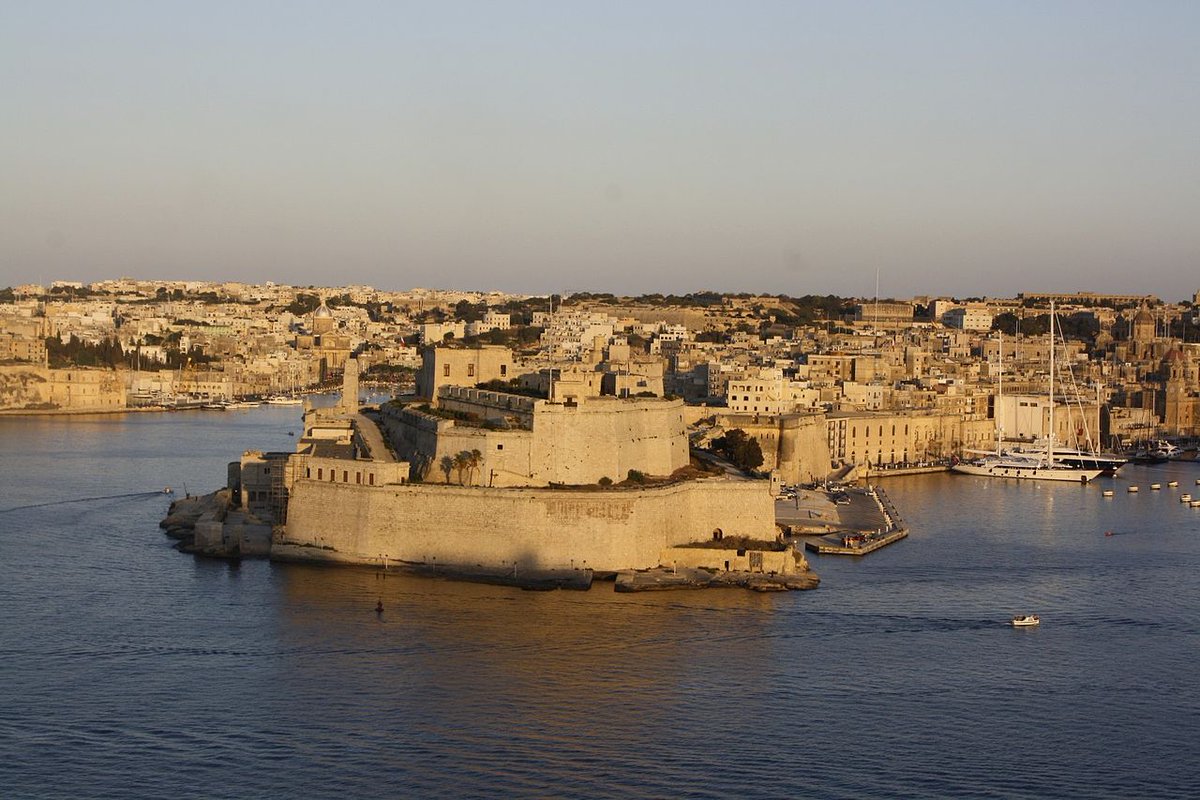
It was not so much as gesture of chivalry as he didn't want to fight the beached ships that could be reinforced by land and would not be able to be carried off if captured. Roger di Lauria wanted a pure naval battle, to fight the enemy at his favorite territory.The French obliged
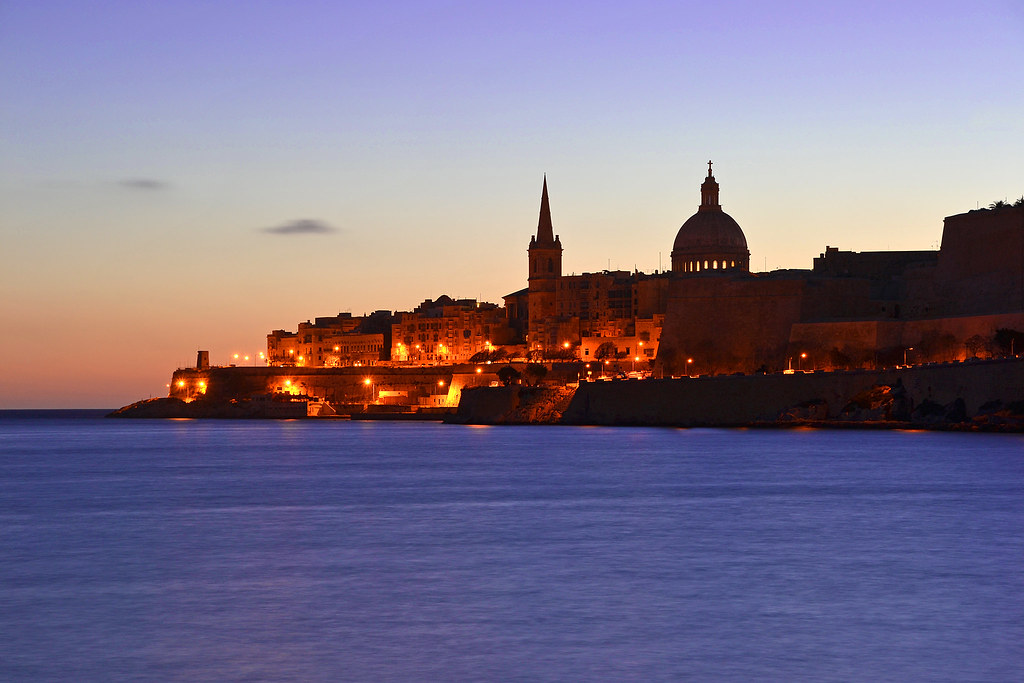
Di Lauria's favorite tactic was to advance in line and had his men refrain from firing missiles until very close to the enemy. He only allowed his crossbowmen to shoot, the rest of the men took cover, taking use of the extra protection their ships offered. The French fired arrows
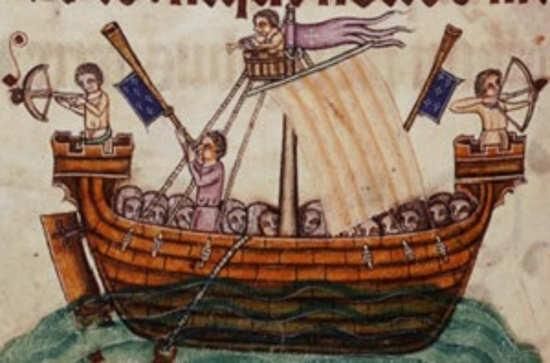
At noon, French ran out of their ammunition. They were also unable to board the enemy Aragonese ships that were too high. The Aragonese exploited this advantage and finally shot their arrows and javelins at French, decimating them before boarding the ships and fighting on ships.
The victory of the Aragonese was complete and also brutal. The medieval naval battles were usually more lethal than land battles, as no quarter was given and there wasn't anywhere to escape other than to swim but those with armor and who didn't know to swim, didn't stand a chance
Roger di Lauria and the Aragonese fleet would keep on winning. This was the triumphant era of this ancient Iberian kingdom as the Crown of Aragon terrorized its enemies both on land and the sea and the ferocious almogavars would terrify many! Glory to the mighty Aragon!
My main source: Battles of the Medieval World 1000-1500 (Kelly Devries and others, published in 2006 by Amber Books).

• • •

Missing some Tweet in this thread? You can try to force a refresh

 

Keep Current with Aristocratic Fury

Aristocratic Fury Profile picture

Stay in touch and get notified when new unrolls are available from this author!

Read all threads

This Thread may be Removed Anytime!

PDF

Twitter may remove this content at anytime! Save it as PDF for later use!

Try unrolling a thread yourself!

how to unroll video
  1. Follow @ThreadReaderApp to mention us!

  2. From a Twitter thread mention us with a keyword "unroll"
@threadreaderapp unroll

Practice here first or read more on our help page!

More from @LandsknechtPike

Dec 5
During 16th century sieges, mines and counter-mines were dug.

It was not uncommon that brutal subterranean fighting would take place in the mines!

It's incredible that such mines are still preserved today at St Andrews Castle in Scotland where a siege took place in 1546. 🧵 Image
Image
Image
The well-preserved 16th century siege mines at St Andrews Castle reveal the hard work that was done by both the besiegers and the defenders to dig these tunnels.

During sieges, a lot depended on such subterranean battles. Image
Such tactics had already been in place for a long time in various medieval and early modern sieges all over Europe.

The besiegers dug tunnels trying to undermine enemy towers or sections of the wall, paving the way for the infantry to storm the city or fortification. Image
Read 16 tweets
Sep 6
It's wild how Denmark had colonies in India for more than 200 years from 1620 to 1869.

Fort Dansborg, built in 1620, still stands today in the Bay of Bengal.

They had forts, factories, trading posts. But they eventually sold their possessions to British Empire. Image
Image
Image
The Danish presence in India was of little significance to the major European powers as they presented neither a military nor a mercantile threat so they let them carve out their own niche.

A map of Danish trade routes in the region. Image
The operation was initially conducted by Danish East India Company.

But the early years of the Danish adventure in India in 1620s were horrible. Almost two-thirds of all the trading vessels dispatched from Denmark were lost.

Denmark also got involved in Thirty Years' War. Image
Read 12 tweets
Aug 10
English explorer John Smith, famous for his involvement in establishing the Jamestown colony in America in 1607.

His coat of arms featured the heads of three Ottoman soldiers whom he beheaded in duels while serving as a mercenary in Transylvania during the Long Turkish War. Image
Image
John Smith is known today for his role in managing the colony of Jamestown in Virginia, the first permanent English settlement in North America, and his connection with a Powhatan woman called Pocahontas.

But John Smith was also a powerful warrior and mercenary prior to that. Image
Image
Image
Born in England, he set off to sea in 1596 at age 16 after his father died to become a mercenary, fighting for the French against the Spanish.

He was looking for what he called "brave adventures".

After a truce was made in 1598, he joined a French pirate crew in Mediterranean. Image
Read 15 tweets
Jun 16
The Habsburg-Irish military connection!

Many Irishmen served the Habsburgs over centuries and distinguished themselves.

Over 100 Irishmen were field marshals, generals, or admirals in the Austrian Army!

Some of the illustrious Irish warriors serving the Habsburg emperors. 🧵 Image
Image
Image
In 1853 there was an assassination attempt on emperor Franz Joseph in Vienna by a Hungarian nationalist.

But the emperor's life was saved by Count Maximilian Karl Lamoral O'Donnell who cut the assassin down with a sabre.

O'Donnell was a descendant of Irish nobility! Image
Maximilian ancestors -the powerful O'Donnell clan- left Ireland during the Flight of the Earls in 1607, when Irish earls and their followers left Ireland in the aftermath of their defeat against the English Crown in the Nine Years' War in 1603. Image
Read 25 tweets
May 29
Many inns appeared in medieval Europe, offering foods, drinks and a place to socialize, as well as lodging for travelers, helping transportation logistics.

In this thread I will present some of the old medieval inns that survived to this day, from various European countries!🧵 Image
Image
Image
The George Inn. Norton St Philip in Somerset, England 🏴󠁧󠁢󠁥󠁮󠁧󠁿.

Built in 14th century and completed in 15th century, this is a proper medieval inn.

Being an innkeeper was a respected social position. In medieval England, innkeepers were generally wealthy and held influence in towns! Image
Image
Image
Stiftskeller St. Peter. St Peter's Abbey in Salzburg, Austria 🇦🇹.

Often mentioned as the oldest inn in Central Europe, for it was first mentioned in 803 in a letter to Charlemagne.

It operated as part of the monastery to give food to pilgrims. Now a prestigious restaurant. Image
Image
Image
Read 17 tweets
Apr 13
This is the Mercedes-Benz W125 Rekordwagen made in 1937.

I was always fascinated with this car.

It's crazy how in 1938 this car recorded a speed of 432.7 km/h (268.9 mph). This remained the fastest ever officially timed speed on a public road until broken in 2017. Image
The record was set by German driver Rudolf Caracciola who drove this car on the Reichs-Autobahn A5 between Frankfurt and Darmstadt on 28 January 1938.

This reflected the obsession with breaking records and showcasing industrial prowess of nations at the time. Image
Image
Image
The onlookers who observed the spectacle of a car racing at astonishing 432.7 km/h past them also noted the brutal boom of the side spewing exhaust stacks as the silver car hurtled past.

It must have been an incredible spectacle to witness! Image
Read 9 tweets

Did Thread Reader help you today?

Support us! We are indie developers!


This site is made by just two indie developers on a laptop doing marketing, support and development! Read more about the story.

Become a Premium Member ($3/month or $30/year) and get exclusive features!

Become Premium

Don't want to be a Premium member but still want to support us?

Make a small donation by buying us coffee ($5) or help with server cost ($10)

Donate via Paypal

Or Donate anonymously using crypto!

Ethereum

0xfe58350B80634f60Fa6Dc149a72b4DFbc17D341E copy

Bitcoin

3ATGMxNzCUFzxpMCHL5sWSt4DVtS8UqXpi copy

Thank you for your support!

Follow Us!

:(