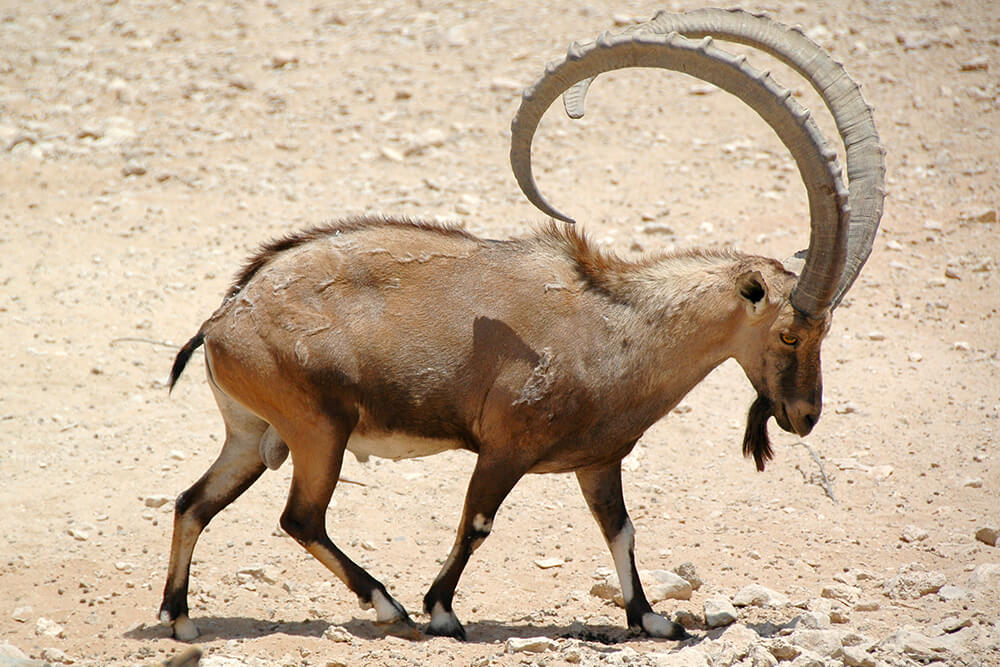
Thread: Flint animals, Ibex, (probably Auroch) bull and (probably migratory) birds...Naqada II, 3650-3450 BC, Egypt, currently in Staatliche Museen zu Berlin. From metmuseum.org/art/metpublica… page 48.
Why these animals?
Well Ibex and bull are well known animal calendar markers used throughout Eurasia and North Africa. They mark the beginning of the winter and summer, and in places where the climatic year is divided into dry and wet half, they mark the beginning of dry and wet season too...
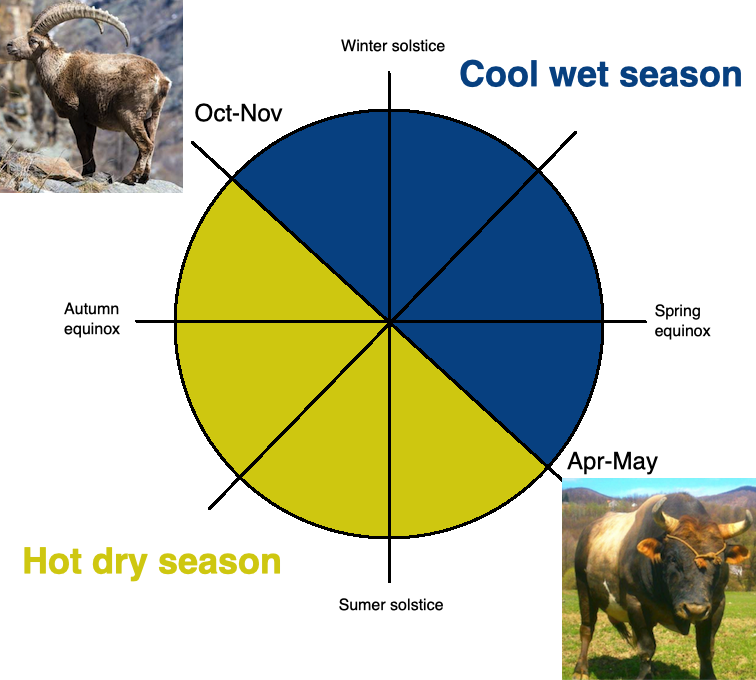
I already talked about Ibex as calendar marker in Naqada culture here:
Mating of Nubian ibex coincides with the arrival of rain in the Naqada area
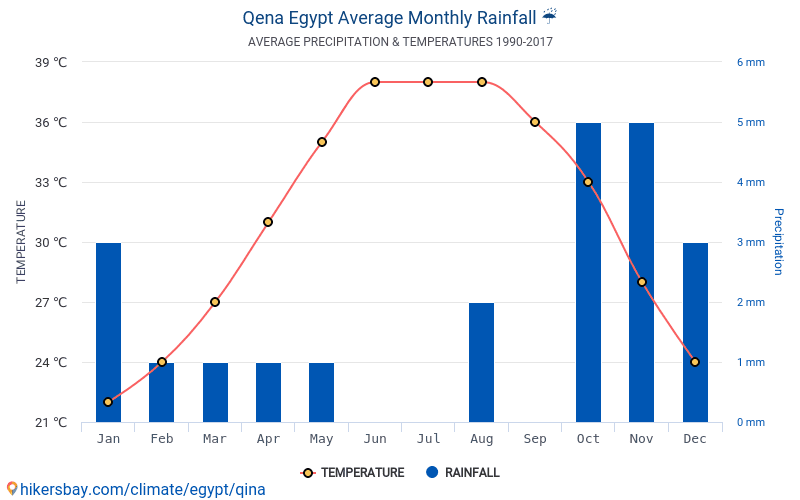
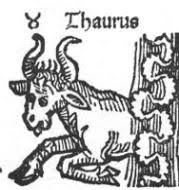
What about bull? Well why is Taurus where it is on the zodiac circle? Not because of stars of course. Because the calving season of the wild Eurasian cattle used to start at the beginning of May, in the middle of Taurus... I talked about this here oldeuropeanculture.blogspot.com/2016/05/ram-an…
How is this related to Naqada? This is the Nile river annual flow chart. The water level starts to rise in Taurus...Which is why we have cow goddesses of fertility in Egypt... oldeuropeanculture.blogspot.com/2020/03/holy-c…
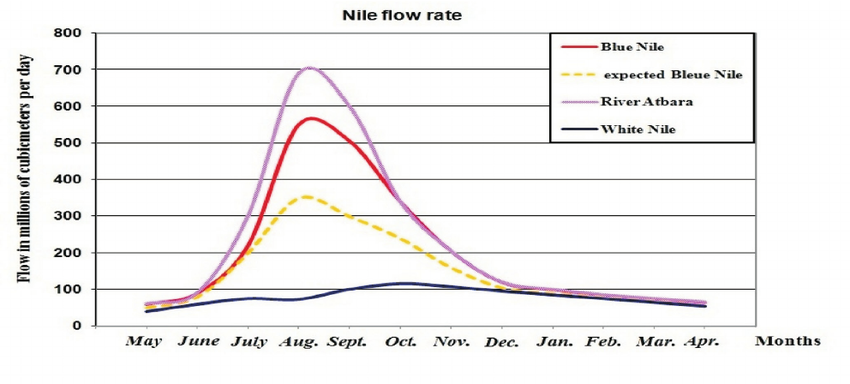
The flood peaks at the beginning of August. Which is the time when Aurochs used to start their mating season...Which is why we have veneration of sacred bulls in Egypt... oldeuropeanculture.blogspot.com/2020/04/white-…
More about animal calendar markers found in ancient cultures, start here oldeuropeanculture.blogspot.com/p/animal-solar… then check the rest of the blog posts I still didn't add to this page, and finally check my twitter threads I still didn't convert to blog post...I am 5 months behind now 🙂🙂🙂🙂
Ah, the birds...Check out the bird migratory seasons up and down the nile in the spring and autumn...Will write about this soon...In relation to Horus...
• • •
Missing some Tweet in this thread? You can try to
force a refresh

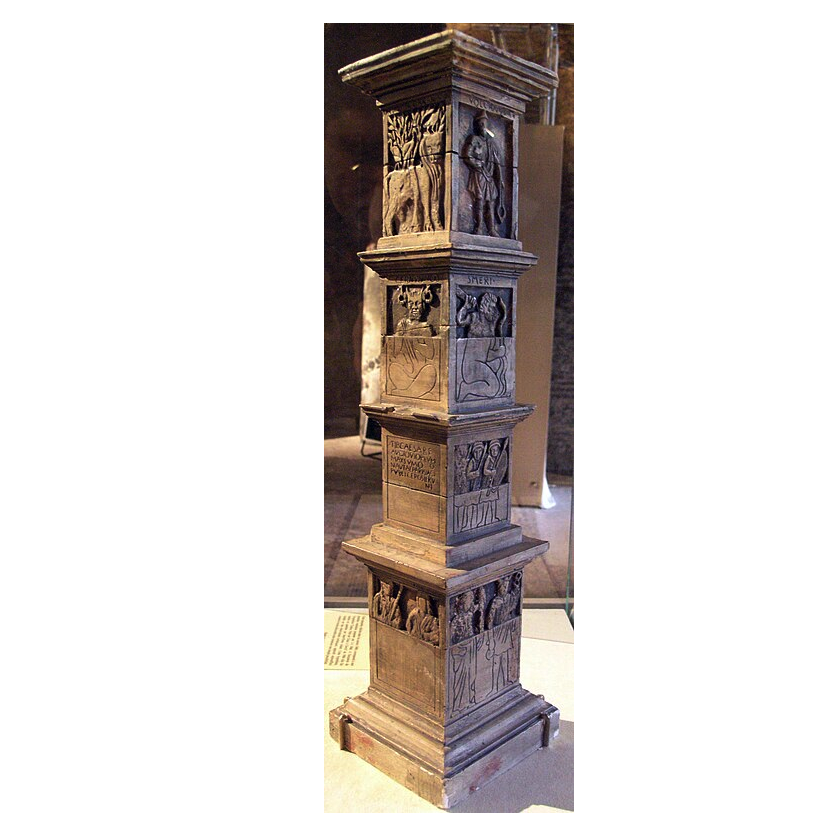
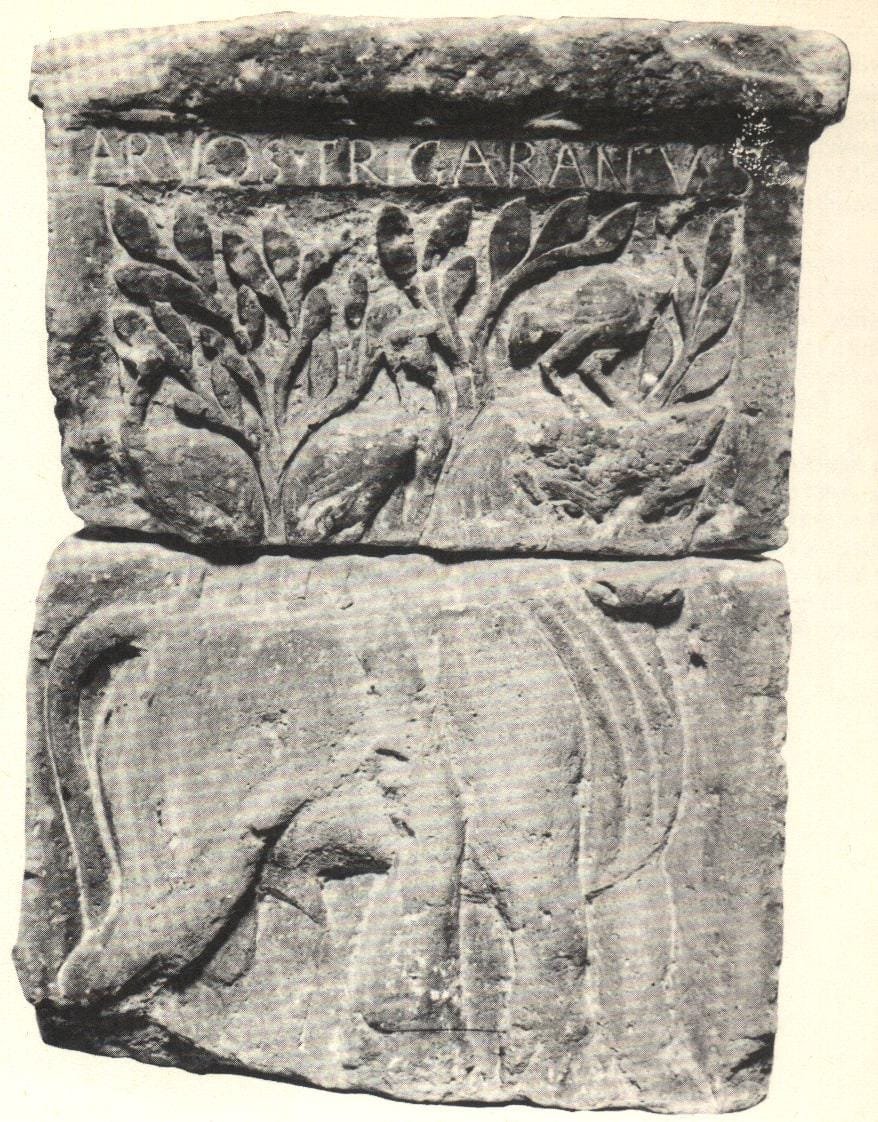
Thread: Strap in. This is going to be fun. In this thread I am going to talk about the first raw of panel from the 1st c. AD Roman monument known as the "Pillar of the Boatmen" found in Paris, France... en.wikipedia.org/wiki/Pillar_of…
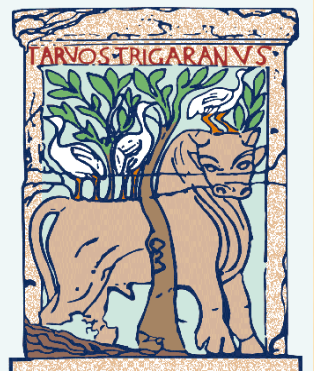
I was prompted to look into it by the posts by this great account @Michssspp82096 about this panel which depicts a bull standing under a willow tree, with 3 cranes perched on his back. The inscription reads "TARVOS TRIGARANOS" or "Bull and Three Cranes" in Gaulish...
@Michssspp82096 This is a coloured version of this image. It looks cool, but the colours are wrong...The only cranes native to France are Common Cranes and their feathers are grey not white and their legs are black not orange... en.wikipedia.org/wiki/Common_cr…
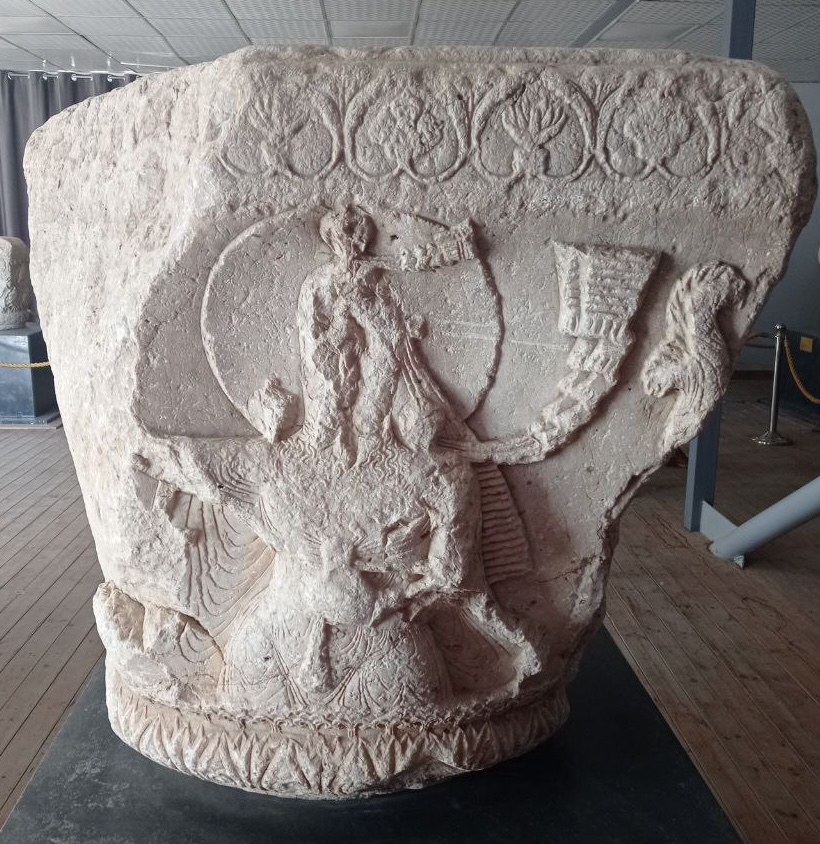
Thread: Late Sassanian depiction of a deity on a column capital now held in Taqe Bostan , which @persiaantiqua identified as Mehr (Mithra) based on the fact that he is surrounded by blooming lotuses... en.wikipedia.org/wiki/Taq-e_Bos…
Mithra was directly associated with lotus, to the point where on the most famous relief of Mithra, the one from Taqe Bostan, he is actually depicted standing on a lotus flower, radiating light, while witnessing Ahura Mazda giving ring of power to king Ardashir II...
Why Lotus? Mitra originates in India. Where he was, in the earliest times, directly associated with Varuna, the old Monsoon good whose Vahana was a crocodile, an animal calendar marker for the monsoon season in India....
Thread: Two Sassanian wall relief slabs dated to the 5th-6th c. AD, depicting rampant ibex goats flanking "the tree of life"...
This is an ancient symbol found throughout Iran, Mesopotamia, Central Asia, Levant, Crete. The reason for that is that in all these regions, year is divided into two halves:
Thread: 900-700 BC Syro-Hittite relief from Carchemish which everyone believes depicts the ancient Sumerian Hero Gilgamesh as master of animals, holding the horn of a bull and the leg of a lion. Museum of Anatolian Civilizations (Ankara, Turkey). Who is this dude really?
If we interpret the animals as animal calendar markers, which they always are in compositions like this, The Dude (with big D) stands in the moment when bull (summer) ends and lion (autumn) begins (end of Jul start of Aug)...
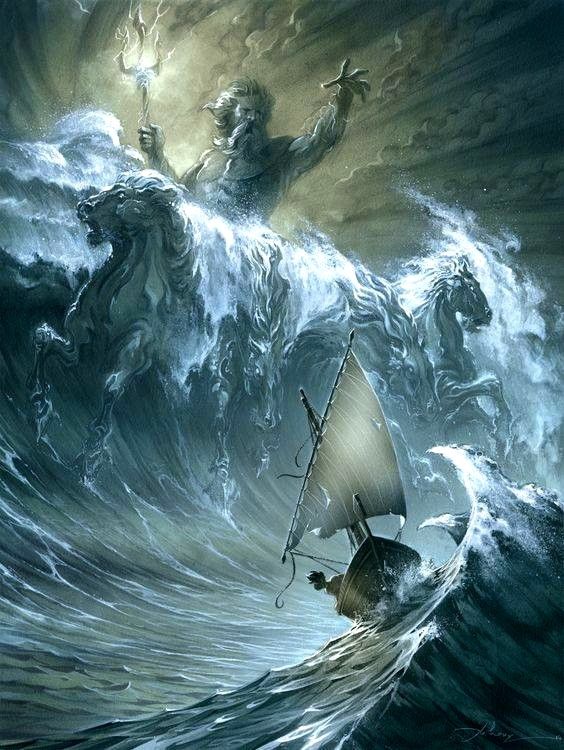
Thread: Poseidon, Greek god of the sea was associated with waves (obvious), horses (not so obvious, unless you know about animal calendar markers and the link between the horse mating season and the sailing season in eastern Mediterranean) and earthquakes (???)...
Why earthquakes? Look at this: Map of the Greek region showing the epicenters of the intermediate depth earthquake activity...
Big earthquakes trigger tsunamis. If you lived on these islands, observing this for millennia, you would eventually start believing that it is the god of waves, Poseidon, that is also creating earthquakes, as the big earthquakes are always accompanied with big waves...