A short 🧵 on my Senate testimony earlier this week
With key highlights
You can find the full text here:
banking.senate.gov/imo/media/doc/…
With key highlights
You can find the full text here:
banking.senate.gov/imo/media/doc/…
My focus is on the provision of robust science advice to policy makers on climate & evidence that scientific integrity has suffered in key ways
But first, lest there be any confusion. . .
1⃣ Those who are familiar with my views will know the below
But first, lest there be any confusion. . .
1⃣ Those who are familiar with my views will know the below

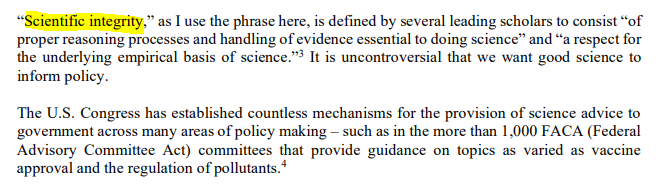
2⃣ Scientific integrity would seem to a a topic that both Democrats and Republicans should be able to agree on
The US government generally (but definitely not always!) does an excellent job in soliciting and securing robust expert advice
Climate should be no different
The US government generally (but definitely not always!) does an excellent job in soliciting and securing robust expert advice
Climate should be no different
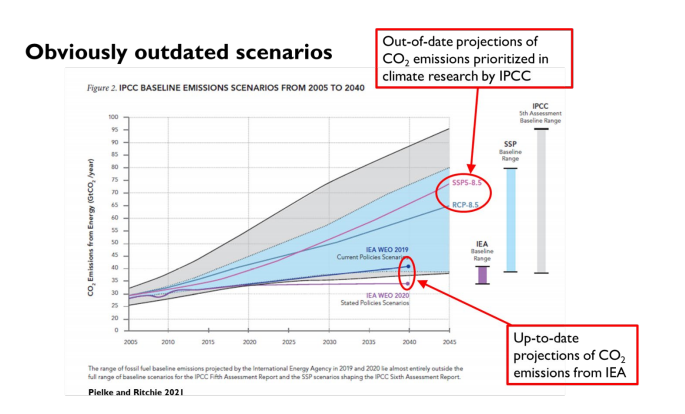
3⃣ Anyone following me knows climate science currently has some serious issues with the ubiquity of out-of-date scenarios
This is not simply an academic issue
Out-of-date scenarios can be found in scenarios used in important policy setting (eg, in regulation, by central banks)
This is not simply an academic issue
Out-of-date scenarios can be found in scenarios used in important policy setting (eg, in regulation, by central banks)
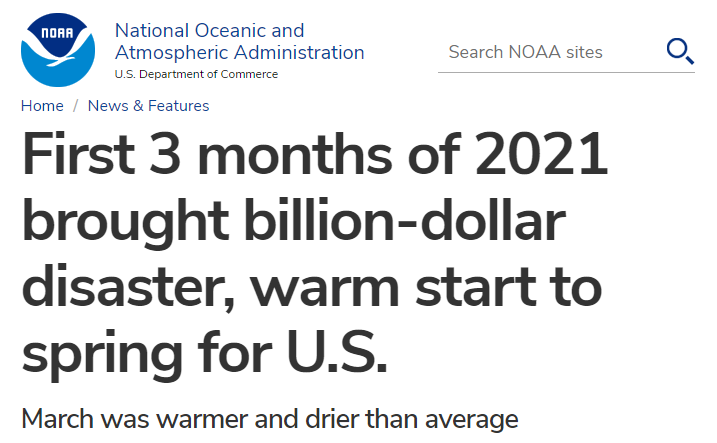
Policymakers & the public are routinely provided misinformation by NOAA (one of my favorite science agencies!) w/ the count of so-called "billion dollar disasters"
The dataset is poor economics & inappropriate for measuring climate trends
It's clickbait, apparently irresistible
The dataset is poor economics & inappropriate for measuring climate trends
It's clickbait, apparently irresistible
In reality the US & world economies hv become more resilient & less vulnerable to extremes
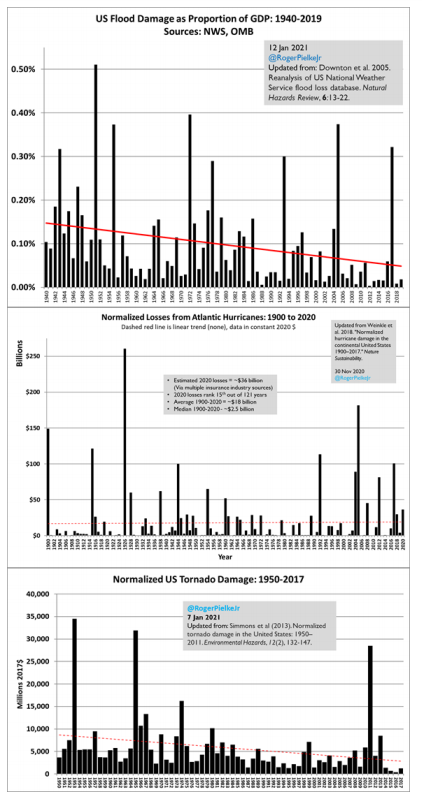
eg, flood damage as a % of US GDP has dropped by 70% since 1940 - this is not a small decrease
Normalized hurricane & tornadoes losses below also
It is good news & we want it to continue
eg, flood damage as a % of US GDP has dropped by 70% since 1940 - this is not a small decrease
Normalized hurricane & tornadoes losses below also
It is good news & we want it to continue
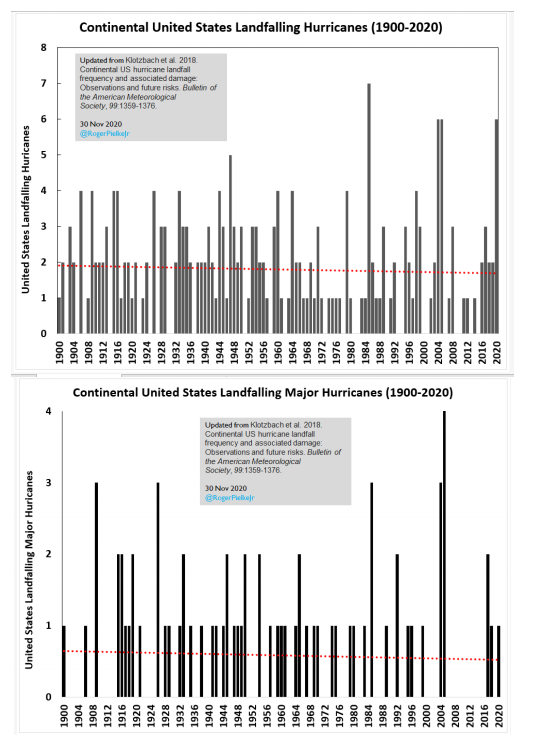
Can you believe that the 2017 and 2018 US National Climate Assessment did not include a graph showing a timeseries of US hurricane landfalls?
Hurricanes by far have the greatest economic damage of extreme weather
And yet the NCA didn't share with policy makers a timeseries?
🤷♂️
Hurricanes by far have the greatest economic damage of extreme weather
And yet the NCA didn't share with policy makers a timeseries?
🤷♂️
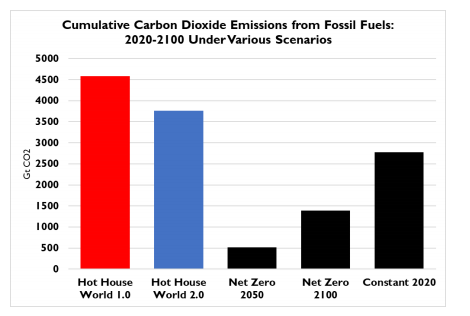
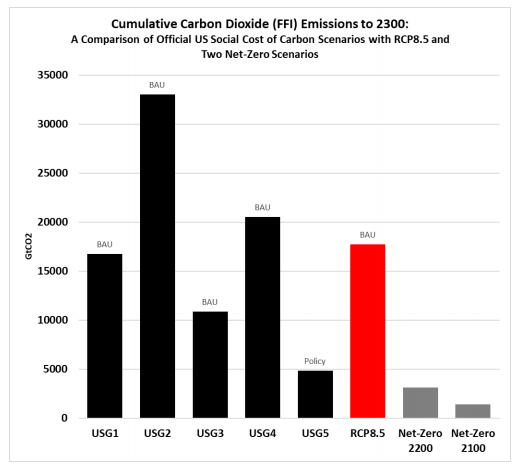
4⃣ Here are two examples where flawed science advice has real-world policy consequences: central bank climate stress testing & estimates of the "social cost of carbon" for regulatory policies
Both based on wildly out-of-date scenarios which project implausible futures (below)
Both based on wildly out-of-date scenarios which project implausible futures (below)
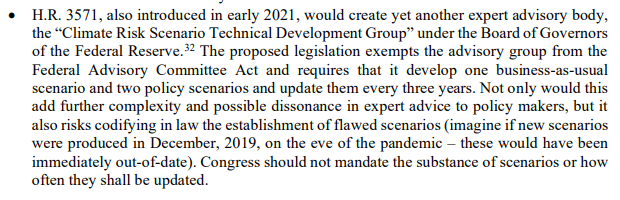
And rather than use existing science advisory mechanisms on climate, Congress is considering creating more such mechanisms, which would risk a confusing landscape of committees and create more opportunities for "policy based evidence" by mandating the substance of its advice
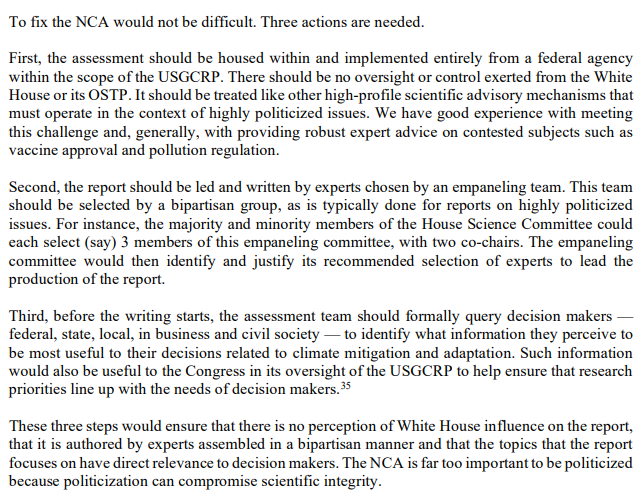
5⃣ Congress has the ability to require that the US NCA up its game & provide robust science advice (and just just that which advances the administration's policy agenda)
I recommend three actions to improve the role of the NCA in supporting Congress and the federal agencies
I recommend three actions to improve the role of the NCA in supporting Congress and the federal agencies
The bottom line?
At present there are troubling signs that Congress and the federal agencies are not receiving the high-quality advice necessary to inform decision making on climate mitigation and adaptation policies
Climate is too important for bad advice
/END
At present there are troubling signs that Congress and the federal agencies are not receiving the high-quality advice necessary to inform decision making on climate mitigation and adaptation policies
Climate is too important for bad advice
/END
• • •
Missing some Tweet in this thread? You can try to
force a refresh