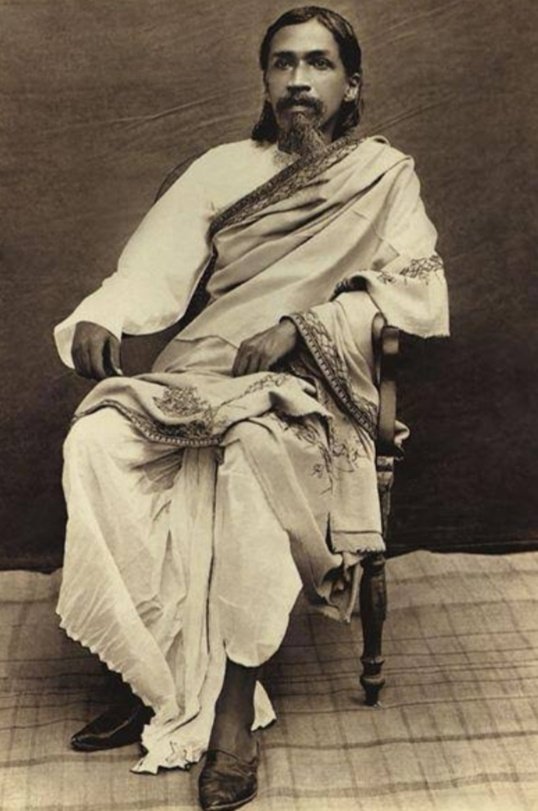
This year marks the completion of Satyajit Ray's centenary, yet the ghosts of poverty porn & exoticization allegations have not stopped lurking around. Routinely attacked by the Indian RW, here's why some of his most criticized works have little to do with these allegations.
+
+
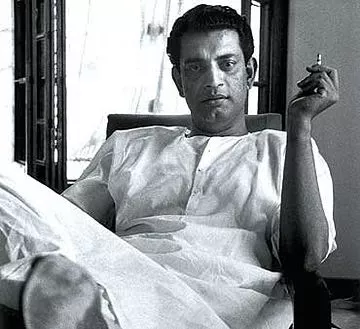
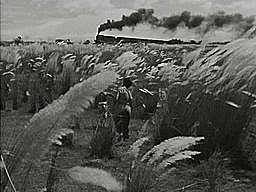
Ray's 1st & India's 1st film that received international acclaim, was more of Bibhutibhushan Bandapadhyay's creation than Ray's. It was a bildungsroman novel set in rural Bengal, an emerging genre then, where the author traces the moral and psychological growth of a character.
+
+
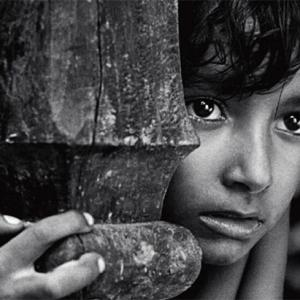
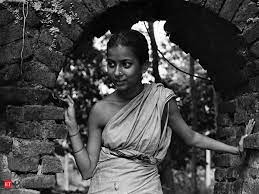
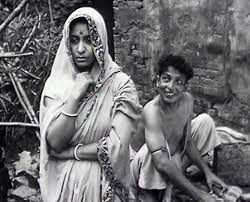
Coming to "romanticizing poverty", it must be noted that Panther Panchali was Bibhutibhushan's partly autobiographical work, greatly influenced by his own childhood. Calling this poverty porn is the denial of a man's experiences and more importantly Bengal's rural history.
+
+
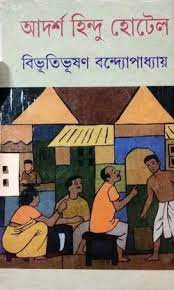
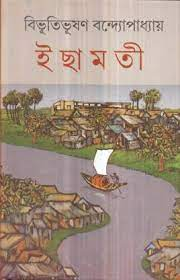
Bibhutibhushan's other works, Adarsh Hindu Hotel, Ichchamati, Bipiner Sansar et al explicitly reveals his conservative rural mindset. He was a staunch supporter of Hindu causes and openly opposed the Muslim League.
+
+

Ray made amends to the plot without affecting the essence & consequences, but merely the sequence of events. When one views the film as a part of the trilogy, it will be clear that the message is progressive in nature, social mobility from rural hinterlands to urban landscapes.
+
+
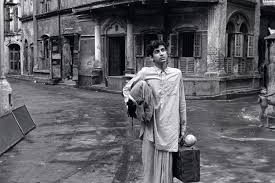
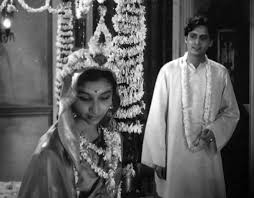
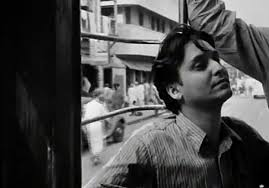
Using this film as an example to prove Ray's commitment to poverty porn thus falls flat.
Ashani Shanket, another Bibhutibhushan adaptation by Ray is similarly criticized by India's RW for exporting poverty to the West, by this movie Ray was an important filmmaker in the world.
+
Ashani Shanket, another Bibhutibhushan adaptation by Ray is similarly criticized by India's RW for exporting poverty to the West, by this movie Ray was an important filmmaker in the world.
+
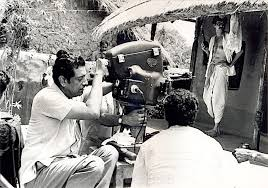
The movie is based on the Great Bengal famine, the catastrophic manmade famine that wiped out 5mn Bengalis. Ignoring this event in fiction and cinema is ignoring the plight of countless voiceless Bengalis of the 1940s. And you call it poverty porn?
+
+
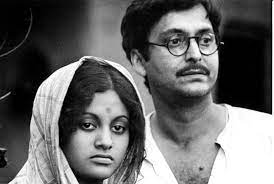
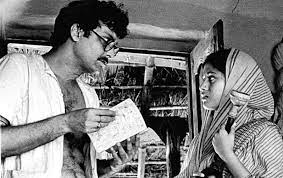
Another favourite of the Sanghis is Mahanagar, a film that they perceive to be celebratory of urban unemployment because of its neo-realistic standards of portrayal, while the movie actually depicts the struggles of the middle class in a megacity,
+
+
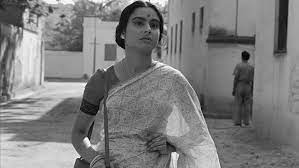
a section of which has been consciously under portrayed in Indian cinema. The film upholds the institution of family, Hindu society's smallest and strongest unit, and is laced with sub-themes of urban feminism.
+
+
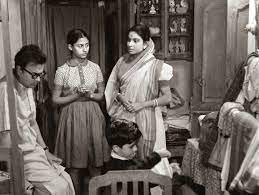
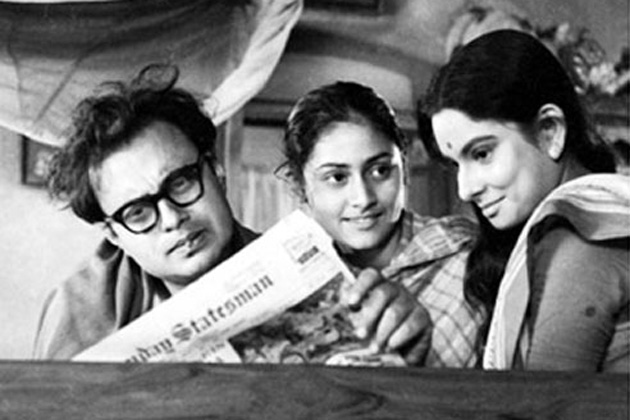
I recently came across a post that criticized Ray for exoticizing Rajasthanis in his Sonar Kella. The author said, he looked at them in the same elitist way the British looked at Indians.
+
+
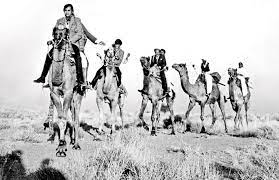
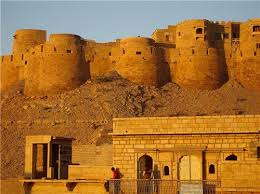
Instead, Ray not only popularised the culture of the state but also gave a massive boost to Rajasthan's image as a domestic tourist destination, tourism surged & today Jaisalmer's limestone fort is introduced as "Sonar Kella" by local guides, many of whom do not recognize Ray.
+
+
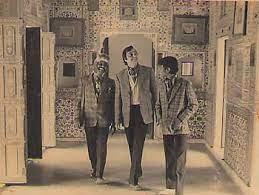
Lastly, most of Ray's films were adaptations and not his original work, barring a few like Kanchenjunga, Charulata, Nayak, Feluda series, Agantuk et al. In these movies he explored the middle and upper-middle class of Calcutta is the best resonated with that populace.
+
+
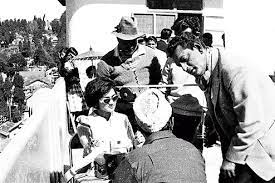
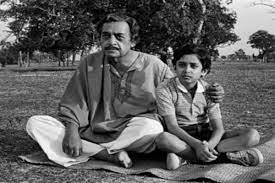
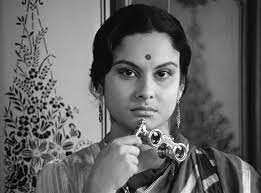
It is funny at times to see the Right complaining of Ray's poverty porn when the Left has continuously argued that Ray's movies are the exposition of his bourgeoisie mindset (check Jalsaghar, Feluda, Nayak, Charulata).
+
+
Ray was aware of his inability to outgrow his bourgeois upbringing which reflects in his works. In Jalsaghar, he subconsciously sympathizes w/ music-loving zamindar Biswambhar Roy; in Nayak, he justifies matinee idol Arindam Mukherjee's quest to maintain his class & popularity.
+
+
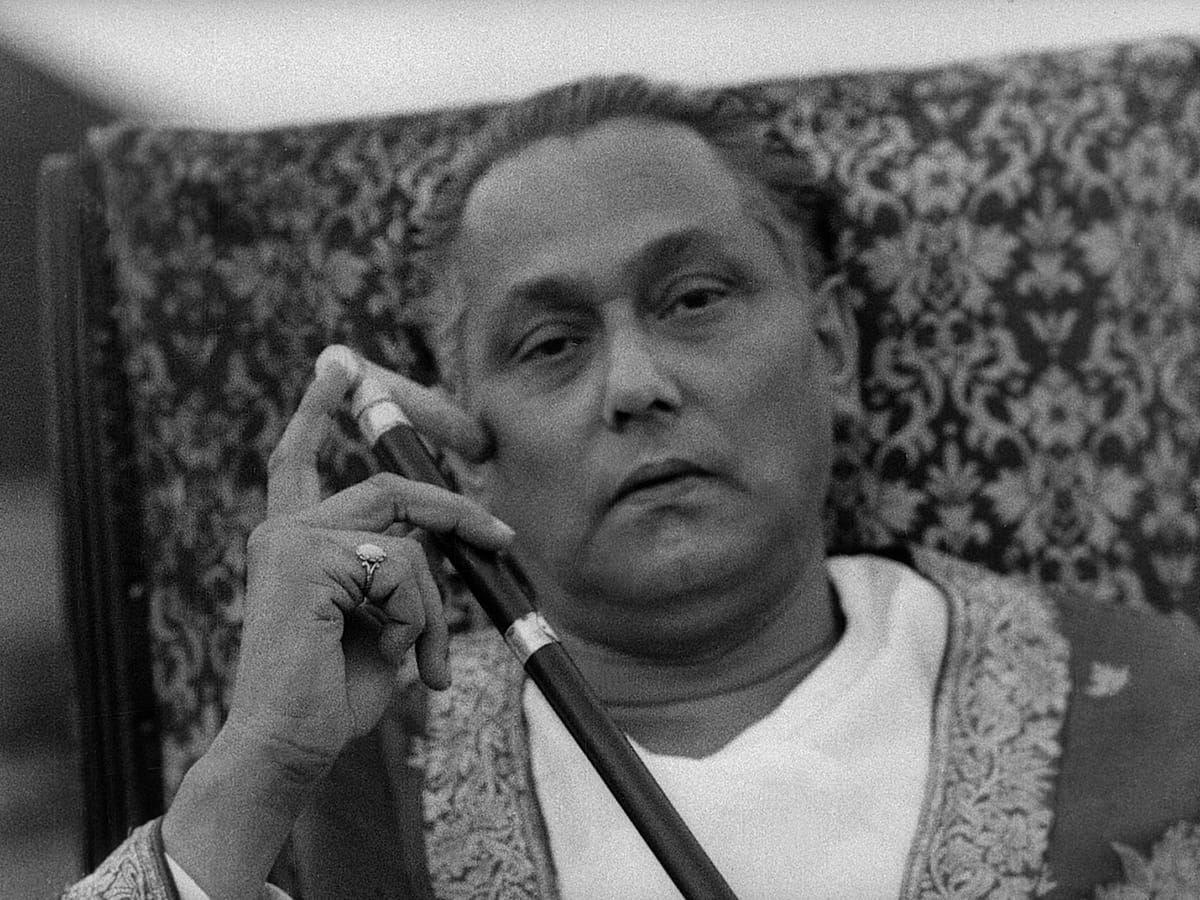

To sum it up, Bengalis have seen a lot of 2nd hand opinions from intellectuals of the Sangh ecosystem who in their pursuit of deriding Bengalis whilst conquering Bengal have advertently insulted several Bengali icons, including Ray. WB 2021 campaign & result speak the rest.
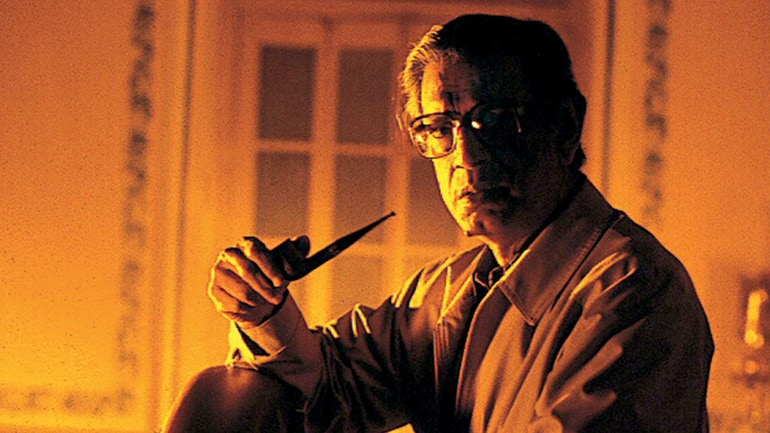
*not Charulata
(mistake)
(mistake)
• • •
Missing some Tweet in this thread? You can try to
force a refresh