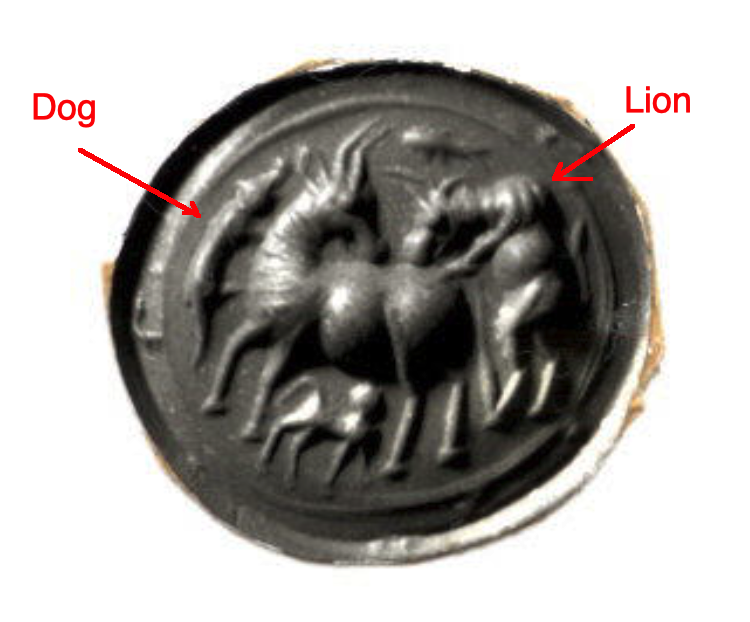
Thread: Conoid stamp seal, Late Cypriot III. Cyprus (?), ca. 13th–12th c. BC. Currently in the Met metmuseum.org/art/collection…. Official description: lions (?) attacking a cow suckling a calf...Actually, this is a complex animal calendar marker, marking the beginning of August... 
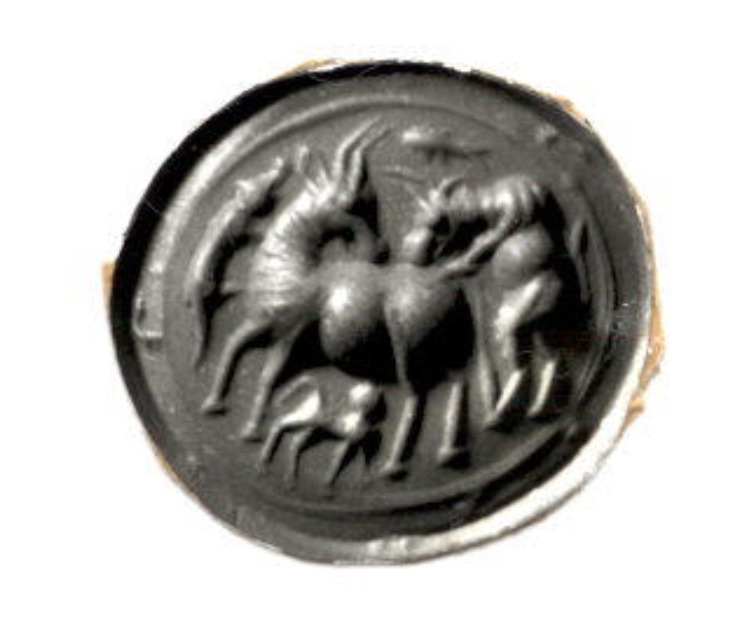
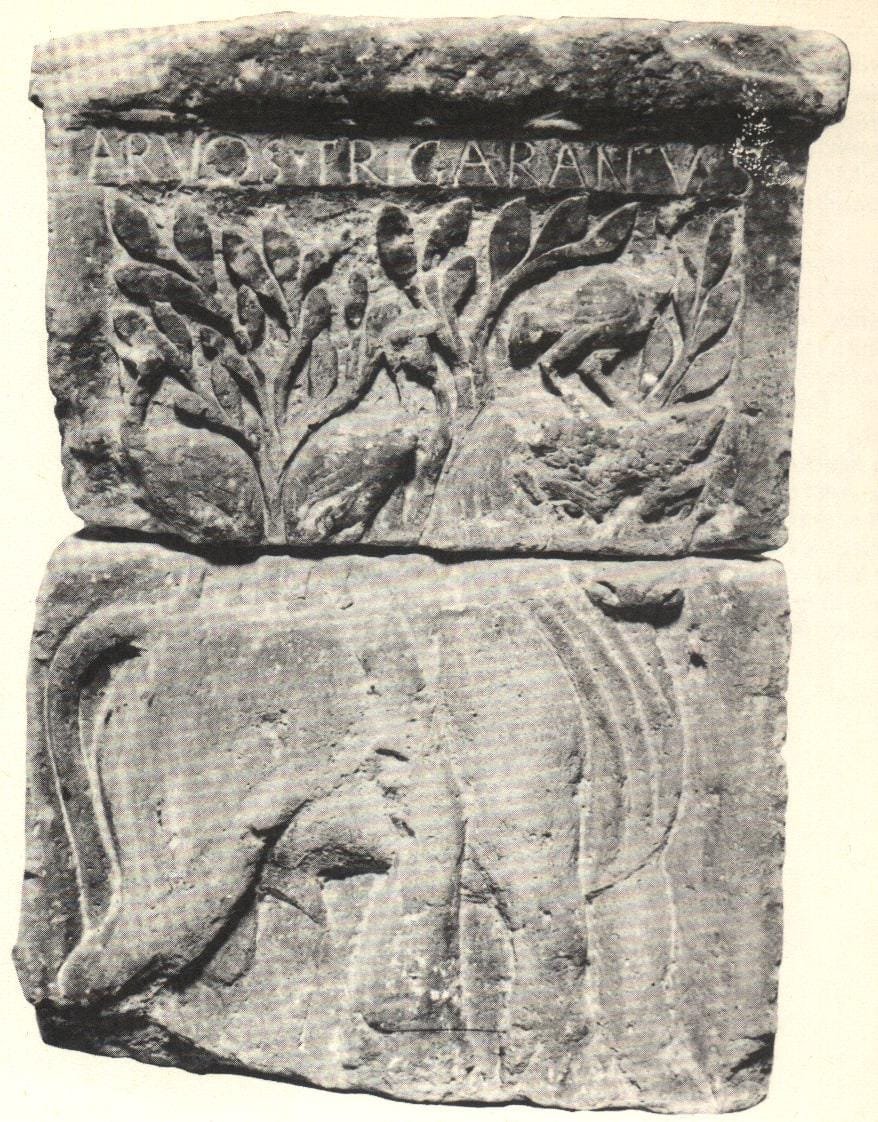
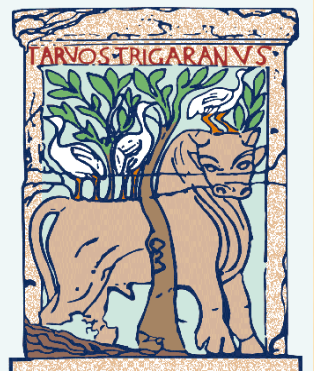
First, cow suckling its calf...I talked about this animal calendar marker in many different threads, like this one...It is a symbol for Apr/May, the time when wild Eurasian cattle start to calve...
https://twitter.com/serbiaireland/status/1418943941286797318
This is also the time when the grain harvest starts in Middle East, Levant...And Cyprus...
https://twitter.com/serbiaireland/status/1408463380248158212
So an important calendar marker indeed...Which we today know as Taurus, Bull, but which I always thought should have been a cow and a calf... oldeuropeanculture.blogspot.com/2016/05/ram-an…
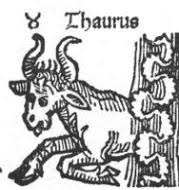
Now summer (May, Jun, Jul) starts with calving of wild Eurasian cattle, and ends with mating of wild Eurasian cattle...Which is why bull has been the symbol of summer all over Eurasia and North Africa since at least Neolithic oldeuropeanculture.blogspot.com/2019/10/symbol…
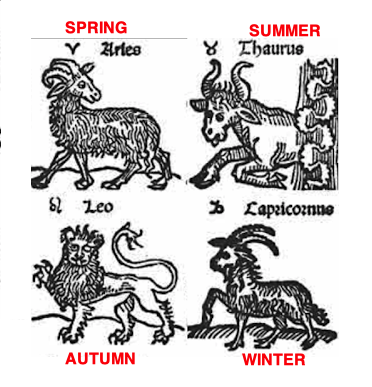
Autumn (Aug, Sep, Oct), starts in Leo, animal calendar marker which marks Jul/Aug, the time when the main mating season of Eurasian lions begins...


Lion mating season spans the whole of autumn, which is why lion has been the symbol of autumn all over Eurasia and North Africa since at least Neolithic...
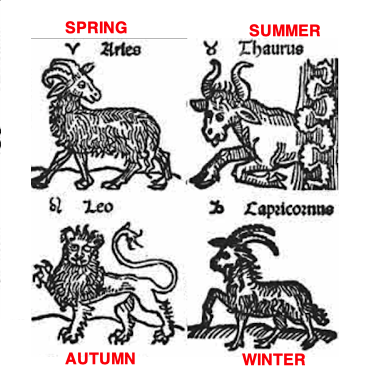
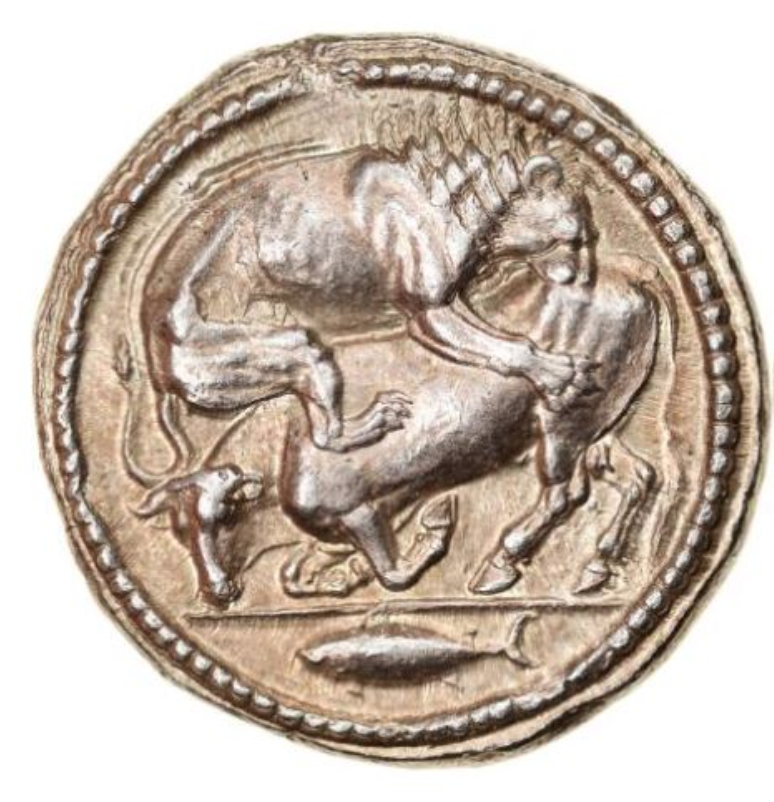
Summer ends at the end of Jul, and autumn begins at the beginning of Aug. Symbolically, lion (autumn) kills bull (summer)...Usually depicted as a lion chewing on the butt of a bull...
Or in the case of this Cypriot seal, lion jumping on the back of the cow suckling its calf...
Or in the case of this Cypriot seal, lion jumping on the back of the cow suckling its calf...

I talked about lion killing bull symbol in this thread:
https://twitter.com/serbiaireland/status/1391826979343802371
The animal "attacking" the cow from the front definitely isn't a lion...I think that it could be a dog...Viewed from the top...Why?
Because mating season of the oldest domesticated dog breeds, begins during dog days, end of Jul beginning of Aug... oldeuropeanculture.blogspot.com/2020/05/dog-da…
Because mating season of the oldest domesticated dog breeds, begins during dog days, end of Jul beginning of Aug... oldeuropeanculture.blogspot.com/2020/05/dog-da…

So both lion and dog (both animal calendar markers for the beginning of autumn) attack bull (animal calendar marker for summer) at the same time, now, beginning of August...
What about the fish? If this is Cypriot seal, then I would propose that the fish is Tuna...Whose mating season in Mediterranean sea peaks in Jul/Aug which is also the beginning of the main Tuna fishing season in the Mediterranean sea...
https://twitter.com/serbiaireland/status/1366058847945785358
But maybe I am wrong...You never know with these ancient artifacts...Maybe I am just reading too much into it all...
More about animal (and plant) calendar markers found in ancient cultures, start here oldeuropeanculture.blogspot.com/p/animal-solar… then check the rest of the blog posts I still didn't add to this page, and finally check my twitter threads I still didn't convert to blog post...I am 6 months behind now
• • •
Missing some Tweet in this thread? You can try to
force a refresh