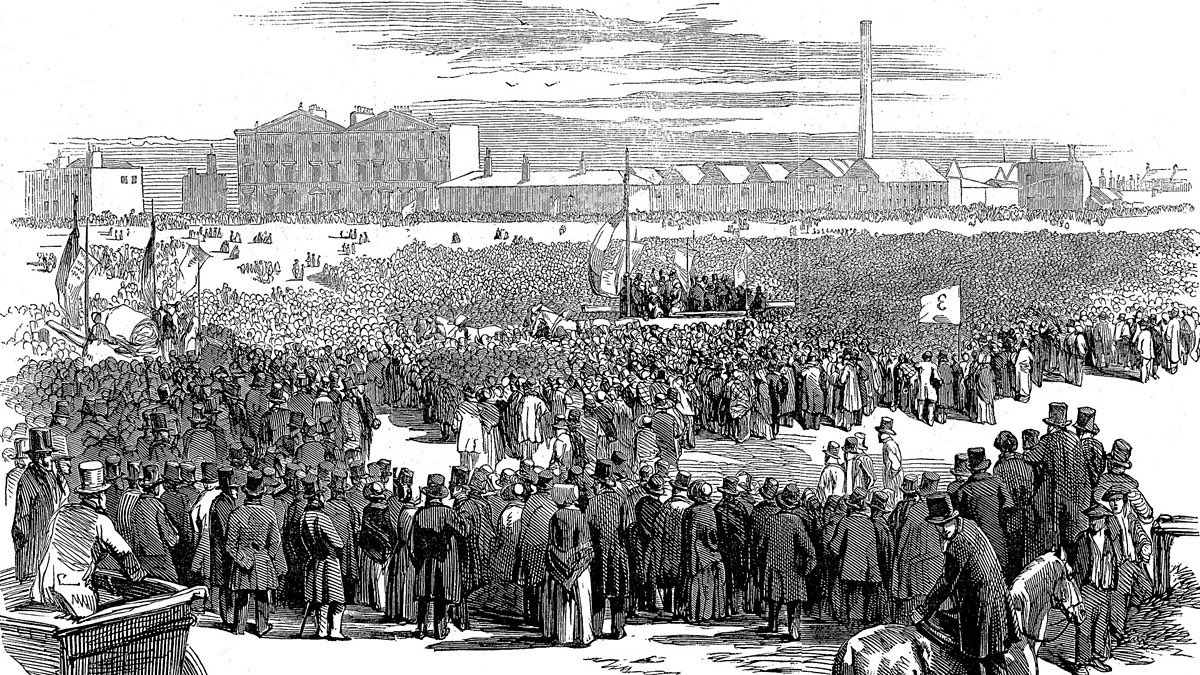
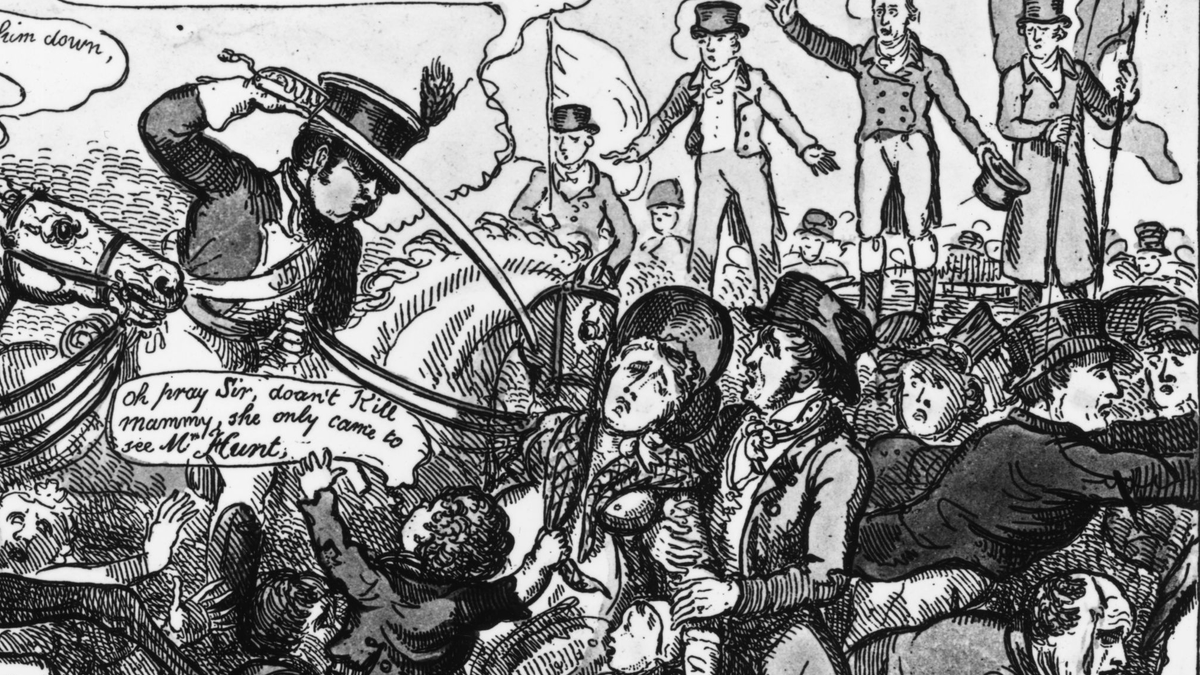
Mary Heys from Manchester. Ridden over by cavalry. Mother of 6 and pregnant at the time of the meeting. Disabled following her injuries. Died from the premature birth of her child after 7 months of pregnancy.
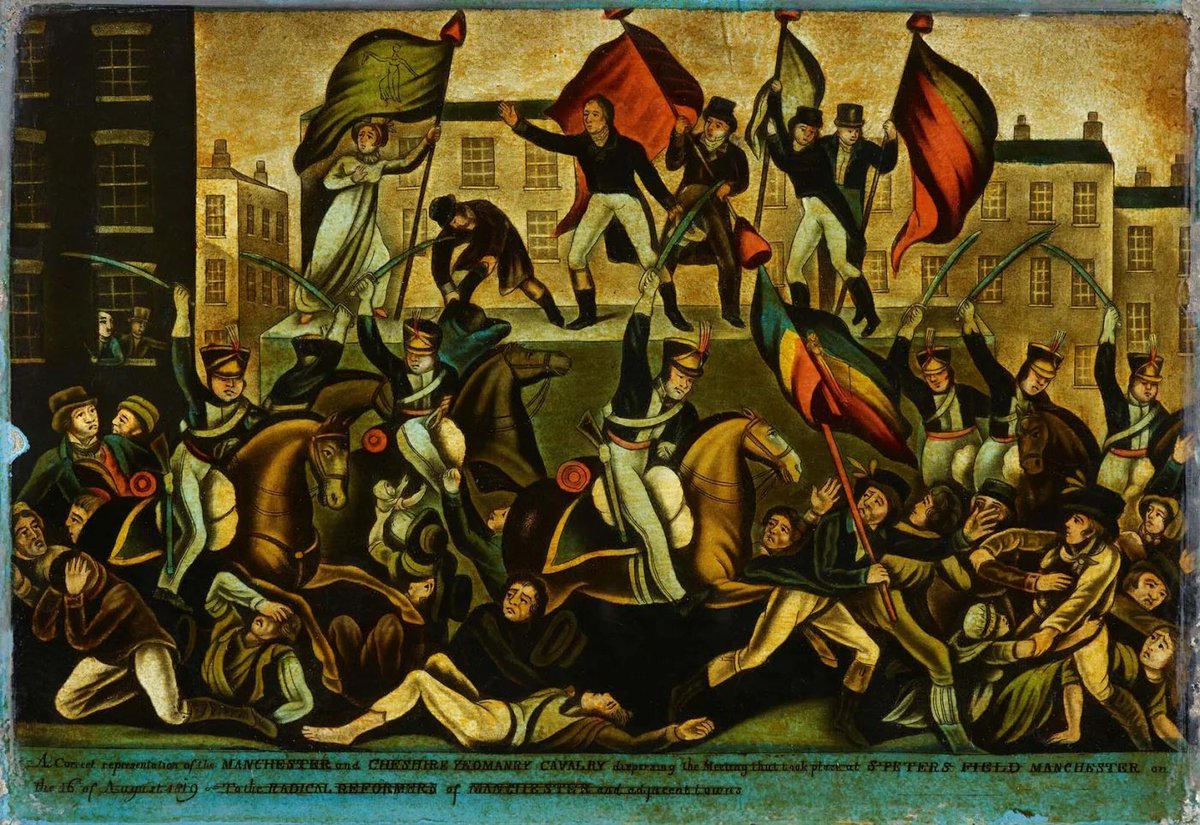
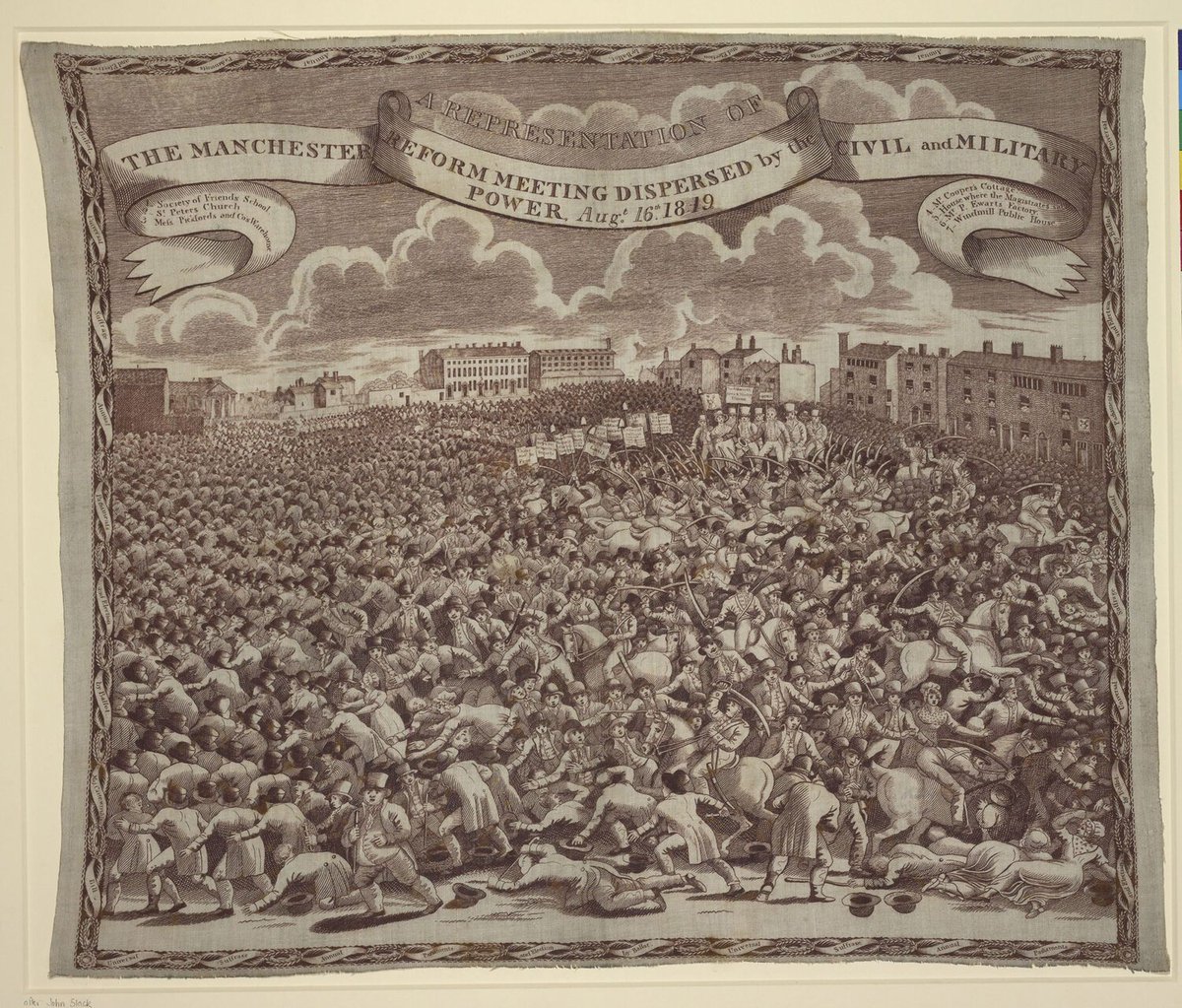
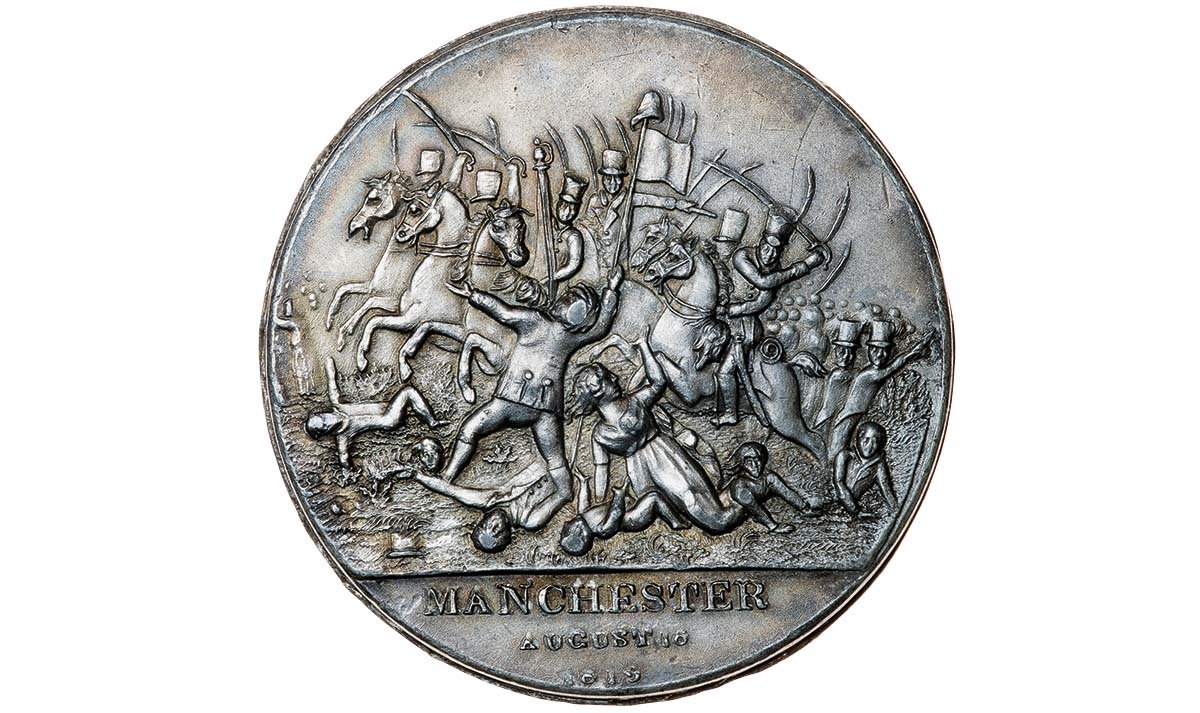
Thread of fatalities resulting from the Peterloo Massacre #OTD 1819 👇
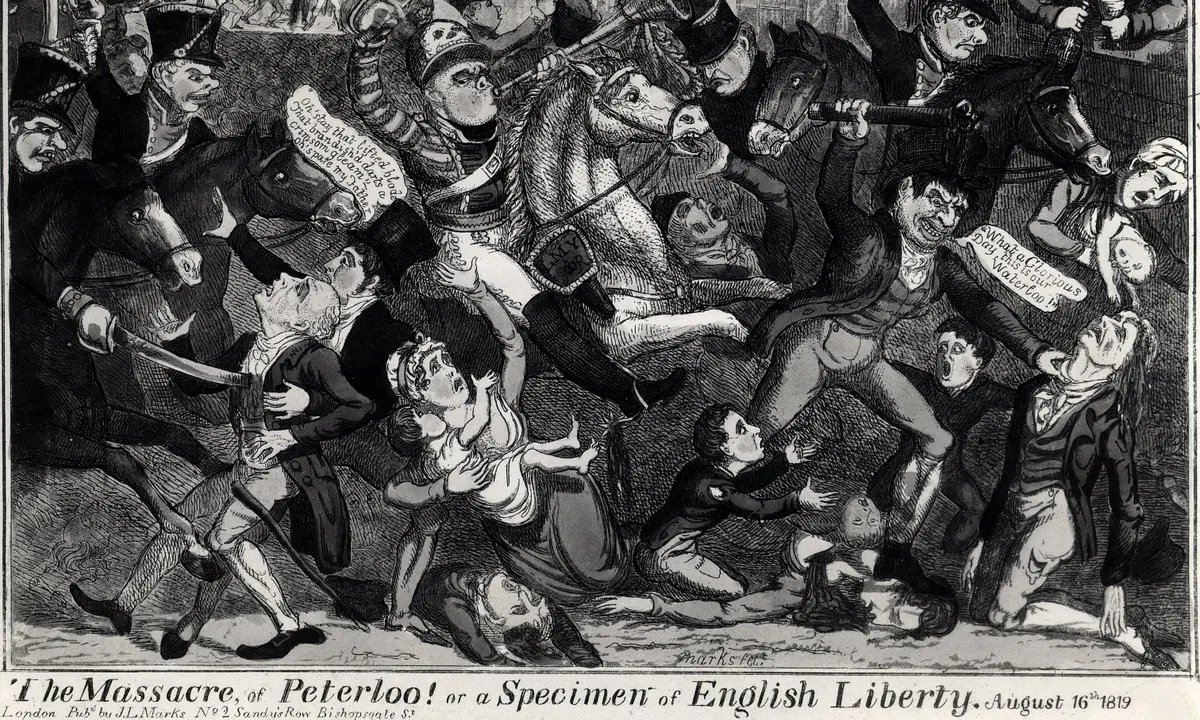
William Fildes, a 2-year-old from Manchester. Ridden over by cavalry. 1st victim of the massacre. William's mother was carrying him when she was struck by a Manchester Yeomanry trooper.
The unborn child of Elizabeth Gaunt, who was beaten and trampled on while heavily pregnant.
John Ashton from Cowhill near Oldham. Sabred and trampled on by crowd. He was carrying the flag of the Saddleworth, Lees and Mossley Union, inscribed "Taxation without representation is unjust and tyrannical. NO CORN LAWS." Inquest jury returned a verdict of accidental death.
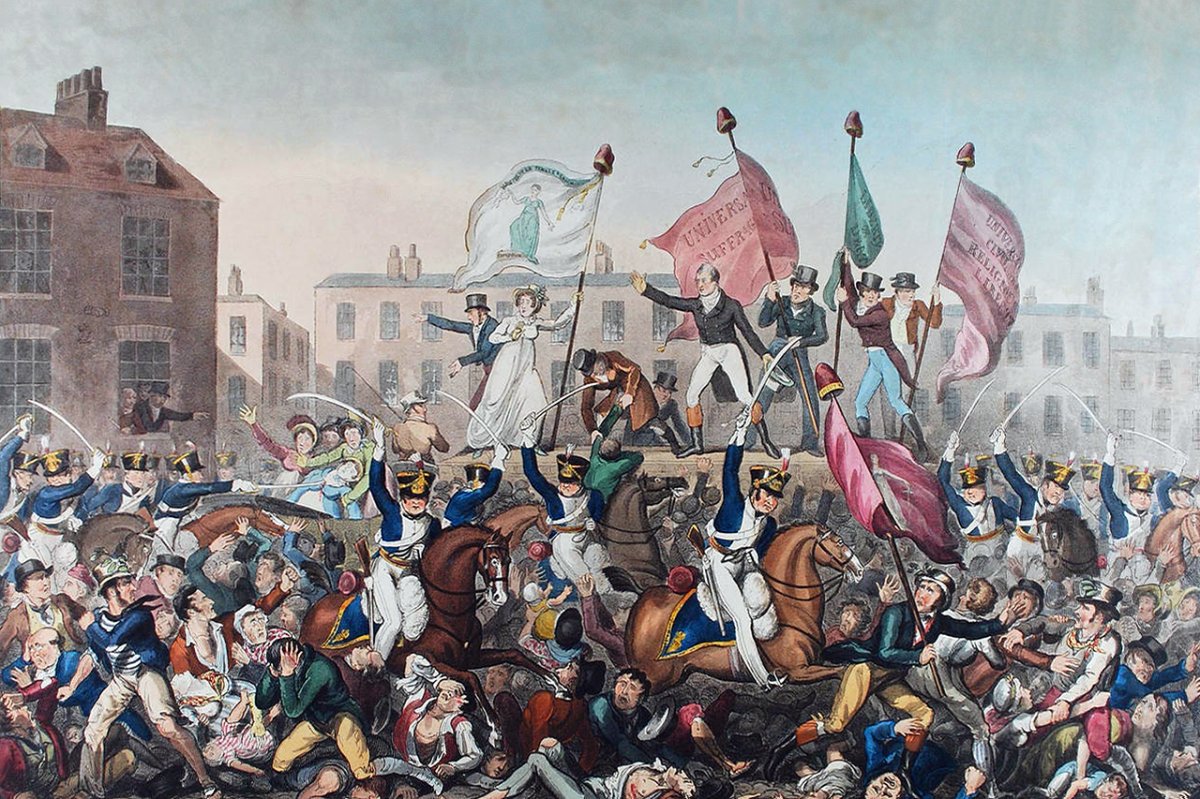
Sarah Jones from Salford. Mother of 7 children. Beaten on the head by a Special Constable's truncheon.
John Lees from Oldham. Sabred. An ex-soldier who had fought in the Battle of Waterloo.
Arthur Neil from Manchester. Died after being imprisoned without trial for 5 months.
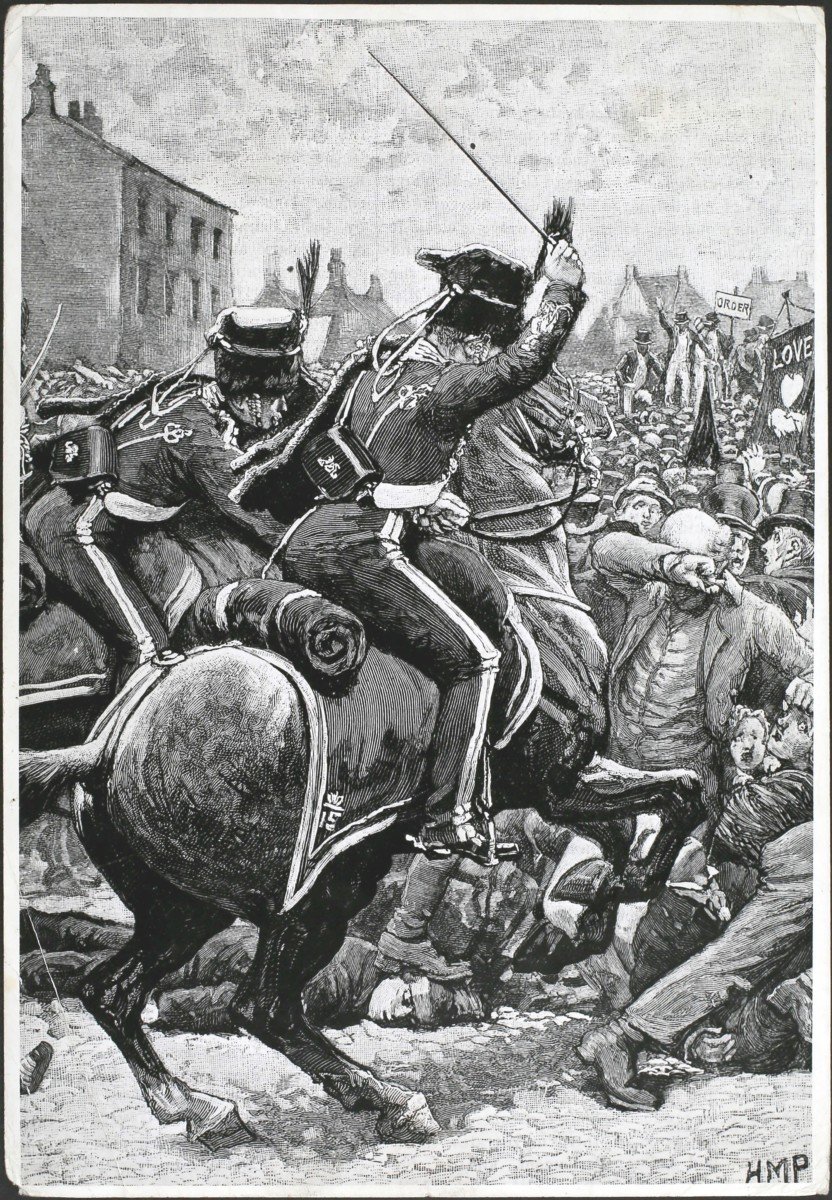
John Ashworth from Bulls Head, Manchester. Ashworth was a Special Constable who was accidentally sabred and trampled by the cavalry.
William Bradshaw from Lily-hill, Bury. Shot by a musket.
Martha Partington from Eccles. Thrown into a cellar and killed on the spot.
James Crompton from Barton-upon-Irwell. Trampled on by cavalry.
Edmund Dawson from Saddleworth. Died of sabre wounds at the Manchester Royal Infirmary.
Margaret Downes from Manchester. Sabred.
William Evans from Hulme. A Special Constable, Evans was trampled by cavalry.
Thomas Buckley from Baretrees, Chadderton. Sabred and stabbed by a bayonet.
John Rhodes from Pits, Hopwood. Sabre wound to the head. The coroner's inquest found that he had died from natural causes.
Joshua Whitworth. Shot the same evening by infantry firing on rioters.
• • •
Missing some Tweet in this thread? You can try to
force a refresh

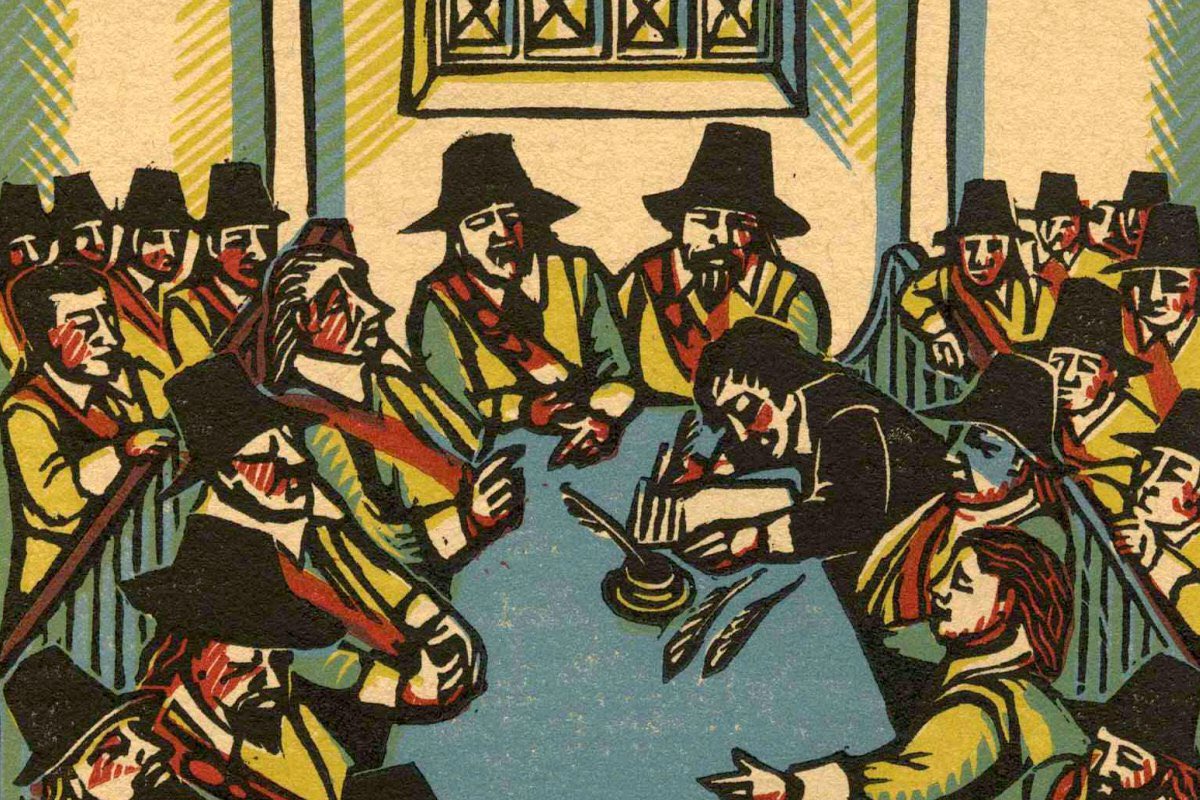
The Putney Debates began in St. Mary’s Church, Putney #OnThisDay 1647. The debates were a series of discussions among members of the New Model Army - including Oliver Cromwell and several Levellers - concerning a new constitution for Britain.
A few of the best quotes 👇🏻
“I think that the poorest he that is in England hath a life to live as the greatest he ... the poorest man in England is not at all bound in a strict sense to that Government that he hath not had a voice to put himself under.”
Thomas Rainsborough (1610-1648)
“Every person in England hath as clear a right to elect his Representative as the greatest person in England. I conceive that's the undeniable maxim of government: that all government is in the free consent of the people.”
Gerrard Winstanley, political/religious reformer, was born #OnThisDay 1609. Regarding the earth a ‘common treasury’, Winstanley led the Civil War-era ‘Diggers’ movement that established communities across England to cultivate waste and common land.
Thread of his best quotes 👇🏻
“Since William the Conqueror came in, all the kings did confirm the old laws to uphold that Conquest [which] still bind the hands of the enslaved English from enjoying the freedom of their creation.”
An Appeal to the House of Commons, 1649.
“The great Creator Reason made the Earth to be a Common Treasury...Man had Domination given to him, over the Beasts, Birds, and Fishes; but not one word was spoken in the beginning, That one branch of mankind should rule over another.“
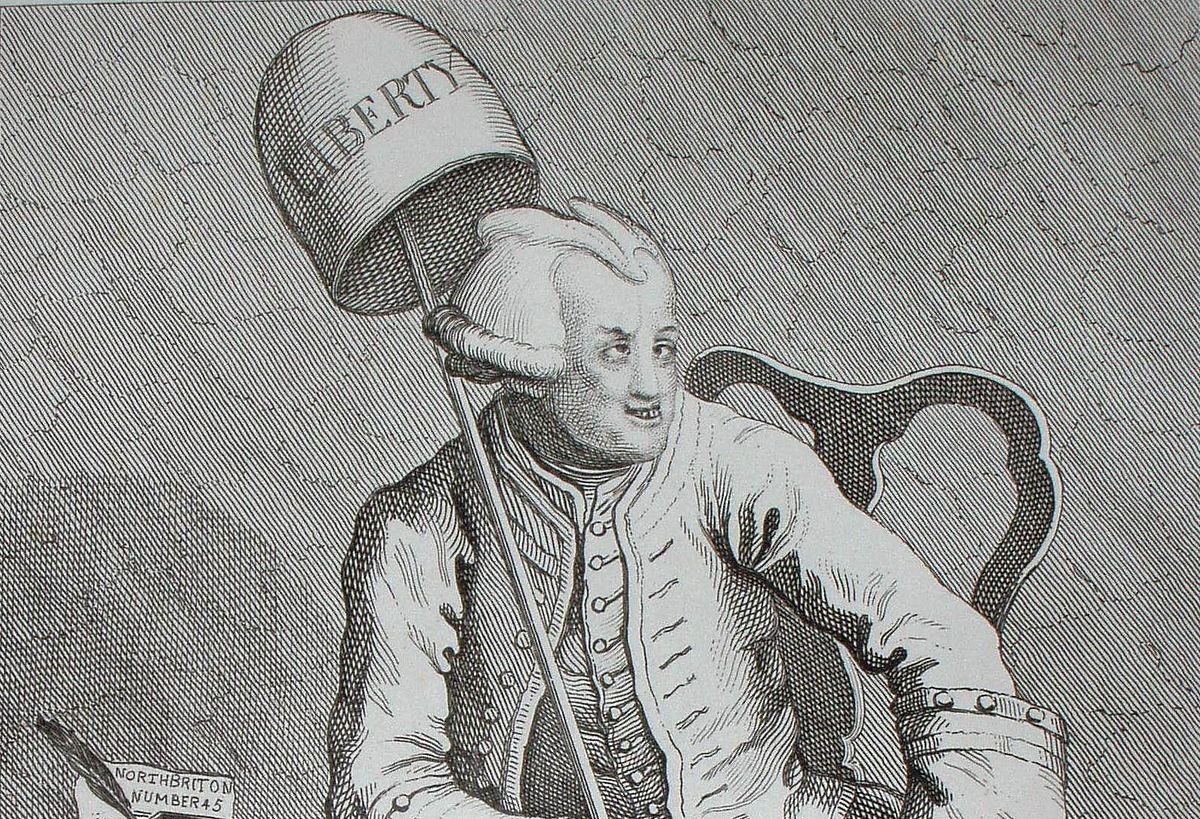
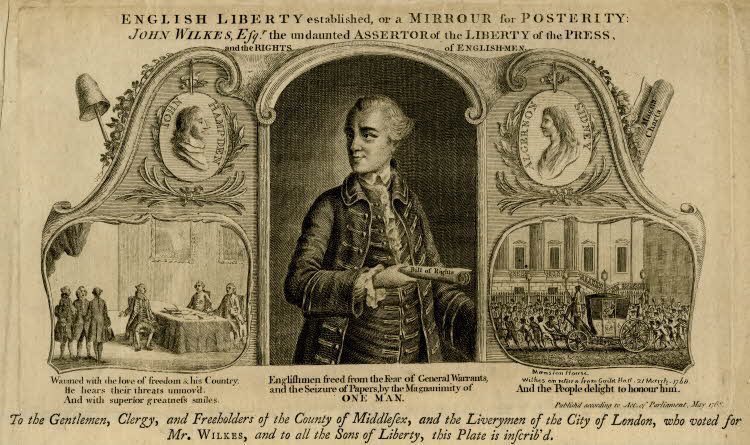
John Wilkes, journalist and politician, was born in London #OnThisDay 1725. A hugely influential figure in the history of English radicalism, Wilkes was seen as a champion of liberty, the rights of constituencies and a free press. [1/4]
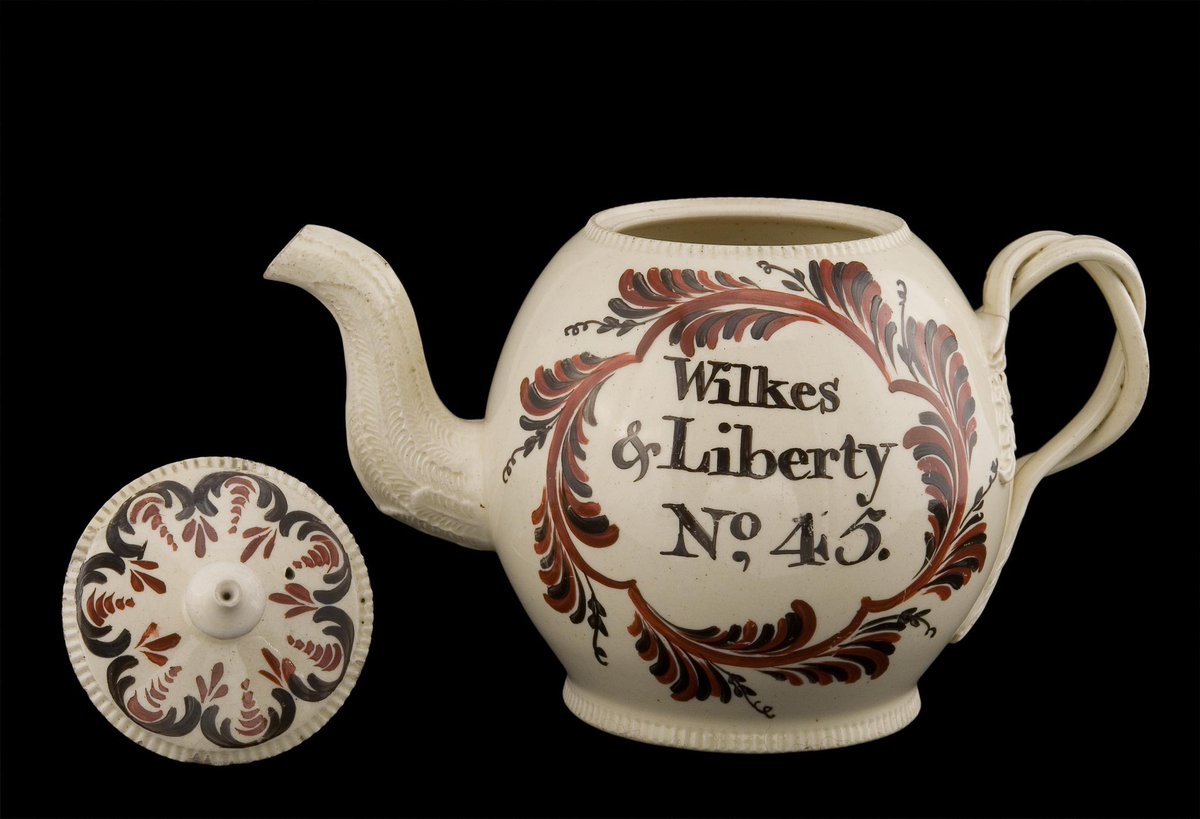
In 1763 Wilkes published a satirical pamphlet called ‘The North Briton’. His attacks on the Government in that publication, particularly in the 45th edition, led to his arrest under a general warrant. In January 1764 Wilkes was expelled from the House of Commons. [2/4]
Wilkes was elected again in 1768, this time for Middlesex. However, he was expelled from Parliament for being an outlaw at the time of his election. He then won three by-elections in 1769 - all of which were voided by Parliament - before finally taking his seat in 1774. [3/4]
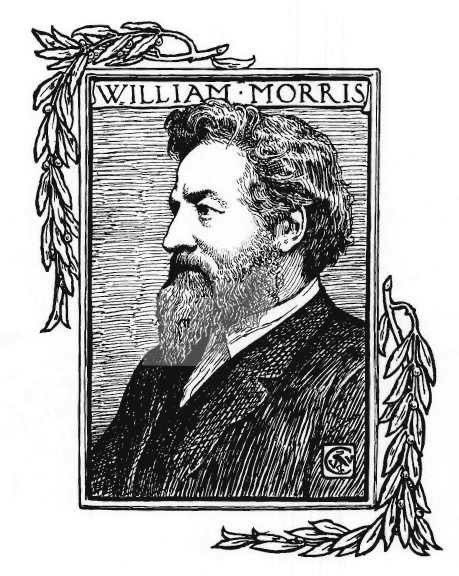
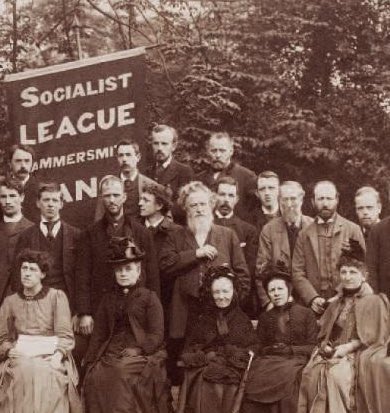
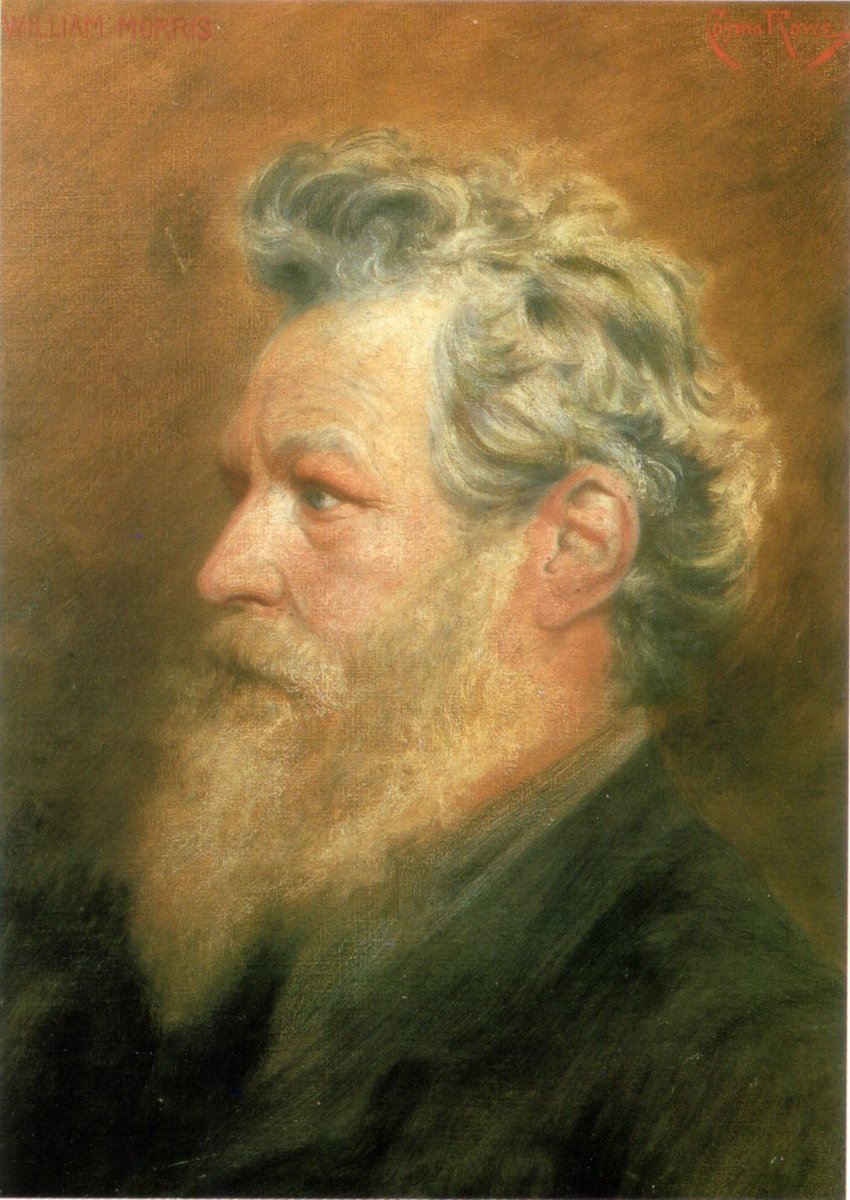
William Morris, textile designer, poet, novelist & socialist, died #OTD 1896. Here are some excerpts from Robert Blatchford’s moving obituary to Morris published in The Clarion:
“It does not matter what goes into the Clarion this week, because William Morris is dead.”
Thread👇🏻
“And what socialist will care for any other news this week, beyond that one said fact? He was our best man, and he is dead ... It is true that much of his work still lives, and will live. But we have lost him, and, great as was his work, he himself was greater.” [2/4]
“He was better than the best. Though his words fell like sword strokes, one always felt that the warrior was stronger than the sword. For Morris was not only a genius, he was a man. Strike at him where you would, he rang true ... he was our best man.” [3/4]
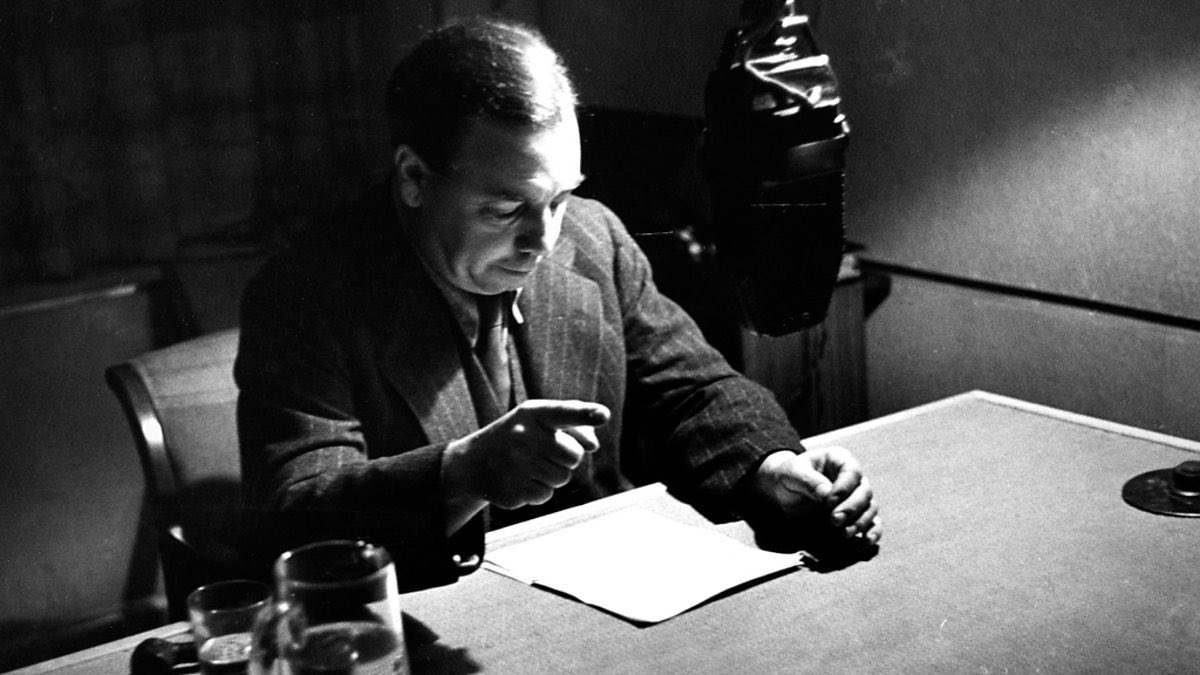
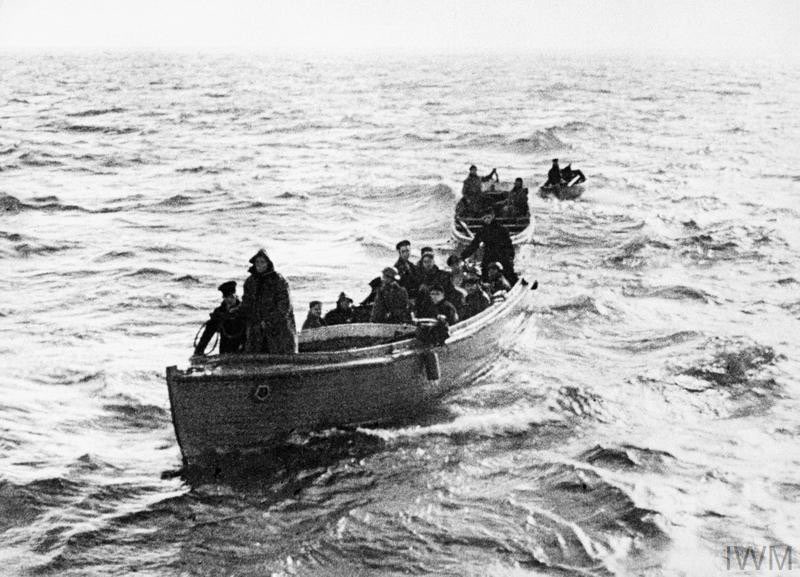
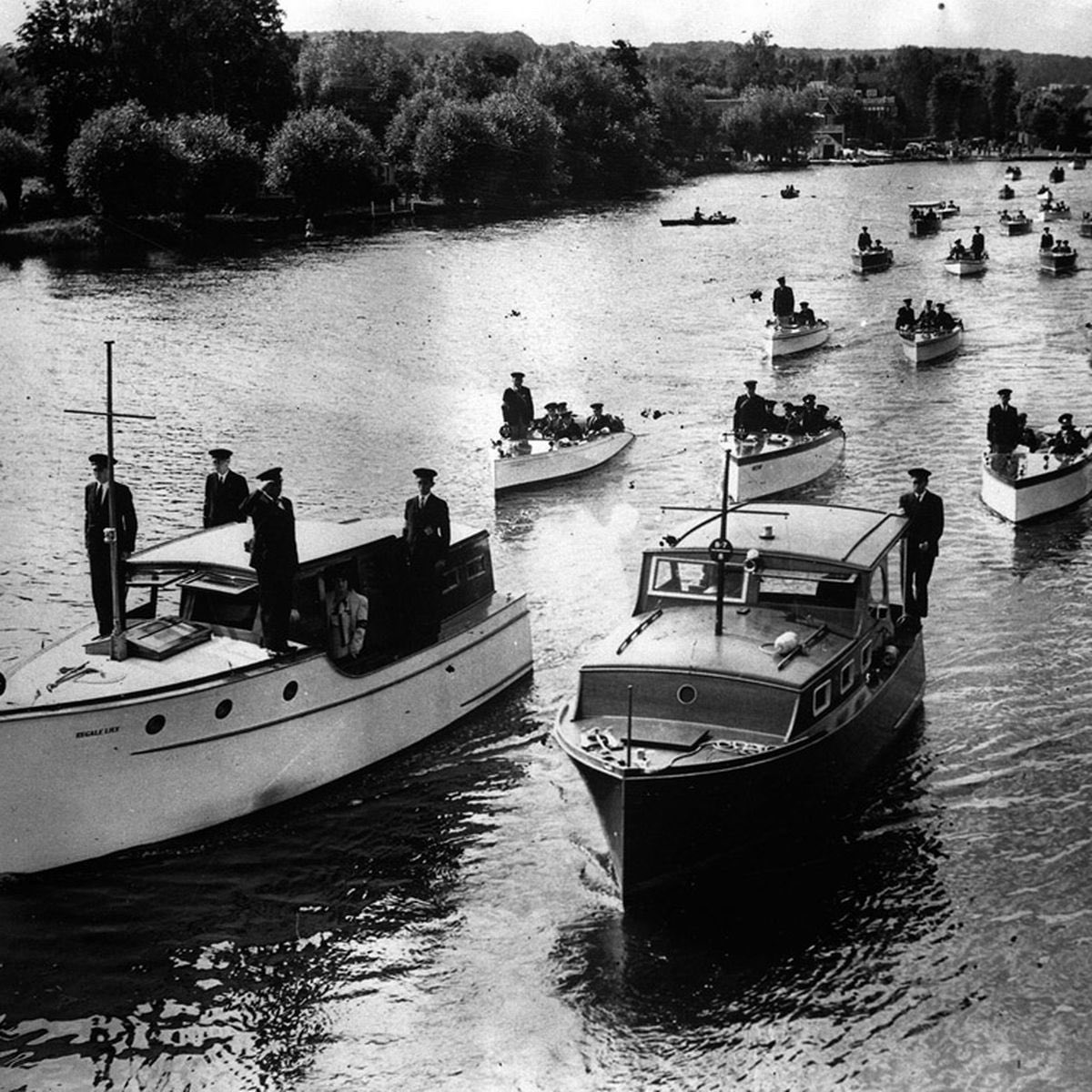
The evacuation of over 300,000 Allied soldiers from the beaches and harbour of Dunkirk, France, began #OnThisDay 1940. On 5 June, the left-wing playwright J. B. Priestley used a BBC radio broadcast to pay tribute to the part played by the ‘little steamers’. Here’s what he said 👇🏻
“Here at Dunkirk is another English epic. And to my mind what was most characteristically English about it - so typical of us, so absurd and yet so grand and gallant - was the part played - not by the warships magnificent though they were - but by the little pleasure steamers.”
“We've known them and laughed at them, these fussy little steamers, all of our lives. We have watched them load and unload their crowds of holiday passengers - the gents full of high spirits and bottled beer, the ladies eating pork pies, the children sticky with peppermint rock.”