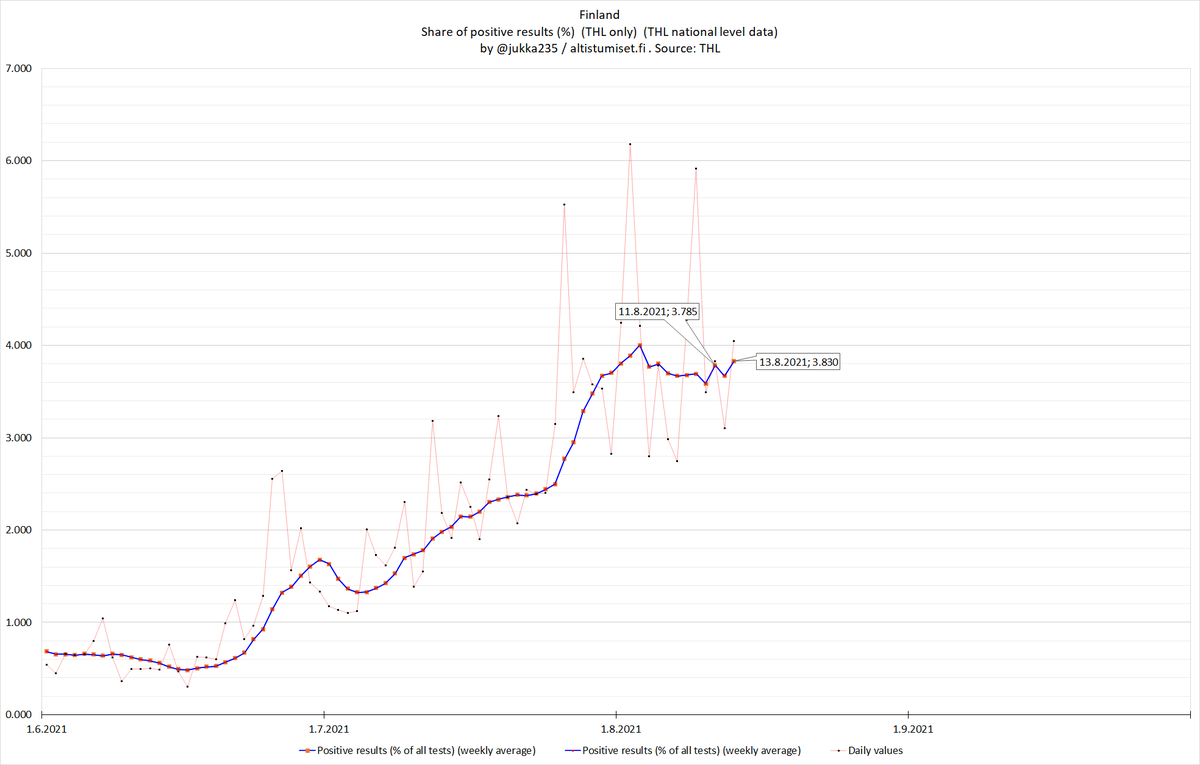
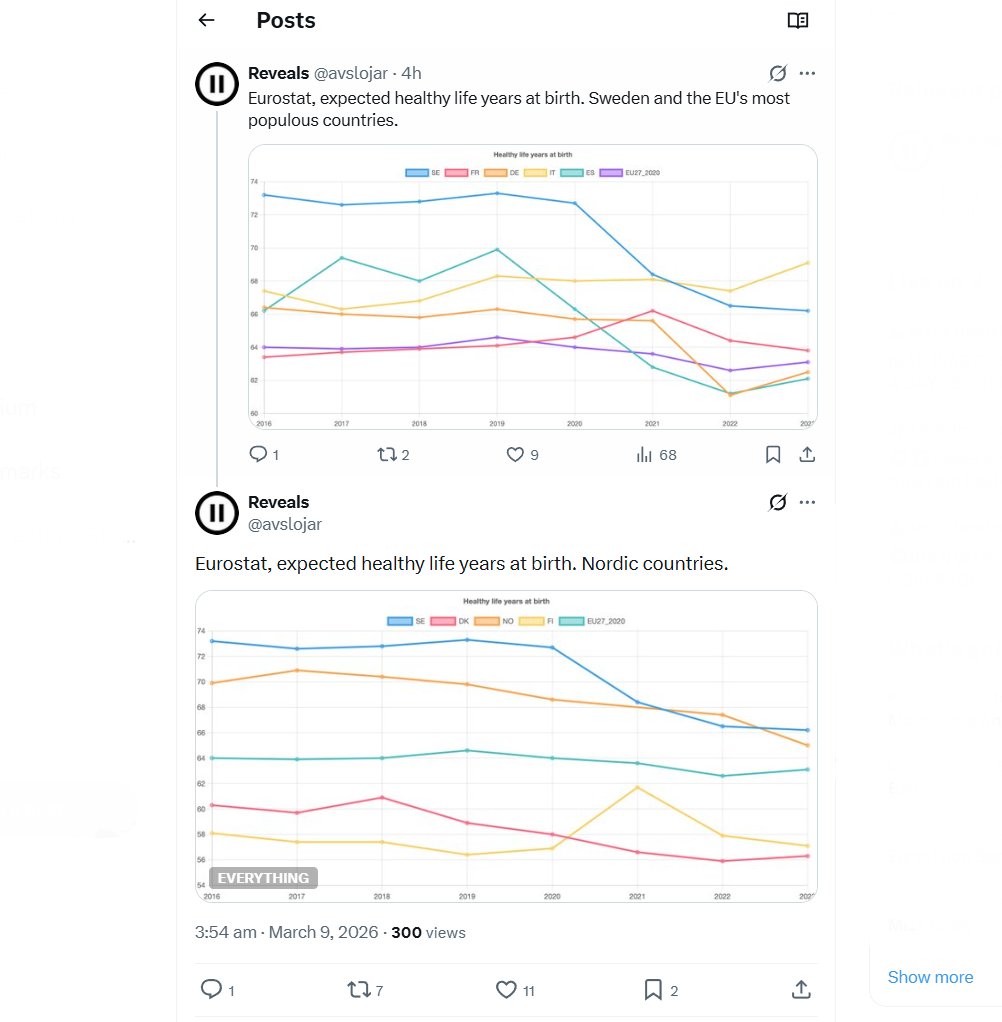
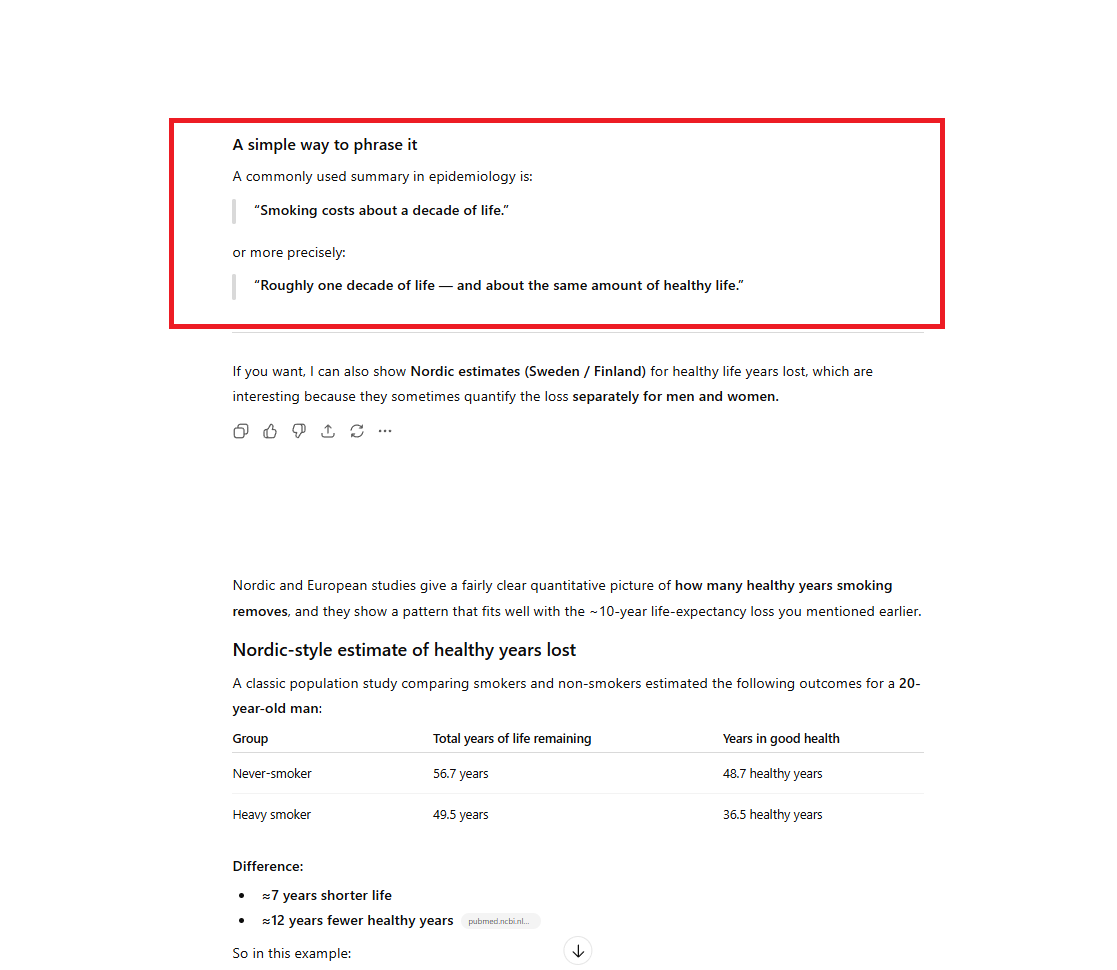
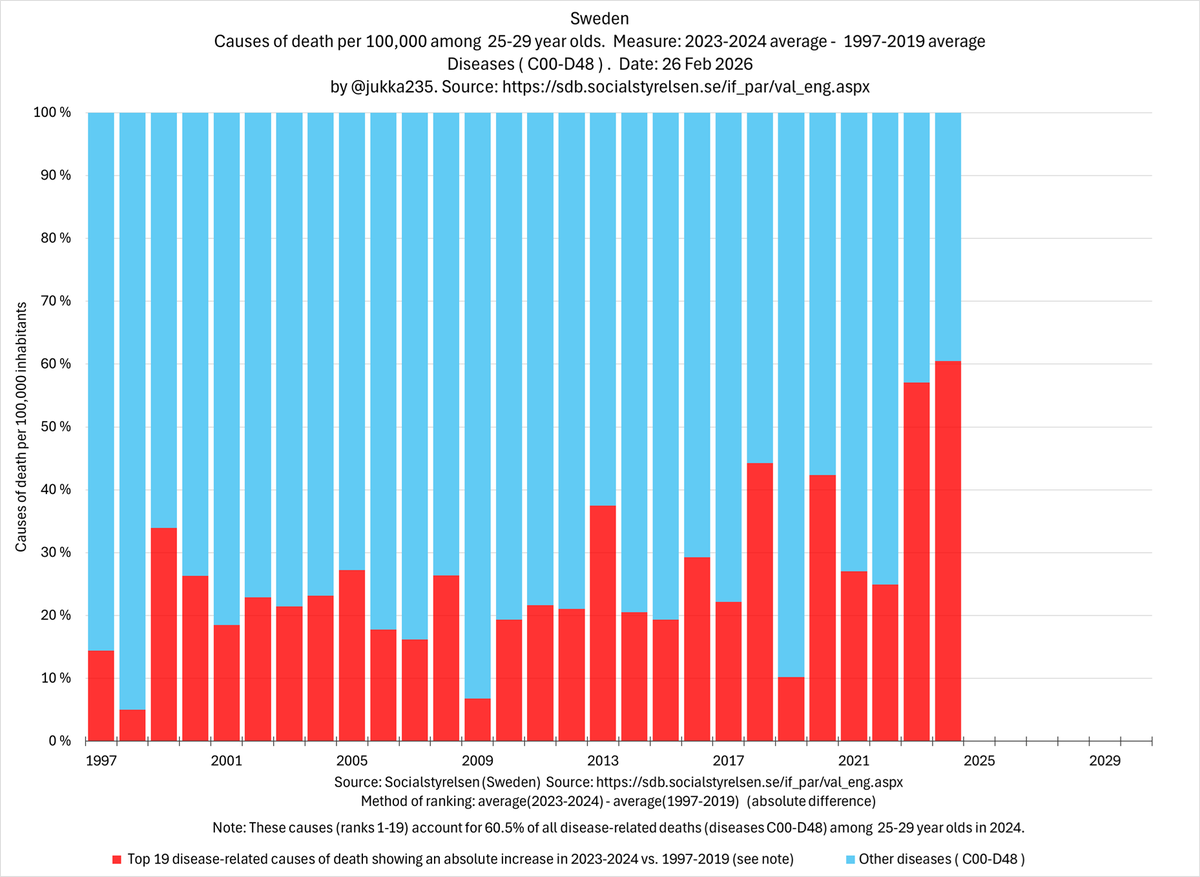
Suomen epidemia 17.8.2021: tartuntojen määrä laskee, mutta alle 15-vuotiaiden saamien tartuntojen määrä on noussut koko 4. aallon korkeimmalle tasolle. Positiivisten osuus nousee, eli tartuntojen määrä vähenee testien lukumäärän pienentyessä. 1/x
Tänään THL ilmoitti 665 tartuntaa, ei poistanut yhtään, ja otti kiinni viivettä 59 tartunnan verran. Muuttumattomalla viiveellä laskettu uusien tartuntojen määrä = 665+0-59=606 (punainen viiva). 2/x
Positiivisten osuus on noussut 0.6 prosenttia päivässä viimeisen kahden päivän aikana. Testauksen vähetessä tartuntoja jää enemmän piiloon. 3/x
Testien määrä vähenee edelleen. 4/x
15-29 -vuotiaiden ilmaantuvuus pienenee, mutta suurimmaksi osaksi rokottamattomien 10-14 -vuotiaiden ja täysin rokottamatta olevien 0-9 -vuotiaiden ilmaantuvuus nousee edelleen. 5/x
Viimeisen kuukauden aikana yli 75-vuotiaiden tartunnat ovat kasvaneet kaikkein nopeinta vauhtia, jopa nopeammin kuin alle 20-vuotiaiden tartunnat. Epidemian hidastuminen ei koske yli 75-vuotiaita, joista osa on edelleen kokonaan rokottamatta. 6/x
Eli jos oli tarkoitus suojata lapset ja vanhukset, niin nyt on käynyt juuri päinvastoin. 7/x
Neljän koulupäivän aikana (11.8-16.8.) kouluissa ja päiväkodeissa tapahtuneiden altistumisten määrä on noussut jo korkeammalle kuin viime vappuna. Tartunnat löytyvät itämisajan jälkeen eli noin viisi päivää myöhemmin. Tarkat paikat: altistumiset.fi 8/x
Congenital malformations, deformations and chromosomal abnormalities. For 1-6 year olds,
- the condition showing largest increase since 2022 is Down's syndrome (Q90)
- the condition showing fastest growth since 2022 is Congenital malformations of great arteries (Q25) 1/x
1-6 year olds / chromosomal abnormalities (Q90-Q99).
- Down's syndrome (Q90): average patient growth (2022-2025e) 14% per year = 10x in 18 years)
- fastest growing condition: other sex chromosome abnormalities, male phenotype (Q98), up 150% in 2025e 2/x
<1 year olds / chromosomal abnormalities (Q90-Q99):
- Down's syndrome (Q90) is the most frequent diagnosis 3/x
Intellectual disabilities (F70-F79): <1 year olds are leading in terms of y/y growth. Ten percent of <1 year olds will have an intellectual disability diagnosis in 14 year's time (2039), if current growth rates continue. 1/x
The rise in intellectual disability among <1 year olds also shows in number of diagnoses: up roughly 11 times in 4 years. Also note the rise among 1-6 year olds. 2/x
7-14 and 15-24 year olds are showing the highest levels of intellectual disability. If current growth rates continue, 5 percent of 7-14 and 15-24 year olds will have an intellectual disability diagnosis by 2048 (24 years from now). 3/x
In 30 years from now, 5 percent of 1–6 year olds and 8 percent of 25–49 year olds will be walking with white sticks, if current growth trends continue.
Here is the graph for all age groups, all of which are showing quite uniform y/y growth. Patients / public outpatient healthcare. 2/x
For total population, visual disturbances and blindness have doubled since the onset of the pandemic. There has been no letup in recent years. Average growth rate is power(1.97, 1/5) = 14.5 percent per year (= 10x every ln(10)/ln(1.145)= 17 years). 3/x
Finland's epidemic 14 Sep 2025: year-to-date number of patients in 2025 is already higher than at any time during the pandemic. There are 5 more months to go. 1/x
Suomen epidemia 14.9.2025: kaikkien sairauksien potilasmäärä vuoden 2025 alusta ylittää jo nyt pandemian edellisten vuosien potilasmäärät, ja vuotta on vielä 5 kuukautta jäljellä. 2/x
Almost 80 percent of pregnancies and childbirths now involve complications and diseases. 3/x