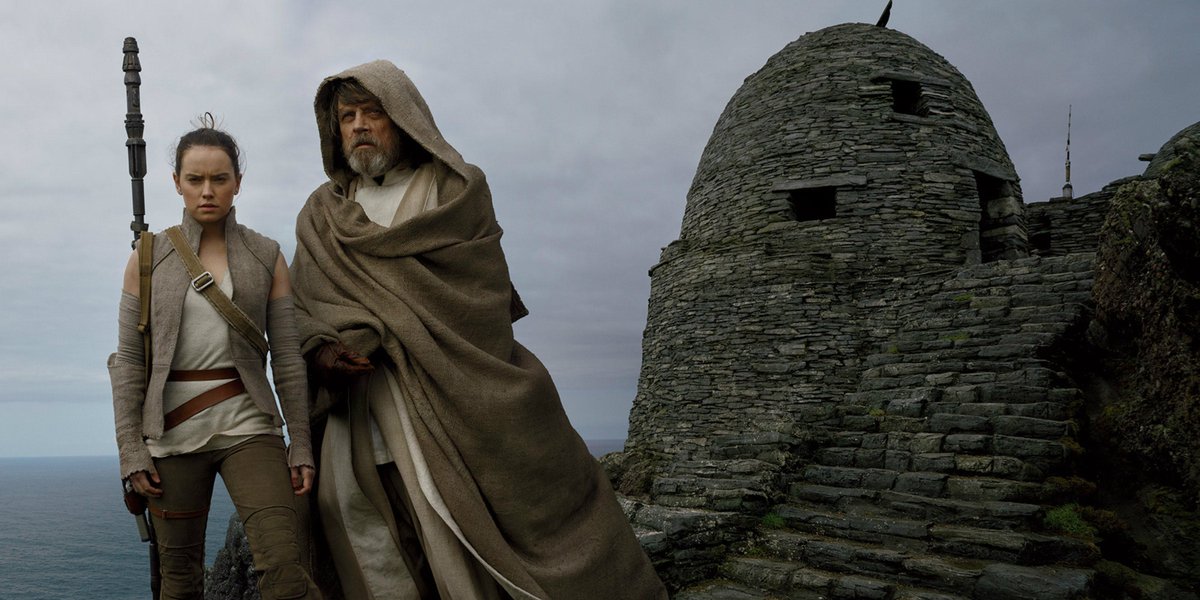
At last, I can reveal my new book: “Hollywood Victory,” the story of the American film industry during World War II, is out from Hachette’s @Running_Press and @TCM on November 2. You can pre-order it here: runningpress.com/titles/christi… 

“Hollywood Victory” is a narrative of the stars, directors, and moguls who aided the war effort through war bonds drives, morale-boosting shows, and, in the case of Clark Gable, Henry Fonda, and Jimmy Stewart, among many others, even enlisting for active duty themselves.

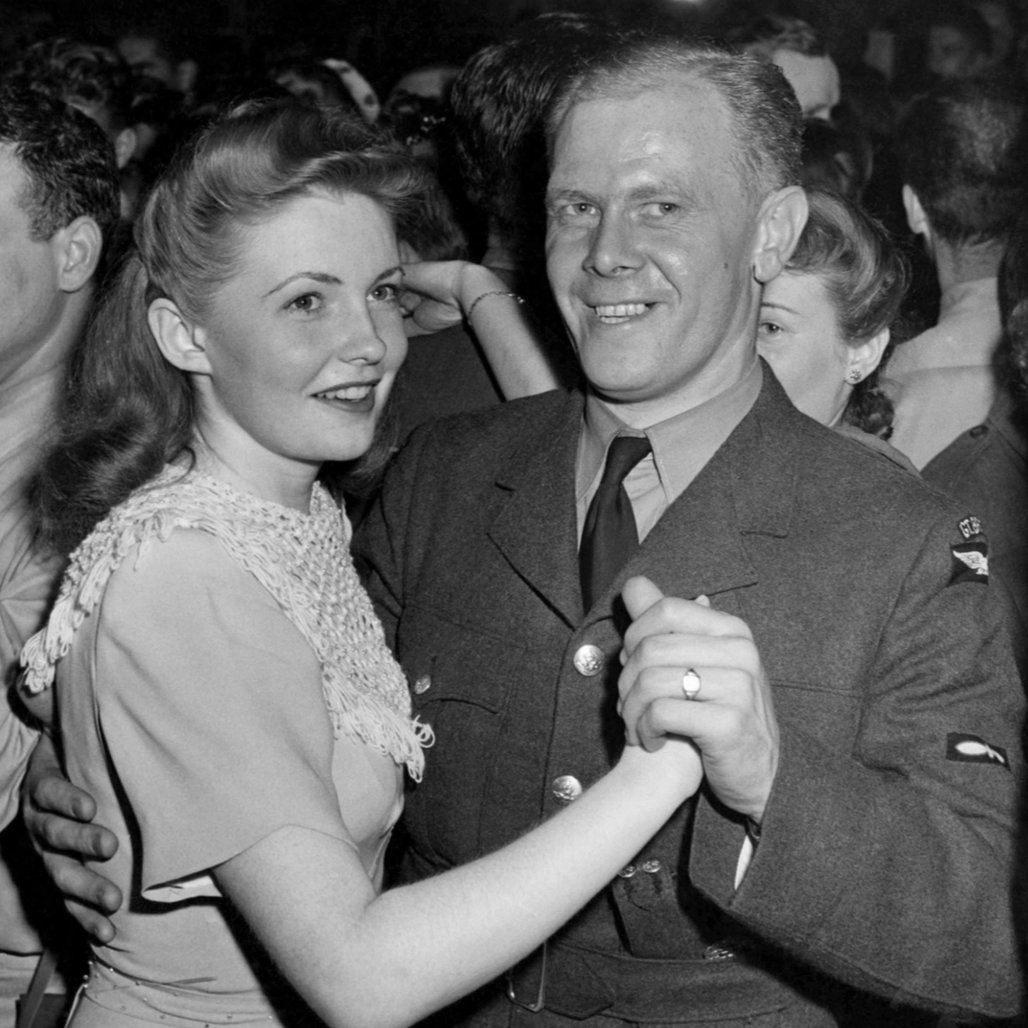
This was a time when, if you were in uniform, you could not only meet but dance with your favorite movie star at the Hollywood Canteen — an almost mythical place I’ve tried to bring to life in a way that seldom has been in a book before.
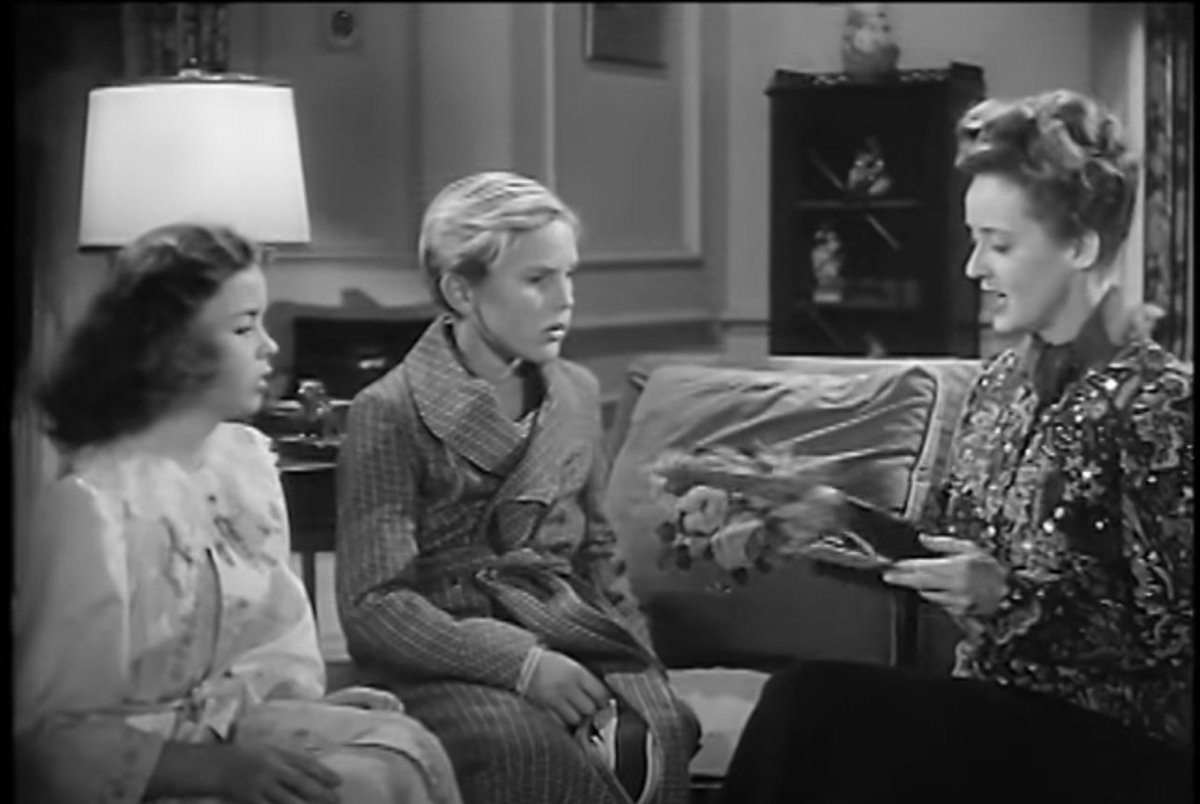
WWII meant unprecedented impact for Hollywood: the average American civilian went to the movies two times a week. And you might find yourself watching a short as bonkers as this one with Bette Davis giving her “children” war bonds for Christmas.
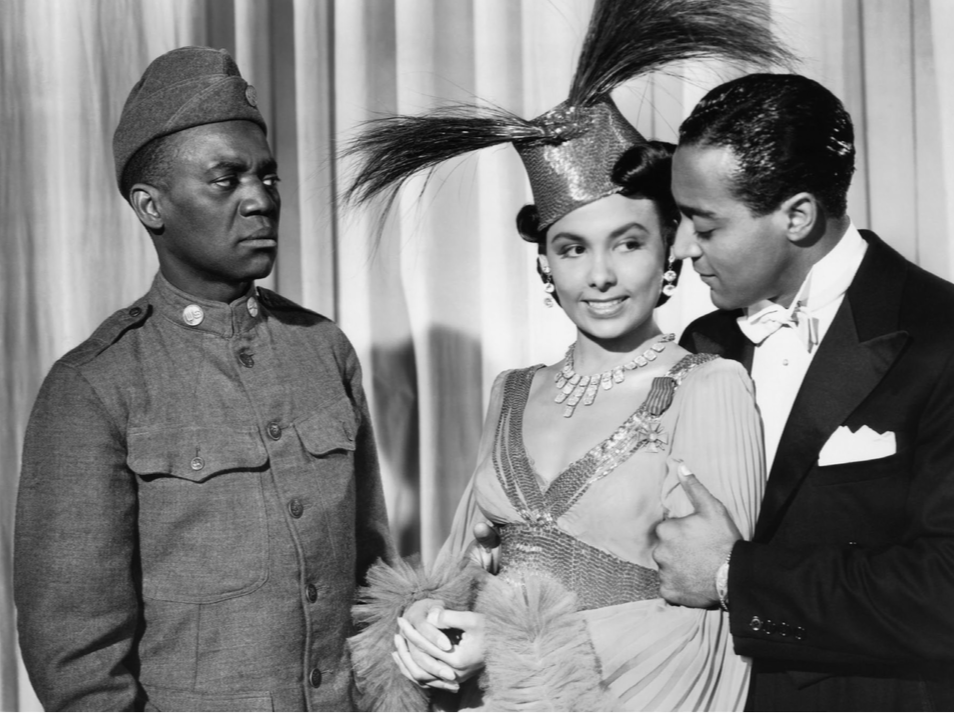
It was also a time when Hollywood thought about inclusion for, well, the first time ever: the studios made several all-Black films during WWII, as there was even government pressure on Hollywood to finally show Black lives as being a fundamental part of the American experience.
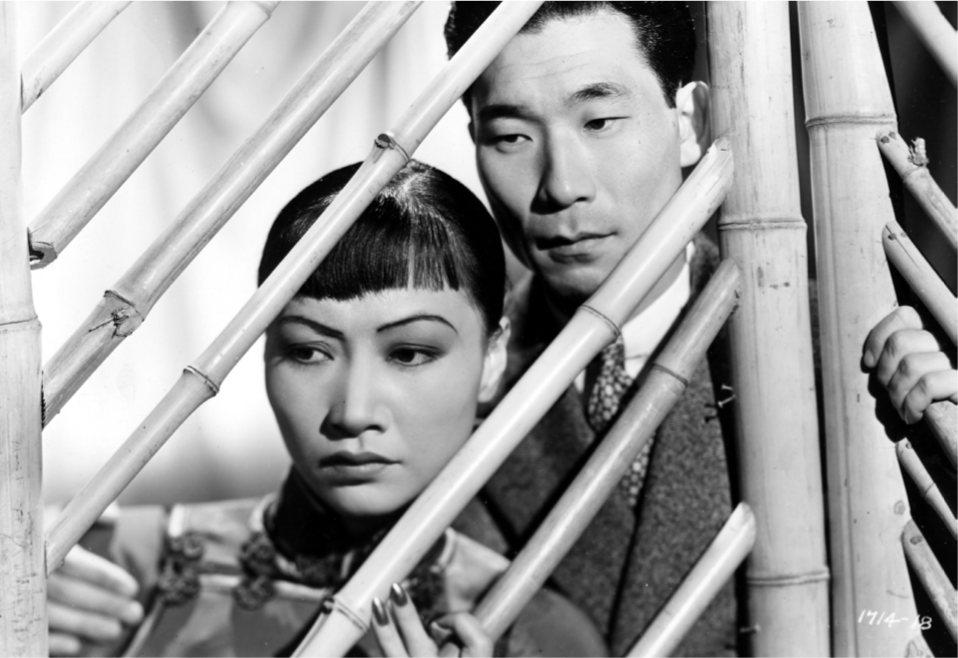
Women’s roles also began to change during this period, and someone like Anna May Wong made a number of films to depict the horrors Japan was unleashing in China. She wanted to make more personal movies, so she left the big studios and went independent. (with the great Philip Ahn)
Because of World War II, movies were enshrined as the definitive American art form. And that was due to a unity in Hollywood, unheard of before or since, that helped to give a mission statement for the Allies’ fight against Fascism. Here’s Hedy Lamarr in her “victory garden.”

“Hollywood Victory” is my pandemic baby, and writing a book about a time of such peril and trauma, but also commitment and purpose, helped me process our own troubled times. I hope you’ll find it gives you some perspective on what we’re going through now too.
• • •
Missing some Tweet in this thread? You can try to
force a refresh