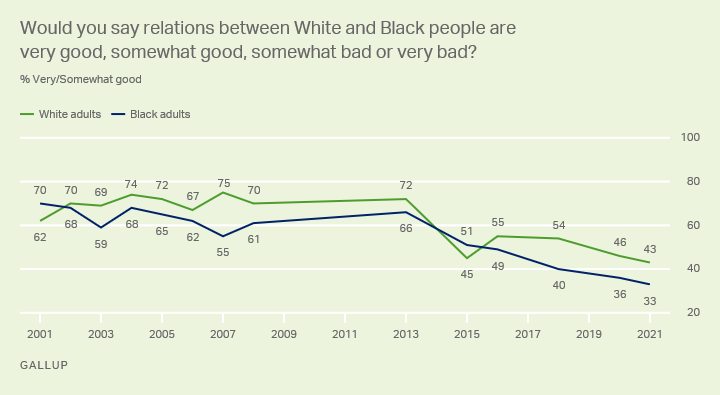
1/ I think that the Bush era was the golden age of race relations in the US (sorry Kanye)
2/ As Sean Last points out the trend for whites to have more favorable views of blacks actually took place in the 1990s and culminated in the mid 2000s. ideasanddata.wordpress.com/2019/08/18/how…

4/ This could possibly be explained by unity over 9/11 and the war on terror. Maybe the more racially unified military culture carried over into the mainstream? theamericanconservative.com/articles/fragm…
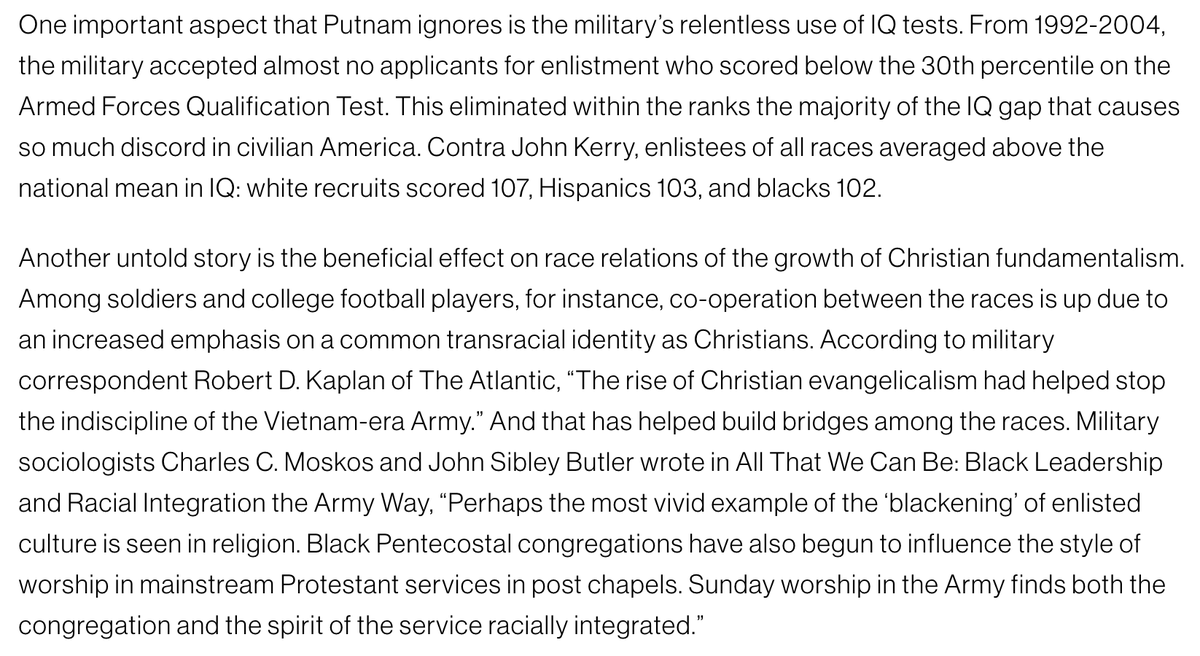
5/ The era obviously culminated in the election of the first half-black president. I think that blacks had this idea that things were getting better for them, but once the first black president was elected it made them realize that for the average person not much had changed.
6/ In fact during the great recession disparities got even larger
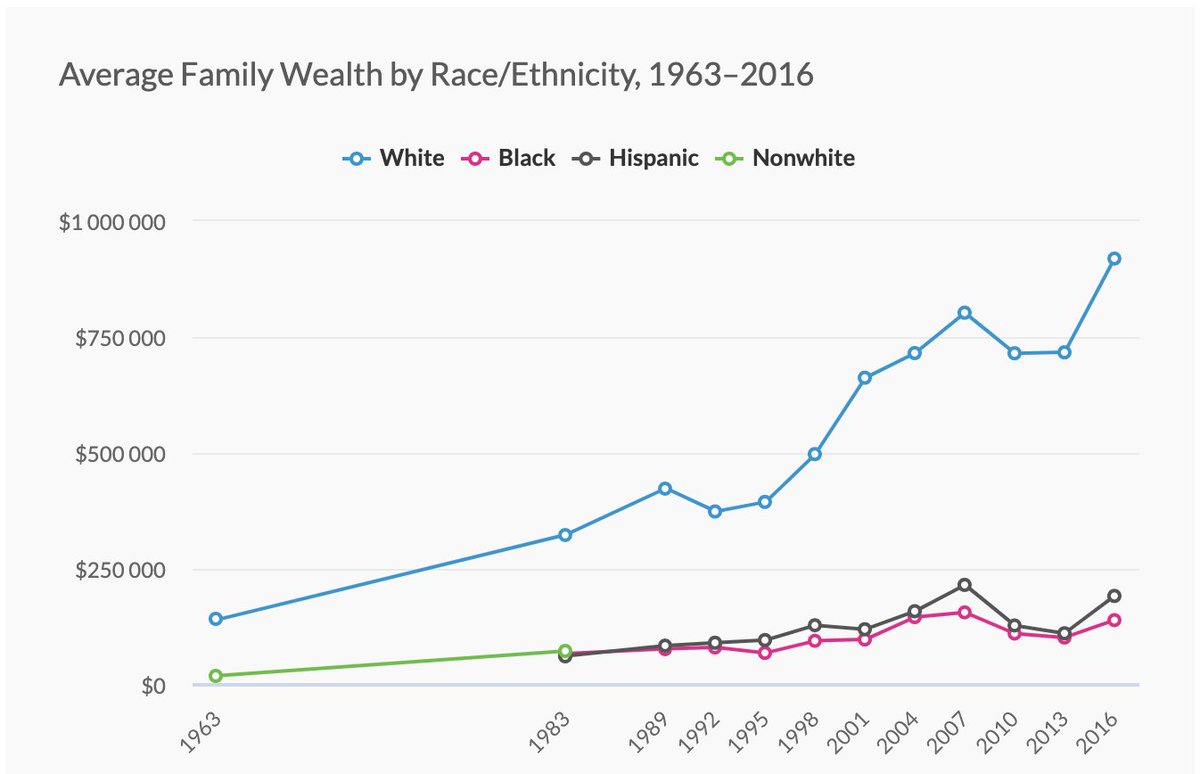
7/ So combine blacks radicalized by the fact that a black president didn't decrease inequality, social media, and drop in the Trayvon Martin case match, and all the sudden you get the great Awokening and worsening race relations.
• • •
Missing some Tweet in this thread? You can try to
force a refresh

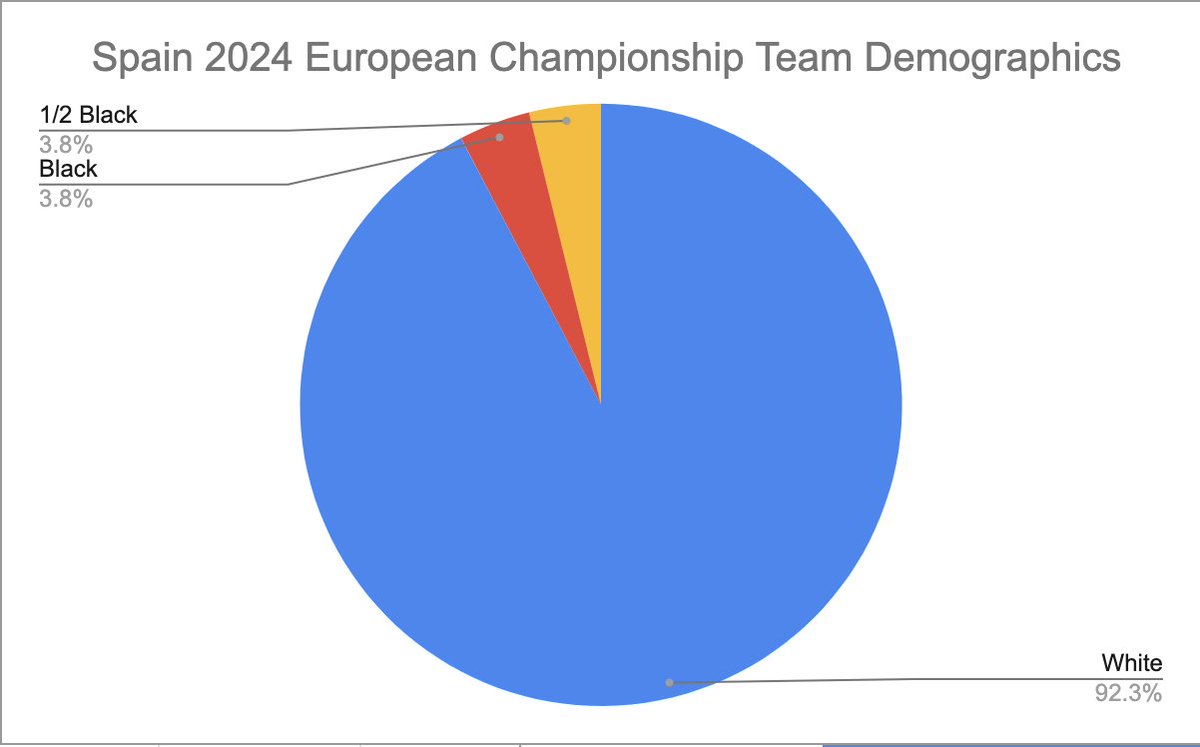
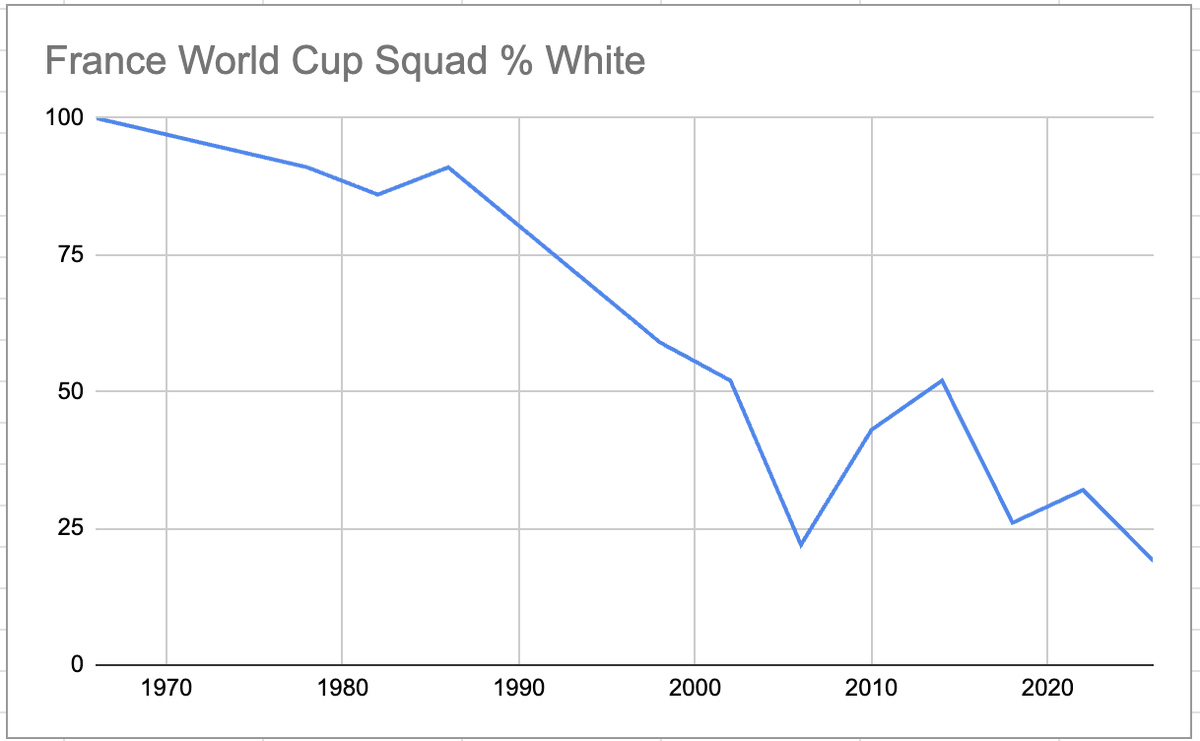
1/ THREAD on demographics of final teams in the World and European cups. This cup's final features the mostly castizo Argentinian team, facing off against the 92% white Spanish team with two prominent players with African ancestry.
2/ In the 2024 European cup, the mostly white Spanish team beat the half white English team.
3/ In 2022, the castizo Argentinian team beat the 48% black, 32% white French team in penalty kicks.
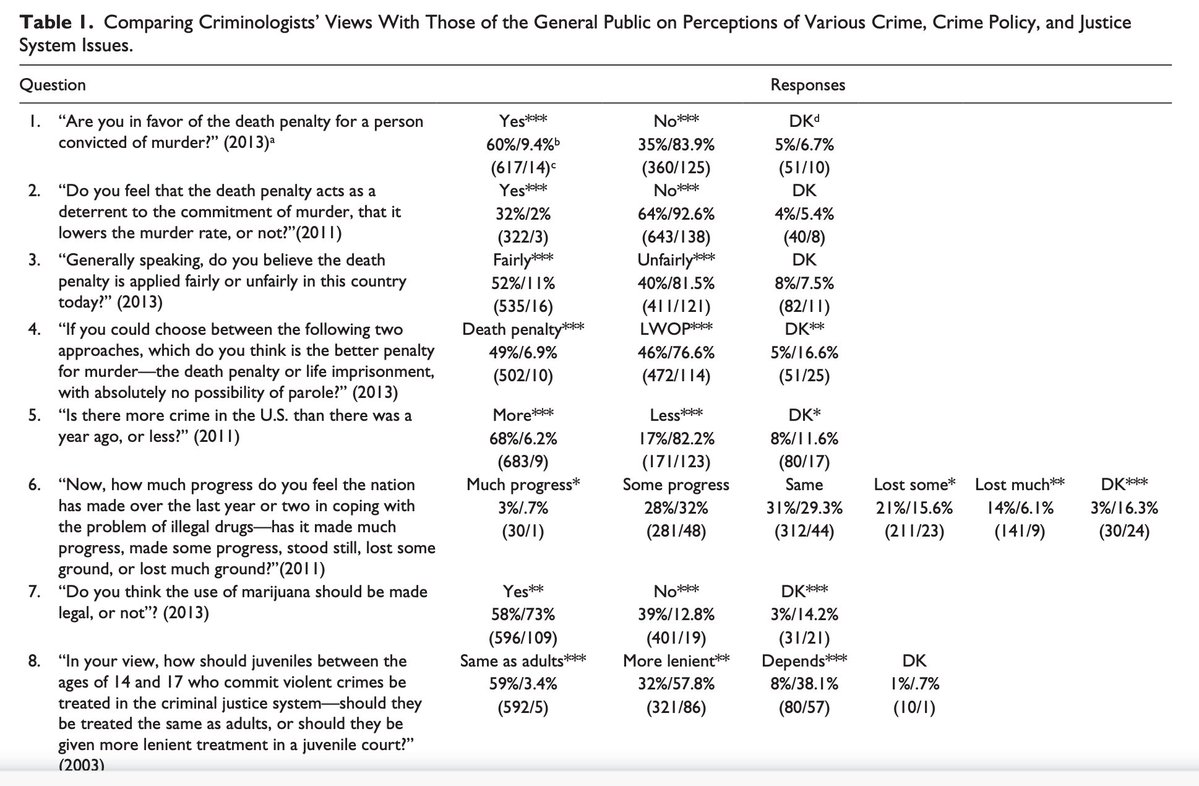
Survey that compared the opinions of the general public to expert criminologists. Only 9.4% of criminologists support the death penalty.
88% of criminologists believe solving social problems are more important for reducing crime over hiring more law enforcement. Criminologists as a whole are much less sympathetic to gun rights.
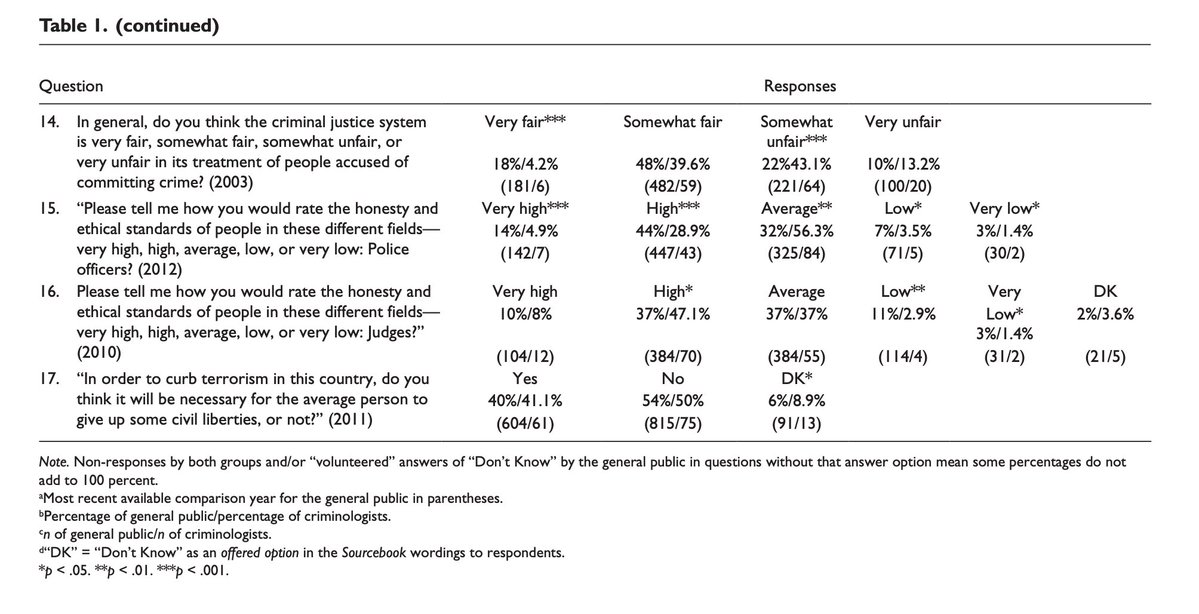
Overall most criminologists think the criminal justice system is unfair while the general public thinks it is fair.
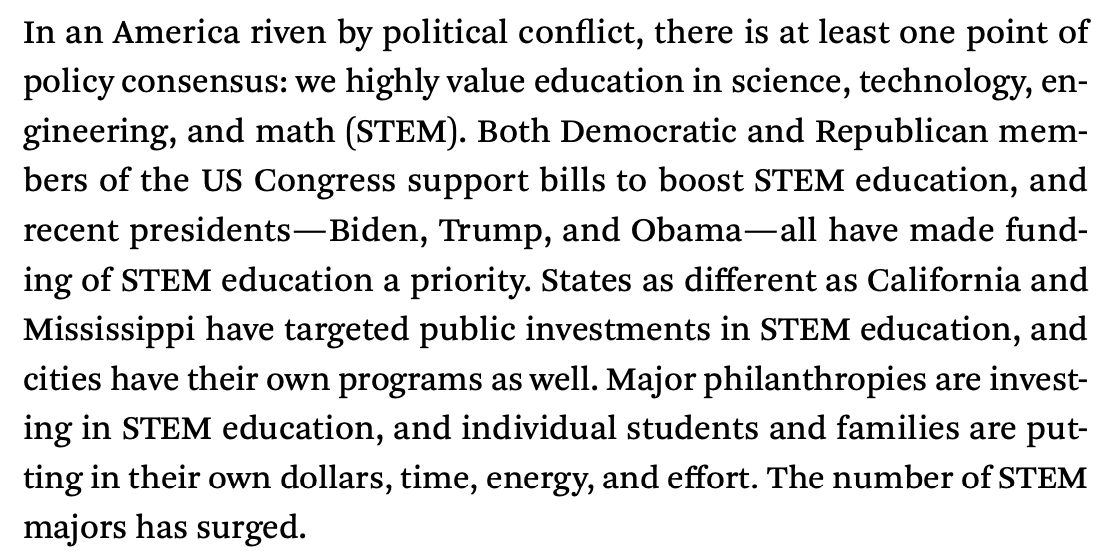
1/ THREAD. There are two common narratives about the labor market: one that employers can't find workers and the other that employees can't find work. I wanted to read and do a thread on this book to continue to try to parse these contradictory narratives.
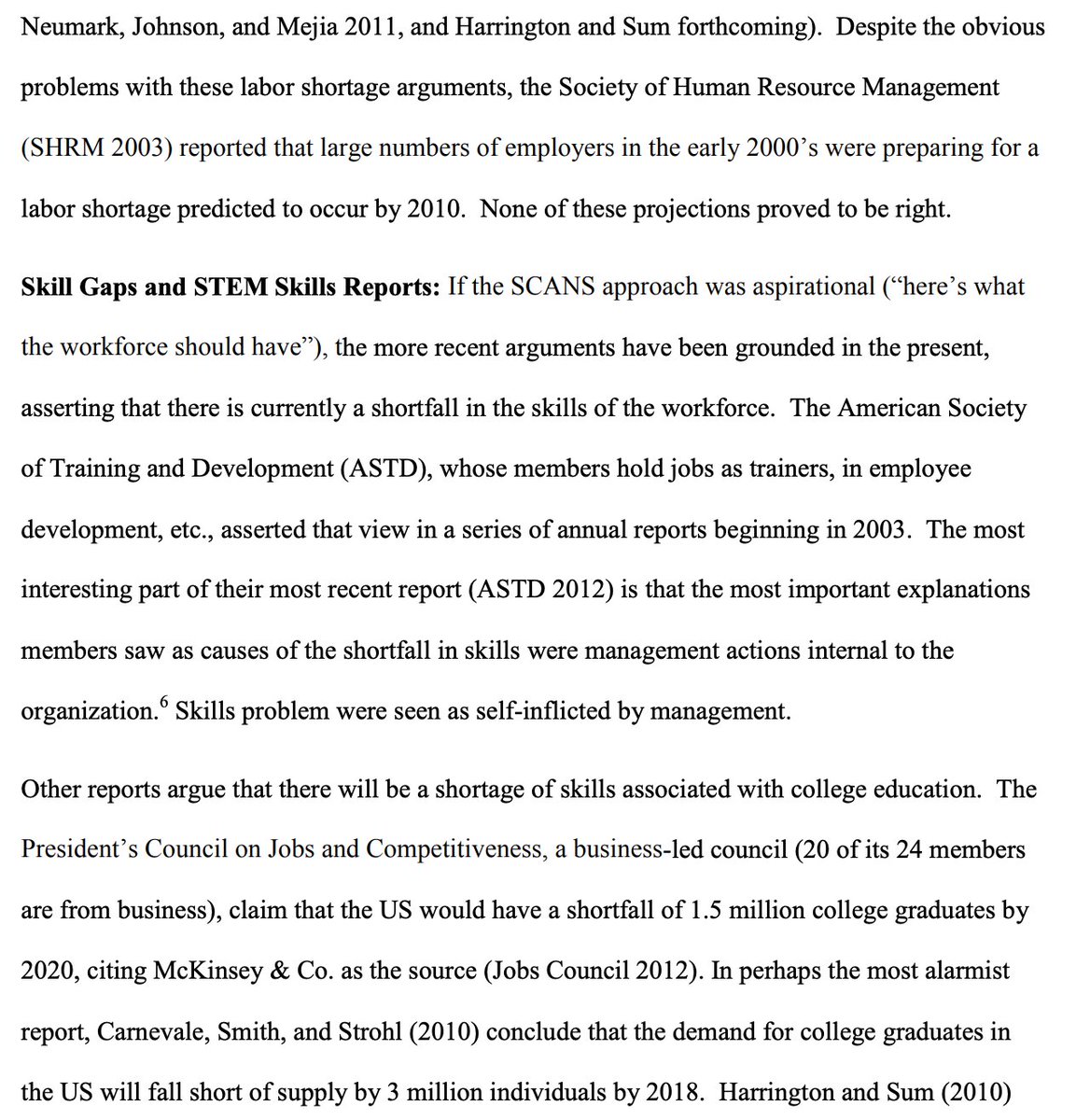
1/ Thread looking at paper from 2014 from dissecting claims of a labor shortage. This data is all old at this point but we see similar narratives today. On one side people claiming a labor shortage and on the other side, college graduates claiming they can't get jobs.
2/ The idea that America is falling behind in skills goes back a long time.
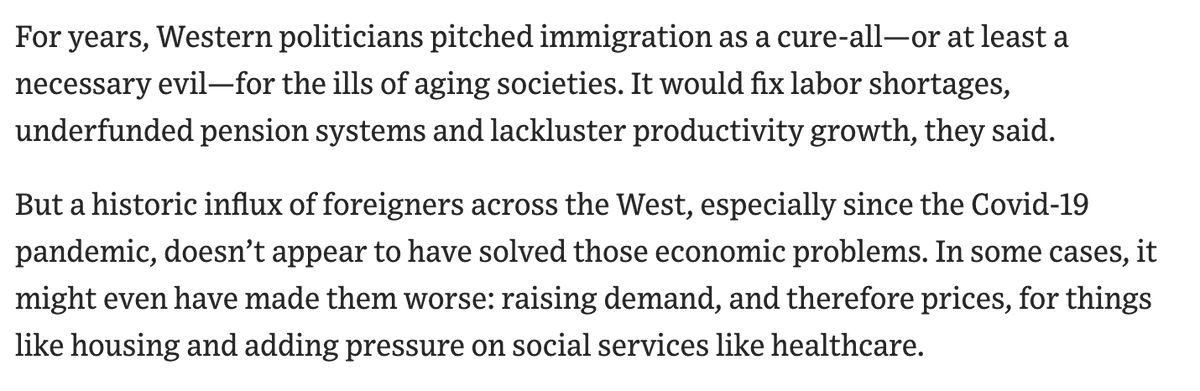
Some excerpts from WSJ article about the 10 million population cap referendum in Switzerland. The journal admits the historic wave of immigration to the West hasn't solved economic problems:
Economics professor from Canada admits that immigration hasn't solved Canada's problems.
Economic output per worker has stagnated across some of the countries that have accepted the most immigrants.