1/14 This is an Italian Wars mega thread with threads covering all the crucial battles from the battle of Fornovo in 1495 to the end of the War of the League of Cognac in 1530. I made these threads in July and many of new followers probably haven't seen them yet! 
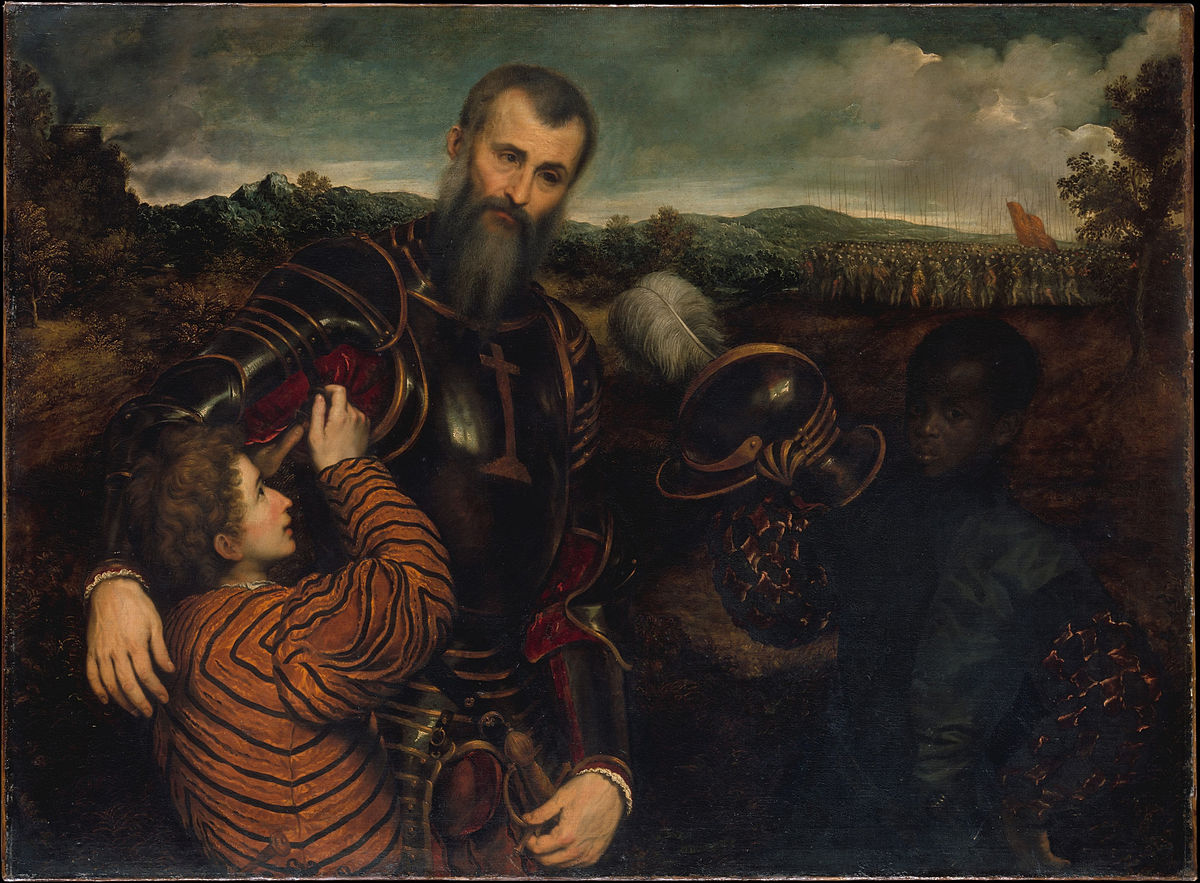
2/14 I think this mega thread is one of the easiest to read introductions to the Italian wars and its crucial battles. It's a long and complex conflict, but I think I covered the key on military and political events quite well for some basic knowledge about what happened.
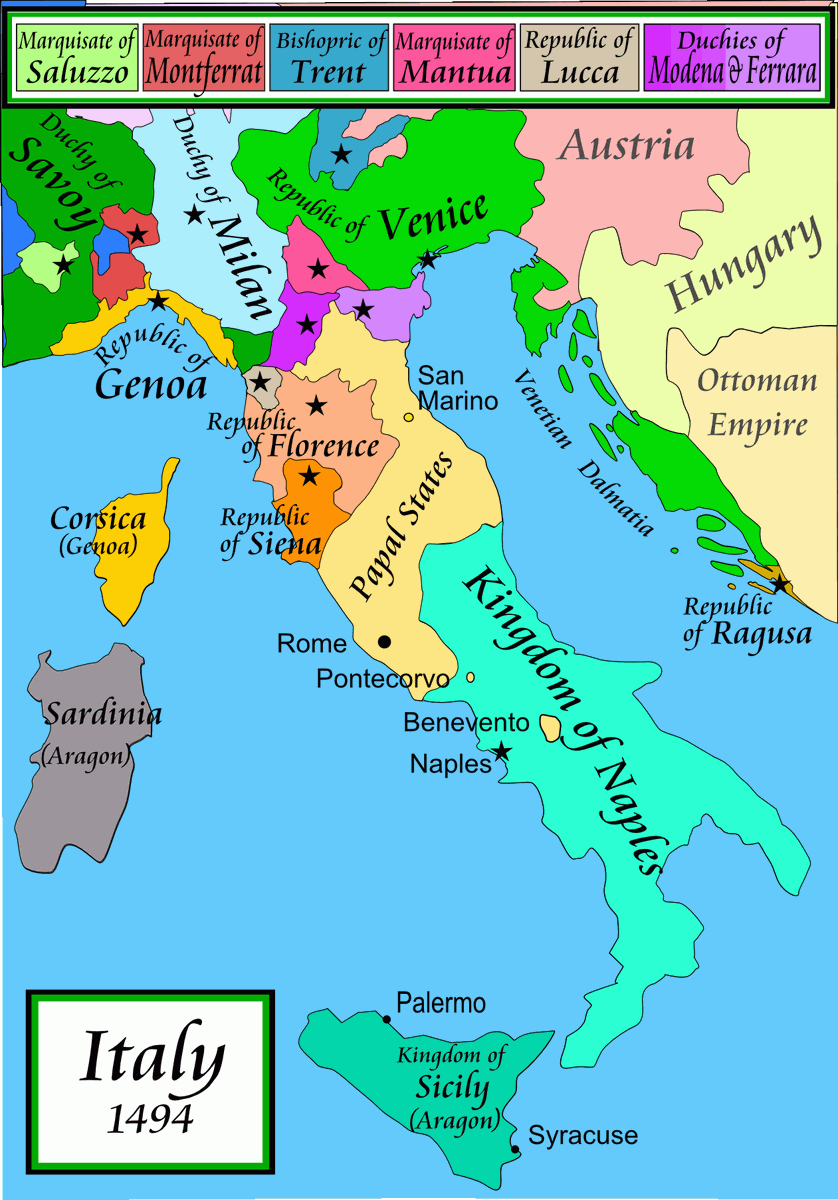
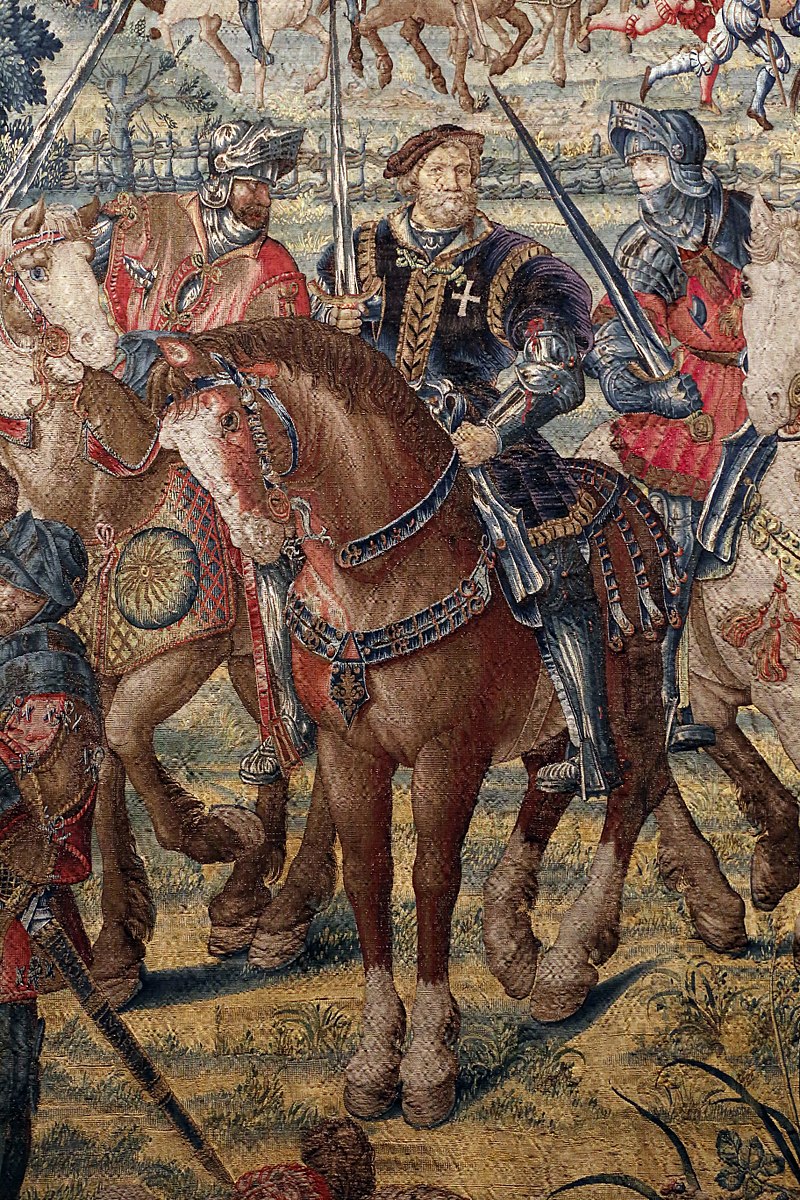
3/14 Battle of Fornovo 1495
Mighty French army enters Italy to claim Naples. A huge coalition of Italian cities forms against them. France fights an epic battle in Fornovo against twice larger Italian army led by Venice and migthy Margraviate of Mantua!
Mighty French army enters Italy to claim Naples. A huge coalition of Italian cities forms against them. France fights an epic battle in Fornovo against twice larger Italian army led by Venice and migthy Margraviate of Mantua!
https://twitter.com/LandsknechtPike/status/1412624854575104008
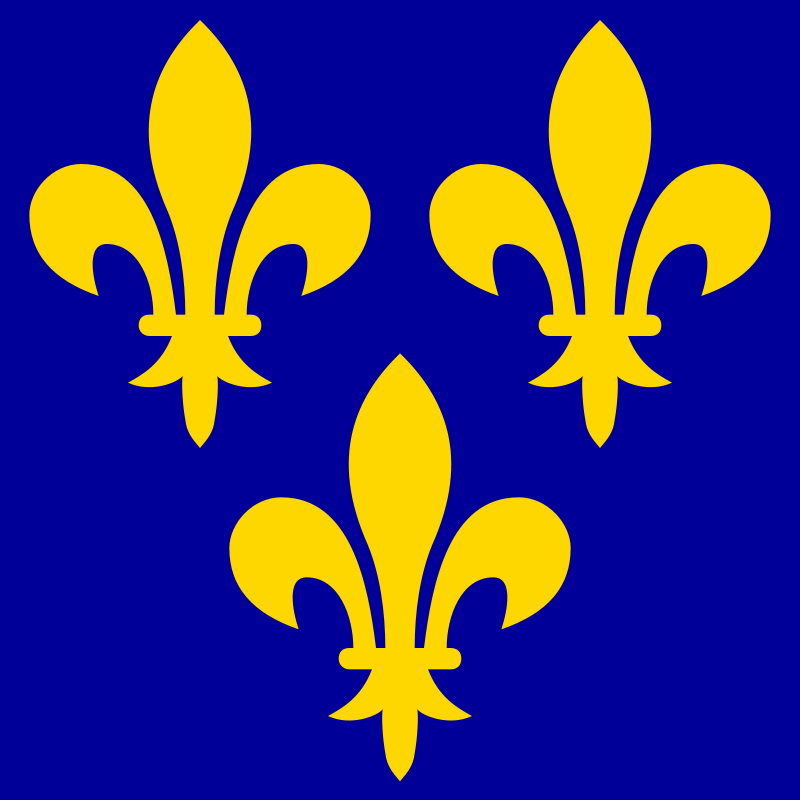
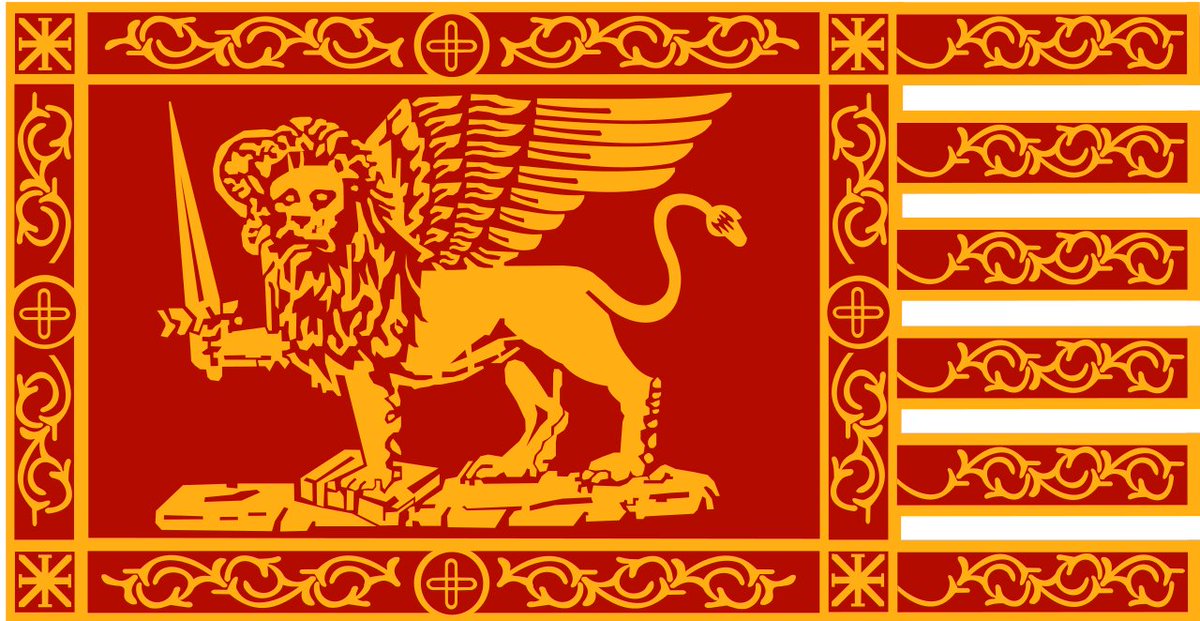
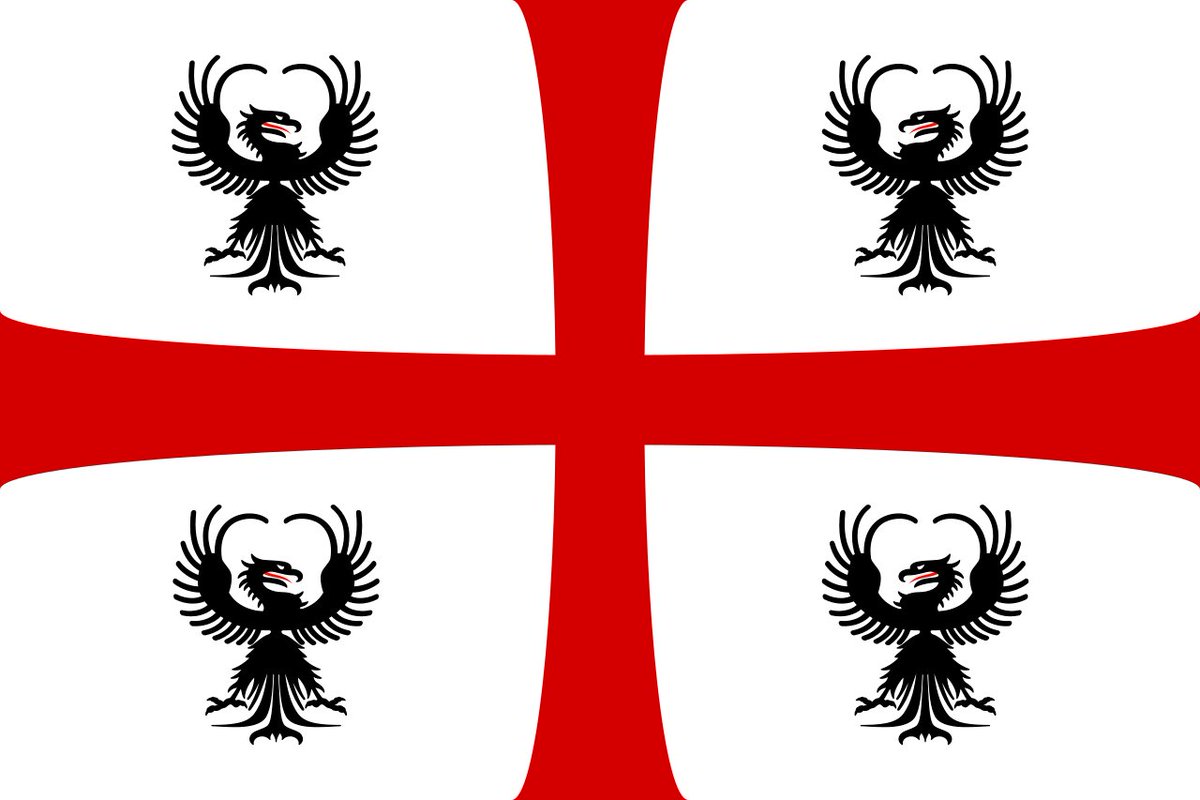
4/10 Battle of Cerignola 1503
France and Spain fight over the Kingdom of Naples, the French had defeated Spanish easily at Seminara in 1495, but this time the Spanish introduce the pike and shot warfare. A battle that signaled a new era of warfare!
France and Spain fight over the Kingdom of Naples, the French had defeated Spanish easily at Seminara in 1495, but this time the Spanish introduce the pike and shot warfare. A battle that signaled a new era of warfare!
https://twitter.com/LandsknechtPike/status/1413709788291256322
5/14 Battle of Garigliano 1503
The French challenge the Spanish again in their final attempt to control the Kingdom of Naples and the south of Italy!
The French challenge the Spanish again in their final attempt to control the Kingdom of Naples and the south of Italy!
https://twitter.com/LandsknechtPike/status/1414079758351192064
6/14 Battle of Agnadello 1509
War of the League of Cambrai pits a large coalition of European powers against the Republic of Venice. The French face the Venetians at Agnadello for control of the Venetian lands in Terrafirma (Venetian mainland).
War of the League of Cambrai pits a large coalition of European powers against the Republic of Venice. The French face the Venetians at Agnadello for control of the Venetian lands in Terrafirma (Venetian mainland).
https://twitter.com/LandsknechtPike/status/1414459284641955842
7/14 Battle of Ravenna 1512
The alliances shift and now France is isolated and has to face combined army of Spain and Papal States. Led by the brave young knight Gaston of Foix, the French are confident as they face their mighty enemies at Ravenna.
The alliances shift and now France is isolated and has to face combined army of Spain and Papal States. Led by the brave young knight Gaston of Foix, the French are confident as they face their mighty enemies at Ravenna.
https://twitter.com/LandsknechtPike/status/1414770345563856896

8/14 Battle of Novara 1513
The French continue their aggression on Italy facing the Swiss Confederation for control over the Duchy of Milan at Novara. Once serving them as mercenaries, the famed Swiss pikemen now fight against the French!
The French continue their aggression on Italy facing the Swiss Confederation for control over the Duchy of Milan at Novara. Once serving them as mercenaries, the famed Swiss pikemen now fight against the French!
https://twitter.com/LandsknechtPike/status/1415170806318092288

9/14 Battle of La Motta 1513
In a chaotic turn of events, the Republic of Venice is now allied to French and faces the combined Imperial-Spanish army at La Motta. Legendary commander Georg von Frundsberg leads the Imperial Landsknecht infantry!
In a chaotic turn of events, the Republic of Venice is now allied to French and faces the combined Imperial-Spanish army at La Motta. Legendary commander Georg von Frundsberg leads the Imperial Landsknecht infantry!
https://twitter.com/LandsknechtPike/status/1415458120147558404


10/14 Battle of Marignano 1515
The French duel with Swiss over control of Duchy of Milan again, this time led by ambitious young king Francis I. They clash in a brutal two-day long battle at Marignano!
The French duel with Swiss over control of Duchy of Milan again, this time led by ambitious young king Francis I. They clash in a brutal two-day long battle at Marignano!
https://twitter.com/LandsknechtPike/status/1415822417172250626

11/14 Battle of Bicocca 1522
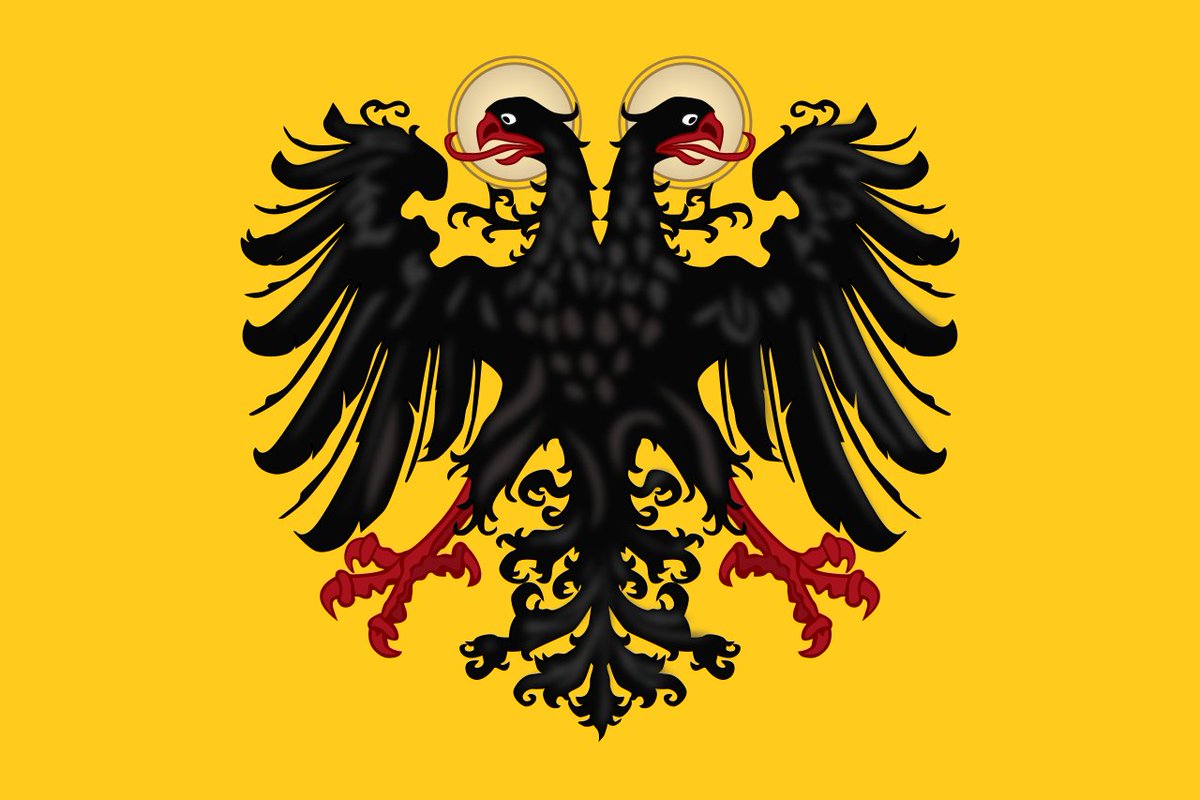
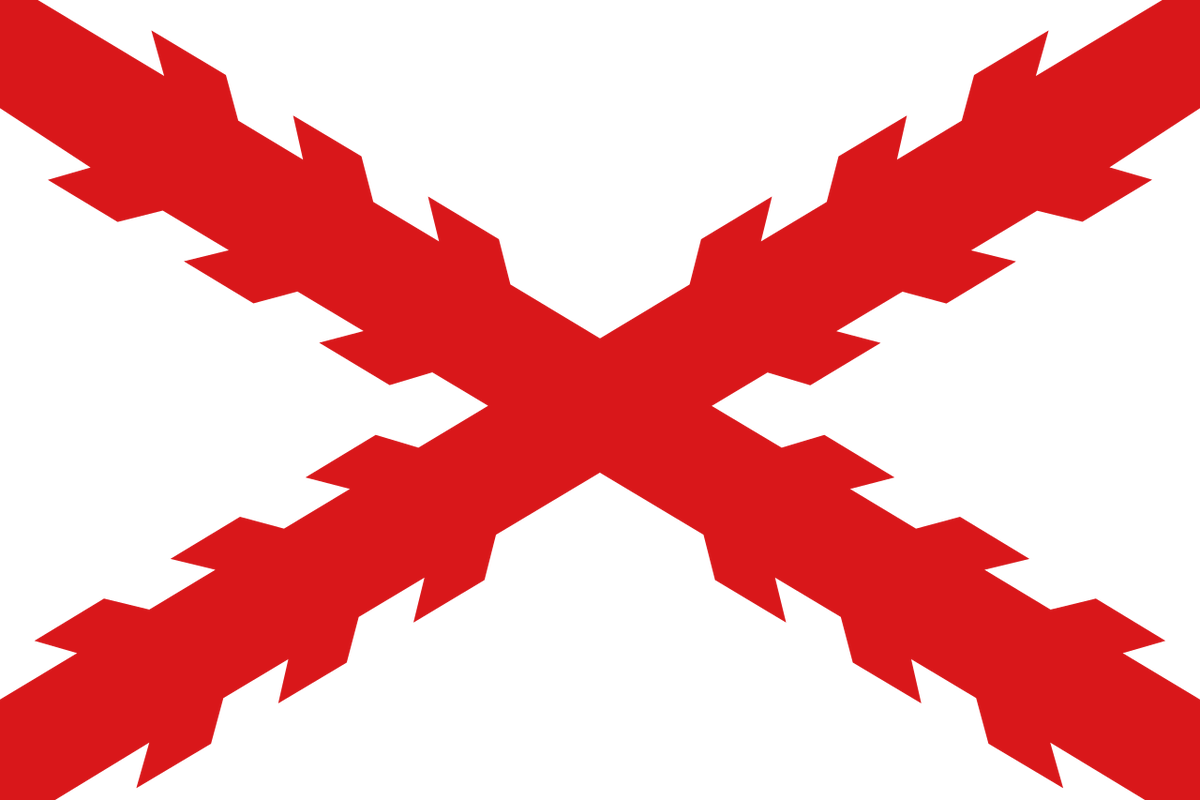
French King Francis I wages another war of aggression as Spain and Holy Roman Empire are united under same ruler Emperor Charles V since 1519. The Imperial-Spanish army awaits him at Bicocca with its elite infantry.
French King Francis I wages another war of aggression as Spain and Holy Roman Empire are united under same ruler Emperor Charles V since 1519. The Imperial-Spanish army awaits him at Bicocca with its elite infantry.
https://twitter.com/LandsknechtPike/status/1417650831017529344
12/14 Battle of Sesia 1524
Tensions continue as both the French and the Imperials raise more men and look for an encounter in northern Italy. The Imperial army chases down the French and faces them at the Sesia River.
Tensions continue as both the French and the Imperials raise more men and look for an encounter in northern Italy. The Imperial army chases down the French and faces them at the Sesia River.
https://twitter.com/LandsknechtPike/status/1417986881489362948
13/14 Battle of Pavia 1525
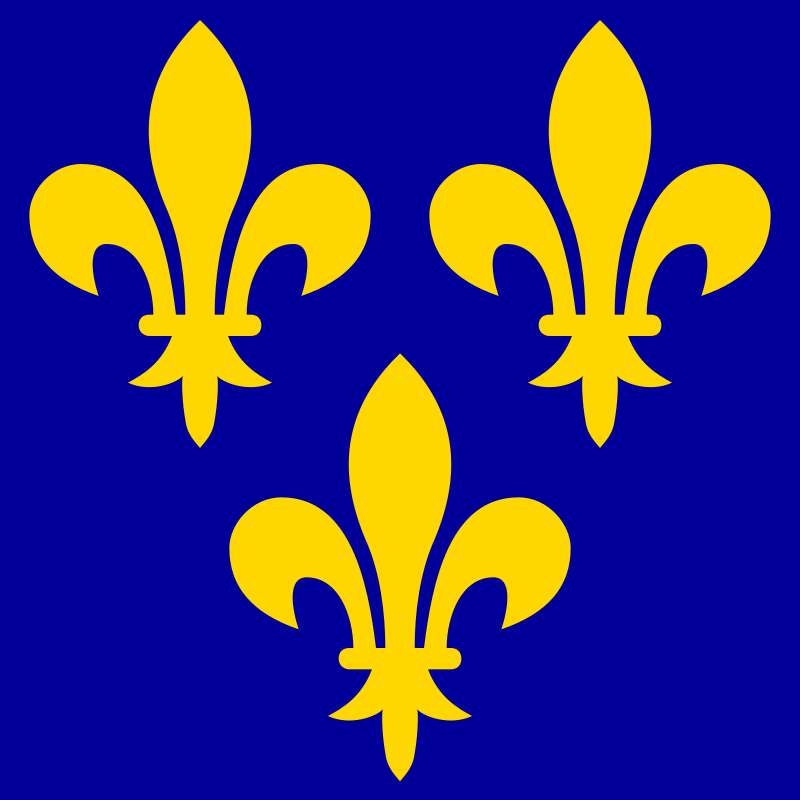
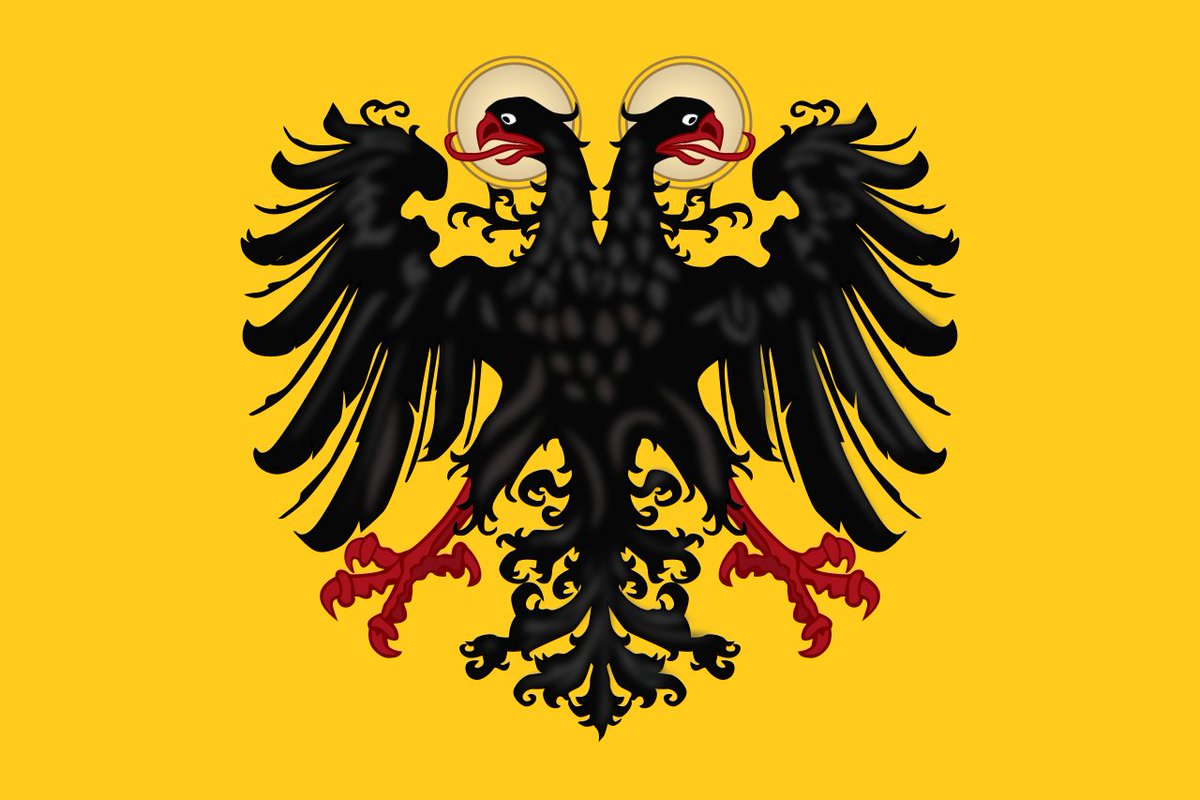
The most famous battle of the Italian wars, the decisive encounter between the French and the Imperials.
The most famous battle of the Italian wars, the decisive encounter between the French and the Imperials.
https://twitter.com/LandsknechtPike/status/1419096821683703809
14/14 Battle of Landriano 1530
Following the battle of Pavia, the Pope and the Italian city states now rally behind the French and form the League of Cognac against the Empire of Charles V.
Following the battle of Pavia, the Pope and the Italian city states now rally behind the French and form the League of Cognac against the Empire of Charles V.
https://twitter.com/LandsknechtPike/status/1406980200651497476

• • •
Missing some Tweet in this thread? You can try to
force a refresh