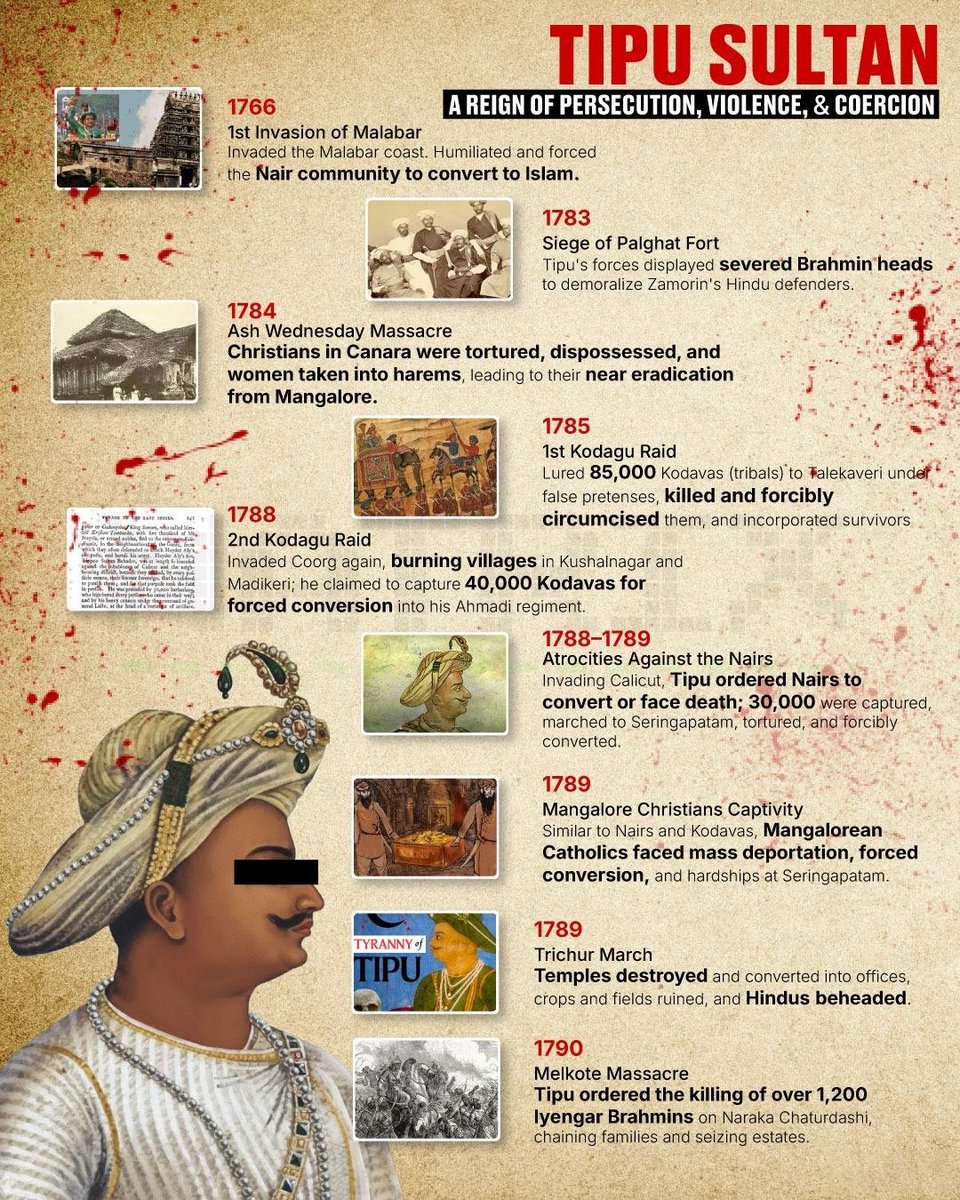
Tipu Sultan is often portrayed as a secular anti-colonial hero.⚔️
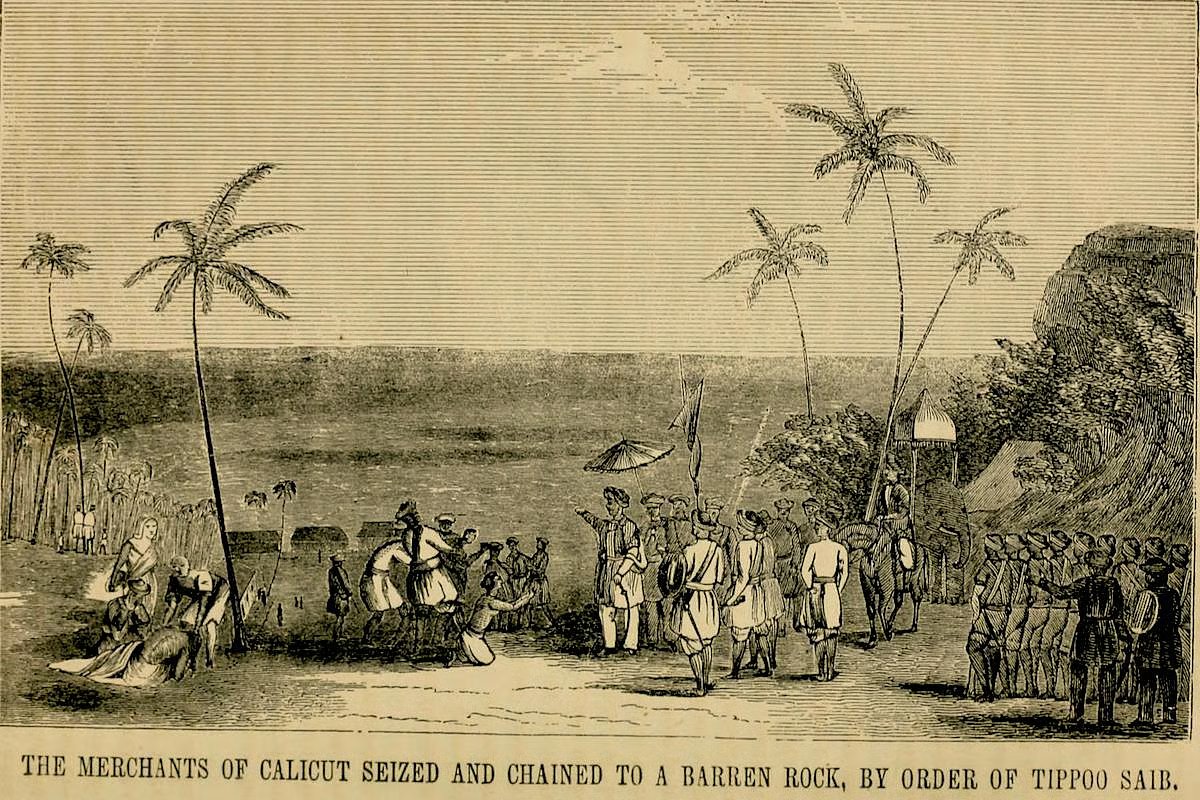
However, Persian letters, British military reports, missionary writings, and regional gazetteers describe large-scale killings, forced conversions, deportations, and temple destruction during his campaigns.
Here is what those records state.⬇️
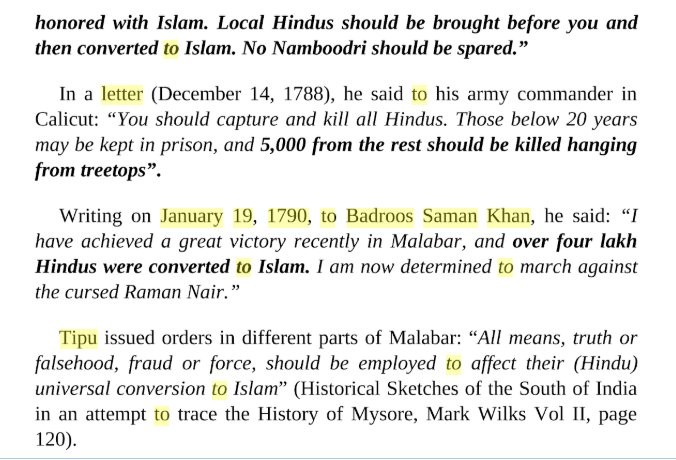
Letters attributed to Tipu (1788–1790):📜
Later historians cite Persian correspondence referring to:
• 12,000+ Hindus converted (March 22, 1788 letter)
• ‘Four lakh’ conversions in Malabar (Jan 19, 1790 letter)
• Calicut conversions described as a religious achievement
These letters suggest conversion was framed as policy, not accident.
Malabar Campaign⚔️
British and regional sources talks about:
• Forced conversion of Nair communities
• Execution of resisting groups
• Thousands of Brahmin families perishing in Kozhikode (as per L.B. Bury)
William Logan’s Malabar Manual records temple destruction across the region.🛕.
Some betrayals announce themselves loudly. Others operate quietly, methodically, and over decades.
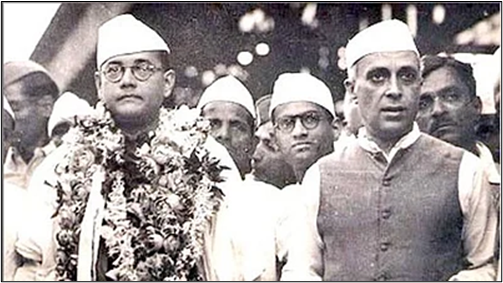
What Jawaharlal Nehru did to Netaji Subhas Chandra Bose was not a fleeting political disagreement, but a sustained process of marginalisation.
It followed Netaji through his rise within the Congress, through his revolutionary phase, through the mystery of his disappearance, and even into the private lives of his family after independence.
This was not an accident of history; it was a pattern. Read this thread to know more. 🧵
After independence, when India finally had the freedom to honour its greatest revolutionaries, Jawaharlal Nehru ensured that Netaji remained absent from the nation’s most symbolic spaces.
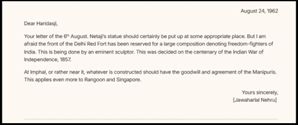
As Prime Minister, Jawaharlal Nehru opposed public commemoration of Netaji. In 1962, he rejected a proposal by INA veteran Haridas Mitra to install a Netaji memorial inside the Red Fort.
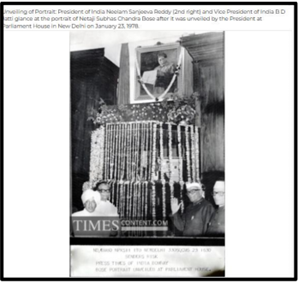
During Nehru’s tenure, Netaji’s portrait was also denied a place in Parliament and was installed only in 1978, long after. 🏛️
The erasure (of Netaji’s legacy) extended beyond monuments and into official memory.
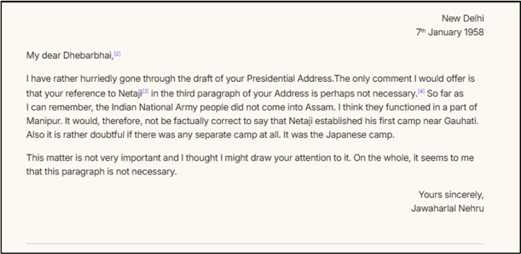
In 1958, when Congress President U. N. Dhebar attempted to acknowledge Netaji and the INA’s role in organising camps and fighting in the Northeast, Nehru personally objected.
He dismissed these references as unnecessary and unimportant.
Entire sections praising INA sacrifices were removed from the Congress President’s address, ensuring that even within Congress history, Netaji’s contribution was consciously minimised. ✂️
Pangong Tso is a highly sensitive lake along the India–China border that has witnessed repeated military confrontations. His trip there was projected as symbolic.
However, details from the visit raise several uncomfortable questions. 🧵⏬
Rahul Gandhi travelled with a small group that included a foreign-origin individual whose professional life is deeply linked to international investment and cross-border financial deals.
That individual is Shakir Mohamed Nurali Merali, a senior private equity professional.
Publicly available profiles describe him as Managing Partner for Africa at Lightrock, a global impact-investment firm managing multi-region funds. But that’s not the full picture.
The conspiracy goes much deeper.
Lightrock’s presence in India has a specific origin. 🔬
Its impact-investing roots trace back to Aspada, a platform set up and fully financed in its early phase by the Soros Economic Development Fund (SEDF) as an India-focused investment vehicle, before being taken over by LGT (Liechtenstein Global Trust).
It has been 41 years since the horrific Bhopal Gas Tragedy, the worst industrial disaster in the world, where:
- 20,000+ dead
- 5 lakh people are poisoned for life
- countless continue to suffer from terminal diseases
One man could have delivered justice, but he chose to protect the perpetrators instead. And that man was Rajiv Gandhi, the then Prime Minister of India.
7 Dec 1984: Union Carbide CEO Warren Anderson was arrested in Bhopal.
6 hours later → given tea, released on ₹25,000 bail, flown by a Madhya Pradesh state government plane to Delhi, and then sent to the USA.
Who gave the order? Rajiv Gandhi’s PMO.
Rajiv’s own Principal Secretary, P.C. Alexander, wrote in his memoir:
The Prime Minister was briefed and cleared Anderson’s release to avoid an international incident.
Global posturing took precedence over the lives of people.
Cabinet Secretary B.G. Deshmukh wrote in his memoir:
‘The decision to release Anderson was taken at the highest level.’