Graph from Robert Putnam's The Upswing charting Americas unity and division in 4 different areas: Economics, Politics, Society and Culture. Increase in Y axis is increase in unity.
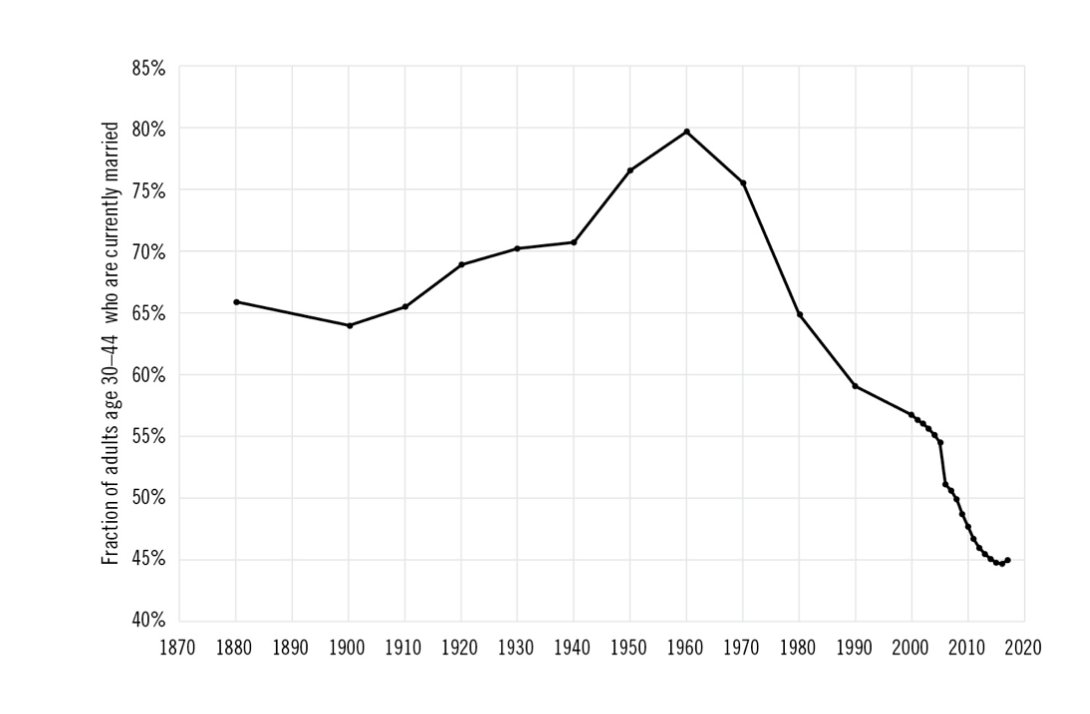
Putnams story seems to fit together a little too nicely, but I think he brings up a lot of interesting data. Many people think that American history is a constant trend towards secularism and liberalism, but from roughly 1900 to 1950 America became more "traditional" in many ways
Marriage increased...
Motherhood increased...
Church membership increased...
Also, it is interesting to note: the unity division curve is roughly the inverse of the foreign born population:
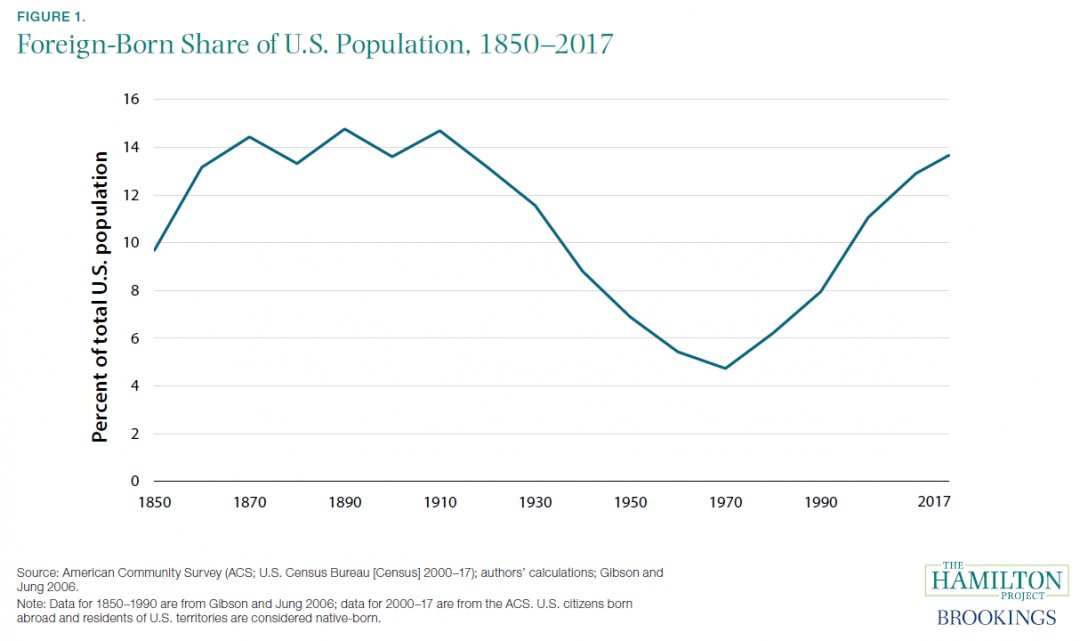
Putnam acknowledges this, but argues that increased immigration was the result of Americas unity rather than a destroyer of unity
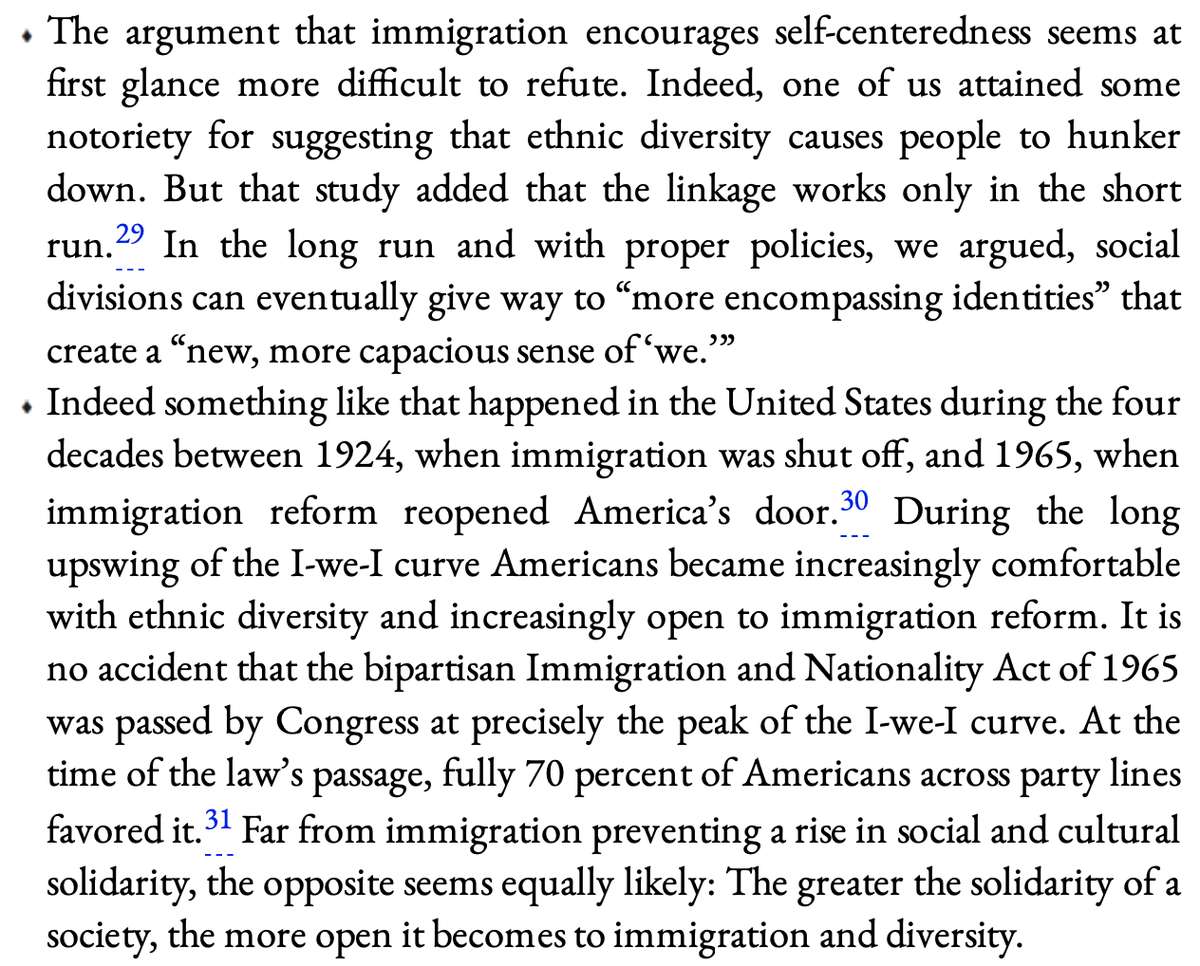
Thought you mind find this interesting @arnolfson
• • •
Missing some Tweet in this thread? You can try to
force a refresh

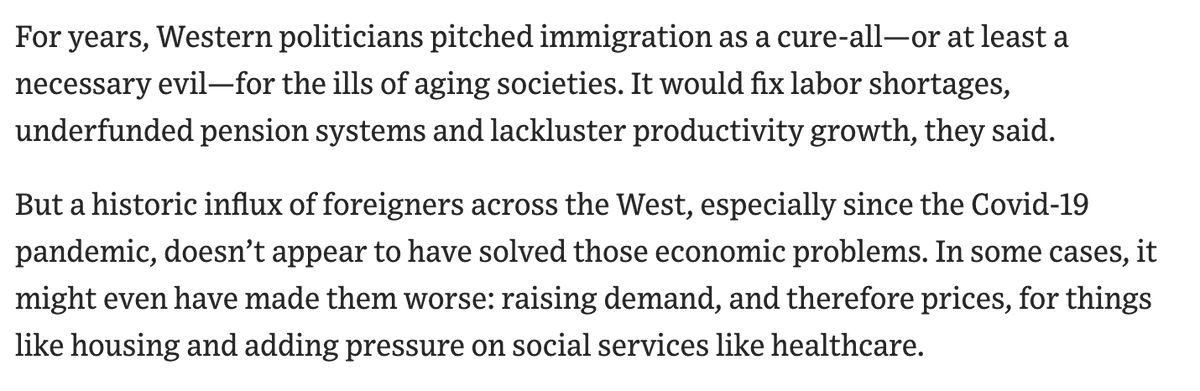
Some excerpts from WSJ article about the 10 million population cap referendum in Switzerland. The journal admits the historic wave of immigration to the West hasn't solved economic problems:
Economics professor from Canada admits that immigration hasn't solved Canada's problems.
Economic output per worker has stagnated across some of the countries that have accepted the most immigrants.
1/Short thread on race and Greek life. This legal scholar recently filed some FOIA requests for public universities to get some data on mainstream frats and sororities (IFC/Panhellenic) and this is what the data looks like overall:
2/ The IFC fraternities they looked at were slightly less white at around 72%. Everywhere greeks life was at least 15% whiter than the university population as a whole.
3/ Comparison between % of undergrads who are black vs panhellenic sororities. At the schools that turned over chapter level data almost half of chapters had no black members.
1/ Short thread. The WSJ asked business historians to rank the greatest entrepreneurs and business leaders in American history. Here are the racial demographics: