Since the time sewing machine was invented, it has been synonymous with survival and liberation of women across cultures. A thread on few powerful images of women around the globe with her humble sewing machine - 1/n
#1 Refugee women in Peshawar carrying her sewing machine - 2/n
#2 A Mahafaly woman carrying a sewing machine on her head. Southern Madagascar - 3/n
#3 A Muslim woman carrying a sewing machine in Kuwait, 1955 - 4/n
#4 Woman with a sewing machine, Bassar, Togo. Remember, a cast iron sewing machine would weigh from anywhere between 20 and 30Lb (By DEA / M. BORCHI) - 5/n
#5 A Woman walking with her Sewing Machine on her head in the 1970s, fearing it might be damaged by potential attacks in Tripoli, Libya (By Keystone-France) - 6/n
#6 A woman makes her way through downtown Port-au-Prince, Haiti, carrying her sewing machine on her head, 2003 (By ROBERT SULLIVAN) - 7/n
• • •
Missing some Tweet in this thread? You can try to
force a refresh

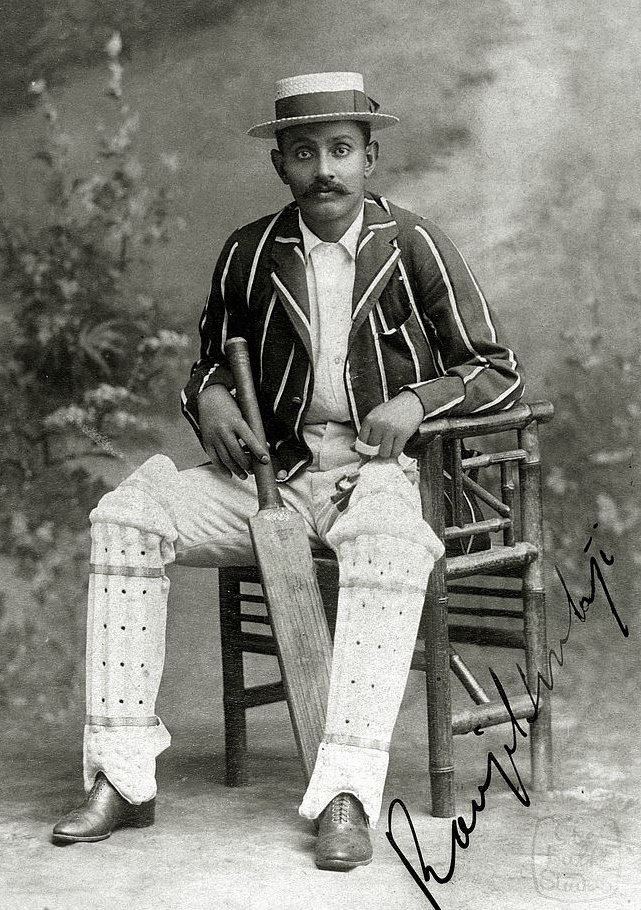
Later today, the Indian Cricket Team is set to face New Zealand at the Narendra Modi Stadium, Ahmedabad for the T20 world champion crown. But do you know that India's first tryst with cricket began in Gujarat – a little over 300-years ago?
1/19
By the mid-18th century, the Mughal Empire was on the decline and European powers were increasingly making their presence felt on the subcontinent. Although late to the party, the British were gradually stepping up their trading activities.
2/19
The Gujarat coast was a hub of maritime trade and one of the busy ports was Khambat – back then known as Cambay. Globally well known for its classical agate industry, Cambay cloth, ivory, golf and lacquer works, one fine day in 1721, Cambay was witness to a strange scene.
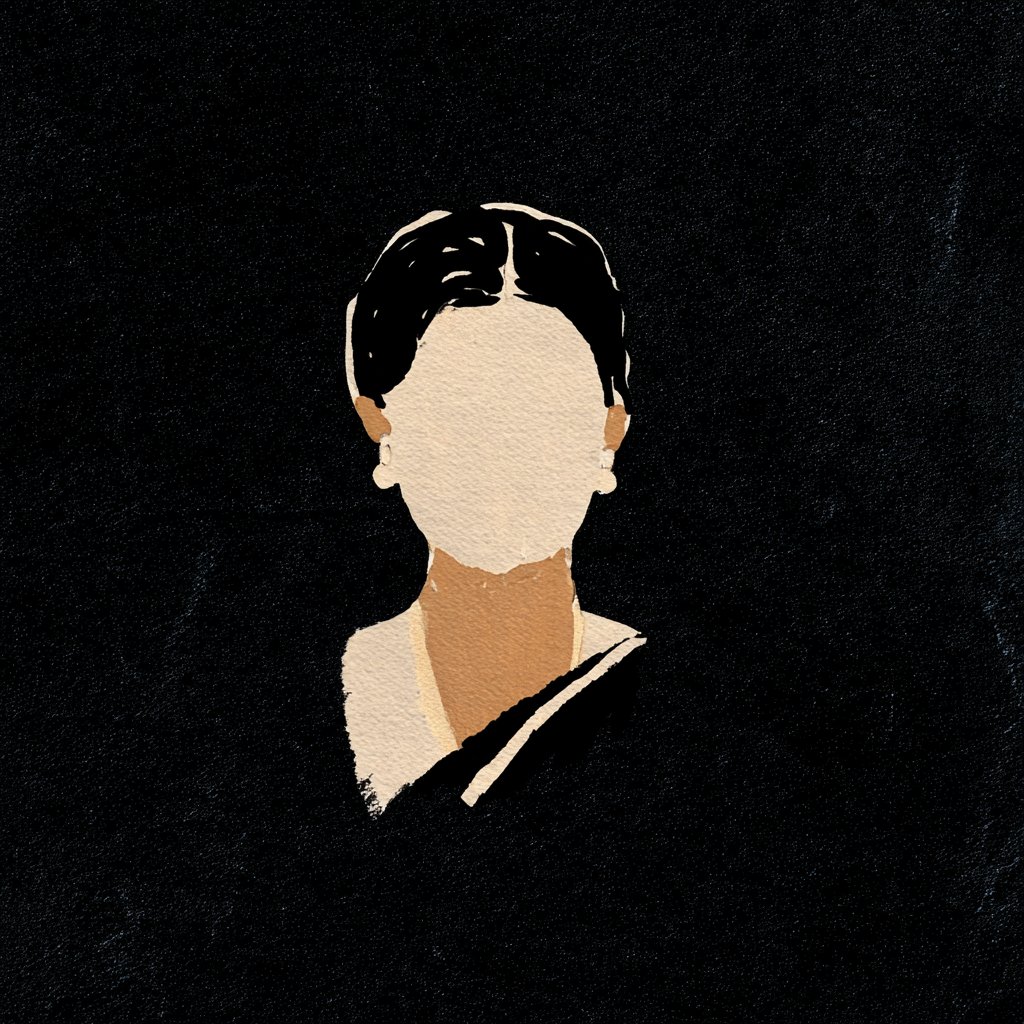
In 1905, a young woman in Kerala was dragged into a trial for adultery. The system was built to break her. Instead, she brought the system down with her. It became, and remains, one of the most extraordinary episodes in Kerala’s social history.
Thread. 1/21
The story unfolded in the princely state of Kochi, within the tightly guarded households of the Namboodiri Brahmin community. At its center was Kuriyedathu Thatri, a young woman whose life and public trial laid bare the double standards of her society. 2/21
To understand what happened, one must first understand the social world Thatri was born into. In early 20th-century Kerala, upper-caste Namboodiri Brahmins lived under rigid patriarchy. Women were confined indoors, their lives dictated by strict codes of conduct. 3/21
1944. On a quiet night in the then State of Madras, a man was stabbed and left bleeding on the streets. He was a tabloid editor. The suspicion had turned toward a beloved comedian widely known as the Charlie Chaplin of the South.
1/22
So who was this Charlie Chaplin of the South? He was N.S. Krishnan also called Kalaivanar- “the devotee of the arts” An actor and comedian who rose during the formative decades of Tamil cinema in the 1940s and 1950s.
2/22
Like Chaplin, he came from a humble background, had little formal education, and turned to stage plays early in life. He set the screen on fire with satire that made audiences laugh, and think. But he was not alone. Beside him stood his wife.
3/22
Did you know Indians born in Suriname were once considered Dutch citizens? And while that might sound strange, all of this connects back to Lord Ram and the settlements of Chinsurah and Baranagar on the banks of the Hooghly. Do read on. 1/24
Moving through the streets of Baranagar in North Kolkata can be challenging at times. Rickshaws, autos, trucks, and even the odd stray cattle all vie for a place. It does not just bustle with activity; it practically lives and breathes it. 2/24
But as you move through the intricate, narrow lanes, you will find old houses, broken and scarred, called Kuthis. Now these kuthis once housed Sahebs, mostly Britishers, but for a time they also housed people from the land of the Oranje, the Dutch. 3/24
In 1977, an Indian art student set out on a bicycle for Sweden, covering more than 11,000 kilometers because he could not afford an airfare to be with the love of his life. An incredible story worth remembering a thousand times. Read on. 1/18
The facts of the journey are striking enough. But to understand why it happened, it is necessary to return to a village in Odisha where Pradyumna Kumar Mahanandia was born into the Kandha tribal community n 1949, historically among India’s most marginalized groups. 2/18
He grew up in poverty, in a house without electricity, and displayed an early aptitude for drawing. In interviews over the years, he has spoken candidly about the discrimination he faced as a child. It was too real to forget. 3/18
The high-octane trailer of #Border2 dropped recently and one character – played by Ahaan Shetty caught our eye. Shetty plays an officer of Indian Navy in the 1971 War and our thoughts went back to a real-life Indian Navy officer who left behind an eternal legacy through his actions in this war. 1/18
The INS Khukri was a Type 14 frigate of the Indian Navy in 1971. The Type 14 was a minimal anti-submarine craft, a cheaper alternative to the more expensive Type 12. They were introduced to the British Royal Navy in the early 1950s. By 1971, they were considered somewhat obsolete. 2/18
India had acquired three Type 14s, which it had named INS Khukri, Kirpan and Kuthar – all part of Western Fleet’s 14th Squadron. On the other hand, in the aftermath of the 1965 war with India, the Pakistan Navy acquired three Daphne class submarines – which it named PNS Hangor, Shushuk, and Mangro. 3/18