Classifications are not neutral. The way in which categories are defined and who defines them tell a story of power. 2/
Increasingly, populations are segmented & differentially treated. Surveillance sorts people into categories, assigning worth or risk, in ways that have real effects on their life chances. 3/
Those with ‘risky’ characteristics are subject to ever-greater monitoring, assessment, & acts of compliance-checking. They need to do more to prove & justify themselves simply because they ‘look’ like past transgressors. 4/
Above quotes are from "Targeted! Population Segmentation, Electronic Surveillance and Governing the Unemployed in Australia" by @pwh67
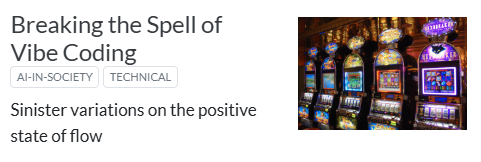
Vibe coding is the creation of large quantities of complex AI-generated code. Executives push lay-offs claiming AI can handle the work. Managers pressure employees to meet quotas of how much of their code must be AI-generated... yet results are far from what was promised 1/
“When [I first got] hooked on Claude, I did not sleep. I spent two months excessively prompting the thing & wasting tokens. I ended up building & building & creating a ton of tools I did not end up using much...” @mitsuhiko described his experience of "agent psychosis" 2/
When coding, many of us experience a state of flow: full absorption & energized focus. One's skills are adequate to cope with challenges, in a rule-bound system that provides clear clues on performance
On the surface, vibe coding seems to induce a similar flow. However... 3/
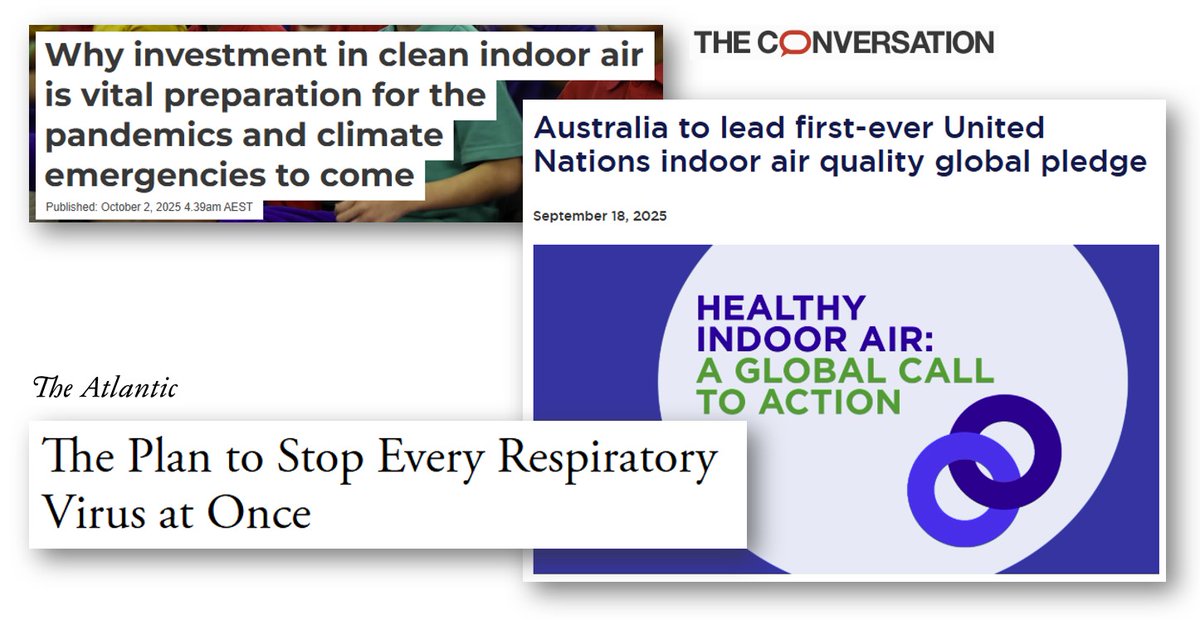
For a long time, catching frequent viruses was considered both inevitable and harmless. But it turns out that common, seemingly-mild viruses have disturbing long-term health impacts. 1/
Viruses can...
- increase risk of heart attacks & strokes
- linked to Dementia & Alzheimer’s
- re-awaken cancer cells that were in remission
- accelerate aging
- trigger life-long autoimmune diseases 2/
If we were to truly internalize the long-term health impacts of viruses, there would be massive shifts in the practice of medicine, scientific research, & public policy. 3/
The human immune system is impressive, but so are the mechanisms pathogens use to evade it. In my new post, I cover 5 surprising and ingenious ways that viruses & bacteria can subvert our defenses. 1/
Our cells contain microscopic motor proteins that transport cargo along microtubules. The virus (HSV-1) that is increasingly being linked to Alzheimer's Disease uses our motor proteins to transport its viral DNA to the nucleus, so that it can start replicating faster. 2/
T cells are a crucial part of the immune system. A single-celled organism (T. cruzi, cause of Chagas disease) blocks the signal which coordinates T cell response. With no T cell response to it, T. cruzi can survive 10-30 years in a person, before wreaking havoc or death. 3/
My daughter is constantly creating– her passions include making art, writing fiction, coding interactive games, and composing music. Some might say my husband & I are terrible parents… because she does all these things on screens 1/
I am concerned by how these false interlocking points are being repeated by politicians & pundits: that screentime is very harmful for children, that it is essential for kids to attend in-person school every day (even when sick), and that workers must return to the office. 2/
Overemphasizing in-person school attendance overlooks the many kids whose needs aren’t met by in-person school. It also overlooks the many online & screen-based options opportunities to build skills, express creativity, and form friendships. 3/
There is much confusion about the "hygiene hypothesis" (what kind of microbes are beneficial vs. harmful?)-- a clearer refinement of it is the framing of "old friends" vs. "crowd infections"
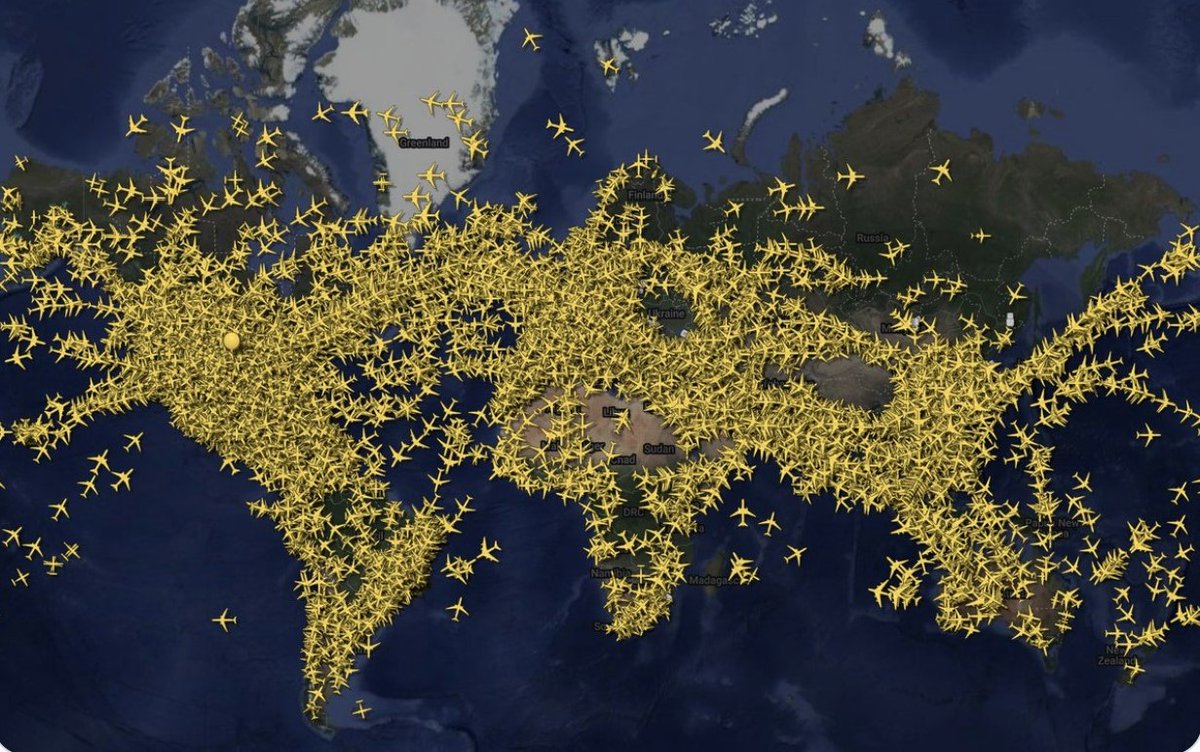
Our immune systems evolved in a different world, without 100,000 flights per day 1/
Some people compare the immune system to a muscle that gets stronger with use. Yet some infections leave lasting harm. Viruses are increasingly linked with multiple sclerosis, Alzheimer's, type 1 diabetes, cancer, & more...
Allergies are a misfiring of immune system– when it attacks harmless environmental substances, e.g. pollen or dust. Autoimmunity is a different type of immune misfiring– when it attacks our own cells. Both are on the rise.
All the diseases in below chart are autoimmune. 3/
Friends with no previous interest in AI ethics have been asking me about it recently, so I want to share several underlying concepts about AI & power that are important to understand. 🧵 1/
AI and Power: The Ethical Challenges of Automation, Centralization, & Scale
In Australia, automation was used to scale putting poor people into debt (often illegally). The govt went from creating 20,000 new debts PER YEAR to creating 20,000 new debts PER WEEK, many of them bogus, but hard for people to appeal. 3/