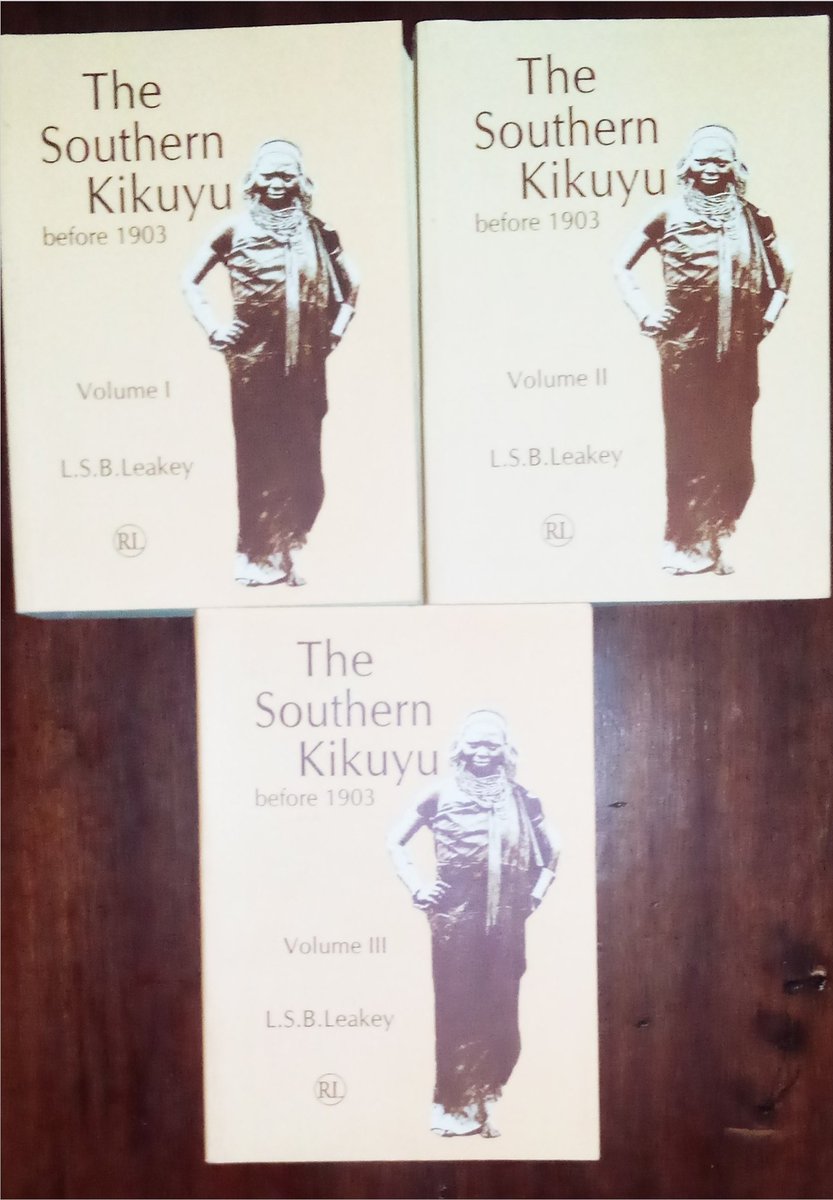
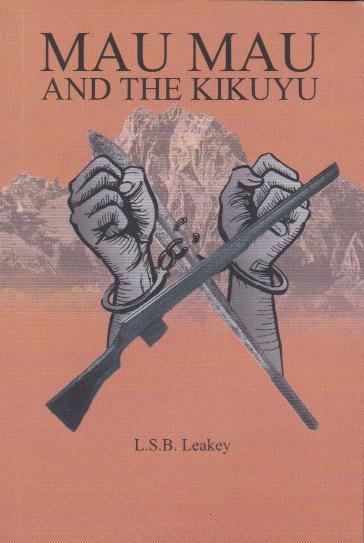
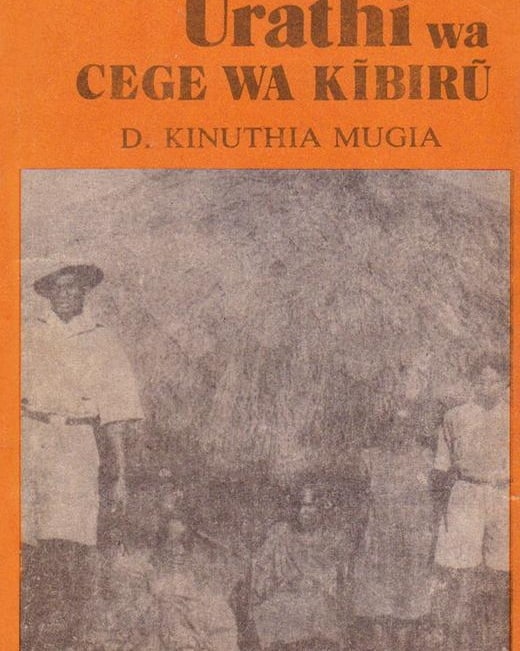
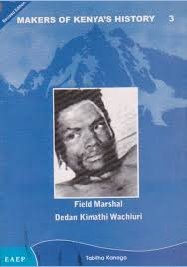
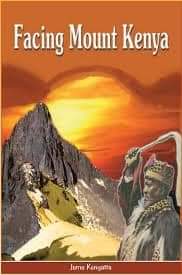
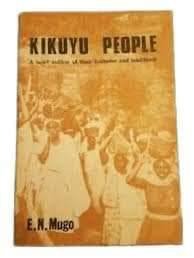
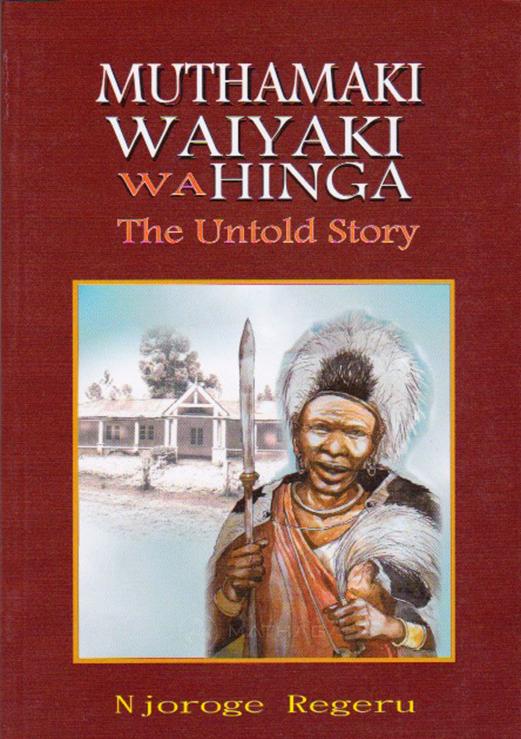
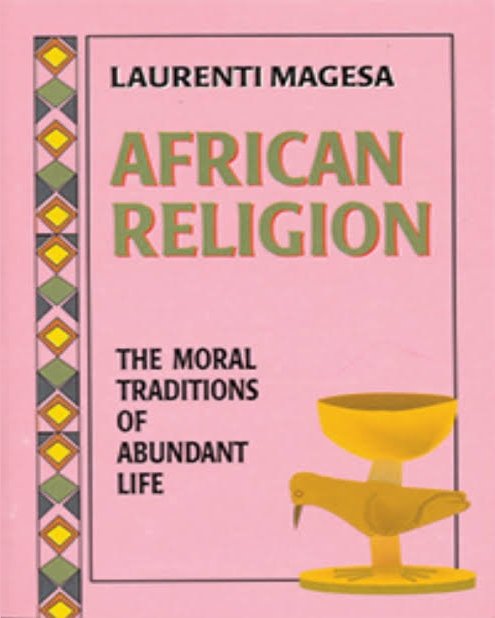
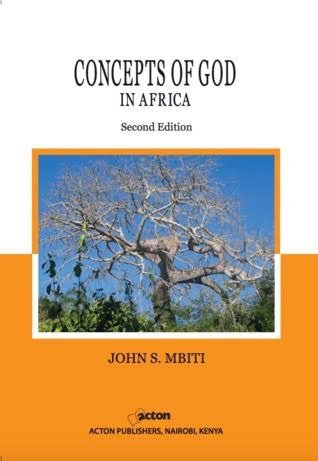
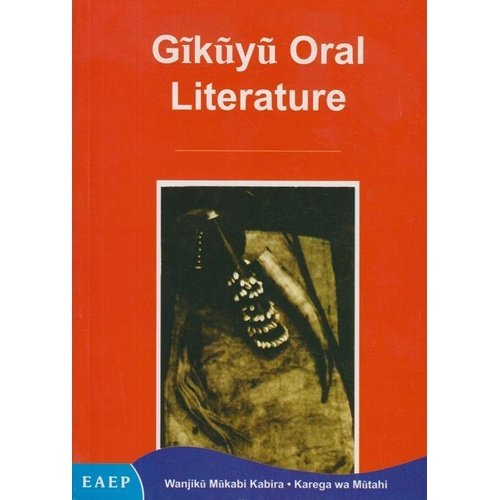
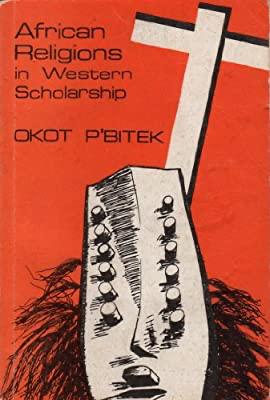
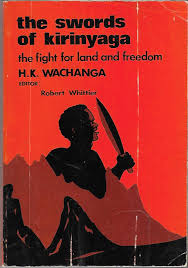
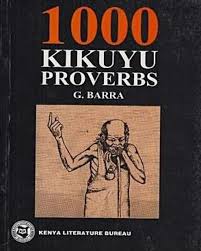
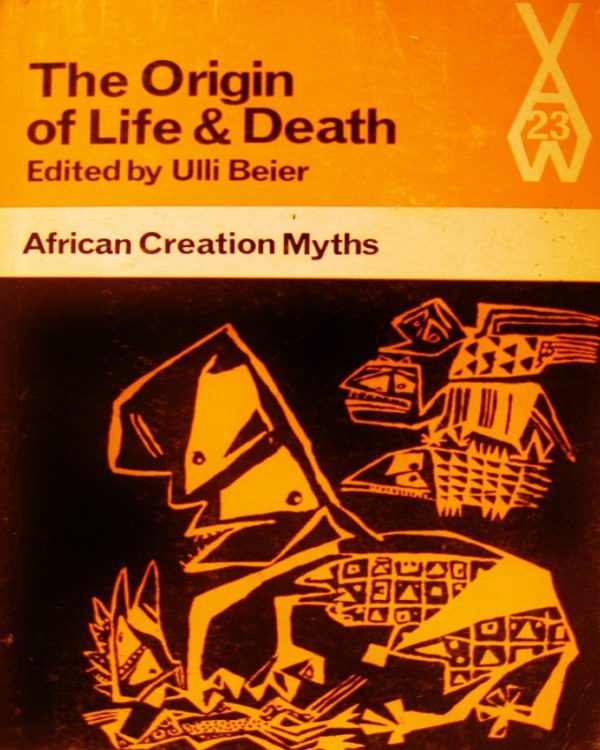
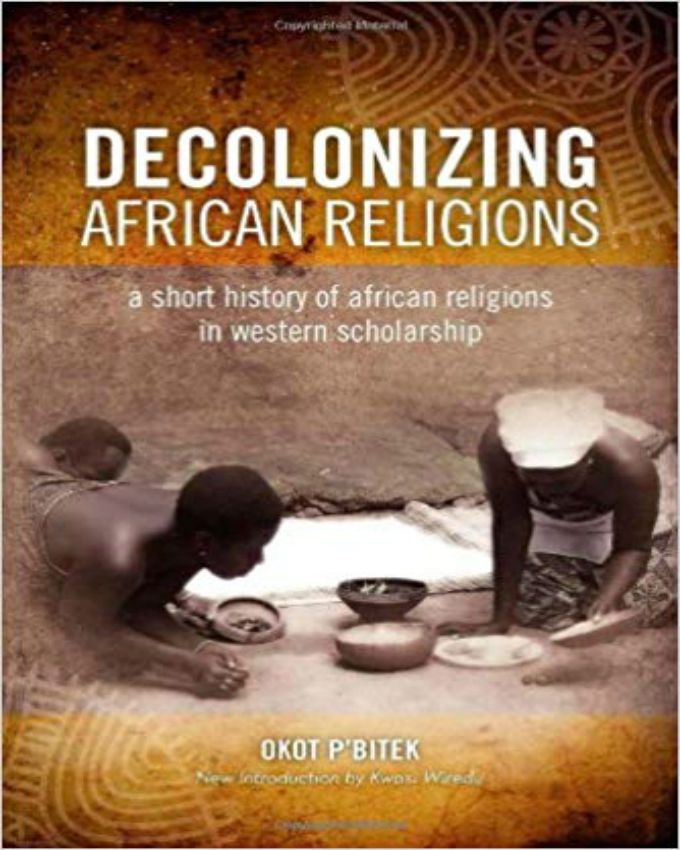
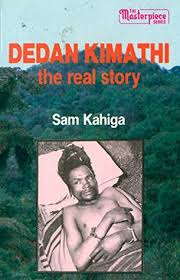
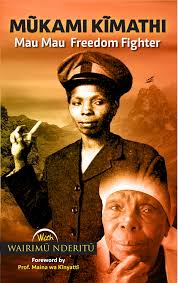
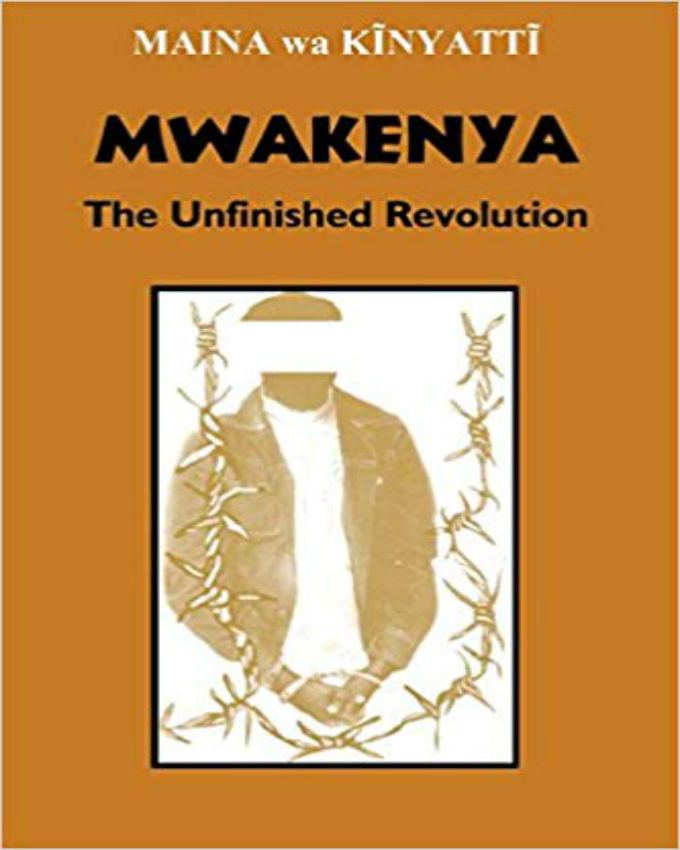
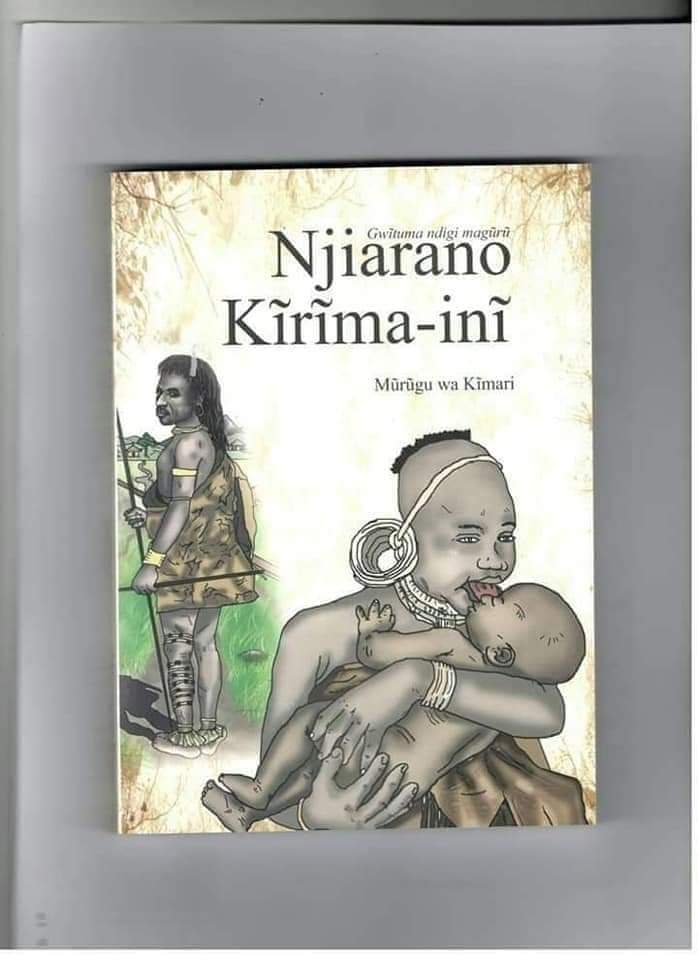
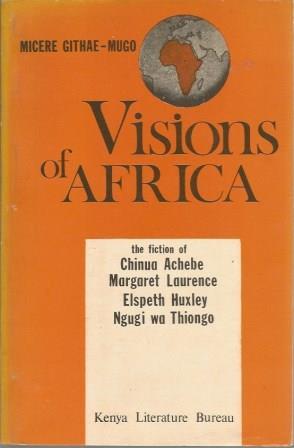
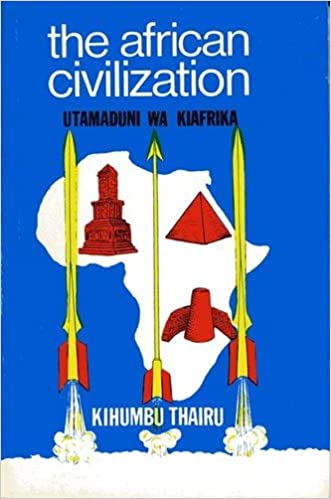
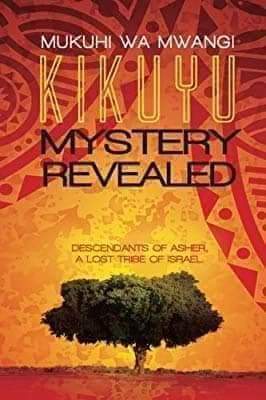
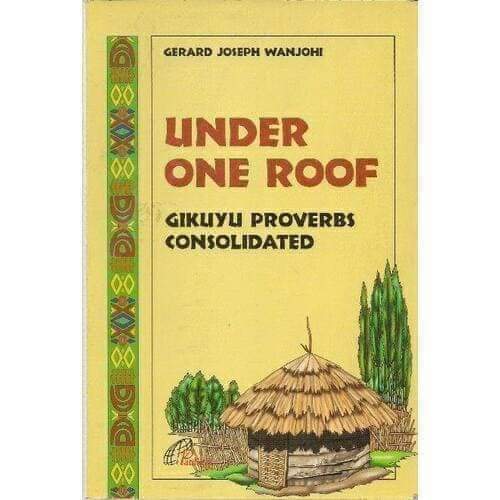
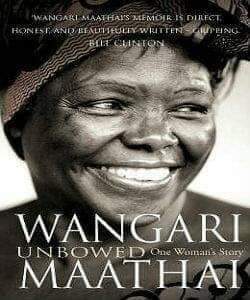
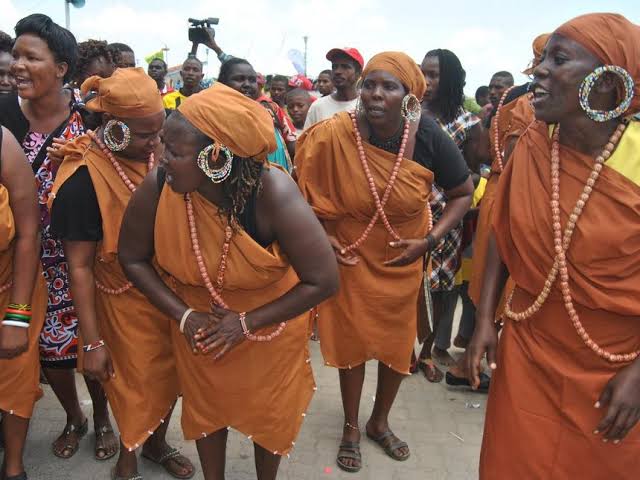
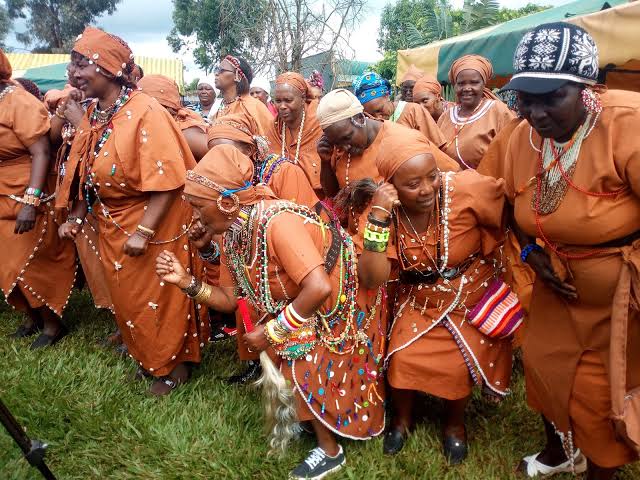
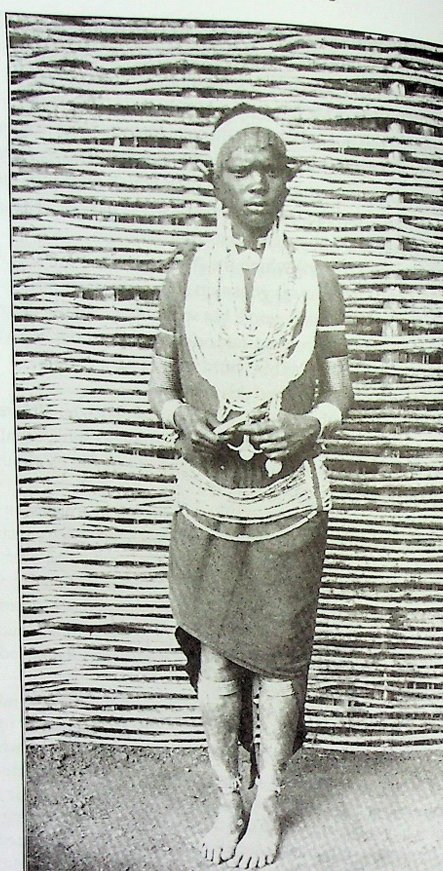
We have these 3 volumes of Louis Leakey's The Southern Kikuyu before 1903. The books are sold in the 3 volumes. Price 23,000. These volumes present the Agìkūyū Culture in a very indepth manner. Place an order via DM, SMS/Whatsapp our office number on 0790-224189..
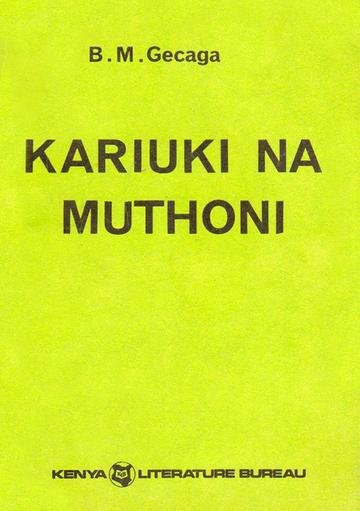
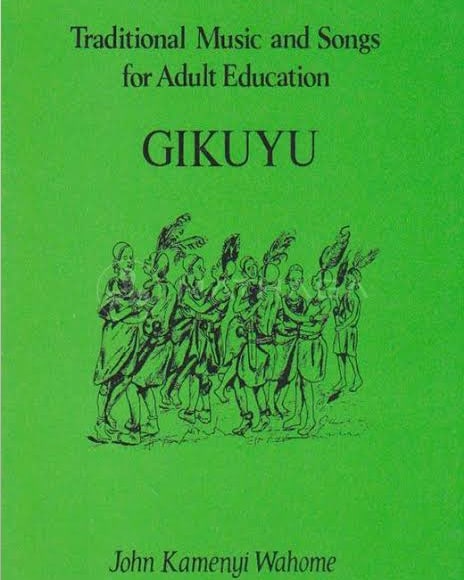
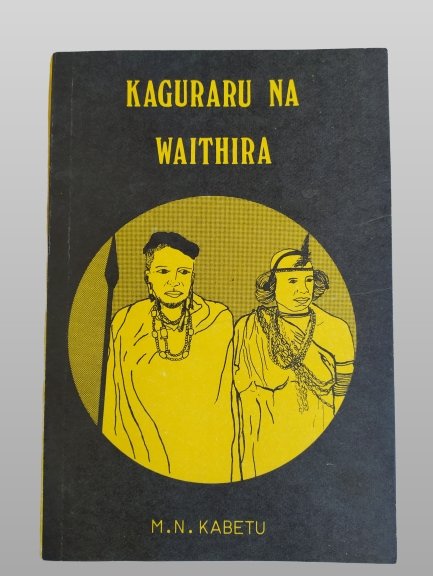
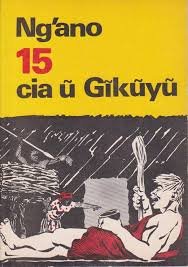
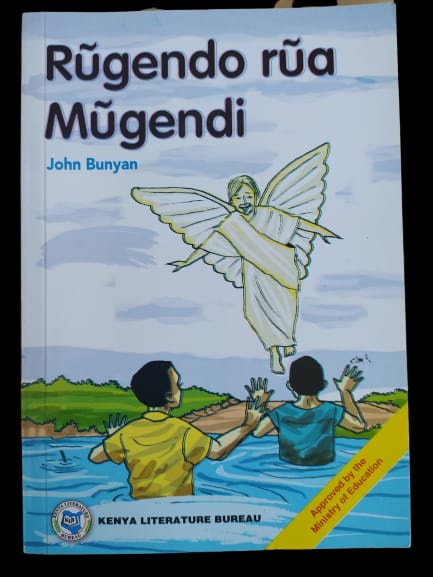
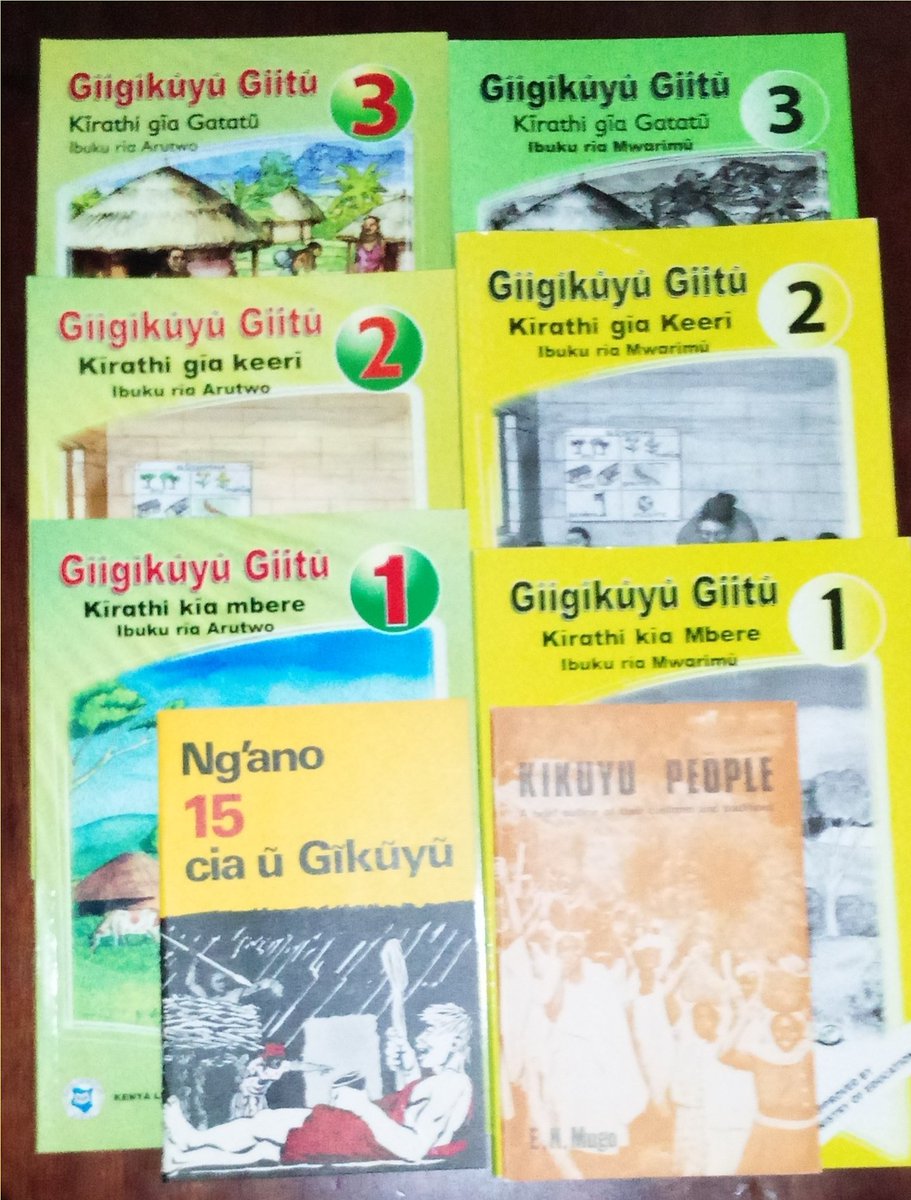
We also have this set of 6 Gìkūyū language books excellent for adults and children eager to learn Gìkūyū language. They come with a teacher's guide to help the leaner and teacher set, execute, and evaluate weekly objectives. You get free story book and Kikuyu people book. 3,300
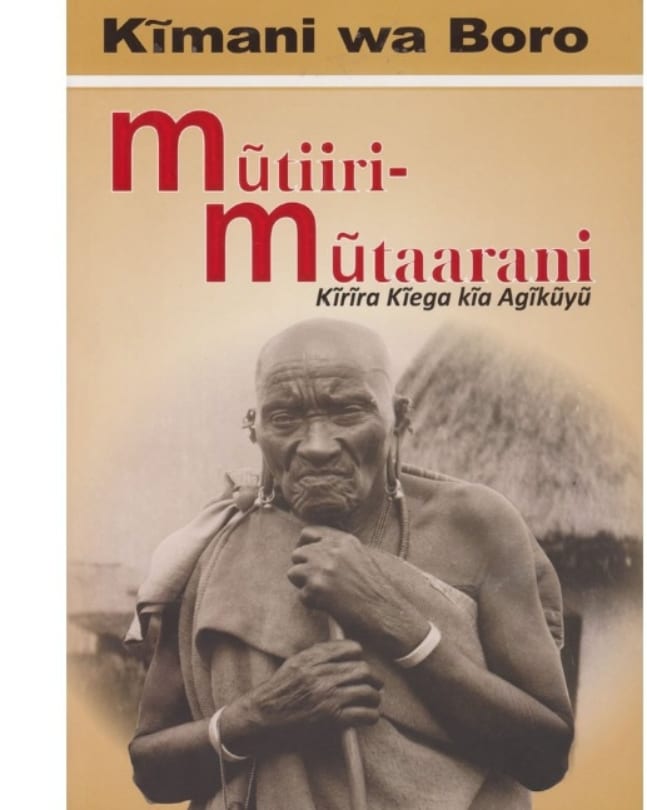
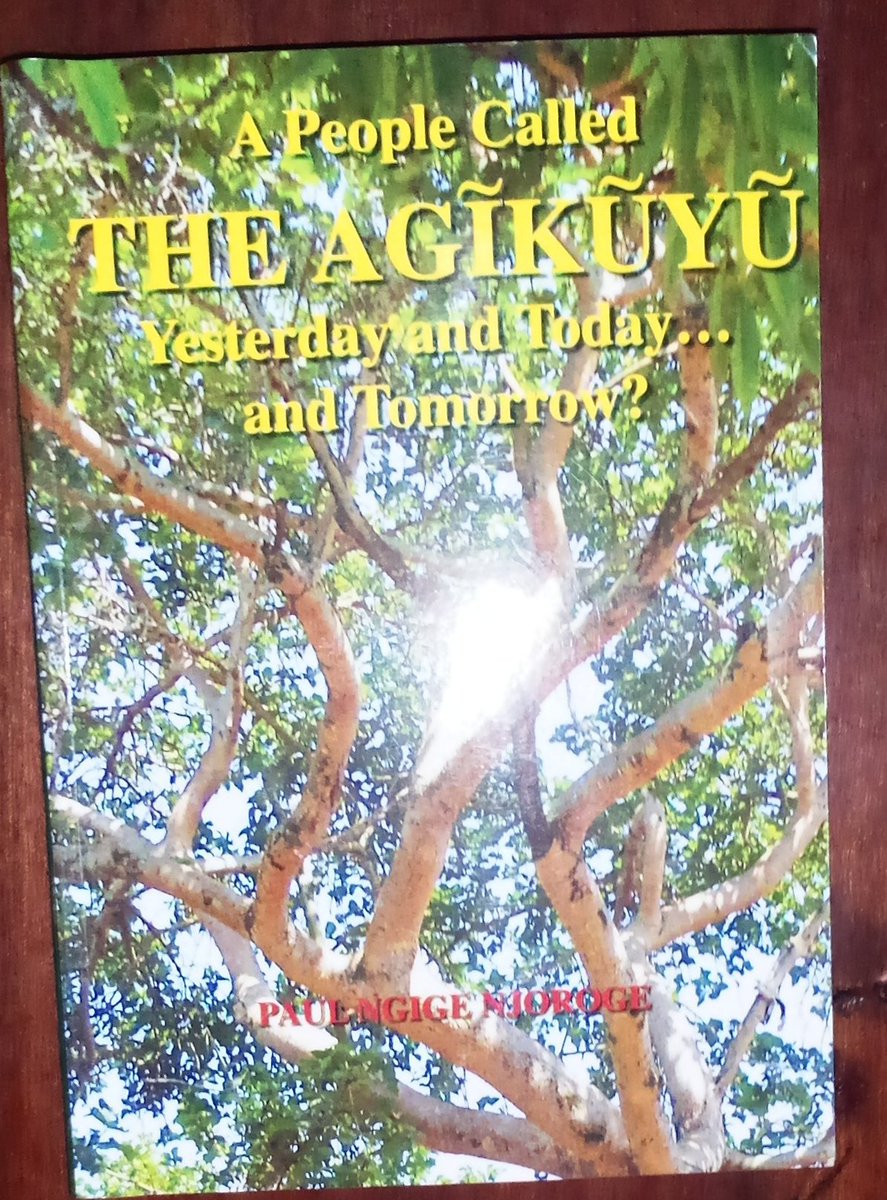
If you are looking for an excellent presentation of the Mūgìkūyū from a historical, present and futuristic perspective, this book of 10 years plus of research should be in your list of books. Dr Paul Ngige, elaborates Mūgìkūyū and his culture in a convincing tone: Price: 3,700
We have many more literature on Agìkūyū culture, African religion and Spirituality, African History. Enjoy discounts on all our books all the way to 31st December. We deliver locally and internationally.
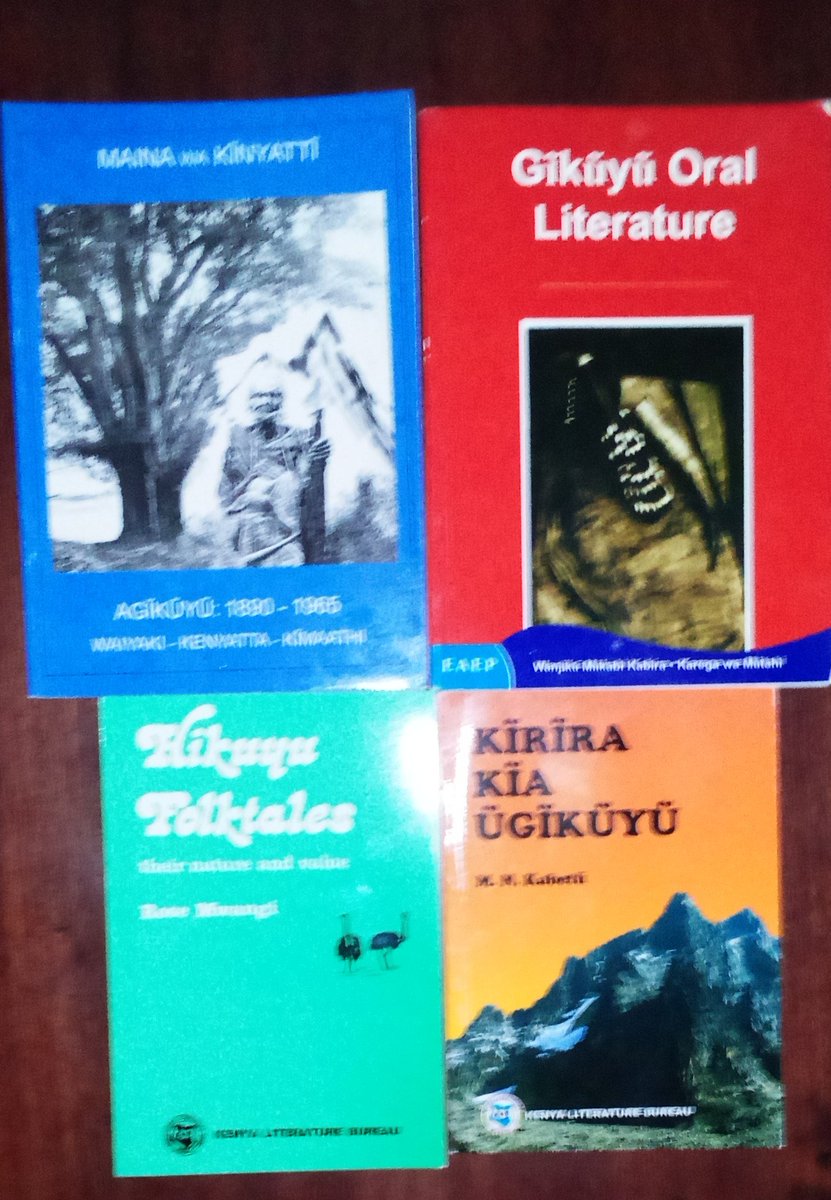
Our prices start from 400 onwards.
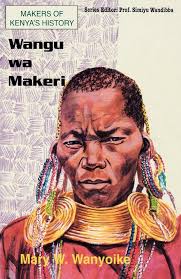
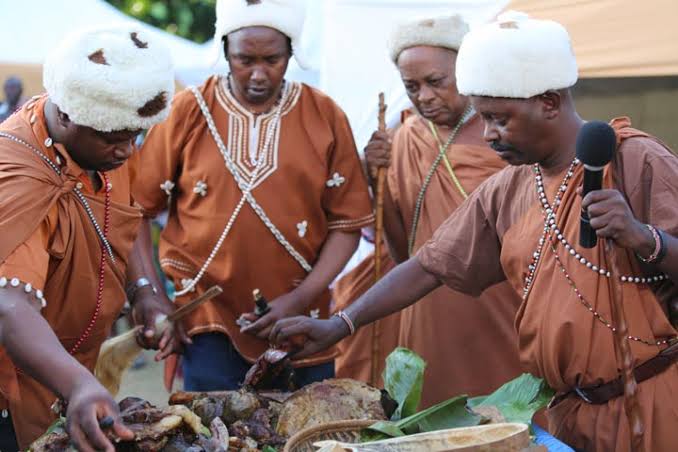
This Saturday December 4th, in part 3 of our marriage series we will highlight the Rūraacio items and what they meant. We will also touch on the Ngurario, and the Agìkūyū wedding day!! How did the girl eventually end up in the boy's home in a very dramatic yet exciting way?
• • •
Missing some Tweet in this thread? You can try to
force a refresh

The 12 clans of the MARIMŪ ( GIANTS) in the Agìkūyū community.
In this thread, we highlight the 12 clans of the MARIMŪ (GIANTS) that long ago lived in Agìkūyū land. We grew up listening to stories Marimū ma Nyakondo, but were 12 clans of the marimū, each with a king.
First a story..
When Gìkūyū and Mūmbi, had given birth to their four, five, six children, there came into their land humongous humongous people called Marimū ( giants) . By the time Ngai decided to completely wipe out these marimū from this land, Gìkūyū and Mūmbi had given birth
to these daughters: Wanjirū, Wambūi, Wanjikū, Waceera, Waithīra na Wangari. Wairimũ another one of their daughters, born later on, was named so as a reminder to Gìkūyū and Mūmbi of the Marimū once in their land.
Gìkūyū prayed to Ngai to wipe these marimū. For so many reasons.
The name Mūgo is a professional name for medicine men, diviners and seers.
Among the Agìkūyū, women did not normally become Andû Ago. But there were cases where this great supernatural wisdom and power would seize a woman
( kūnyitwo nì Ūgo.) When this power seized a woman, she would become a prophet, healer, or seer. Women who became any of these, had the right to acquire Ūgo tools like medicinal powders from the Professional Andû Ago. The only difference between men and women andû Ago is that
Women were never initiated into the Profession and they also didn't have a divining gourd. These women however enjoyed high prestige and power largely because of two reasons: 1. Their ability to prophecy accurately 2. Their close contact with Ngai so much that they received
The Young Prophetess - Mūrathi Kairītu ( 1947-1953)
"This prophetess is not well known. She never proclaimed her messages in public, but to special audiences of Gìkūyū leaders. These were representative of Gìkūyū squatter communities whose land had been alienated and were now
living all over the country and some outside it's borders. The main objective of these leaders was to plan and strategize the process of recovery of their lands and eternal political liberation.
Areas represented included - Thìmbìgua- Banana, Limuru, Rūngìrì, Githunguri,
The young Prophetess surprised the leaders as they were in a full council of elders meeting in a secret venue in the Rironi area of Limuru in 1947. She asked for permission address the elders.
The name Mūgo is a professional name for medicine men, diviners and seers.
Among the Agìkūyū, women did not normally become Andû Ago. But there were cases where this great supernatural wisdom and power would seize a woman
( kūnyitwo nì Ūgo.) When this power seized a woman, she would become a prophet, healer, or seer. Women who became any of these, had the right to acquire Ūgo tools like medicinal powders from the Professional Andû Ago. The only difference between men and women andû Ago is that
Women were never initiated into the Profession and they also didn't have a divining gourd. These women however enjoyed high prestige and power largely because of two reasons: 1. Their ability to prophecy accurately 2. Their close contact with Ngai so much that they received
Definition of terms:
✓ Irigithathi - First born
✓ Itiema - Second born
✓ Mūruna / Aruna - Third, Fourth, Fifth borns
✓ Kìhinga nda- Last born
✓ Taata-sister to your mother
✓ Mama/Nyarūme -brother to your mother.
✓ Mama wa Kìahūinì- Mother's eldest male cousin
✓ Baaba mūkūrū- elder brother to your father.( Your father's elder or younger brother is not mama/uncle)
✓ Baaba mūnyinyi - younger brother to your father.
✓ Nyaciara - Mother of your husband
✓ Iciciara - Father of your husband
✓Your Full sister's sons - Mûihwa ( Nephew) in some places Mwanake/mwana wakwa
✓ Your Full sister's daughters - Mwana wa mwarì wa maitū, in some places Mūiritu/ mwana wakwa
1. Mūiti wa mbūgū (diviner)- ūyū nīwe mūndū mūgo na nīarī mbūthū ya mwano na nī aragūraga na mbūgū.
2. Kīoni - (seer) ūyū ndarī mwano na oonagio maūndū kumania na indo na andū. No arore mbakī, matu, njata, ona mara ma mbūri kana nyoni na ahote kūheywo
ndūmīrīri nī Ngai kana ngomi.
3. Mūgongoni (priest) - ūyū no akorwo e mūthuuri o woothe mūhe guoko gwa kūgongona...ona no akorwo e mūthuuri wa kīama kana kīgotho wa mūciī. Nī mekīraga ngotho ya mūgwongo guoko kwa motho. 4. Mūrathi (prophet) - ūyū nī mwamūre nī njaama ya arathi