High PAI-1 precedes a first heart attack, indicating blood coagulation as a primary risk factor ahajournals.org/doi/10.1161/01…
PAI-1 is not only elevated in the elderly but also significantly induced in a variety of pathologies associated with the process of aging academic.oup.com/cardiovascres/…
A null mutation in the gene that encodes PAI-1 is associated with *7 years* longer lifespan. This is in an Amish community. They also have no diabetes. science.org/doi/10.1126/sc…
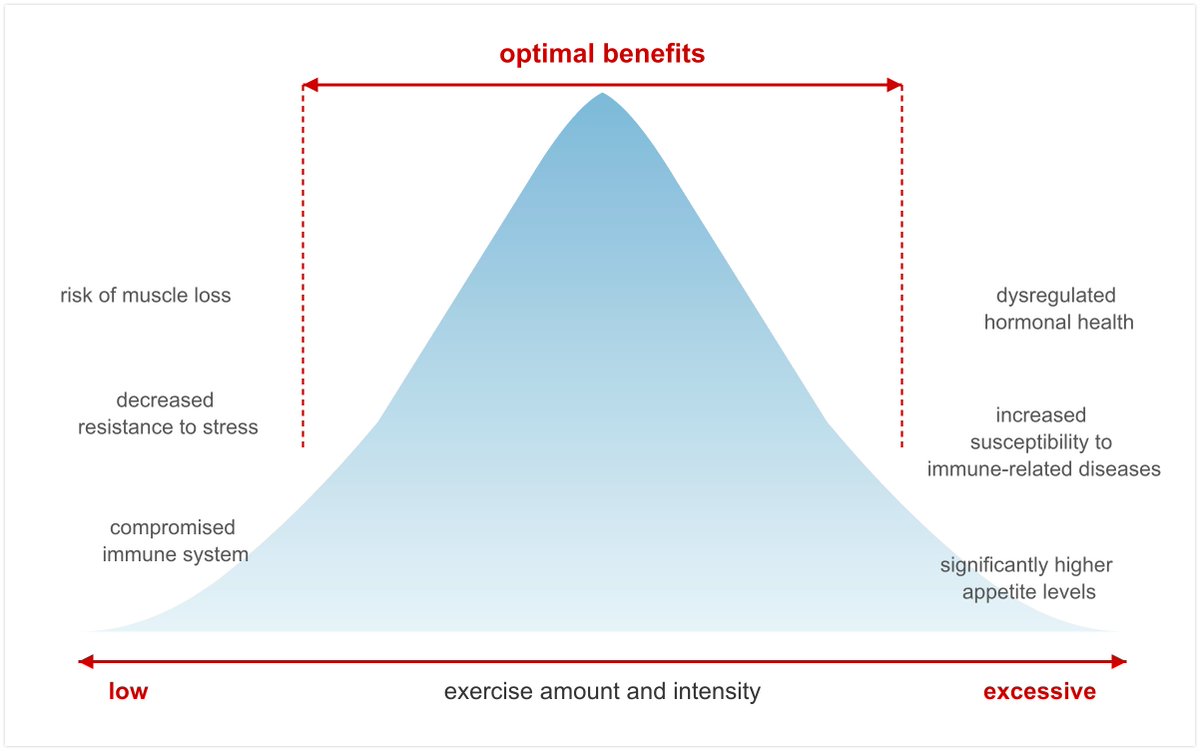
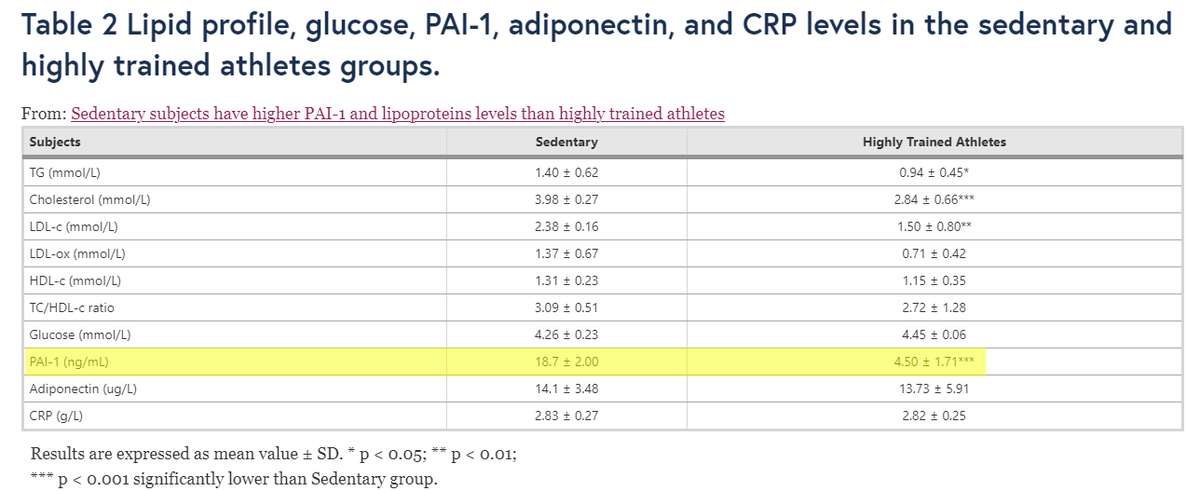
PAI-1 is greatly reduced in trained athletes vs sedentary 
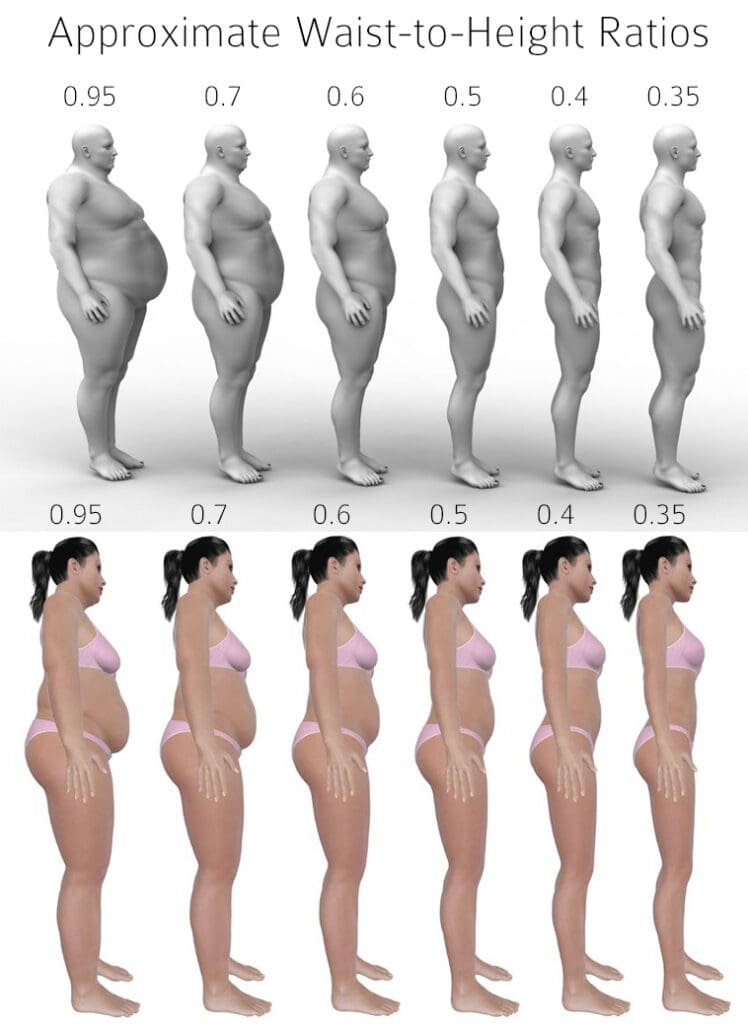
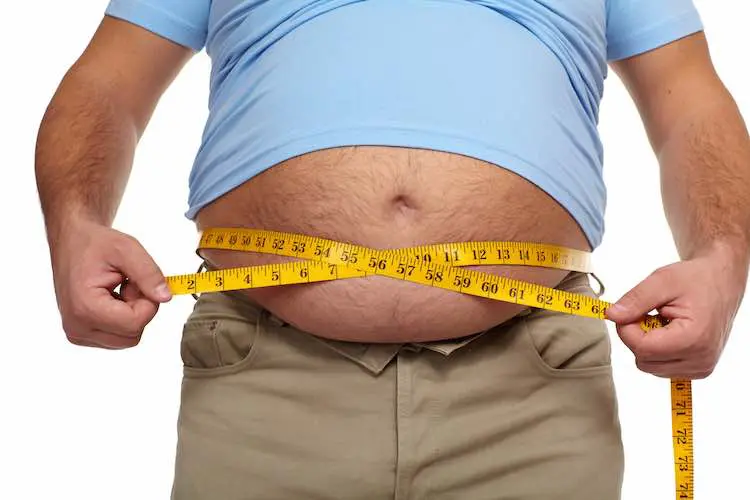
Overweight/Obesity, Smoking, and Heavy Alcohol Consumption Are Important Determinants of Plasma PAI-1 Levels in Healthy Men sciencedirect.com/science/articl…
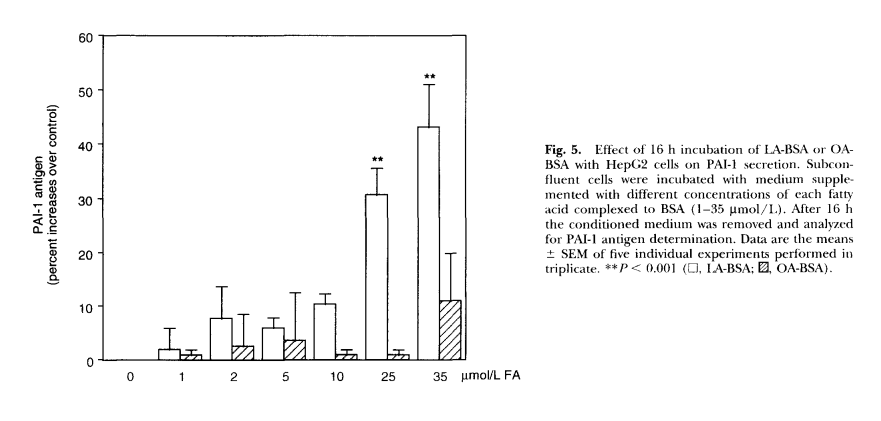
Linoleic acid enhances the secretion of plasminogen activator inhibitor type 1
Main dietary source of linoleic is seed oils
Oleic acid (olive oil) has little to no effect sciencedirect.com/science/articl…
Main dietary source of linoleic is seed oils
Oleic acid (olive oil) has little to no effect sciencedirect.com/science/articl…
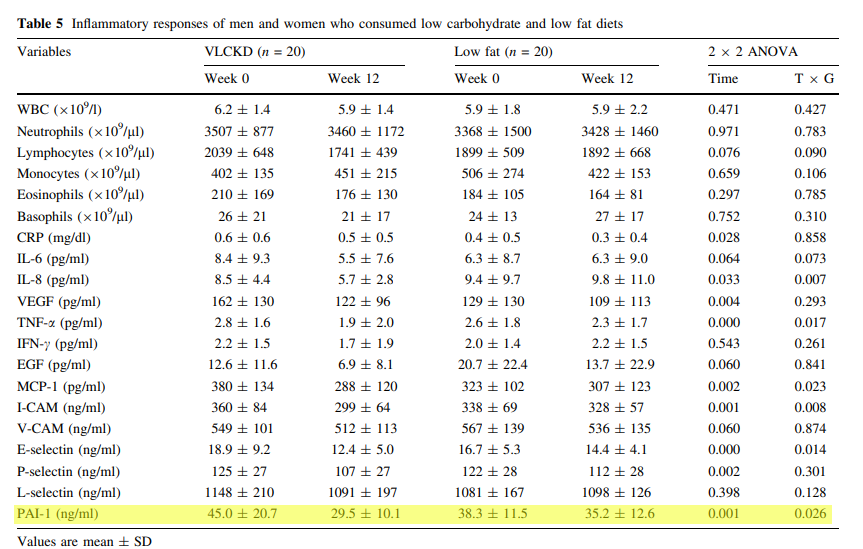
Ketogenic diet greatly lowers PAI-1, while low fat diet does not aocs.onlinelibrary.wiley.com/doi/abs/10.100…
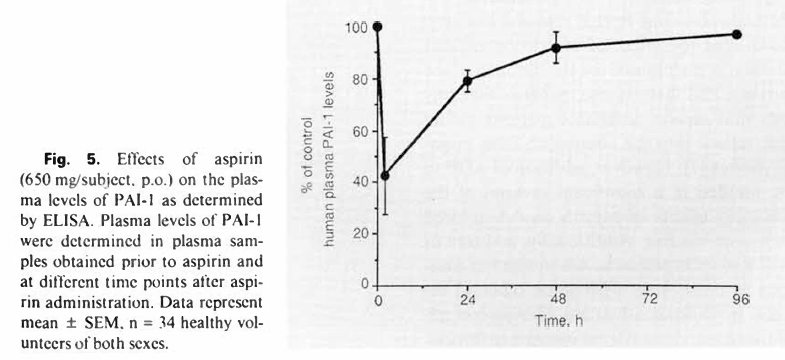
A single dose of aspirin cuts PAI-1 levels in half
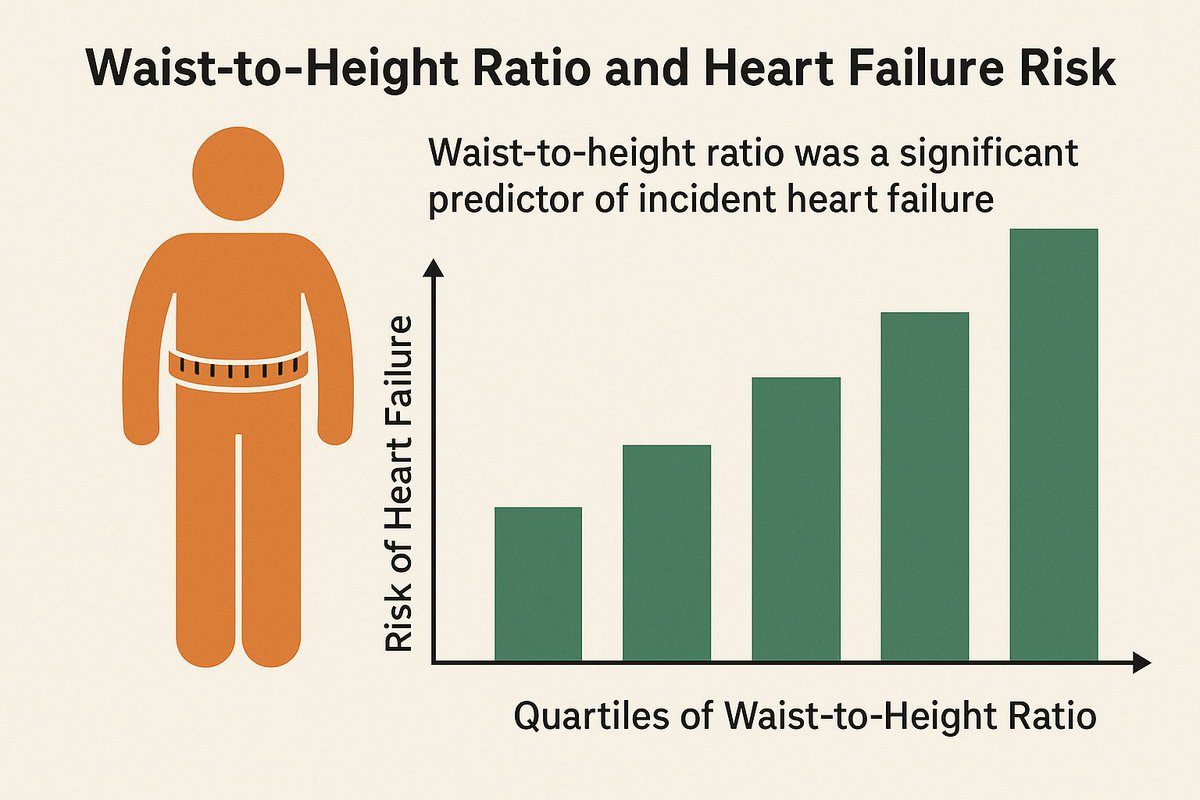
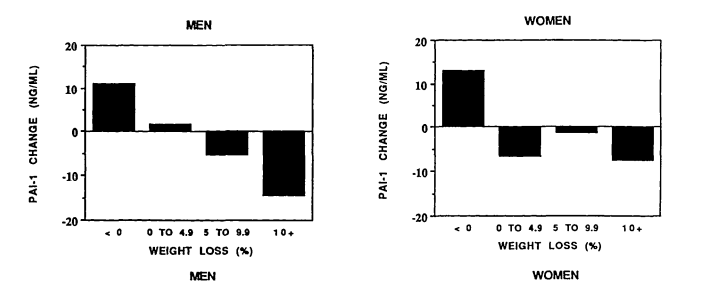
Weight loss leads to significant decreases in PAI-1
I'll spare you the rest - yes, there's a lot more - but it's clear that PAI-1 and its role in blood coagulation are clear health risk factors.
Mainstream medicine doesn't look at it though.
I'll spare you the rest - yes, there's a lot more - but it's clear that PAI-1 and its role in blood coagulation are clear health risk factors.
Mainstream medicine doesn't look at it though.
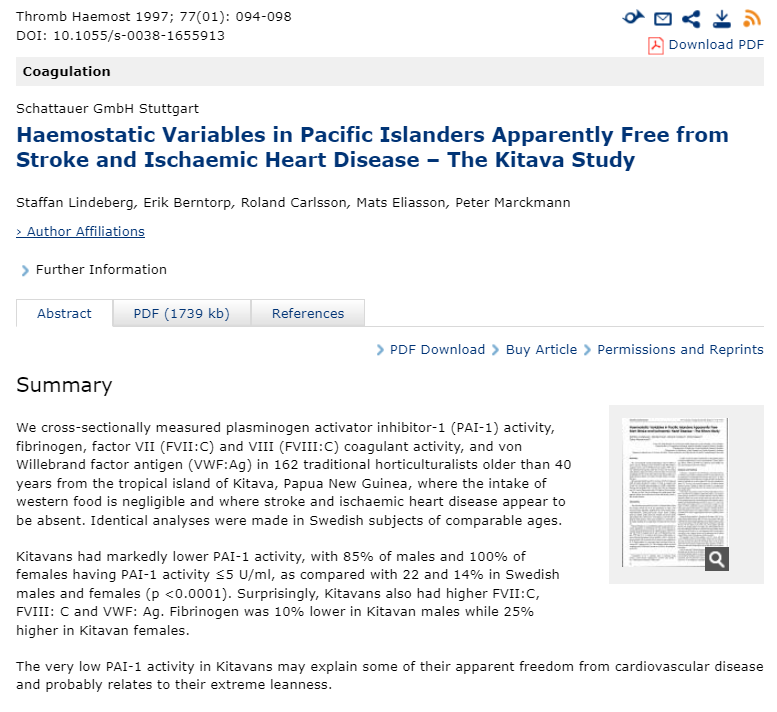
The very low PAI-1 activity in Kitavans may explain some of their apparent freedom from cardiovascular disease and probably relates to their extreme leanness.
• • •
Missing some Tweet in this thread? You can try to
force a refresh