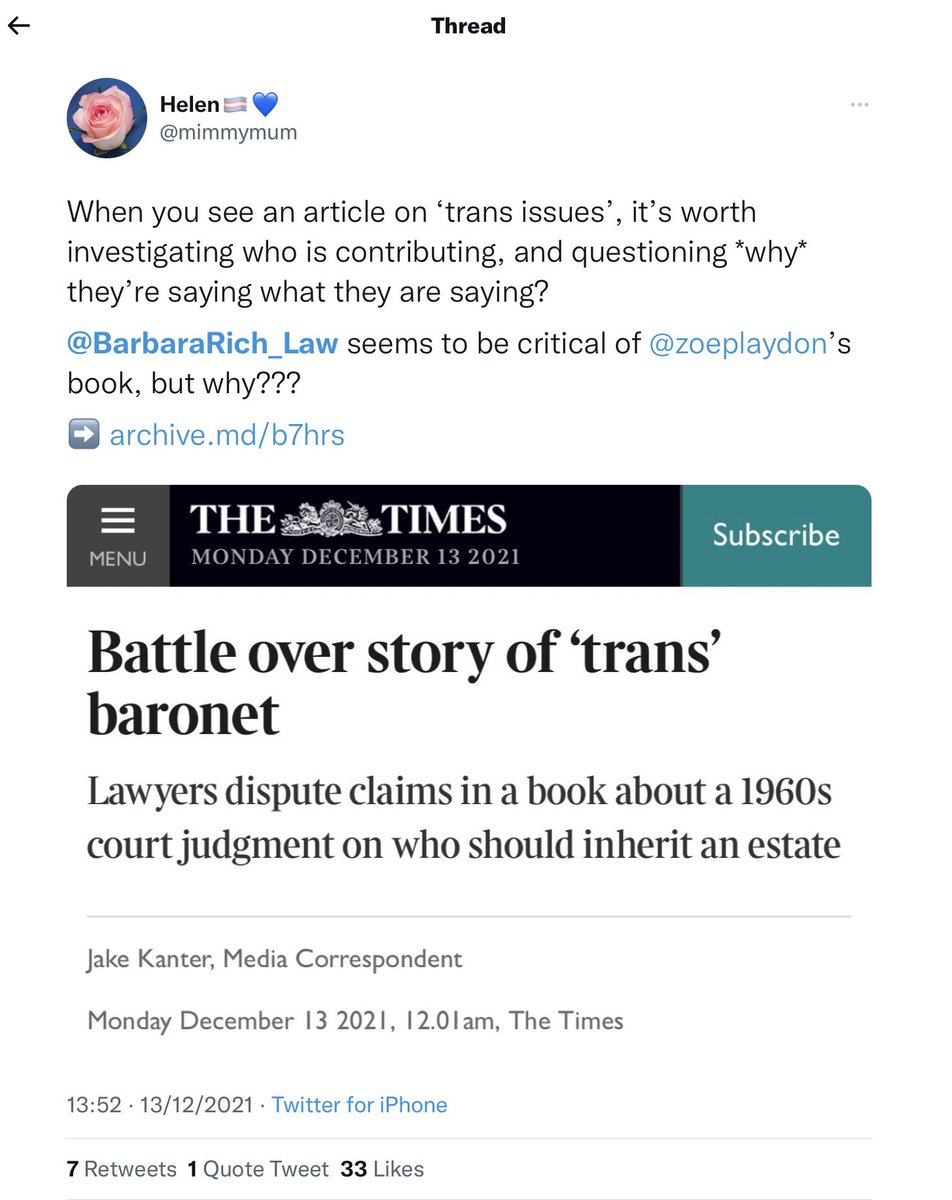
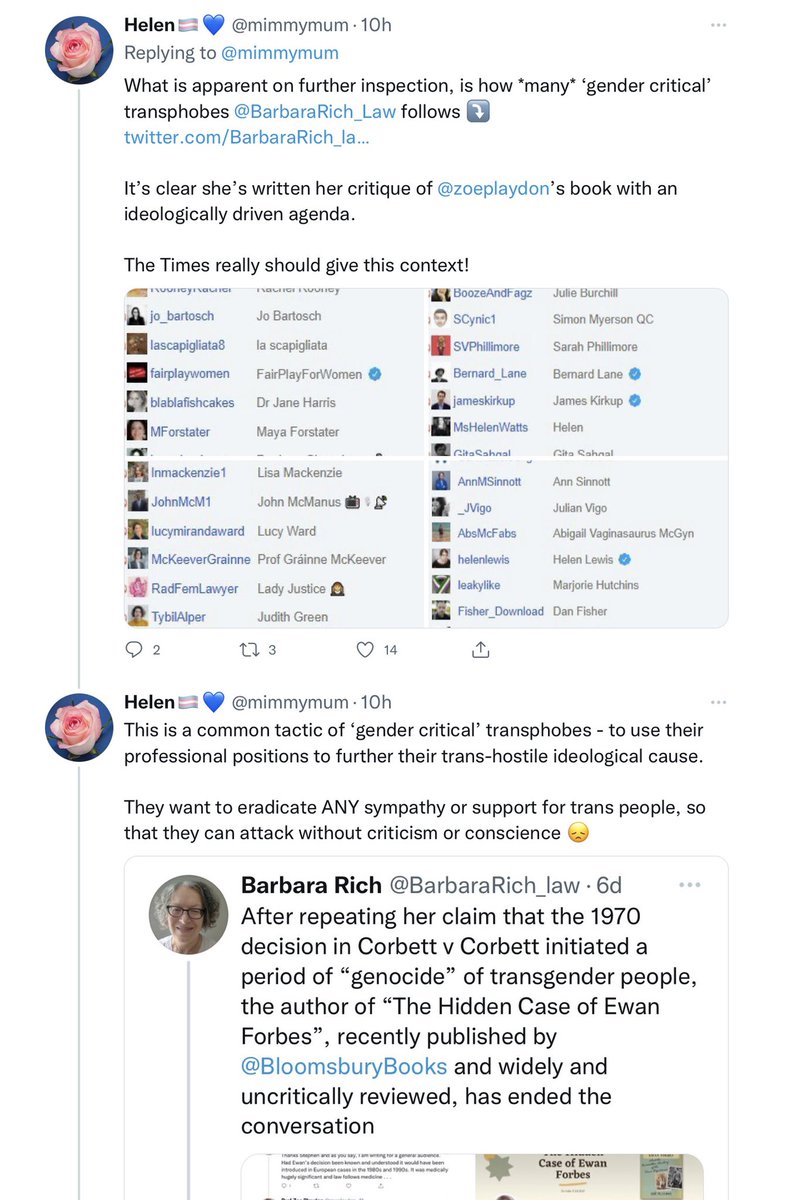
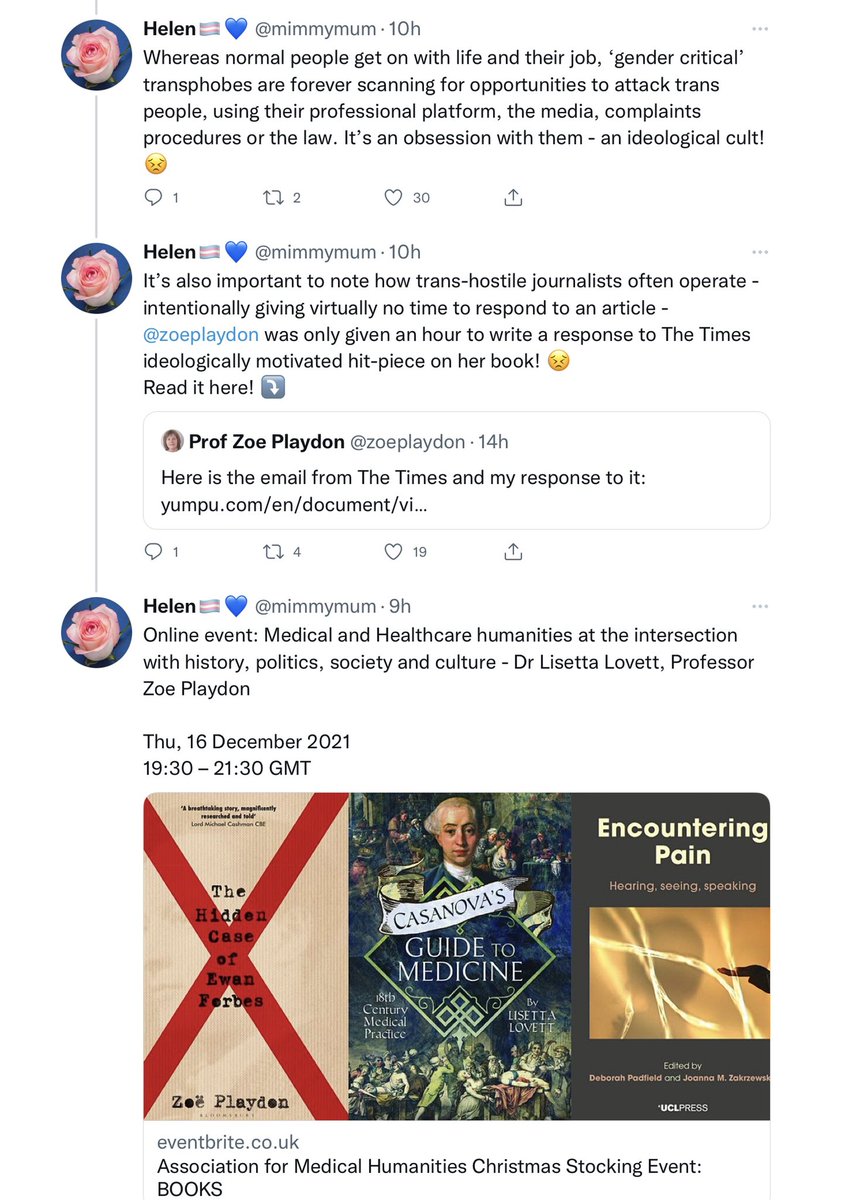
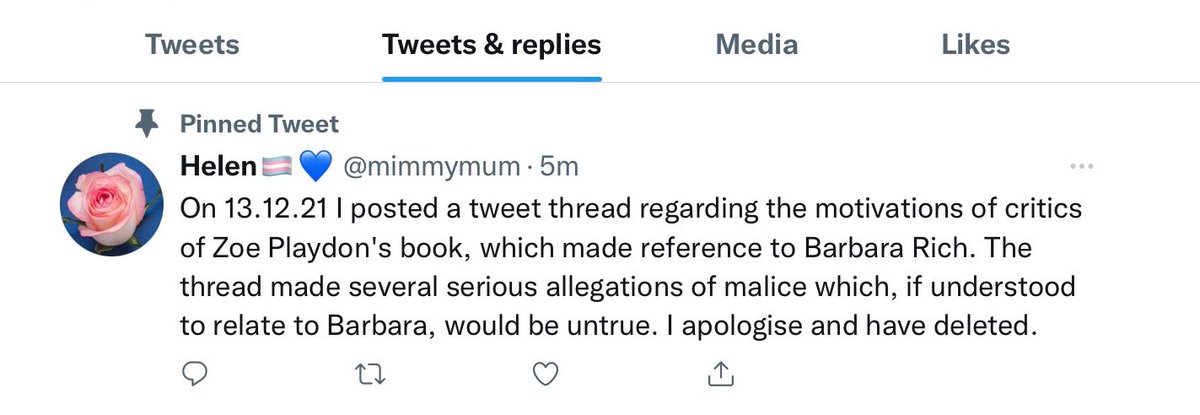
I’ve nothing but contempt for this sort of shabby insinuation by @mimmymum from behind a block, and without attempting to engage with any issue of substance about the book
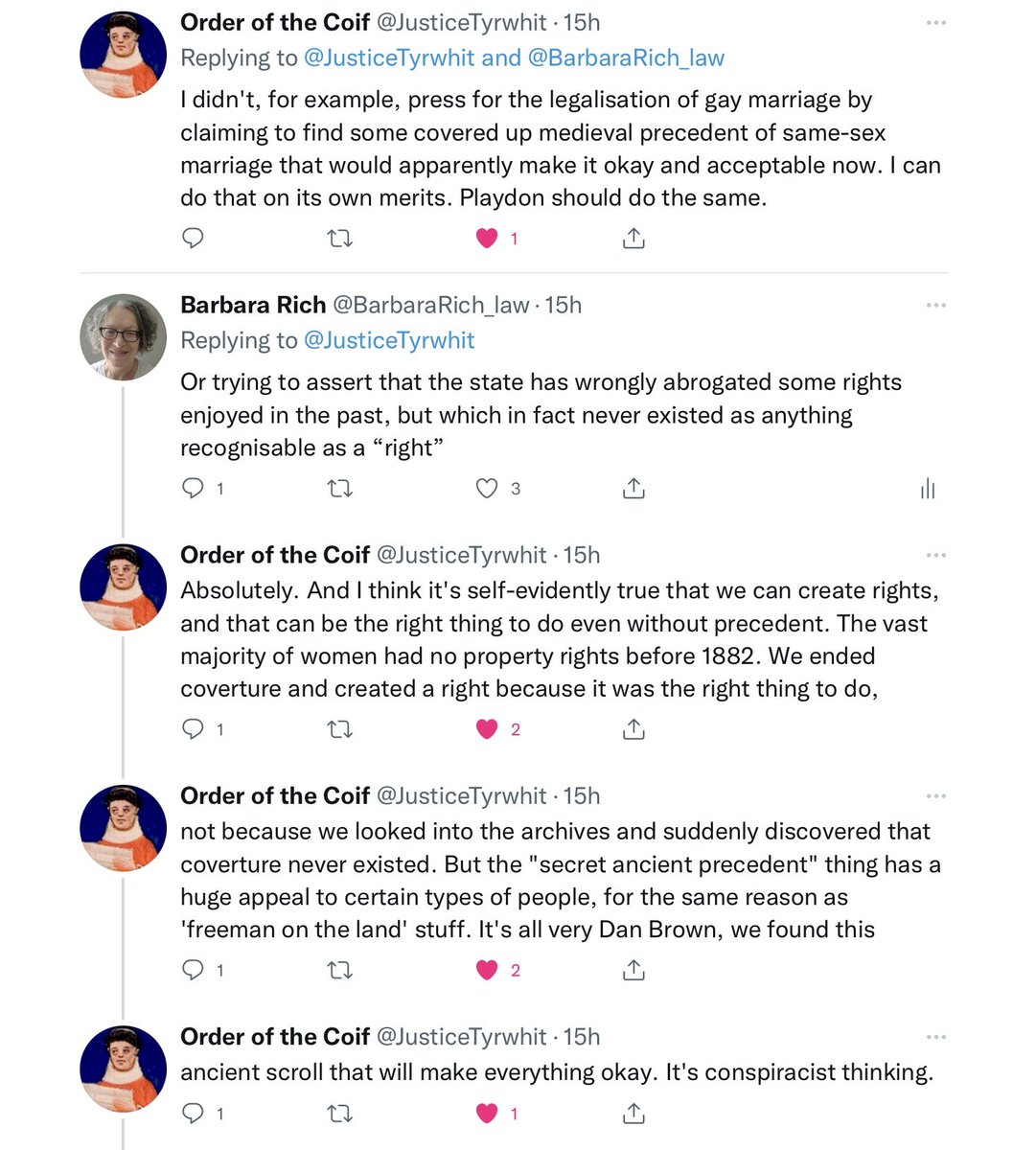
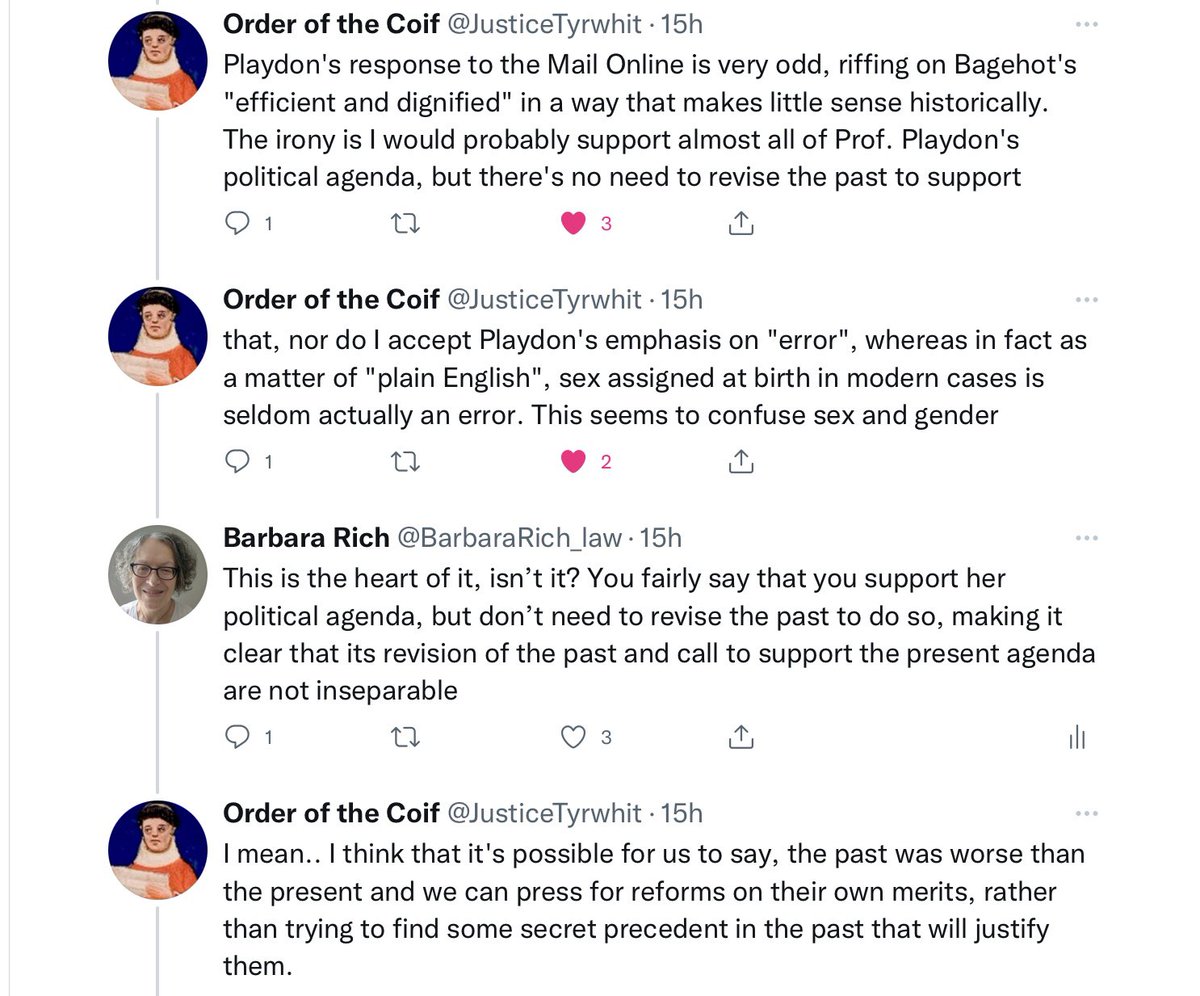
For those for whom an activist agenda drives their perception of every argument, here is @JusticeTyrwhit making it clear that he “would probably support almost all of Prof Playdon’s political agenda” but that “there’s no need to revise the past to support that”
@Scott_Wortley, who has unimpeachable credentials as a person qualified to comment on Scots law, has tweeted this thread of response to the assertions made by Zoe Playdon in her book and in response to the two newspapers which have published criticism of the book
I’m pleased to see and acknowledge that @mimmymum has deleted her defamatory tweets and apologised
Rather less impressed to read that she has blocked those who have retweeted her acknowledgment of deletion, and apology
And on a more positive note, @Scott_Wortley has helpfully set out all the Scottish law points which are relevant to the so-called hidden case of Ewan Forbes and the narrative of the book in one place here
This tweet includes the Times obituary of Scottish law lord, Lord Jauncey, who as Charles Jauncey QC acted for Ewan Forbes-Sempill in the “hidden” 1967 case. The case was on public record long before Jauncey’s death in 2005, but isn’t mentioned, despite its supposed importance
If there was anything other than fantasy to support the idea that the Forbes baronetcy dispute and its outcome risked precipitating a constitutional crisis comparable to the abdication of Edward VIII, this obituary of Lord Jauncey would have been an obvious place to mention it
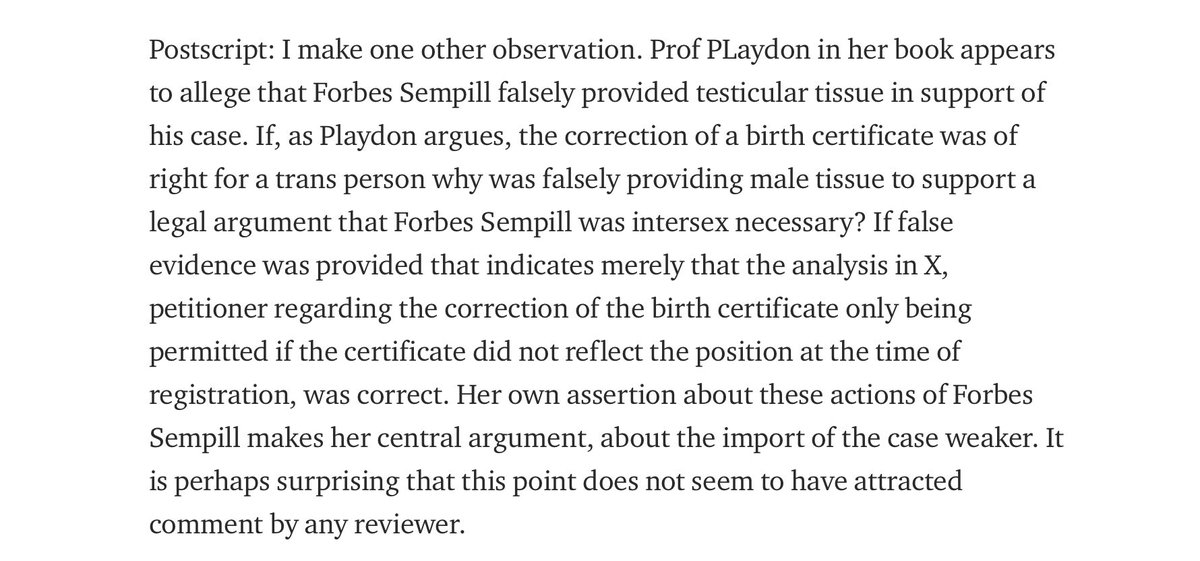
@Scott_Wortley has added a significant postscript to his notes on Scottish law and the apparent misunderstanding of it in the recently-published book “The Hidden Case of Ewan Forbes” scott-wortley.medium.com/some-quick-tho…
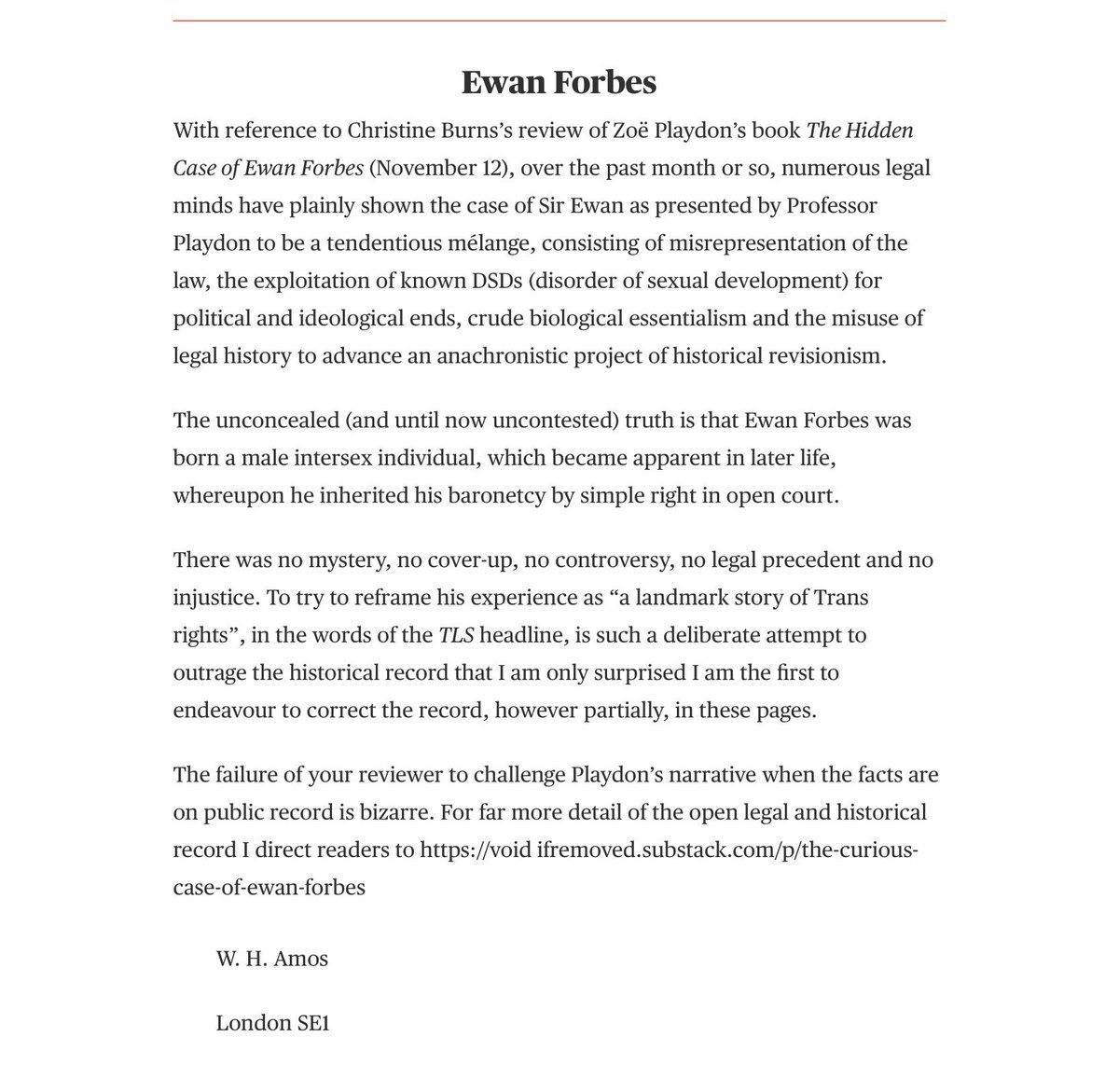
Very pleased to see the publication of this letter trenchantly criticising @TheTLS’s review of The Hidden Case of Ewan Forbes. The review was written by a supportive campaigner, not an objective critic of a flawed work @Resjudicatamyft@mrsSkys@Scott_Wortley@void_if_removed
Although the writer of the letter makes one small slip in referring to “open court”. The 1967 hearing by Lord Hunter of the petitions of John and Ewan Forbes-Sempill, determining that John was not the male heir to the Forbes baronetcy, was in chambers (private) as a summary trial
• • •
Missing some Tweet in this thread? You can try to
force a refresh

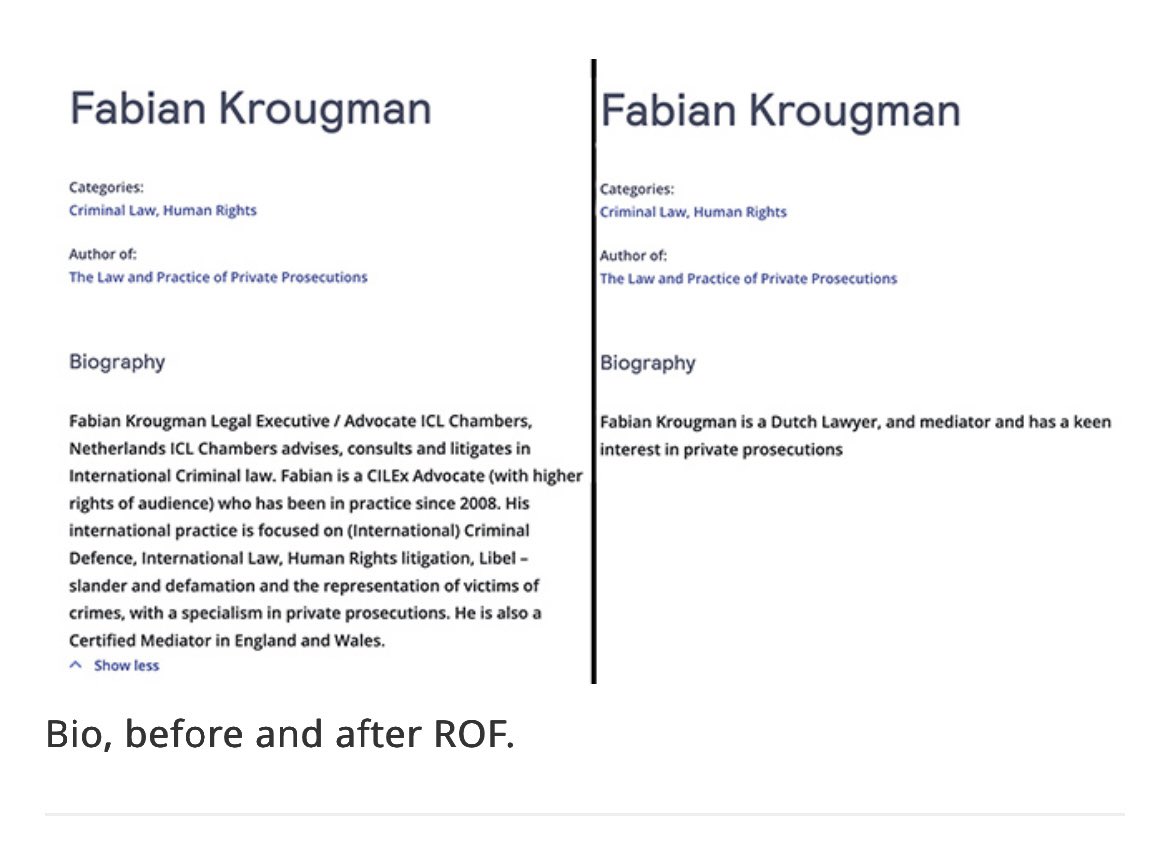
Fabian has been a mutual for some time, but I can’t accept this story as a minor slip deserving sympathy. It is dishonest to claim an unearned qualification. And there is a history in which he has described himself as a barrister. He is not. These things matter in our profession
Source for the screenshot of a document in which he held himself out as being a “barrister at law (England and Wales)” in around 2019. As he does not have the protected professional title of “advocaat” in the Netherlands, he is restricted in the legal work he can undertake there
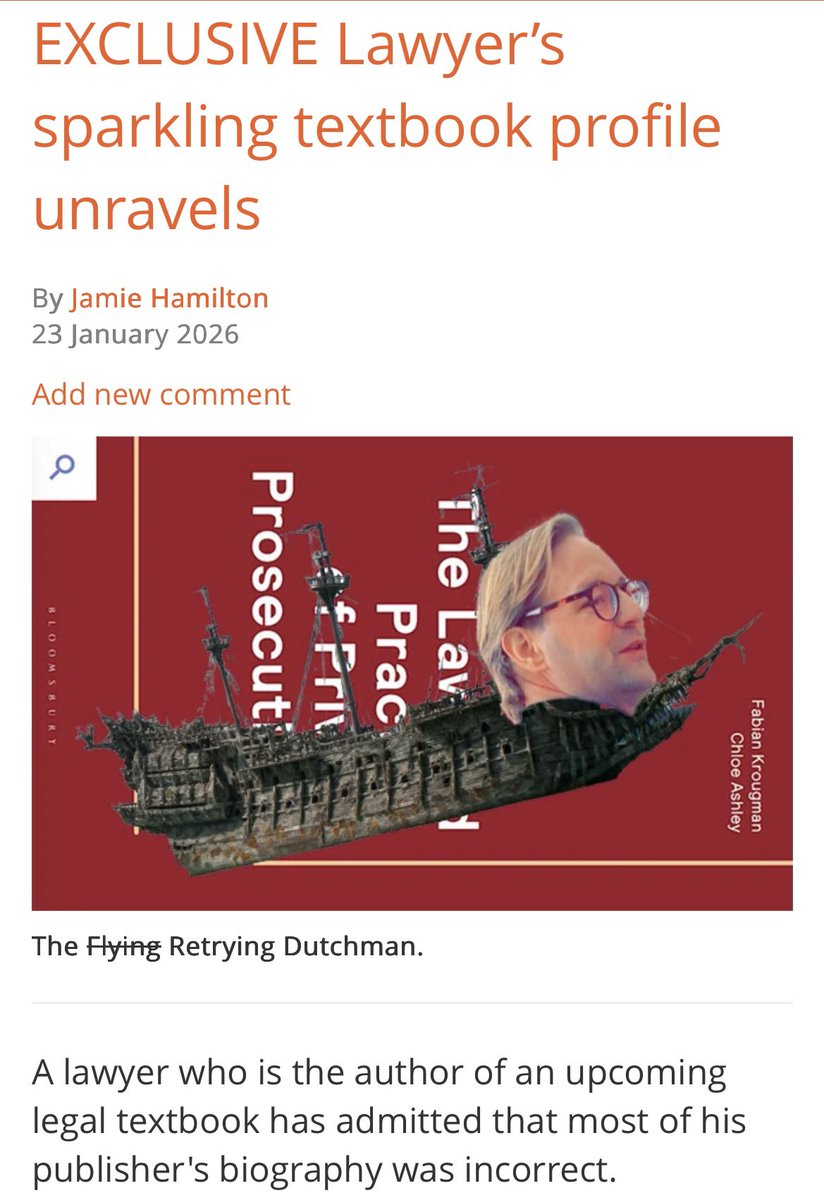
These posts are about the account of Fabian Krougman @fkrougman which was a public account until a little earlier today. It was the subject of this story published by @RollOnFridayWeb and further revelations diligently unearthed by @anonlawprof since then rollonfriday.com/news-content/e…
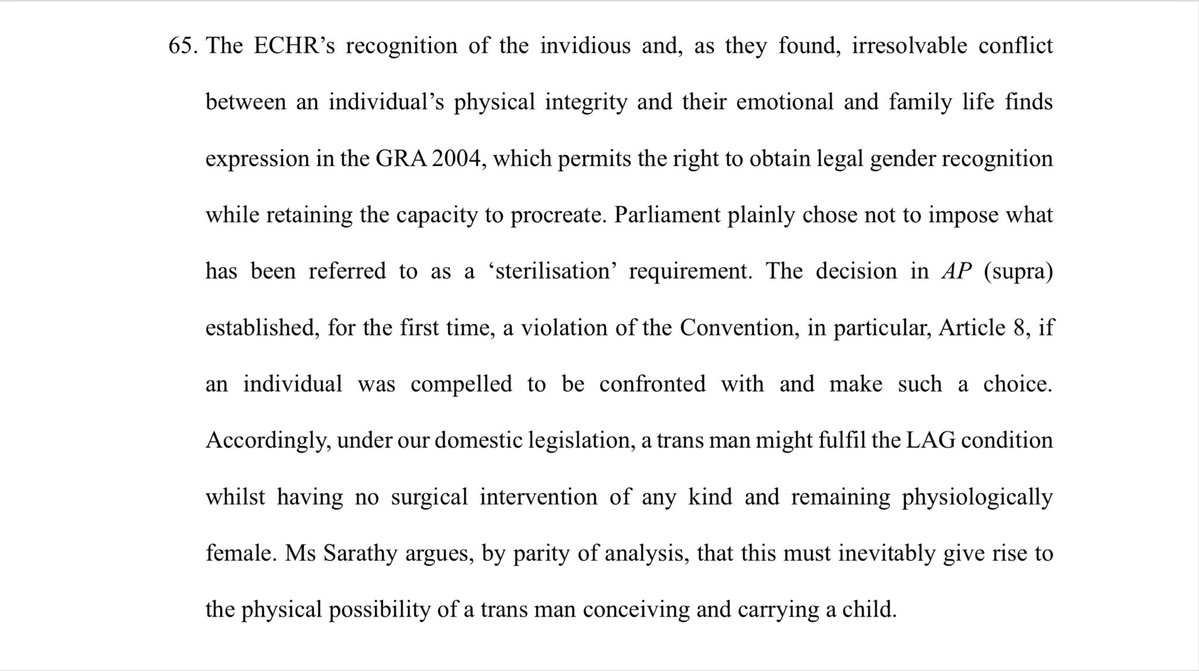
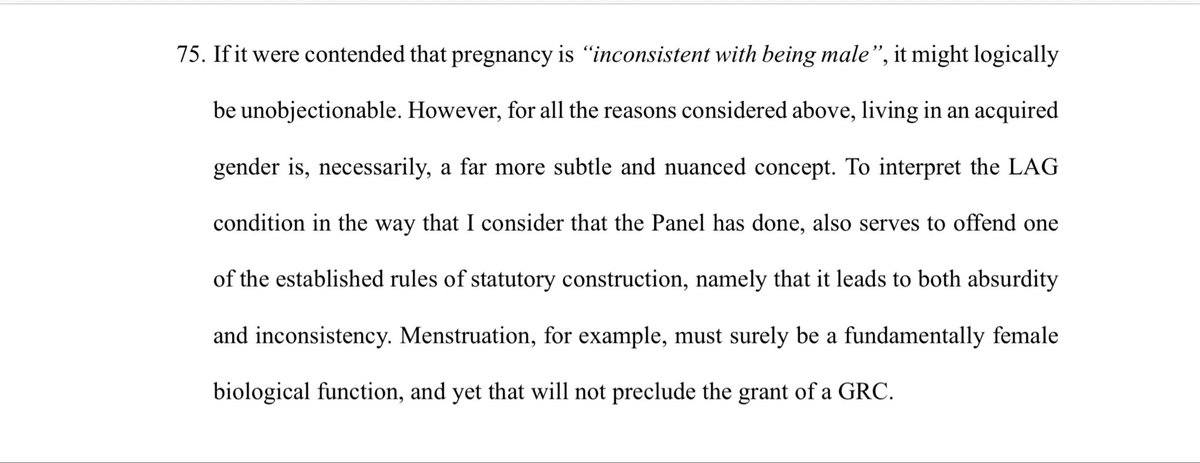
A genuine win for the Good Law Project, supporters’ money spent on achieving success in court, in this High Court judgment reversing a decision of the Gender Recognition Panel about an individual transitioning F to M whilst attempting to conceive a child judiciary.uk/wp-content/upl…
The panel’s task, in which they erred in this case, is to decide whether an applicant has been living in their acquired gender (LAG). The judge explains that this legal concept is more “subtle and nuanced” than the simple proposition that pregnancy is inconsistent with being male
It’s well worth reading the judgment to understand its reasoning. It is purely about the meaning of the legal concept of gender recognition. This judge always writes very clearly and in a way that is sensitive to individual people’s lives and to contemporary social attitudes
Newly-formed @LawForBorders encourages local authorities to “consider legal battles” over hotels housing asylum-seekers. Non-practising barrister Steven Barrett says “we” in speaking of that organisation. Nonsense for him to now say “these issues should not be handled by a judge”
Epping’s application for an injunction in the exercise of its functions as local planning authority was strategic litigation or “lawfare”. It was foreseeable that the first instance judgment might not survive an appeal. It’s absurd to now complain that judges are involved in it
Barrett has also published a judicial conduct complaint he has made, alleging that Lord Justice Bean should have recused himself for apparent bias because of his political associations before being appointed a judge. This is fatuous, not comparable to Pinochet/Hoffmann/Amnesty
HHJ Greenberg has now sentenced Farah Damji to 5 1/2 years immediate custody for stalking and two concurrent sentences of 6 months for fraud to run consecutively to the sentence for stalking, making a total of 6 years immediate custody on these convictions
Note comments of HHJ Greenberg aliases used by Farah Damji in the commission of these offences: 1. Her claim that her victim who knew her as “Noor Higham” was aware of her true name and criminal history “was a lie”. Noor Higham’s name is still registered at Companies House
GLP latest. Which is more likely? A commercial landlord actively letting office space in a large building in central London has decided to seek an injunction against protests to protect its interest in income from the building, or that it’s done so “at the bidding” of the EHRC?
This may all make for a powerful soundbite to promote crowdfunding, but the EHRC’s presence here is as a tenant of a commercial landlord. The right to protest as a human right protected by the EHRC is a right against a public authority, not a private property owner
Apparently the landlord’s application for an injunction was refused, with reasons to follow (probably because protest has now ended and judge not persuaded an injunction needed now to deal with any threat of future protests), but that doesn’t alter the points made in these posts
“Delegitimising”. These posts are a lawyer, a KC who formerly practised in tax law, who now runs a not for profit campaigning law organisation he set up, and who has a close personal interest in these issues, delegitimising the judgment of our country’s final court of appeal
The appeal only reached the UK Supreme Court because the court below, the Court of Session Inner House, gave permission to appeal. There is a legal test for this: whether there is an arguable point of public importance that ought to be considered by the Supreme Court of the UK
In the Supreme Court of the UK, the appeal was argued for both sides and by permitted interveners. The judgment is unanimous (like the 2019 prorogation judgment) and the work of three men and two women of the highest judicial erudition. I know where I think the delegitimising is