Soviet Union played a decisive role in Indo-Pak War in 1971.Not only they Foiled an attempt by both British and US Navy but also they vetoed the resolution in the UN Security Council which called for a ceasefire between the two nations at war. Cont
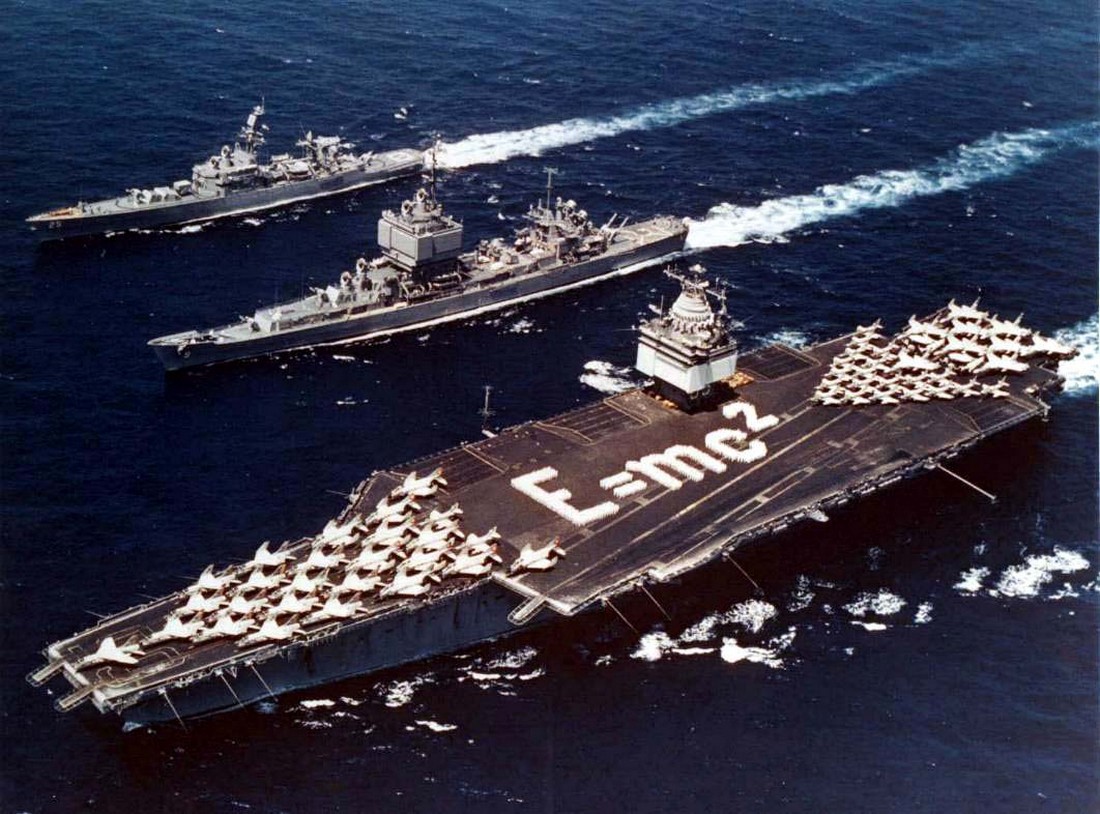
The US decided to intervene by deploying aircraft carrier USS Enterprise With American Naval 7th Fleet in the Bay of Bengal to target Indian Armed Forces there,also the UK deployed HMS EAGLE to do the same job.India decided to seek help from Soviet Union...Cont.
A peace and cooperation treaty was signed between India and Soviet Union In 9 August 1971 and the Soviet Union deployed several frigates,destroyers and even Nuclear Submarines in the bay Of Bengal...Cont.
Soviets directed commander Admiral V.Kruglyakov to reach the bay before American and British troops. He was also asked to surface the Nuclear Submarines when US ships were visible...Cont.
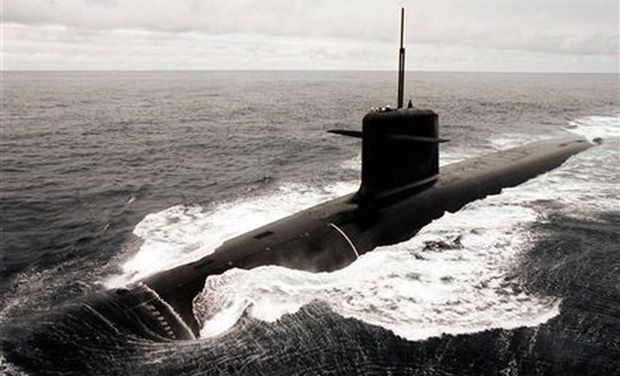
After USS Enterprise saw a Nuclear Submarines in the Bay of Bengal they were shocked to see such heavy protection in the bay and fled.Even HMS EAGLE was diverted to Madagascar...Cont.
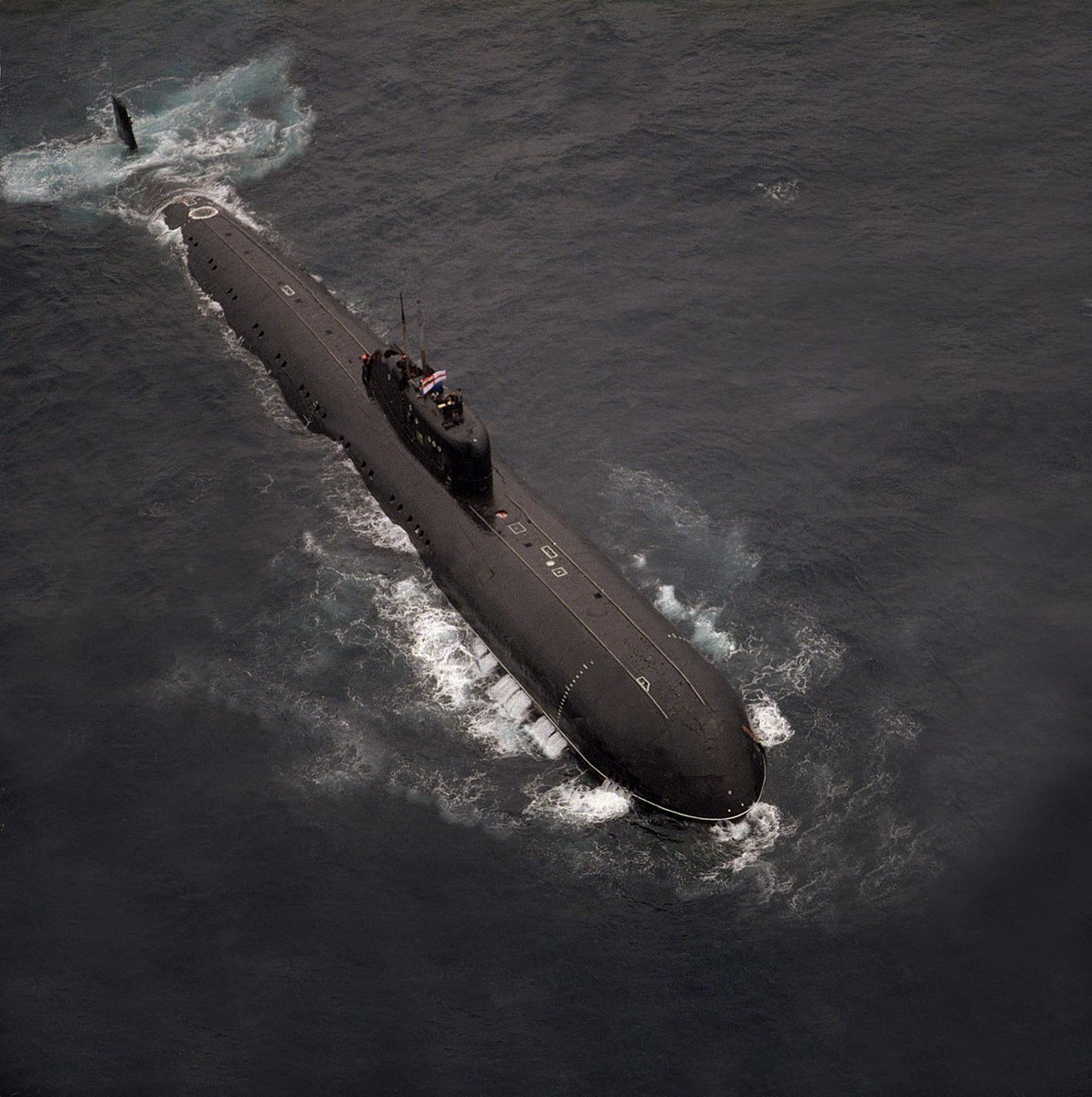
It is also believe that Soviet submarines had shadowed the American fleet till it retreated away from Bay Of Bengal...Cont.
Soviets threatened the Chinese of a tough response on its Northern frontiers if they dare to attack Indians and Side With Pakistanis. China watched the happenings on the Indian Subcontinent Impotently.
India's #ProjectKusha enters critical phase as DRDO prepares for M1 interceptor test in September 2025.
This indigenous Long Range Air Defence System promises to match Russia's S-500 and surpasses S-400 in some key capabilities.
🧵 Thread on what makes this a Game-Changer ⬇️
What is #ProjectKusha ?
• Extended Range Air Defence System (ERADS)
• Bridges capability gap between MR-SAM(80 km) & S-400 (400 km)
• Designed to counter stealth aircraft, UAVs, cruise missiles & ASBMs
• Fully indigenous, cost-effective solution under Atmanirbhar Bharat
Why Now ?
The Project Kusha has gained attention after the May 2025 India-Pakistan conflict (#OperationSindoor), where air defence systems proved vital against drones and cruise missiles, underscoring the need for indigenous capabilities like Kusha.
With cities across the country grappling with flooding issues, perhaps Tokyo's flood tunnel could hold the key to a solution.
🧵𝐓𝐡𝐫𝐞𝐚𝐝
(1/9)
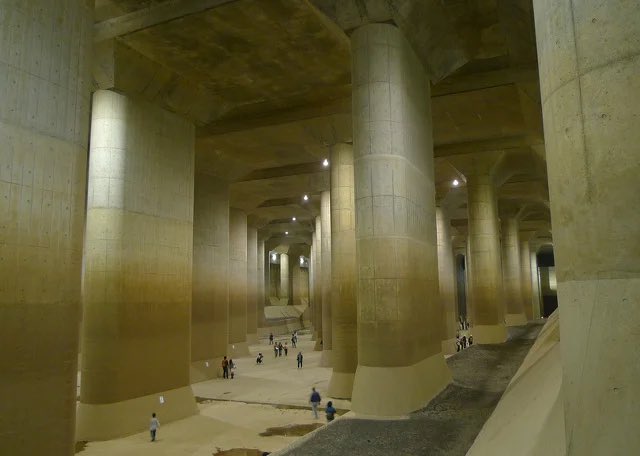
Flooding wreaks havoc in many Indian cities like Delhi and Mumbai. As we search for effective solutions,The Tokyo flood tunnel,officially known as the Metropolitan Area Outer Underground Discharge Channel(MAOUDC) offers valuable inspiration for tackling these challenges.
(2/9)
Tokyo is one of the world's most densely populated cities, receives an average annual rainfall of 1600mm. Tokyo's Flood Tunnel is a massive underground system designed to mitigate flooding during heavy rains.
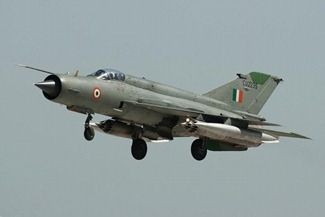
In March 1963, the first batch of MiG-21 arrived in India. Over the past 60 years,the aircraft, including all variants flown by the IAF, have been part of various operations, including the 1971 Indo-Pak War, 1999 Kargil war and the most recent air duel after the Balakot airstrike
The Indian Air Force force has operated about 872 MiG-21 fighters since the time they were first inducted in the 1963.
Hindustan Aeronautics Limited licence-produced 657 of these jets. Over the years, avionics, missiles and radars were upgraded with newer versions.
Several countries, most notably US & Israel are actively working to developing small, short-range drones that could operate in swarms. In the event of a war, these drones would utilize Artificial Intelligence to work together to attack targets.
2/14
These Portable loitering munitions aka Kamikaze drones would be packed with explosives and used as suicide drones. Upon approaching their targets,these drones would explode destroying or disabling their targets.They are already changing warfare in Armenia, Ukraine and Syria.
3/14
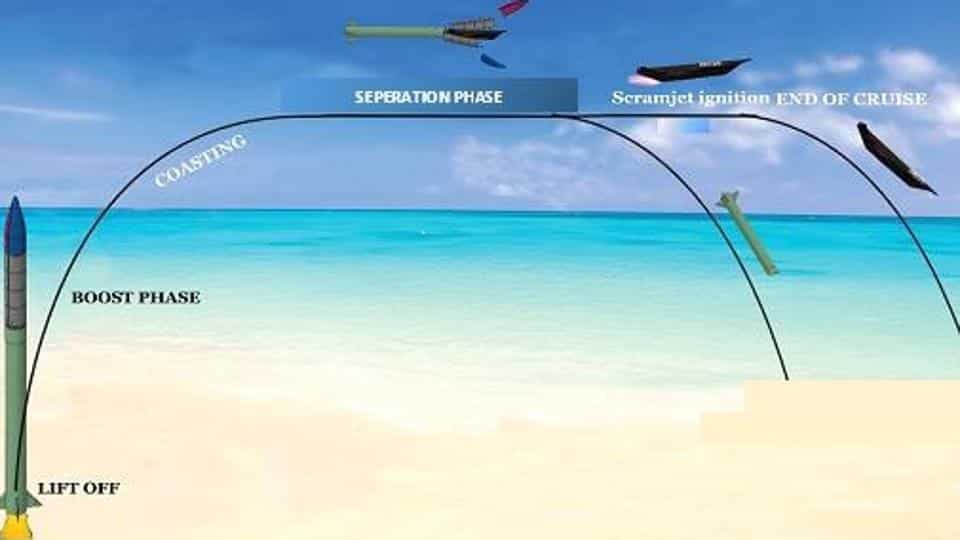
Hypersonic Technology Demonstrator Vehicle (HSTDV) is developed by Defence Research and Development Organisation (DRDO) and is based on hypersonic propulsion technologies,This Vehicle was designed to test the vehicle performance of a scramjet engine.
The vehicle also was intended to test the associated technologies such as aerodynamic design and aero-thermal design, materials, and hot structures at those insane speeds. The HSTDV has an air-breathing scramjet engine which means that it uses atmospheric Oxygen for propulsion.
The HSTDV cruise vehicle is mounted on a solid rocket motor, which takes it to a required altitude. Once it attains certain Mach numbers for speed, the cruise vehicle is ejected out of the launch vehicle. After that, the scramjet engine is ignited automatically.