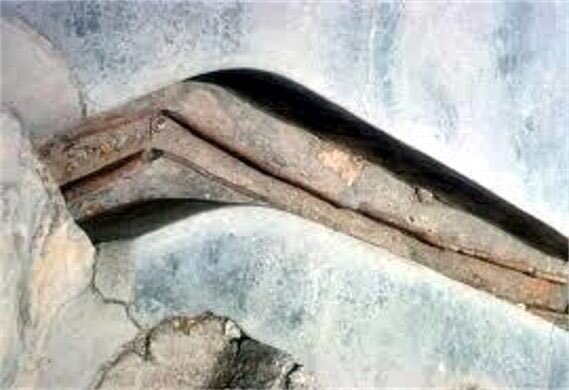
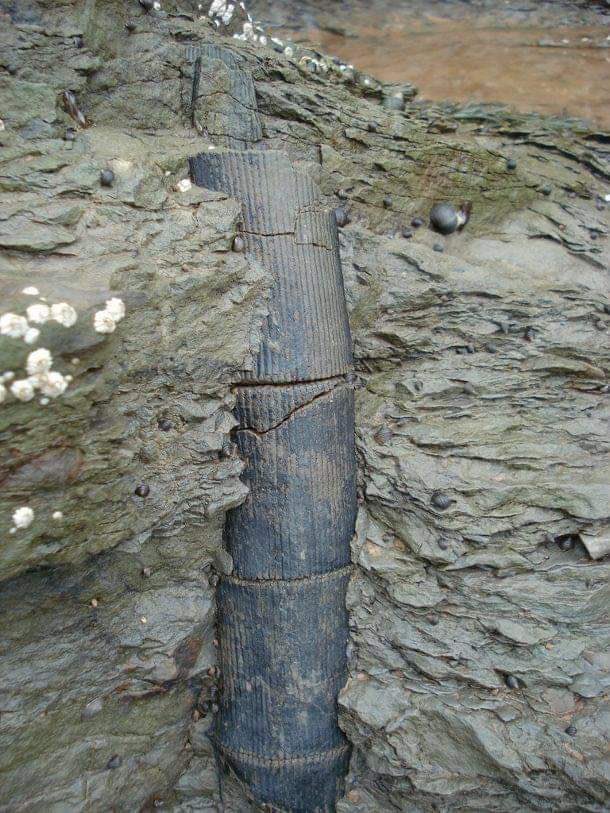
Who created metal pipes in Tibet and China more than 150,000 years ago?
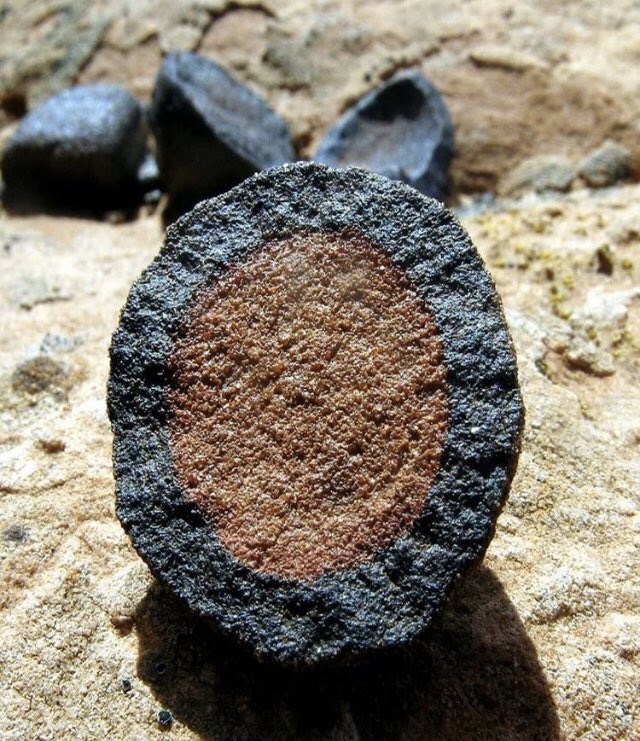
The color of the rust says they are made of metal. And their creators had an advanced method of assembly. The purpose of the pipeline is also not entirely clear.
In Chinaโs Qinghai Province near (cont.)
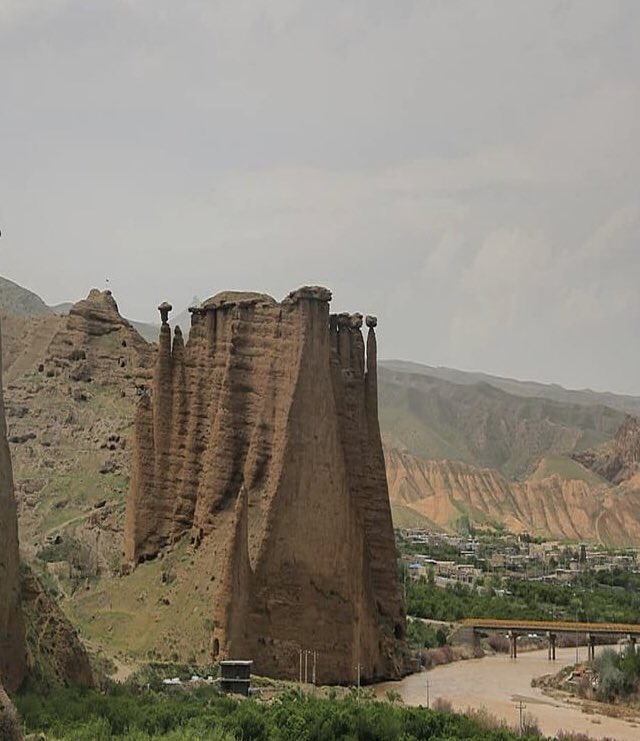
Mount Baigong is a mysterious pyramid with three caves that lead to a saltwater lake. Under the lake bed and on the shore are iron pipes ranging in size with some being as small as a toothpick that are around 150,000 years old. What is baffling Chinese historians is that the area

wasnโt thought to have been occupied by people until around 30,000 years ago. And according to historians, the humans that were around were nomads, thus making it unlikely that they would have taken the time to install plumbing.
The Mandela Effect reflects the conflict between history and people's memories, as memories do not seem to match documented history.
Everything started when Fiona Broome coined the (cont.)
term over a decade ago when she created a website detailing her recollections of former South African President Nelson Mandela dying in prison in the 1980s. Soon, people who had almost identical memories of Mandela's death in the 20th century showed up. However, Nelson Mandela
did not die in prison in the 1980s. After serving 27 years in prison, Mandela served as president of South Africa between 1994 and 1999 and passed away in 2013. Or was he? This is not the lonely case.
In fact there are many Mandela effects and here are just a few of them.
The curious case of the Zanetti train - or, is it possible to travel into another dimension?
Apparently Philadelphia Experiment (1943) is not the lonely case of paradimensional traveling that has been recorded over the years. Namely, in the summer of 1911 the train (cont. below)
Zanetti with 3 cars and 106 passengers left Rome and should have gone through the mountain tunnel in Lombard. The train entered the half mile long tunnel in Lombardy Mountain but never came out! It just.... disappeared!
What actually happened?
Dozens had witnessed the train
leaving the station. But no one could come up with a sound explanation for its strange disappearance. After the incident, the railway workers and police searched every square foot of the place, but found no train. However, there were two passengers who jumped off the train just
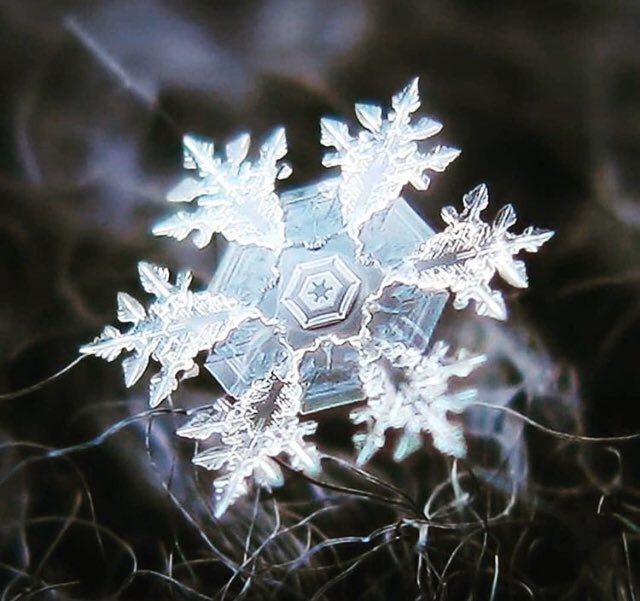
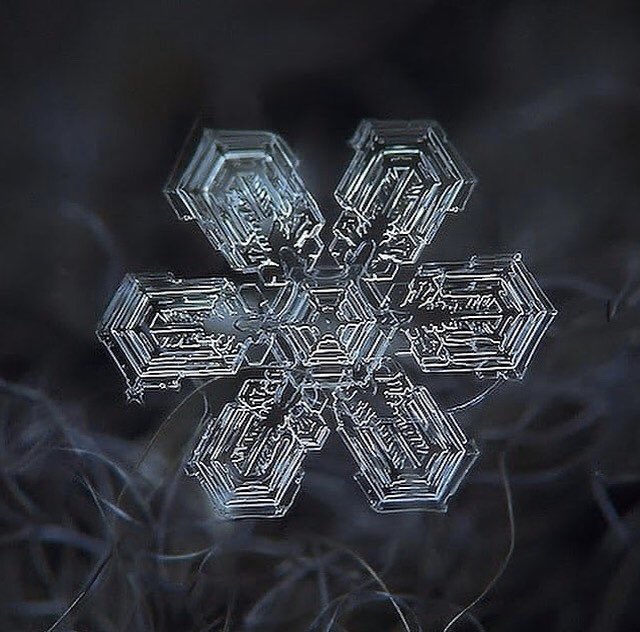
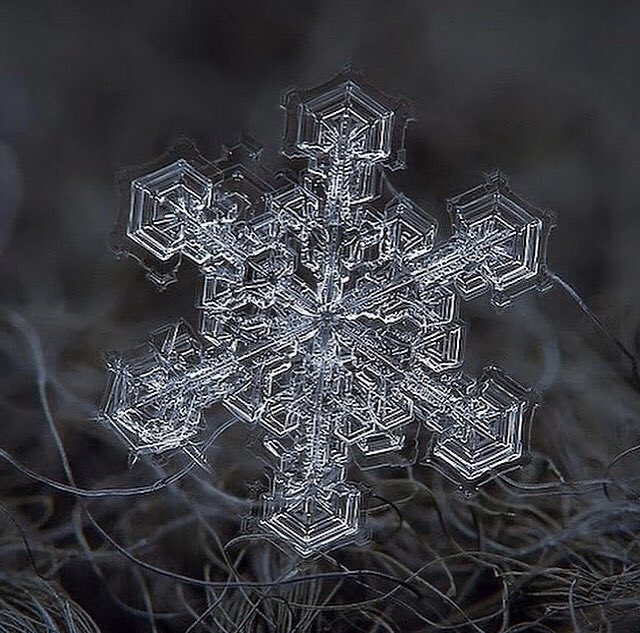
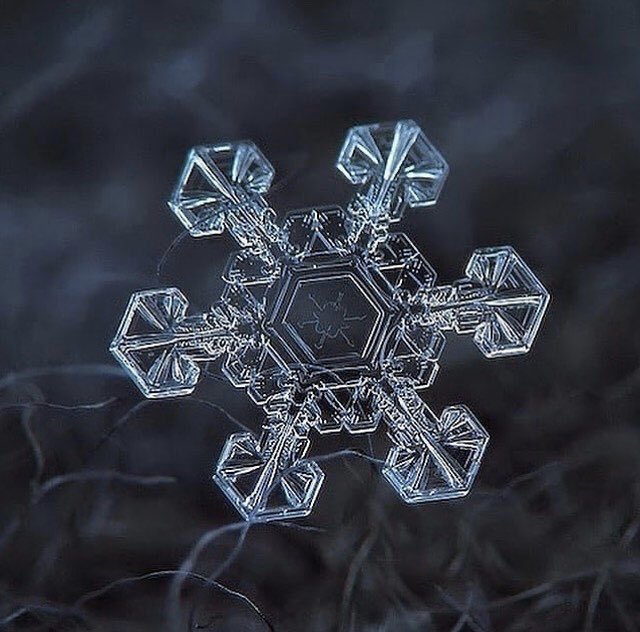
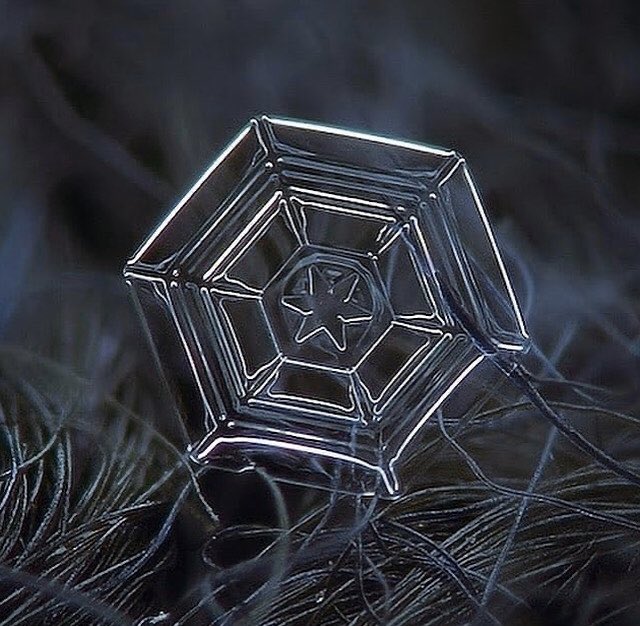
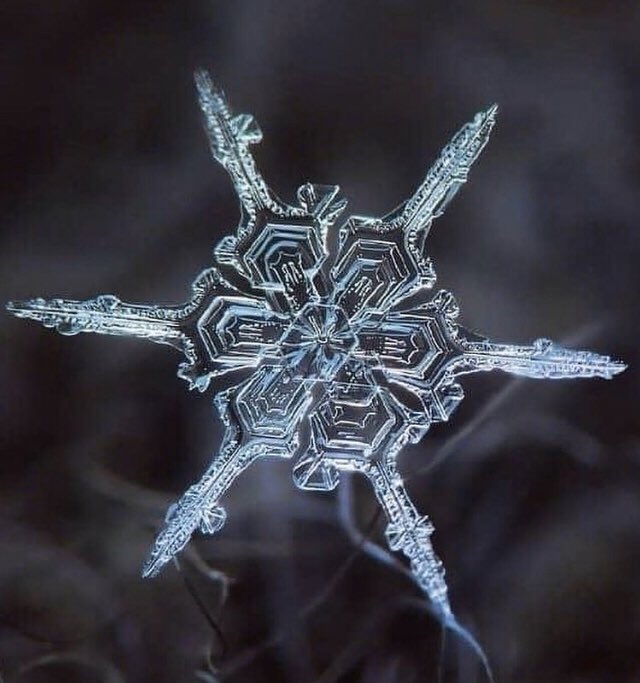
A snowflake begins to form when an extremely cold water droplet freezes onto a pollen or dust particle in the sky. This creates an ice crystal. As the ice crystal falls to the ground, water vapor freezes onto the primary crystal, (cont. below)
building new crystals. The intricate shape of a single arm of the snowflake is determined by the atmospheric conditions experienced by the entire ice crystal as it falls. A crystal might begin to grow arms in one manner, and then minutes or even seconds later, slight changes in
the surrounding temperature or humidity cause the crystal to growin another way. The ice crystals that makeup snowflakes are symmetrical (or patterned) because they reflect the internal order of the crystal's water molecules as they arrange themselves in predetermined spaces and
The Vimana aircraft that are described in ancient Hindu Sanskrit texts are flying machines of varying degrees. The word Vimana translates to "having been measured out" and were machines piloted by the gods. (Cont. below)
These flying craft came in all shapes and sizes and could travel at different speeds and distances. Some were land and seafaring vehicles, while others flew, sometimes all the way to the moon.
The most well-known documentation of the ancient Vimana flying machines comes from
the Vaimฤnika Sฤstra,
an early 20th century translation of many accounts of Vimana technology found in ancient Vedic scriptures. It details drawings of a range of crafts, including the sources of fuel used to power them, although some can be confusing. The translations talk of