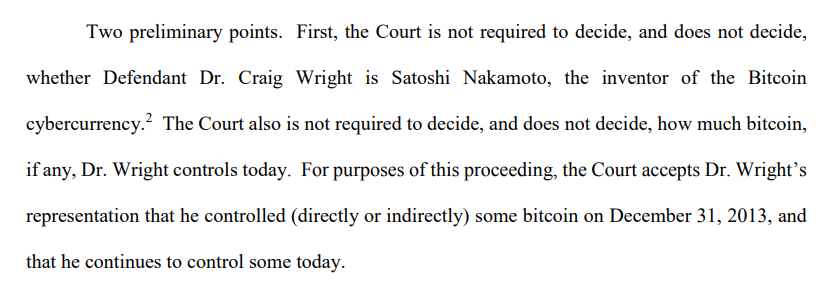
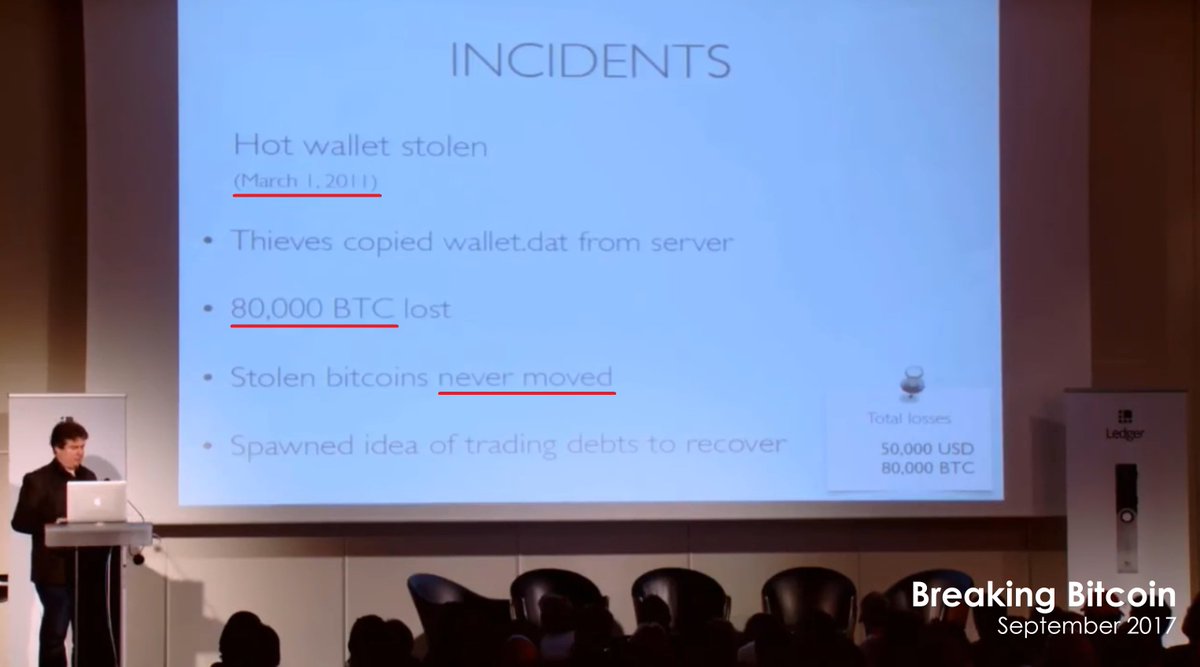
A brief history of Craig Wright's false claims to own the @1FeexV6 Bitcoin address containing 80k BTC (one of many addresses he's claimed to own even though they belong to other people), over which he's launched a spurious lawsuit to harass Bitcoin developers:
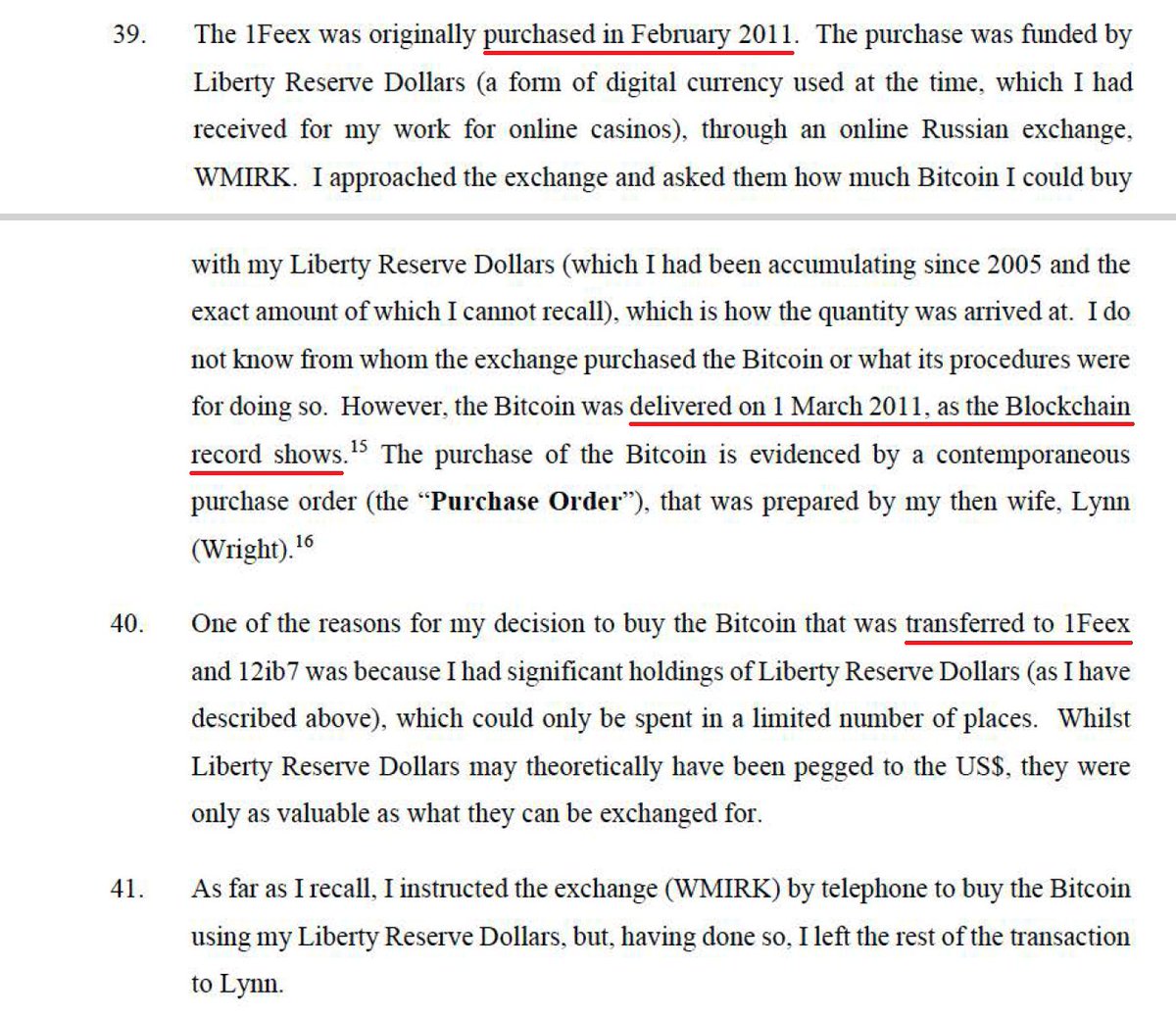
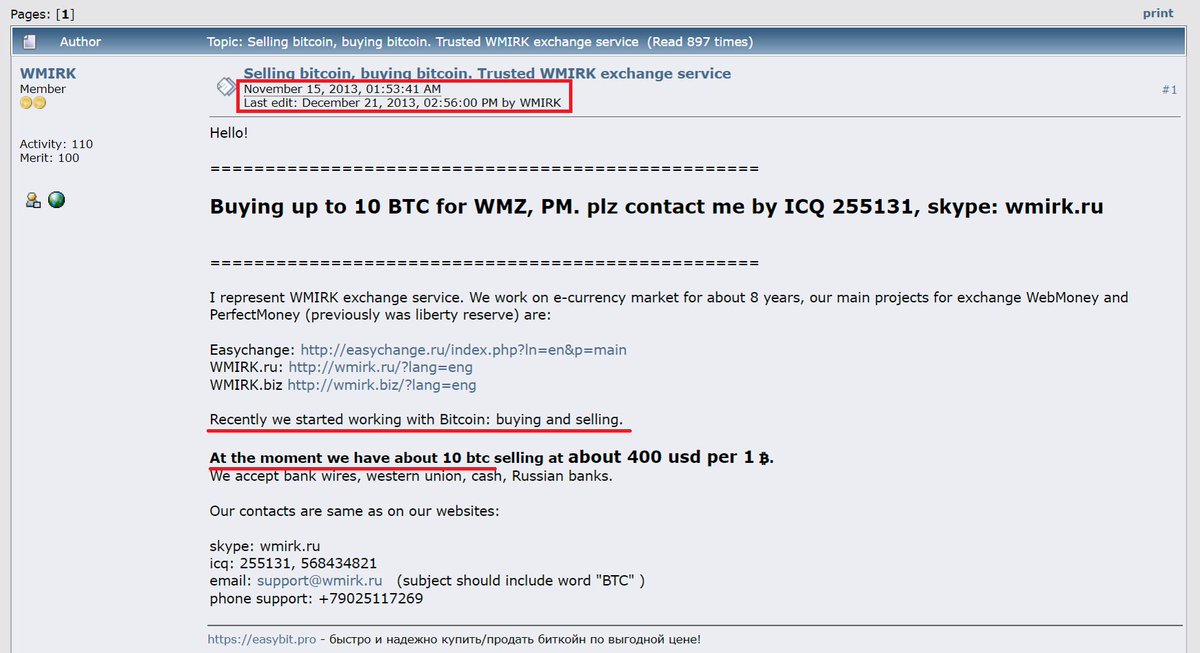
Wright claims he purchased these bitcoins in 2011 via transaction from WMIRK, a small Russian money exchanger that didn't even deal in Bitcoin until 2013, and even then only in tiny amounts.
As proof of his claim, Wright has a purchase order he says his ex-wife typed up for him.
As proof of his claim, Wright has a purchase order he says his ex-wife typed up for him.
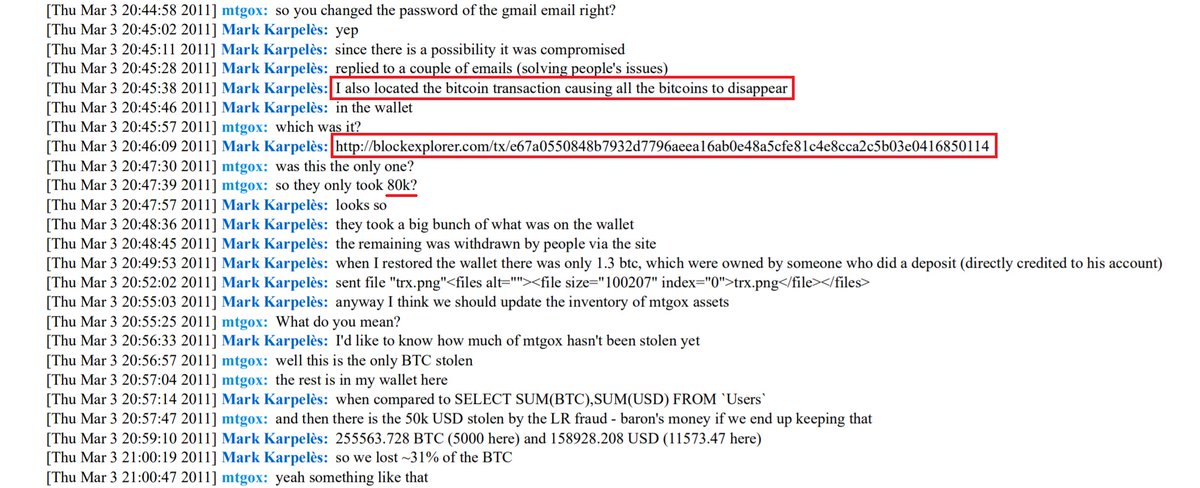
In reality, the @1FeexV6 address is from one of the earliest @MtGox hacks, which has been well known and documented since long before Wright's lawsuit.
web.archive.org/web/2020042720…
web.archive.org/web/2020042720…
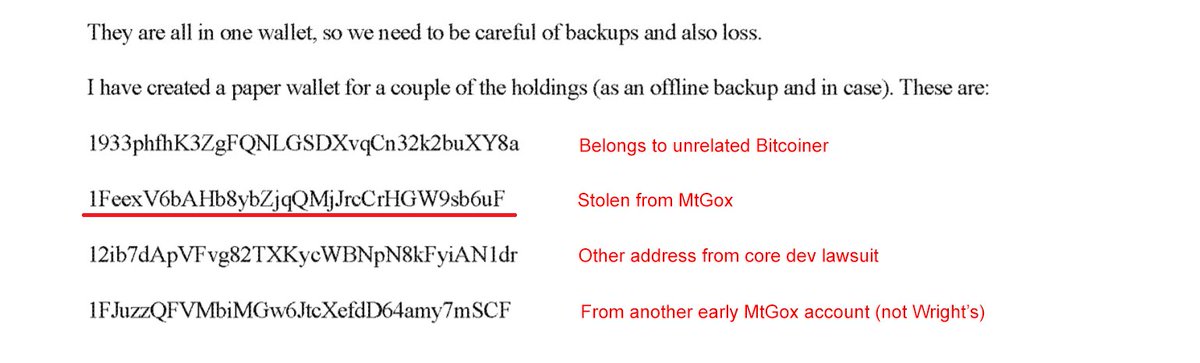
An email from "Dave" dated 2012 says he created a paper wallet of @1FeexV6 along with several other Bitcoin rich list addresses. The email was debunked in the Kleiman case as being a forgery created in 2014, well after Dave Kleiman's death.
https://twitter.com/hascendp6/status/1471860542298013696
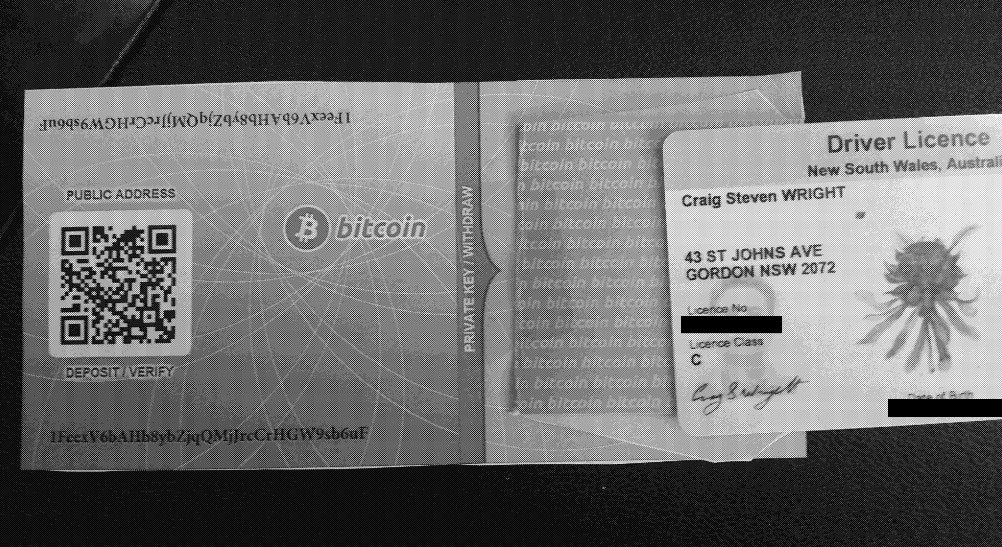
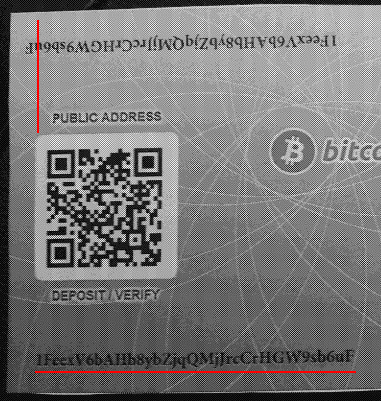
Following up on this claim, Wright was showing around the following printed paper wallet circa mid-2015, seemingly in order to convince potential bailout investor Calvin Ayre that Wright's claimed Bitcoin holdings were real.
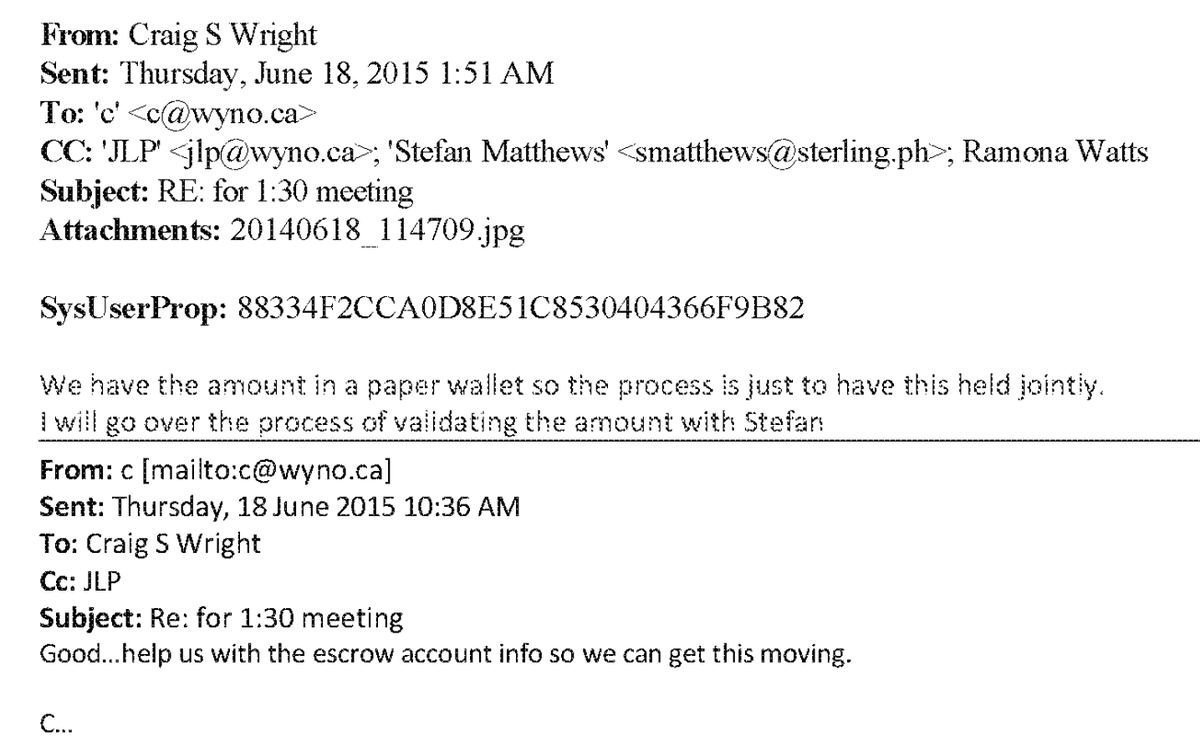
Knowing Wright, "validating" this paper wallet would just involve scanning the public key and verifying that yep it has 80k BTC on it! (which you can obviously do with *any* address)
Unsurprisingly, the paper wallet is a lazy forgery, no doubt hastily thrown together for Calvin.
Unsurprisingly, the paper wallet is a lazy forgery, no doubt hastily thrown together for Calvin.
It's just a standard paper wallet generated with bitcoinpaperwallet.com, which Wright has then altered to look like it contains the @1FeexV6 address instead.
For reference, this is how a real paper wallet for the @1FeexV6 address from this time period should have looked.
For reference, this is how a real paper wallet for the @1FeexV6 address from this time period should have looked.
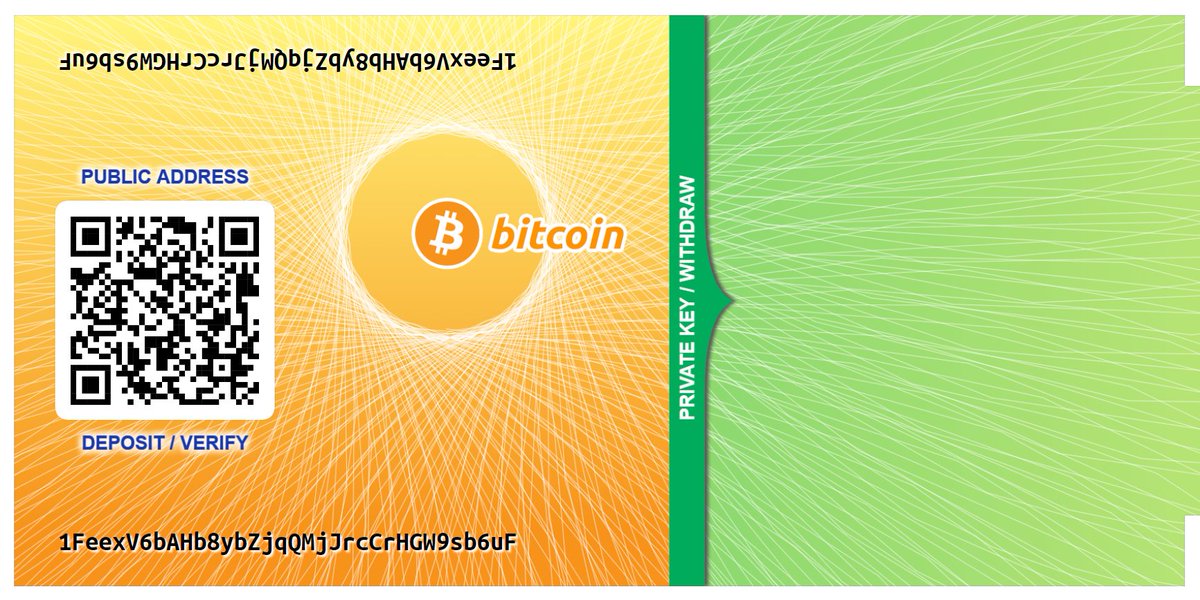
First, note the address text in Wright's version. The font is wrong, it's missing an embossing effect, and the text is misaligned. It's just been sloppily replaced.
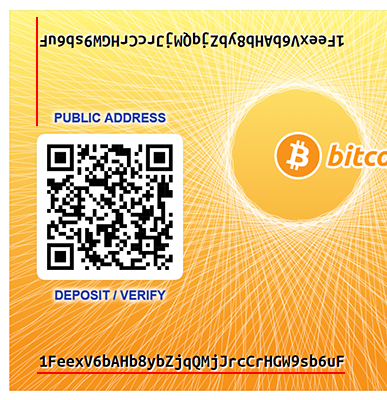
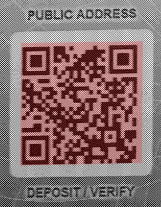
Second, note how the QR code is different. While Wright's code also contains the @1FeexV6 address, the real wallet generator uses high-redundancy codes, whereas Wright's looks like a basic low-redundancy code pasted in from the-qrcode-generator.com. It's not even aligned properly.

Third, the background pattern is wrong. In 2015, bitcoinpaperwallet.com generated unique background patterns depending on the actual address contained. Wright's wallet *does* contain a unique pattern, but it's for some other address, not @1FeexV6.
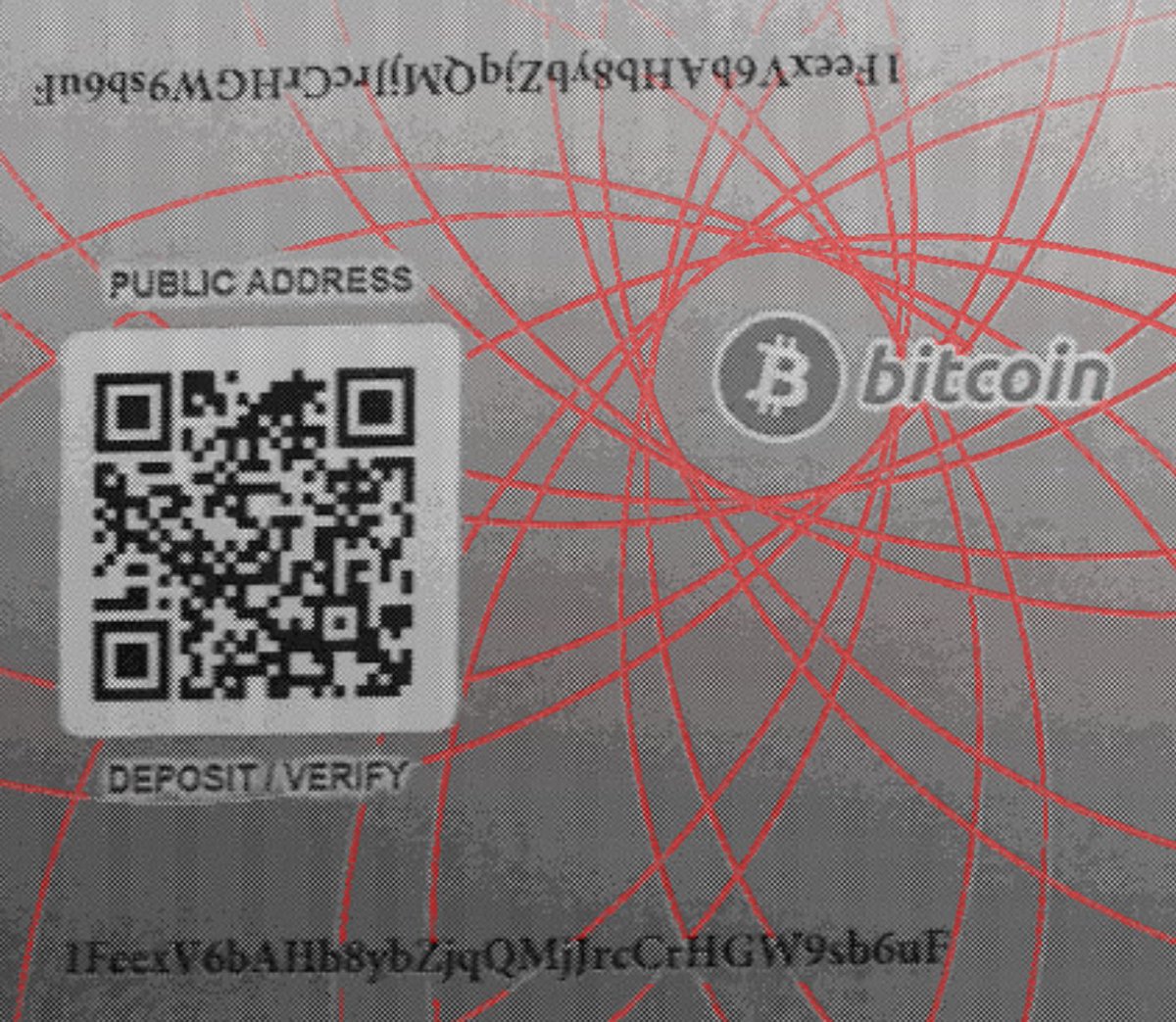
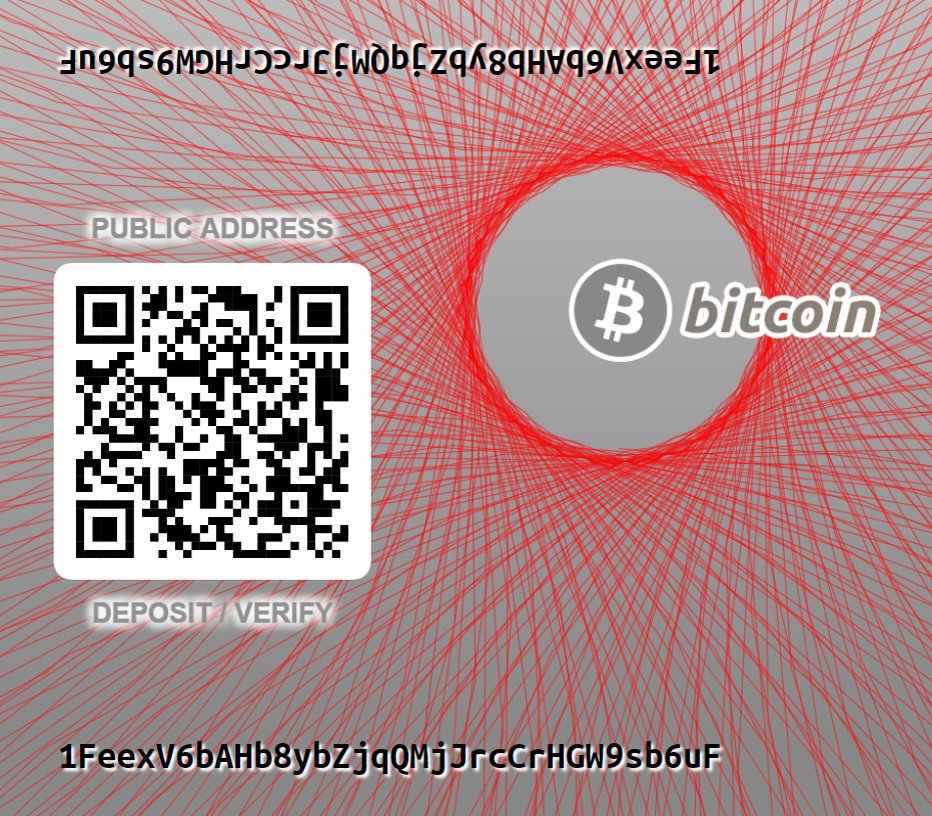
Also worth noting that this unique background feature was only implemented in mid-2014, placing strict bounds on when the forgery could have been created.
https://twitter.com/sunitram/status/1472156850871230464
So Wright is suing people because he claims his private keys got hacked, despite previously telling his own funders that the key was in unhackable storage.
Will Wright disavow this paper wallet and admit to defrauding Calvin, or insist that it's real and torpedo his own lawsuit?
Will Wright disavow this paper wallet and admit to defrauding Calvin, or insist that it's real and torpedo his own lawsuit?
• • •
Missing some Tweet in this thread? You can try to
force a refresh