We're looking back at 50 years of humanitarian assistance, bearing witness, and speaking out.
Join us as we journey through history with this selection of photos.
Part 1/2📸⬇
Join us as we journey through history with this selection of photos.
Part 1/2📸⬇
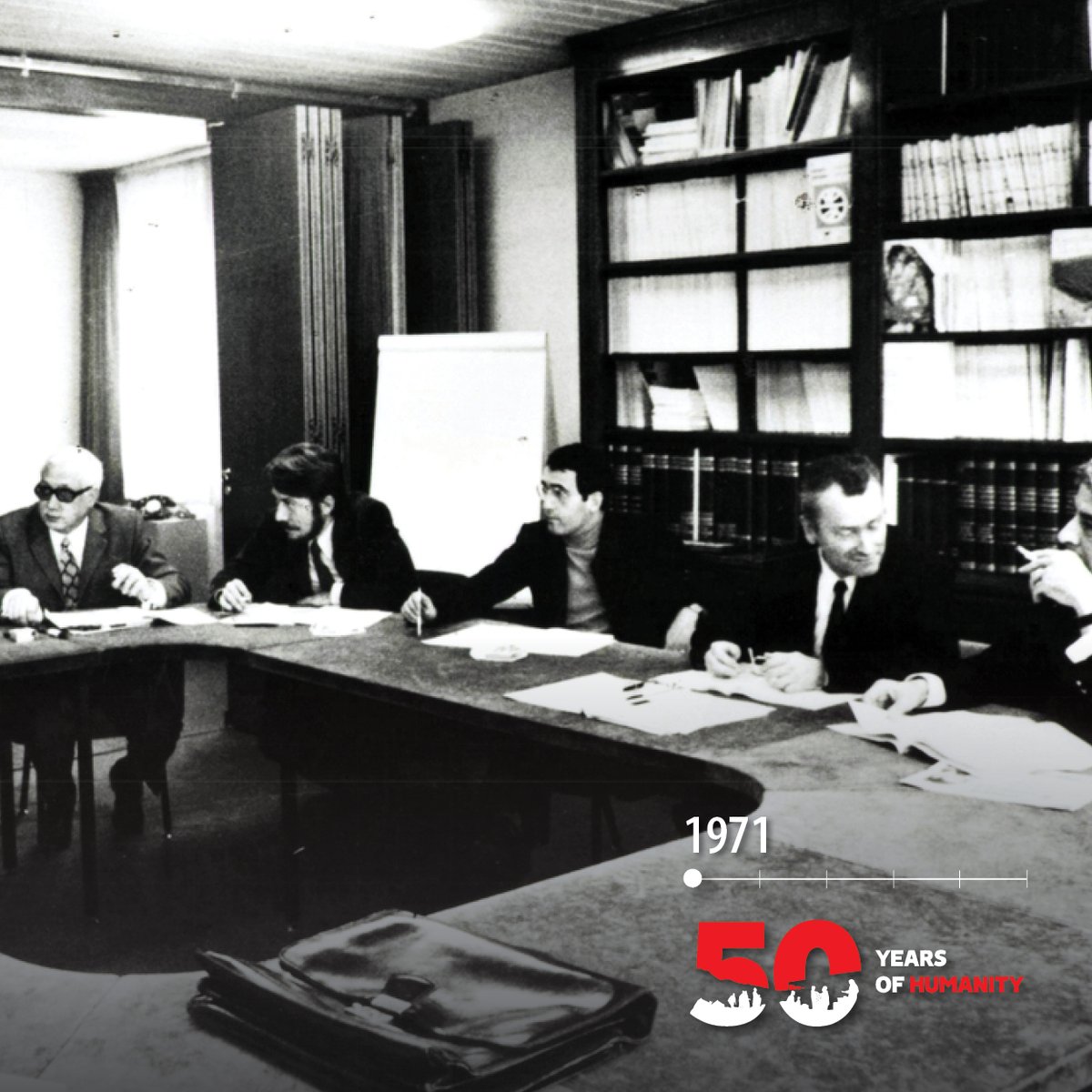
📸 1971: Signing of @MSF's charter in Paris.
MSF is officially created on 22 December 1971. At the time, 300 volunteers make up the organisation: doctors, nurses and other staff, including the 13 founding doctors and journalists.
MSF is officially created on 22 December 1971. At the time, 300 volunteers make up the organisation: doctors, nurses and other staff, including the 13 founding doctors and journalists.
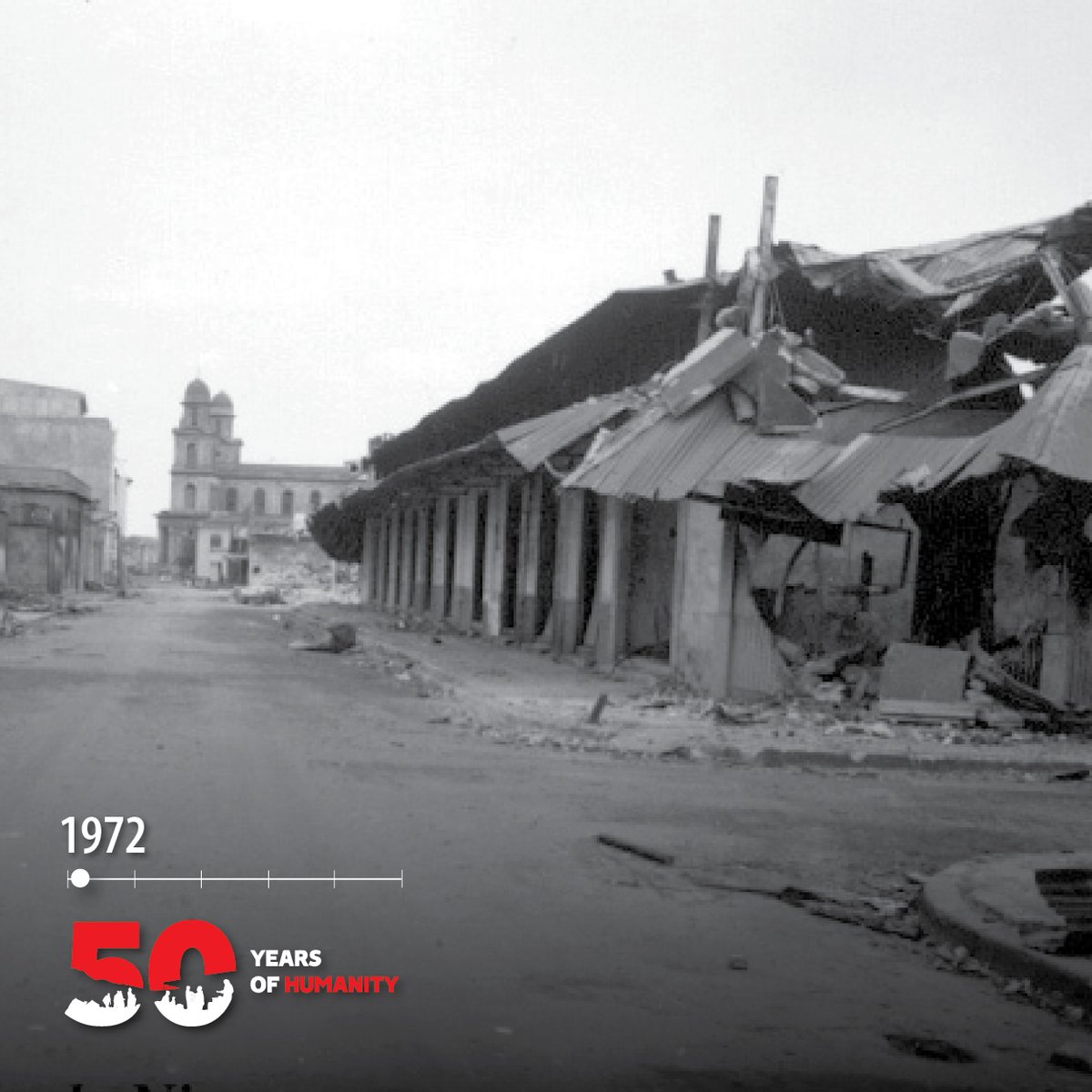
📸1972: MSF's first mission.
MSF’s first mission is in Managua, Nicaragua's capital, and follows an earthquake which destroyed most of the city. Our medical teams assisted people affected by the earthquake which left hundreds of thousands of people homeless.
MSF’s first mission is in Managua, Nicaragua's capital, and follows an earthquake which destroyed most of the city. Our medical teams assisted people affected by the earthquake which left hundreds of thousands of people homeless.
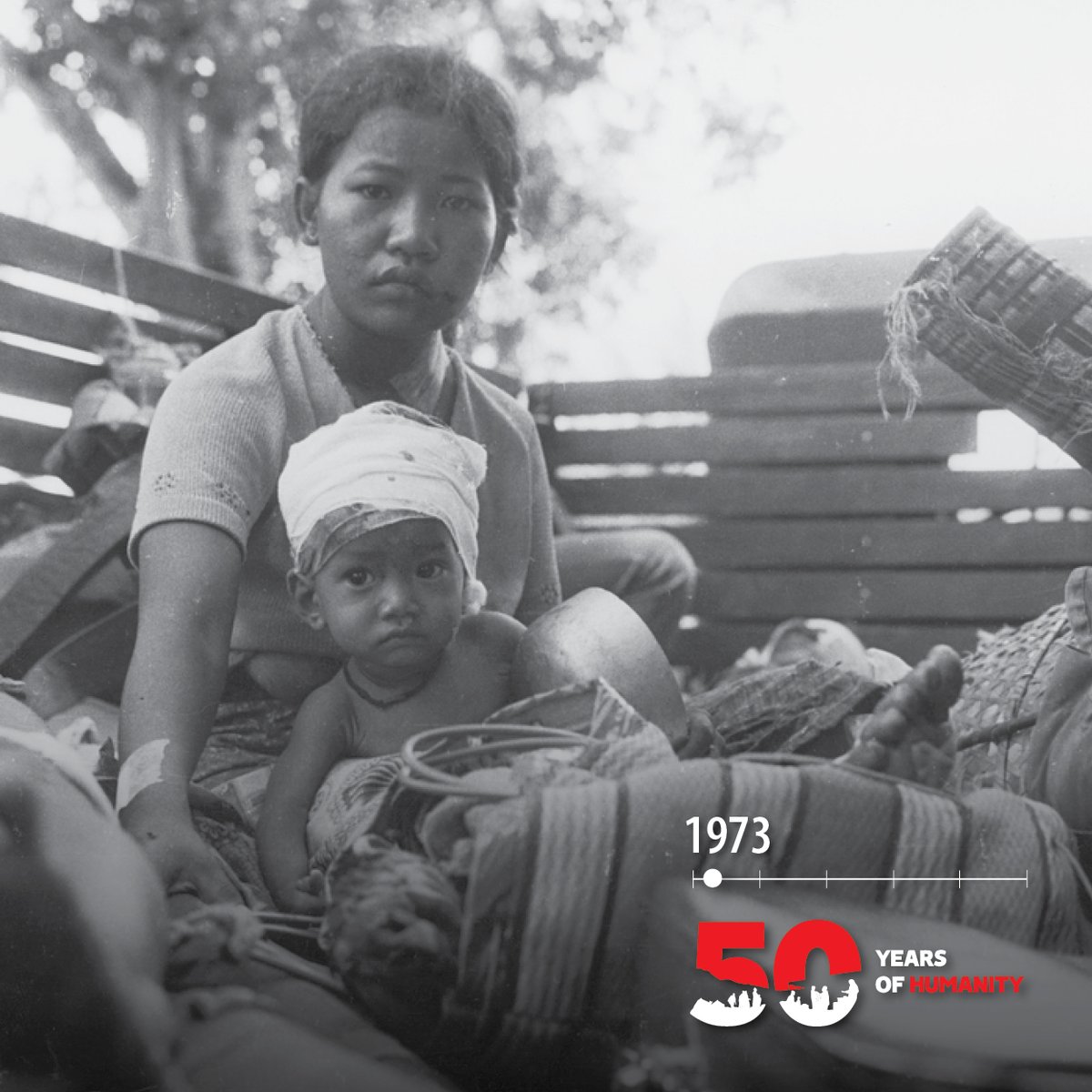
📸1973: In Cambodia, a mother with her child who was wounded by mortar fire.
In the 1970s, oppressive regimes in Cambodia and Vietnam drove one million people to flee to neighbouring Thailand. MSF provided medical care for those seeking safety.
In the 1970s, oppressive regimes in Cambodia and Vietnam drove one million people to flee to neighbouring Thailand. MSF provided medical care for those seeking safety.
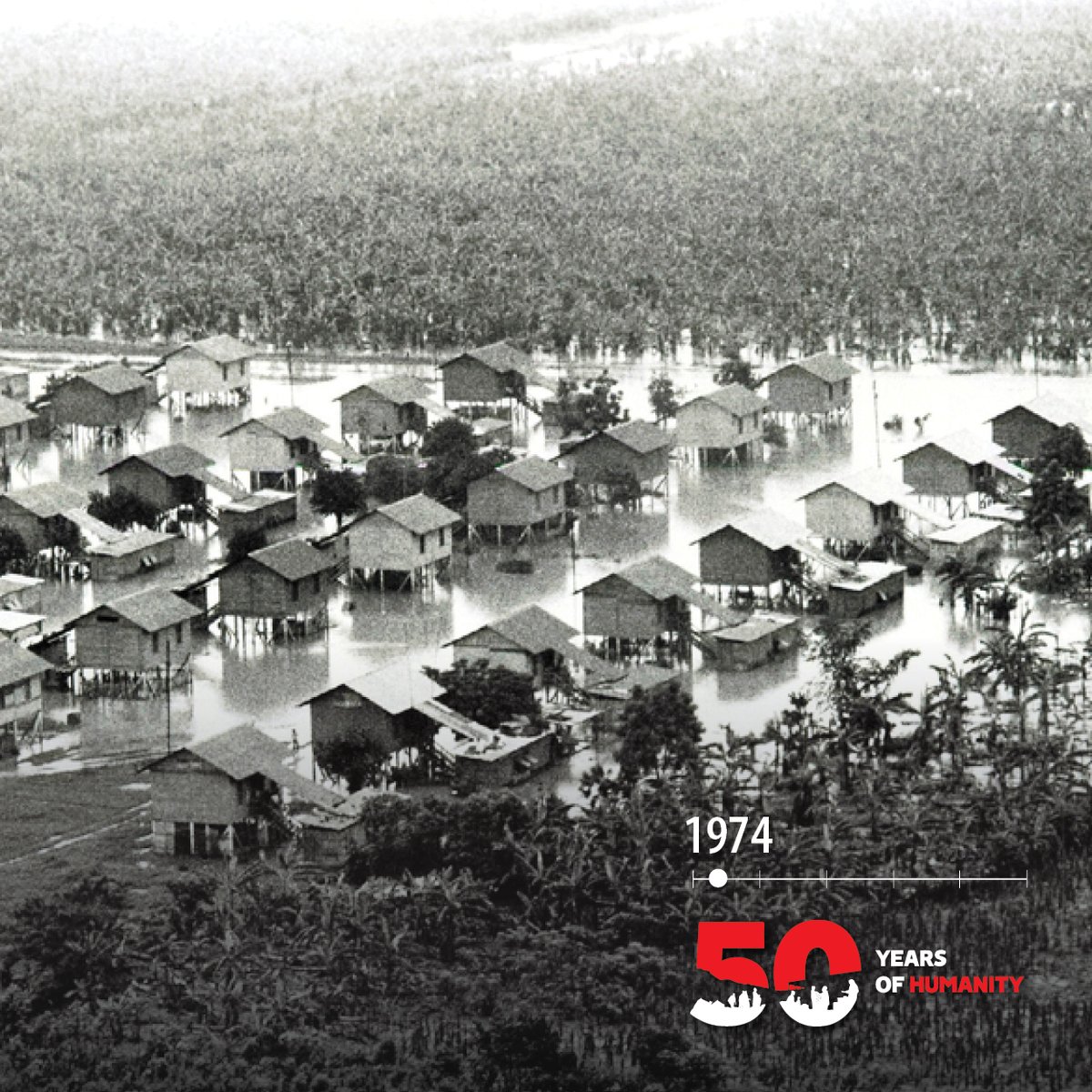
📸1974: MSF's first long-term intervention providing medical assistance.
MSF sets up a relief project to help the people of Honduras after Hurricane Fifi causes major flooding and kills thousands of people.
MSF sets up a relief project to help the people of Honduras after Hurricane Fifi causes major flooding and kills thousands of people.
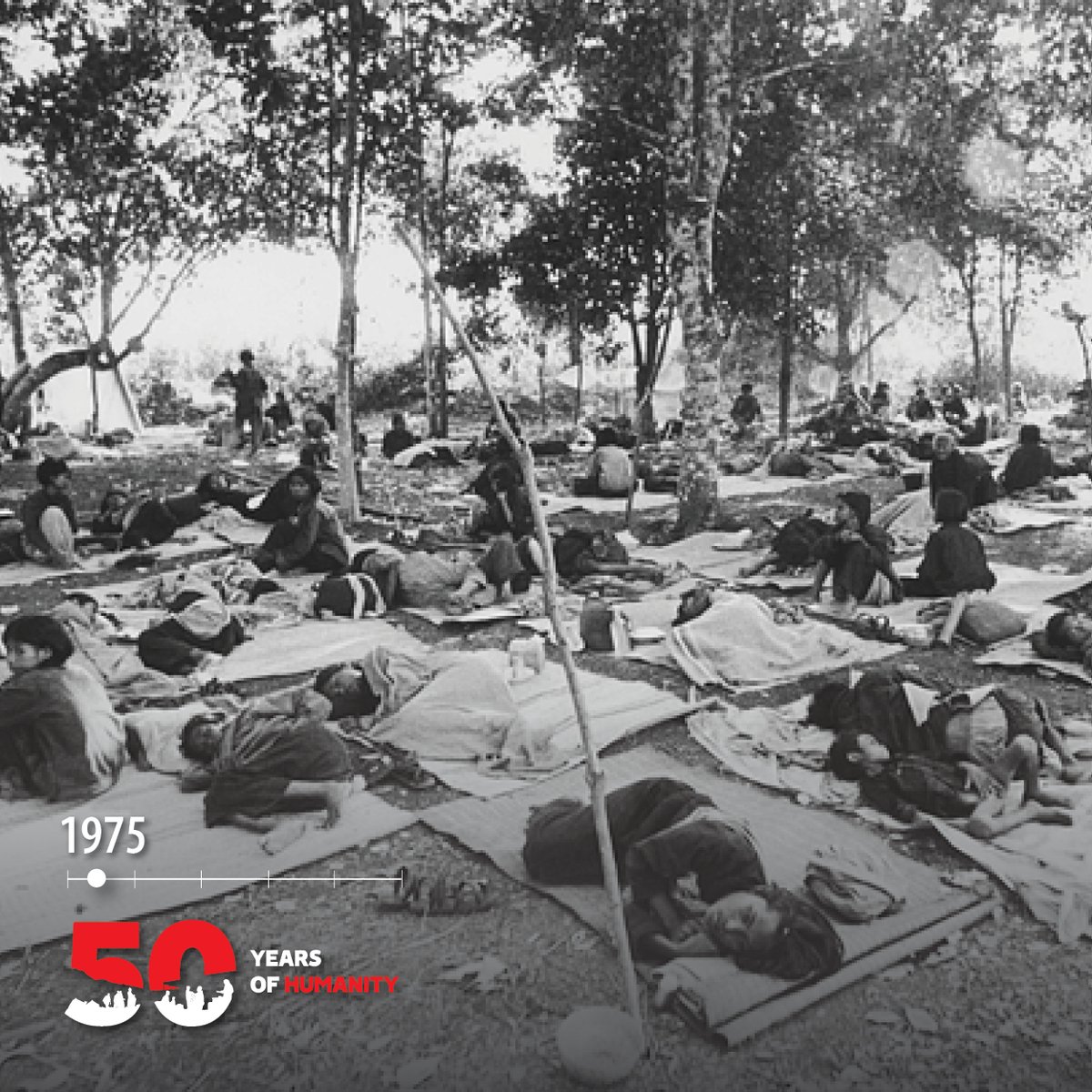
📸1975: MSF establishes its first large-scale medical program during a refugee crisis, providing medical care for Cambodians seeking sanctuary from Pol Pot’s oppressive rule. Doctors were sent to locations where many refugees were settling, often without water or sanitation.
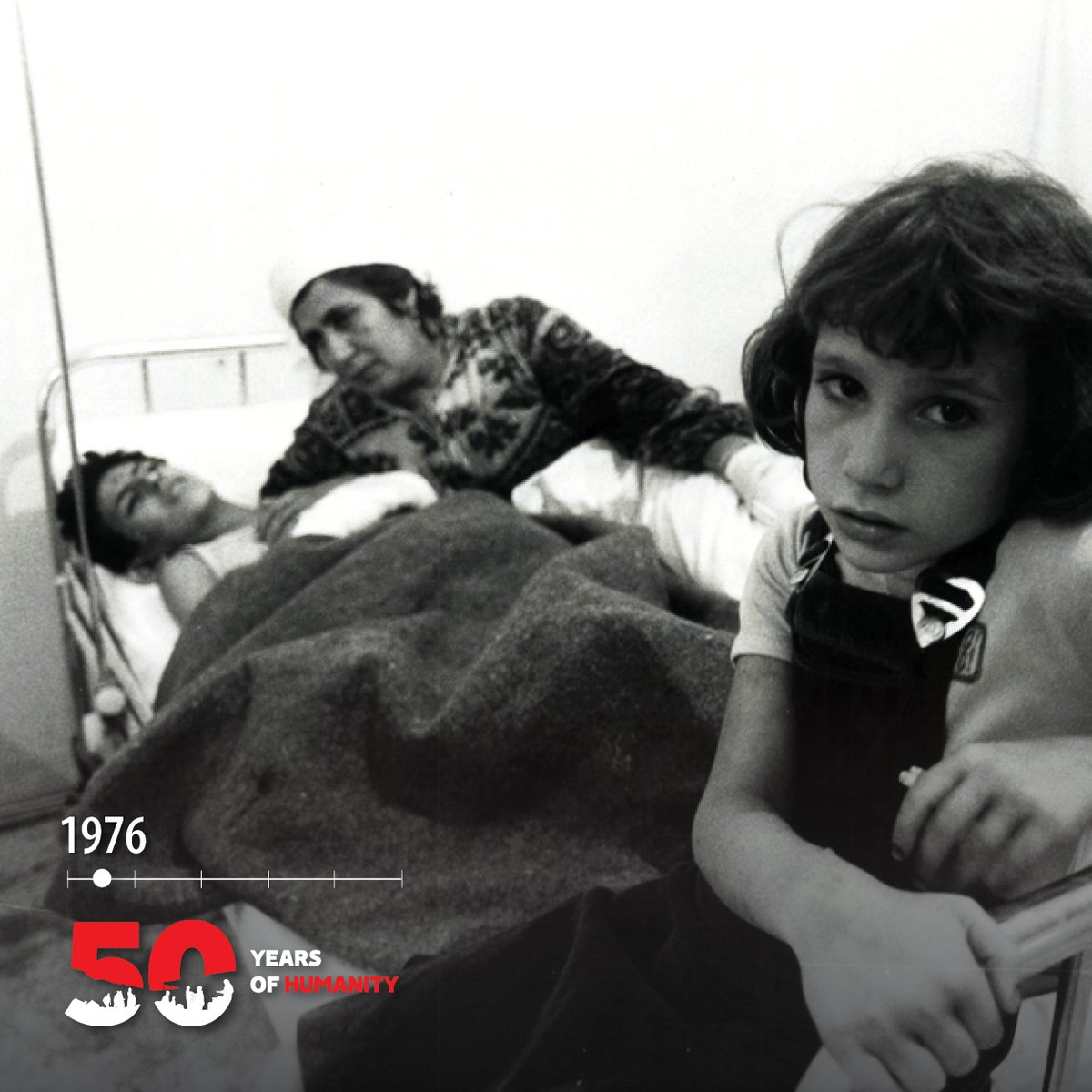
📸1976: From 1976 until 1984, MSF treated people wounded in the civil war in Lebanon, including this family in Beirut.
This was MSF’s first operation in the midst of an active conflict. When MSF arrived in Beirut, bombs were dropping, and the city was burning. Image from 1982.
This was MSF’s first operation in the midst of an active conflict. When MSF arrived in Beirut, bombs were dropping, and the city was burning. Image from 1982.
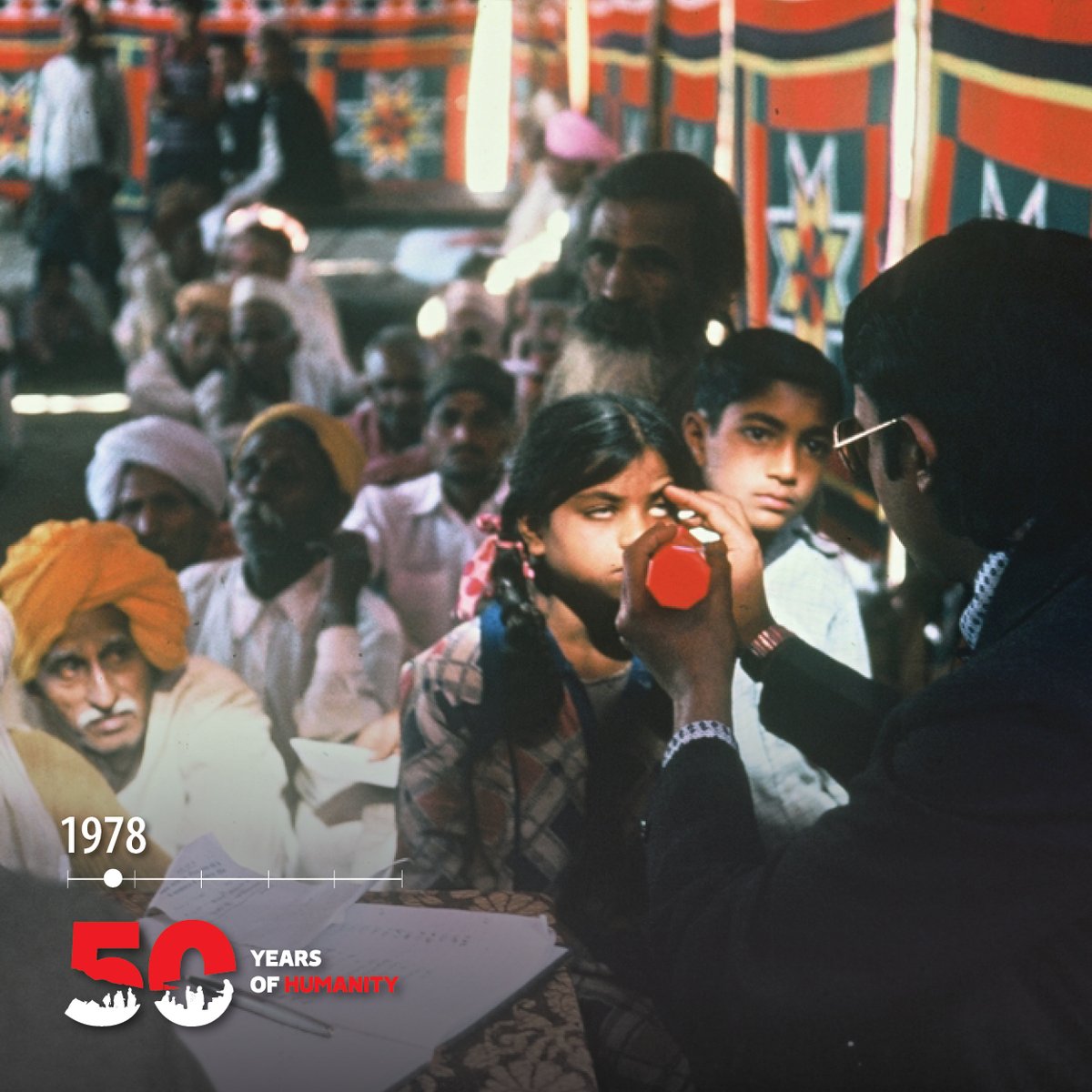
📸1978: An MSF medical professional provides eye treatment to a girl in a Rohingya refugee camp.
In March 1978, the government of Burma (now Myanmar) launched an operation against the Rohingya, the Muslim minority. The Rohingya refugee crisis continues to this day.
In March 1978, the government of Burma (now Myanmar) launched an operation against the Rohingya, the Muslim minority. The Rohingya refugee crisis continues to this day.
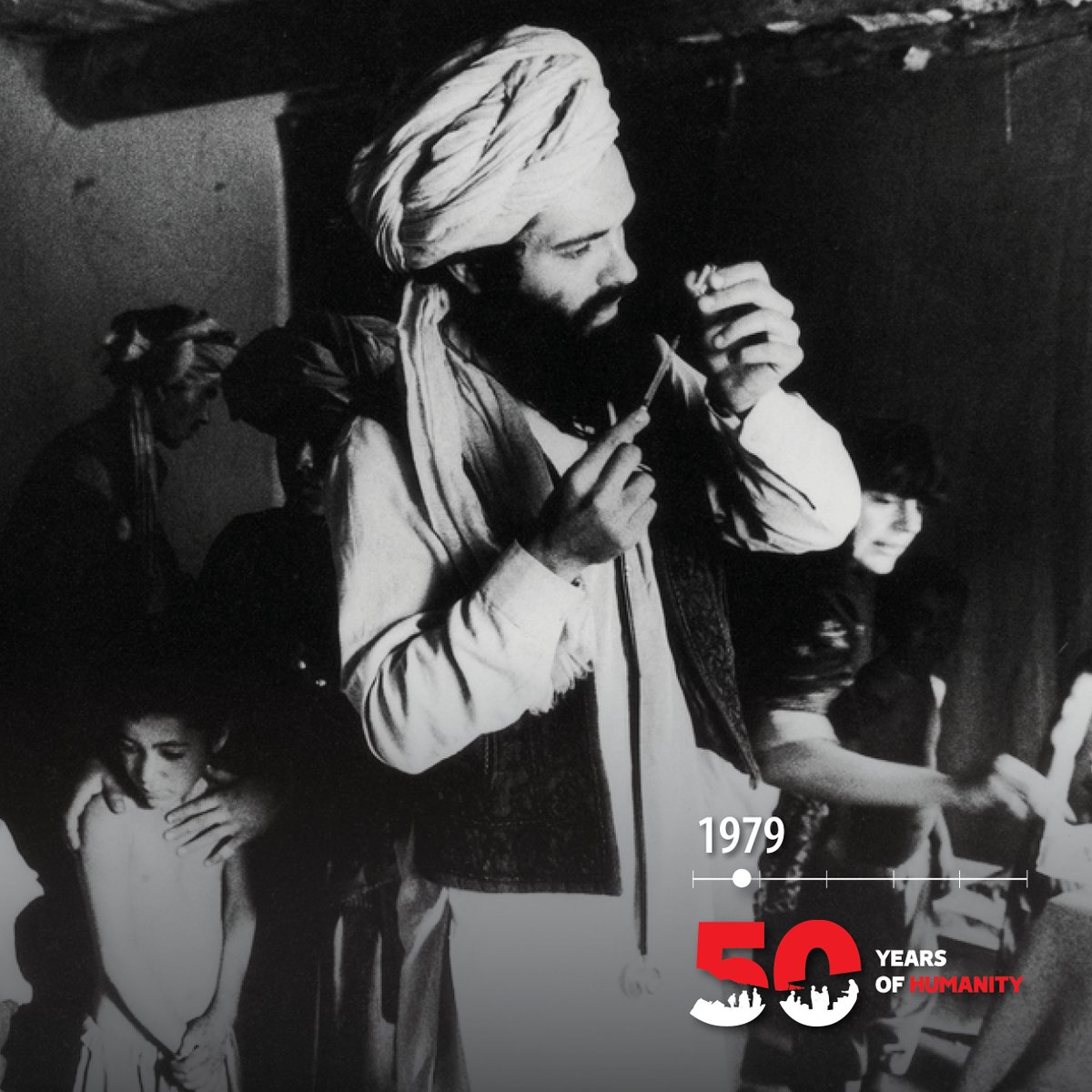
📸1979: Immediately after Soviet troops invaded Afghanistan in December, MSF teams rotated through the country to treat, operate on, and vaccinate Afghan people.
Over 10 years, more than 550 MSF doctors and nurses would rotate through the country’s high plateaus.
Over 10 years, more than 550 MSF doctors and nurses would rotate through the country’s high plateaus.
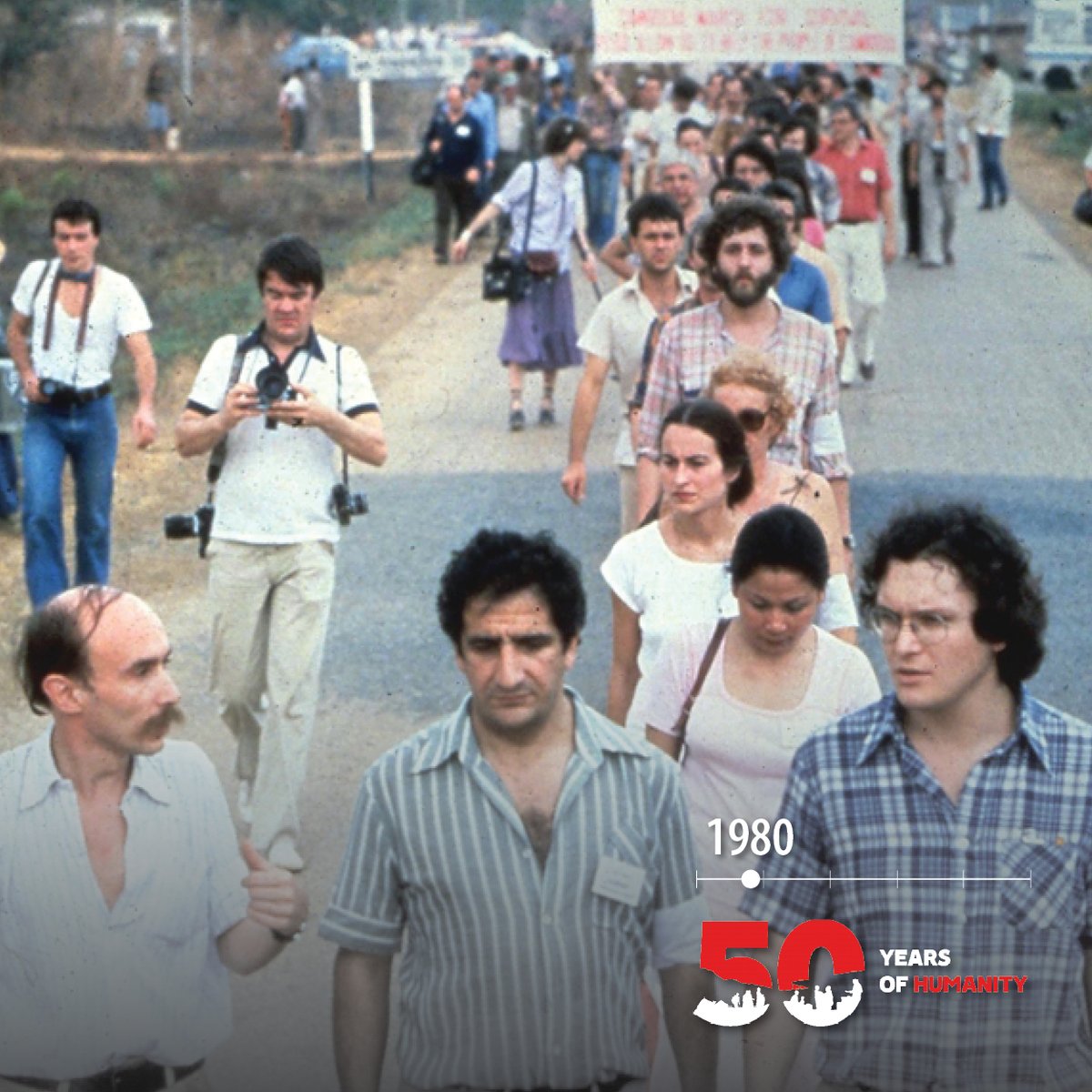
📸1980: MSF launches its first international campaign, ‘March for Cambodia’, in support of the Cambodian refugees fleeing the Khmer Rouge regime.
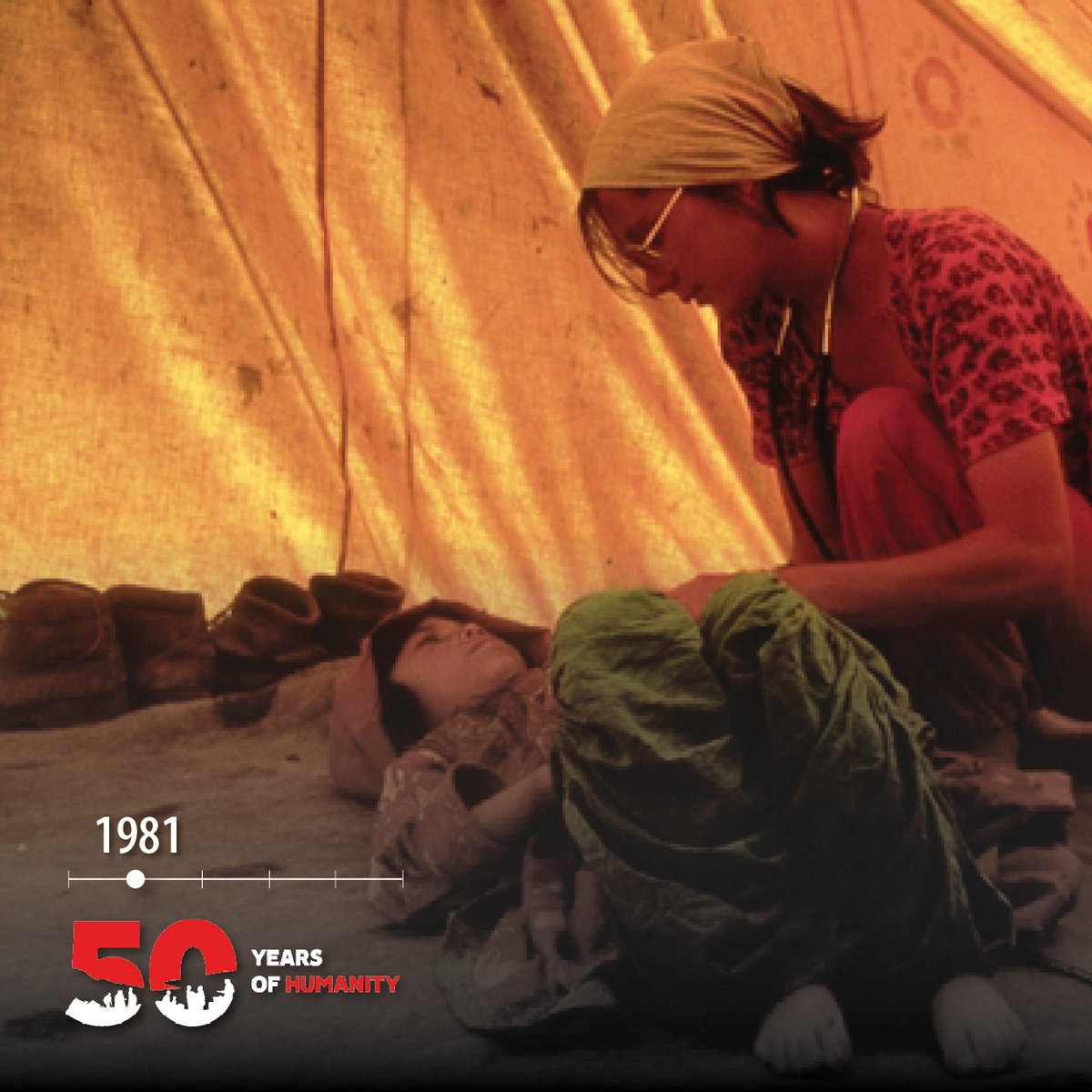
📸1981: An MSF team member provides care to a patient in Afghanistan.
This year, 85 MSF staff set up hospitals and began providing care—four of these hospitals were deliberately bombed and destroyed by Soviet planes that same year.
This year, 85 MSF staff set up hospitals and began providing care—four of these hospitals were deliberately bombed and destroyed by Soviet planes that same year.
📸1982: MSF staff treat a Hmong patient at the hospital in Nam Yao, Thailand.
MSF started providing care in Nam Yao camp in 1982. The refugees in the camp had fled from Cambodia, Laos and Vietnam.
MSF started providing care in Nam Yao camp in 1982. The refugees in the camp had fled from Cambodia, Laos and Vietnam.
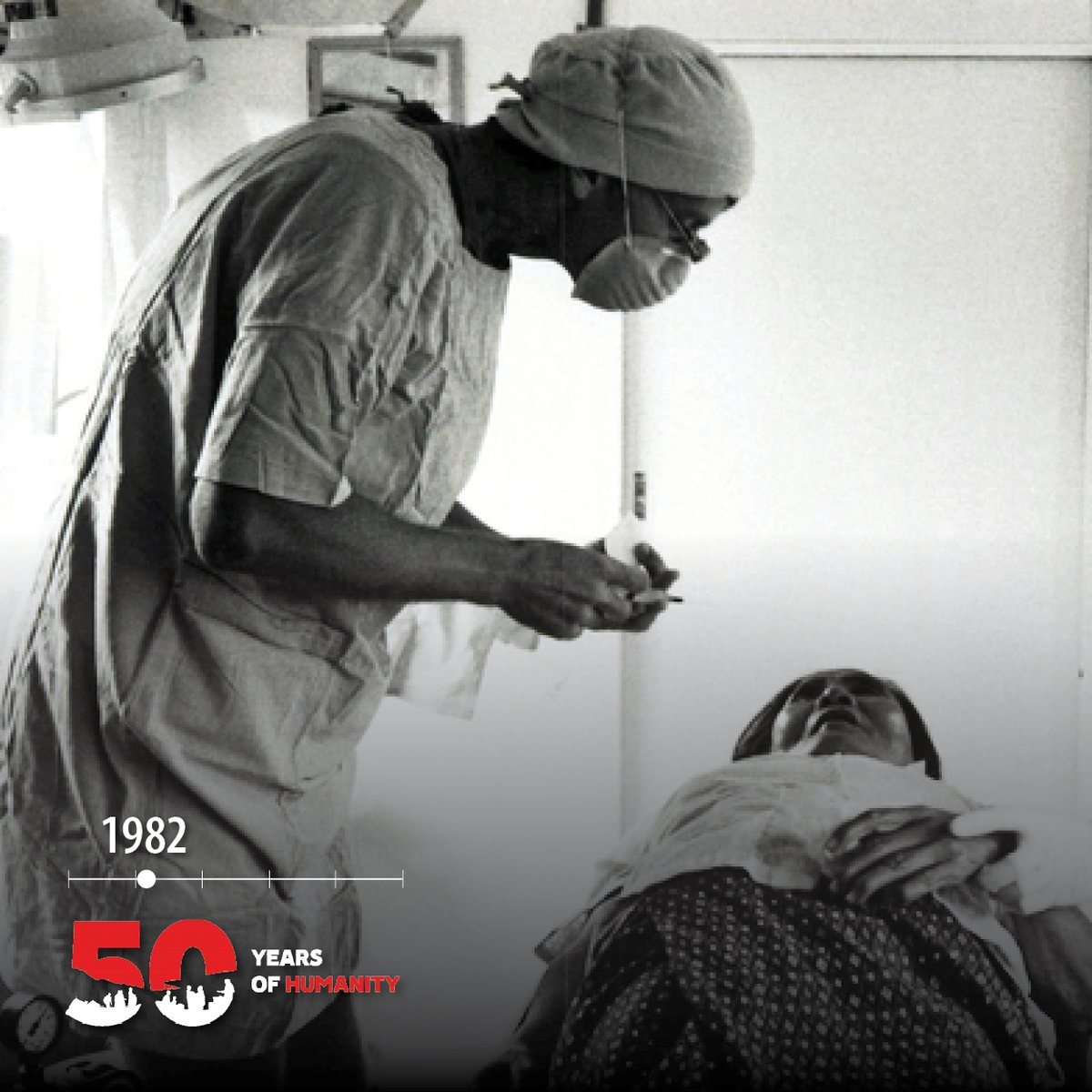
📸1983: A patient recovers following amputation surgery in Medani, Sudan.
MSF set up a surgical centre near the Eritrean border, treating people wounded in Sudan’s ongoing conflict and providing training to local staff in operating room work and post-operative care.
MSF set up a surgical centre near the Eritrean border, treating people wounded in Sudan’s ongoing conflict and providing training to local staff in operating room work and post-operative care.
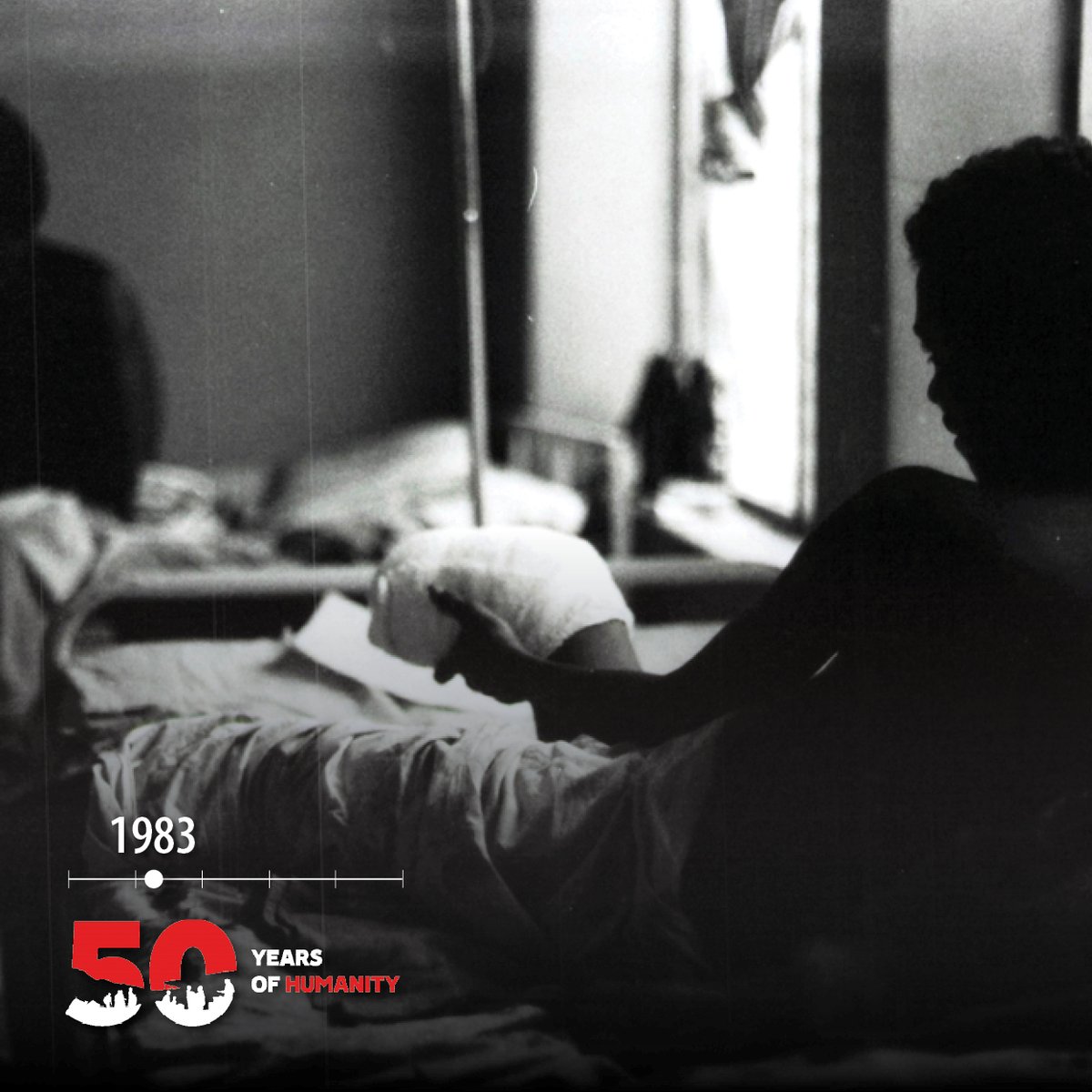
📸1984: A medical consultation during the height of Ethiopia’s famine.
In 1984, ongoing drought and food shortages led to famine in Ethiopia. From the start of the crisis, MSF provided aid to those suffering malnutrition and affected by the ongoing drought.
In 1984, ongoing drought and food shortages led to famine in Ethiopia. From the start of the crisis, MSF provided aid to those suffering malnutrition and affected by the ongoing drought.
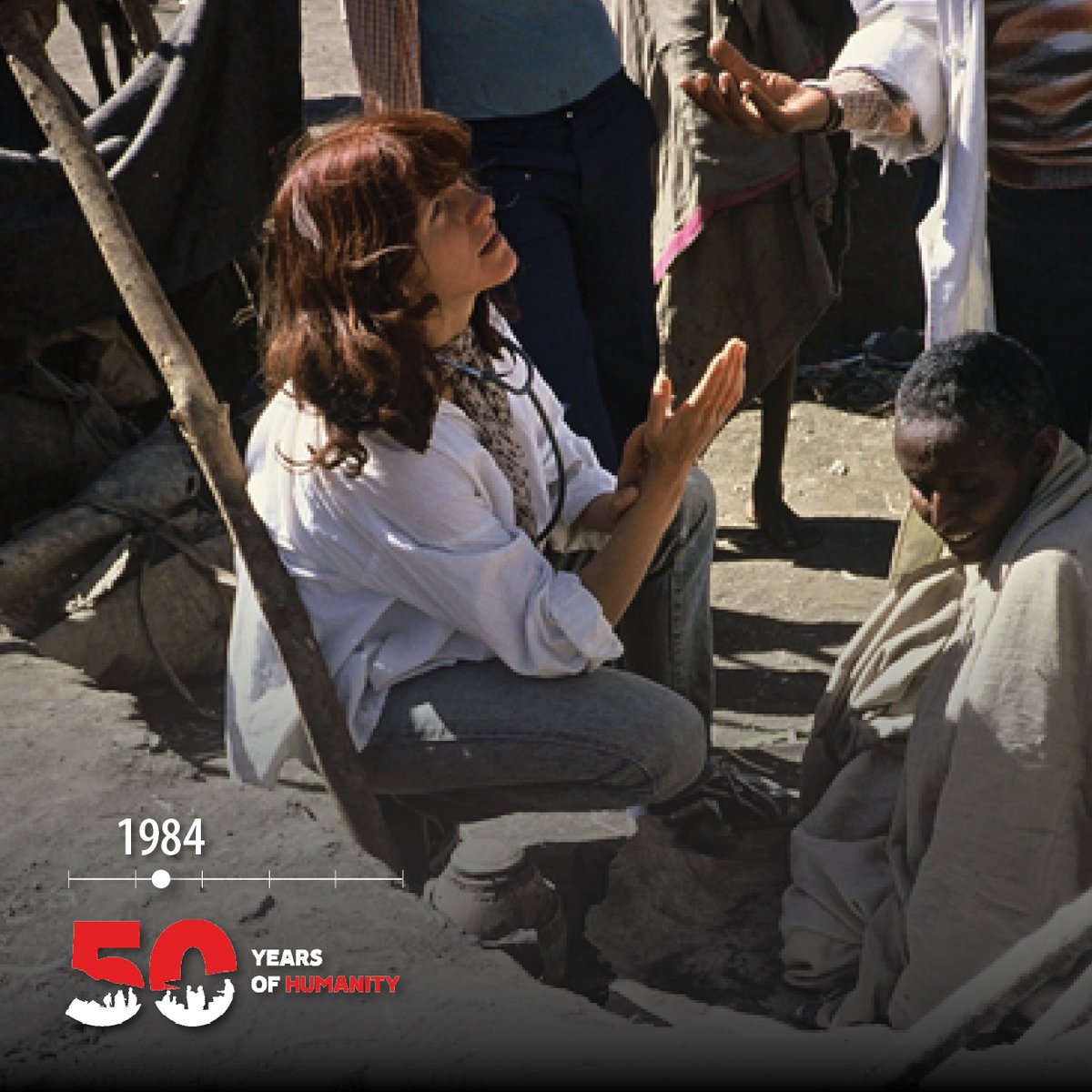
1984 continued: With the rapid influx of international aid, the Ethiopian government used food & provisions as bait to forcibly resettle people in appalling conditions. We took a stand against aid being used against victims, and as a result were forcibly removed from the country.
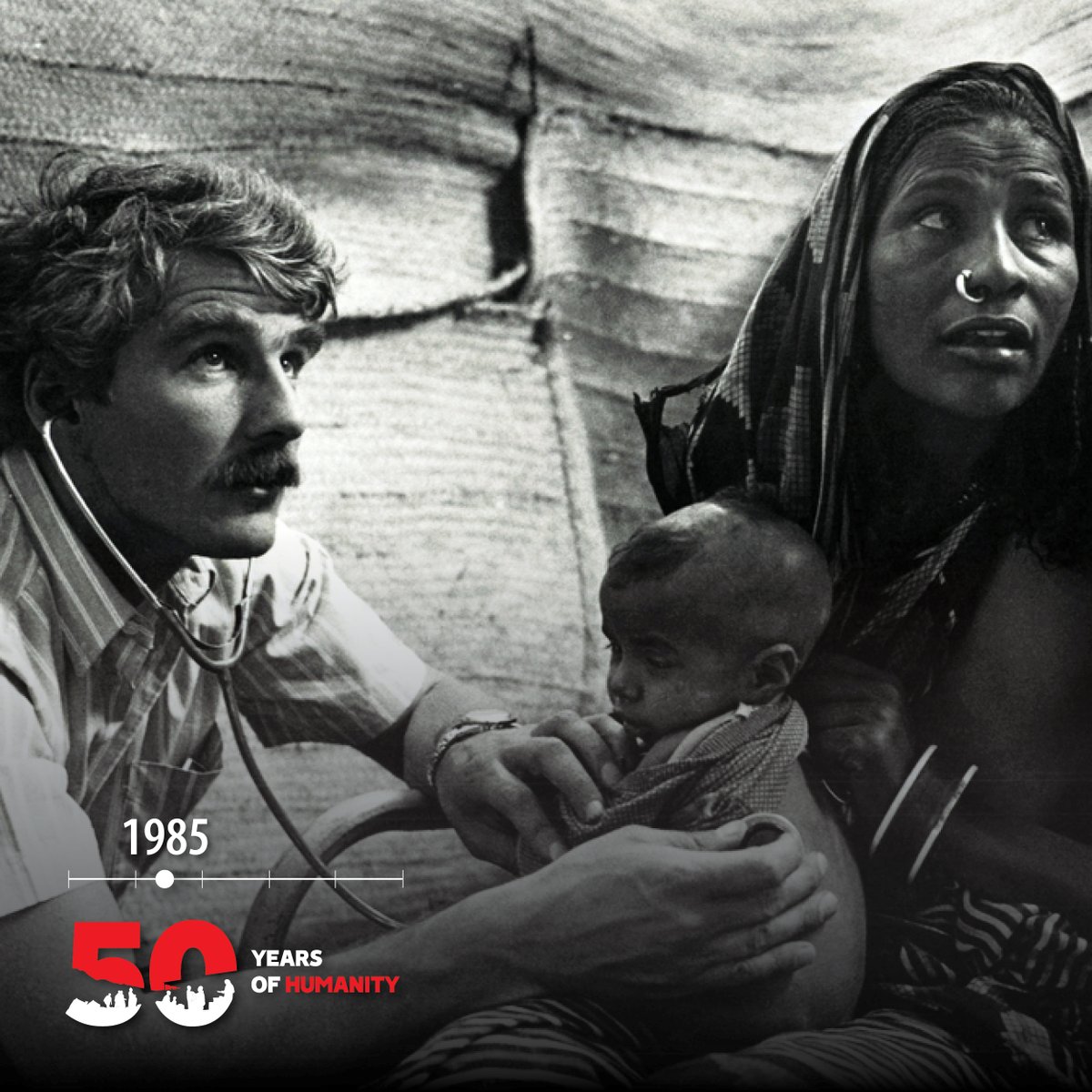
📸1985: MSF continued to provide essential treatment and aid to the more than 600,000 Ethiopian refugees who had fled across the border to Sudan.
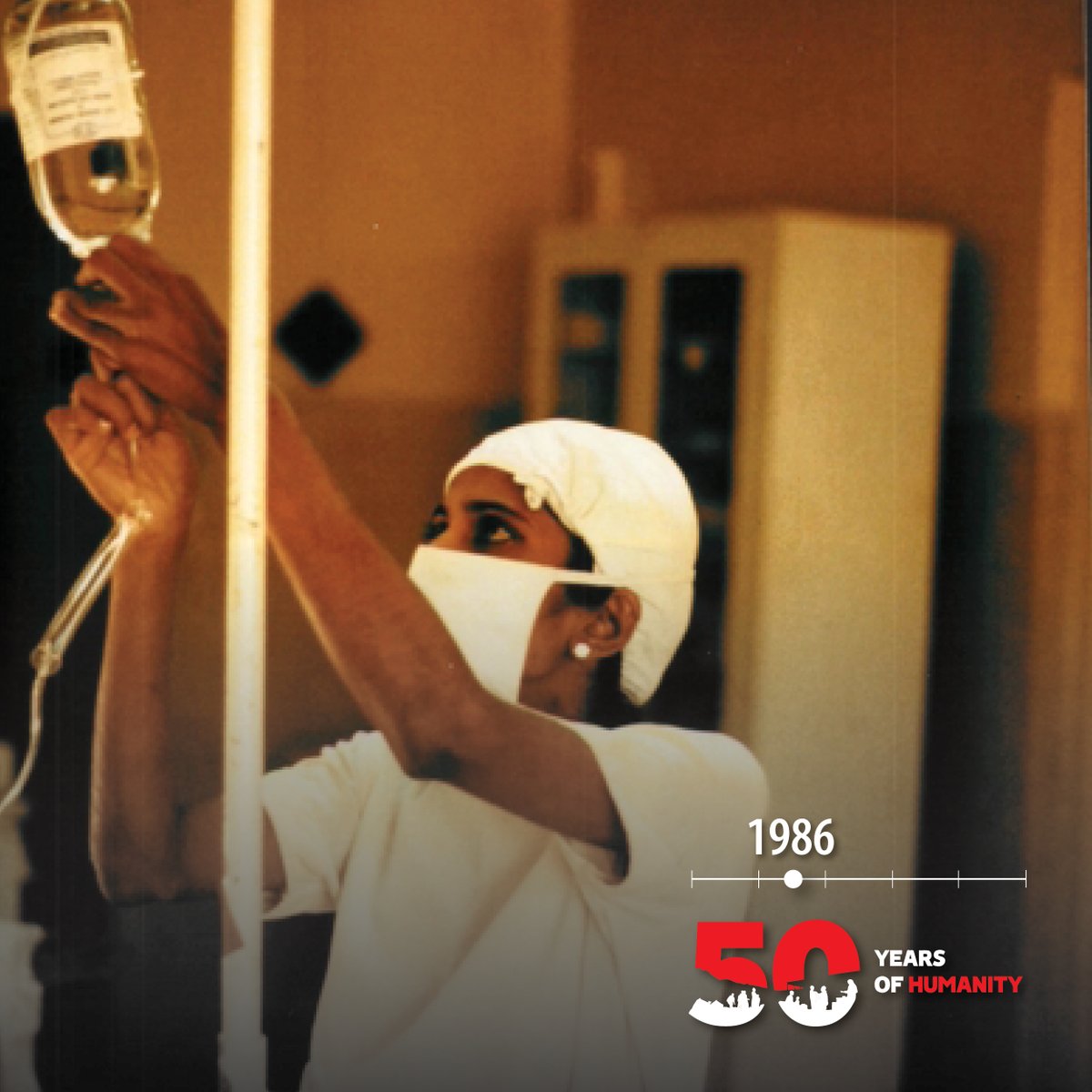
📸1986: : A staff member sets up an infusion in Point Pedro Hospital.
As civil war took over Sri Lanka, MSF organised mobile clinics to treat injured citizens. During 1986 the four MSF teams in the country were the only surgical coverage available for one million people.
As civil war took over Sri Lanka, MSF organised mobile clinics to treat injured citizens. During 1986 the four MSF teams in the country were the only surgical coverage available for one million people.
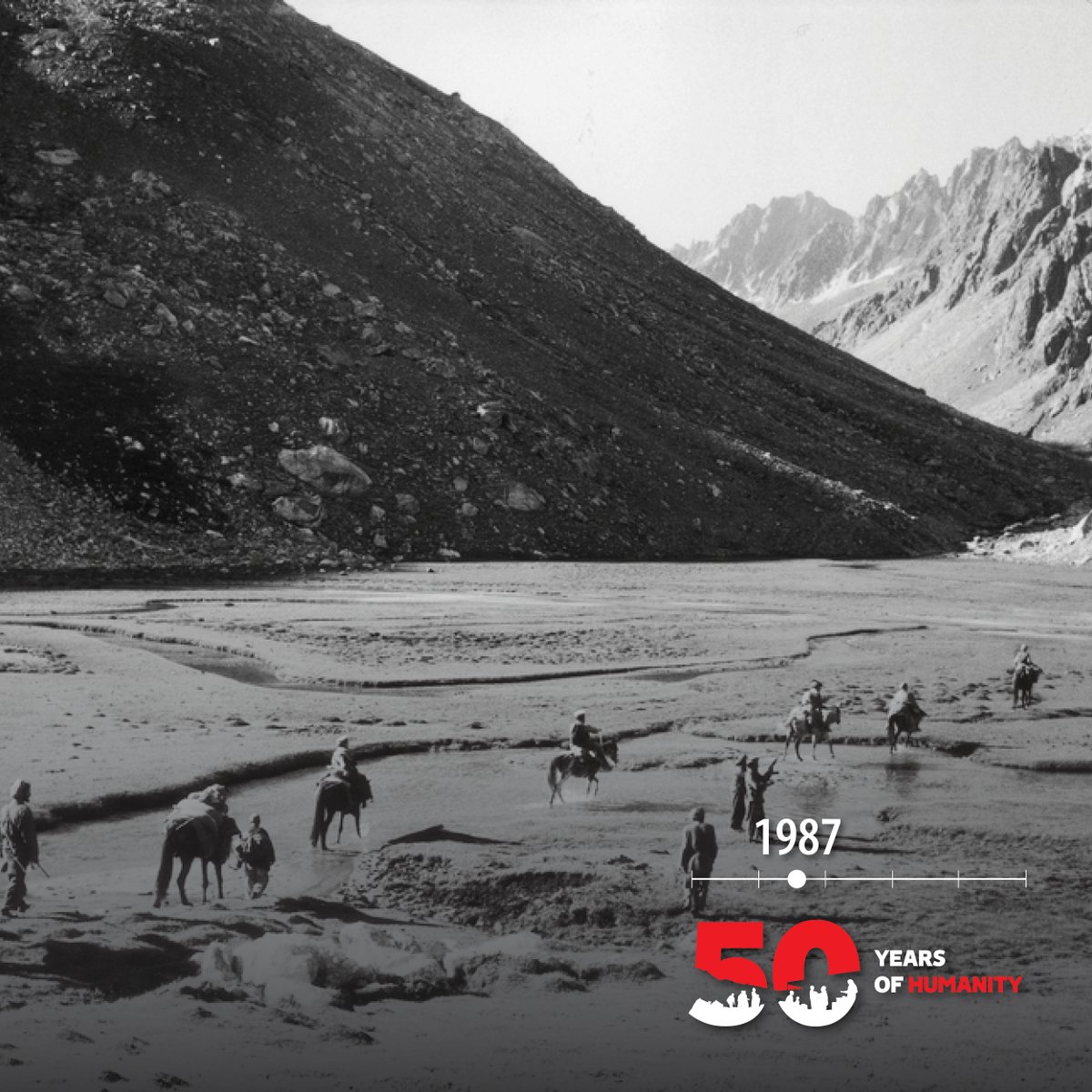
📸1987: In order to provide care in territories occupied by the Afghan resistance, MSF teams sometimes had to make a journey of up to three weeks’ walk from the Pakistan border, bringing several tonnes of medicines and crossing the mountain range by mule and on foot.
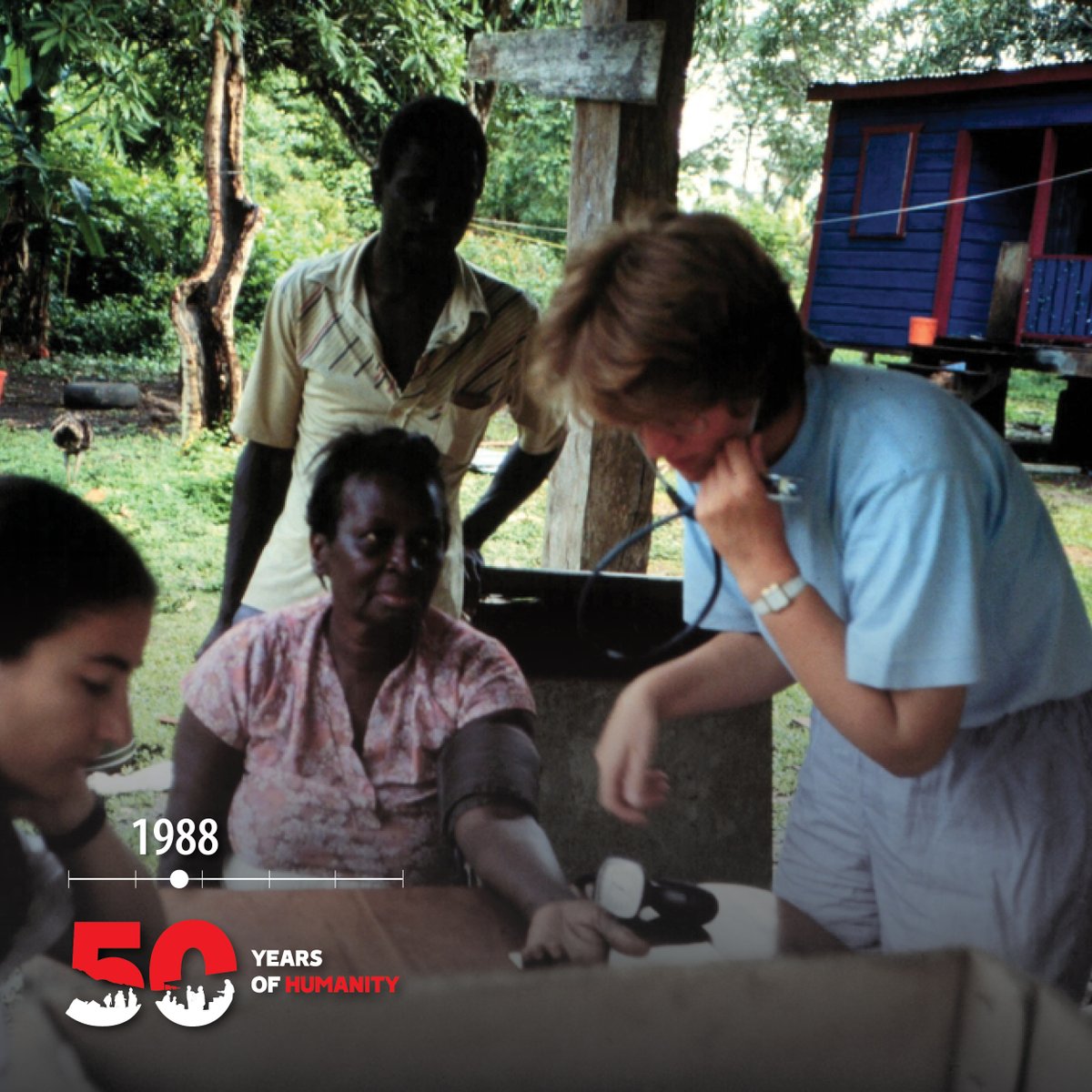
📸1988: Tens of thousands of refugees from Nicaragua, El Salvador and Guatemala settled in Belize. To assist those displaced, we provided health information via mobile clinics and supervised the training of local health workers.
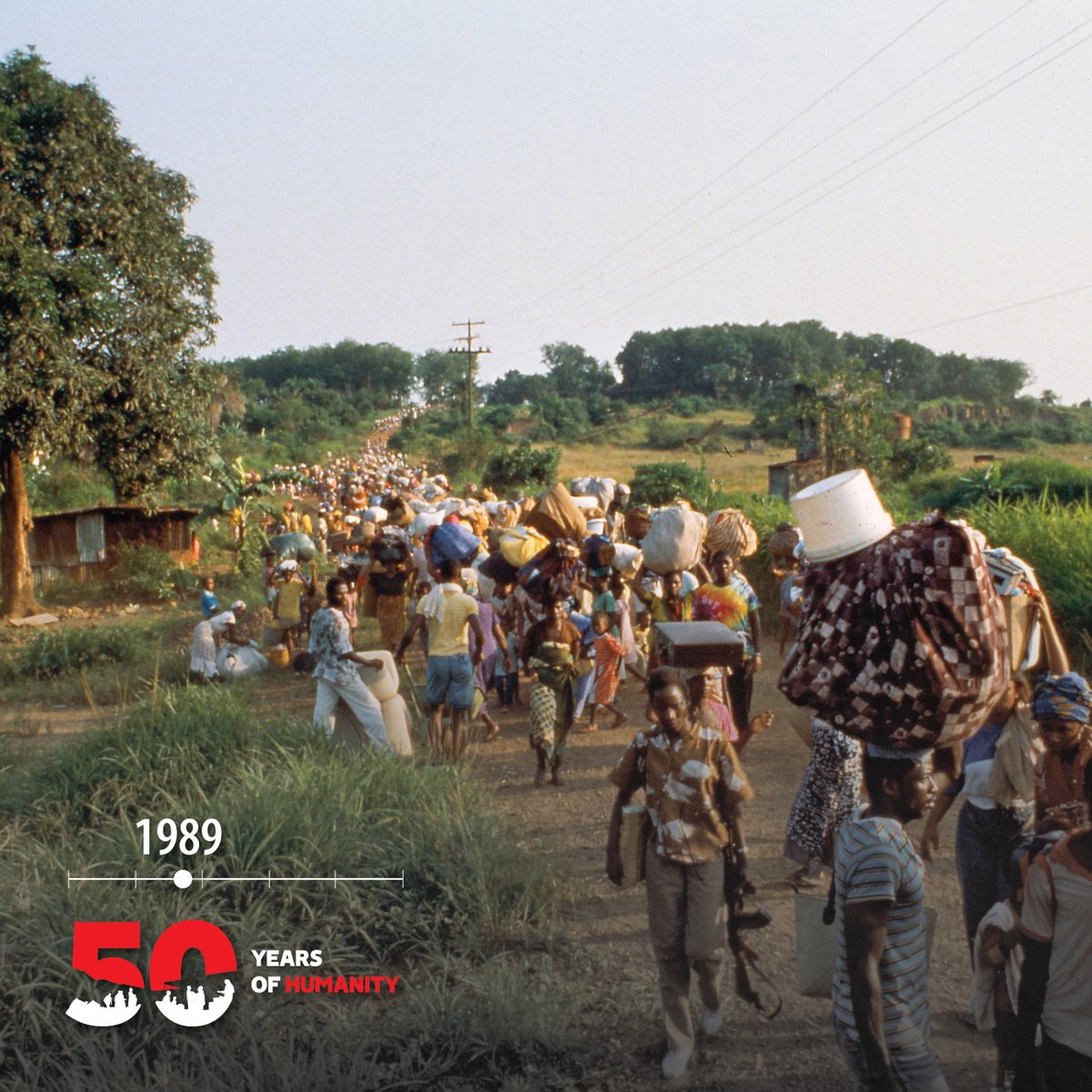
📸1989: Liberia’s civil war began in 1989, killing more than 200,000 people. MSF began projects in several parts of the country for yellow fever, cholera and serious malnutrition, as well as providing medical support to local clinics and hospitals.
📸1990: Hostilities began in Somalia in Dec 1990, with over 300,000 Somalis dying in the conflict. As international aid agencies were leaving the country, MSF arrived & set up nutritional centres to treat children suffering from malnutrition as a result of the months-long famine.
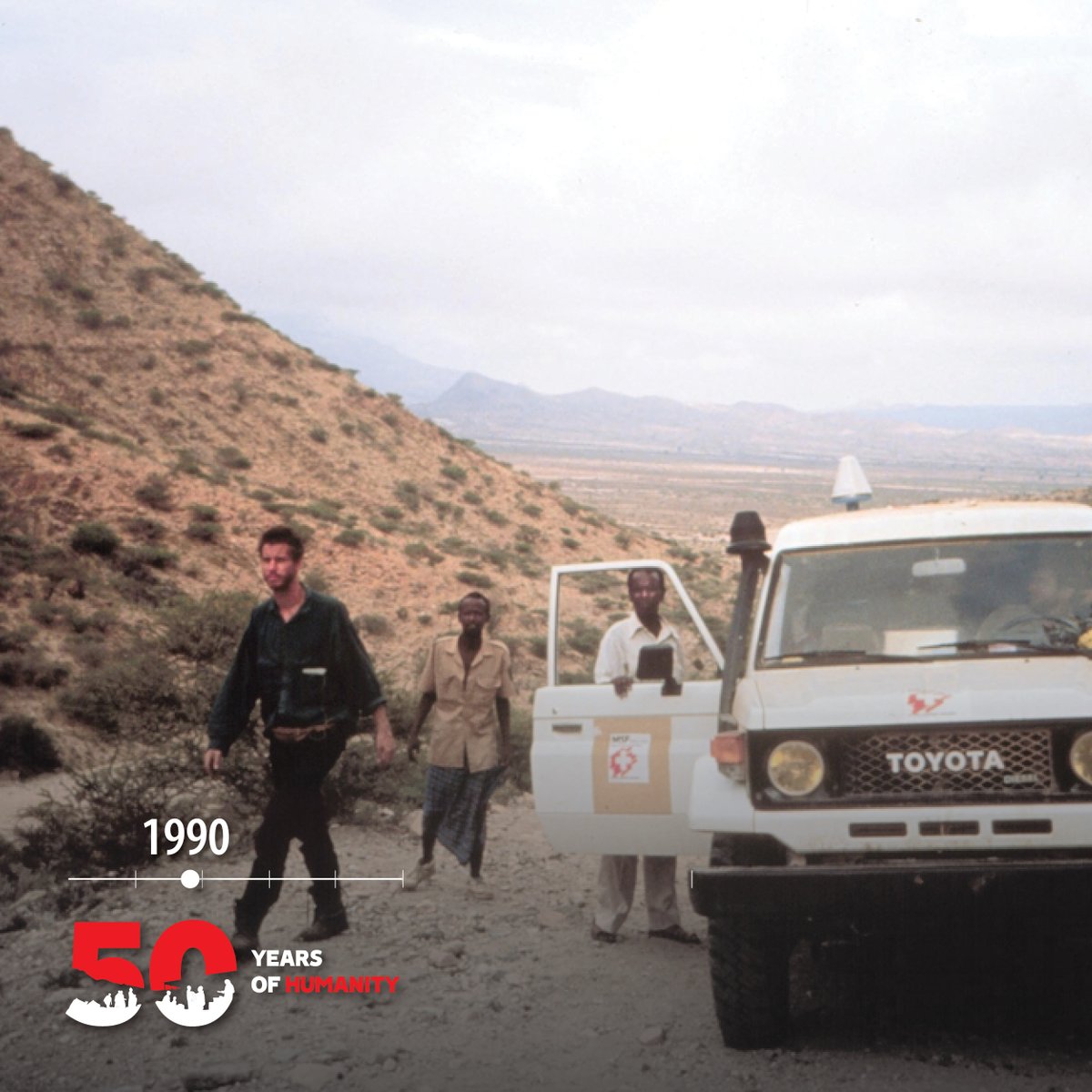
1990 continued: MSF’s team was forced to evacuate on several occasions, endured kidnappings & repeated security incidents. MSF closed its projects and left Somalia in April 1993 since we could no longer act in accordance with our principles of neutrality and impartiality.
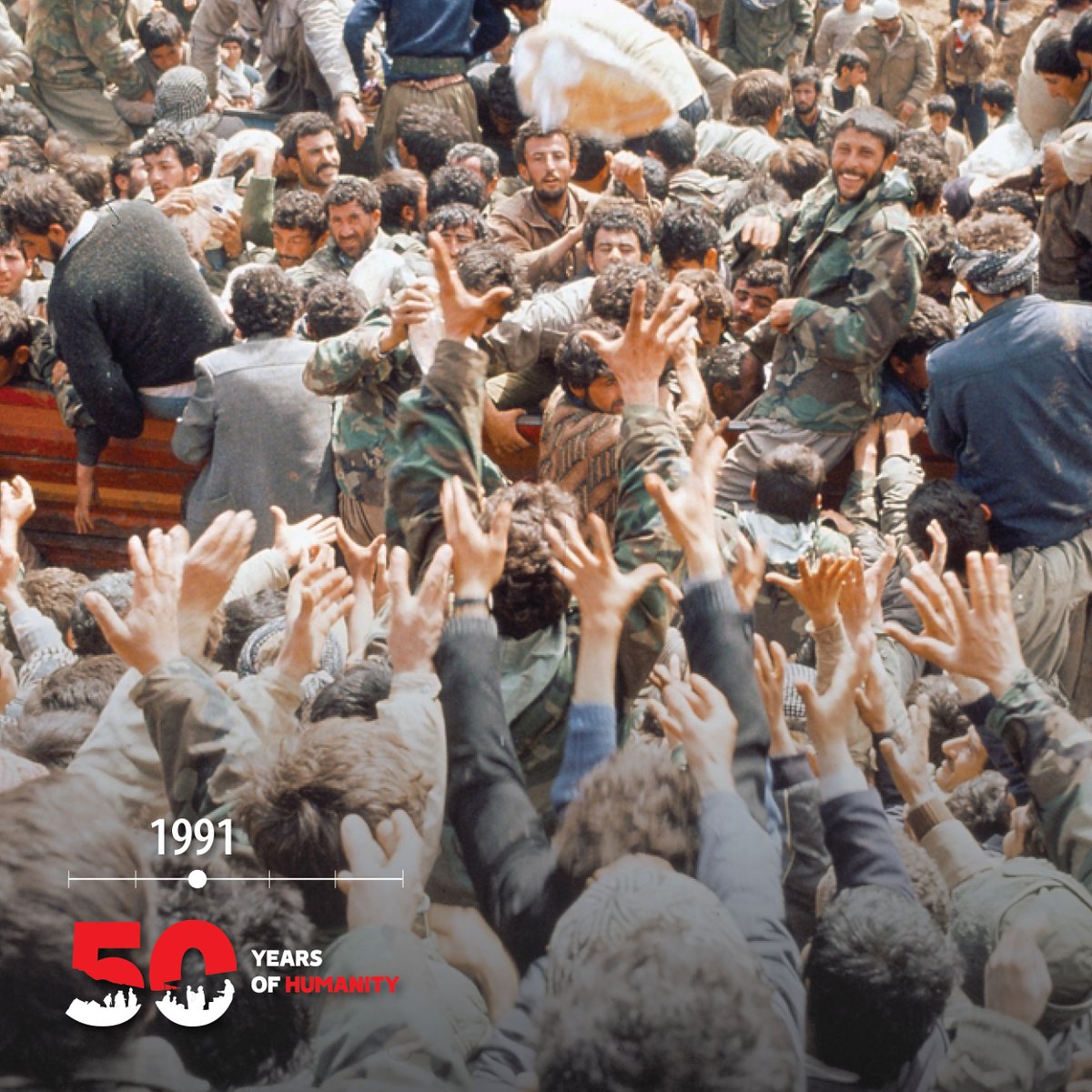
📸1991: We provided care in Turkey, Iran & Jordan to Kurdish refugees displaced by the Gulf War. With 57 special planes, 2,000 tonnes of equipment & 150 volunteers to assist 550,000 refugees hiding in the mountains, this was one of MSF’s largest emergency relief projects to date.
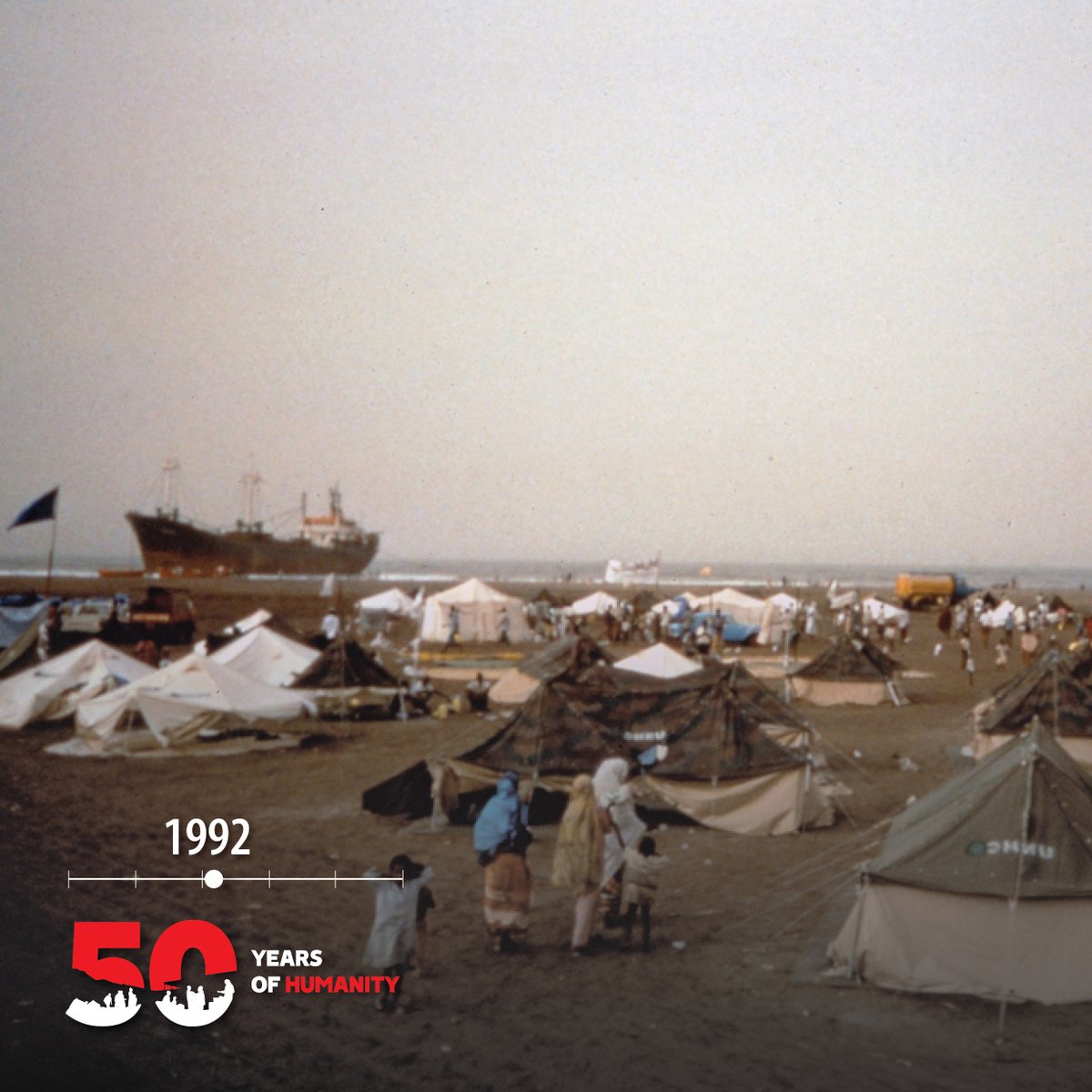
📸1992: With the hostilities in Somalia ongoing, the number of new refugee arrivals in Yemen steadily increased in early 1992.
Two refugee camps, Hiswa and Medinat El Shaab, were set up to house Somali refugees, with MSF staff managing all health activities.
Two refugee camps, Hiswa and Medinat El Shaab, were set up to house Somali refugees, with MSF staff managing all health activities.
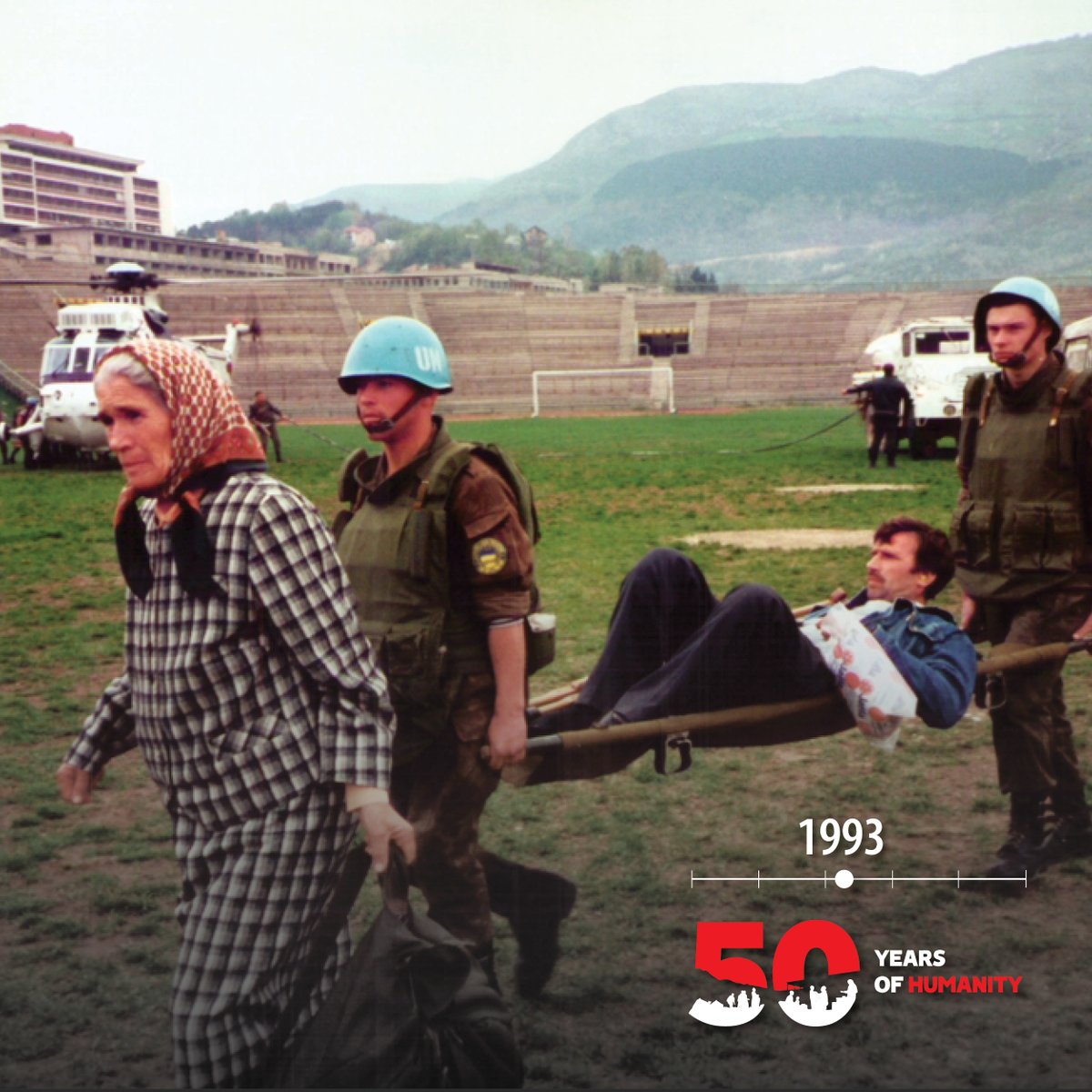
📸1993: In Dec 1992 MSF published a report denouncing the Bosnian Serb policy of ethnic cleansing and hindering supplies to Srebrenica & Gorazde, two Muslim besieged enclaves.
By mid-1993 MSF teams were providing medical & surgical assistance in these enclaves in eastern Bosnia.
By mid-1993 MSF teams were providing medical & surgical assistance in these enclaves in eastern Bosnia.
📸1994: The genocide in Rwanda erupted, with MSF teams witnessing the massacre of both patients and staff. MSF asked the French government to help put a stop to the massacre and appeared at the UN's Human Rights Commission, hoping for member states to bring an end to the genocide
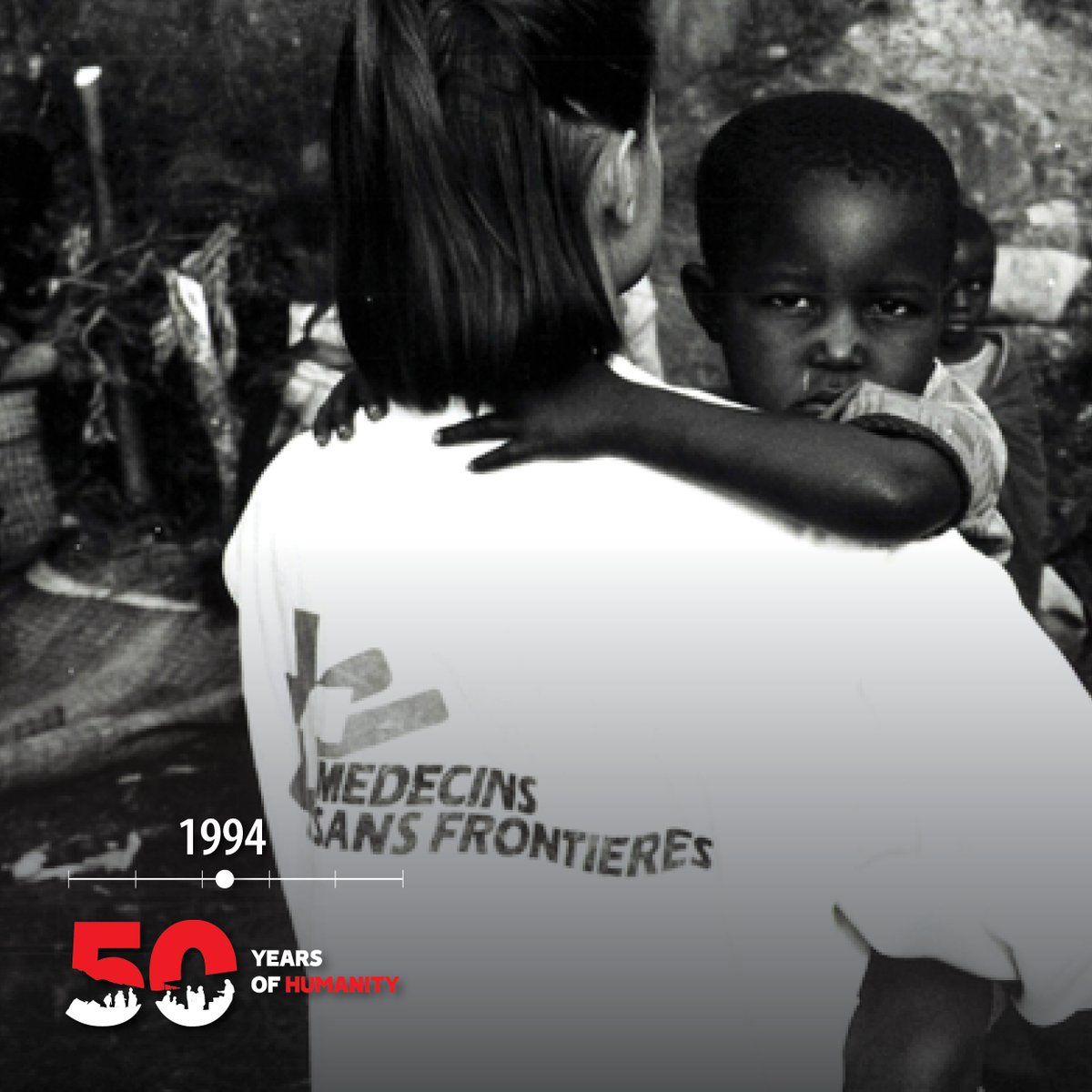
1994 continued: MSF made an unprecedented decision and requested an international military intervention.
Over 1M Rwandan refugees fleeing the violence took refuge in makeshift camps in DR Congo. Within days, MSF had set up one of our largest cholera programs to date.
Over 1M Rwandan refugees fleeing the violence took refuge in makeshift camps in DR Congo. Within days, MSF had set up one of our largest cholera programs to date.
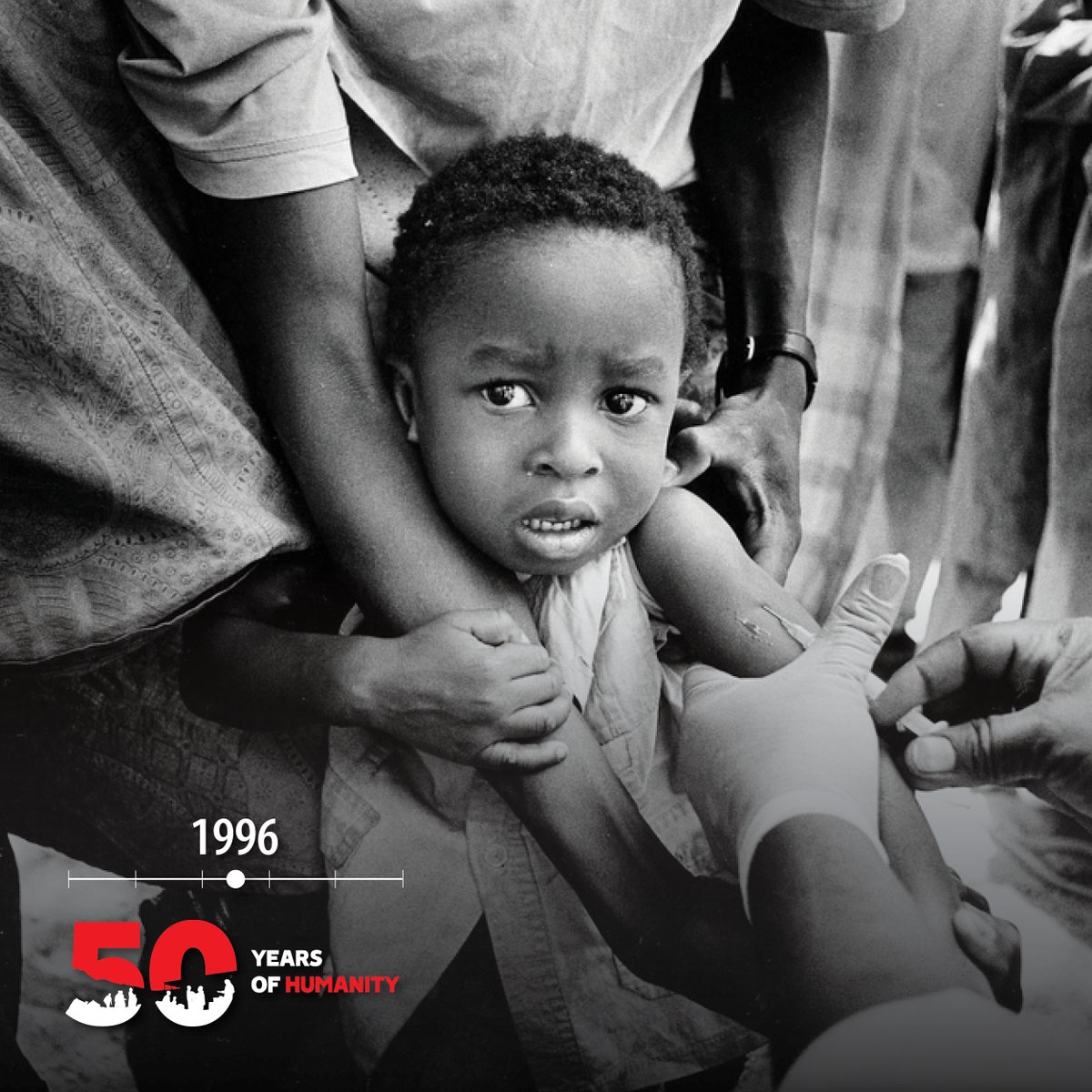
📸1996: In January, a meningitis epidemic broke out in northern Nigeria, spreading rapidly and killing 1,650 people in less than two months. MSF launched a massive meningitis vaccination and treatment program in response, reaching more than 4.5 million people.
Stay tuned tomorrow as we will follow up with Part 2 of this historical review of @MSF's 50 years.
And join us on 22 December to mark #50YearsOfHumanity.
And join us on 22 December to mark #50YearsOfHumanity.
Join us as we journey through history with part two of our photo highlights from the past 50 years of medical humanitarian action ⬇
https://twitter.com/MSF/status/1473358325072941062?s=20
• • •
Missing some Tweet in this thread? You can try to
force a refresh