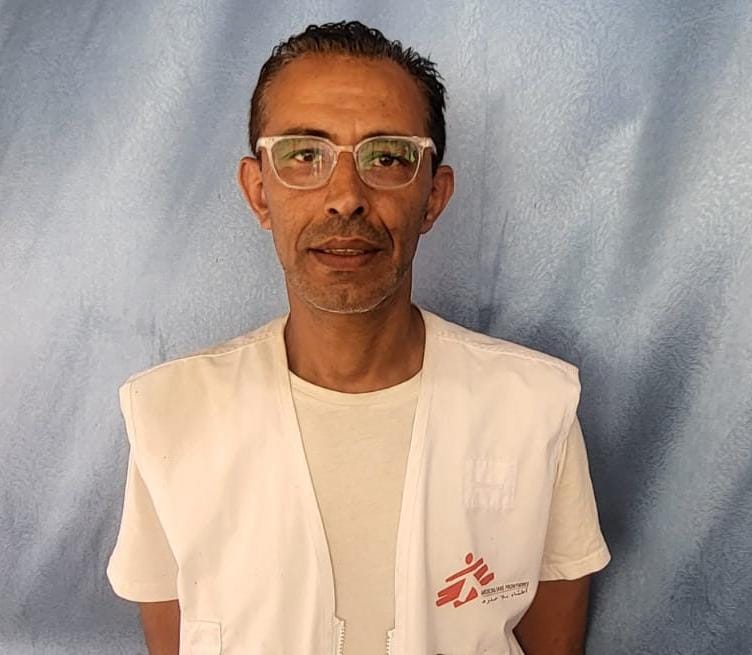
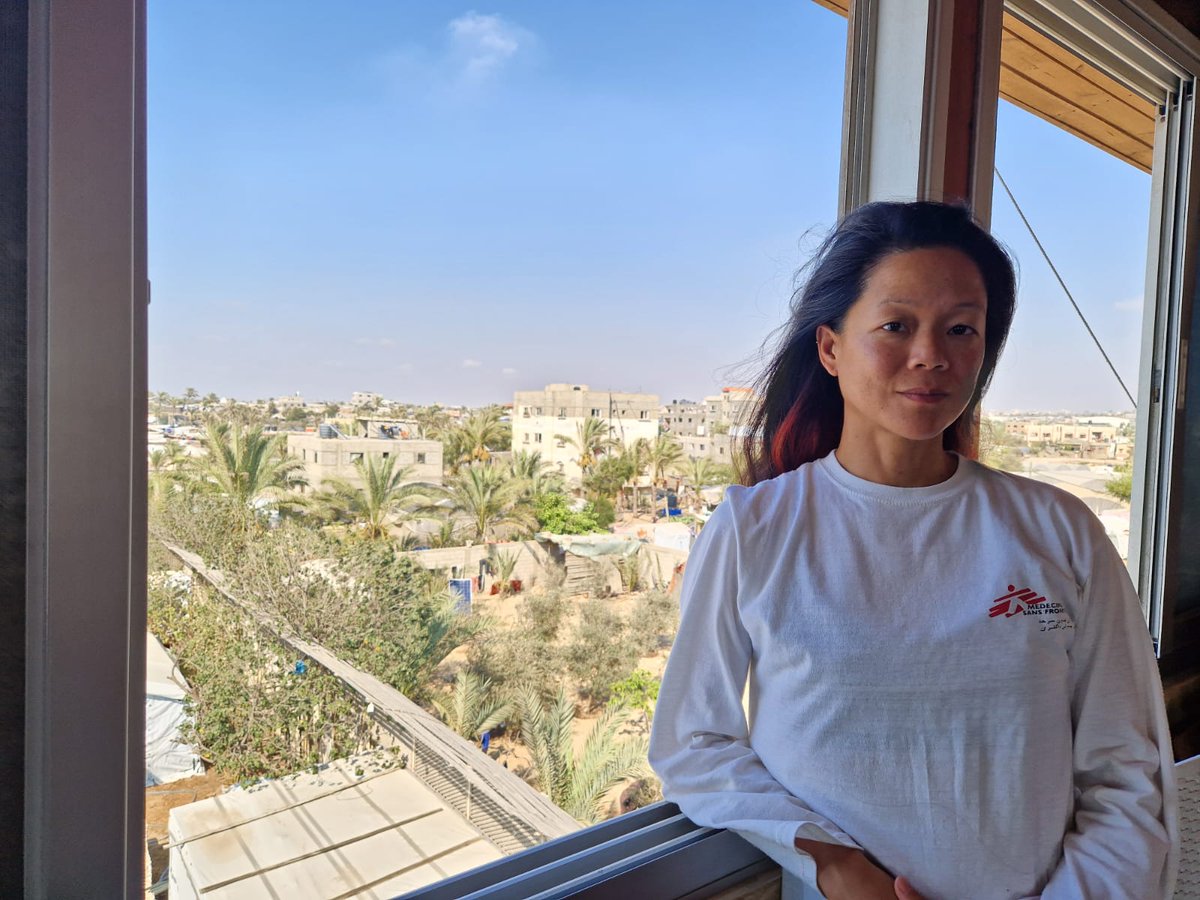
In 1971, @MSF was founded on the belief that all people have the right to medical care regardless of gender, race, religion, creed, or political affiliation, and that the needs of these people outweigh national boundaries.
We're looking back at 50 years of humanitarian assistance, bearing witness, and speaking out.
Join us as we journey through history with this selection of photos. #50YearsOfHumanity
Part 2/2 📸⬇
Join us as we journey through history with this selection of photos. #50YearsOfHumanity
Part 2/2 📸⬇
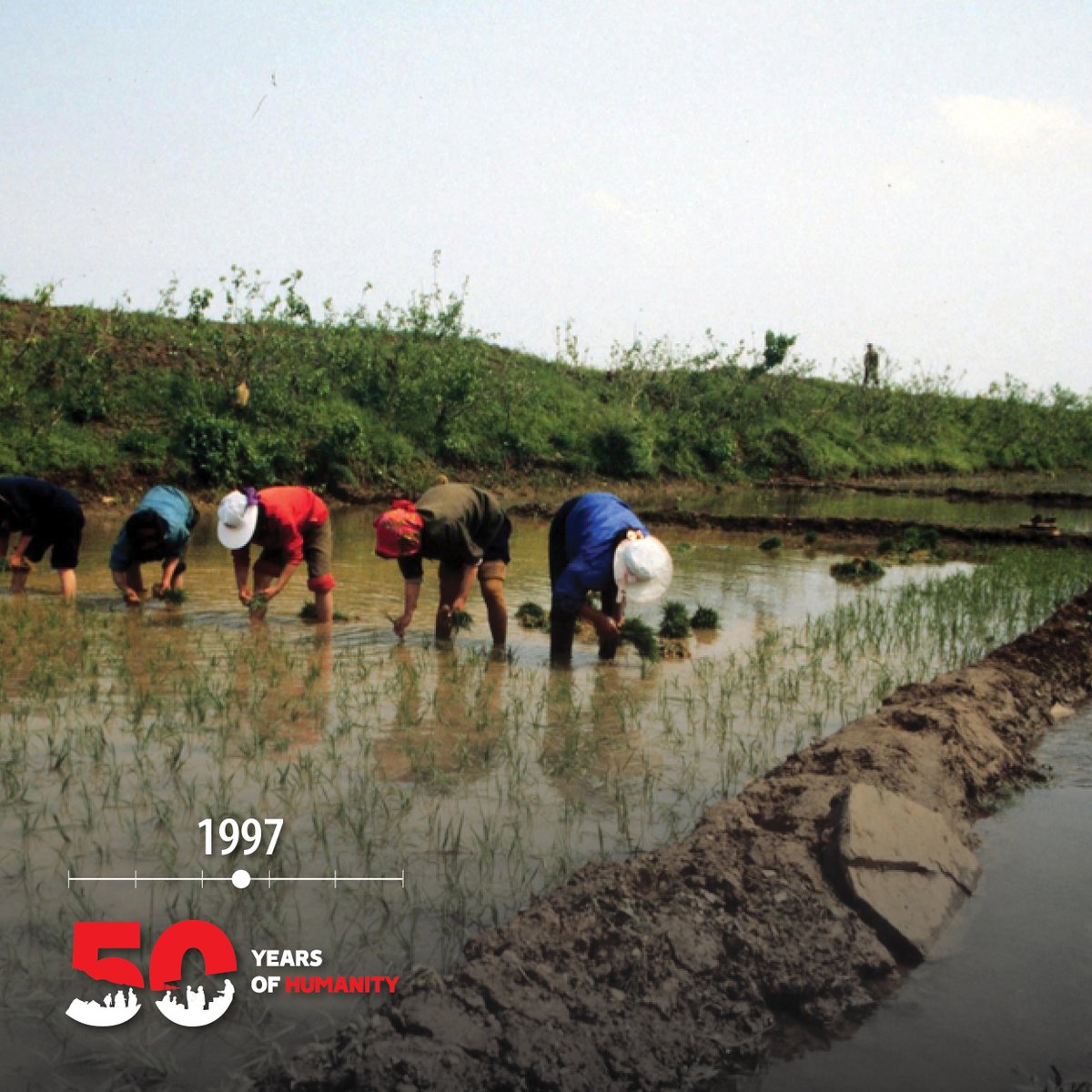
📸1997: In July, MSF became the first foreign aid organisation permitted to visit and respond in northern provinces of North Korea. With crops ruined and the government struggling to supply enough food, many young children were dying of malnutrition. 
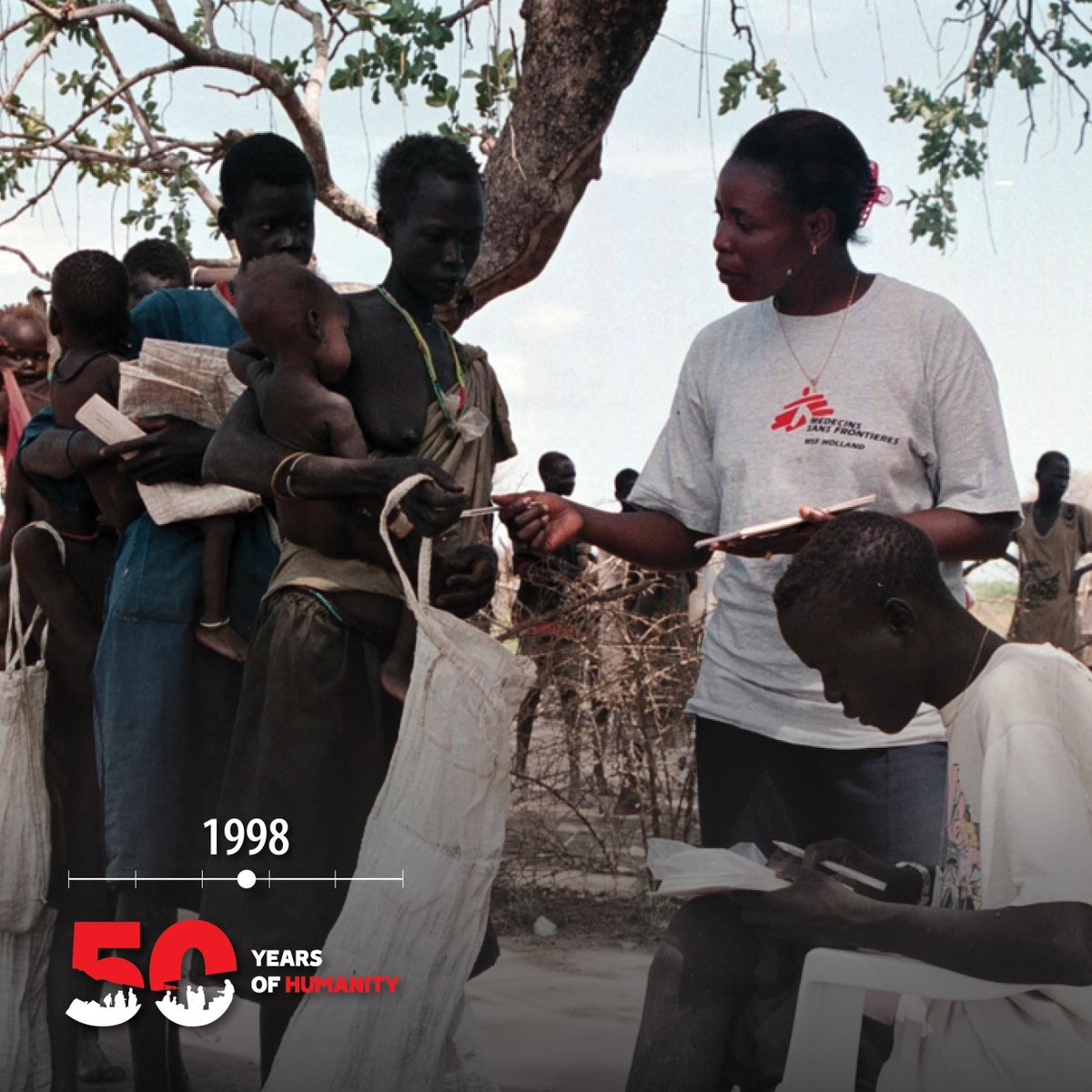
📸1998: While food shortages had been predicted for Sudan this year, the famine's scale was grossly underestimated & humanitarian response inadequate. MSF provided assistance while denouncing the shortcomings of the UN aid system, which missed many of the most vulnerable.
📸1999: MSF is awarded the Nobel Prize for Peace for "pioneering humanitarian work on several continents." James Orbinski , MSF International President from 1998 to 2001, gives the acceptance speech in Norway.
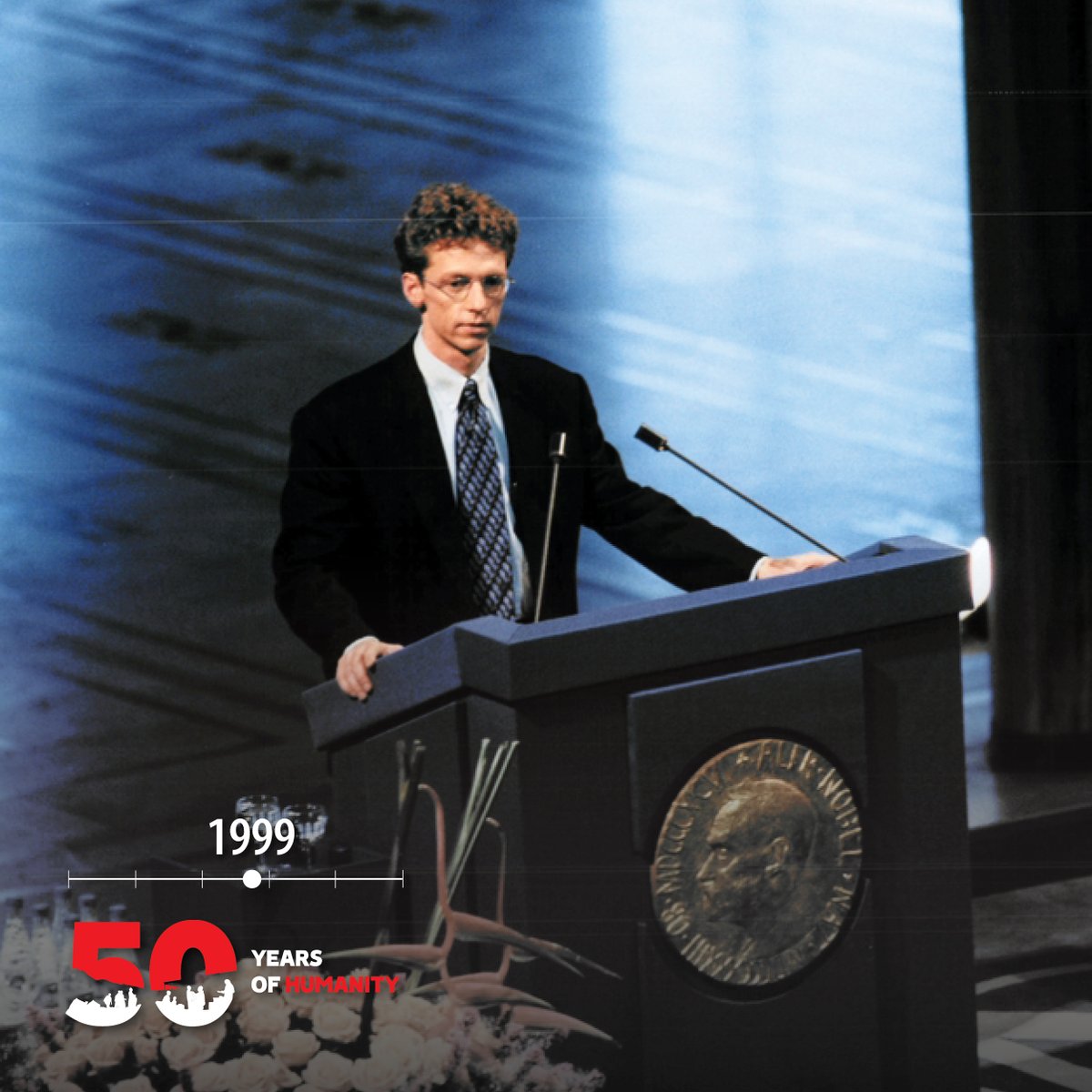
1999 cont'd: "Silence has long been confused w/ neutrality, & has been presented as a necessary condition for humanitarian action (...) @MSF was created in opposition to this assumption.We aren't sure that words can always save lives, but we know that silence can certainly kill."
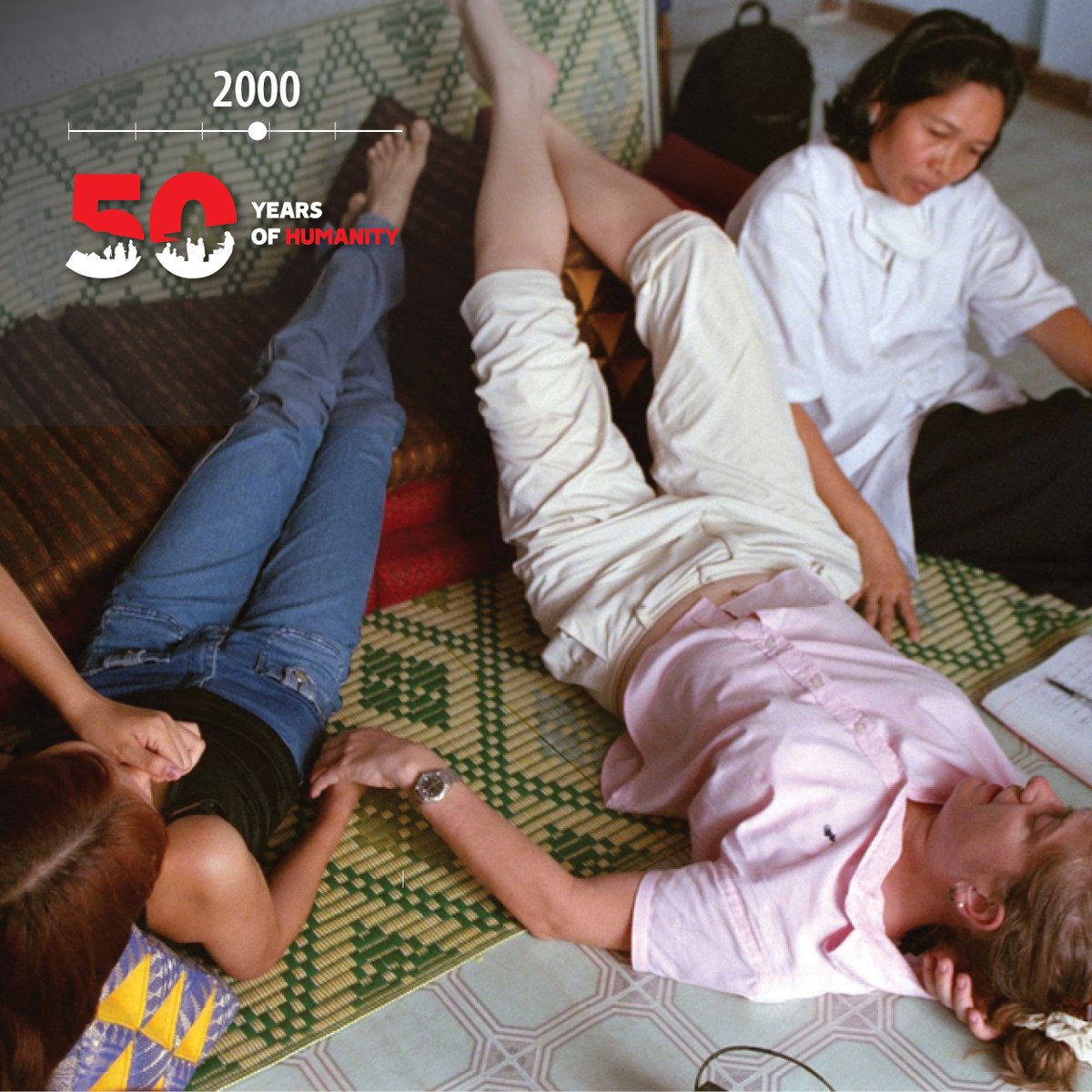
📸2000: The early 2000s saw Cambodia experiencing a serious HIV/AIDS epidemic. Gov't reports indicated less than 3% of those infected had access to antiretroviral (ARV) treatment . To fight the disease, MSF provided ARV treatment in a number of projects across the country.
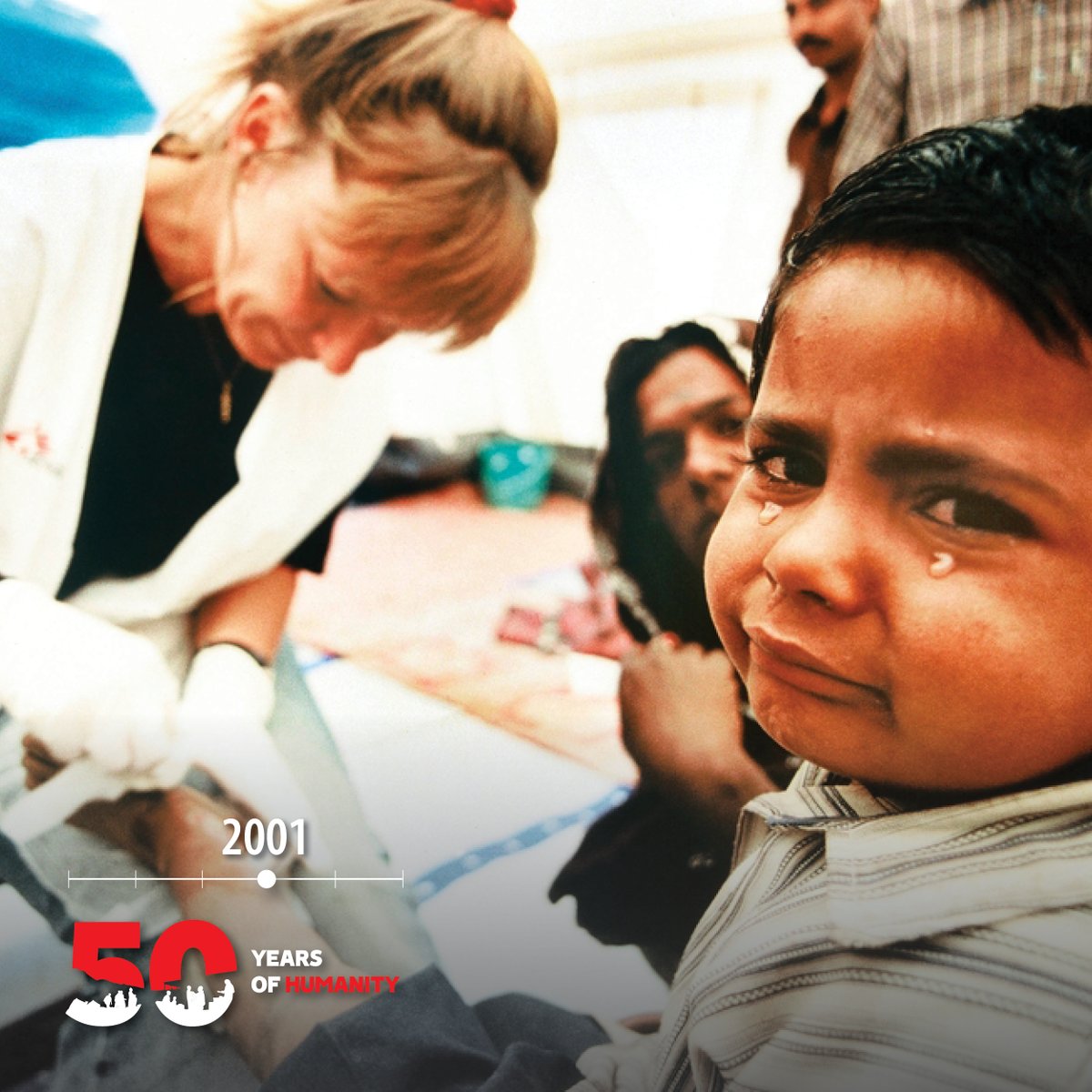
📸2001: On 26 Jan, a 7.9 magnitude earthquake hit Gujarat, India. MSF staff were already in the country so we dispatched additional staff and relief supplies and began a two-month emergency intervention with efforts focused on caring for survivors and providing relief items.
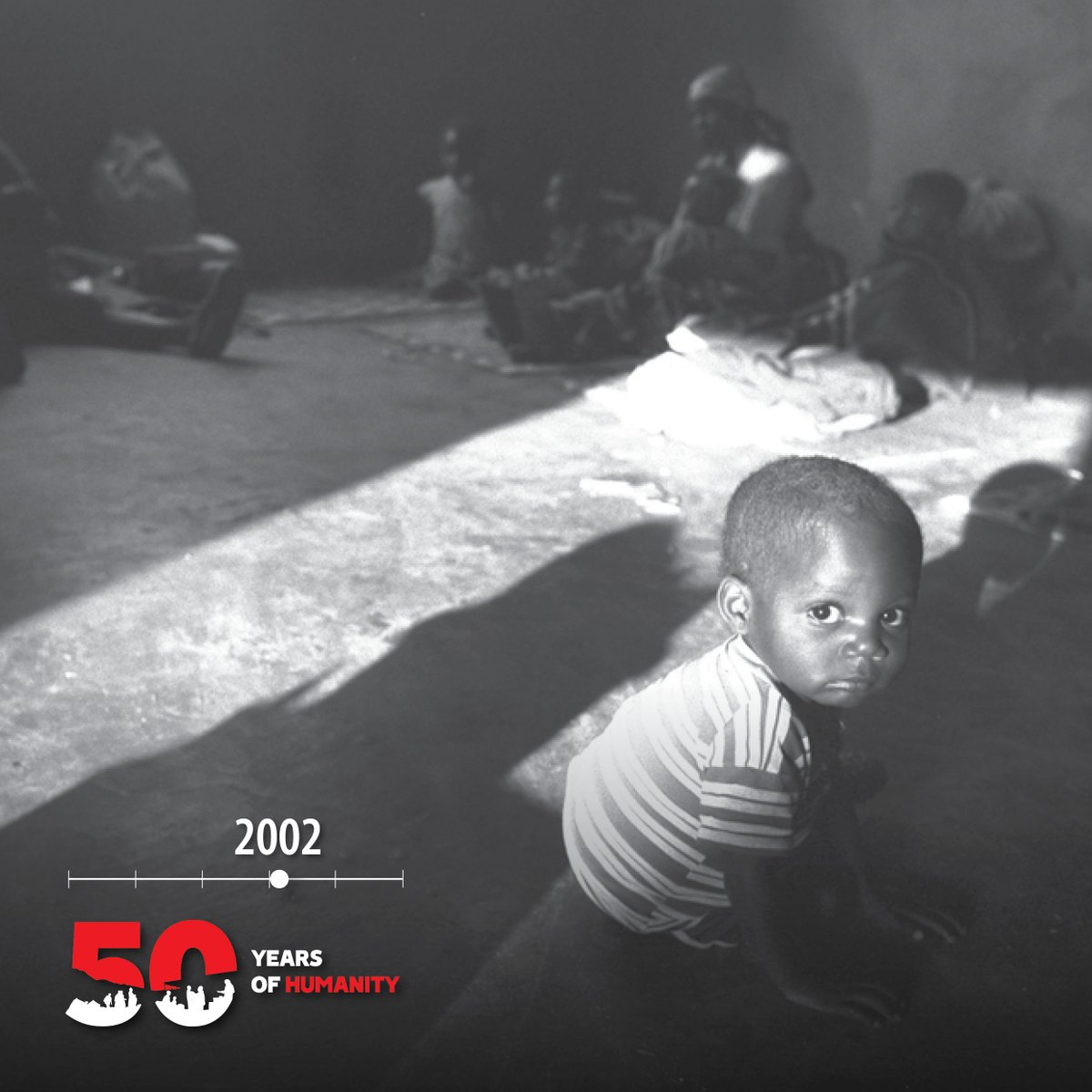
📸2002: In the spring, our teams in Bunjei, Angola, found one in three children were suffering from acute malnutrition. MSF called on other humanitarian orgs, donors & the gov't to respond to the famine. MSF's intervention resulted in treatment of 29,000 malnourished children.
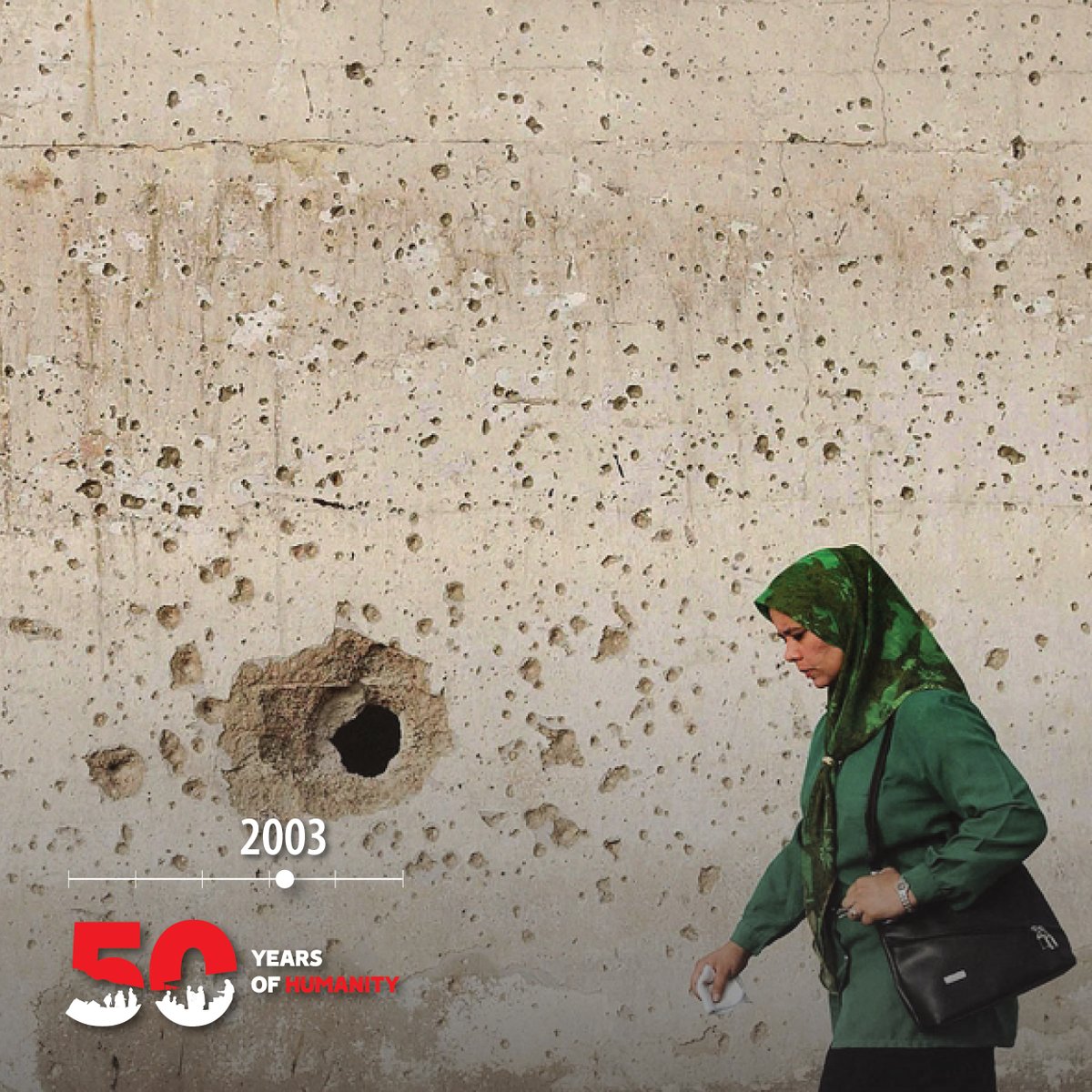
📸2003: A woman walks past a wall full of bullet holes following the US invasion of Iraq.
MSF teams remained in Baghdad during the war and challenged the US government on its failure to provide adequate medical care to civilians.
MSF teams remained in Baghdad during the war and challenged the US government on its failure to provide adequate medical care to civilians.
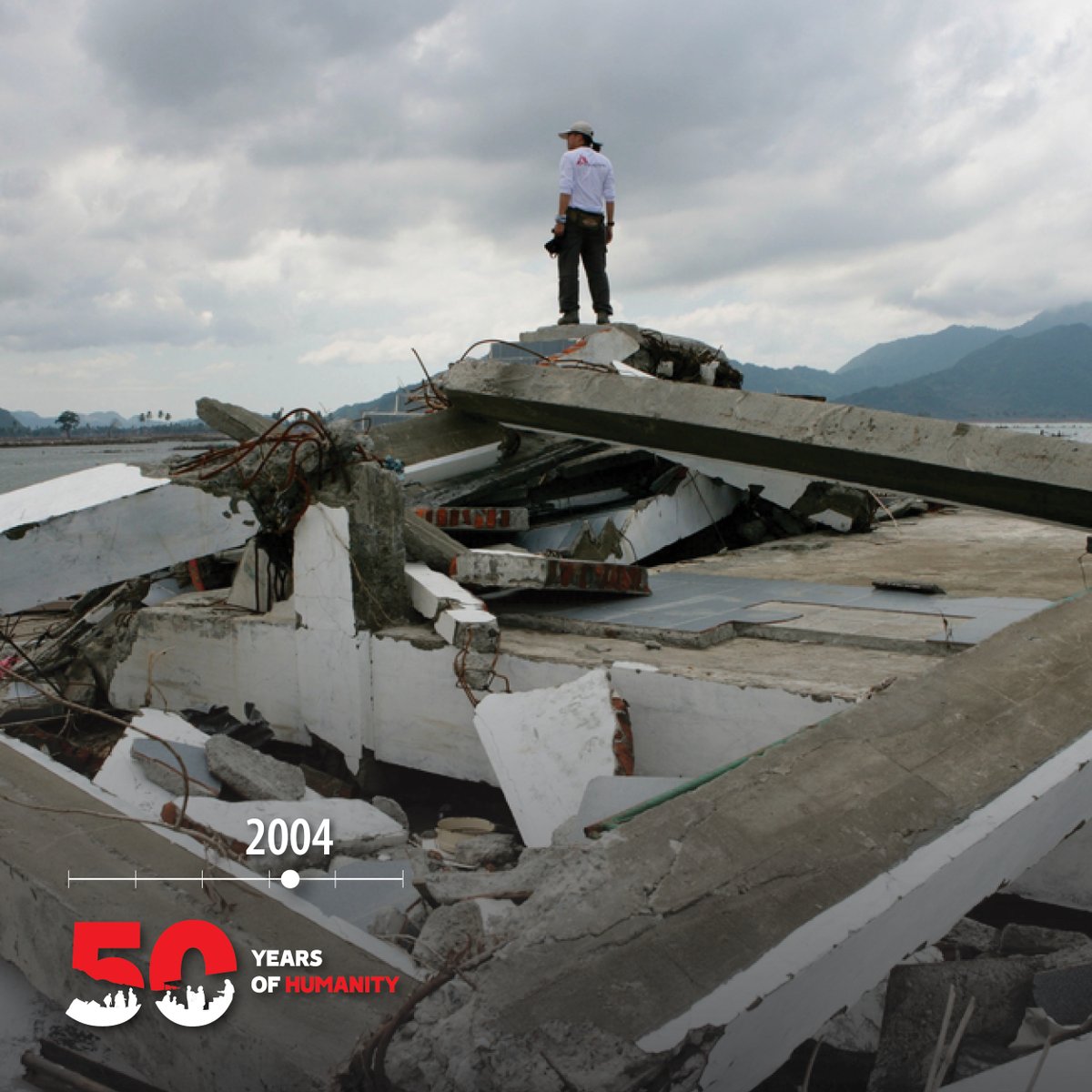
📸2004: The destroyed area of Banda Aceh, Indonesia, following the 26 Dec earthquake & tsunami that struck countries in the Bay of Bengal.
The first MSF team arrived within 72 hours and evaluations were carried out in Indonesia, Malaysia, India, Myanmar, Sri Lanka and Thailand.
The first MSF team arrived within 72 hours and evaluations were carried out in Indonesia, Malaysia, India, Myanmar, Sri Lanka and Thailand.
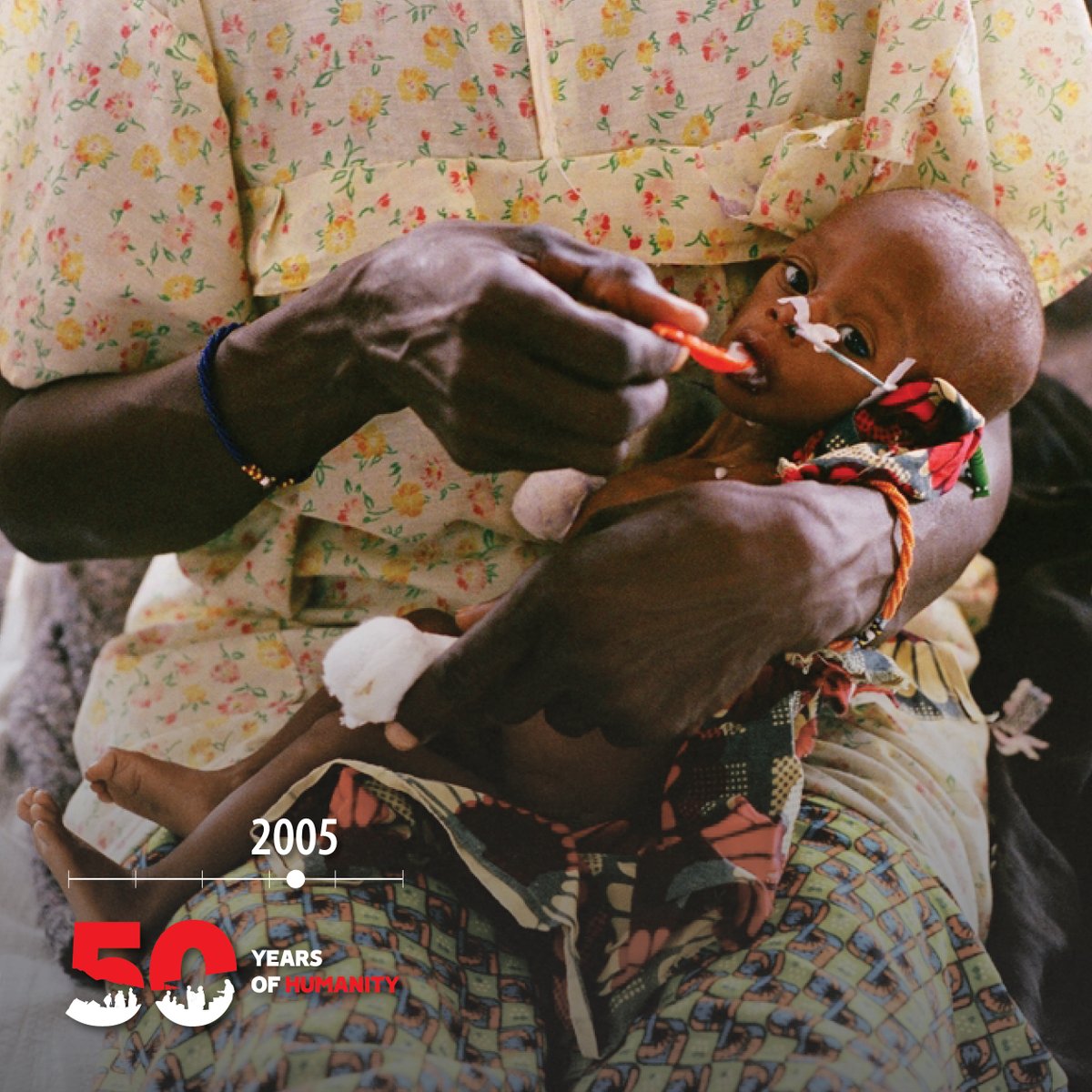
📸2005: MSF responded to the overlooked and neglected malnutrition crisis in Niger, treating 63,000 severely malnourished children with a new therapeutic ready-to-use-food. It was the first time this treatment protocol was used on such a massive scale.
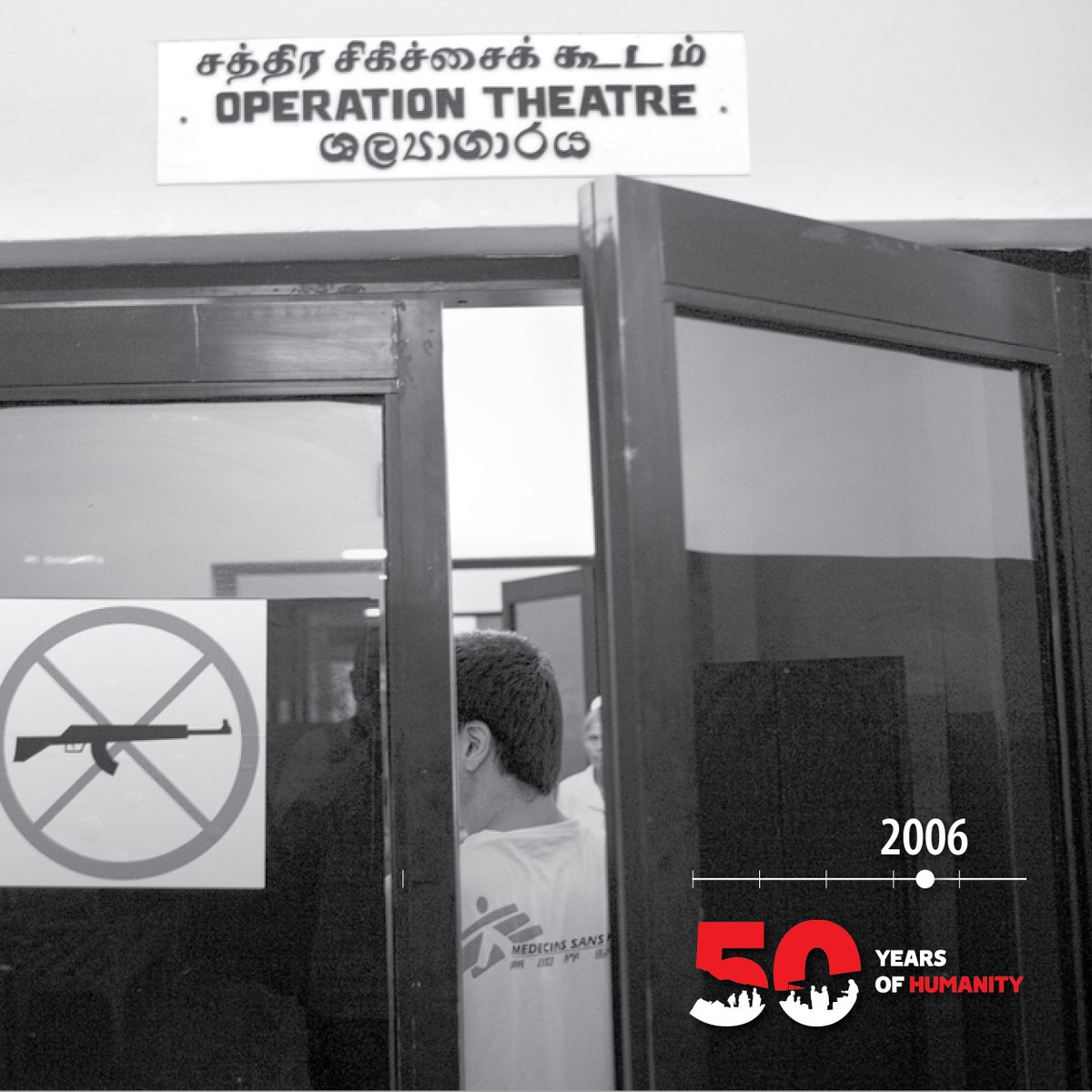
2006: As tens of thousands of people fled renewed fighting in the north of the country, MSF reopened surgical programs in north & central Sri Lanka. Medical staff provided lifesaving care in three surgical programs - all in conflict-affected areas controlled by the government.
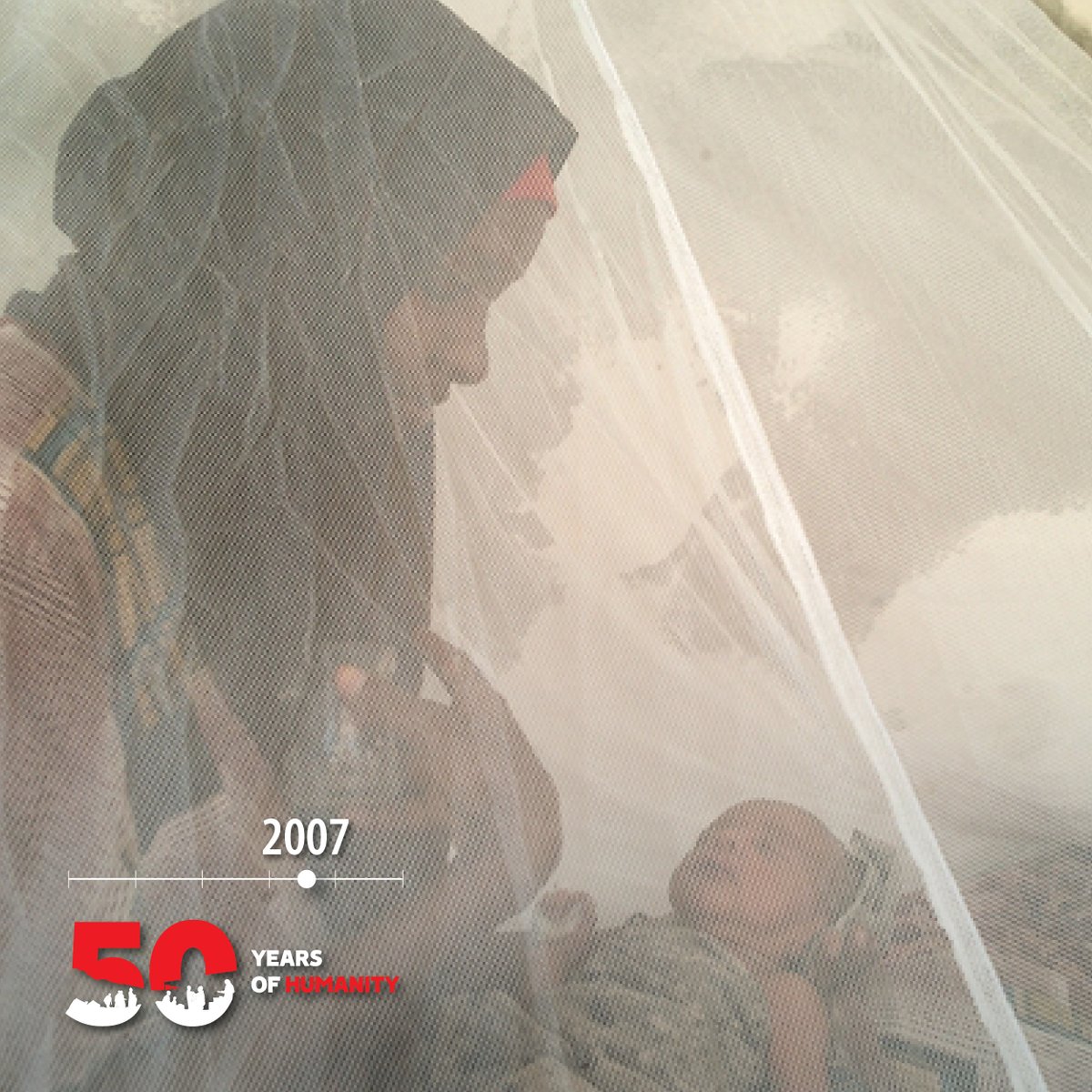
📸2007: As the worst fighting in 15 years erupted in Somalia, hundreds of thousands of civilians fled the capital, Mogadishu. Amid insecurity, MSF set up an emergency surgical program for those displaced. Our teams set up projects for malnourished children in displacement camps.
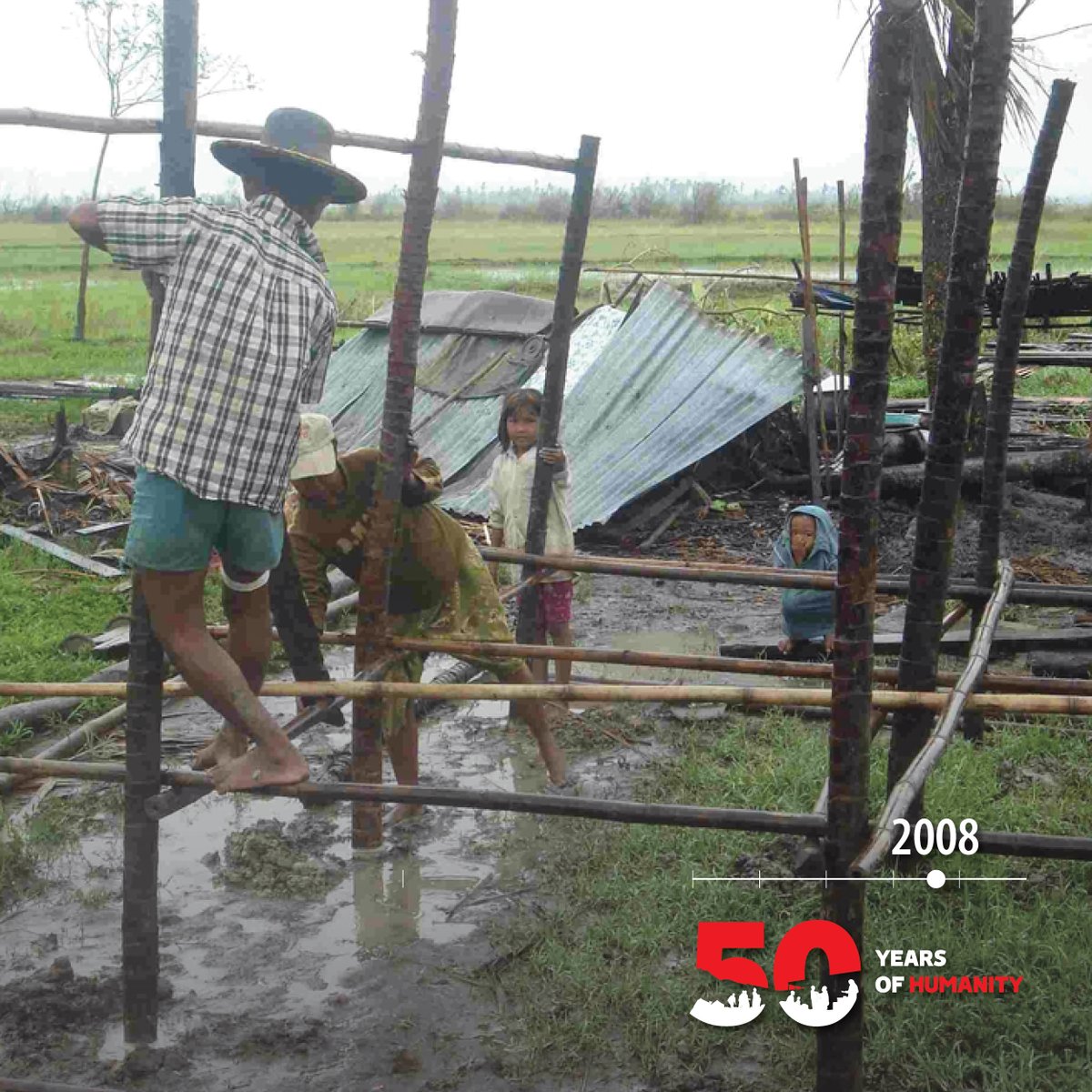
📸2008: The Nargis cyclone killed several thousand people and destroyed homes and essential services in Myanmar.
In heavily hit Bogaley area, MSF staff already working in the country provided assistance to thousands of people displaced, distributing food & medical care.
In heavily hit Bogaley area, MSF staff already working in the country provided assistance to thousands of people displaced, distributing food & medical care.
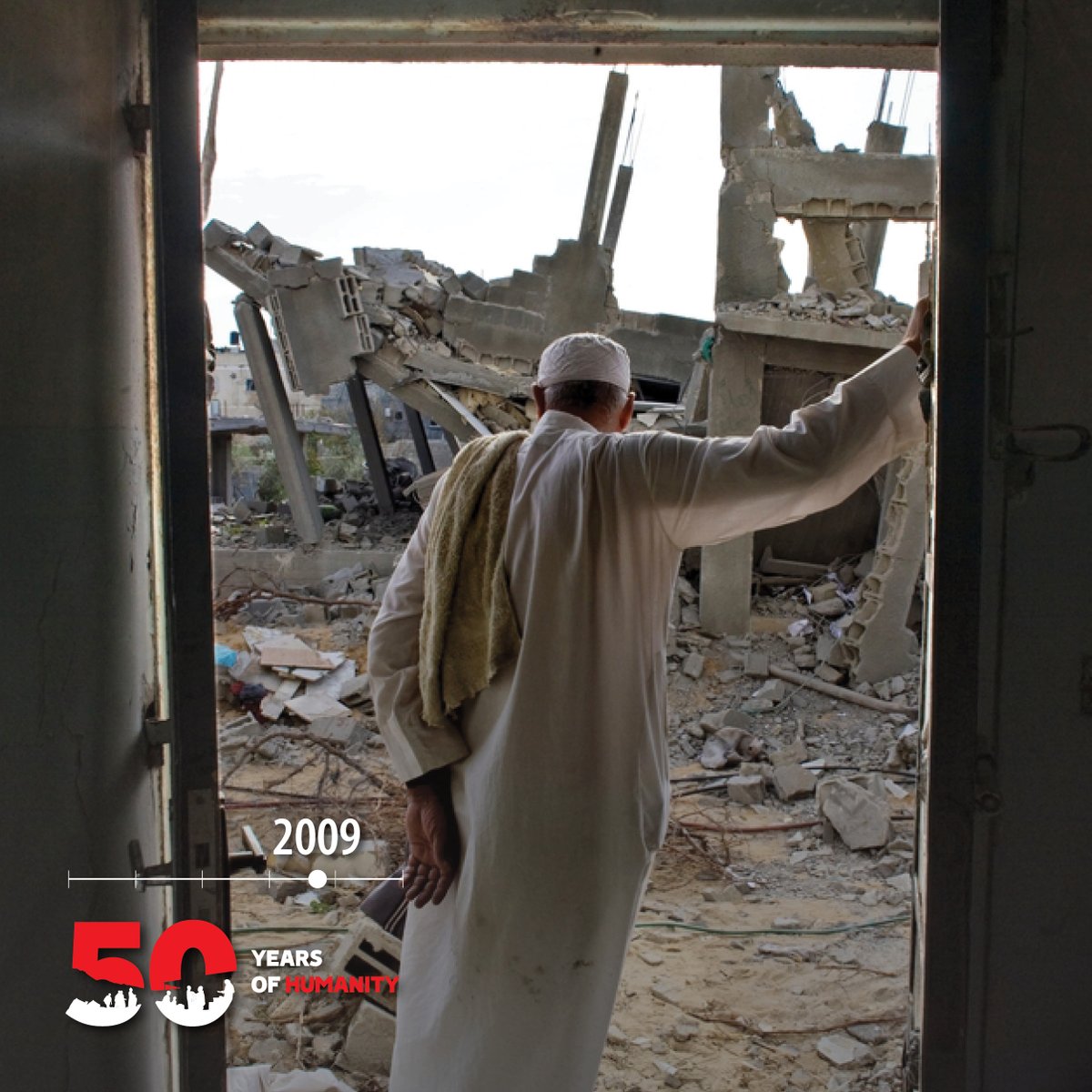
📸2009: After the outbreak of fierce fighting between Israeli army & Hamas north of Gaza city, residents slowly returned to heavily damaged or totally destroyed homes. After a ceasefire was announced, MSF opened a surgical hospital, offering post-operative & psychological care.
📸2010: MSF launched its largest emergency response in history just one day after the earthquake on 12 January. Hundreds of thousands of people were either wounded or dead and millions have lost their homes.
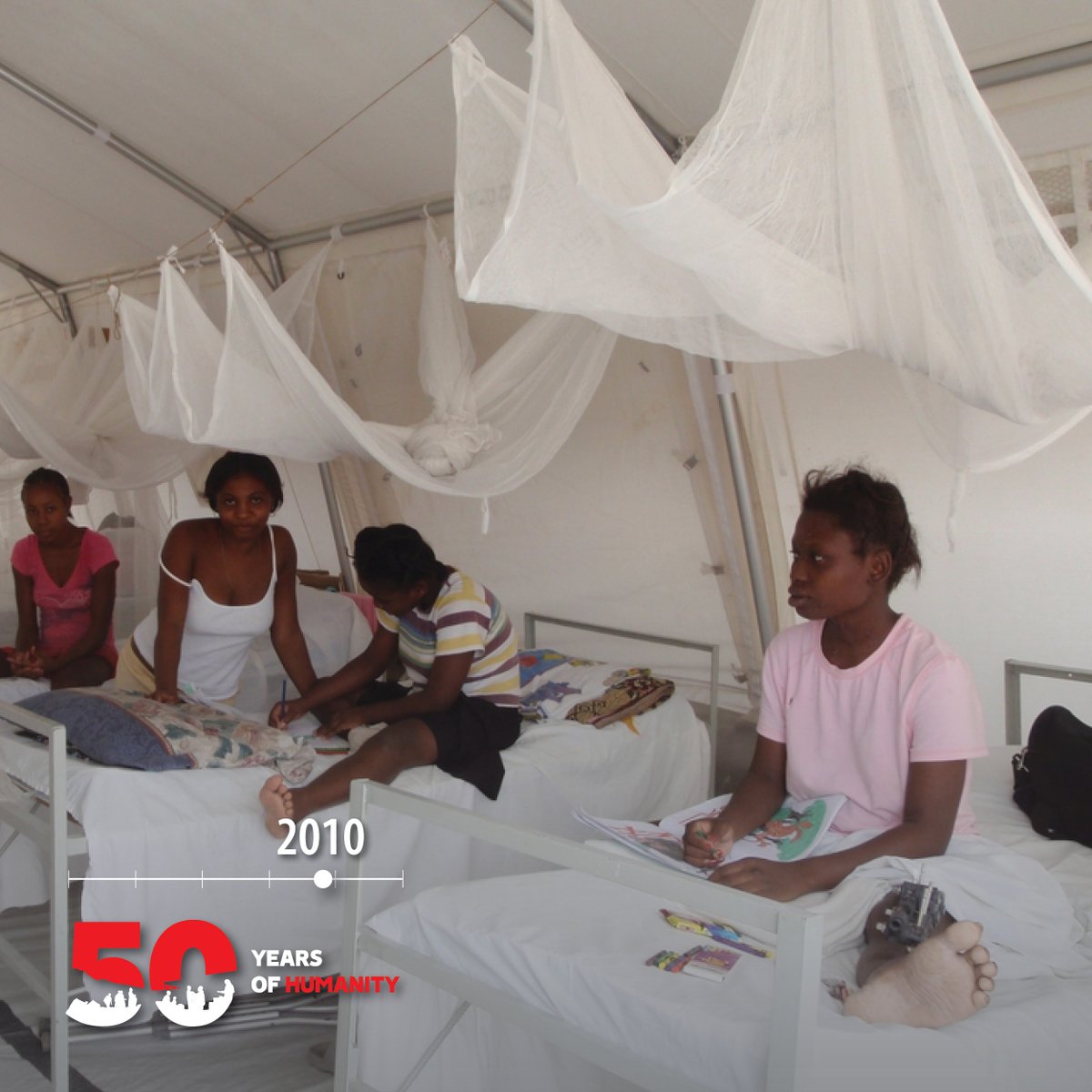
2010 continued: After cholera emerged in October, MSF mobilised hundreds of staff members to respond, opening more than 50 cholera treatment centres across the country, launching widespread public education campaigns, and tending to more than 100,000 patients.
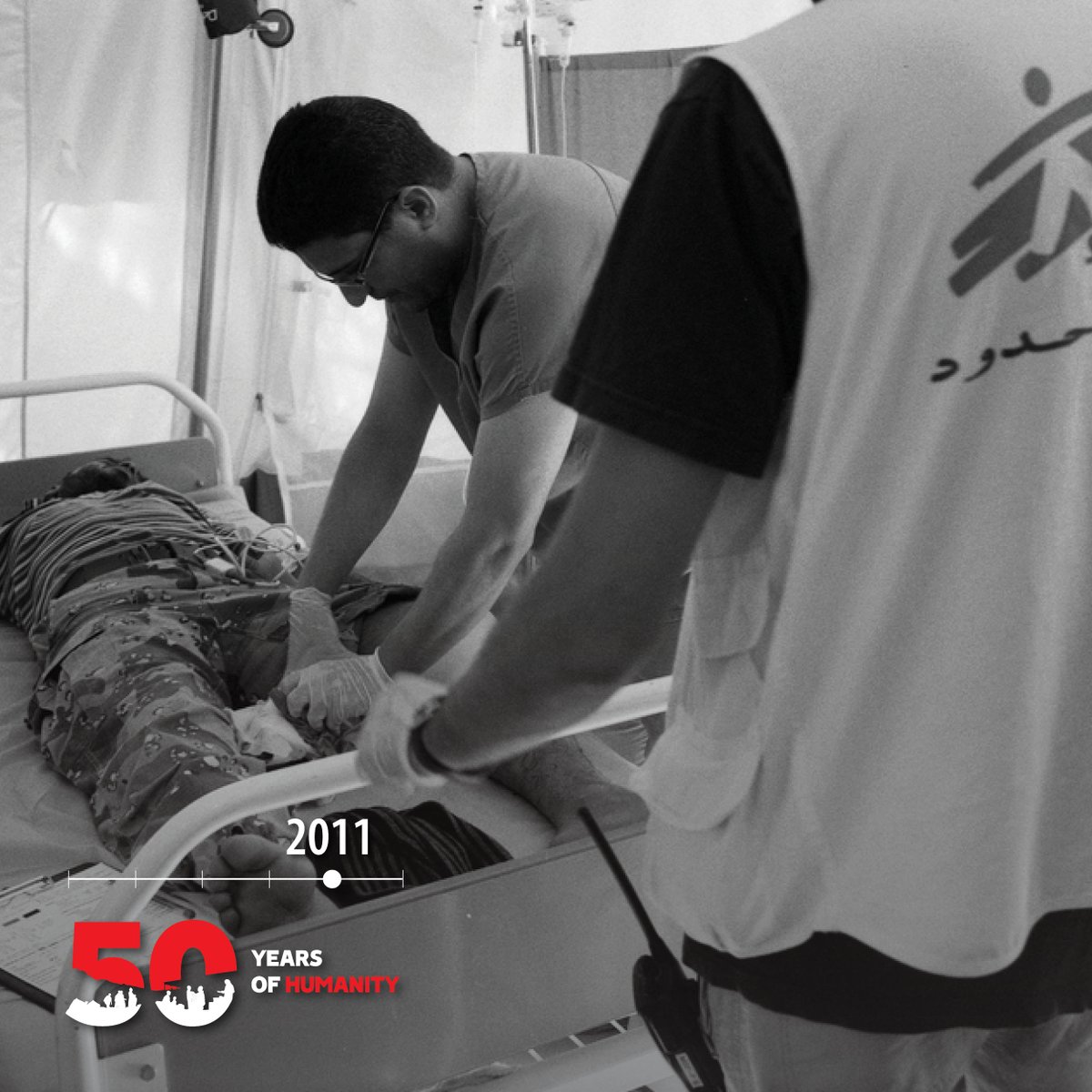
📸2011: MSF delivered medicines and medical supplies to Sirte, Libya, at the heart of the conflict of the Libyan Civil War.
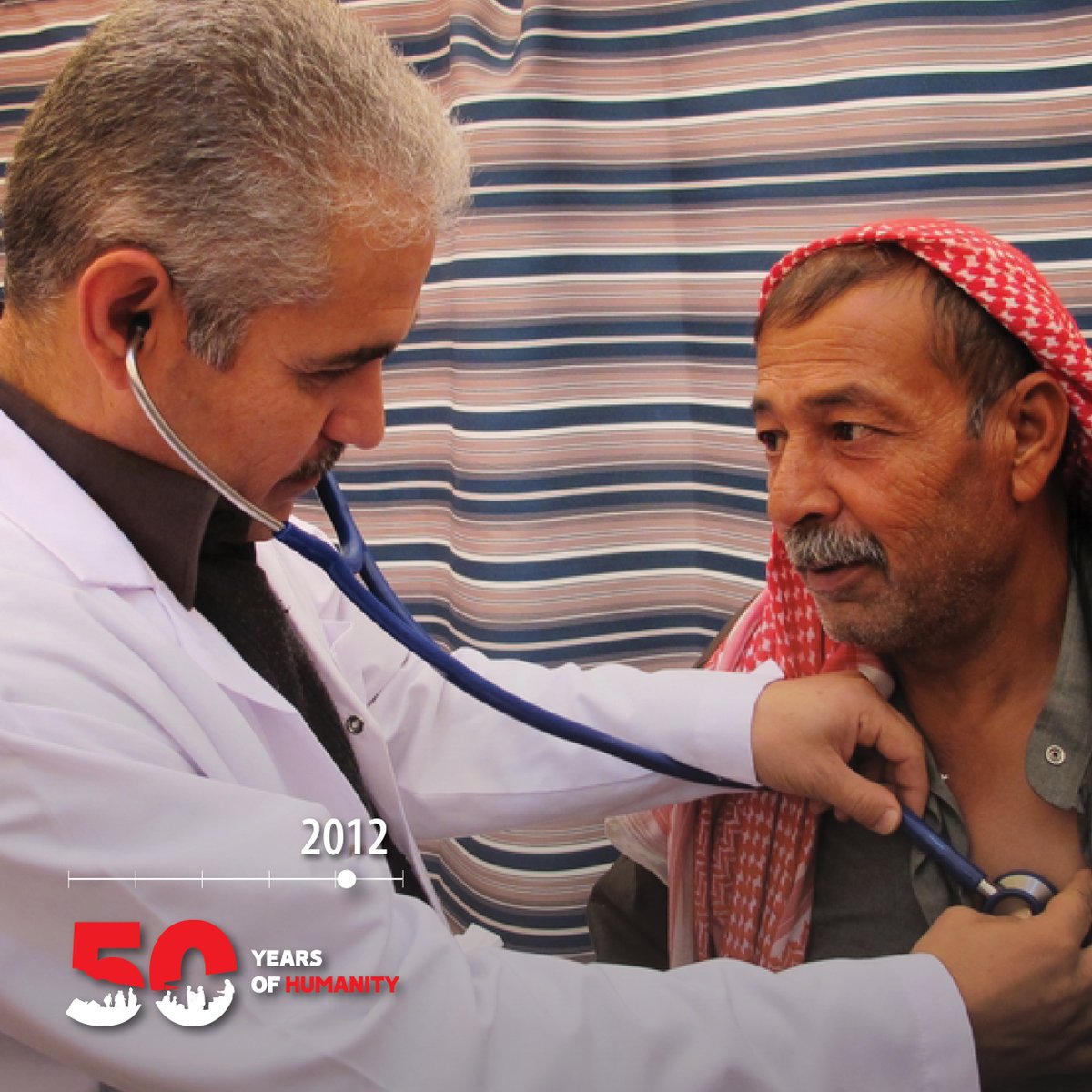
📸2012: In July, MSF began to run medical programs inside Syria, although without authorisation from the Syrian gov't. MSF first set up three field hospitals in the north. One of these, located in a cave, would later be bombed after the MSF team left for a more secure location.
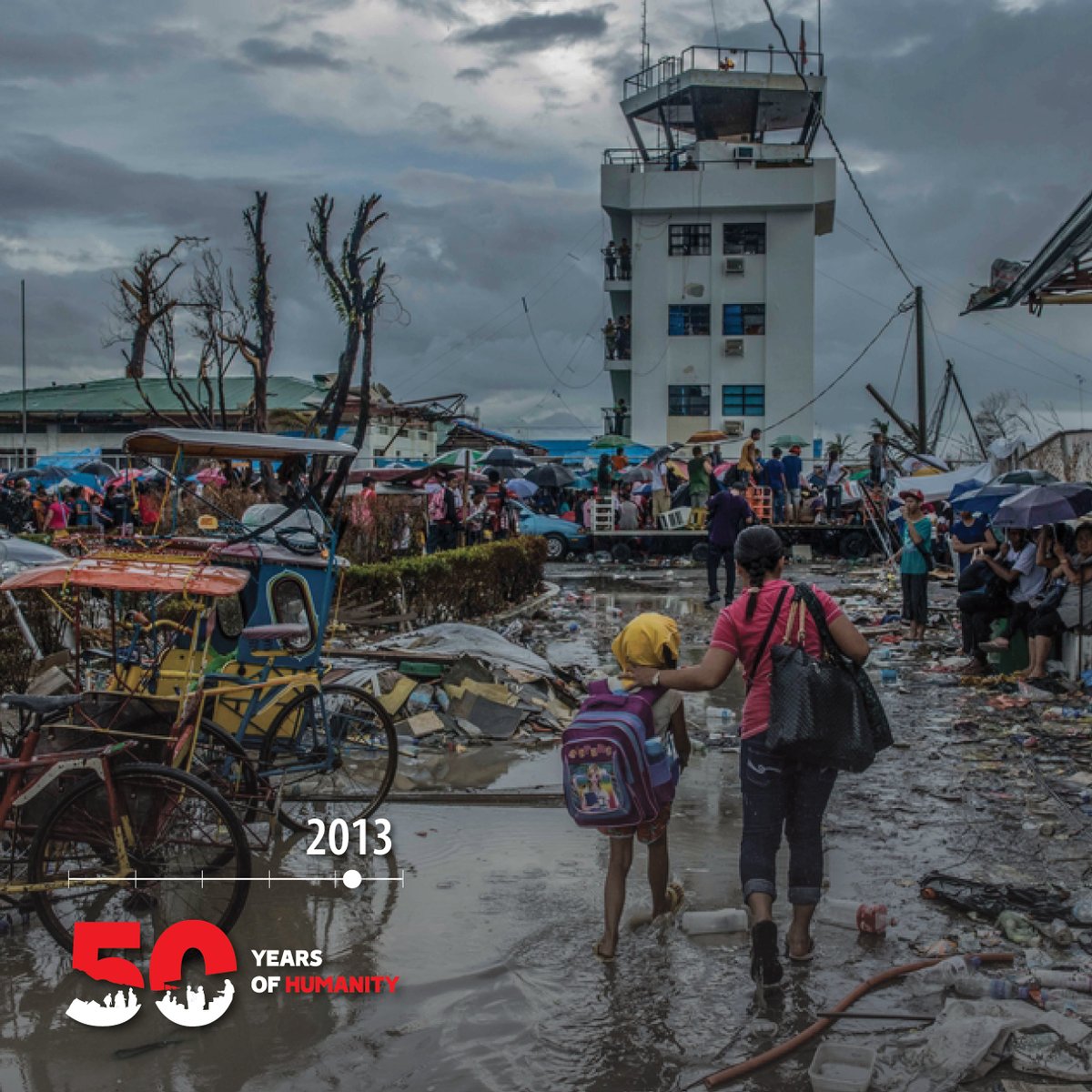
📸2013: MSF responded to Typhoon Haiyan shortly after it made landfall in the Philippines.
We provided care for emergency & everyday health problems in hospitals and mobile clinics, delivered clean water and helped repair sewerage systems and health centres.
We provided care for emergency & everyday health problems in hospitals and mobile clinics, delivered clean water and helped repair sewerage systems and health centres.
📸2014: In March, MSF begins responding in Guinea to an unprecedented Ebola epidemic due to the geographical spread of the virus. By June, MSF declares the second wave as "totally out of control" and calls for a massive influx of resources and reinforcements for West Africa.
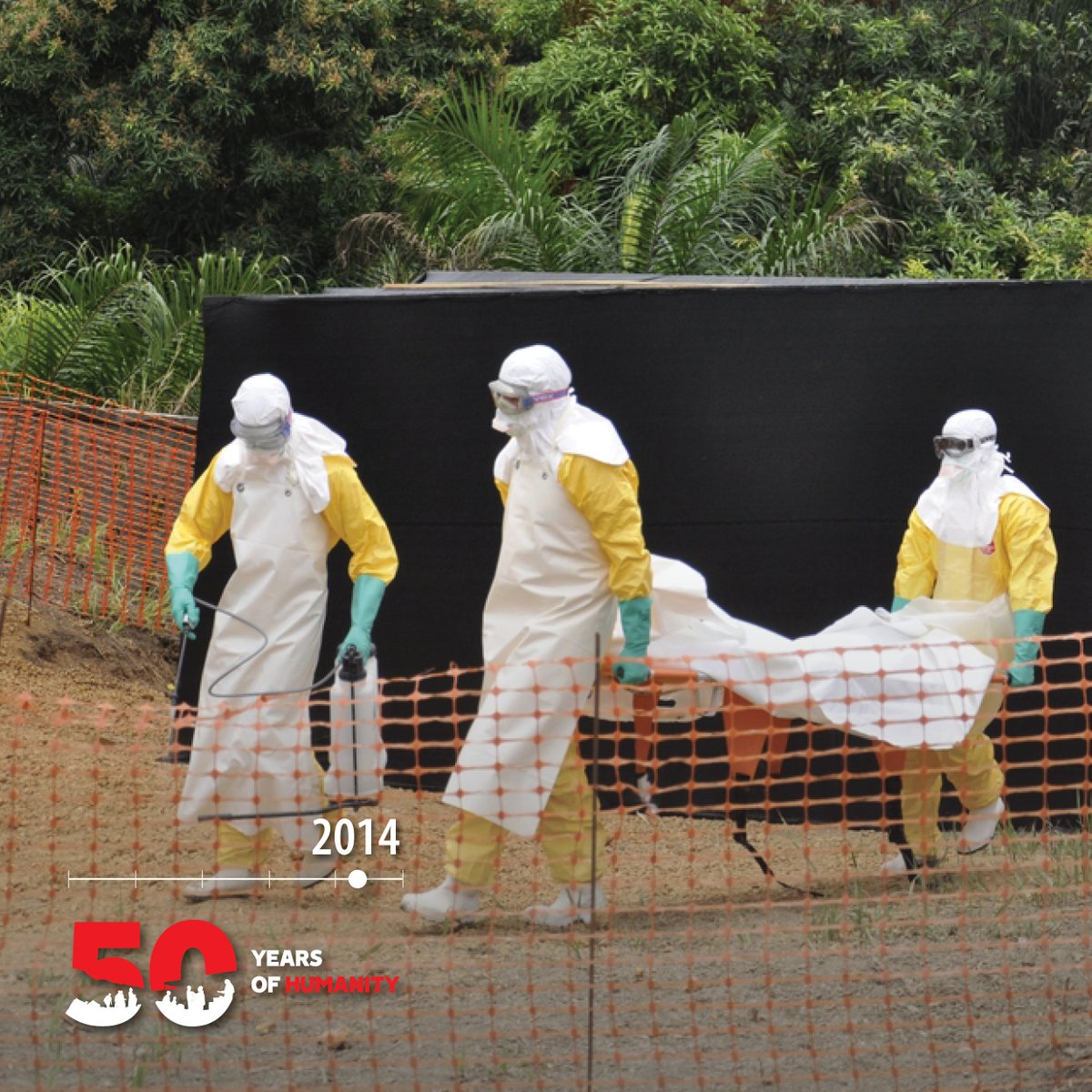
2014 continued: MSF teams go on to open 15 Ebola management and transit centres, caring for more than 5,000 patients. Fourteen MSF staff and hundreds of other health workers lose their lives to Ebola.
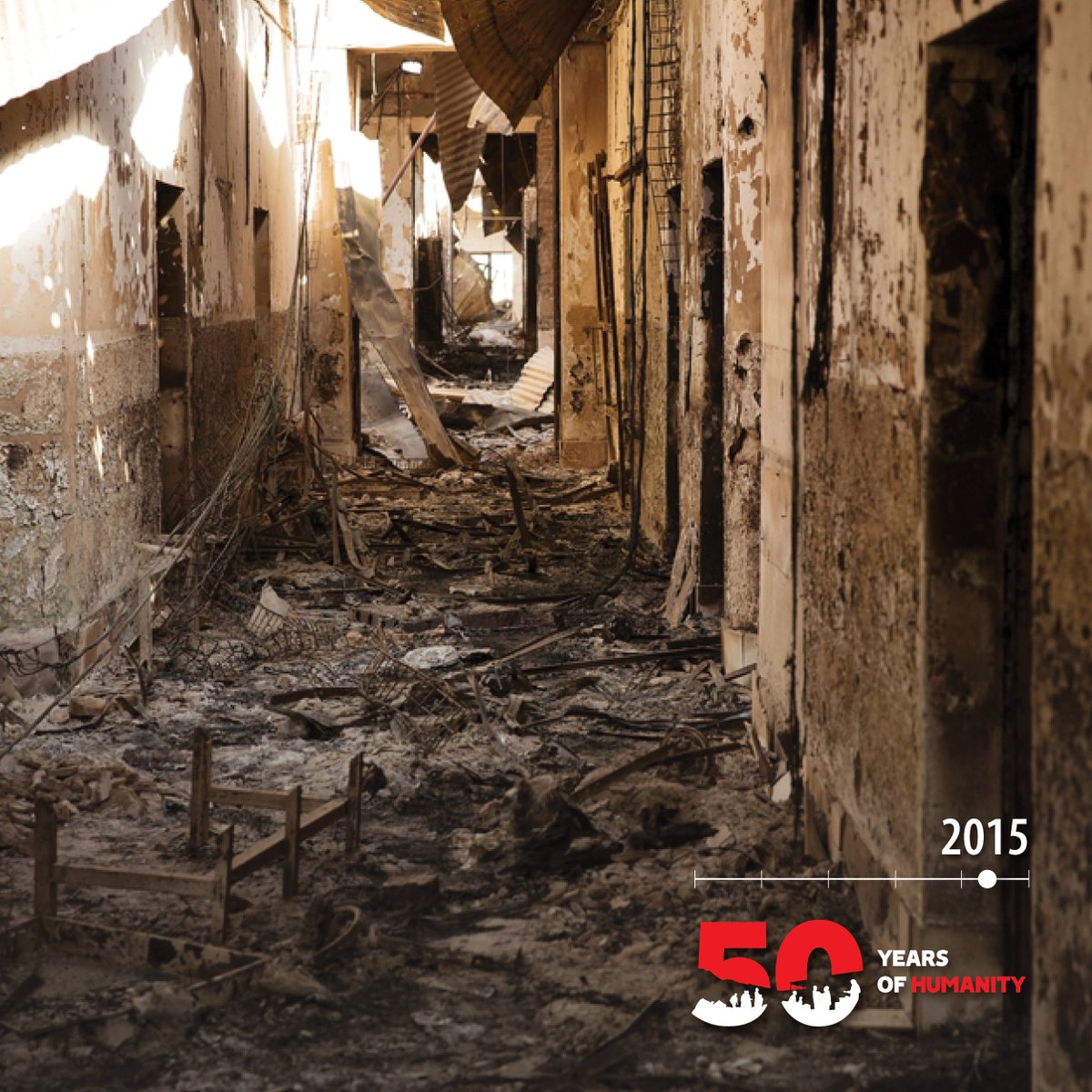
📸2015: The MSF emergency trauma hospital in Kunduz, Afghanistan, was repeatedly bombed by Coalition forces. A sustained US airstrike on 3 October killed 42 people: 24 patients and 14 MSF staff, along with four patient caretakers.
📸2016: As the humanitarian situation deteriorates across the region, with millions of Syrians seeking refuge, MSF supports a growing number of medical facilities in some of the areas worst affected by conflict.
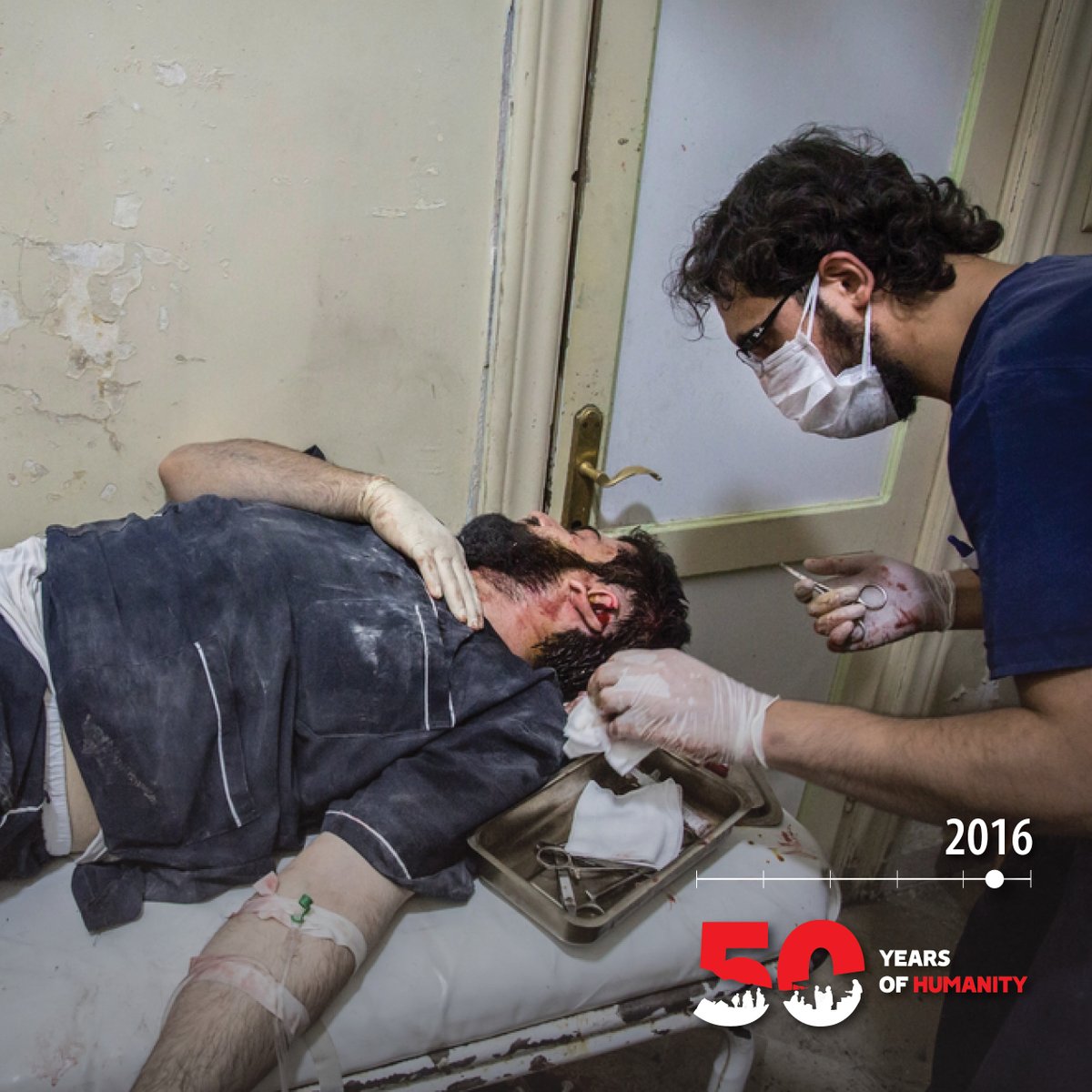
2016 continued: During the armed conflict in Syria, MSF supported networks of Syrian doctors, donated medical and relief items to field hospitals and clinics, and provided care for Syrians crossing into neighbouring countries such as Lebanon and Jordan.
📸2017: In August, attacks by militants on government forces in Myanmar’s Rakhine State sparked a wave of reprisals against the Rohingya community at large. The violence drove more than 660,000 people to flee to Bangladesh.
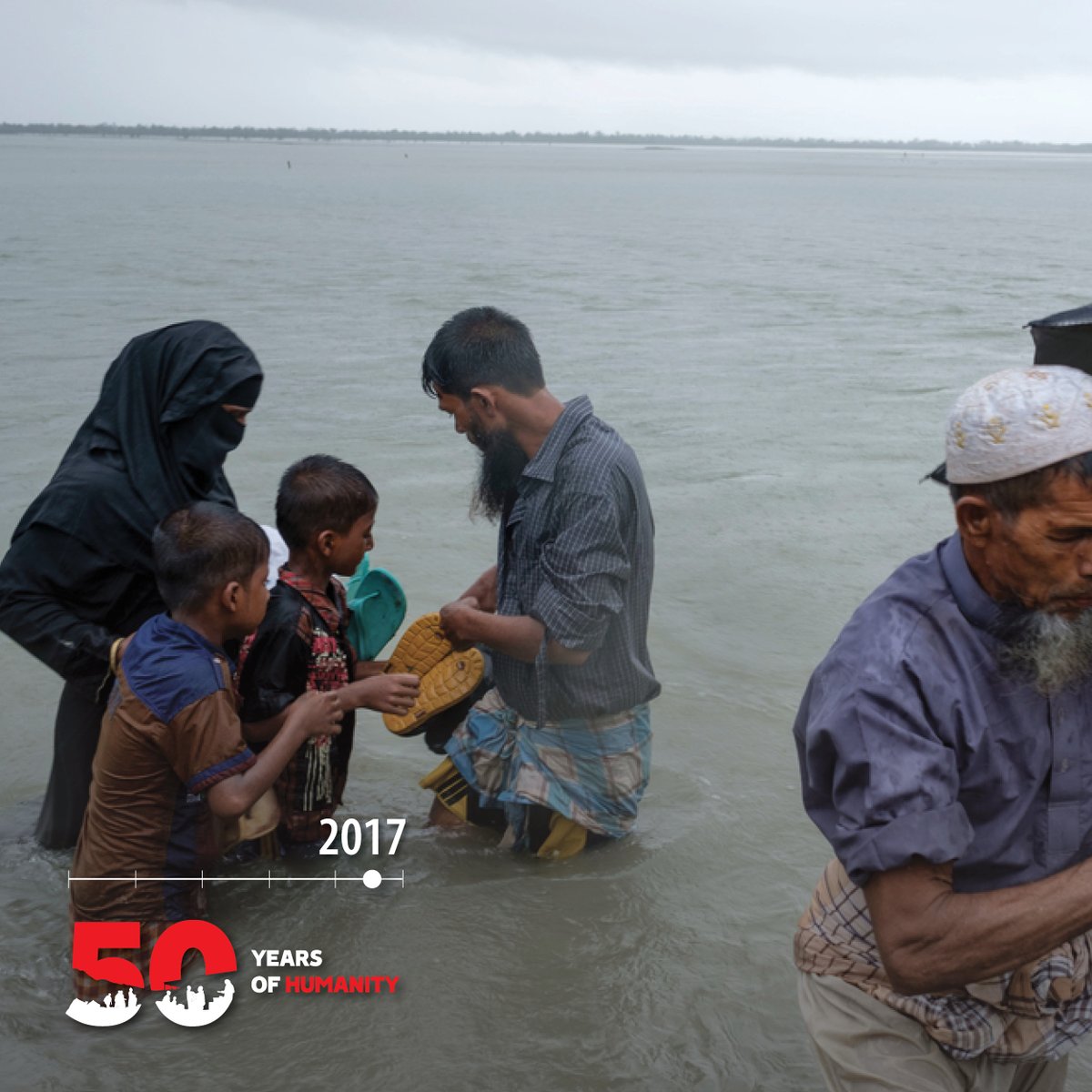
2017 continued: MSF began providing assistance in overpopulated camps. After conducting surveys w/ survivors, a report documenting the scale of violence found that at least 6,700 Rohingya died as a result of violence in the first month of the military’s “clearance operations."
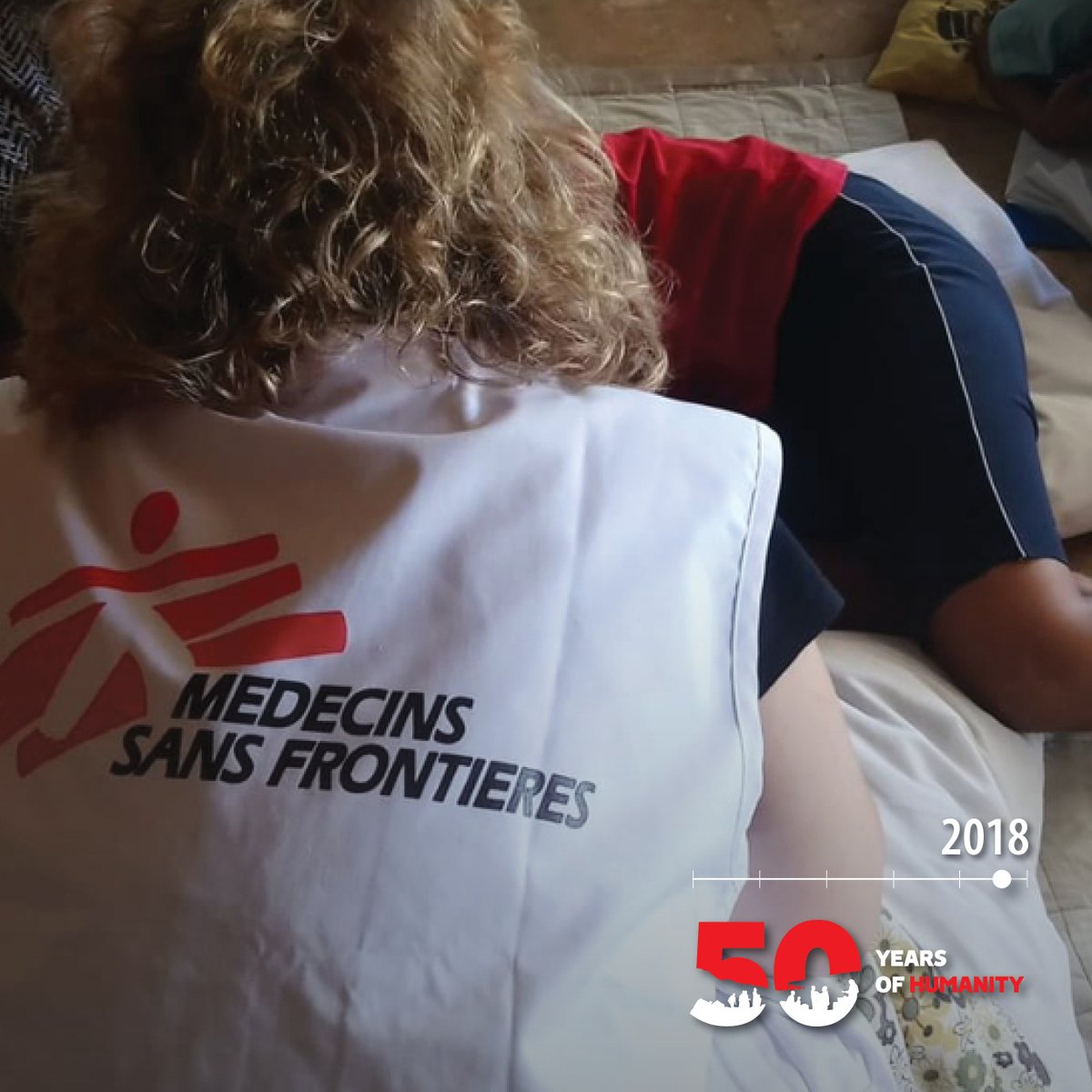
📸2018: Asylum seekers trying to reach Australia by boat are sent offshore for an indefinite period of time while their claim is processed. MSF provides mental healthcare to people held under the policy, witnessing how the system causes severe psychological damage.
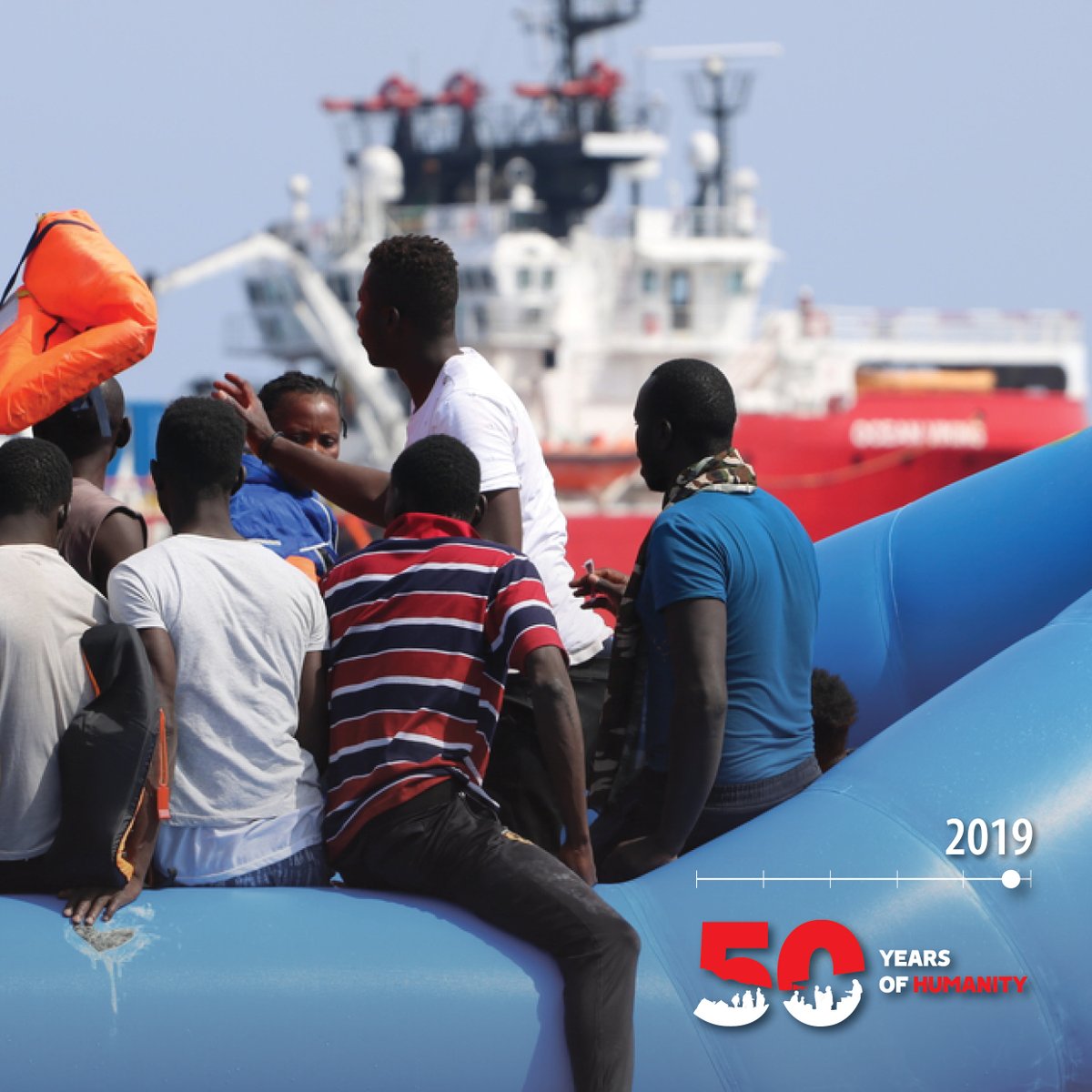
📸2019: In the first six months of the year over 8,000 people attempted to cross the Mediterranean, & more than 426 died in the attempt. To save the lives of those fleeing for their safety, MSF announced a return to search and rescue operations that originally launched in 2015.
📸2020: An outbreak of a new coronavirus turns into a worldwide pandemic, with COVID-19 infecting nearly 85 million people and claiming nearly 2 million lives in 2020 alone.
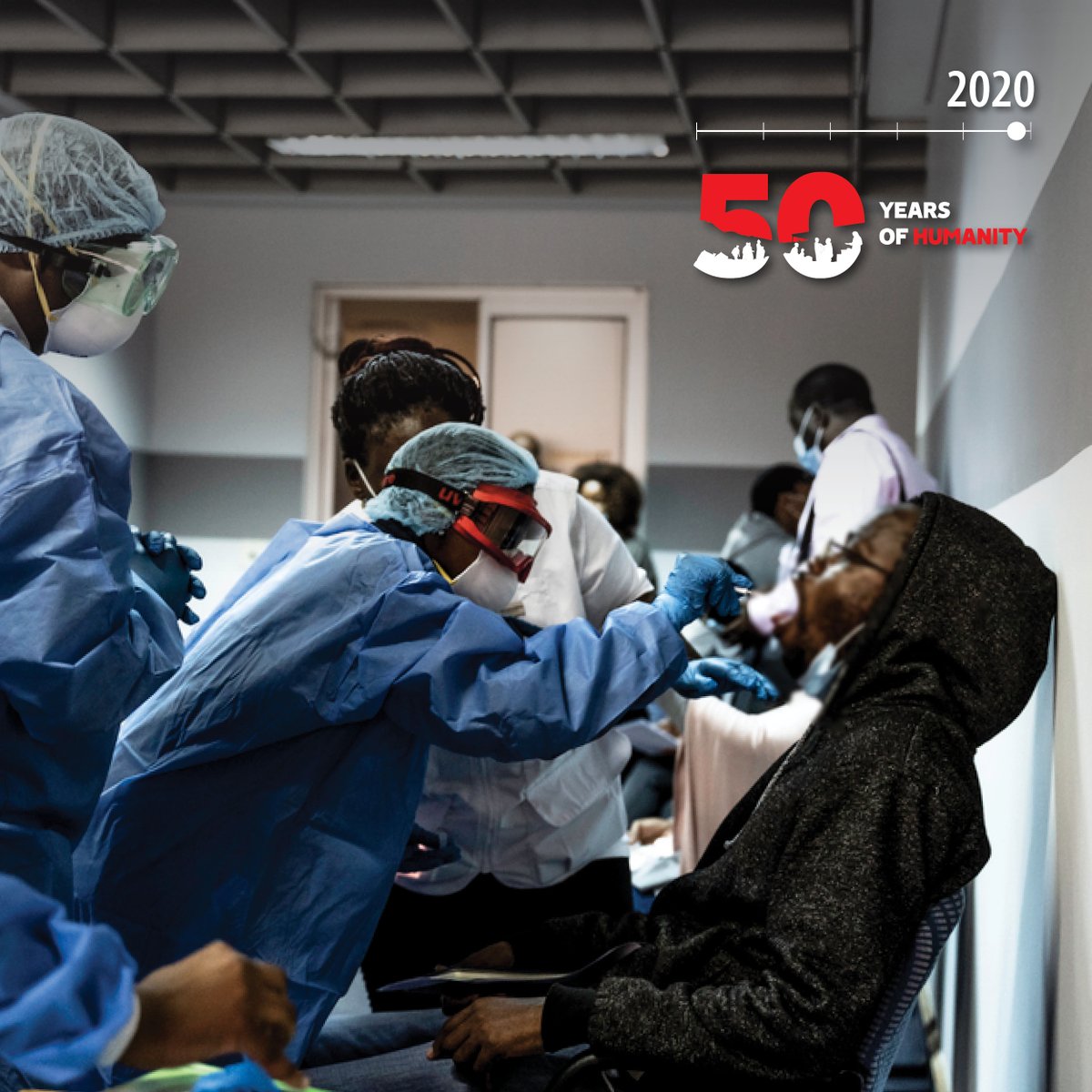
2020 continued: Amid mounting challenges, MSF teams race to ensure access to healthcare is maintained for people, and respond to the pandemic. We also urge pharmaceutical companies not to profit off the pandemic and ensure fair and equitable vaccine allocation.
Part one of our photo highlights from 50 years of medical humanitarian action is available here ⬇
https://twitter.com/MSF/status/1473070661610446853?s=20
📸 This collection of images reflects on half a century of our work.
Read the full story: bit.ly/3sjTUPU
Read the full story: bit.ly/3sjTUPU
• • •
Missing some Tweet in this thread? You can try to
force a refresh