1/ As we near the end of the year, The Atlantic’s audience team is reflecting on some of the most memorable stories from 2021. Here’s a look at the pieces that have stayed with us and why. Tell us about some of your favorite Atlantic articles in the comments ⬇️:
2/ This feature recounts two scientists’ efforts to help their daughter, who suffered a traumatic brain injury. @danengber tackles the idea that science might not have all the answers, and gives a voice to a girl who can no longer speak. — @IAmKateGuarino
theatlantic.com/magazine/archi…
theatlantic.com/magazine/archi…
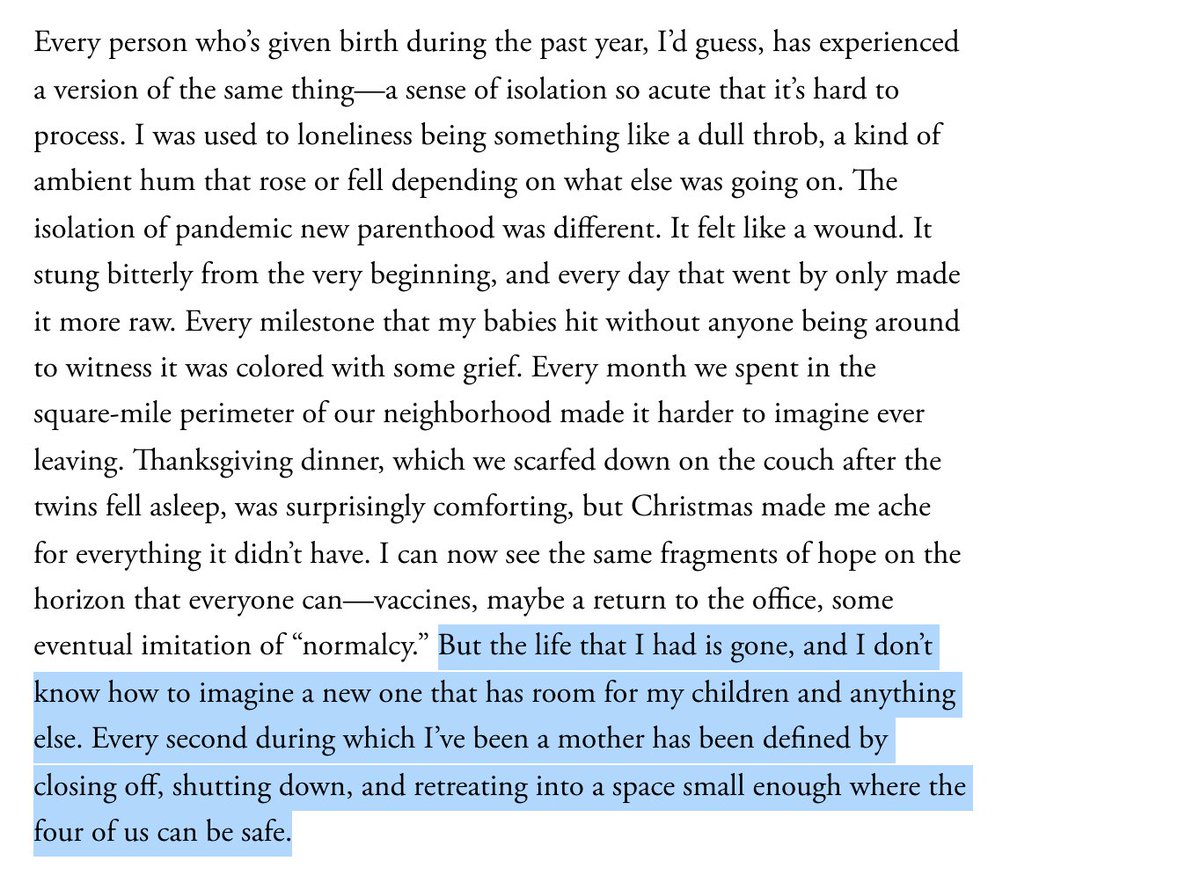
3/ I had been a pandemic mom for a year when @sophieGG’s piece on COVID parenting came out. I’ve read it a handful of times since then, and every time it gives me the permission and language I need to really sit with my own feelings. — @JaBogen on.theatln.tc/CaBJjxW 
4/ I haven’t actively used Facebook in years, but whenever I’ve occasionally logged on, I’ve been struck by how odd my feed feels, and this hilariously dark piece from @kait_tiffany puts that feeling into words brilliantly. — @da_fallon
theatlantic.com/technology/arc…
theatlantic.com/technology/arc…
5/ @elainejgodfrey pinpoints one of the things I loved about working in local news: It’s the connective tissue of a community. The coverage of the swimming-pool specs, the teddy-bear picnic—it all matters. And it doesn’t have to disappear. — @MaryStachyra
theatlantic.com/politics/archi…
theatlantic.com/politics/archi…
6/ This story from @AnnaDeavereS on the evolution of Black identity and finding power in defiance reminds me of my ancestors, and includes a line that gives me strength: “How did we get this far? Not by being nice.” — @LoraStrum
theatlantic.com/magazine/archi…
theatlantic.com/magazine/archi…
7/ This feature by @MelissaFGreene about how we’ll remember the pandemic is really about so much more—the shapes of the stories we tell, how humans alter one another’s memories, and how we each process change. — @IsabelFattal theatlantic.com/magazine/archi…
8/ @amandamull’s story about the hair loss many Americans have experienced during the pandemic doesn’t offer simple explanations or cures. Still, it’s a balm to learn that so many others have faced the same everyday effects of a mass trauma. — @shansquared theatlantic.com/health/archive…
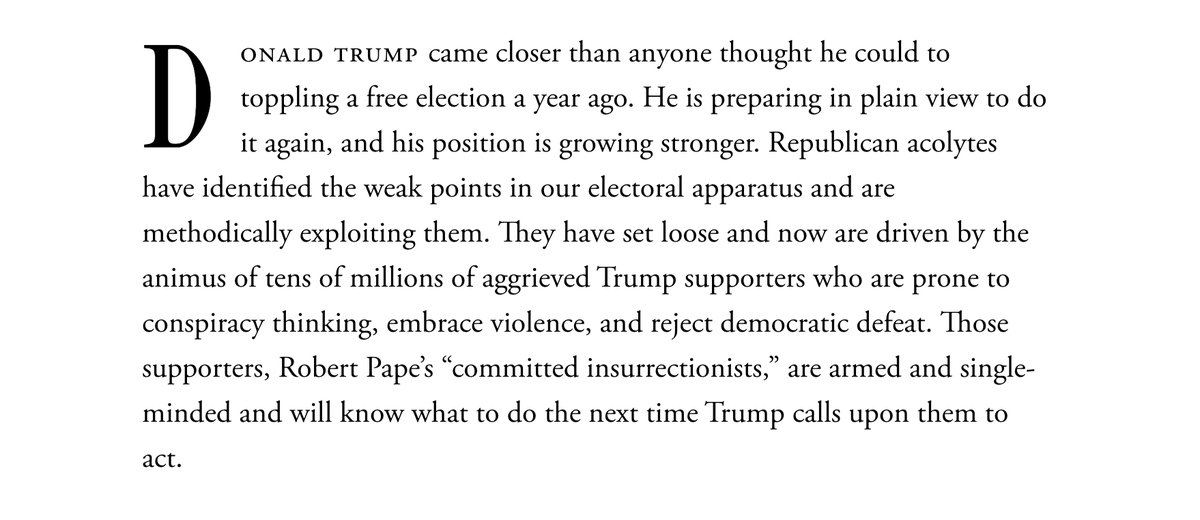
9/ @mckaycoppins’s dive into Alden Global Capital’s systematic destruction of the local-news economy is a devastating must-read. It’s a thoughtful investigation on a crucial topic and is some of the best reporting I’ve read all year. — @jenniferjbaik theatlantic.com/magazine/archi…
10/ Jill Lepore’s essay is about more than just the animal-rights case of Happy the elephant. Through science and history, Lepore elegantly examines the relationship between humans and the natural world—and the future of life on Earth. — @not_matilda
theatlantic.com/ideas/archive/… /
theatlantic.com/ideas/archive/… /
11/ In her newsletter, Unsettled Territory, @imaniperry marries intellect and emotion, history and the present like few writers working today. Her tribute to five of her“"teachers” who died this year was her most dazzling, and moving, piece. — @catucci
newsletters.theatlantic.com/unsettled-terr…
newsletters.theatlantic.com/unsettled-terr…
12/12 You can read all these stories and more in @TheAtlantic. Don’t forget to drop your favorite Atlantic story from 2021 in the replies below: theatlantic.com
• • •
Missing some Tweet in this thread? You can try to
force a refresh