Suomen epidemia 5.1.2022: testien jonotusajan nousulla korjattu tartuntojen määrä osoittaa jyrkän kasvun jatkuvan. Tartuntojen näkyvyys 30.12. jälkeiseltä ajalta on huonontunut. 1/x
Jonotusaika testeihin on kasvanut voimakkaasti. Jonotusajan nousu alkoi joulun jälkeen. Pääkaupunkiseudulla, jossa on noin puolet koko maan todetuista tartunnoista, jonotusaika testiin oli tänään 4-6 päivää. 2/x
Tämä tarkoittaa sitä, että henkilö, joka testataan tänään, on saanut tartunnan jo monta päivää aikaisemmin. Kun tartuntoja korjataan jonotusajan muutoksella, tartunnat kasaantuvat samoille päiville joulukuun loppuun. 3/x
Tulos: arvioitu päivittäisten tartuntojen määrä on kohonnut 30.12. jo yli 10.000:n tasolle. Vaikka kasvuprosentin nousu on hieman hidastunut 27.12. jälkeen, arvioitu kasvu on noin 13.3% päivässä = power(1.133,30)= 42x kuukaudessa. 4/x
Tässä käytetty jonotusaika. Jos esimerkiksi halusi tänään varata testin Espoossa niin ajan sai ensi viikon tiistaille (11.1.), ja THL:n tietokannassa näytteenottopäiväksi tulee siis 11.1. Jos tätä viivettä ei korjata, niin tartunnoista syntyy aivan liian optimistinen kuva. 5/x
Omicron on aiheuttanut sen, että Ihmiset menevät omaehtoiseen lockdowniin viranomaisista huolimatta. Sama kuin keväällä 2020. 6/x
Rokotusten määrät näyttävät lässähtäneen. Mitään nousua rokotuksien määrissä tammikuussa ei ole toistaiseksi raportoitu. 7/x
Rokotusten antaminen pysähtyi joulun ja uuden vuoden välillä lähes täysin, vaikka kiire piti olla. Siitä toivuttiin vähän, mutta nyt mennään taas käsittämättömästi alaspäin. 8/x
Nyt on tultu siihen, että tuomioistuimet ovat viemässä aluehallintoviranomaisilta toimivallan. Tuomioistuimista näyttää olevan tulossa Suomen ylin päättävä elin korona-asioissa. 9/x
HYKS erityisvastuualueella sairaanhoidossa olevien määrä on kaksinkertaistunut jouluaaton jälkeen. Kasvuvauhti on 6.4 prosenttia päivässä = 6.5x kuukaudessa. 10/x
Koko maassa sairaanhoidossa olevien määrä on 26.12. jälkeen noussut 4.8 prosenttia päivässä = 4.1x kuukaudessa. Nopeimmin on noussut vuodeosastoilla hoidettavien määrä; teho-osastolla olevien määrä on vähentynyt. 11/x
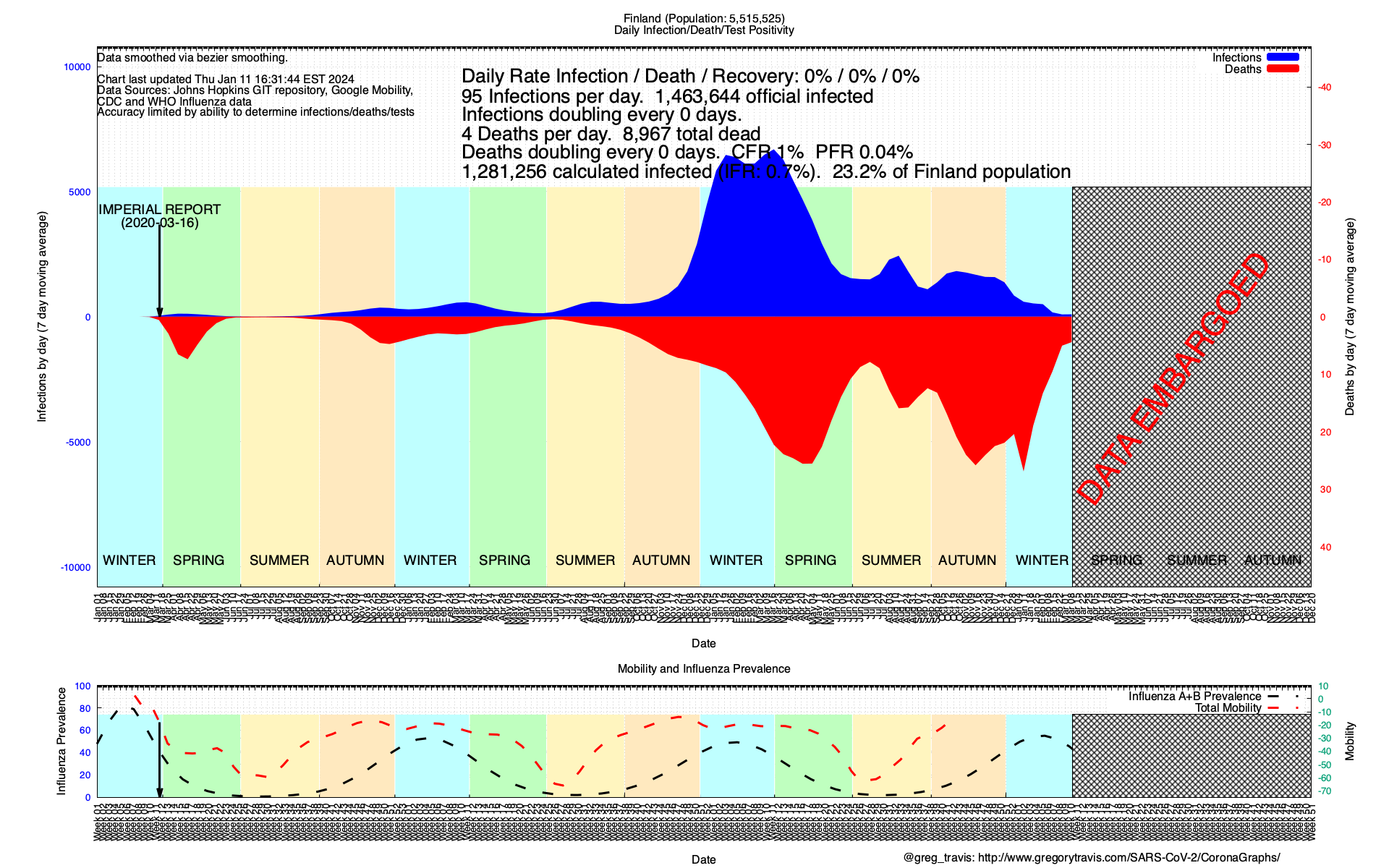
Tässä hyvä kuva. Tämän mukaan influenssa-aalto on jäänyt jopa viime vuotta alemmalle tasolle, ja ihmisten mobiliteetti vähenee jyrkästi parhaillaan. 12/x
After more than five years of silence, mainstream media has begun to acknowledge that C19 can harm T cells, and to discuss the consequences that follow. @fitterhappierAJ was one of the first, if not the first, to talk about this. 1/x
Dr. Leonardi has provided a significant amount of direction for me. In particular, he has been interviewed in some excellent articles that have withstood the test of time. Here is one of them. 2/x
We have seen it all.
- in 2020, they said that our health systems are so robust that this disease wouldn't come here
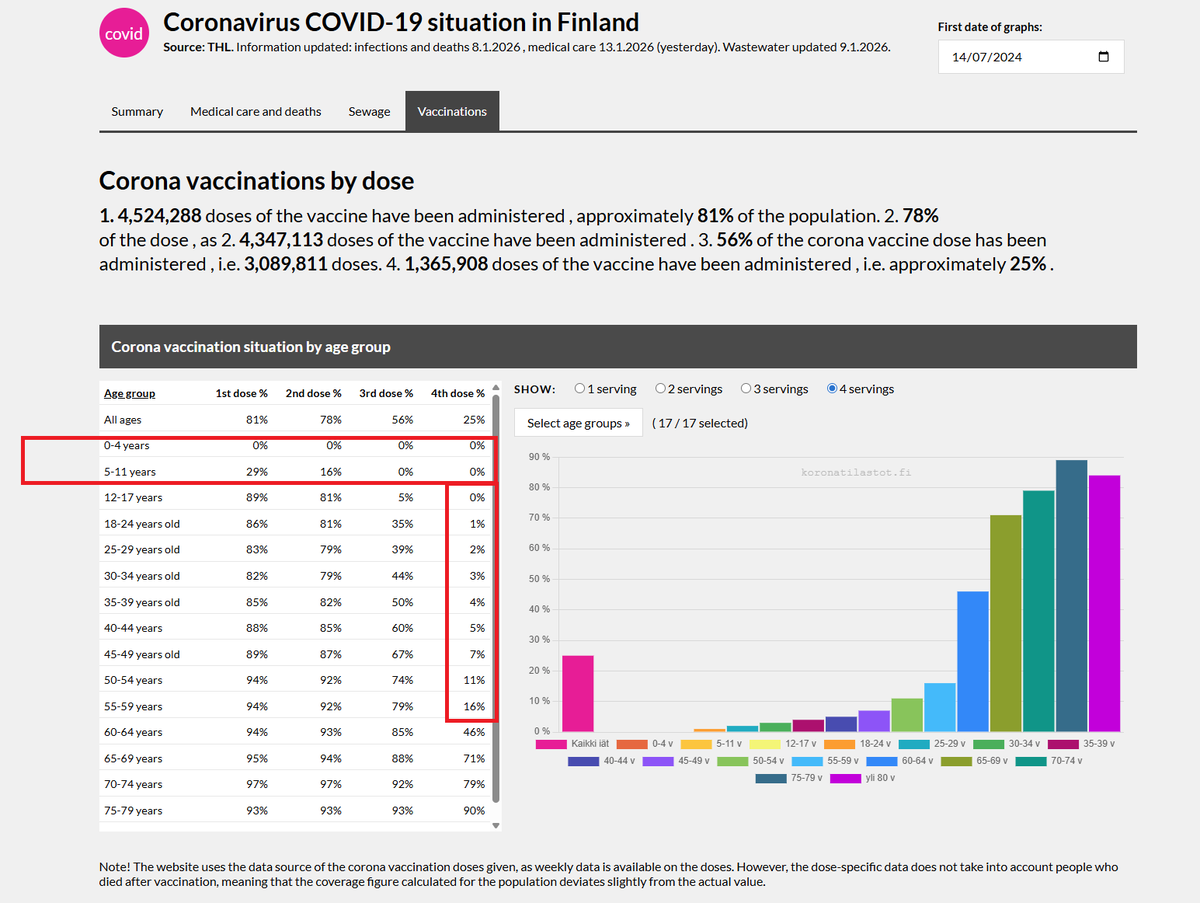
- then they wanted them infected. C19 was de facto allowed to spread in schools. Only a small fraction of <12 year olds received ... 3/x
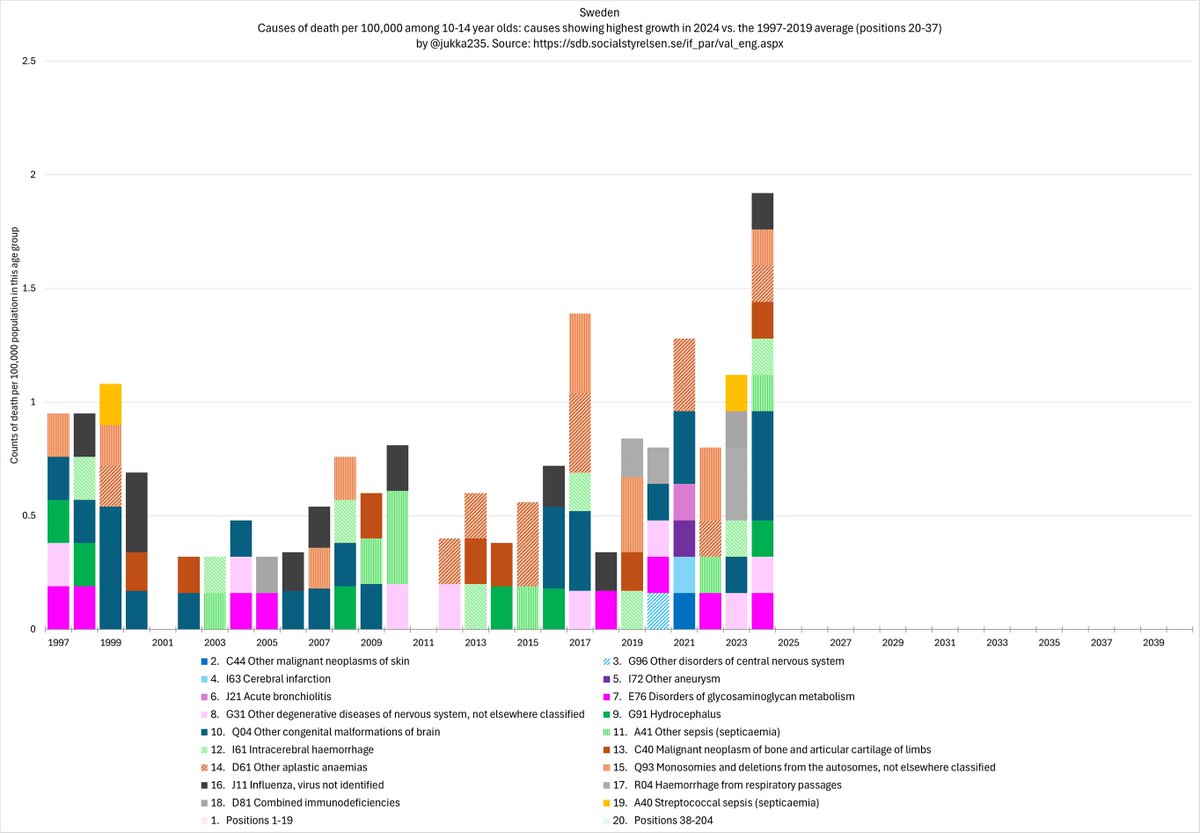
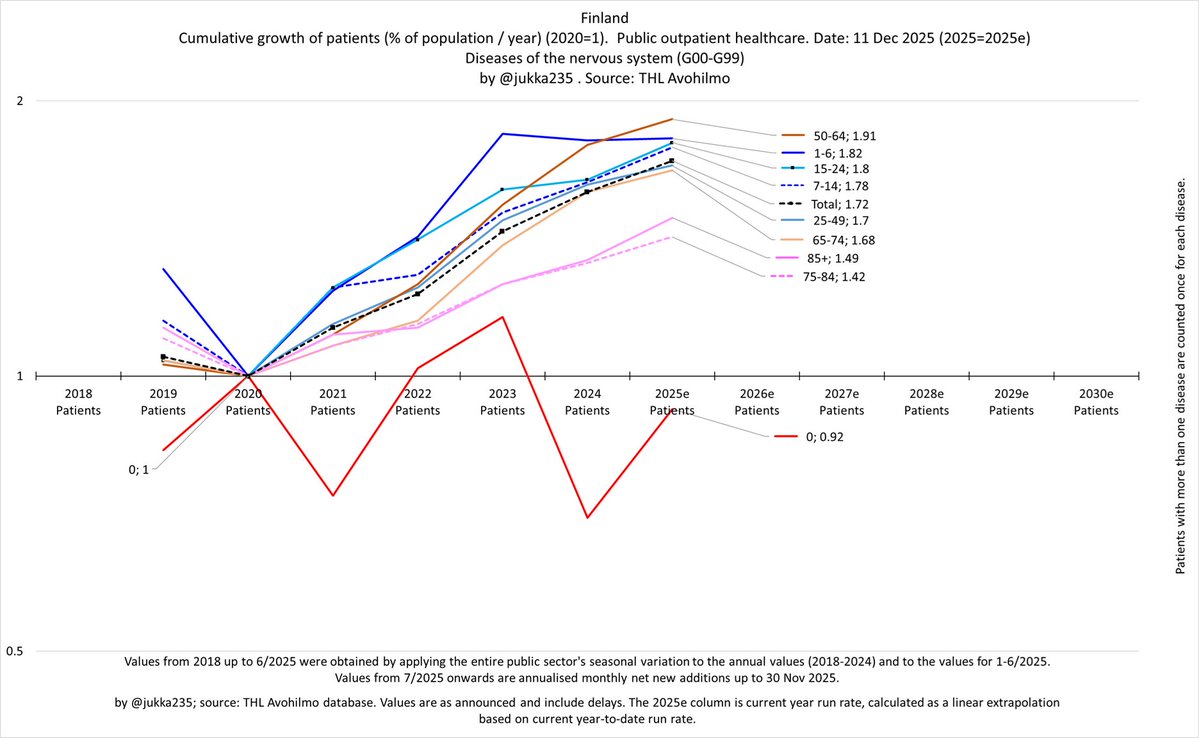
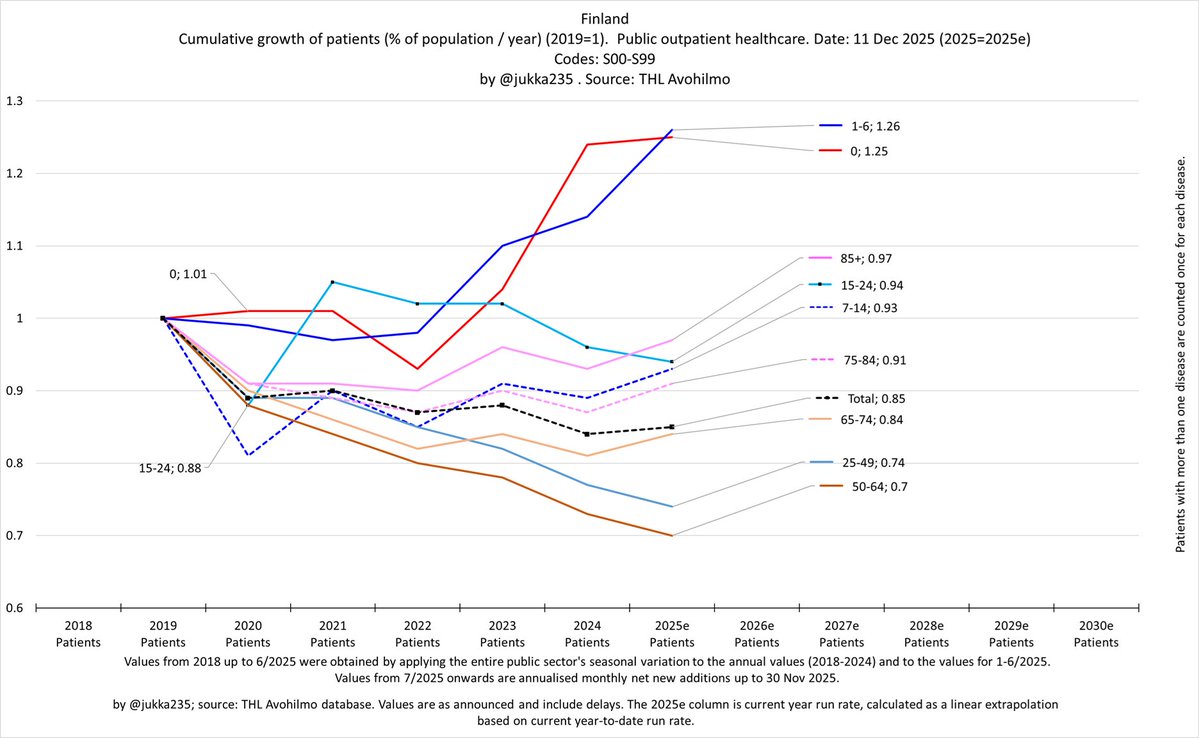
Something is causing injuries among young children. 1/x
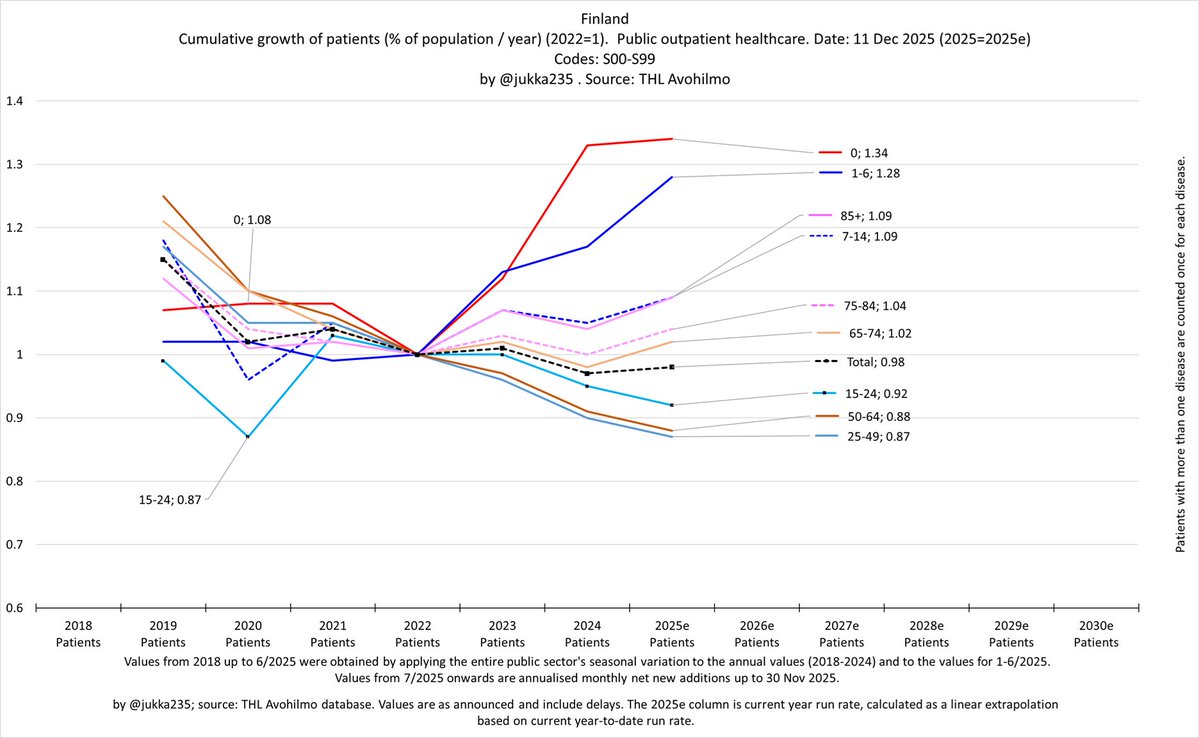
Something changed in 2022. Before that, the numbers were generally falling. Wonder what it could be. 2/x
After 2022, 1-6 year olds have overtaken a total of three other age groups (50-64, 15-24 and 65-74 year olds), and are now clearly above the total population average. All injuries (S00-S99). 3/x
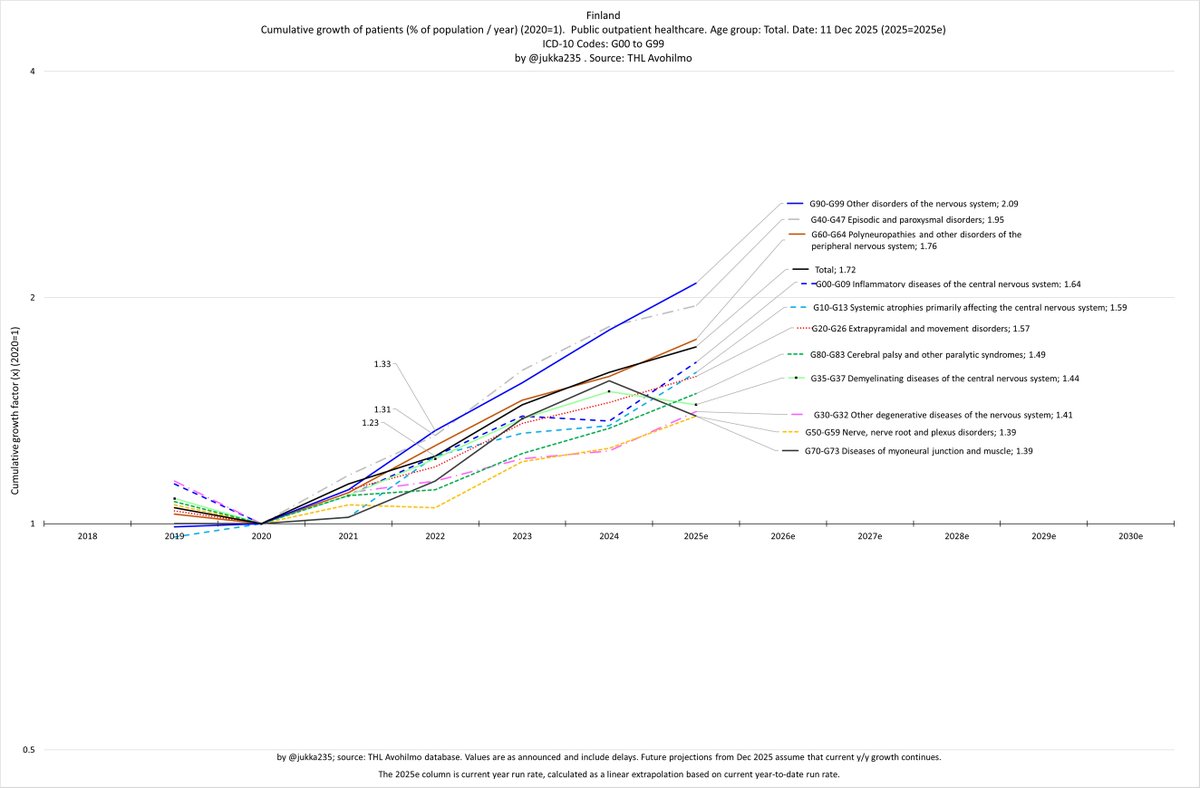
Between 2020 and 2025e, the number of patients with developmental delay or disorder diagnoses grew at an average annual rate of 21.6% (10x in 11.8 years). The fastest patient growth was seen in pervasive developmental disorders, incl. autism and Asperger syndrome (F84). 2/x
Among total population, number of patients with developmental delay or disorder diagnoses is up 2.6 times since 2020. All disorders are showing continued significant patient growth. 3/x
Finland's epidemic 23 Dec 2025: amount of virus in wastewater appears to have risen above the first Omicron wave. Post-Omicron baseline is permanently higher than pre-Omicron; repeated waves are showing no diminishing. 1/x
Post-Omicron baseline is permanently higher than pre-Omicron
- before late 2021, levels were mostly 10³–10⁴.
- from 2022 onward, even troughs sit around 10⁵, or 10-100x higher
- C19 has become endemic
- constant background transmission, even outside waves 2/x
Repeated large waves in 2023–2024, not diminishing. Notable peaks:
- Apr 2023
- Nov 2023 (highest for the entire pandemic)
- Dec 2024
These peaks are:
- comparable to or higher than Omicron 2022
- evidence against a simple “each wave gets smaller” narrative 3/x
Congenital malformations, deformations and chromosomal abnormalities. For 1-6 year olds,
- the condition showing largest increase since 2022 is Down's syndrome (Q90)
- the condition showing fastest growth since 2022 is Congenital malformations of great arteries (Q25) 1/x
1-6 year olds / chromosomal abnormalities (Q90-Q99).
- Down's syndrome (Q90): average patient growth (2022-2025e) 14% per year = 10x in 18 years)
- fastest growing condition: other sex chromosome abnormalities, male phenotype (Q98), up 150% in 2025e 2/x
<1 year olds / chromosomal abnormalities (Q90-Q99):
- Down's syndrome (Q90) is the most frequent diagnosis 3/x
Intellectual disabilities (F70-F79): <1 year olds are leading in terms of y/y growth. Ten percent of <1 year olds will have an intellectual disability diagnosis in 14 year's time (2039), if current growth rates continue. 1/x
The rise in intellectual disability among <1 year olds also shows in number of diagnoses: up roughly 11 times in 4 years. Also note the rise among 1-6 year olds. 2/x
7-14 and 15-24 year olds are showing the highest levels of intellectual disability. If current growth rates continue, 5 percent of 7-14 and 15-24 year olds will have an intellectual disability diagnosis by 2048 (24 years from now). 3/x