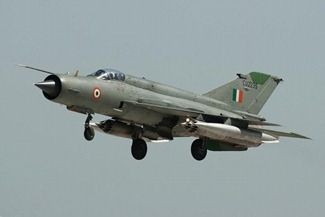
Hypersonic Technology Demonstrator Vehicle (HSTDV) is developed by Defence Research and Development Organisation (DRDO) and is based on hypersonic propulsion technologies,This Vehicle was designed to test the vehicle performance of a scramjet engine. 

The vehicle also was intended to test the associated technologies such as aerodynamic design and aero-thermal design, materials, and hot structures at those insane speeds. The HSTDV has an air-breathing scramjet engine which means that it uses atmospheric Oxygen for propulsion.

The HSTDV cruise vehicle is mounted on a solid rocket motor, which takes it to a required altitude. Once it attains certain Mach numbers for speed, the cruise vehicle is ejected out of the launch vehicle. After that, the scramjet engine is ignited automatically.
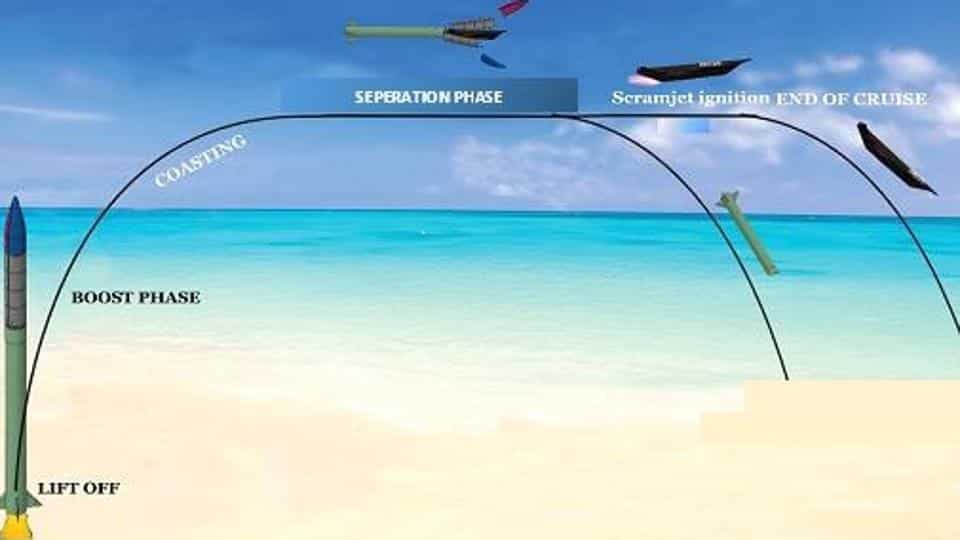
What is scramjet engine?
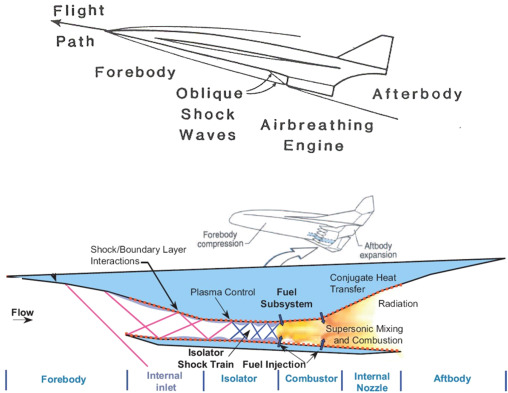
A scramjet engine is an improvement over the ramjet engine because the former operates efficiently at hypersonic speeds and allows supersonic combustion. Ramjets,operate well at supersonic speeds around Mach 3 but their efficiency drops at hyprsonic speed
A scramjet engine is an improvement over the ramjet engine because the former operates efficiently at hypersonic speeds and allows supersonic combustion. Ramjets,operate well at supersonic speeds around Mach 3 but their efficiency drops at hyprsonic speed

Scramjet engines do not work from the stall condition and these vehicles need to be carried to supersonic speeds to make them work. The air entering the vehicle needs to be supersonic.
How fast is HSTDV ?
HSTDV can cruise at a speed of Mach 6 and rise up to an altitude of 32.5km in just 20 seconds. When DRDO tested the HSDTV with the help of Agni missile boosters, it successfully achieved an altitude of over 30,000 ft in just 22 seconds at a speed of Mach 6.
HSTDV can cruise at a speed of Mach 6 and rise up to an altitude of 32.5km in just 20 seconds. When DRDO tested the HSDTV with the help of Agni missile boosters, it successfully achieved an altitude of over 30,000 ft in just 22 seconds at a speed of Mach 6.
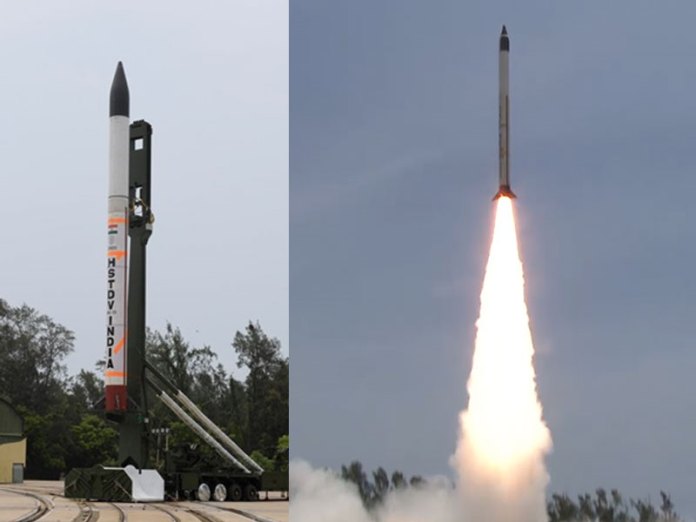
The speed and maneuverability enable hypersonic missiles to penetrate most missile defenses.
The only countries in the world which have hypersonic technology are the United States of America, Russia, China and India.
The only countries in the world which have hypersonic technology are the United States of America, Russia, China and India.
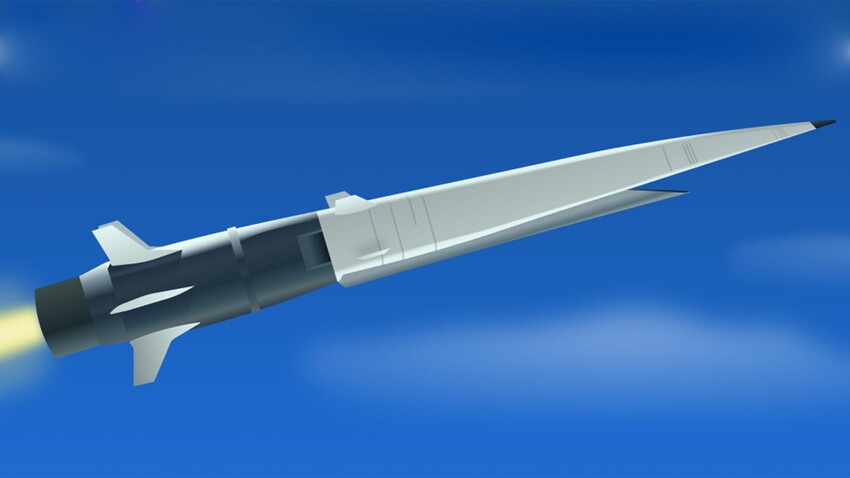
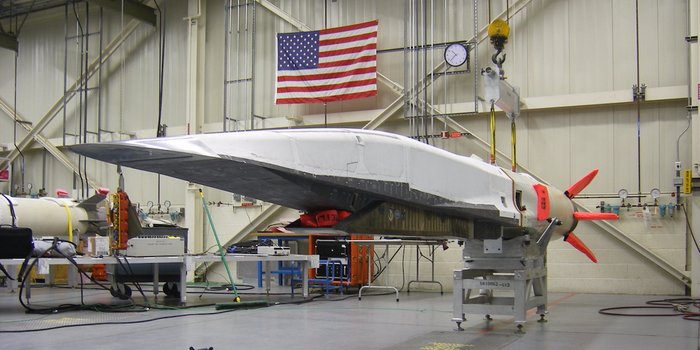

This hypersonic technology provides us with a massive strategic impact and improves the strike capabilities of Indian armed forces In addition to war applications,India will also use HSTDV for multiple civilian applications including the launching of small satellites at low cost


@IAF_MCC @Vedmalik1 @Chopsyturvey @mjavinod @Kuntal__biswas @5thSu @alpha_defense @AviationWall @Ninja998998 @AviationWeek @ReviewVayu @Defence_XP @hvtiaf_ @AirPowerAsia @ChakoDipu @AirPowerAsia @TheLegateIN @Kunal_Biswas707 @geopolitics24x7 @lca_tejas_ @LevinaNeythiri
• • •
Missing some Tweet in this thread? You can try to
force a refresh