U.S. coal retirements hit a seven year low in 2021. They are projected to rebound sharply in 2022.
I wrote about what it means for coal and emissions here. A quick thread with additional details below.
subscriber.politicopro.com/article/eenews…
I wrote about what it means for coal and emissions here. A quick thread with additional details below.
subscriber.politicopro.com/article/eenews…
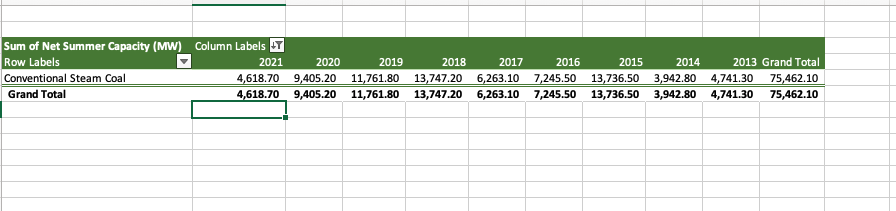
Here is a snap shot of coal retirements dating back to 2013. It's based on EIA 860 numbers and the monthly updates: eia.gov/electricity/mo…
You'll see US registered 4.6GW of retirements last year. It is actually 4.9 because this is through Oct., and one more plant shut in Dec.
You'll see US registered 4.6GW of retirements last year. It is actually 4.9 because this is through Oct., and one more plant shut in Dec.
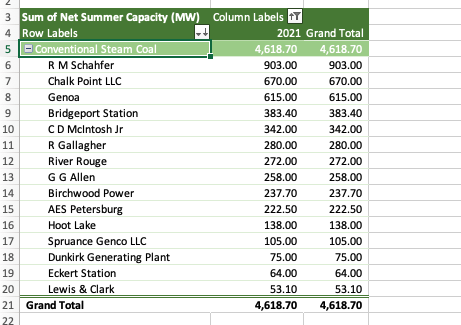
Here the list of plants that retired last year. One 385MW unit at Big Bend in FL is missing, since it was slated to shut down last month.
A couple years ago I started cross referencing this data with EPA emission figures. Why? MW don't necessarily translate to emissions. A very big plant, for instance, can sit around idle and emit little.
So here's a list of the units that retired last year by emissions
So here's a list of the units that retired last year by emissions

These are pretty small emitters by the standards of recent years. Compare 2021, for instance, to the closures in 2020, 2019 and 2018 below.
2019 and 2018 in particular saw some massive plants retire.
2019 and 2018 in particular saw some massive plants retire.


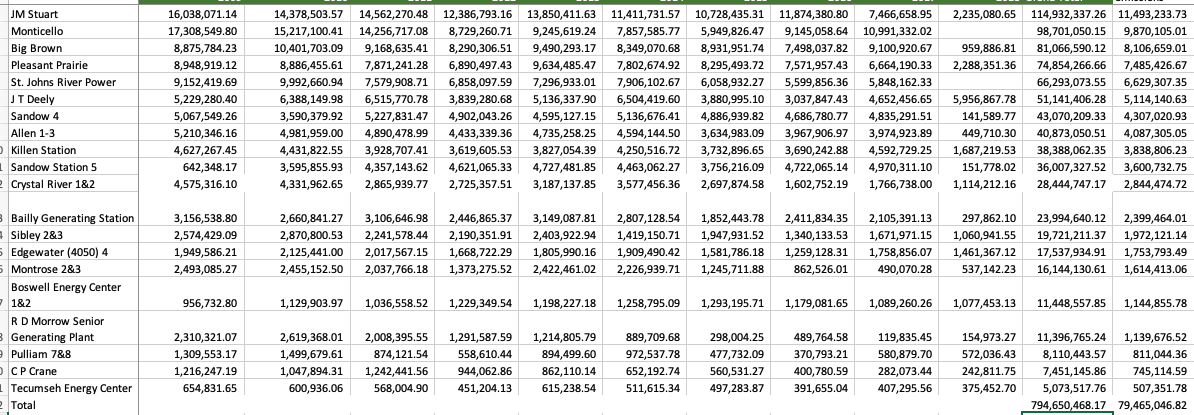
This year is going to be a big retirement year, especially in terms of capacity. Emissions are somewhere in between, though it should be noted I left Scherer 4 off the list because it is not yet officially on EIA's retirement list. FPL & NextEra have said it will close.
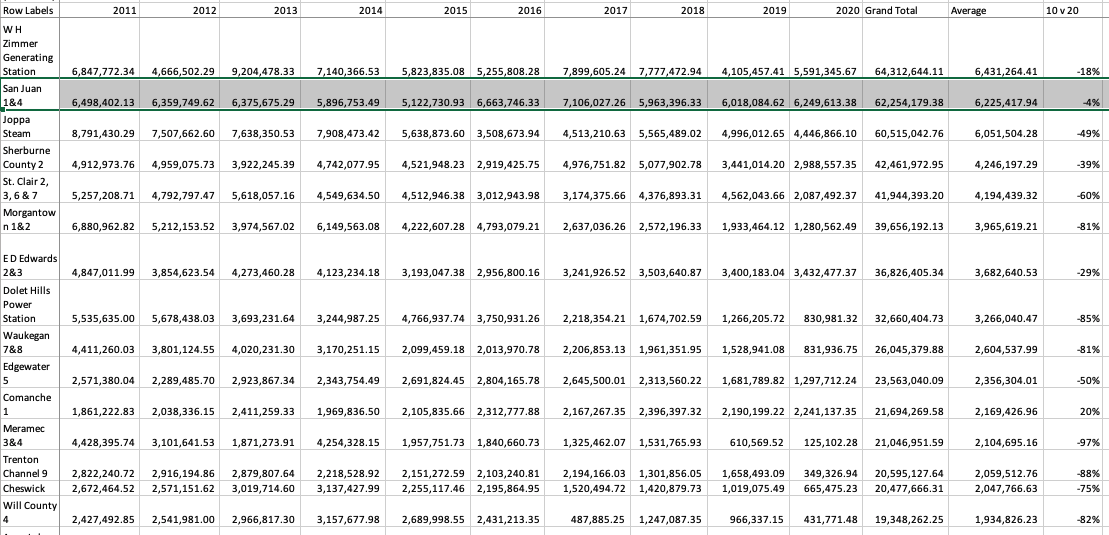

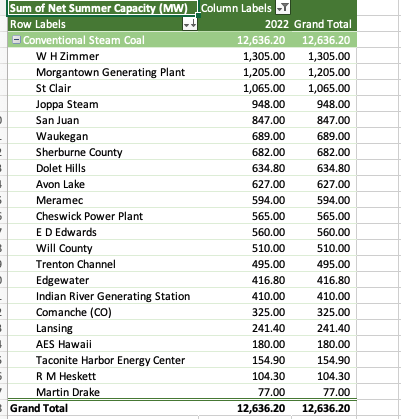
This is the part of the thread where we do caveats. For instance, retirements are less important to annual GHGs than annual coal generation, which was up last year due to higher natural gas prices.
Higher natural gas prices may have prevented a couple of surprise retirement announcements as @electronecon pointed out.
But generally, retirements are made years in advance and do not respond so quickly to fluctuations in market prices.
But generally, retirements are made years in advance and do not respond so quickly to fluctuations in market prices.
The high retirement figures for 2022 suggests the general trend of the switch away from coal continues. And that trend is contributing to the greening of the U.S. power sector.
But is it happening quick enough?
But is it happening quick enough?
If your goal is a 50% reduction from 2005 levels, then the answer is no. I wrote about this last week.
Power sector emissions reductions have averaged 56MMT. Need 200MMT plus for net zero.
eenews.net/articles/after…
Power sector emissions reductions have averaged 56MMT. Need 200MMT plus for net zero.
eenews.net/articles/after…
Why does this fall so heavily on power? Basically because power is the only industry that has shown the ability to cut emissions in a sustained way. Check out this emissions chart from EPA. You'll see power has fallen while all other industries are basically unchanged since 2005

In short, coal retirements and falling coal consumption remain the driver of US emission reductions.
Not a particularly surprising conclusion to what turned into a long thread. Still, always surprised to see how much depends on coal when you look at the numbers.
Not a particularly surprising conclusion to what turned into a long thread. Still, always surprised to see how much depends on coal when you look at the numbers.
• • •
Missing some Tweet in this thread? You can try to
force a refresh