Early Hinduism in SE Asia was largely focused on devotion to Lord Vishnu. Literally hundreds of Vaishnav images have been in the Mekong Delta, in both Cambodia and Vietnam, many dating from the 5th, 6th & 7thC CE. 
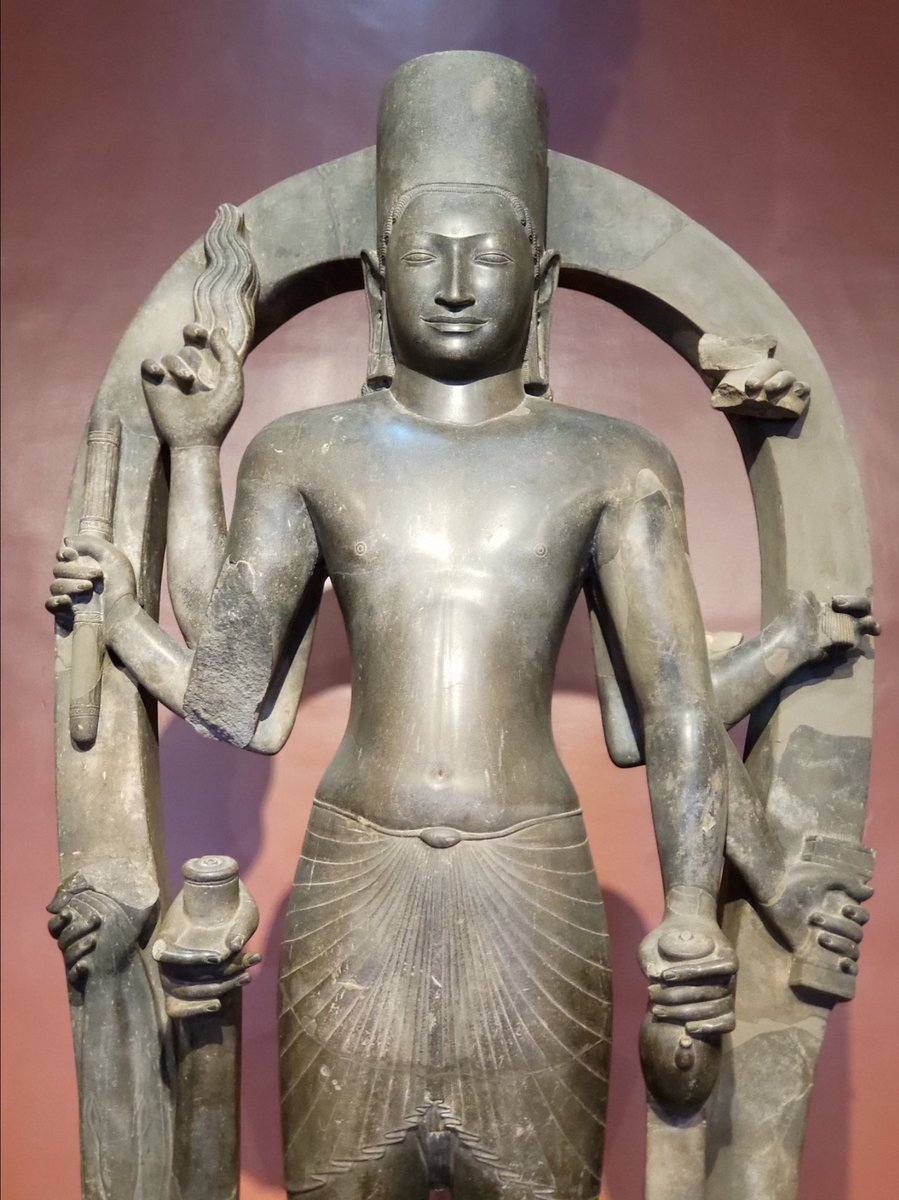
Many of the earliest images of Mitred Vishnu's have been dug up around the early trading sites of Oc Eo, Angkor Borei & Phnom Da where ships brought in goods from across the Bay of Bengal to Suvarnabhumi, the Lands of Gold.

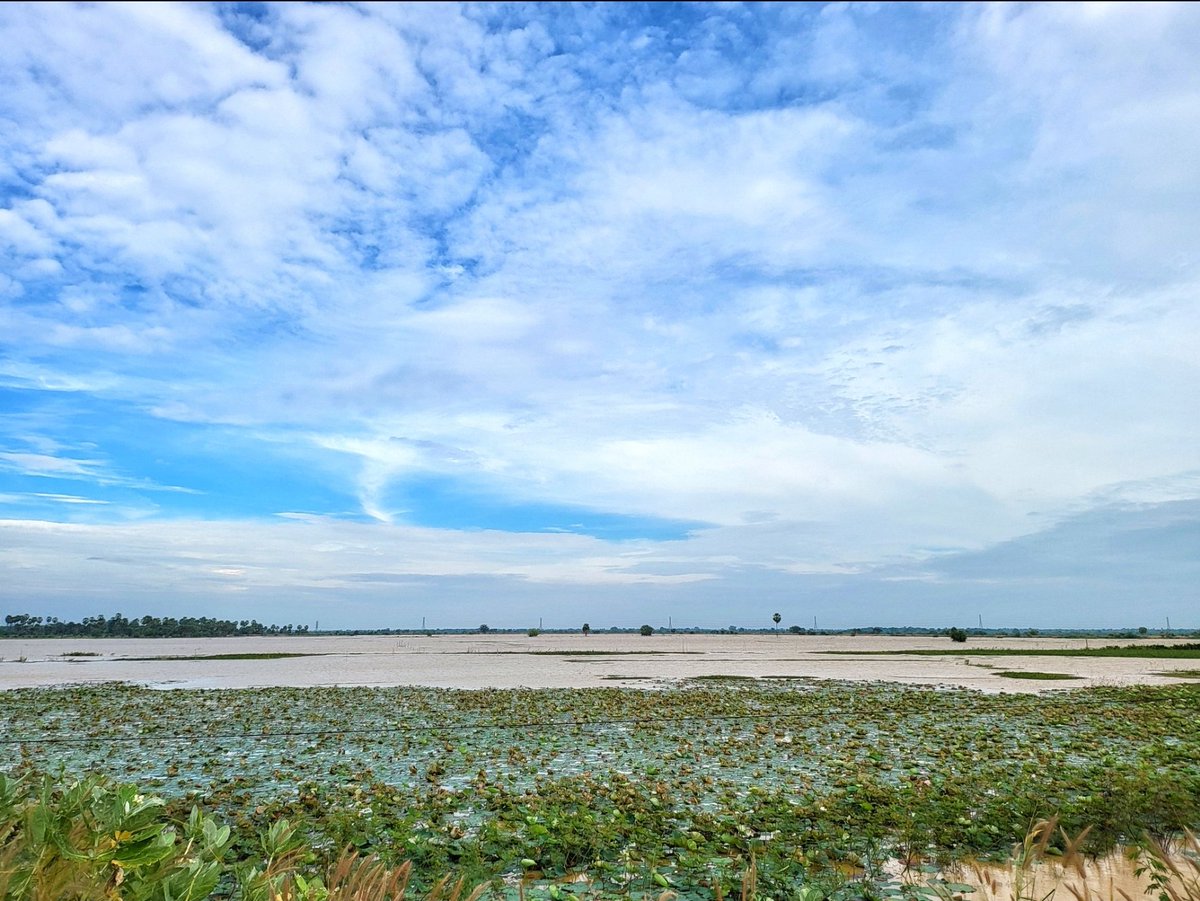

Then in the fifth century, a wave of Shaivite Pasupatas arrived in some numbers in SE Asia from India, spearheading a new wave of popularity in Shaivism which up to then had been much less prominent than devotion to Lord Vishnu.

The Pasupatas were wandering ascetic Brahmins who smeared their bodies with a “white radiance” of the dust from cremation grounds. They bathed themselves in ashes three times a day and slept on a bed of ashes.
The Pasupatas turned their back on the conventions of society. Some pretended to be madmen, making obscene gestures, singing, dancing and laughing. They lived between two worlds, and through their austerities and visions believed they could cross over to the world beyond.
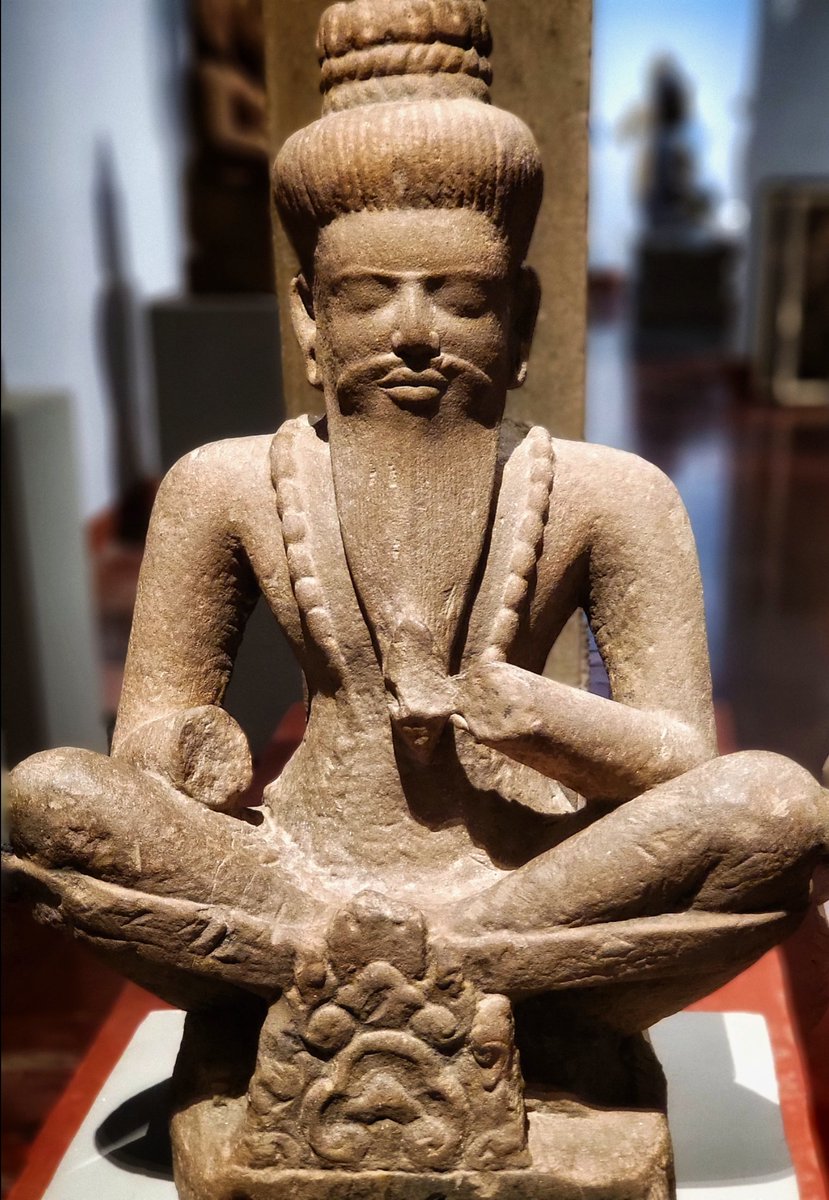
They preached a particularly intensed evotion to Lord Shiva as the Supreme Yogi, the ultimate form of cosmic protection and the protector of kings.

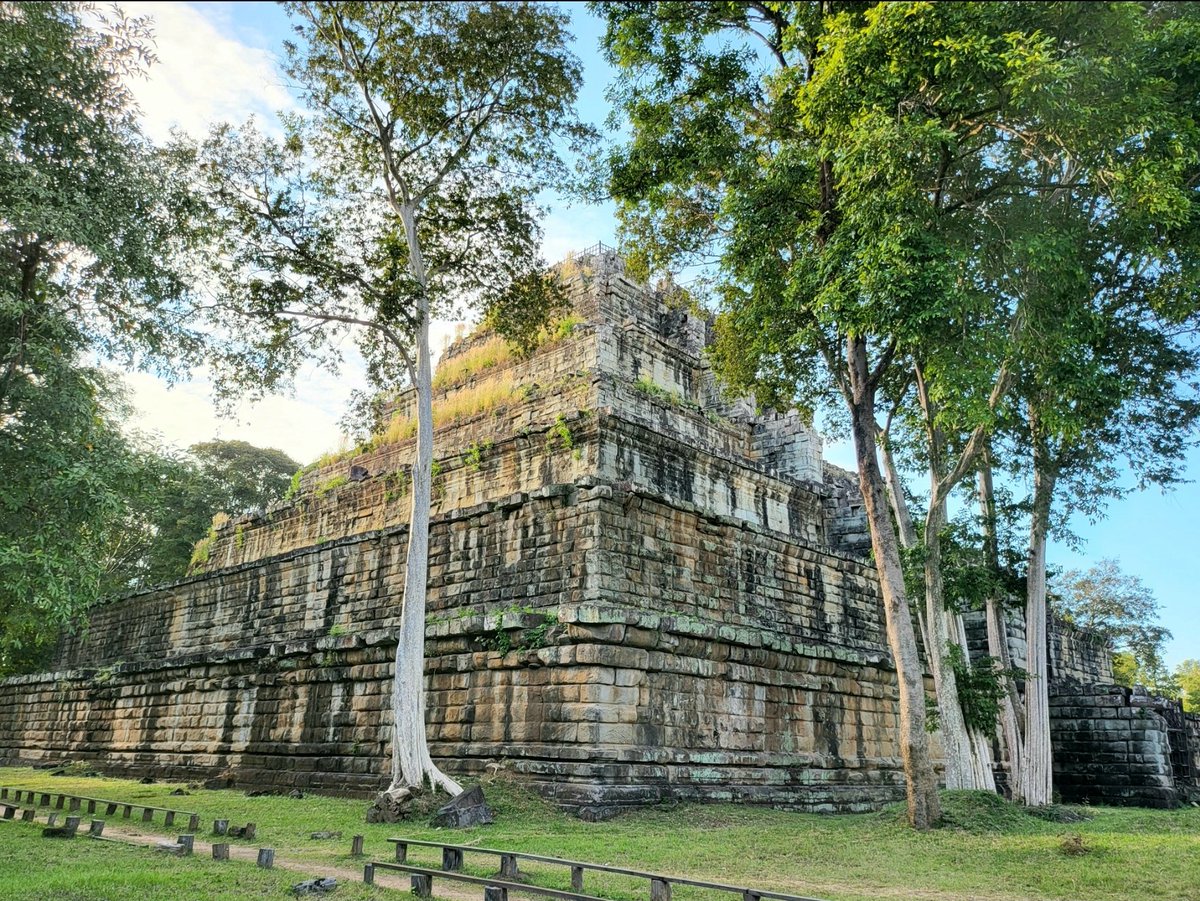
The pyramid temples built by Khmer rulers at the centre of their domains are almost all dedicated to the worship of Lord Shiva, such as this massive edifice at Koh Ker (Angkor Wat is the great exception: it was originally dedicated to Lord Vishnu.)
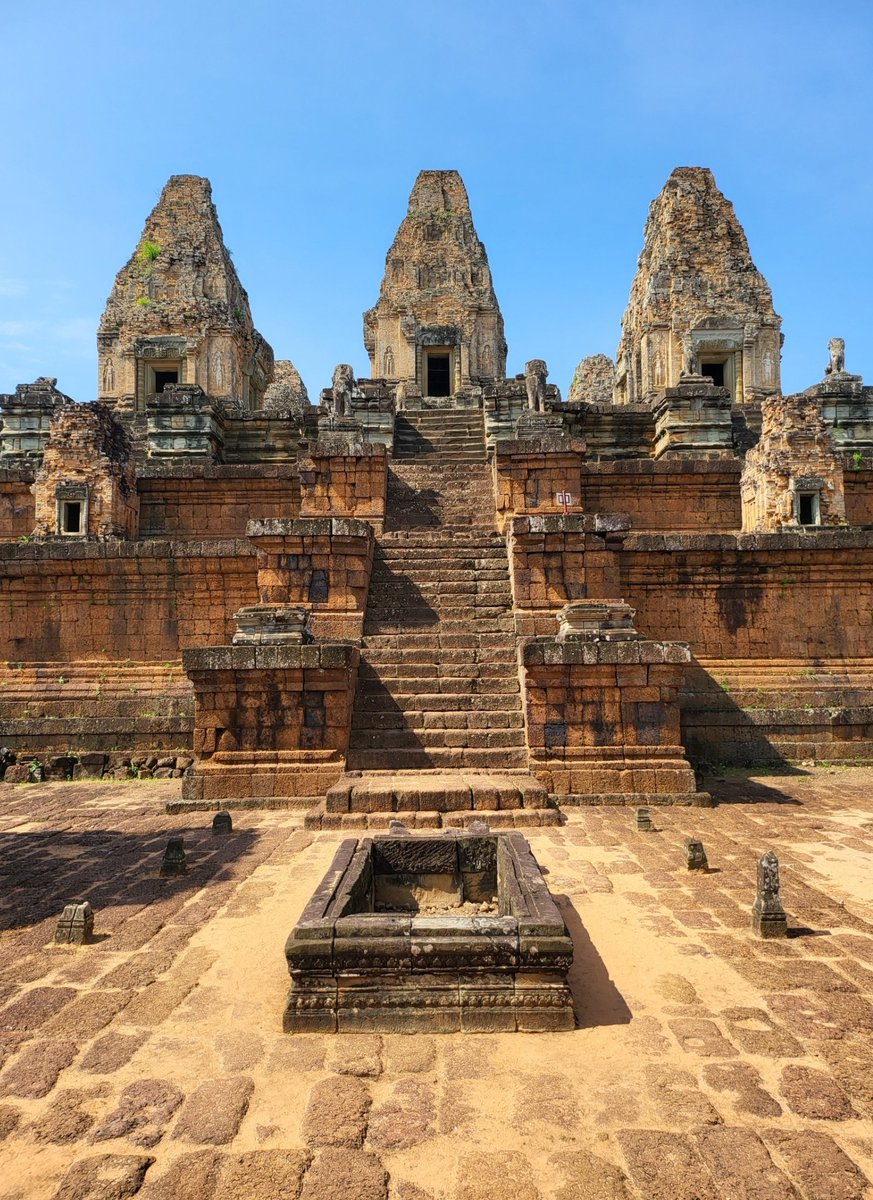
The lingams placed in these sanctuaries are often named after the venerable Shaivite pilgrimage sites of India- for example the Rajendrabhadresvara lingam of the Pre Rup temple pyramid, is named after the 10thC ruler who erected it Rajendravarman + Bhadresvara
The new Shaivite arrivals made a dramatic impression on their hosts and soon came to power as advisors, poets, bureaucrats, ritual specialists, astronomers, astrologers and magicians.

Orthodox Indian Brahmins, versed in the Vedas, fire sacrifices & the Dharmashastras had been coming to the region for centuries, offering to enpower local kings with ritual consecration & astrological predictions, as well as more terrestrial skills such as literacy & numeracy
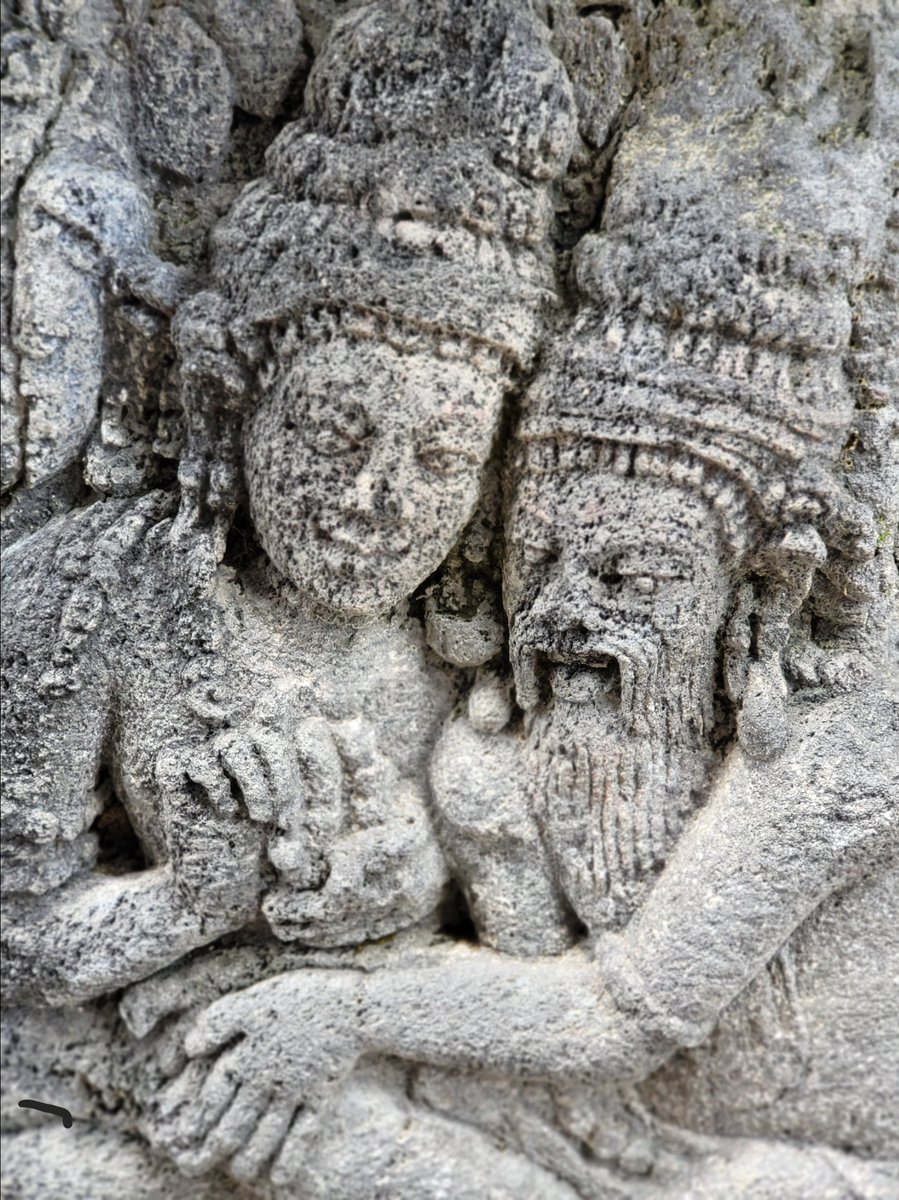
In 984 one Chinese source mentioned the existence of more than a thousand Indian Brahmins at one Khmer court. Many were reported to have married Khmer princesses in return for their services.

But the Pasupasatas offered more: Siddhis- secret spiritual knowledge- and yogic powers ranging from concentration and "unshakable self control as a result of austerities" to magical powers- ways to shrink or enlarge the body, to fly & to hear conversations held far away.
In order to obtain victory over his enemies, Jayavarman II for example was offered "a Siddhi which no other had obtained," from a Brahmin named Hiranyadama "learned in the mantras."

Ishanavarman I of Ishanapura (modern Sambor Prei Kuk) c615 CE celebrated his personal & ascetic devotion to Shiva, to whom he attribute his yogic spiritual powers shakti, saying in his inscriptions how, like his lord god “he takes pleasure in the company of sages.”
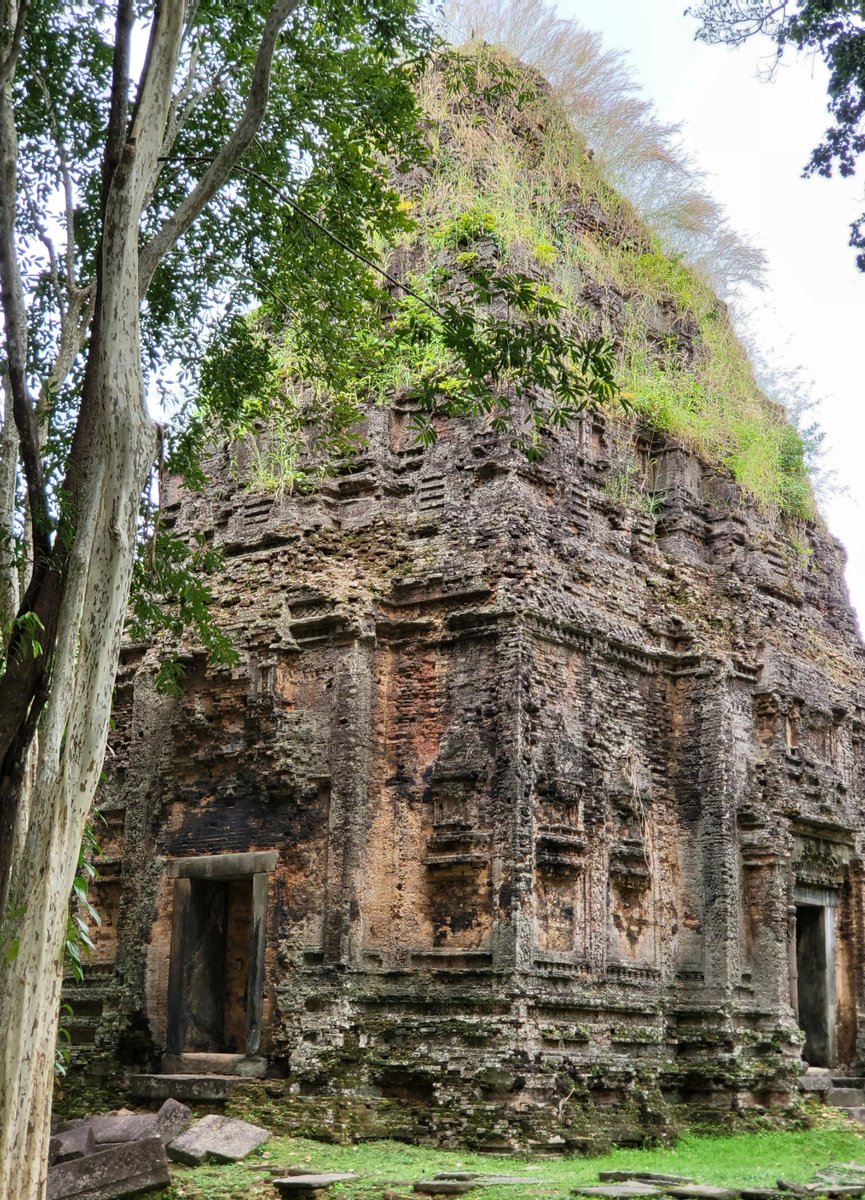
Despite their wayward nature, the Pasupatas became part of the royal Khmer entourage. Indeed it was possibly their wayward nature that led to them willingly cross the oceans, indifferent to Brahmanical convention.
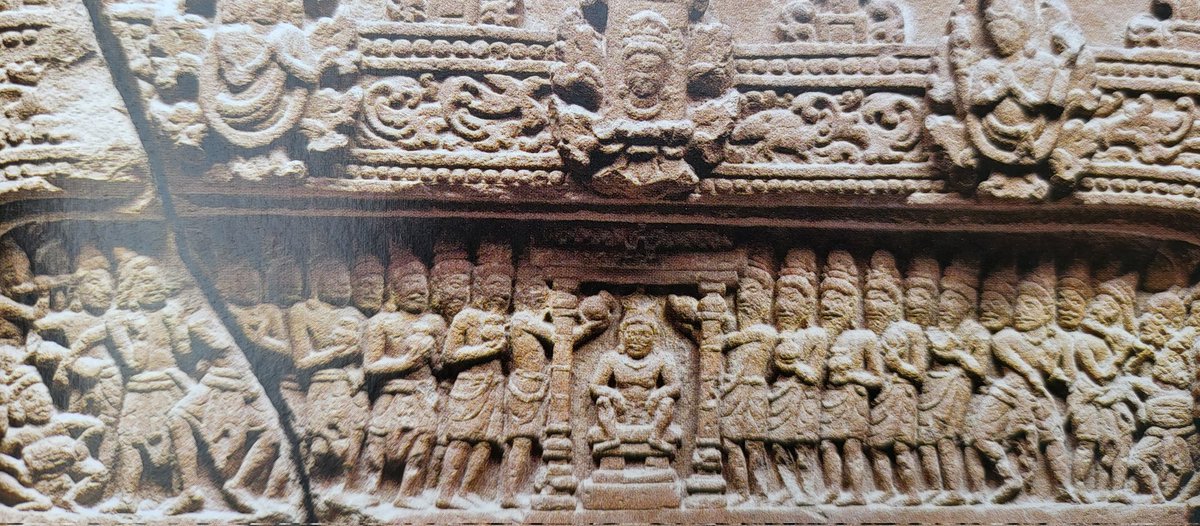
Some claimed through their rituals to have extended the Hindu Holy Land from India, "between the two oceans" to the now purified Suvarnabhumi, the Lands of Gold, beyond, turning it into a Shaivite landscape full of the marks of his divinity

Temple pyramids were modelled on Lord Shiva's mountain home, tanks consecrated in his name, lingams erected matching those in his holy land.
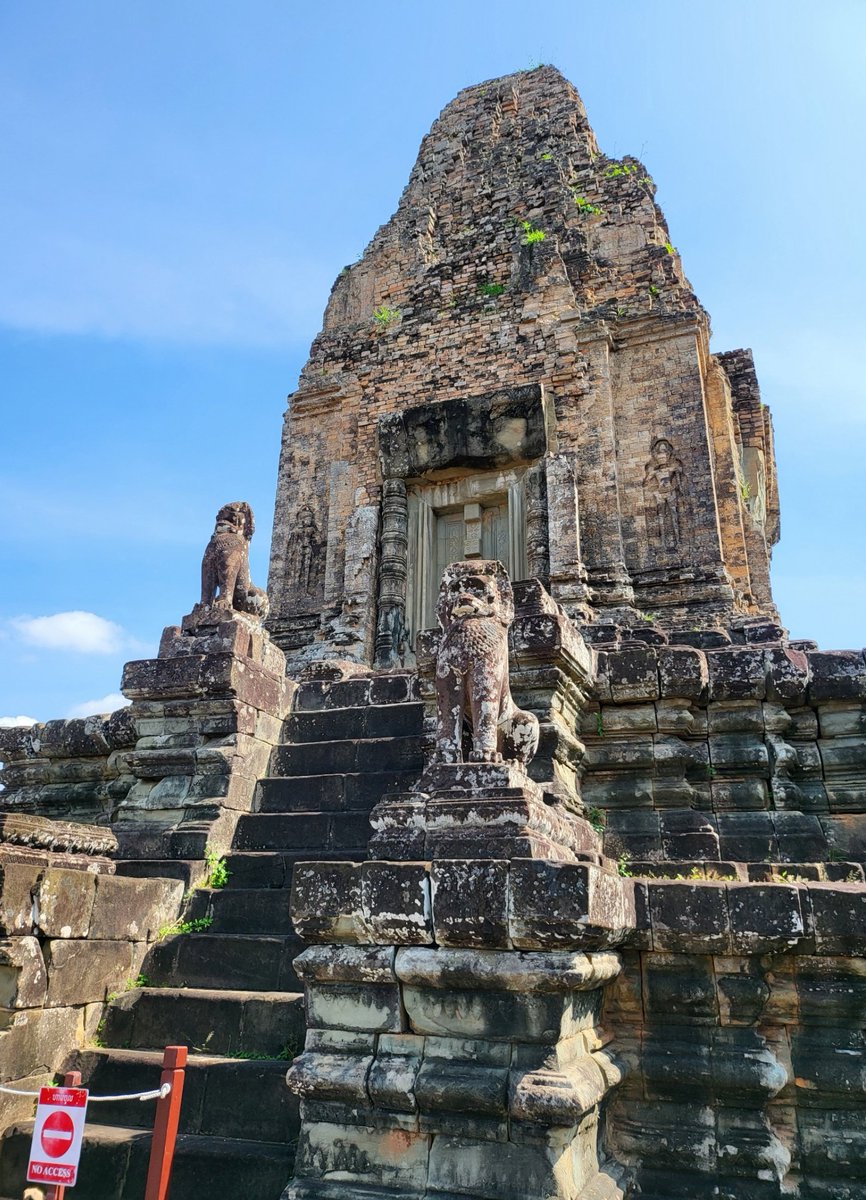


King Bhavavavarman's Pasupata poet for example claimed to have had a vision where Lord Shiva brought a lingam from India and installed it on a mountain top.
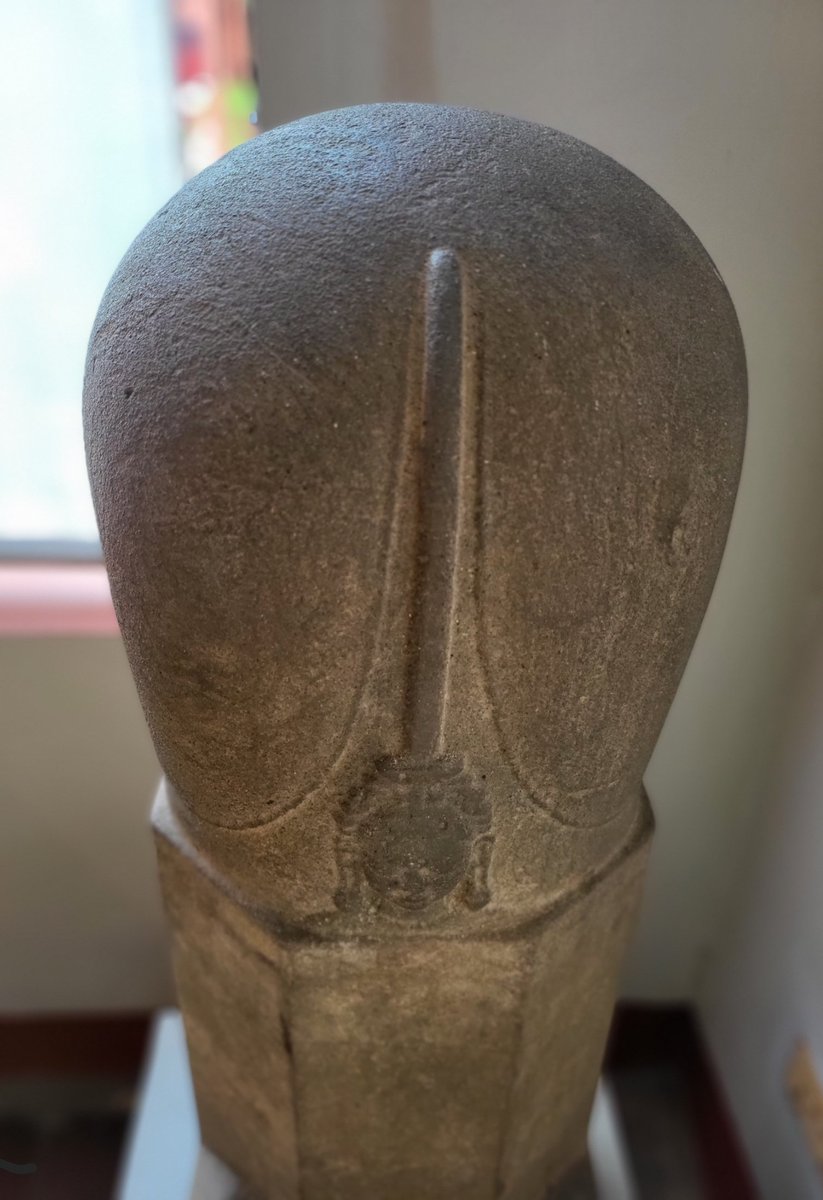
Others sacrilised the rivers, turning them into a second Ganges, by carving linga on their beds.

Either way, the Pasupatas assumed a prominence at the Khmer court at this period, overseeing one of the royal temples and even becoming the court poets. They are greatly celebrated in inscriptions for their ascetic and yogic powers.

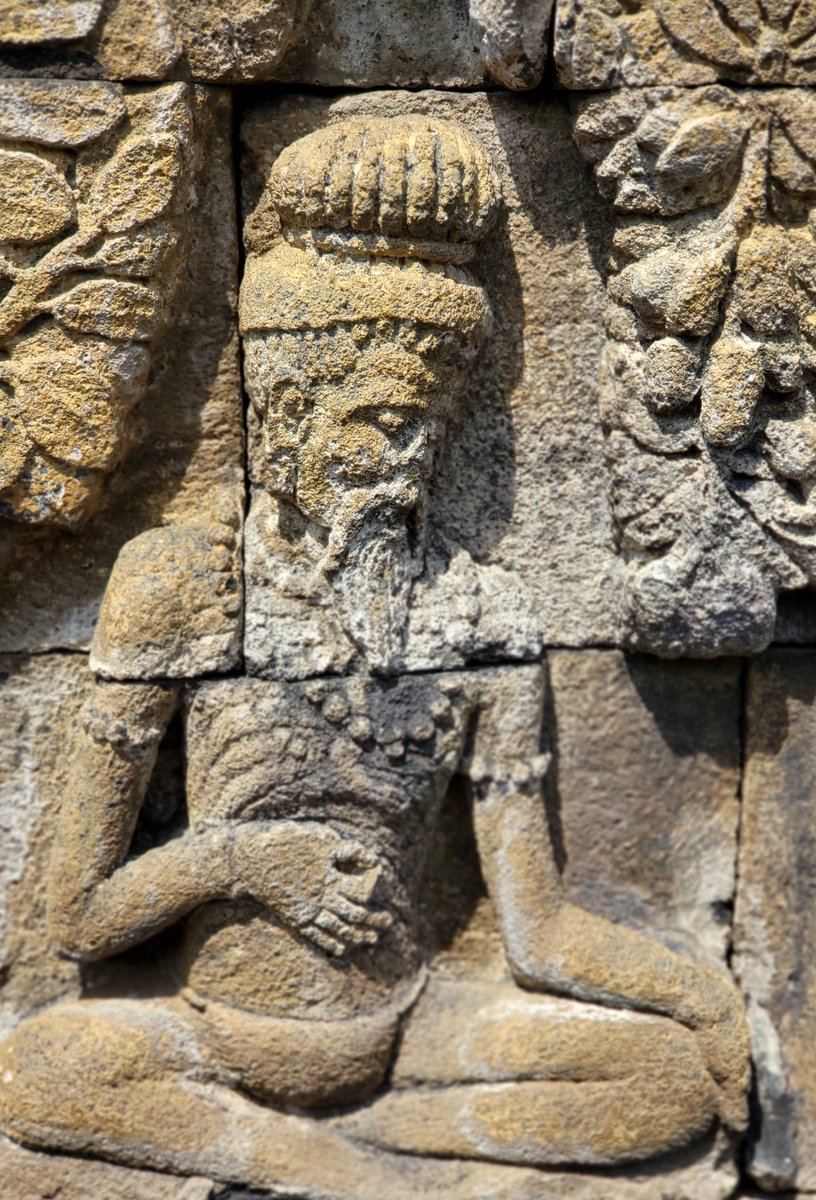
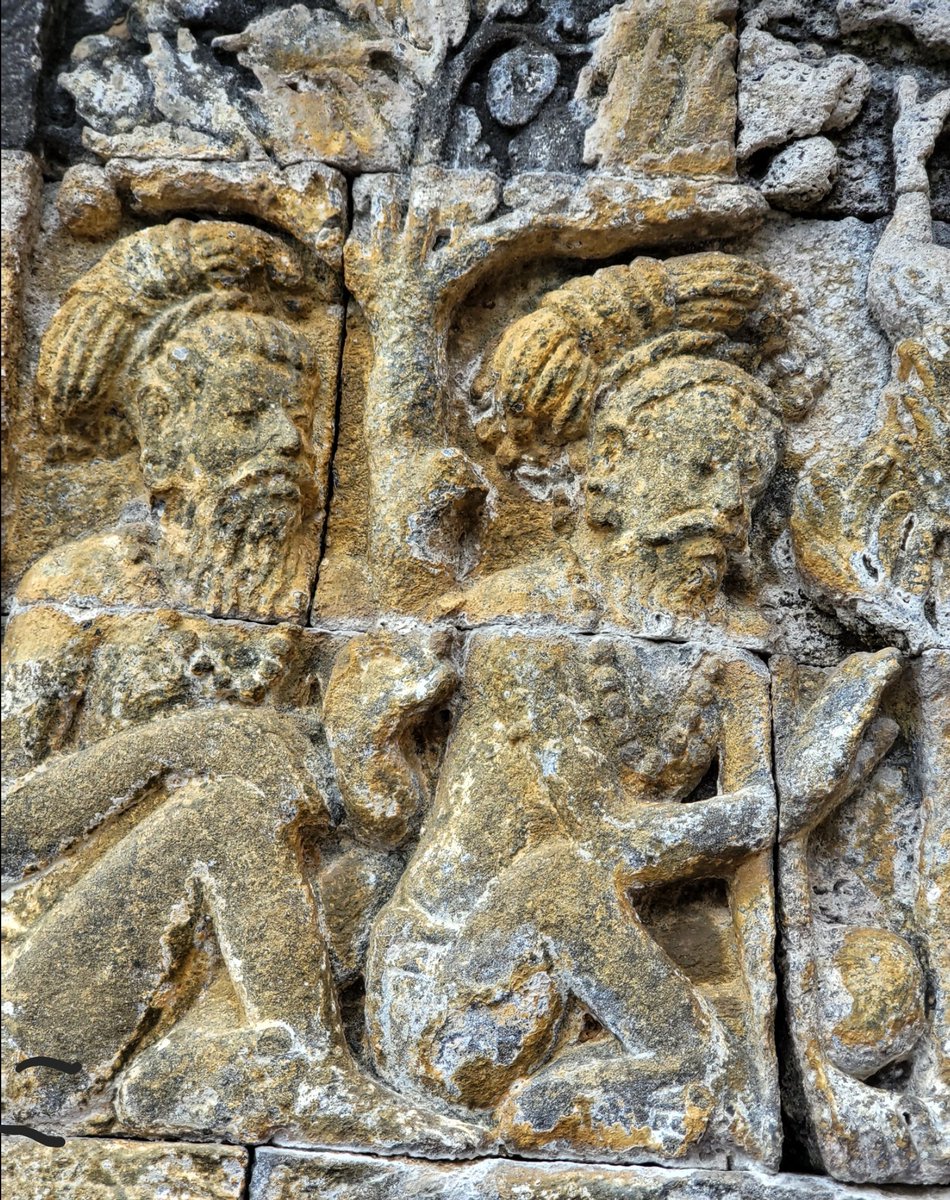
In art ascetics are often showed with a short loincloth, with piled up dreadlocks and carrying rudraksh rosaries and kundika- the ascetic’s water bottle.
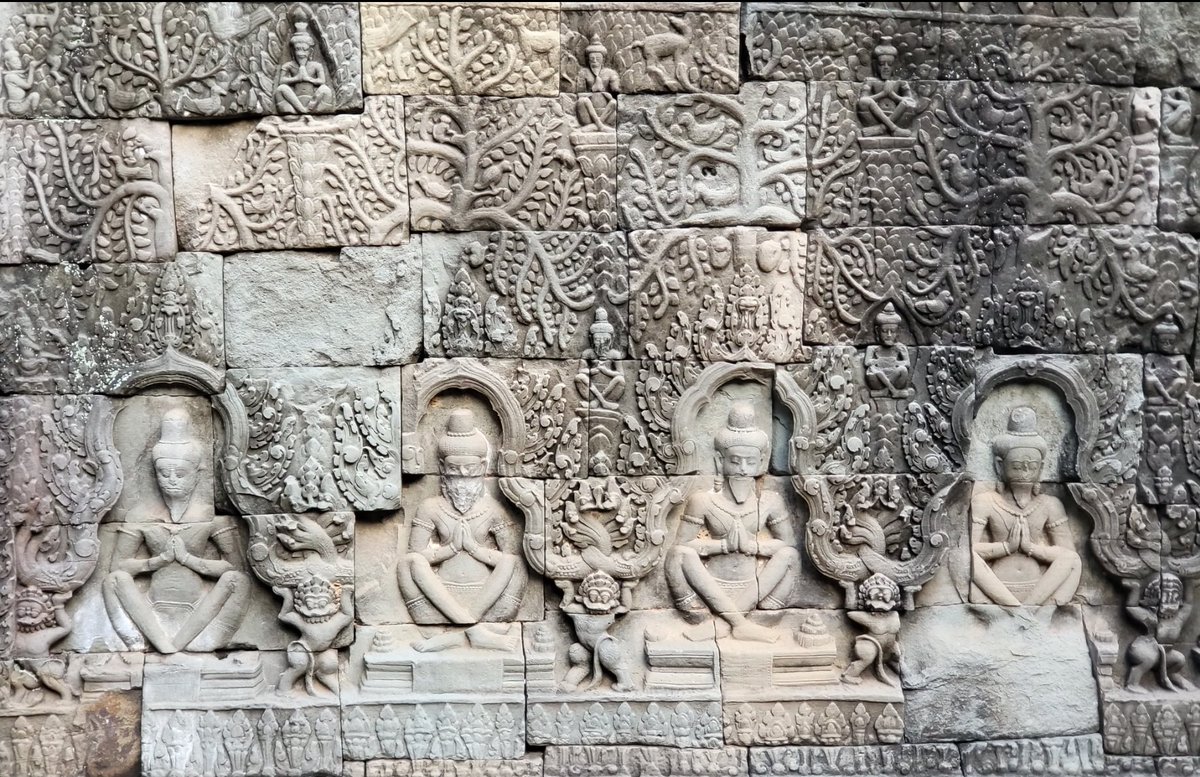
Others appear at one remove forming the model for depictions of the rishis tales from the epics or the sage Agastya

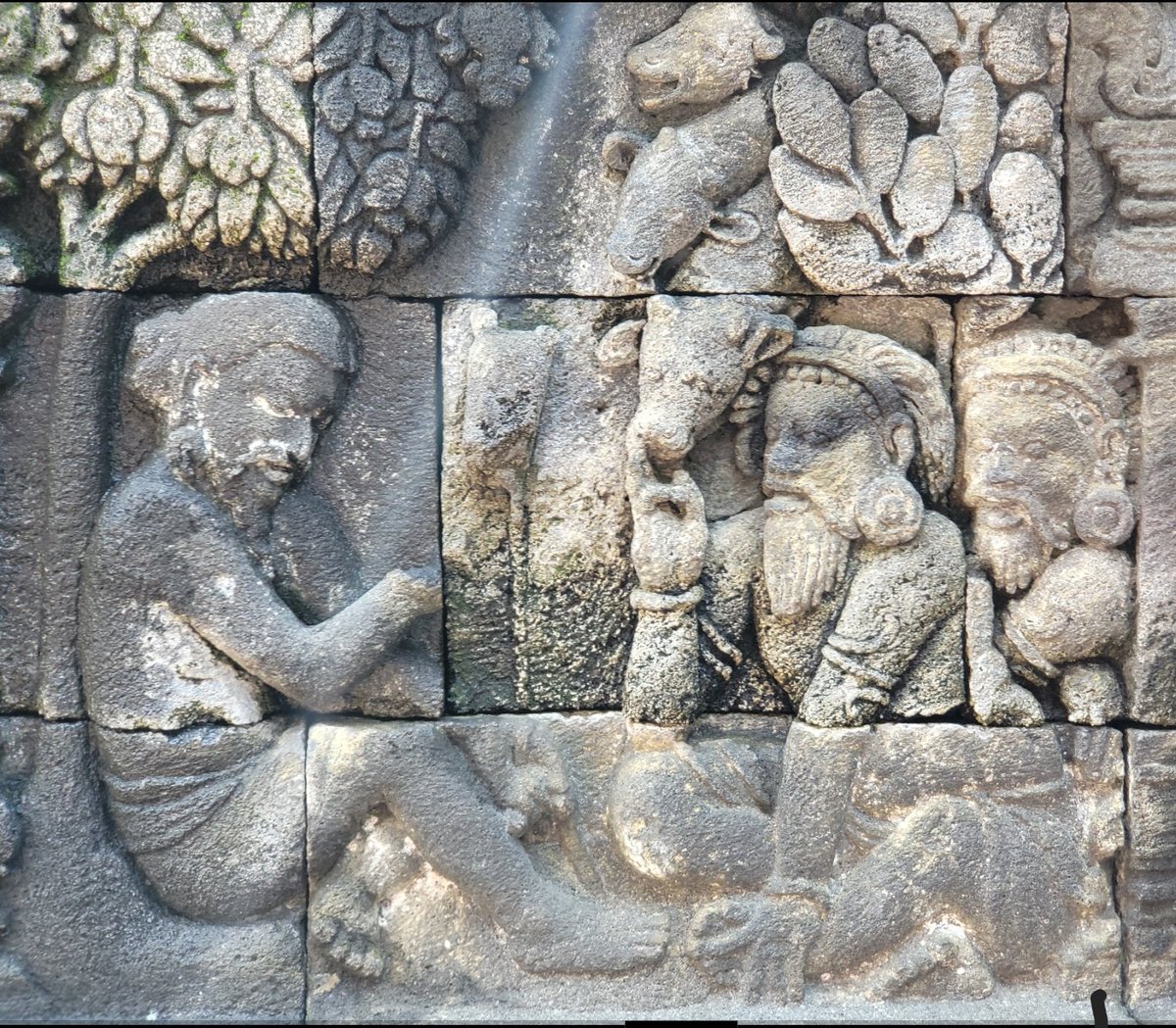

... or as Brahmins in Jataka tales or tales of the Life of the Buddha.
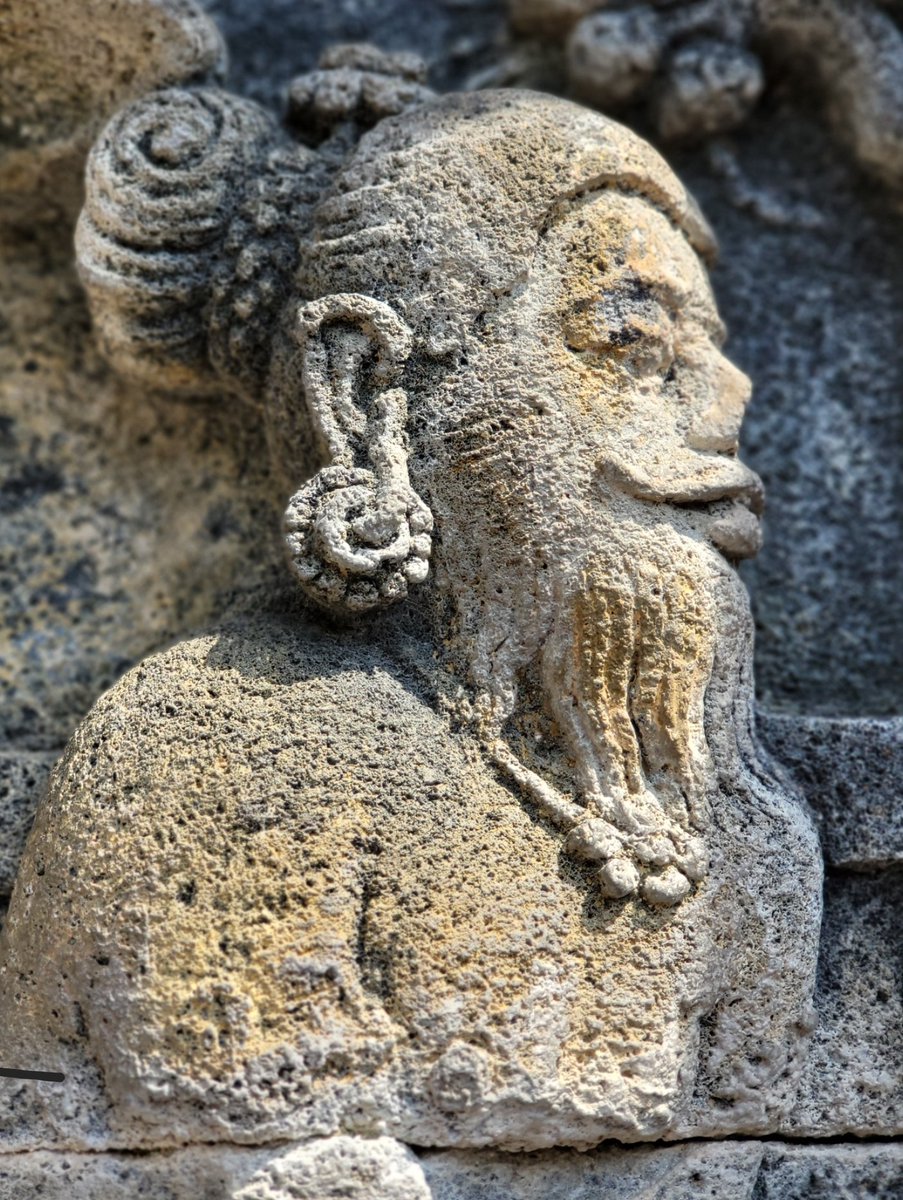
Either way their presence is inescapable in the monuments of Java and Cambodia: they are everywhere meditating in the forest, whirling their beads and whispering their mantras, ubiquitous in stone as they once were in life.

The Pasupatas are no longer with us: Cambodia is toxay mainly Buddhist & Java Muslim, but some of the rituals of the Pasupatas are said to continue in Bali and Lombok where Shaivite Brahmins lineages claim to have inherited Pasupatas traditions lost elsewhere.

There is more on early Hinduism & Buddhism in SE Asia in this 2015 piece I wrote in the New York Review:
The Great & Beautiful Lost Kingdoms
nybooks.com/articles/2015/…
The Golden Road, my book on the diffusion of Indian civilization around Asia, will be published in Autumn 2023
The Great & Beautiful Lost Kingdoms
nybooks.com/articles/2015/…
The Golden Road, my book on the diffusion of Indian civilization around Asia, will be published in Autumn 2023
• • •
Missing some Tweet in this thread? You can try to
force a refresh