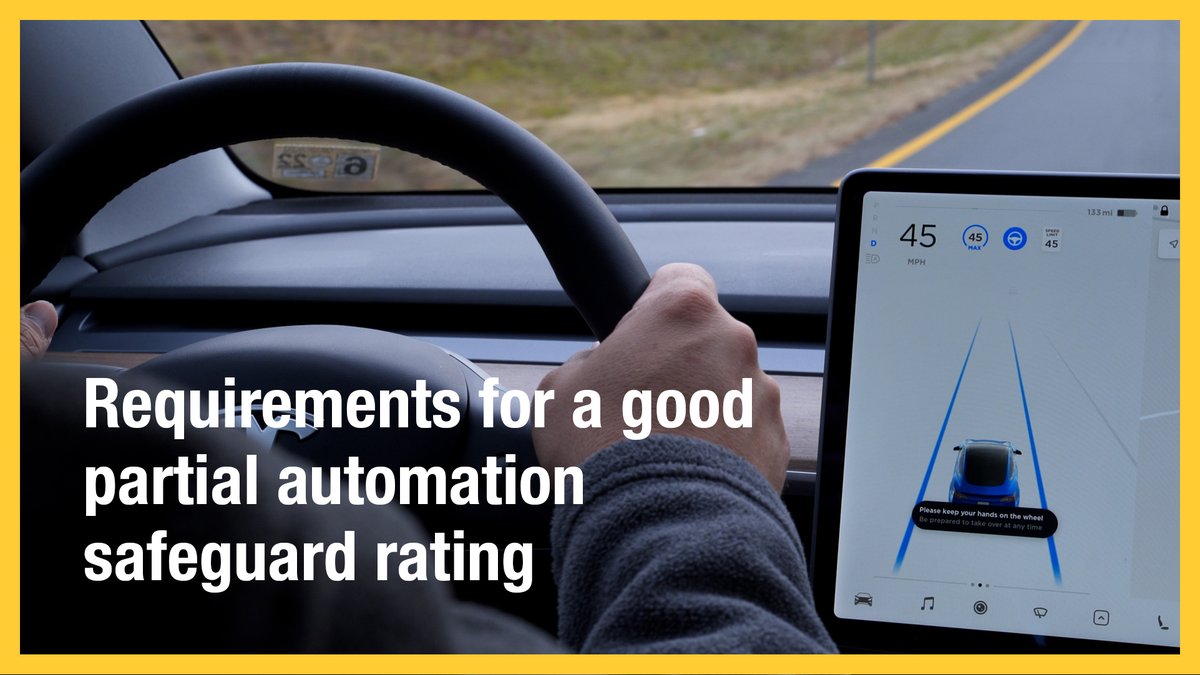
#ICYMI: Last week IIHS announced a new safeguard ratings program for partially automated systems. Here’s what it will take to get a good rating. Thread ⬇️ (1/10) 
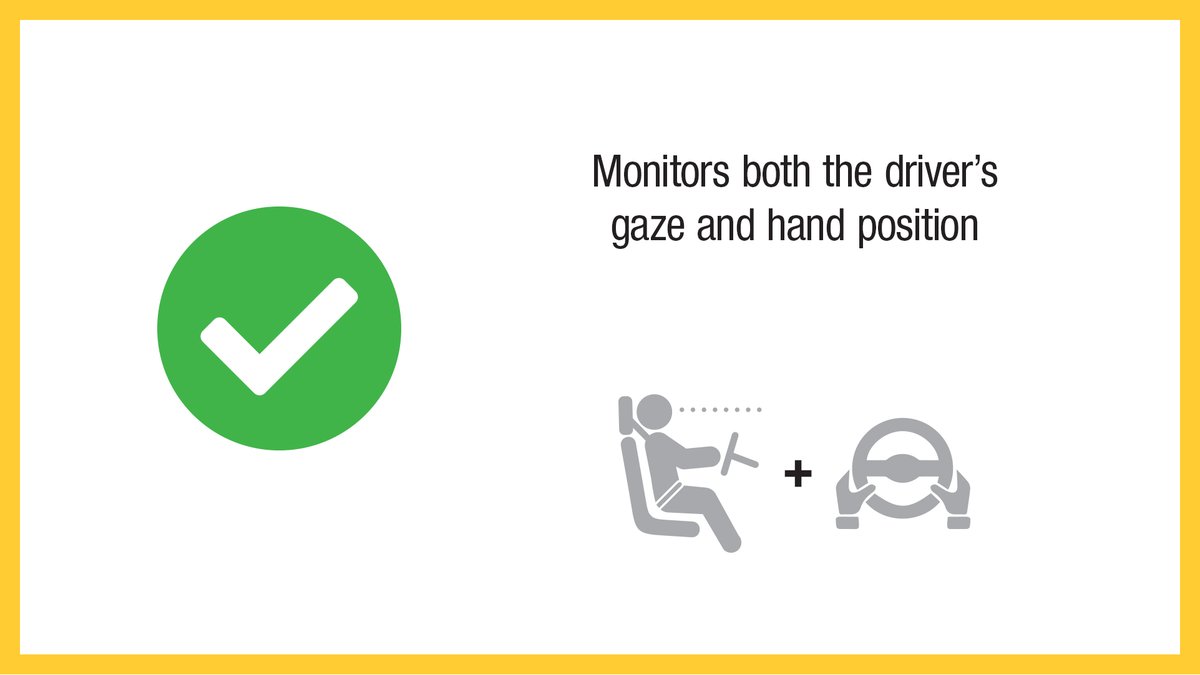
Neither gaze monitoring nor hand position detection is adequate on its own to ensure the driver is paying attention and ready to take over. (2/10)
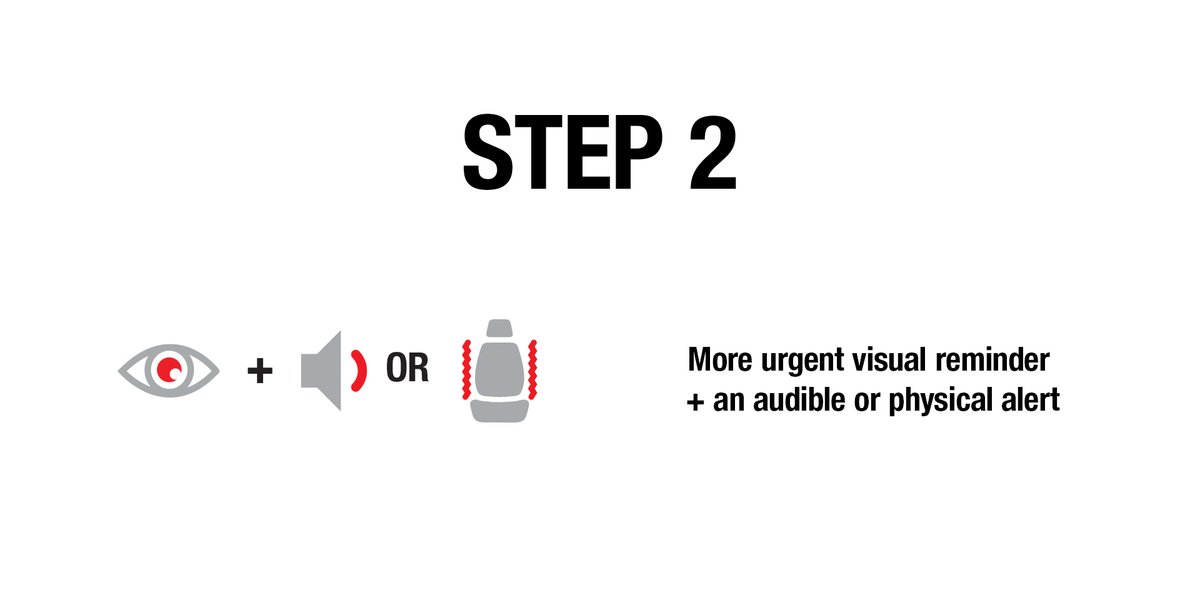
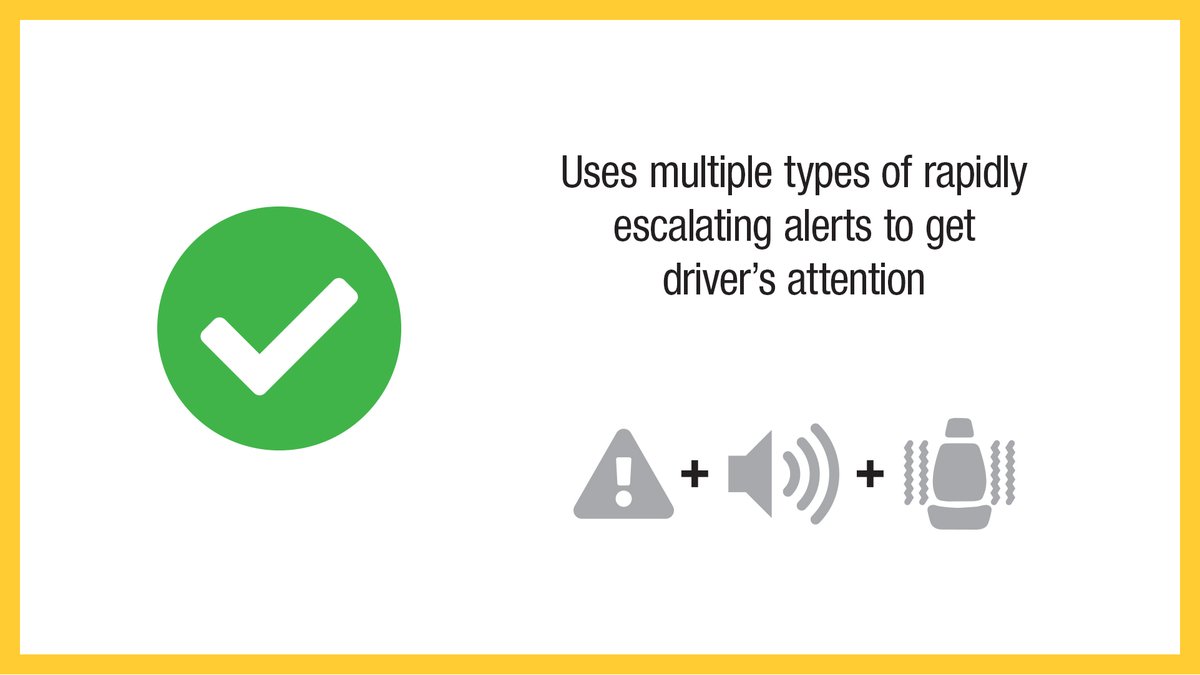
Evidence shows that the more types of alerts a driver receives, the more likely they will notice them and respond. (3/10)
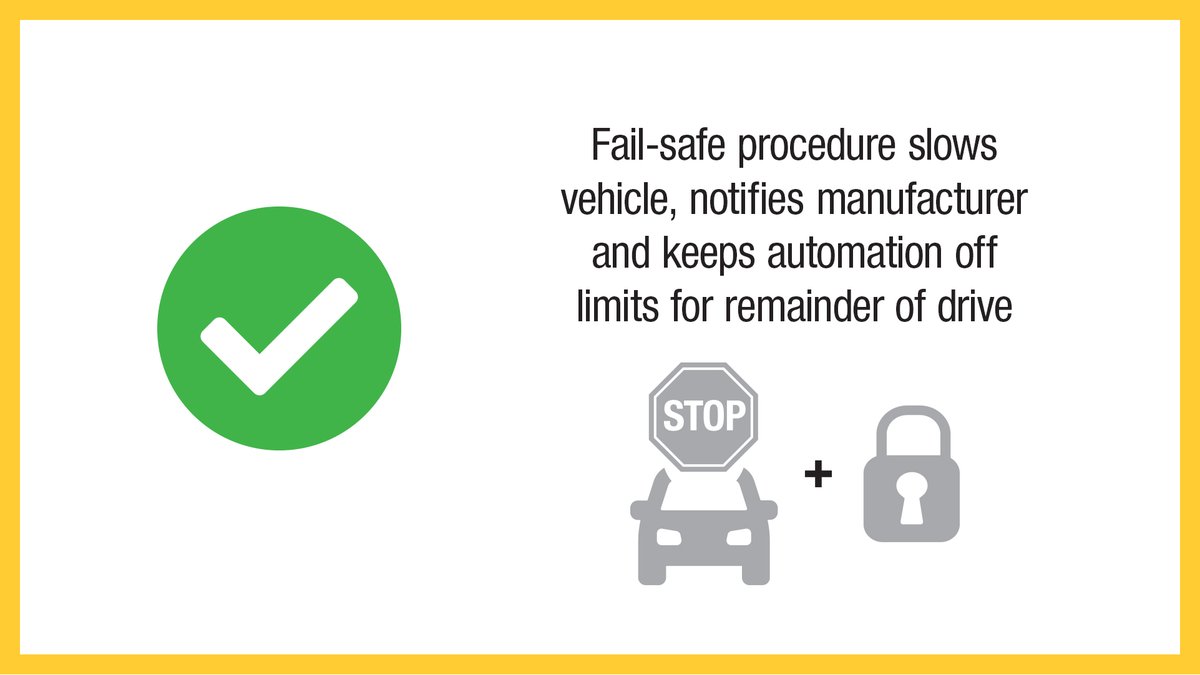
If these escalating alerts fail to reengage the driver, the vehicle needs to safely respond. (4/10)
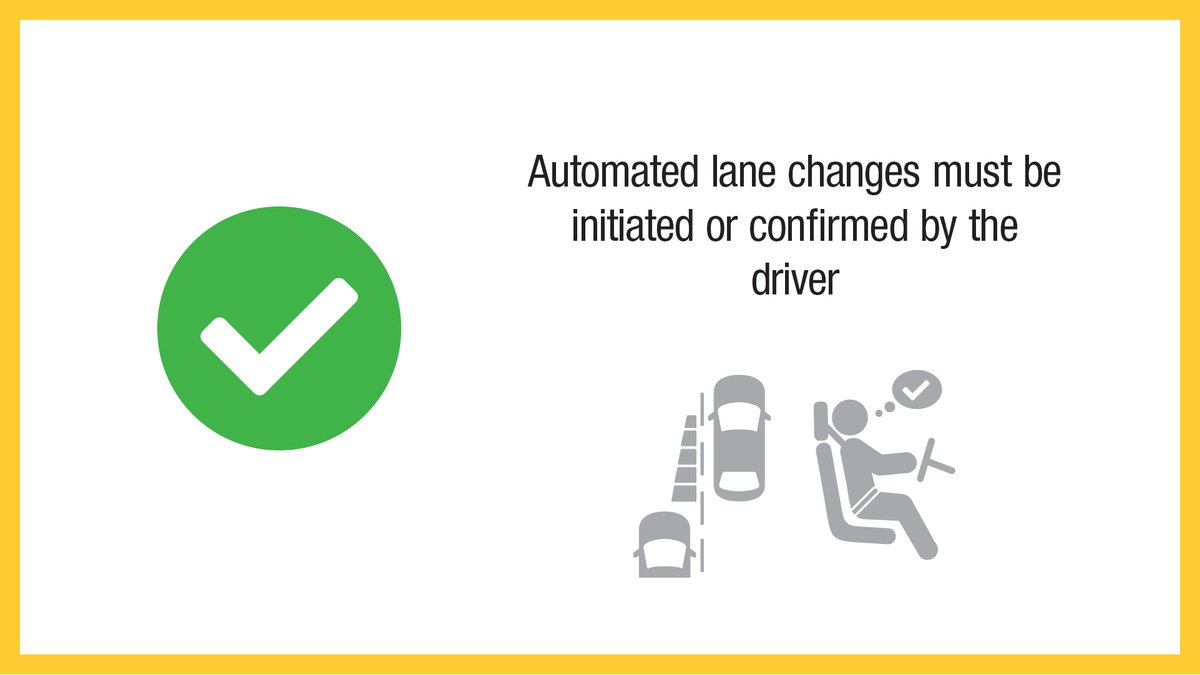
Participating in decision making helps keep drivers in the loop, so actions like lane changes should involve driver input. (5/10)
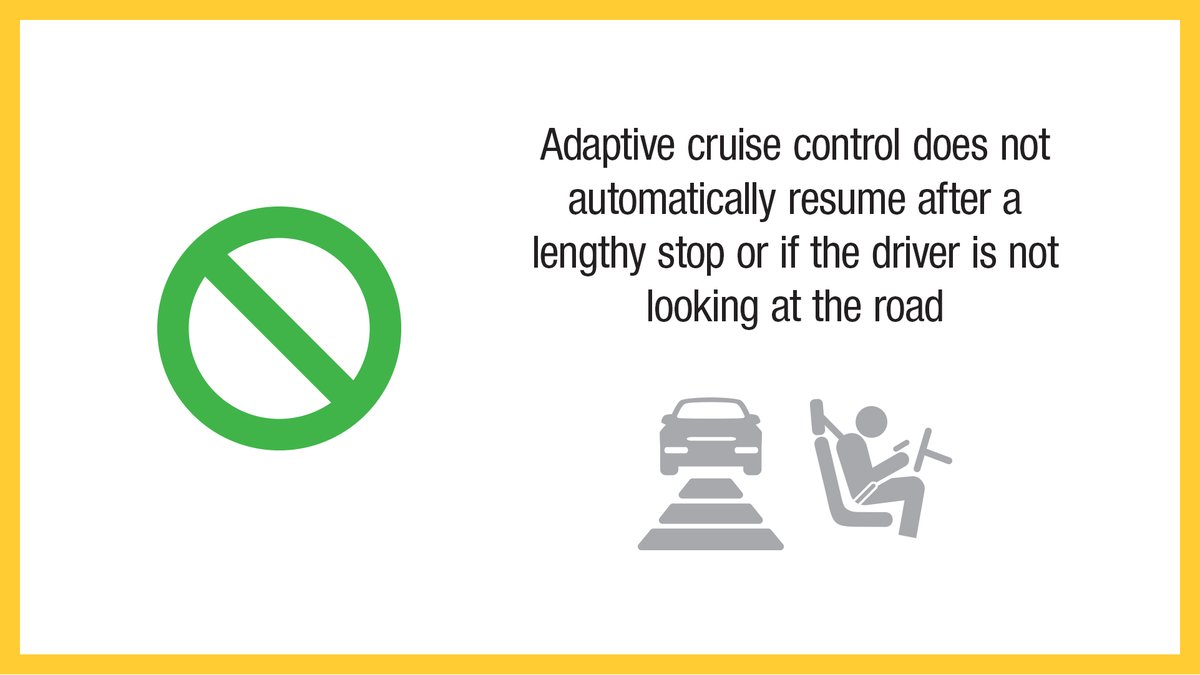
There need to be limitations on when ACC will reengage after a stop. (6/10)
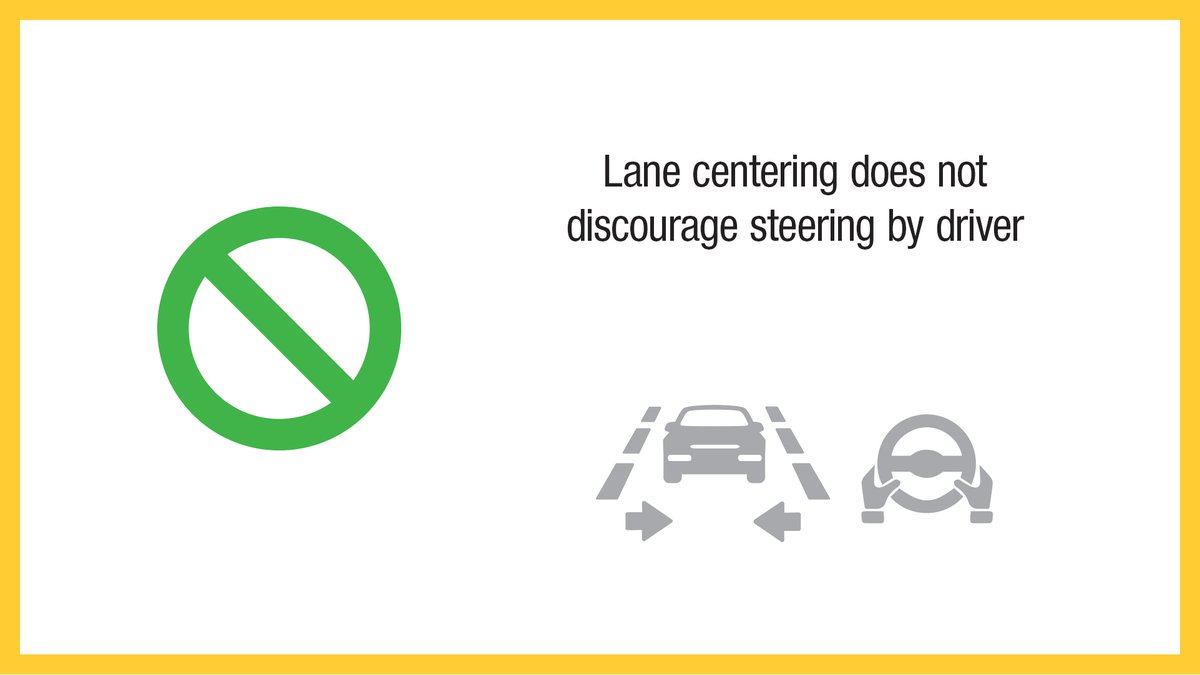
Sharing control of the vehicle helps keep the driver focused. Some systems disengage with driver input, which can discourage drivers from trying to share control. (7/10)
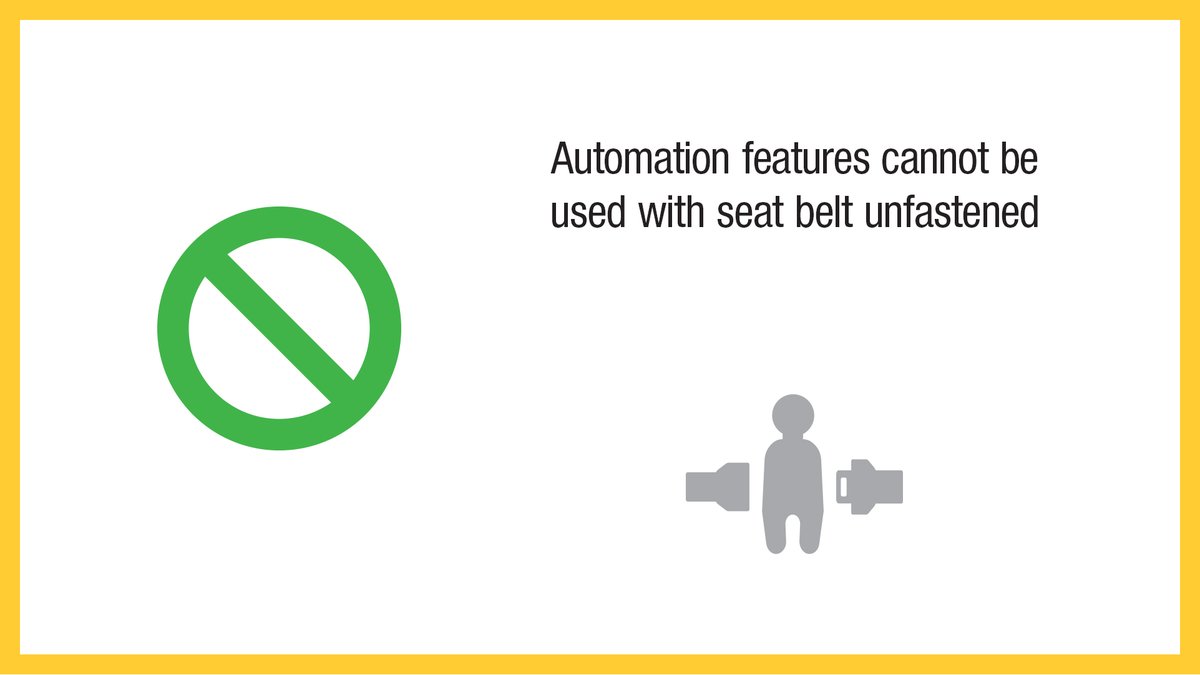
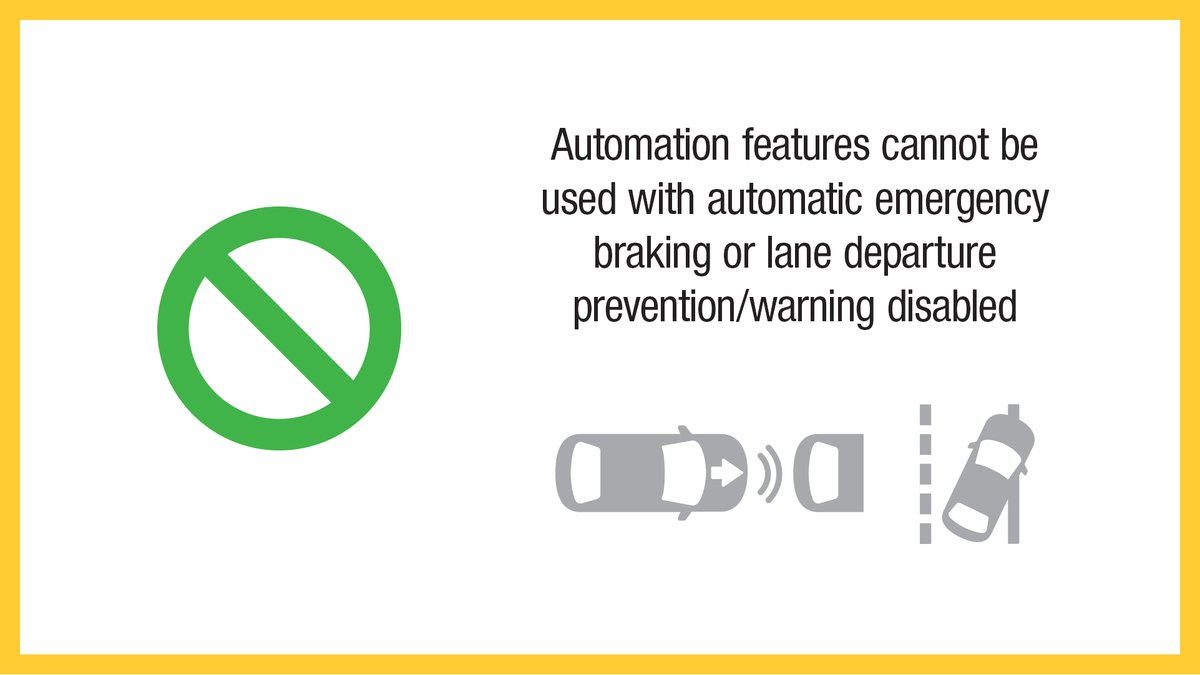
Use of partial automation should be dependent on a driver using the vehicle’s safety features, like the seat belt. (8/10)
This also includes having crash avoidance features active. (9/10)
For more information on the new ratings program for partial automation safeguards, visit go.iihs.org/news-partial-a… (10/10)
• • •
Missing some Tweet in this thread? You can try to
force a refresh