A historical thread on how repression in Russia and a large flow of refugees from a.o Ukraine triggered the birth of immigration control in Britain. 


For much of the the 19th century, Britain had no regulation to control immigration flows.This is a quote from Earl Granville, foreign secretary in 1872. Anyone had the "unrestricted right of entrance" into Britain.

Events in Eastern Europe would change this. In the Russian Empire, the Jewish population was only allowed to live in the so-called Pale of Settlement, which corresponds to much of modern-day Ukraine, Belarus, Lithuania and Moldova, and east-central Poland.
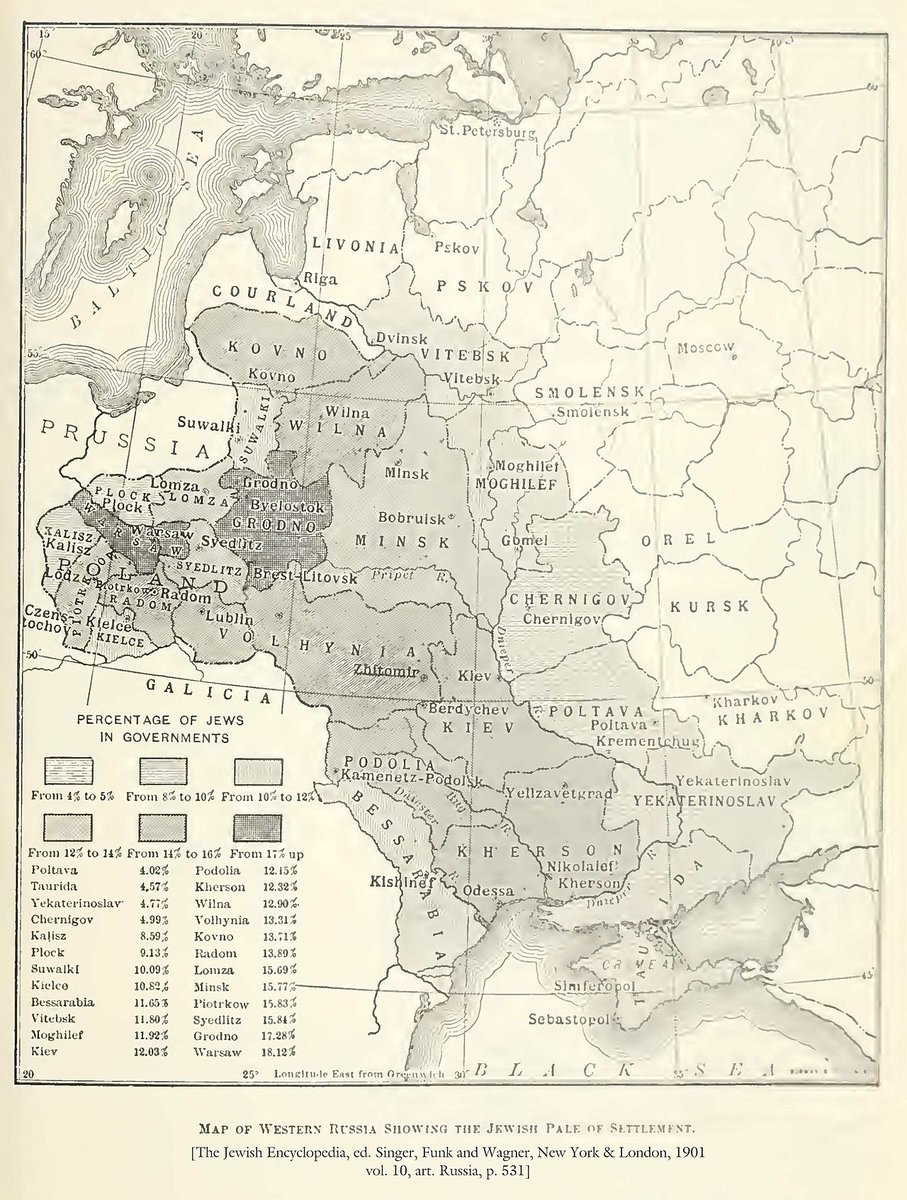
The Jewish population in the Pale came to represent 5 mio people, or nearly 40% of the total Jewish population in the world.
Under the reign of Emperor Alexander II (1851-1881), the rights of some Jews were expanded, and regulations for rich and/or educated jews to live outside the pale were relaxed.
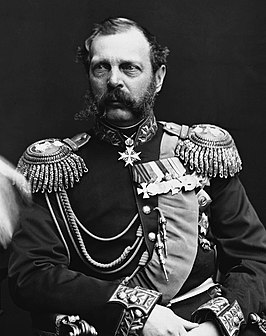
Things changed dramatically for the worse in 1881, when he was assassinated. The repressive May laws passed by his successor considerably restricted the rights of Jews in the pale (regarding settlement, property), and anti-semitic violence increased. Jews were expelled from Kiyv
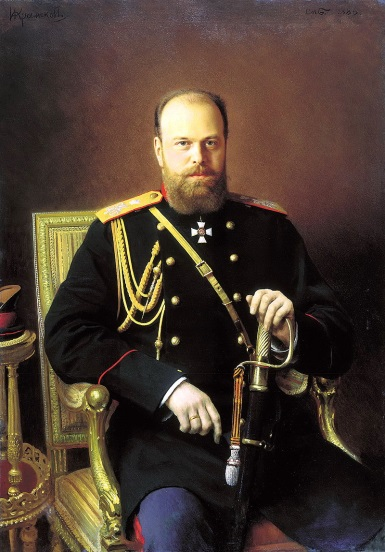
This triggered a wave of emigration to the West, notably to Britain. Over the space of a generation, close to 3 million Jews from that area sought shelter abroad.
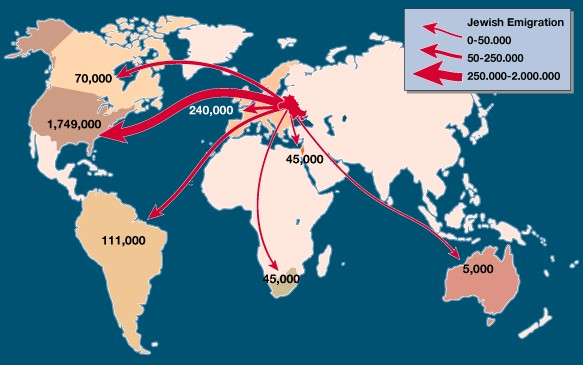
As a transit point on the way to America, Britain became a significant destination for Jews from Eastern Europe. Many immigrants stayed even if their initial aim was to continue their journey. Between 1881 and 1914, around 150’000 Jews settled in Britain.
Jewish immigrants from Eastern Europe would typically settle in poor neighbourhoods (e.a the East End, Stepney). Conservative MPs from East London would come to play a prominent role in pushing the issue of immigration restriction.

In 1887, an MP asked “What great states of the world other than Great Britain permit the immigration of destitute aliens without restriction", and what prevented measures that "shall put a stop to the free importation of destitute aliens into the United Kingdom”
In 1888, a select committee of the House of Commons was appointed to “inquire into the laws existing in the United States and elsewhere on the subject of the immigration of destitute aliens, and as to the extent and effect of such immigration into the United Kingdom”.
From the 1890s, renewed repression in Russia triggers more fears of large refugee flows. MPs on the right ask for a legislative base for immigration restriction.
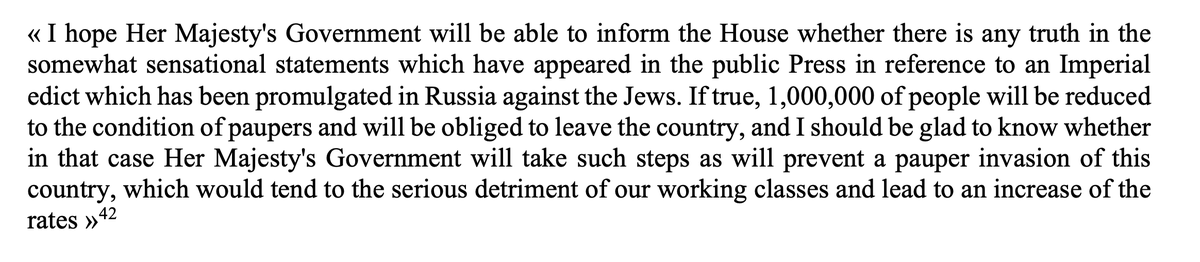
Jewish immigrants from eastern Europe were especially accused of pushing wages down, and putting pressure on poor relief. There was little evidence of this, however.
Nevertheless, anti-immigration groups such as the British Brothers league were able to organise 4000-strong meetings in East London. People like W. Wilkins, Arnold White or Major William Evans-Gordon talk of an "Alien Invasion".
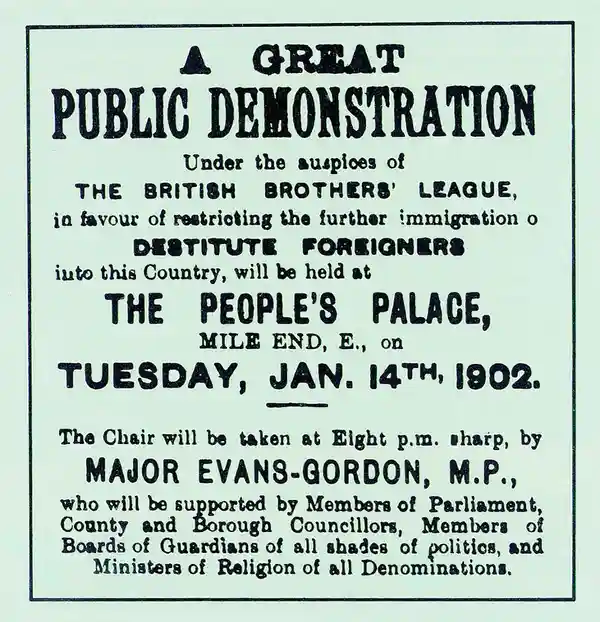
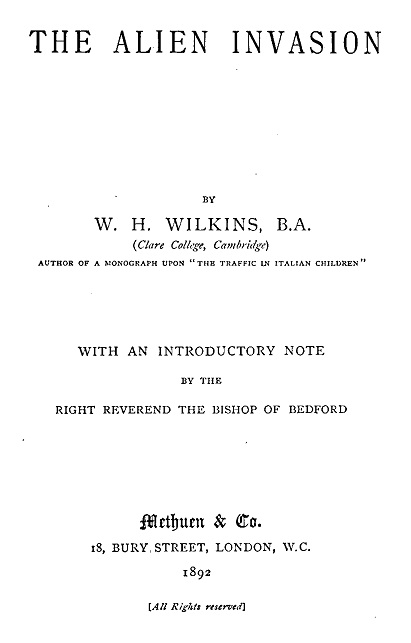
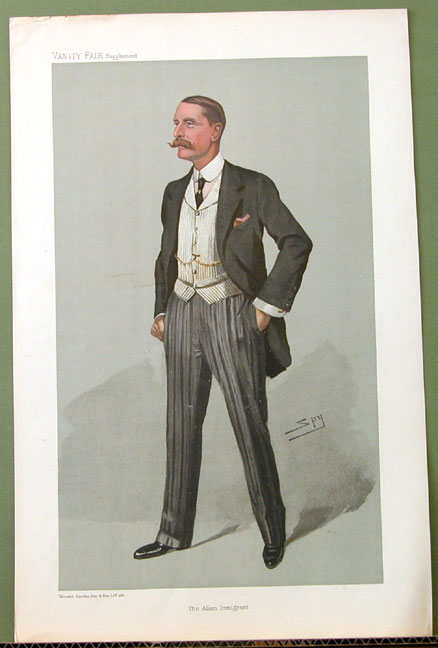
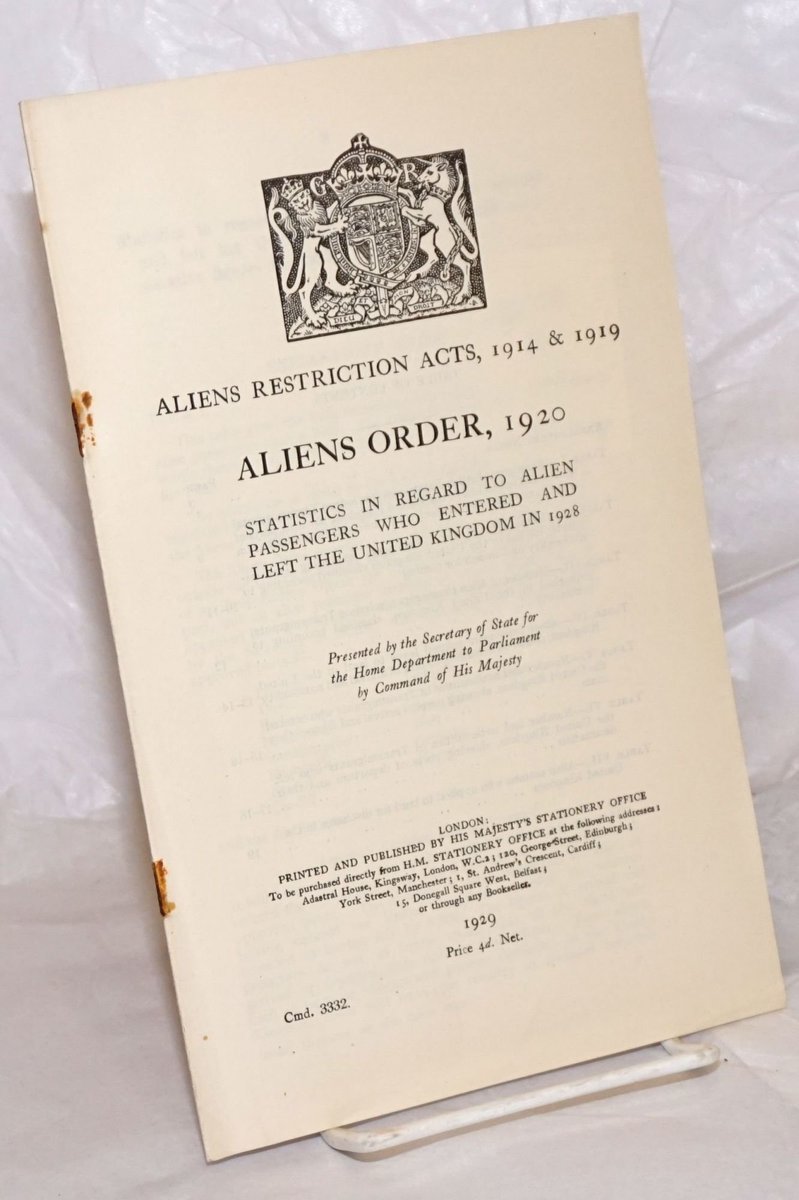
Ultimately, this climate led to the adoption of the 1905 Aliens act, the first piece of legislation empowering the Home Secretary to control immigration flows into the United Kingdom. It would be further strengthened in 1914, 1919 and many times after.
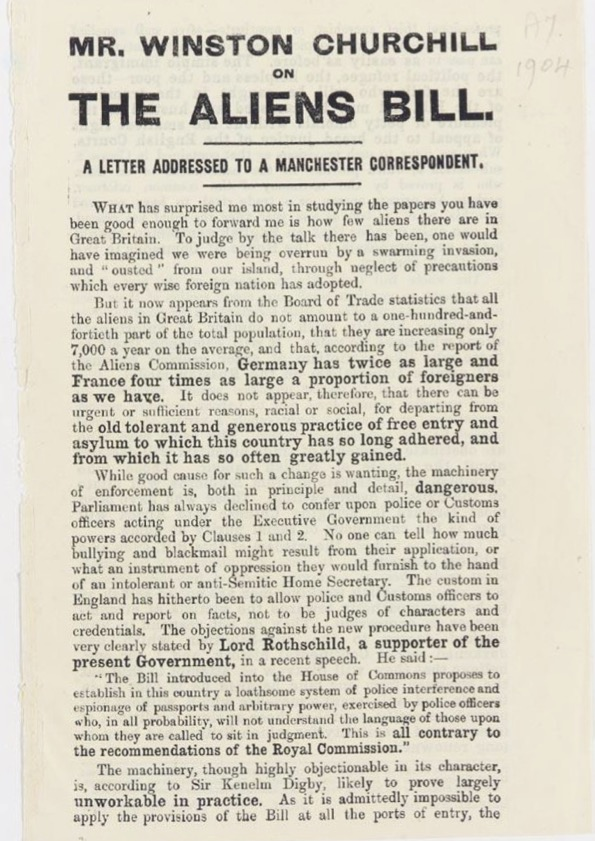
Note that Winston Churchill back then (1904) opposed such legislation. churchillbookcollector.com/pages/books/00…
This was the passage of my book I was working on in January, and only realised the connection with current events now.
You can read the unrolled version of this thread here: typefully.com/alexandreafons…
• • •
Missing some Tweet in this thread? You can try to
force a refresh