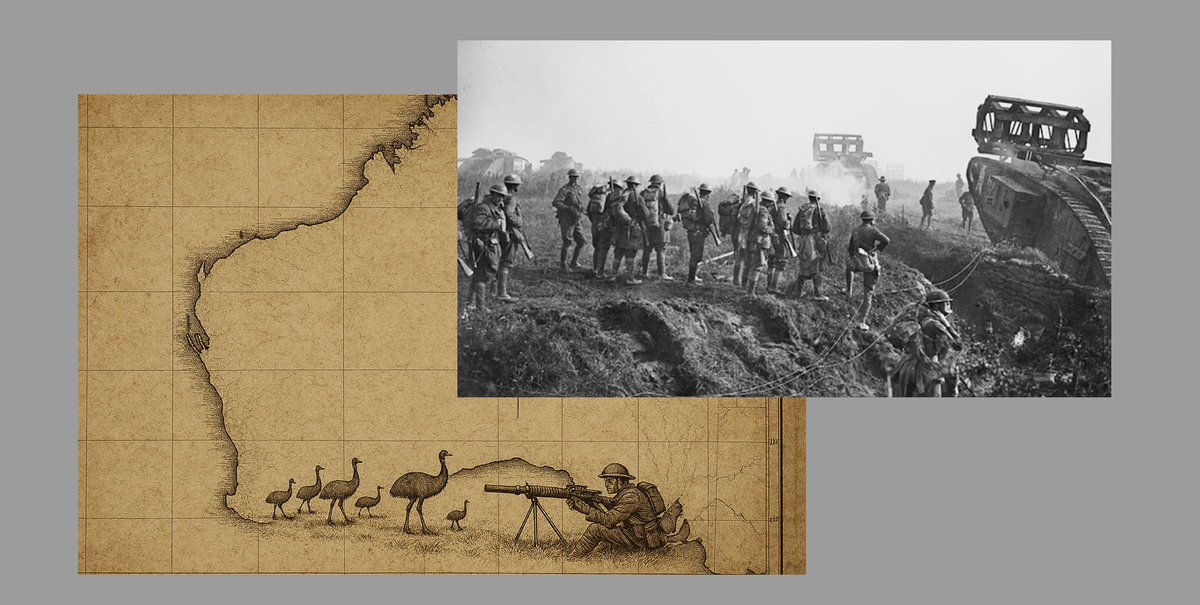
Thirteen days since the Russian invasion of Ukraine began. Today I examine reports that Russia has committed 100% of forces assembled before the invasion, including what it means for their campaign. War, among other things, is also about maths. 1/25 (Image - @ForeignPolicy) 
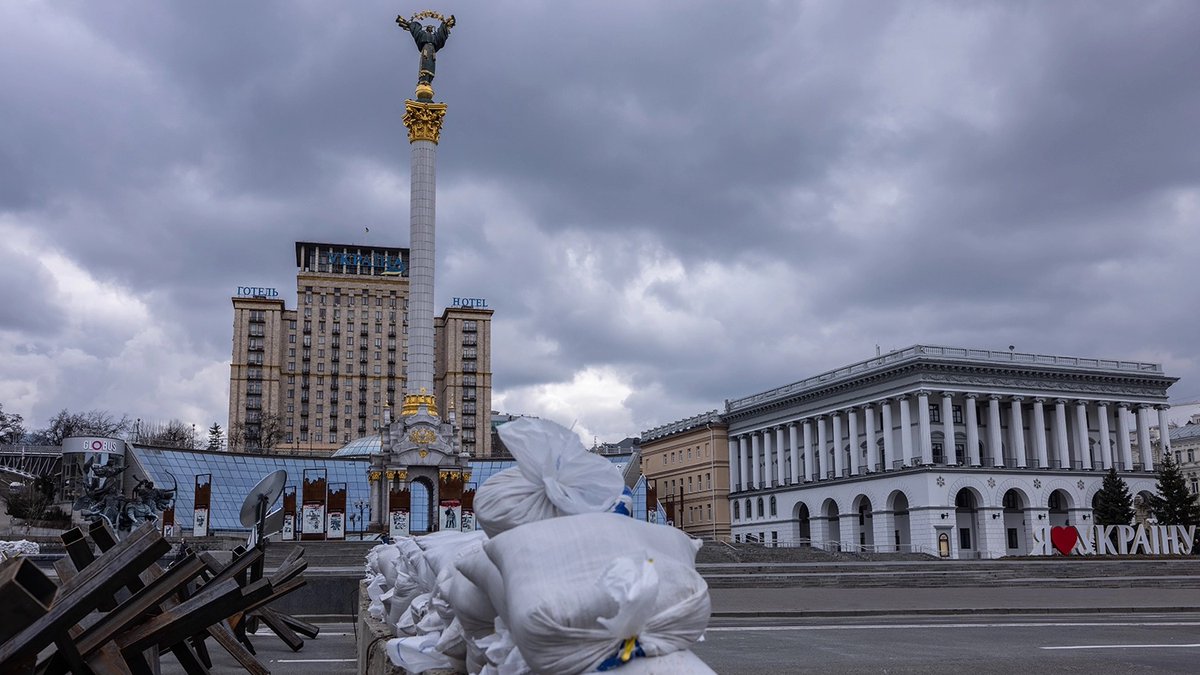
2/25 As always, a shout out to those reporting on the Russian invasion. This includes @KofmanMichael @maxseddon @IAPonomarenko @RALee85 @shashj @DanLamothe @ikhurshudyan @IanPannell @thestudyofwar @siobhan_ogrady among others. Please follow them.
3/25 There is a relationship between resourcing military operations (personnel numbers) and campaign design.
4/25 Campaign design is an important component of military professionalism. Through good campaign design, commanders and their staffs’ sequence and orchestrate tactical goals and actions.
5/25 A vital aspect of campaign design is the prioritization for allocation of forces, logistic support, intelligence, transport, and inter-service collaboration. At least in theory, campaigns should be largely joint rather than service oriented.
6/25 The Russian Campaign in Ukraine should (in theory) also act as the interface between the tactical battle and activities on the ground, and the achievement of Russian strategic end states.

7/25 The Russians, who have previously demonstrated high competence in campaigning and operational art, seem to have forgotten many of its fundamentals in their design and execution of the invasion of Ukraine. Force size and commitment is just part of the evidence for this.

8/25 Today, in his daily Pentagon briefing highlights, @danlamothe reports there has been “no appreciable change in combat power Russia has put in the fight. They are still at nearly 100 percent of the combat forces they had arrayed at the border before the invasion.”
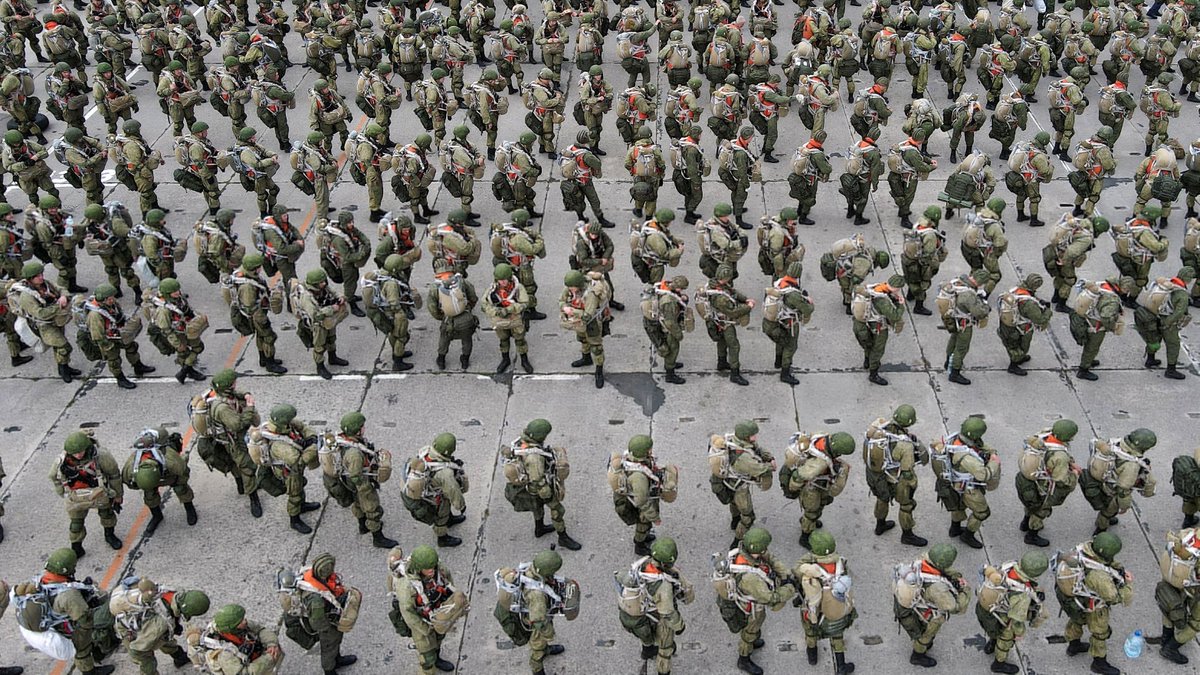
9/25 Most sources agree Russia arrayed up to 190K troops around Ukraine before the invasion. Open sources note that the size of the Russian ground forces sits at 340K (incl paratroops). Therefore, Russian committed around 55% of their total ground forces to Ukraine.
10/25 In comparison, at the peak in November 2007, the US Army and US Marines had 170K soldiers and marines in Iraq. US Army total force size was 519K and US Marines was 184K. This represents around 24% of their total regular force deployed in Iraq. sgp.fas.org/crs/natsec/R40…
11/25 The size of the Russian deployment means that it has taken a major strategic risk in deploying such a significant percentage of its ground combat power on a single mission. It also means that it probably did not expect to use it.
12/25 This can be traced back to Putin’s flawed strategy, which assumed that the Ukrainians would not resist. And if they did resist, they could be quickly overwhelmed by Russian forces. thehill.com/opinion/intern…
13/25 Committing this percentage of combat power as its first echelon in on a single mission presents a significant strategic challenge for Russia. Responsible military institutions always plan for worst case. If you deploy it, you need to assume you might use it.
14/25 In military operations, casualties & fatigue, as well as equipment losses, wear & tear, will decrease force strength over time. Rotation of forces is necessary for any missions of even medium length duration. Humans can only fight for so long before becoming non-effective.
15/25 Russian also had to adapt its campaign design. The first days saw attempts to use light forces & rapid strikes to achieve objectives, including the capture of Kyiv. It has now changed this to a methodical campaign of attrition. These are logistically expense and complex.
16/25 At the same time, the Ukrainians have the advantages of operating on interior lines. This enables the more rapid redeployment and reinforcement of forces. It also simplifies command and control as well as logistic. tandfonline.com/doi/abs/10.108…
17/25 The Russians are operating on exterior lines. They seek to advance on multiple axes from different parts of Belarus, Crimea, Russia & Donbas. This is complex, and in war, the more complex a plan is, the more likely it is to run into problems. We have seen these manifest.
18/25 Russia now finds itself in a situation where it has not achieved key military objectives in the north, east & south. It has concurrent offensives in different, disconnected parts of Ukraine. It has committed all the military forces it had for Ukraine on these missions.
19/25 There is little prospect of a quick resolution, so fighting we continue for at least weeks and perhaps months. All of this time will see the Russians and Ukrainians lose more personnel and equipment, which on both sides will be hard to replace.
20/25 The Russians will need to find solutions to this ‘100% committed’ problem soon. There are three key problems that they must solve.
21/25 First, they need a theatre level reserve in the north if they are to complete encirclement of Kyiv & follow-on attack on the city. The size of Russian forces currently in the north is likely to be insufficient for both tasks. They may have to pause other ops to do so.
22/25 Second, the Russians more broadly may need to start planning for more reinforcements and rotating forces. Both humans and equipment need breaks in combat to retain effectiveness over the medium and longer term. And Russian losses have probably been higher than anticipated.
23/25 Third, Russia must look at other military commitments both within & beyond its borders. Does the importance of their strategic goals in Ukraine justify stripping more Russian troops from other missions and garrisons to reinforce a combat weary and degraded force in Ukraine?
24/25 The Russian campaign design for Ukraine is flawed. It sets too many operational objectives for a Russian ground force that is not large enough to secure them. They will seek other methods – more airpower, artillery, rockets – to prevent a stalemate setting in.
25/25 That ends update 13. Russian campaign design, and their ability to achieve campaign outcomes on the ground, has been found wanting. With all their theatre forces committed, the Russians will become increasingly desperate to achieve their aims. Image - @UAWeapons

• • •
Missing some Tweet in this thread? You can try to
force a refresh