
The war in Ukraine has marked a turning point for the EU, and Emmanuel Macron is leading the way. newstatesman.com/international-…
By invading Ukraine, Vladimir Putin has solidified the Atlantic alliance, narrowed rifts between the US and its European partners and opened the way to possible Nato membership for Finland and Sweden. 
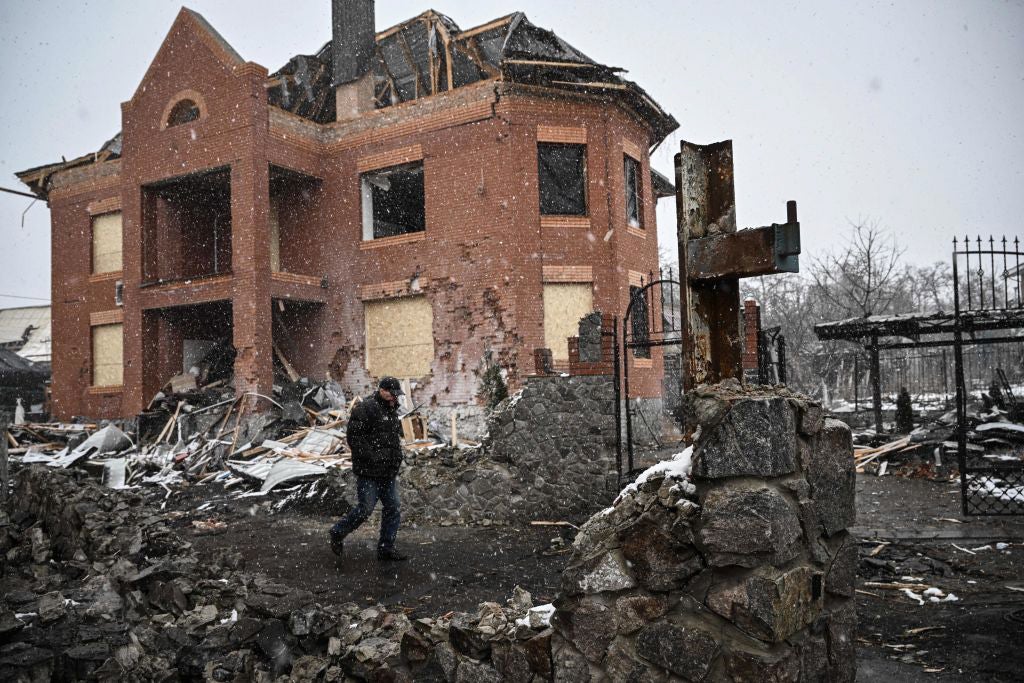
He has also woken a sleeping strategic giant – the European Union.
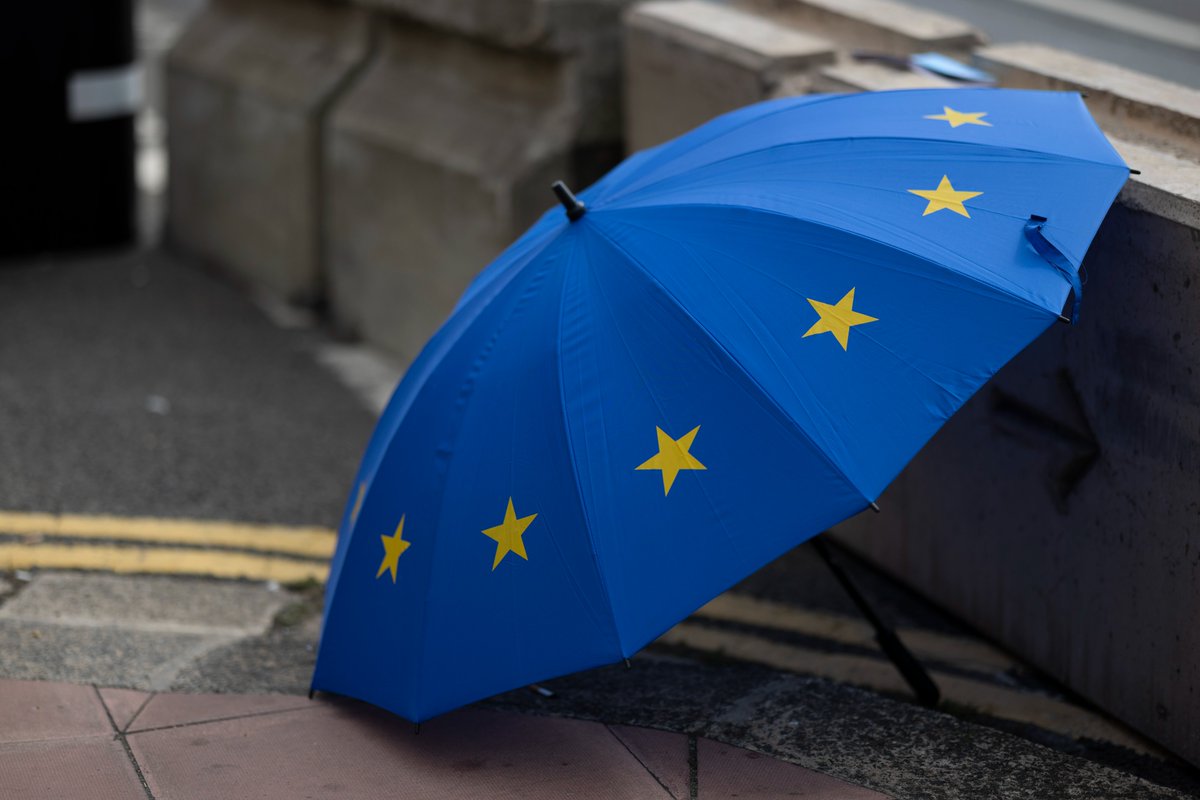
The EU may emerge in the years ahead as both a partner and a rival to Nato in countering the anti-Western, anti-democratic ambitions of not just Moscow but also Beijing.
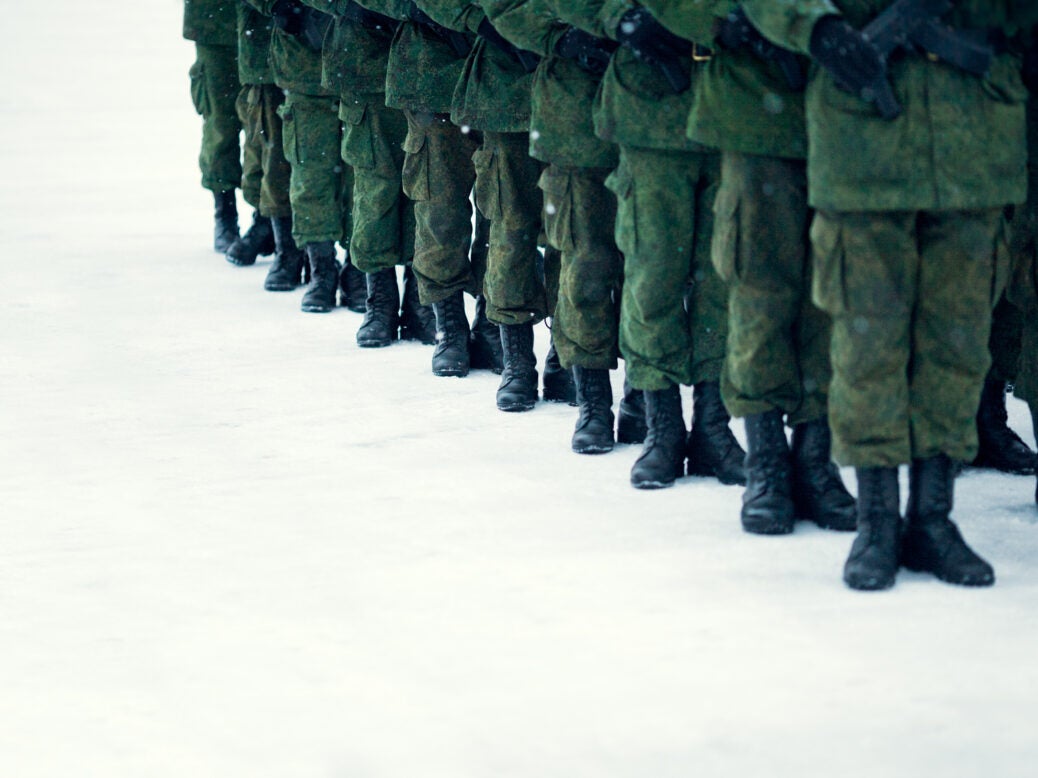
The key player will be Emmanuel Macron. The French president has long argued that Europe must seize control of its own destiny and become equal partners with Washington.
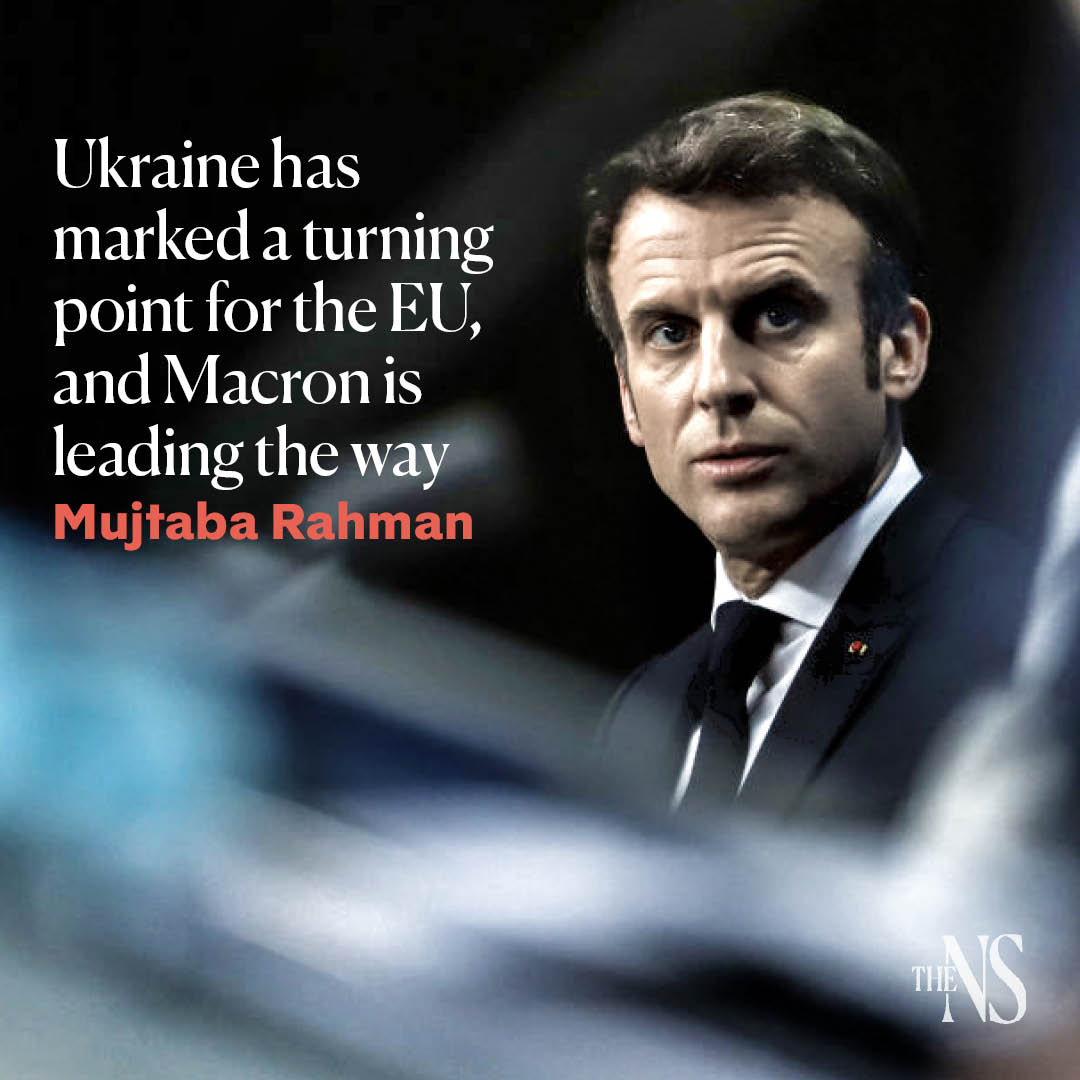
Macron’s view – that Europe needs a political brain to go with its economic muscle, that it has to start thinking about its strategic future – no longer seems an outlandish idea in recent weeks.
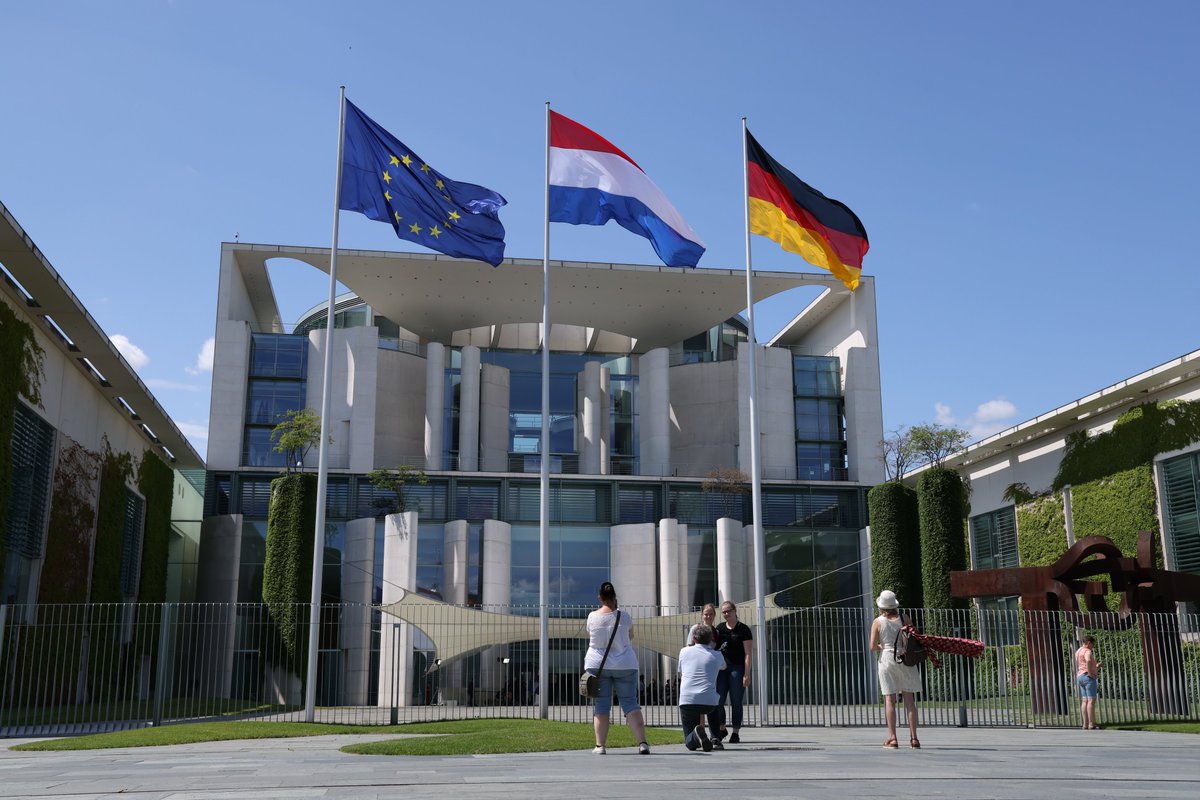
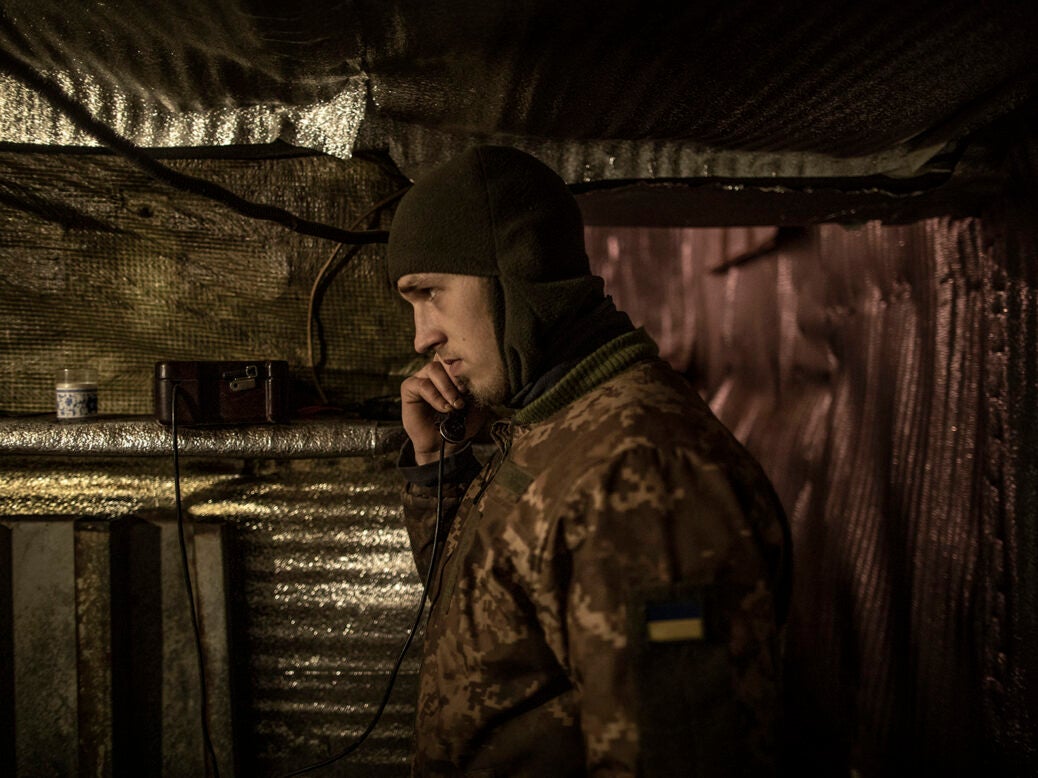
No one would have forecast a month ago that the EU, as an institution, would provide €450m (£374m) to fund lethal weapons supplies to Kyiv.
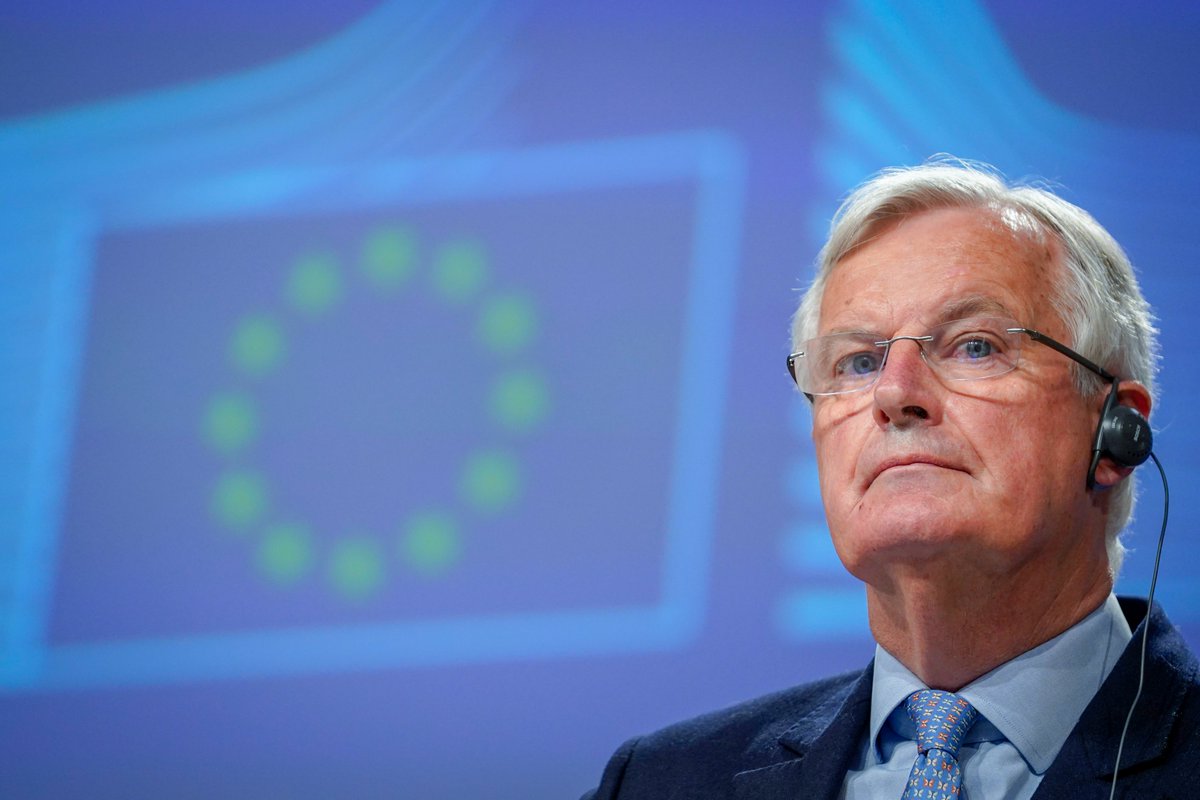
At some point, however, the EU will have to take stock and adjust its policies and institutions to this new reality – especially how it manages foreign, security, defence and fiscal policy.
But some of the advances of recent days will have to be codified more clearly in EU law and EU institutional capacity in the coming months.
President Macron has begun this process this week, at a special summit of EU leaders that he has called in Versailles on 10 and 11 March.
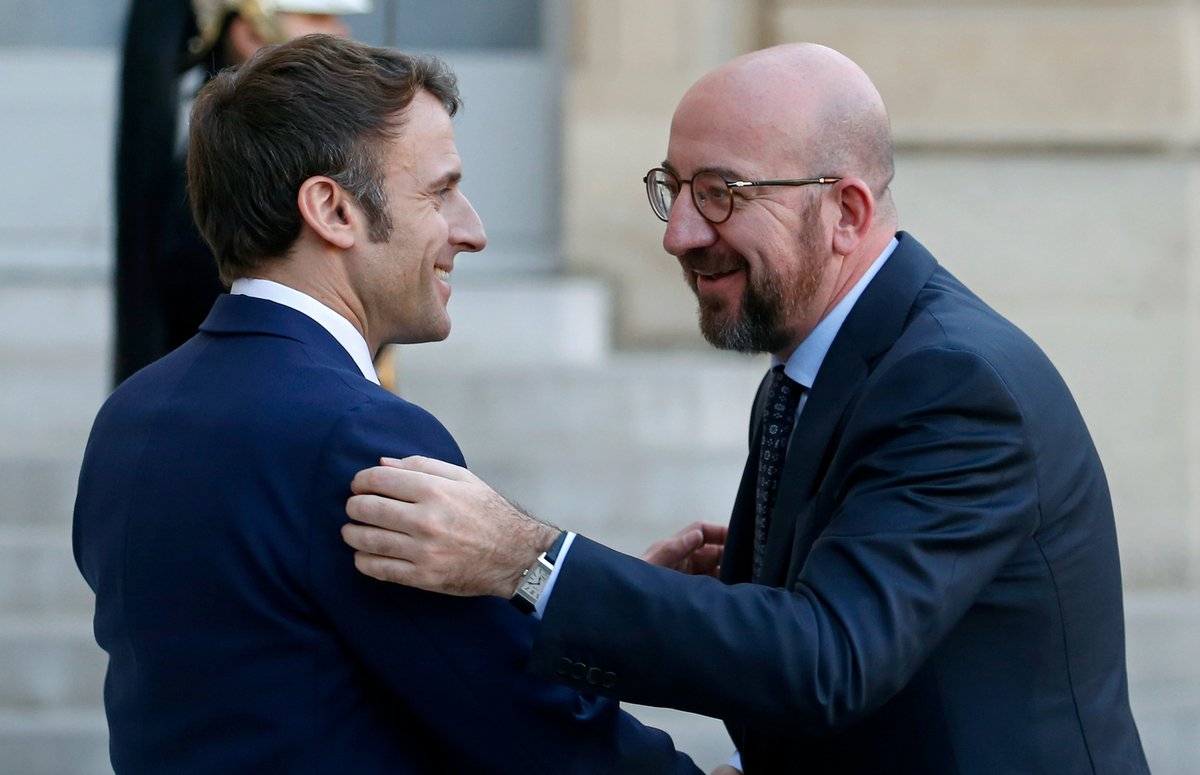
In a national TV address on the Ukraine war on 2 March, Macron said that he would ask EU leaders to “take a new step towards our European defence”.
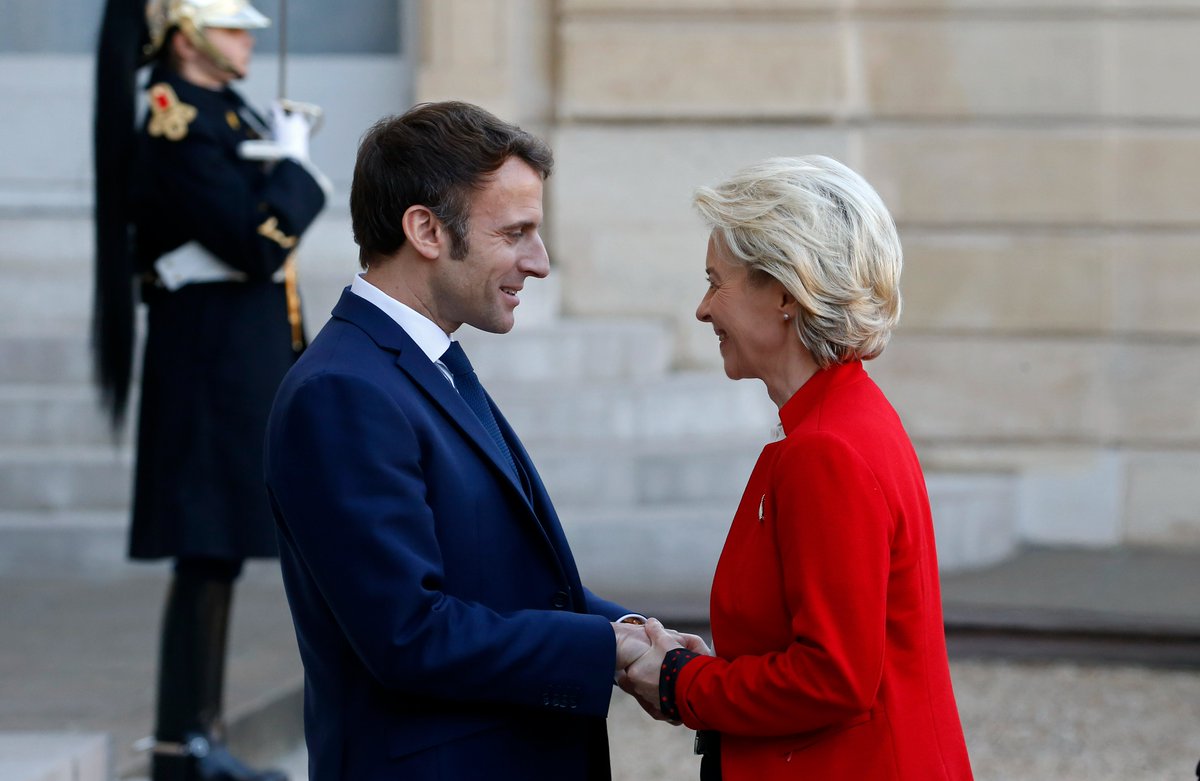
Some EU governments will see the Ukraine war as a reason to cling to the US. France believes that the Europe must start thinking about long-term policies to protect itself.
In Versailles, Macron will make his pitch. newstatesman.com/international-…
In Versailles, Macron will make his pitch. newstatesman.com/international-…
• • •
Missing some Tweet in this thread? You can try to
force a refresh





