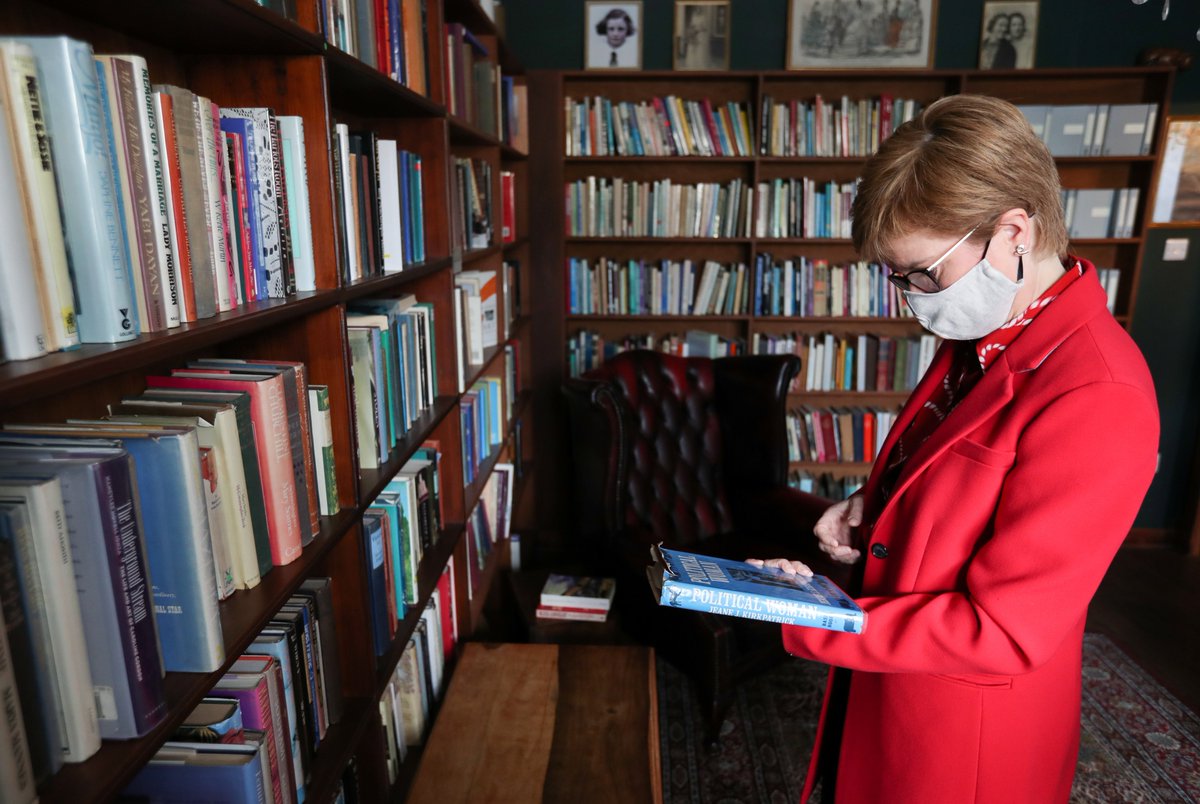
Scotland's official embrace of literature reveals much about its comfortably stuck political culture, cosily immured from an increasingly illiberal world. newstatesman.com/ideas/2022/03/…
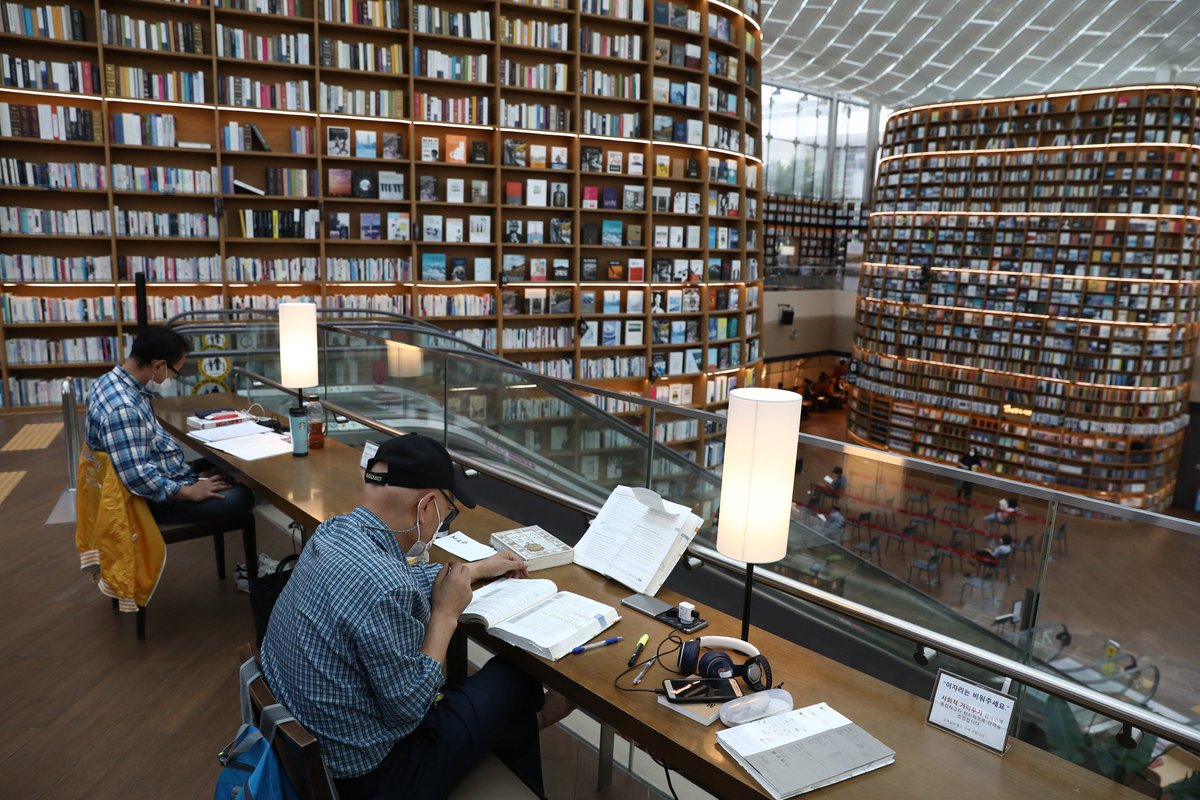
Nicola Sturgeon loves books. It says so on her Twitter bio, with her picture against a wall of colourful hardbacks.
The virtues of reading are also key to the government Sturgeon leads. There is a First Minister’s reading challenge, a nationwide project to “develop reading cultures” and encourage reading for pleasure.
The signature social policy of Sturgeon’s government, the “baby box” introduced in 2017, presents every newborn in Scotland with a free crate of “essential items, such as clothes, nappies and books”.
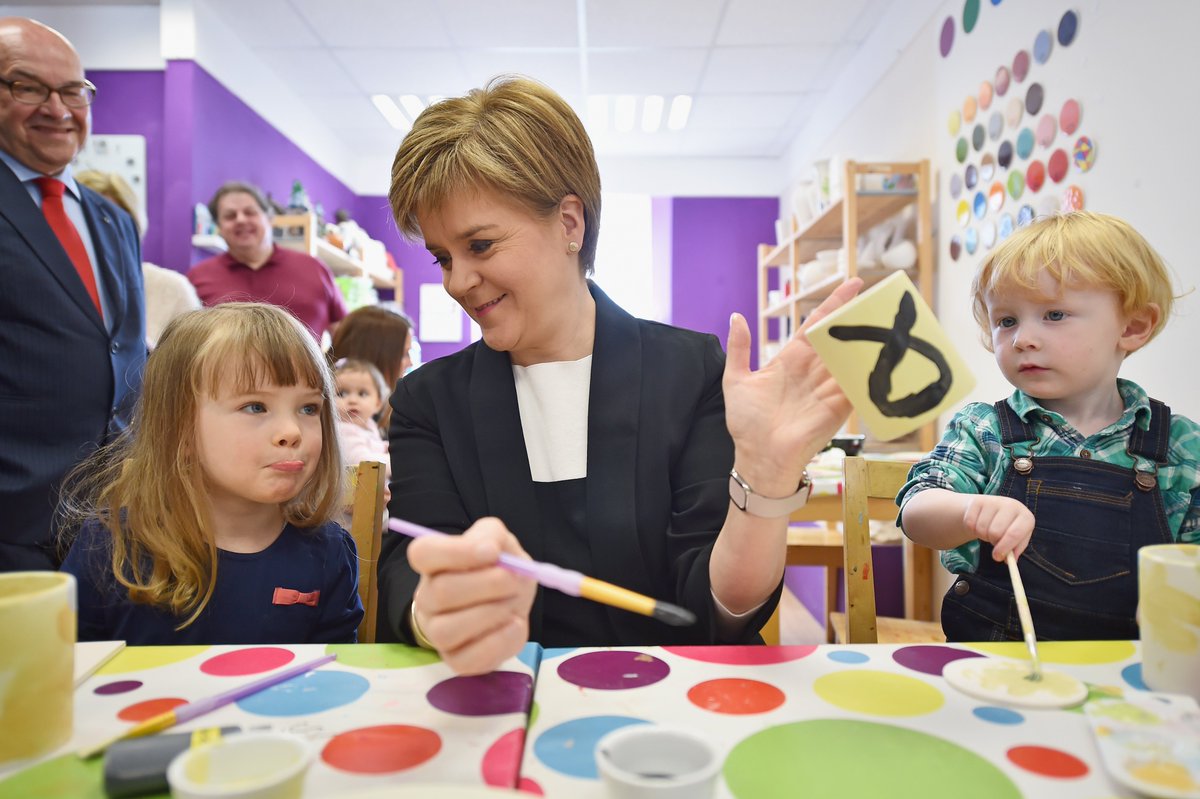
Viewed in a longer historical perspective, Scotland is adapting Victorian book-religion for the age of government-by-caring-vibes.
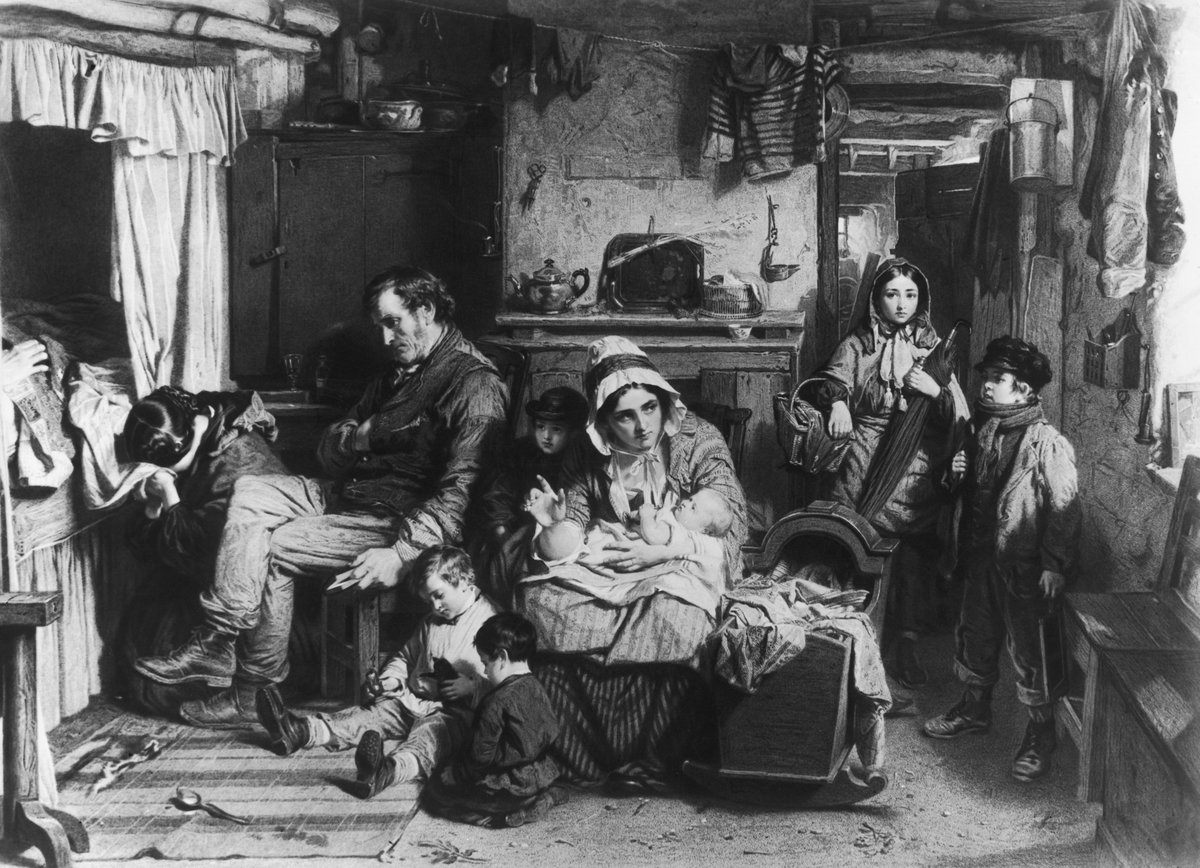
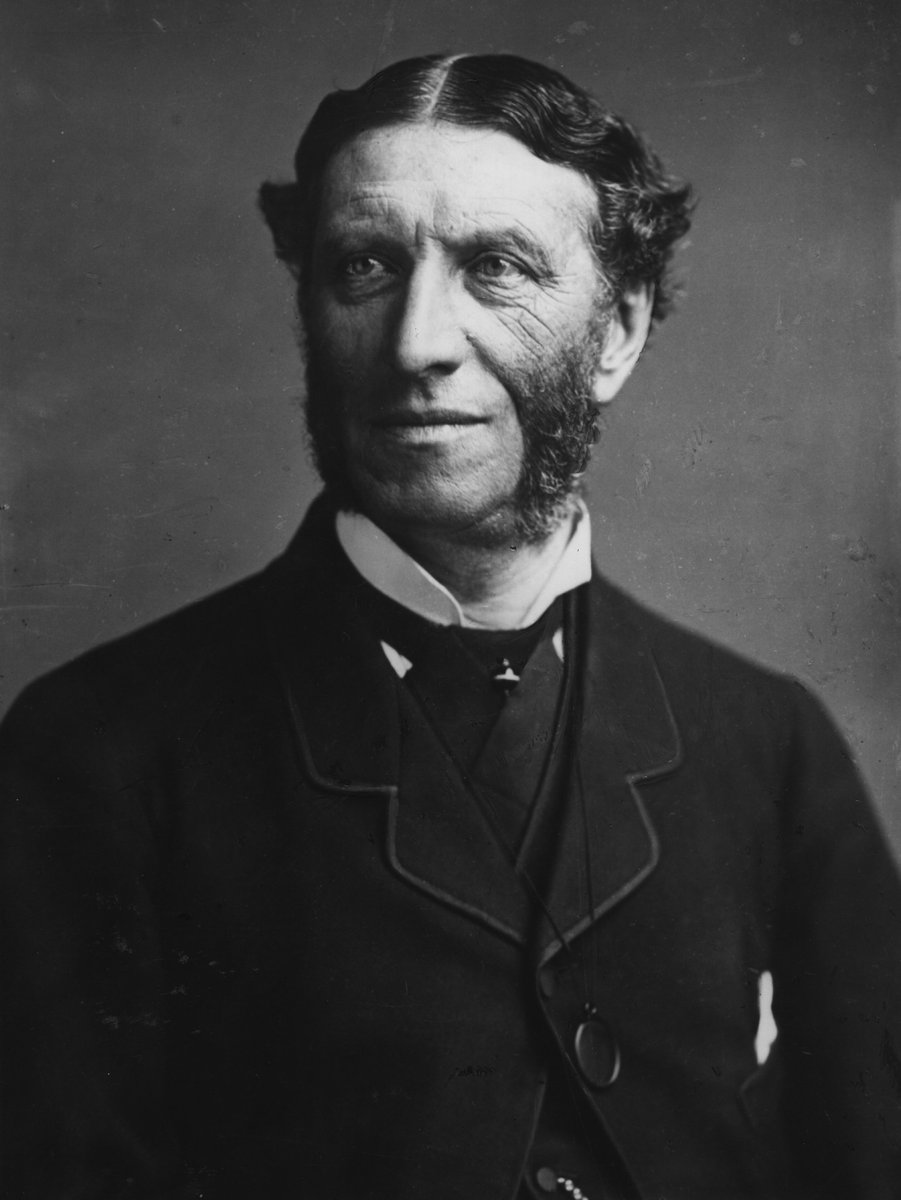
In this period of faltering religious faith, Victorian poet Matthew Arnold invented the school subject of English literature as a unifying national creed, refining middle-class taste while supposedly quelling social unrest.
If this was a defensive endeavour in Victorian Britain, a patch-up job as the dawn of mass democracy threatened to tear the social fabric, Scotland’s version is powered by hope rather than fear.
It feels more like Scotland’s introverted high-culture is comfortably stuck, while its literary scene carries an aura of exhausted optimism rather than early-days risk taking.
To actually achieve independence, Scotland and its artists will need to confront society's deepening illiberalism rather than hide away in lofty ideologies of the past, writes @hinesjumpedup. newstatesman.com/ideas/2022/03/…
• • •
Missing some Tweet in this thread? You can try to
force a refresh

🧵 The powerful closing paragraphs of @Anoosh_C's story, Bust Britain. 🧵
“Collapsing councils are a microcosm of the British state’s failings: austerity, short-termism, Treasury myopia and decades of failure to solve the so-called wicked problems of policymaking, such as council tax, planning and our broken social care model. Every block in the Jenga tower appears to be wobbling.
“The NHS is stuck with one in ten jobs vacant, crumbling buildings and equipment, strikes and poor patient outcomes. Welfare is no longer acting as a safety net: the UK now has record levels of long-term sickness at 2.8 million and a system too threadbare to propel people back into work. So depleted are our armed forces that military chiefs mull the return of conscription. Police fail to solve 90 per cent of crimes. And best of luck to anyone who encounters a prison or courtroom.
Today the £4.2bn industry as a whole is in labour crisis.
In recent decades, the children and grandchildren of pioneering Bengali restaurateurs have opted not to join the family business, going instead into professional jobs supported by access to university.
The steady stream of migrants looking to start out in the kitchen and build a successful restaurant has slowed to a trickle, too.
In 2007, 12,000 Indian restaurants were open across the UK. Today there are only 8,500 – and more are closing every week, according to the industry.
What does the reshuffle tell us about the Prime Minister?
Sunak’s hand was forced as he could no longer delay the appointment of a new party chairman.
He has tried to turn Zahawi’s sacking to his advantage by framing the reshuffle as a “100-day reset” of his government, which is mired in crisis due to strikes, scandals and the squeeze on living standards.
Ukraine’s national security adviser, @OleksiyDanilov, speaks to @MacaesBruno about German betrayal, the coming Russian onslaught and why the West is scared.
Read more ⬇️
Danilov shared his thoughts on Germany’s refusal to send Leopard 2 battle tanks to Kyiv, who might eventually replace Vladimir Putin and why Russia wants a “Korean solution” to end the war.
He also spoke about the helicopter crash in Brovary, Ukraine, on 18 January – in which 14 people died, including Ukraine’s interior affairs minister – and whether Russia was responsible.