At the time when Catalan Company conquered the Duchy of Athens they were practically leaderless after an internal power struggle.
After this conquest they finally offered the leadership of their company to... Captured knights they had just fought against! What!? I explain!
After this conquest they finally offered the leadership of their company to... Captured knights they had just fought against! What!? I explain!
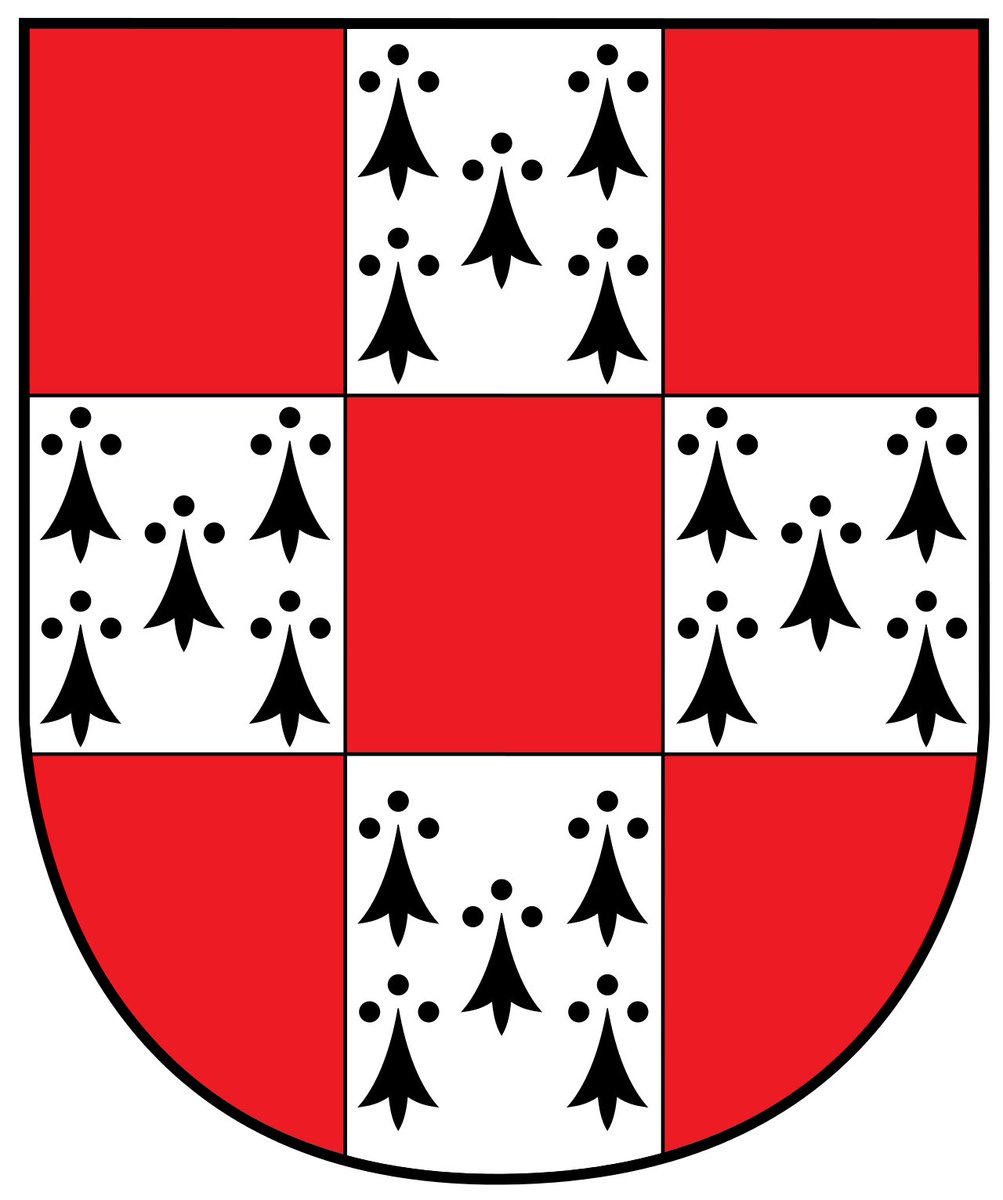


I have talked about the legendary exploits of the Catalan Company a lot. They were elite mercenaries from Aragonese lands hired by the Byzantine Emperor in 1302.
But I have not talked about their leadership problems after the death of Roger de Flor yet.
But I have not talked about their leadership problems after the death of Roger de Flor yet.
https://twitter.com/LandsknechtPike/status/1412256796752887810
Following the immense success of the Catalan Company fighting the Turks in Anatolia, the Byzantines felt they became too powerful and turned against them, killing their commander Roger de Flor in 1305 with whom they arranged the deal to hire these mercenaries just 3 years ago.
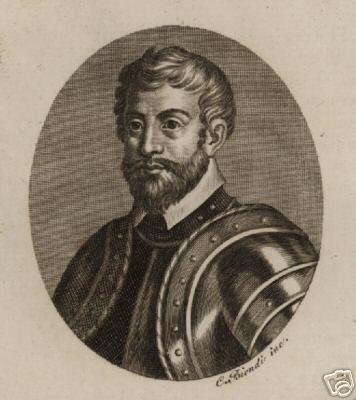

The Catalan Company was enraged. Berenguer d'Entença became the new leader in a difficult situation as the Byzantines sent a large army to destroy the Catalans and besieged Gallipoli. When he left Gallipoli to look for help he was treacherously captured by a Genoese fleet.
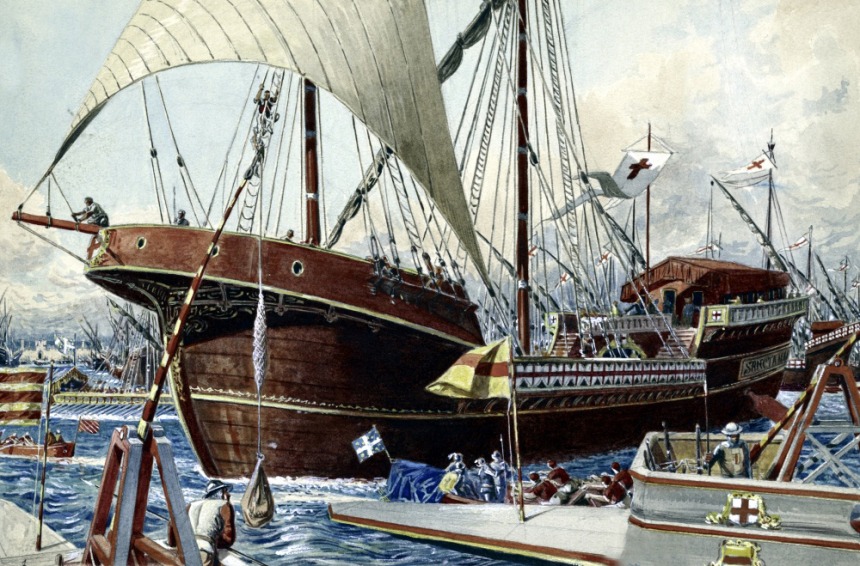
The Catalan Company chose a new leader Bernat de Rocafort who was advised by a council of twelve. The Catalans then manage to achieve a heroic victory over the much larger Byzantine army that besieged them and beat them again at the Battle of Apros the same year.

Under Rocafort's leadership the Catalans mercilessly raided Thrace. However his position was not secure as the previous leader d'Entença returned from Genoese captivity in 1306. Rocafort dealt with this problem violently. He had d'Entença murdered, eliminating potential rival.

Meanwhile the foreign powers in Mediterranean noticed the powerful but reckless Catalan Company acting independently and having internal problems and tried to take it over. King Frederick III of Sicily tried to bring the Company back to Aragonese control.


Frederick III sent his cousin Infante Ferdinand of Majorca to take over the Company but Bernat de Rocafort managed to persuade the men of the Company to reject him, leaving Ferdinand no choice but to return to Sicily.
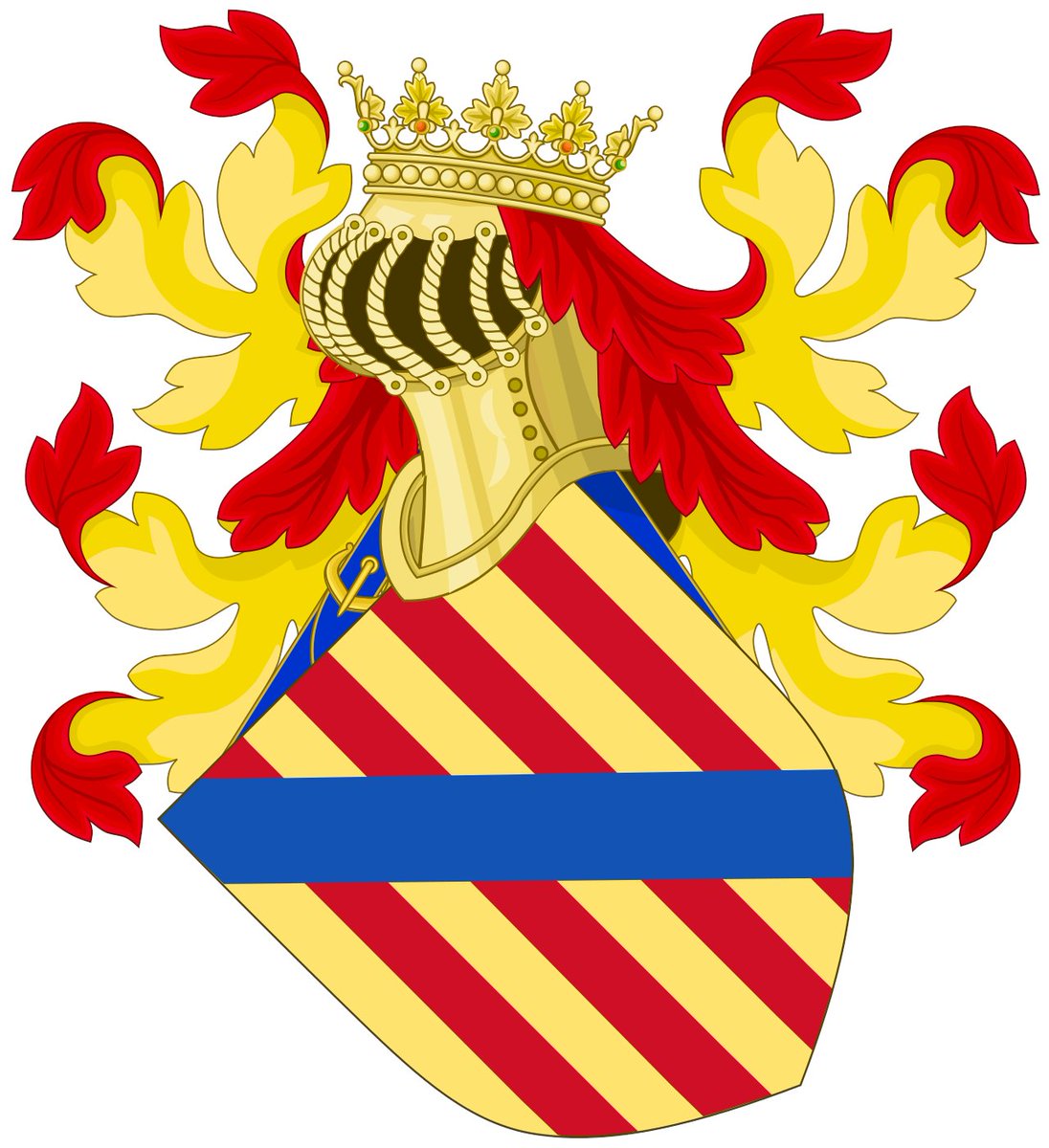
Bernat de Rocafort then pursued his independent policy. A Valencian of humble origins, he started to style himself as a monarch. He had a powerful elite army of the Catalan Company at his disposal and continued to plunder Thrace and Macedonia unopposed.

Kassandreia became the base of the Company. From there the Catalans famously raided Mount Athos monastery in 1308. Rocafort had big ambitions and wanted to create a crusader kingdom of his own, potentially even taking over the existing Duchy of Athens and Principality of Morea.

Rocafort who had burned his bridges with the Aragonese tried to find allies elsewhere. He offered his mercenary services to Charles of Valois and entered into negotiations with the childless Duke of Athens, Guy II de la Roche, to marry his sister, taking over Athens this way.
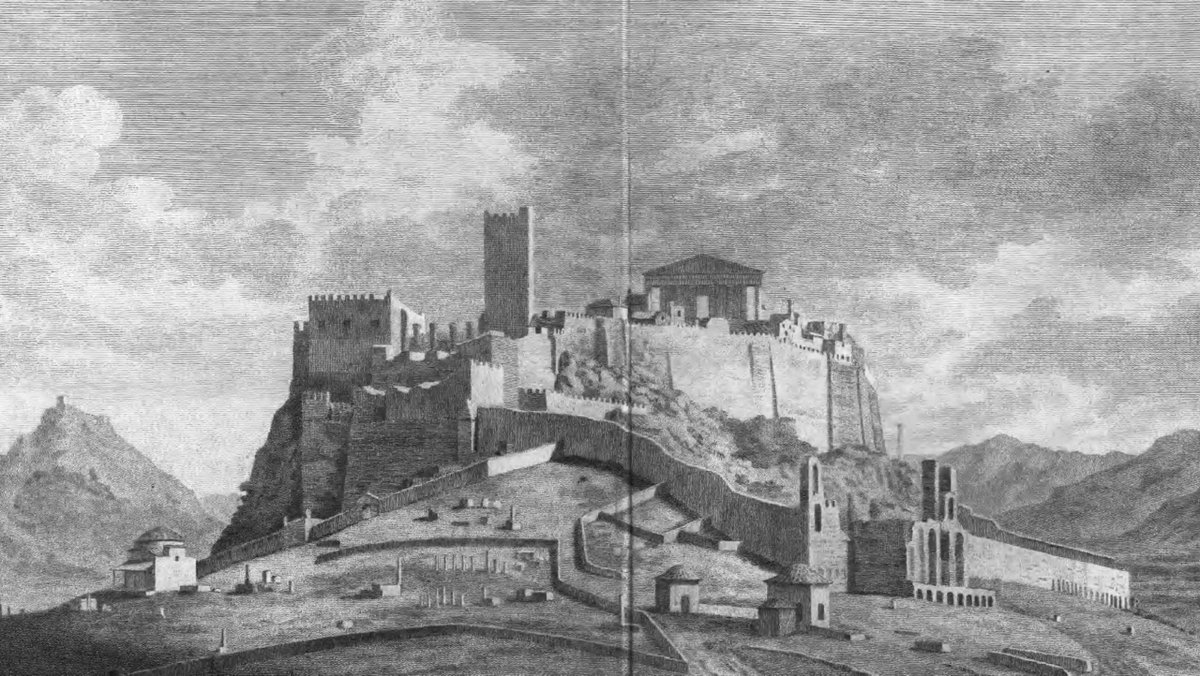
Guy II flirted with the idea of using Catalans to conquer the neighboring crusader Principality of Morea and Rocafort was planning to inherit and unify all these crusader states. However at this point, the Catalan Company had enough of his despotic rule and conspired against him.

Rocafort was arrested by his own men from the 12 men council who handed him over to Thibaut de Cepoy, a representative of Charles of Valois who had hired the Company. This Thibaut was wary of staying with the wild Catalans and secretly left taking Rocafort with him to Naples.

In Naples King Robert of Anjou threw Rocafort in dungeon where he was left to starve to death. Many Catalans were enraged at this and turned against the 12 men council that conspired against Rocafort and killed them all, essentially decapitating their own leadership.


After this the Catalan Company was left without any prominent men and was totally leaderless. The Catalans didn't even try to choose a new leader but instead picked a four man committee to run it. They were still a formidable and cohesive military force though.

Meanwhile Duke of Athens Guy II died and Walter V Brienne became the new Duke in 1308. In 1310 he wanted to employ the Catalan Company to help him assert his power. The Catalans thus found a new employer and became mercenaries again.
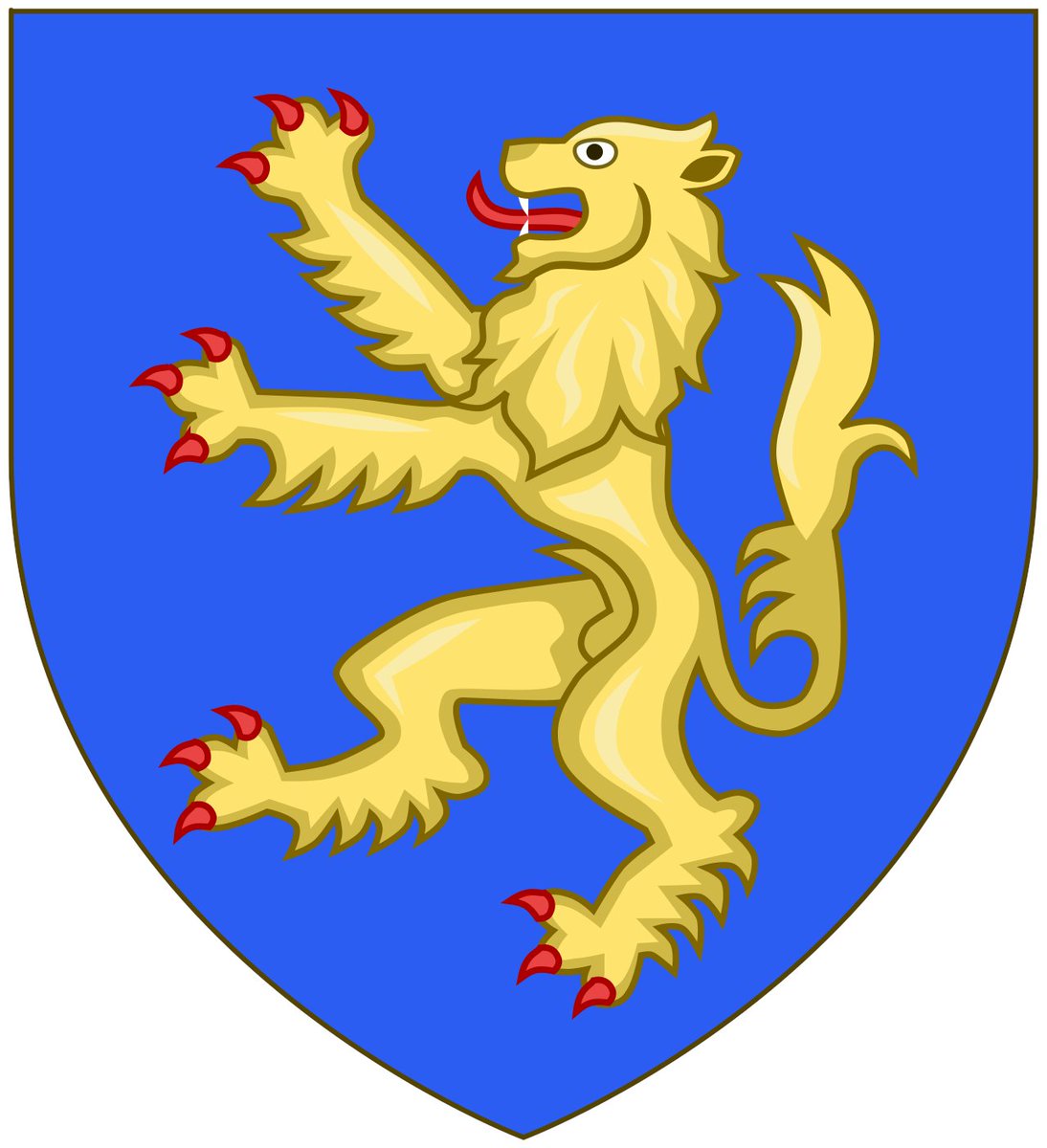
However the 8000 Catalans left proved to be very costly and difficult to maintain. Walter V tried to solve this problem by picking the best 200 cavalrymen and 300 infantrymen while leaving the rest unpaid and ordered them to leave under threat of using force if they don't comply.

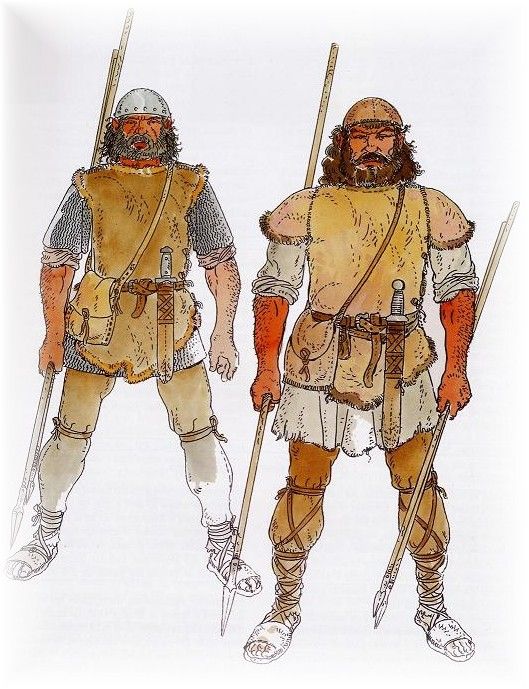
Walter V underestimated the Catalans thinking that without a proper leadership they would scatter in front of his knights. But the Catalans were veteran warriors and more a brotherhood than just a mercenary army. Many of them had fought together side by side for decades.
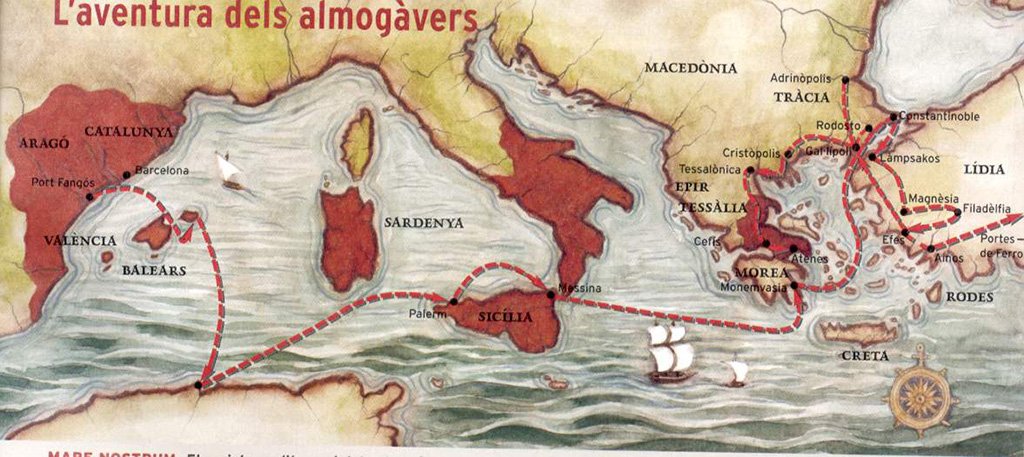
Thus the Catalan Company was ready to battle Walter V who assembled all the best knights. The Catalans whom he hired switch sides, telling him they are willing to "die with their brothers." Catalans then won this decisive battle at Halmyros in 1311.
https://twitter.com/LandsknechtPike/status/1503906592630132746
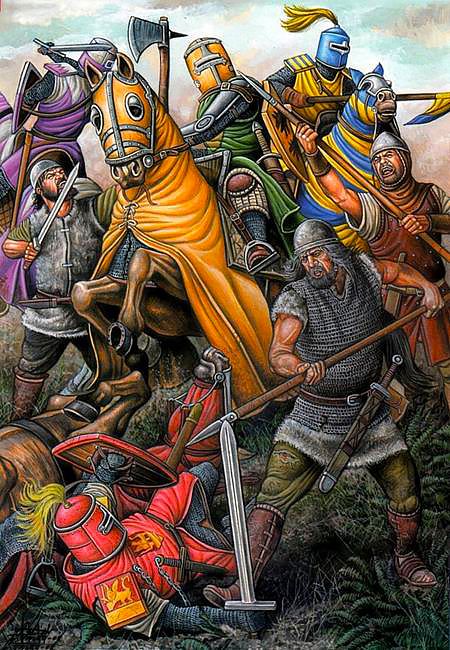
At Halmyros the Catalans slaughtered almost all the knights. Only few of them survived. However then something remarkable happened. They offered the leadership of their Company to those surviving knights whom they had just fought!
Who were these knights?
Who were these knights?
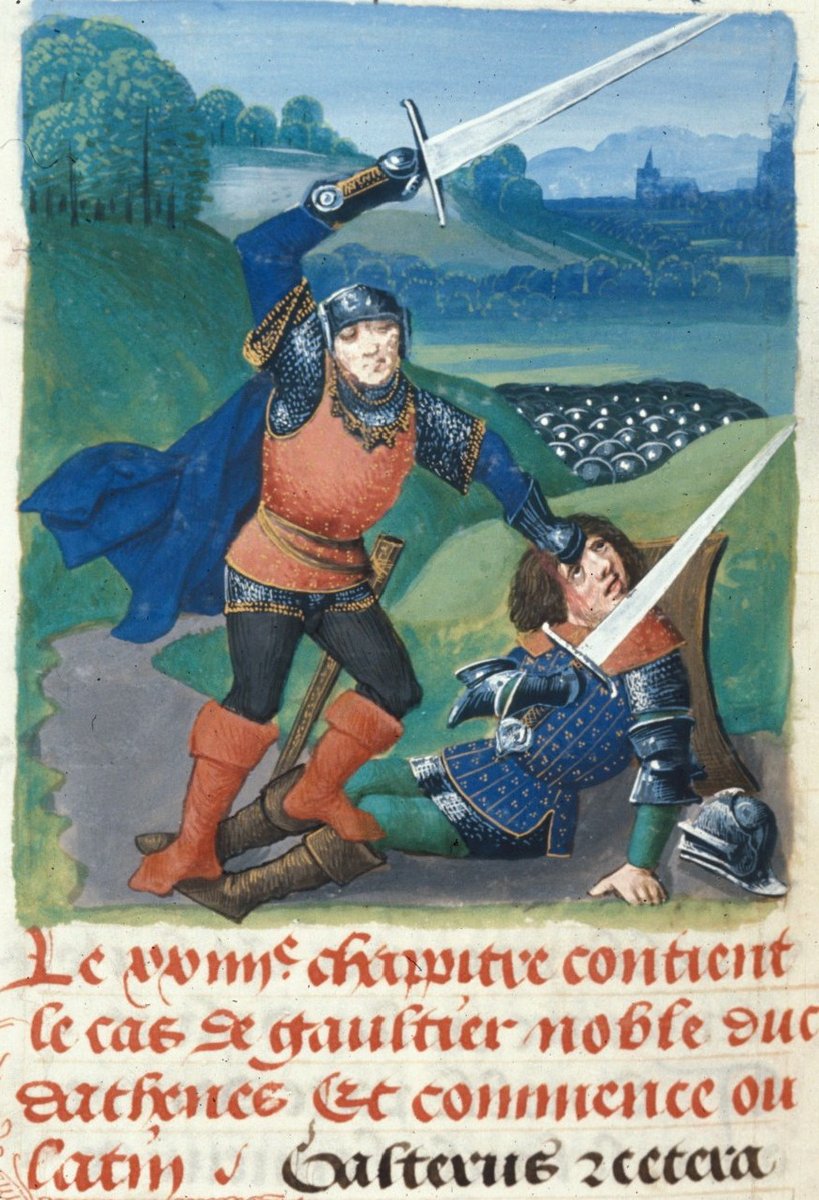
First they offered the leadership to Boniface of Verona whom the Catalan chronicler Ramon Muntaner described as "a very honorable, good man, who had always loved the Company." In this weird situation, Boniface refused the leadership fearing reprisals from Venice and crusaders.

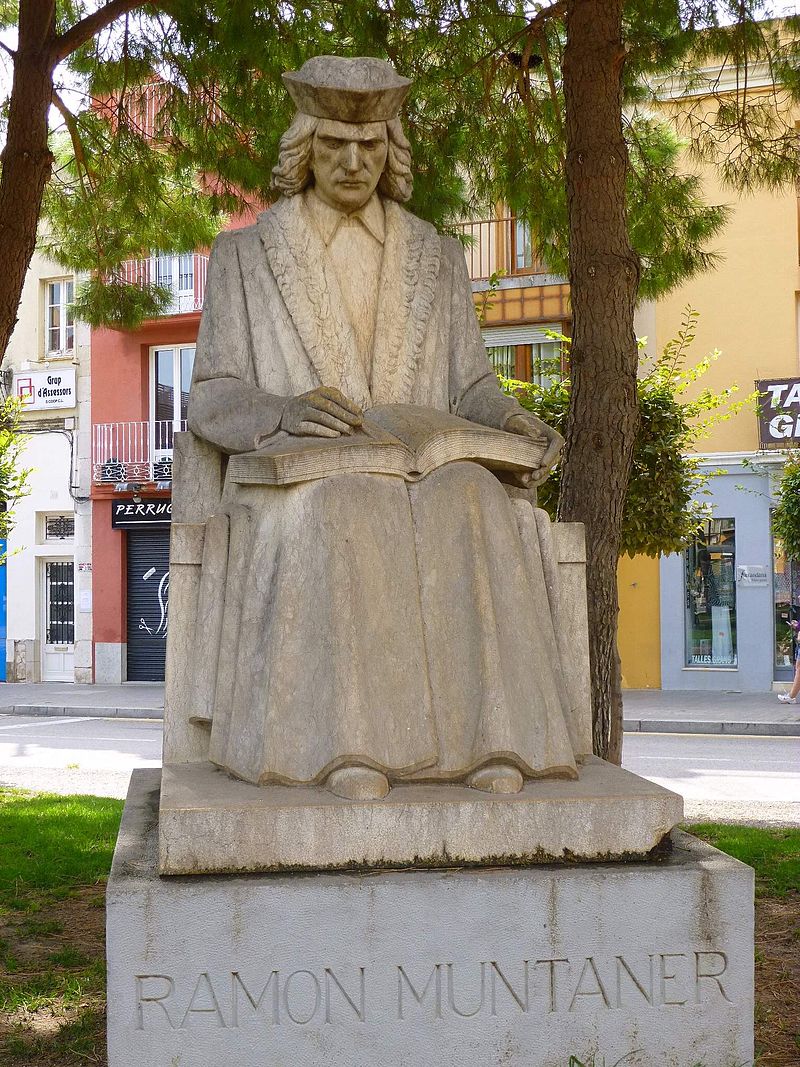
The status of the Company was not certain at the time and Boniface refused to lead this powerful but wild and reckless group of mercenaries. So the Company asked the next knight they captured, Roger Deslaur, who had hired the Catalan Company as a broker for Walter V of Brienne.
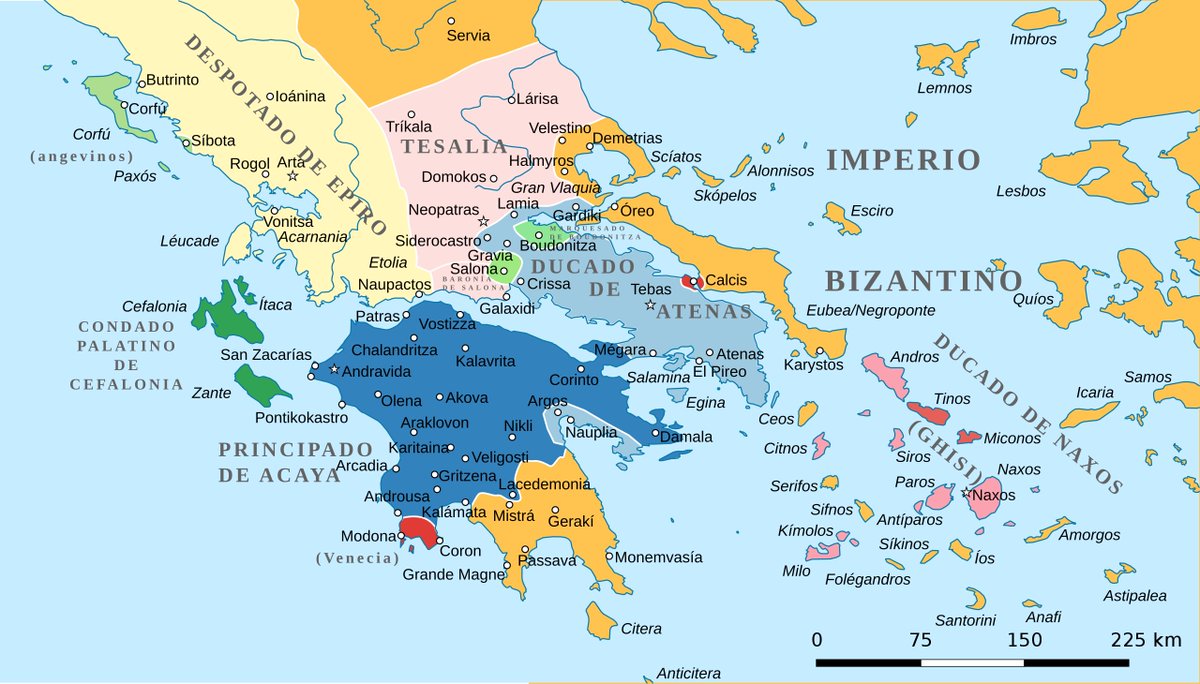
Roger Deslaur thus went from being their captive to becoming the commander of the Company. He was one of the few aristocrats of the Duchy of Athens left. The Catalan Company was able to take over the entire Duchy and the Catalans married the noble wives of the dead noblemen.
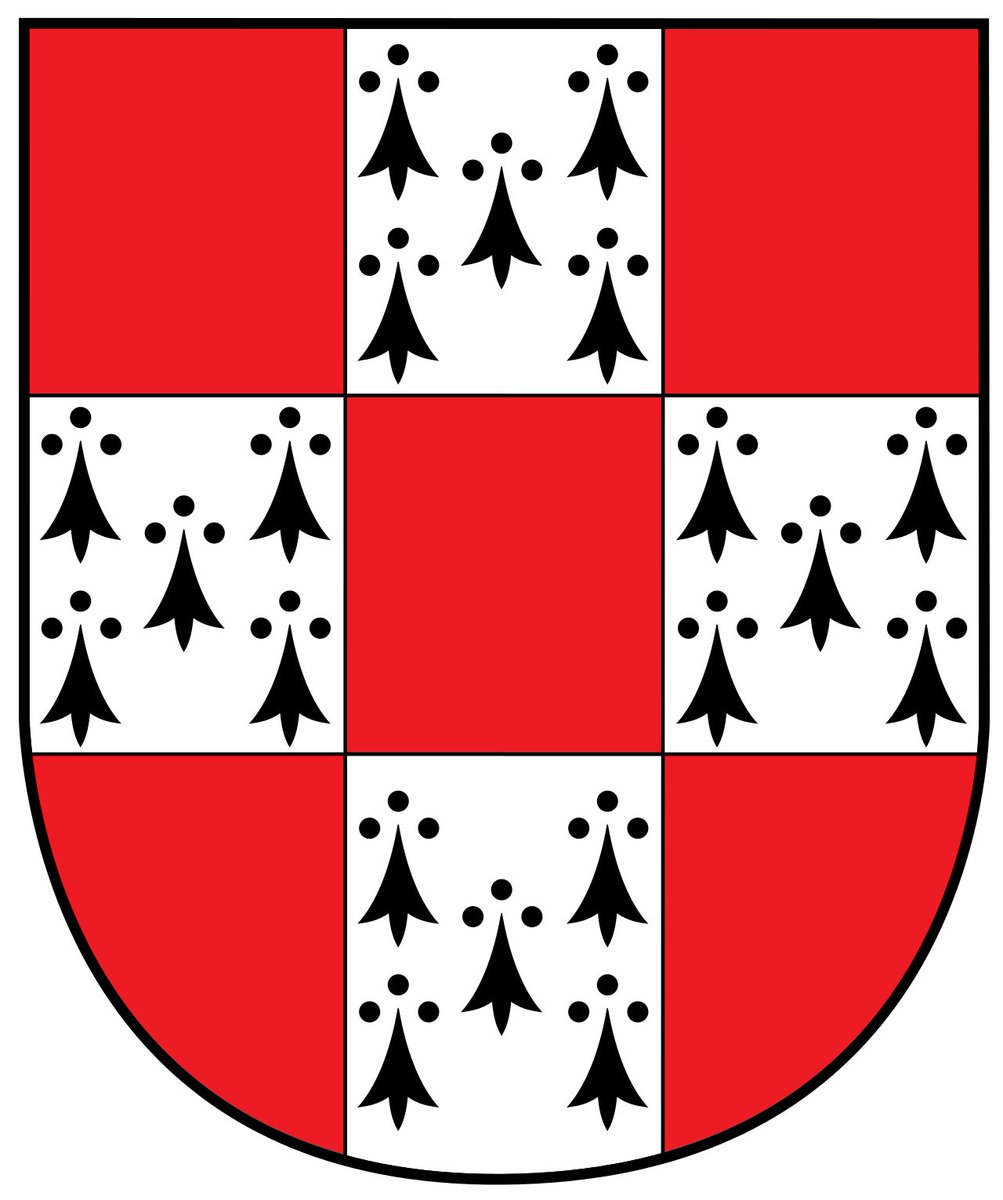
Muntaner describes the weird situation of how Catalan mercenaries from lowly and humble backgrounds were given noblewomen to marry, "to each according to his importance, and to some they gave so distinguished a lady that he was not worthy to hand her her bowl to wash her hands."
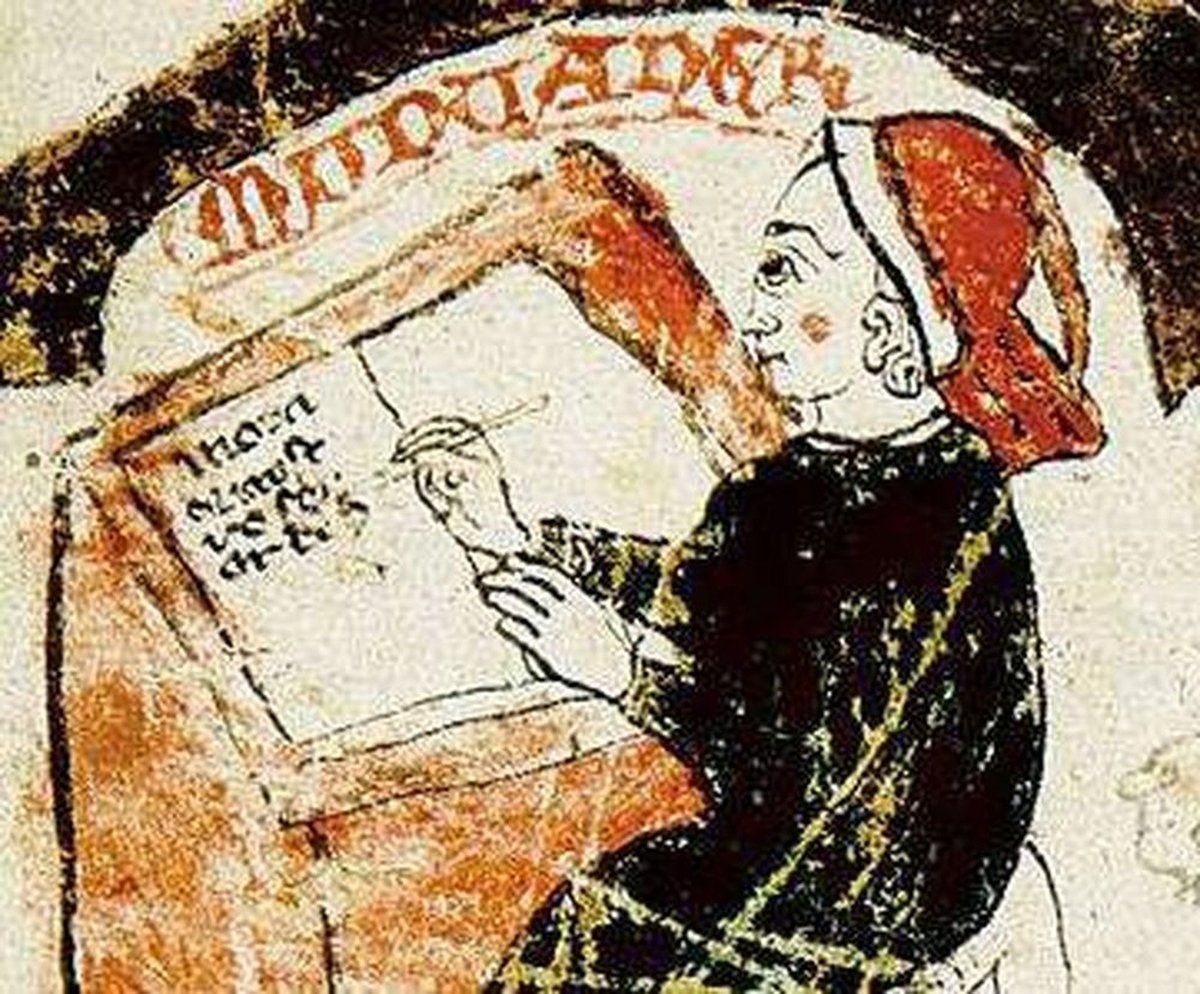

However the new Duke of Athens Roger Deslaur found himself in the position Boniface feared he would be in when he declined the leadership of the Company. As the new Duke of Athens he was immediately under pressure from Venetian Negroponte and the crusader Principality of Morea.
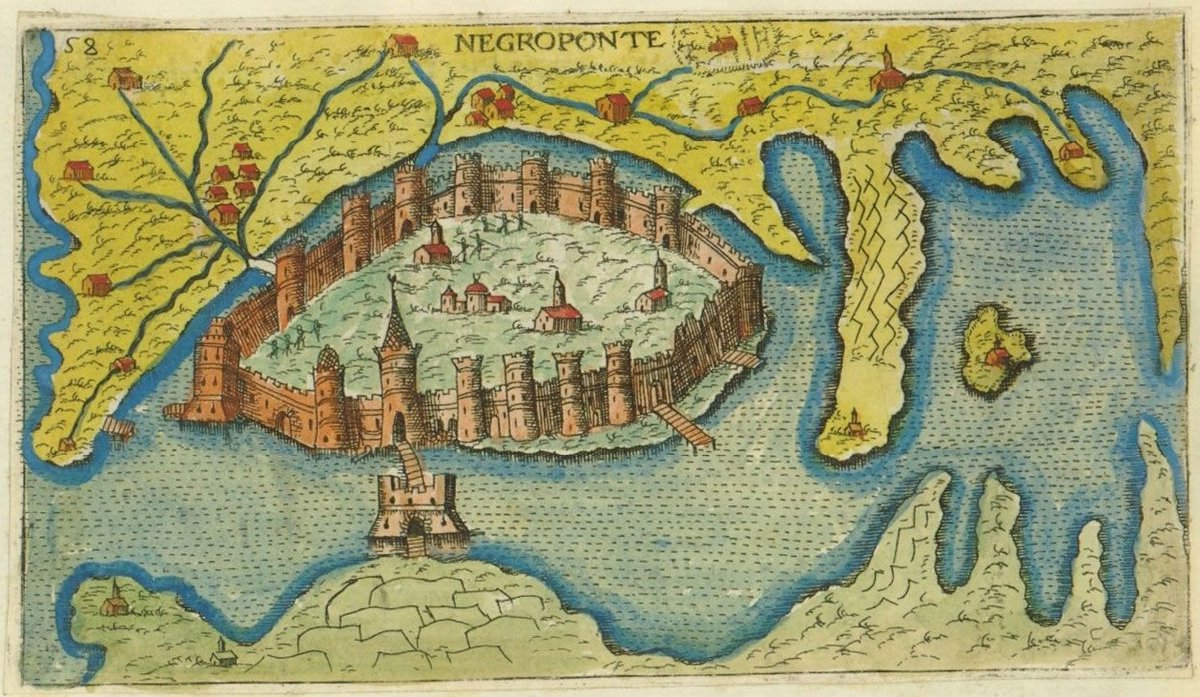
The foreign powers essentially viewed this new Catalan-dominated Duchy of Athens as some sort of rogue state of wild and ruthless mercenaries who had installed a lowly nobleman as their Duke. To survive, the Duchy needed an established aristocratic name to run it.
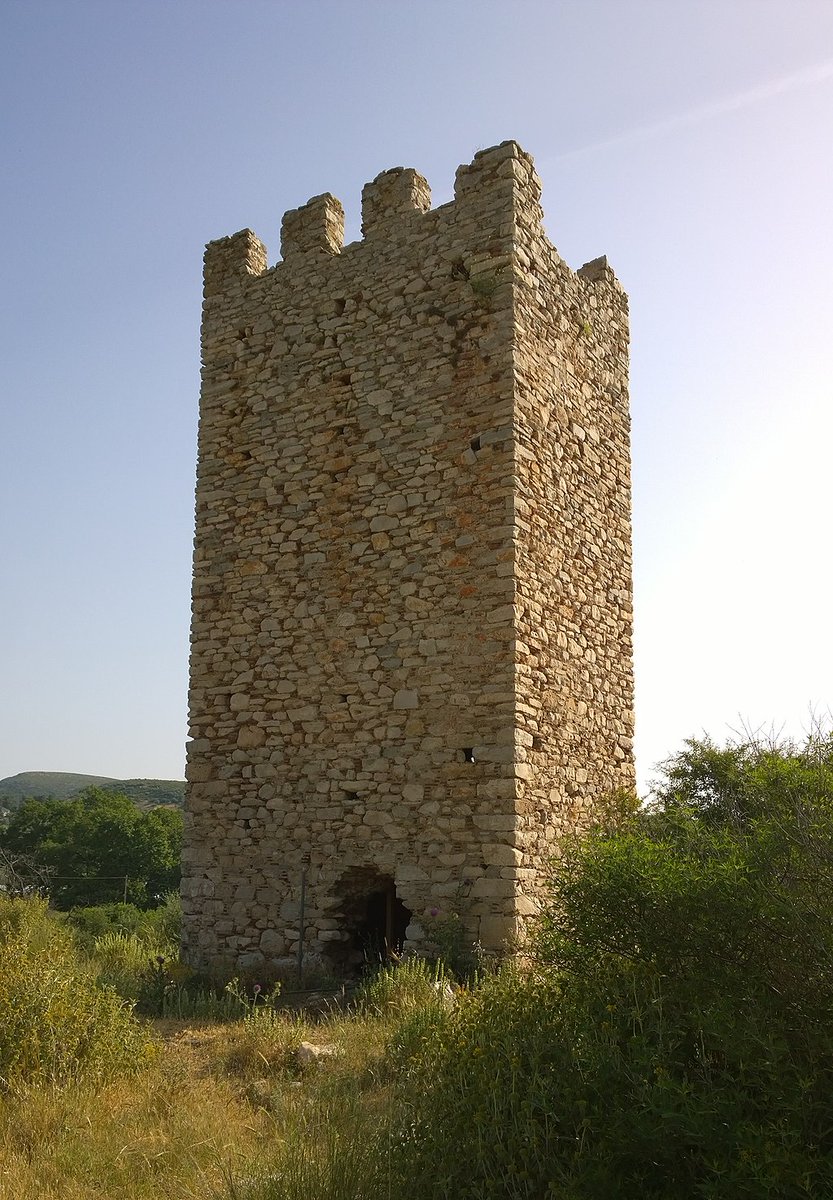
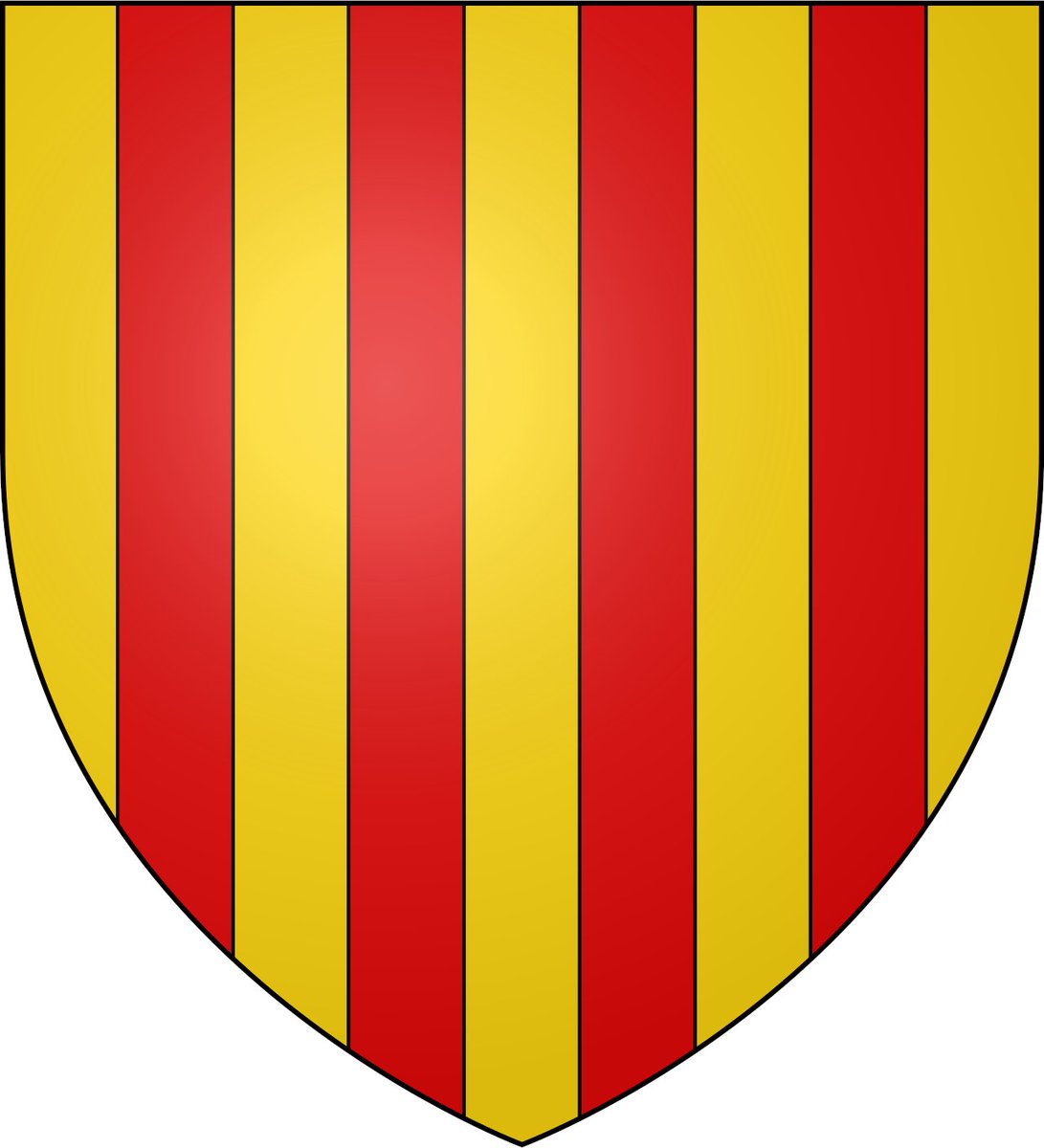
In 1312, the Catalans thus invited King Frederick III of Sicily of the prestigious House of Barcelona to rule over the Duchy of Athens. He sent his son Manfred to become the new Duke. This way the Duchy would come under Aragonese sphere of influence.


And so the Catalan Company returned to its Aragonese roots. They had fought for Aragon against the French, became mercenaries, and ended up serving the Aragonese rulers again. Duchy of Athens would remain under Aragonese domination until 1388.
• • •
Missing some Tweet in this thread? You can try to
force a refresh