Another day, another Solana fake account exploit. This time, @CashioApp lost around $50M (based on a quick skim). How did this happen?
In order to mint new CASH, you need to deposit some collateral. This cross-program invocation (CPI) will transfer tokens from your account to the protocol's account, but only if the two accounts hold the same type of token. Otherwise, the token program will reject the transfer.
Here, the protocol validates that the crate_collateral_tokens account hold the right type of token by comparing it with the collateral account. It also verifies the collateral account shares the same token type as the saber_swap.arrow account.
Unfortunately, the mint field on the arrow account is never validated.
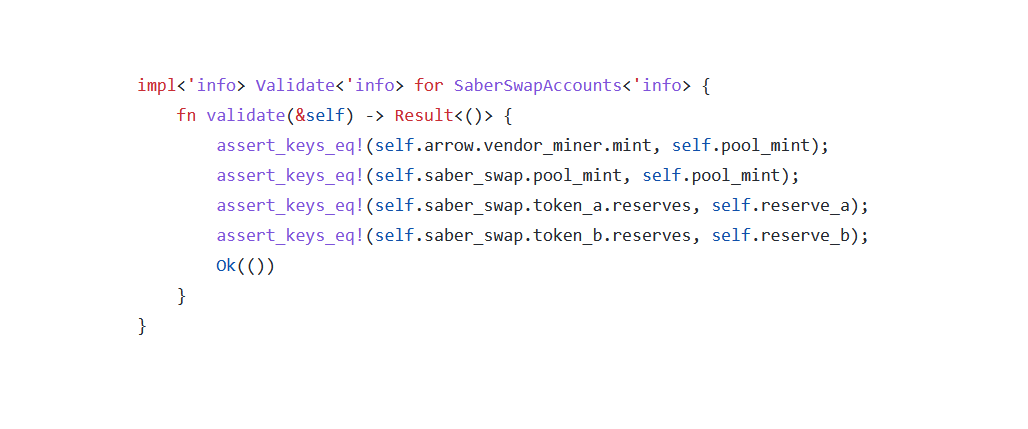
This means that ultimately, all of this validation is meaningless because there's no trusted root. The attacker just created fake accounts all the way down and then chained it all the way back up until they finally made a fake crate_collateral_tokens account.
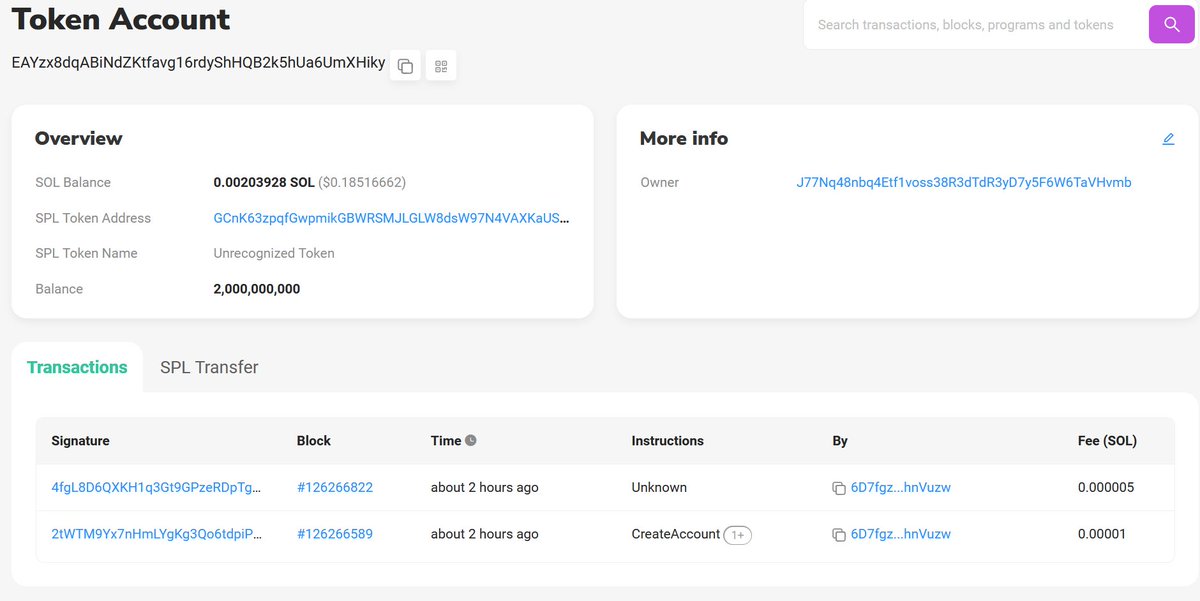
tl;dr because Cashio didn't establish a root of trust for all of the accounts it used, an attacker was able to steal approximately $50M by forging a chain of fake accounts
Turns out this thread is incomplete - here's part two!
On 2023/05/20 at 07:25:11 UTC, Tornado Cash governance effectively ceased to exist. Through a malicious proposal, an attacker granted themselves 1,200,000 votes. As this is more than the ~700,000 legitimate votes, they now have full control.
Through governance control, the attacker can:
- withdraw all of the locked votes
- drain all of the tokens in the governance contract
- brick the router
However, the attacker still can't:
- drain individual pools
Next, how did this happen?
Well, when the attacker created their malicious proposal, they claimed to have used the same logic as an earlier proposal which had passed. However, that wasn't exactly the truth, because they added an extra function
One of the core ideas behind Proposer-Builder Separation is that proposers cannot be allowed to see the contents of the block they're signing until they've signed the block. Proposers must trust mev-boost to return the most profitable header to them.
Theoretically, this makes it extremely hard for a malicious proposer to deconstruct bundles, as they would have to 1) double sign for a single slot, which is slashable 2) win the race against the relay to submit the block to the network, which is highly unlikely
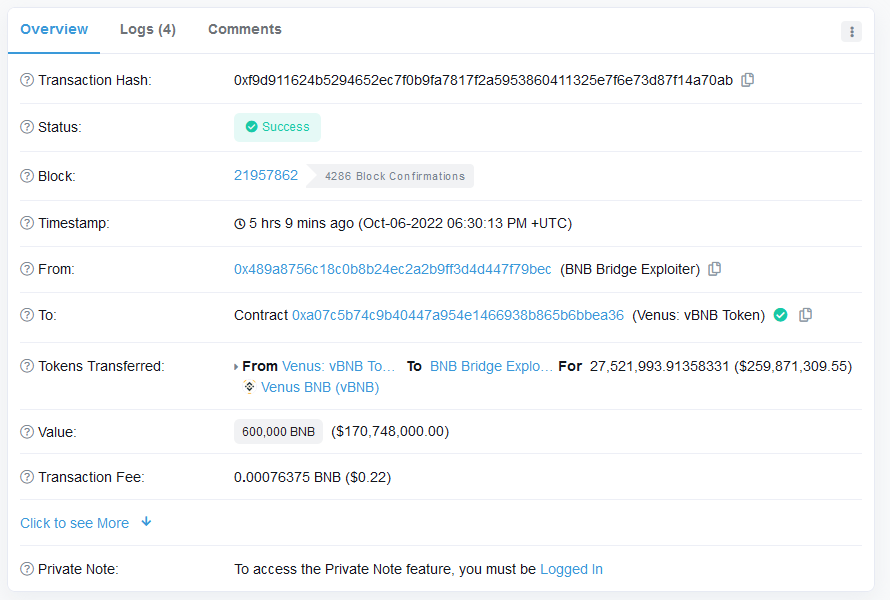
Five hours ago, an attacker stole 2 million BNB (~$566M USD) from the Binance Bridge. During that time, I've been working closely with multiple parties to triage and resolve this issue. Here's how it all went down.
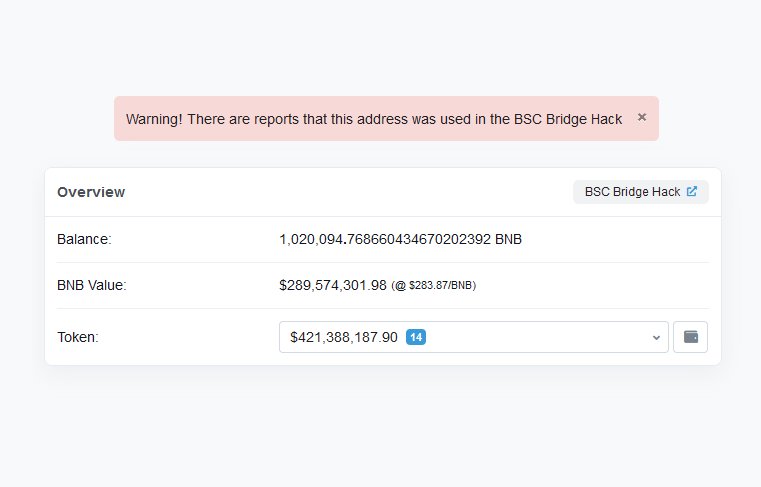
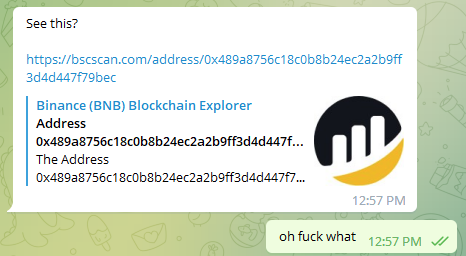
It all started when @zachxbt sent me the attacker's address out of the blue. When I clicked into it, I saw an account worth hundreds of millions of dollars. Either someone had pulled off a huge rug, or there was a massive hack underway
@zachxbt At first, I thought that @VenusProtocol had been hacked yet again. However, it only took a couple seconds to determine that the attacker *really did* deposit over $200M USD into Venus
Instead, I needed to figure out where those funds came from
1/ Nomad just got drained for over $150M in one of the most chaotic hacks that Web3 has ever seen. How exactly did this happen, and what was the root cause? Allow me to take you behind the scenes 👇
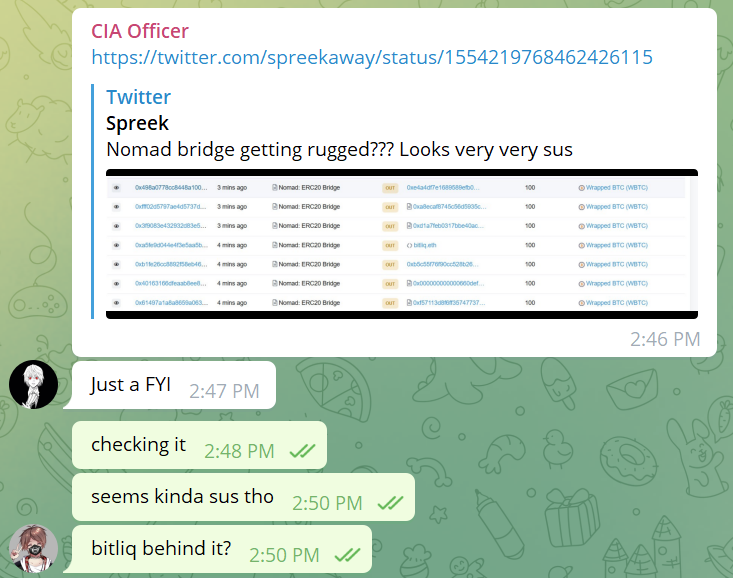
2/ It all started when @officer_cia shared @spreekaway's tweet in the ETHSecurity Telegram channel. Although I had no idea what was going on at the time, just the sheer volume of assets leaving the bridge was clearly a bad sign
3/ My first thought was that there was some misconfiguration for the token's decimals. After all, it seemed as though the bridge was running a "send 0.01 WBTC, get 100 WBTC back" promotion
1/ Today, someone tried to hack me with a crypto stealer, so I guess I've finally made it
Fortunately, they weren't successful, but all it would've taken was three clicks. Read on to learn about how the attack works, how to protect yourself, and some basic malware analysis🕵️
2/ The first step is to create an urgent and compelling hook. When placed under pressure, even trained security professionals might act instinctively instead of rationally. This DM does both.
If you clicked the link, then you're only two clicks away from being pwned
3/ Clicking the link automatically downloads this file to your computer. Once again, this is compelling - who is cryptogeng.eth, and what exactly does the statement claim?
If you open the download, then you're one click away from being pwned