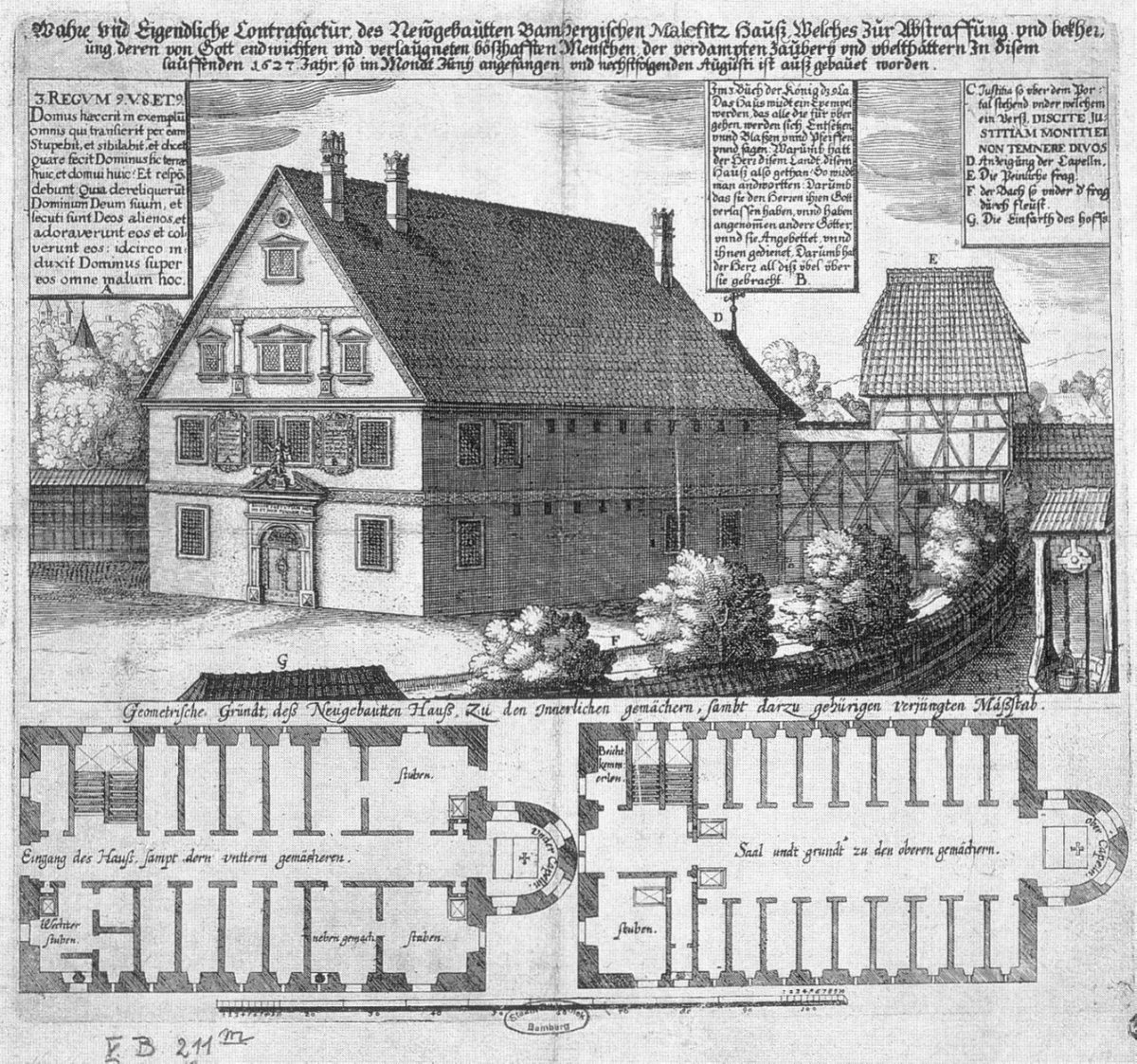
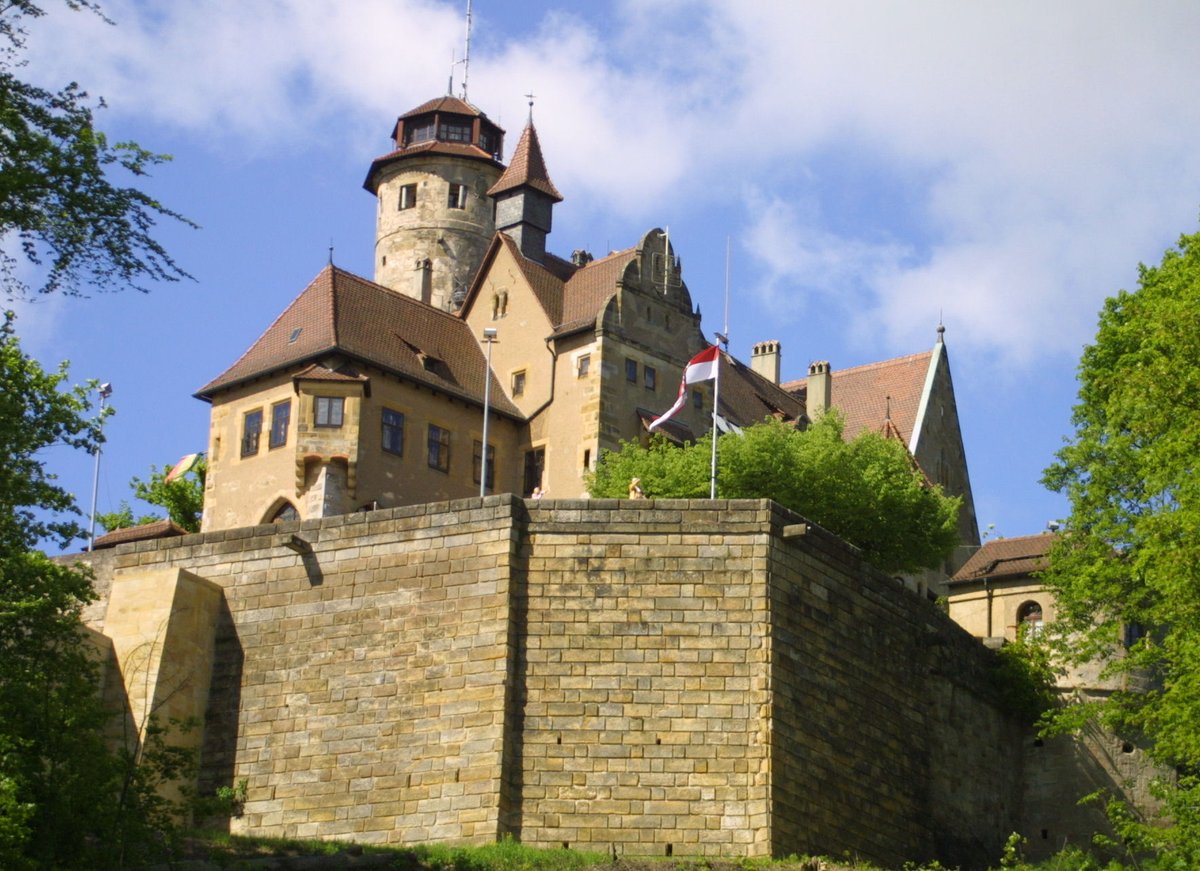
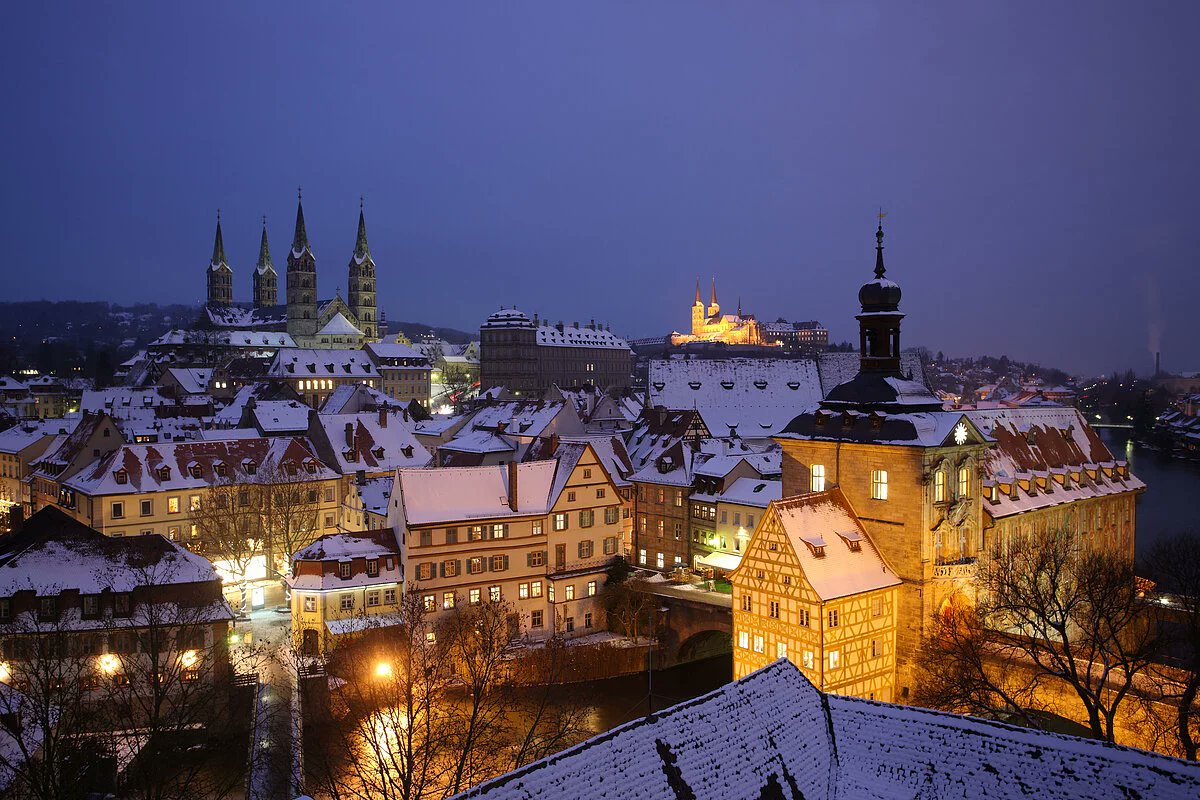
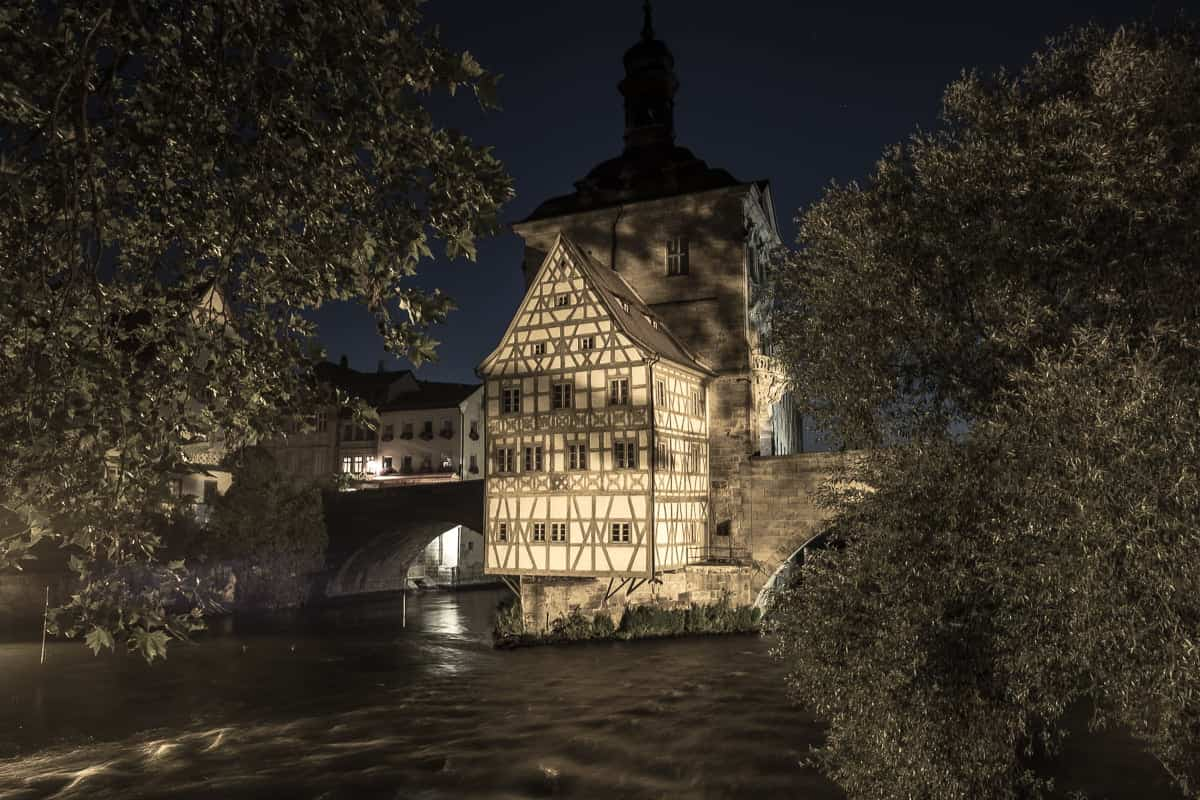
The notorious Drudenhaus of Bamberg, one of the most sinister buildings in European history! Built in 1627 it was a special prison for people accused of witchcraft. The most brutal forms of torture took place here regularly for 5 years. If you want to know more, read this thread.
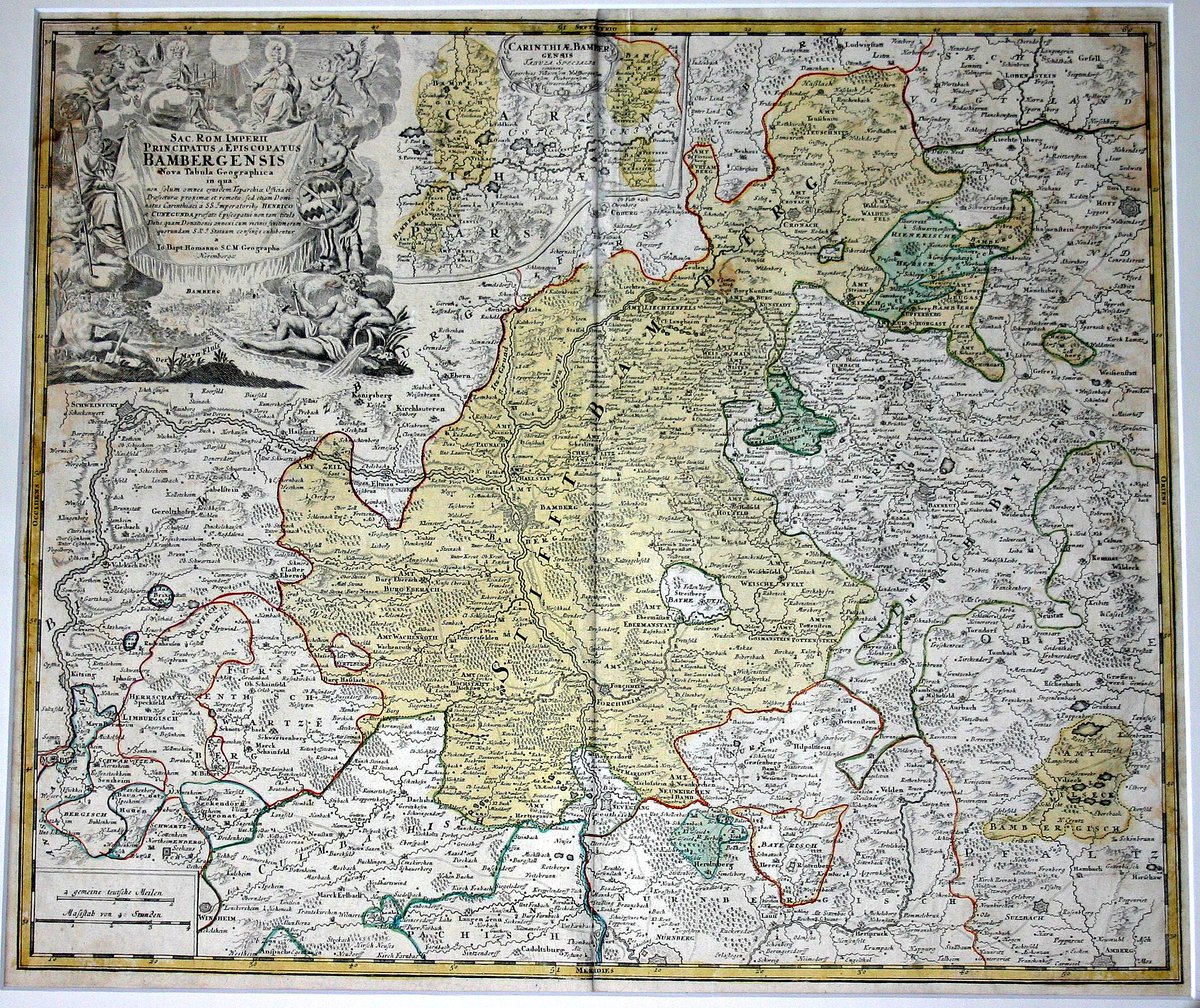
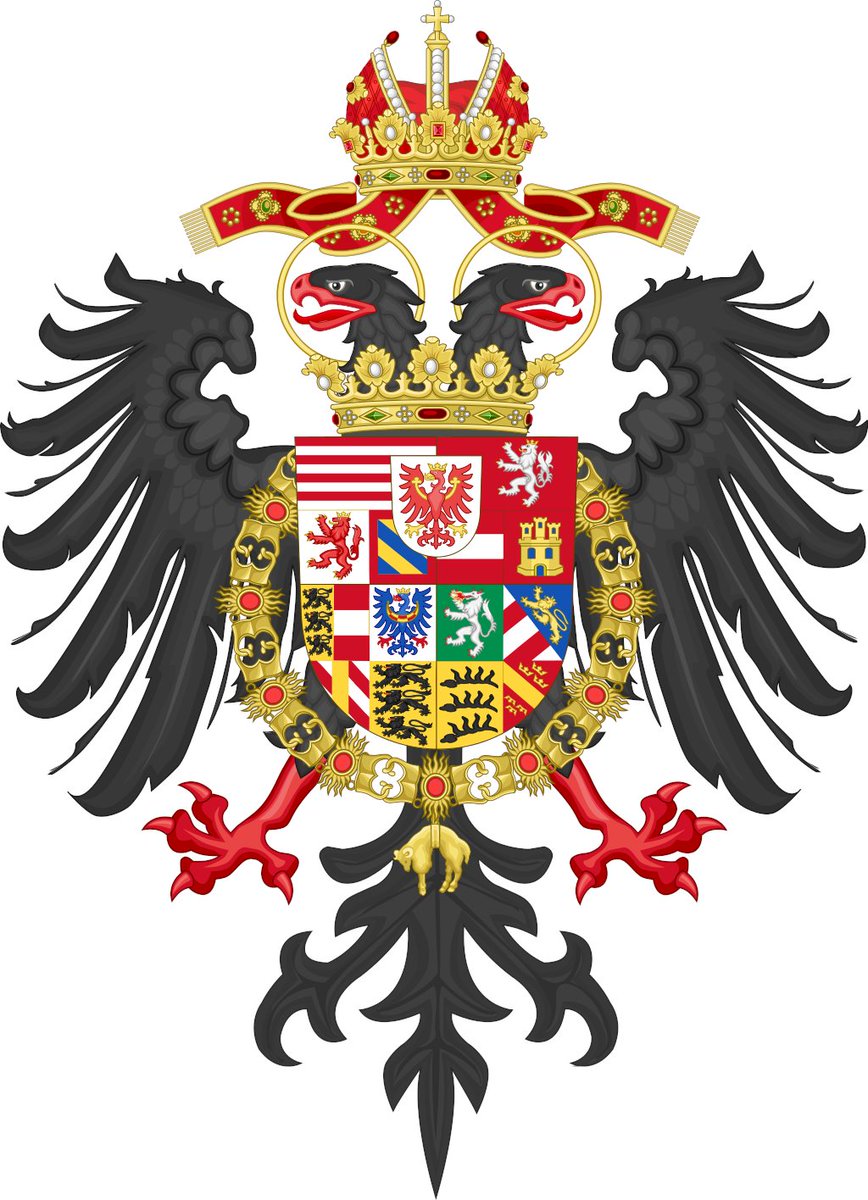
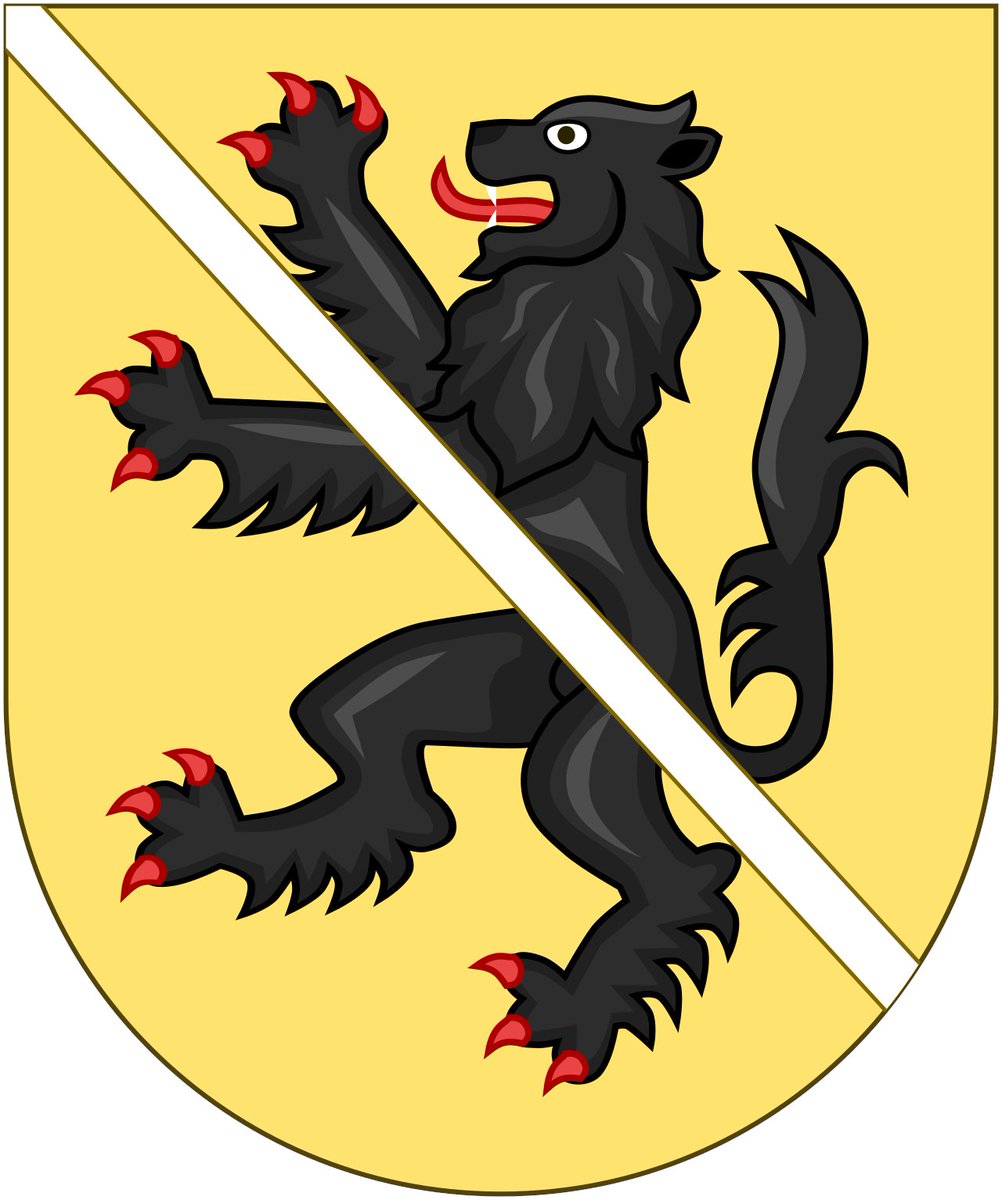
The Prince-Bishopric of Bamberg was a small ecclesiastical territory inside the Holy Roman Empire ruled by local prince bishops. It was a Catholic bastion near the Catholic-Protestant frontier in HRE and its Prince-Bishops were mainly concerned with fighting Protestantism.
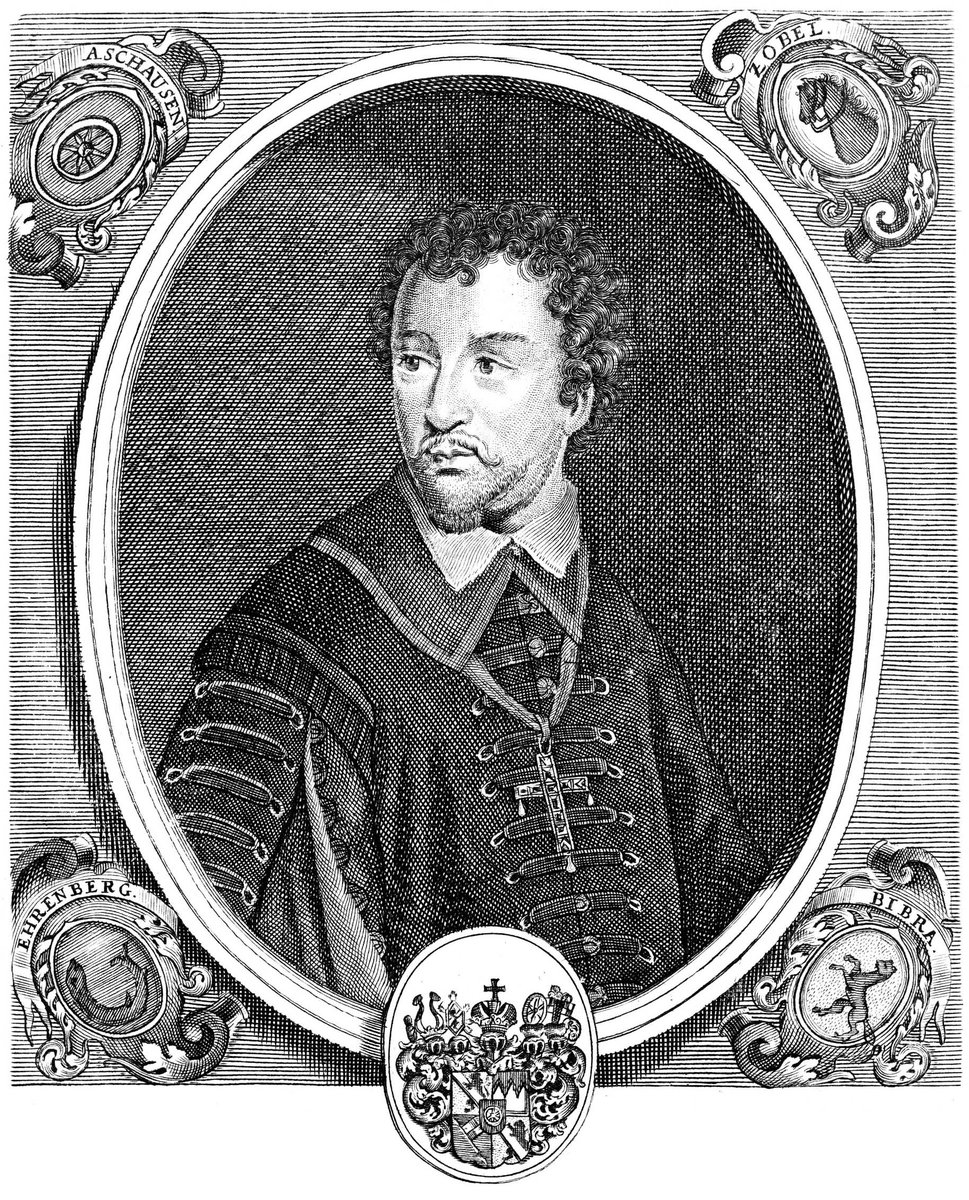
The first systematic executions for witchcraft happened under Prince-Bishop Johann Gottfried von Aschhausen. Under his watch, around 300 people were executed as witches in years before the Thirty Years' War started in 1618 where he was a fervent supporter of the Catholic League.
In 1622 Aschhausen died and was succeeded by Johann Georg Fuchs von Dornheim, who turned out to be a very brutal and sadistic man! Because of his fanatical persecution of local people he would become known as the "Hexenbrenner" (witchburner) and the "Hexenbischof" (witch-bishop)!
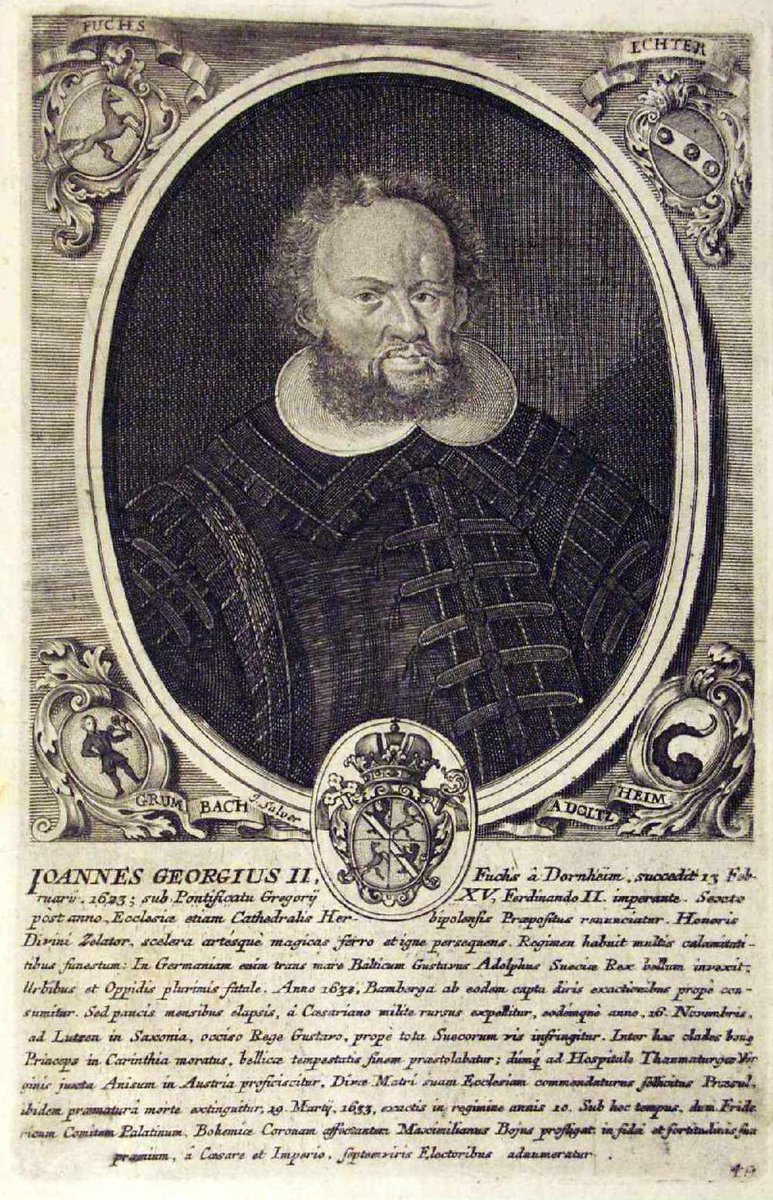
The first years of his reign were ordinary, but in May 1526 there was a frost which destroyed harvest and people started to demand their Prince-Bishop to investigate whether it was the witches and wizards who caused the frost and why.

Prince-Bishop Dornheim was keen to investigate. He wanted to turn his Prince-Bishopric into a model Catholic state which included imposing strict control and witch hunt was a means to that. Influenced by local theologian Friedrich Förner, her created a special Witch Commission.
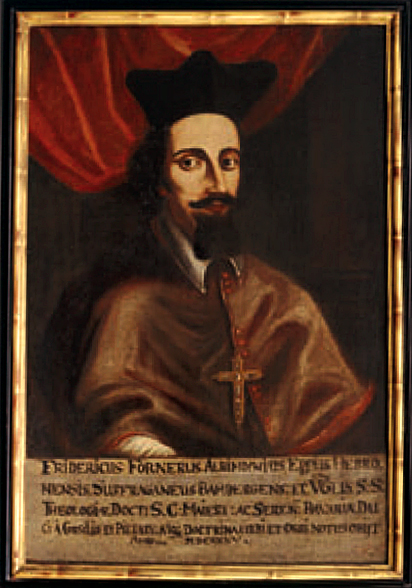
Förner was another ardent Counter-Reformation preacher who had already used violence in the past to convert people to Catholicism. In Bamberg, he was already urging previous Prince-Bishops to persecute witches as well. He provided the ideological framework and justification.
Such witch trials were not out of ordinary in the Holy Roman Empire, but what made the trials in Bamberg stand out was the extreme use of torture by which numerous confessions were extracted, which then implicated even more people, who were then also tortured.
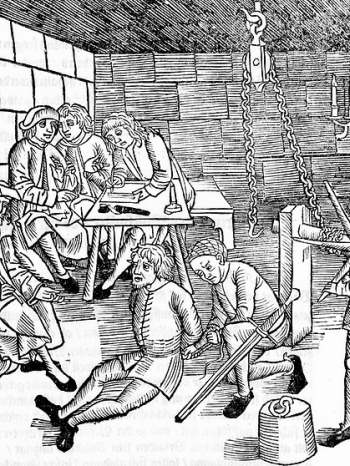
Very soon, hundreds of people ended up being arrested, tortured and executed, including many members of Bamberg elite and entire families. If we look at it cynically, it was also a way for Prince-Bishop to eliminate entire elite of his small state and take their wealth away.
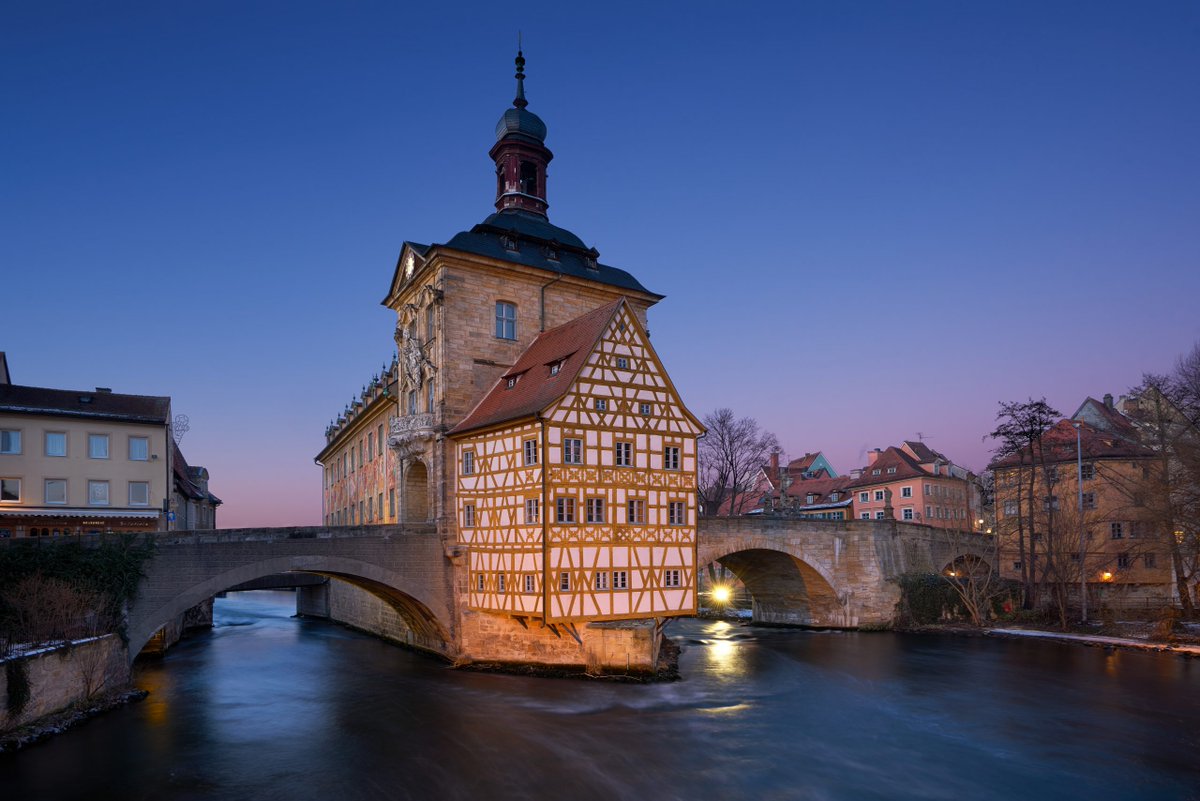
People were tortured to name accomplices in witchcraft which increased the number of arrests dramatically. Because of this, a large special prison was soon constructed in 1627, supposedly suggested by Förner. What took place here was worse than even what you see in horror movies!
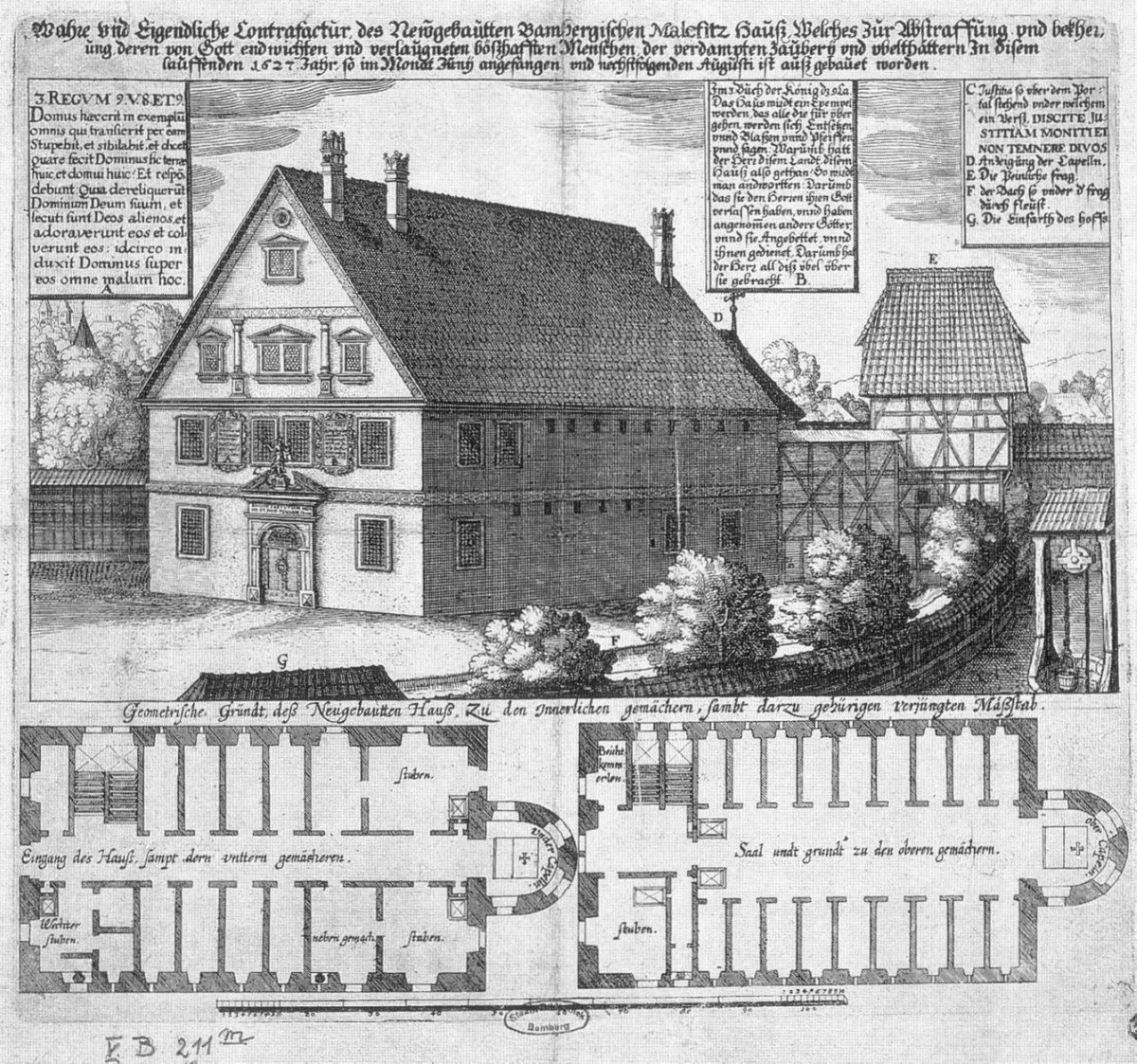
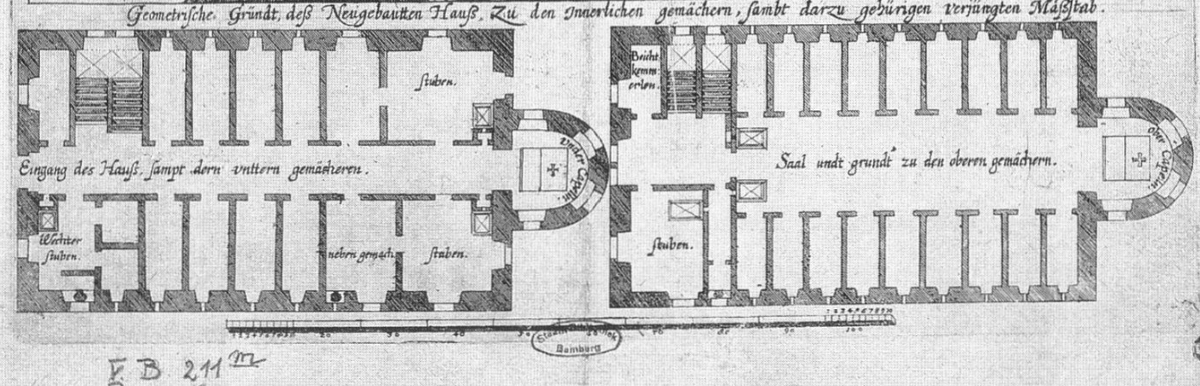
This new prison was called Drudenhaus or sometimes Malefizhaus. Walls on the inside were decorated with text from the Bible, supposedly to keep the wards safe from spells used by prisoners accused of witchcraft. There were special torture chambers. What kind of torture was used?
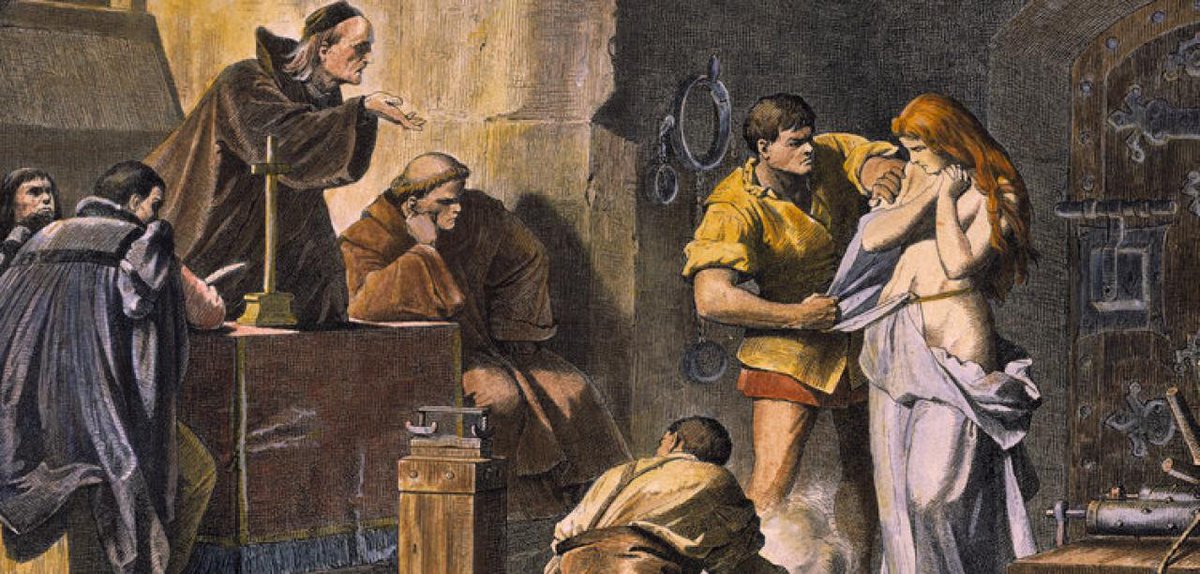
Too many torture methods to list here so I will only list the most original ones. One was the Bamberg thirst torture where prisoners were force fed herrings with extra salt and pepper, without giving them any water. But this was lenient compared to other methods they used!

Prince-Bishop Dornheim used baths of scalding water to which lime was added to burn people's skin. Another infamous method was the so-called Bamberg kneeler where victims knelt on sharp spikes for hours while being whipped and beaten at the same time.
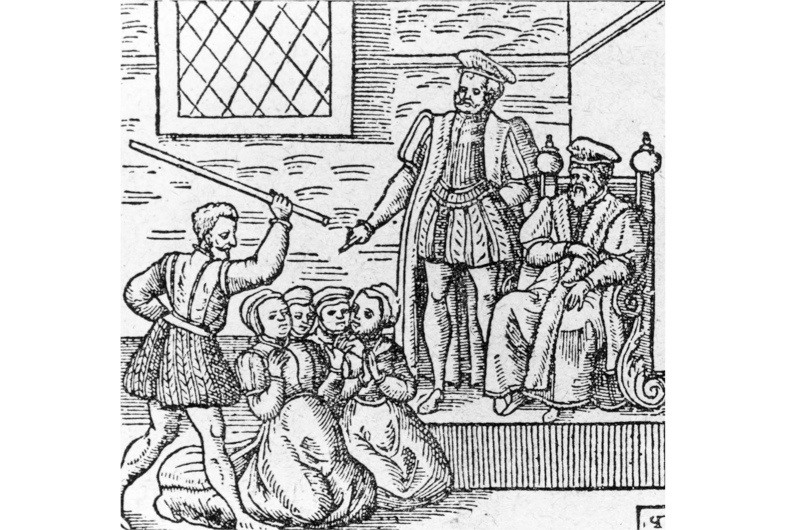
Prince-Bishop Dornheim also built a special torture chamber in Drudenhaus, a small room which had its floor covered with sharp spikes and wooden pyramids which prevented the prisoner to sit or sleep without impaling himself. He used this prison to try out new sadistic ways!
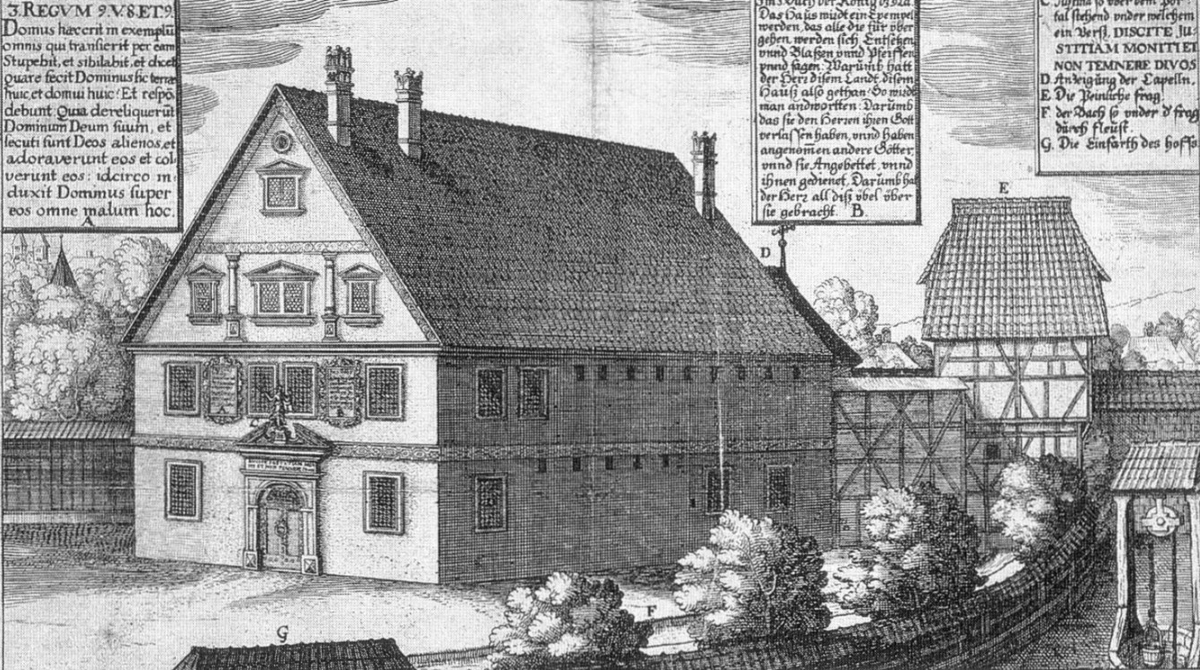
The entire prison was designed to break the prisoners psychologically and was designed so that 26 prisoners could be kept in isolation at the same time in the two stories of this sinister building which was the largest prison for witches at the time.
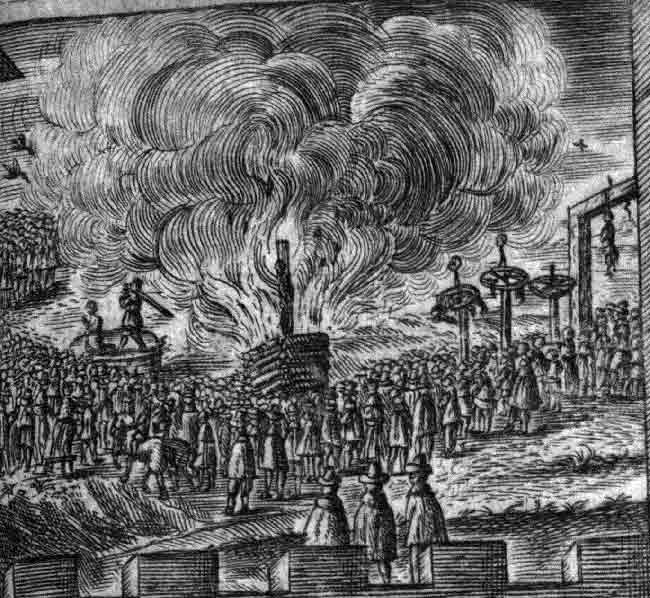
Around 1000 people would be executed for witchcraft in this small state of Bamberg. Before they were executed many had their hands cut off and were then burned alive unless they passed their whole possession to Prince-Bishop, in this case they were decapitated beforehand.
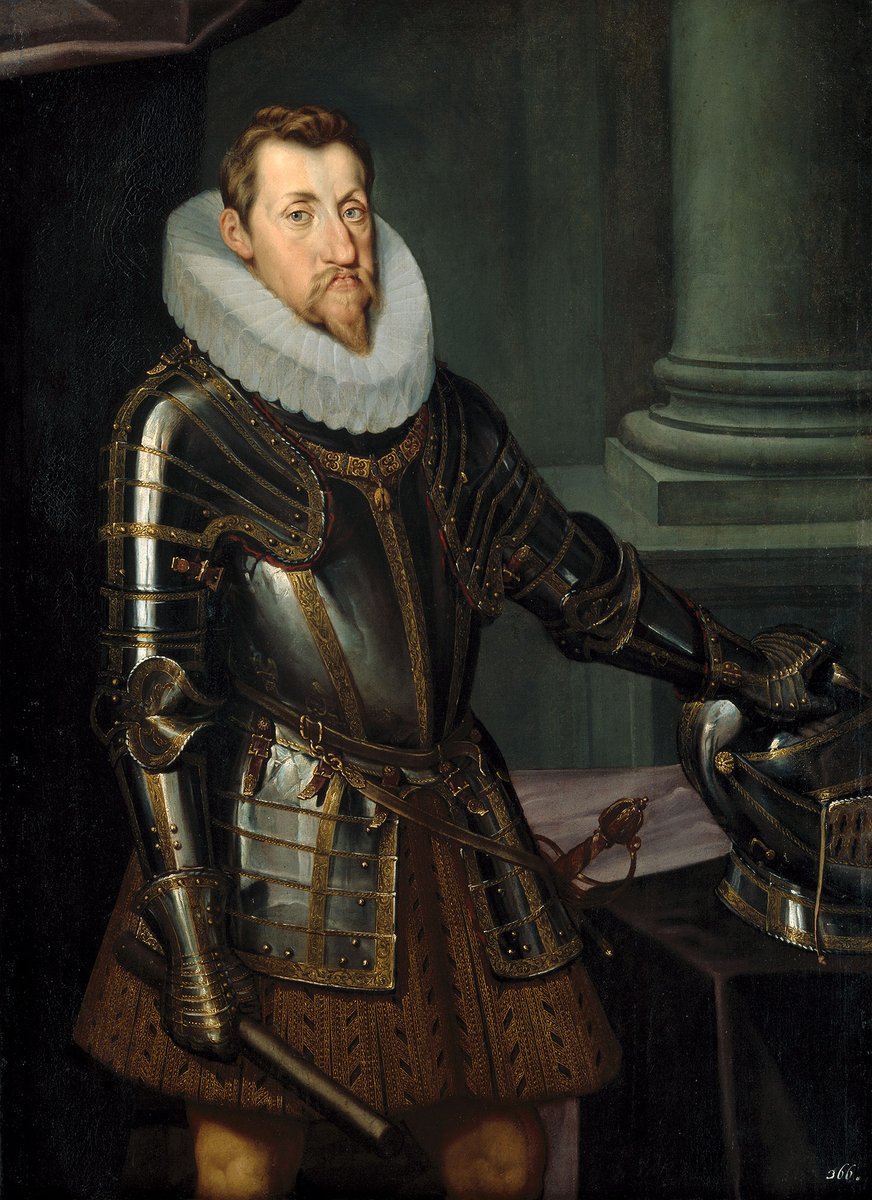
For five years, this horror took place in Bamberg and no one was safe. People complained to the Emperor however because of the Thirty Years' War going on, he was unable to intervene, and even when he did he was simply ignored by the local authority.
One of the notorious cases was Georg Haan, a well reputed doctor who left the city with his son after his wife and daughter were imprisoned. He complained to Emperor who ordered his family to be released. However when Haan returned to Bamberg, they were already killed.
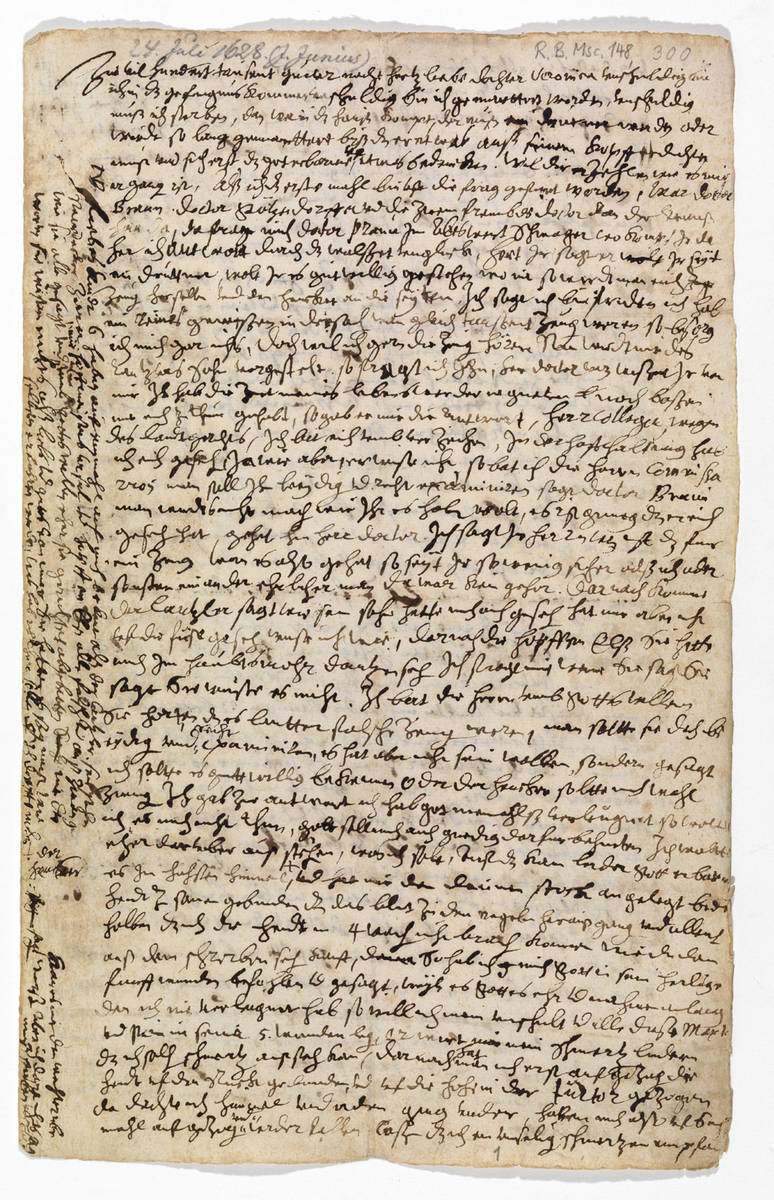
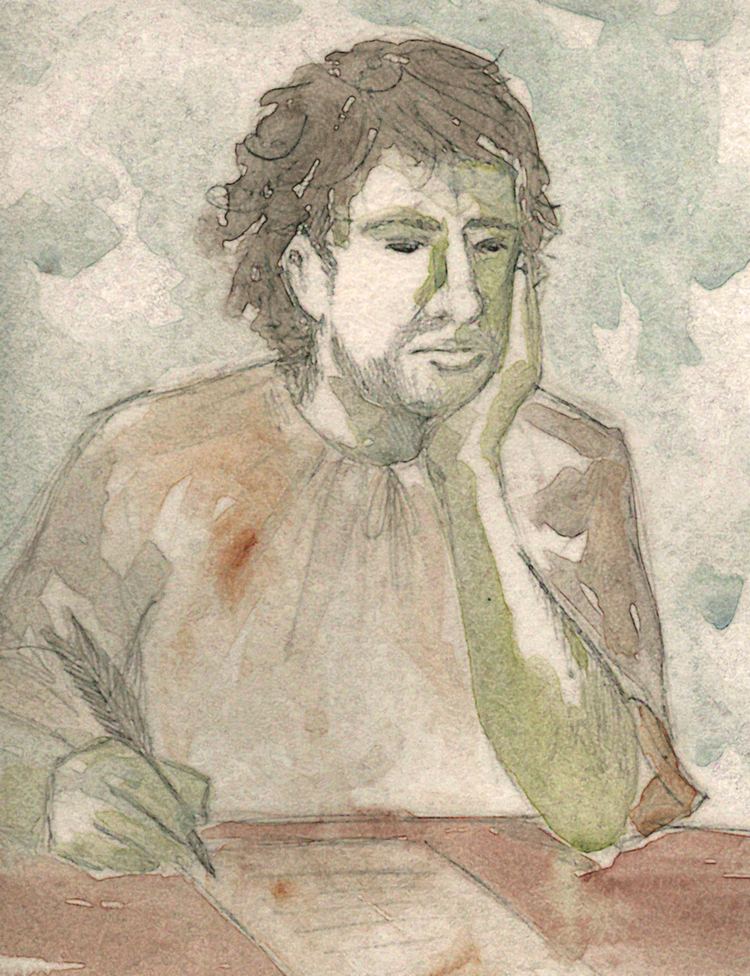
Furthermore Georg Haan's wife and daughter under torture named him and his son as accomplices, so they were executed as well. Another famous case is the mayor of Johannes Junius who wrote a letter to his daughter before he was executed, claiming he was innocent.
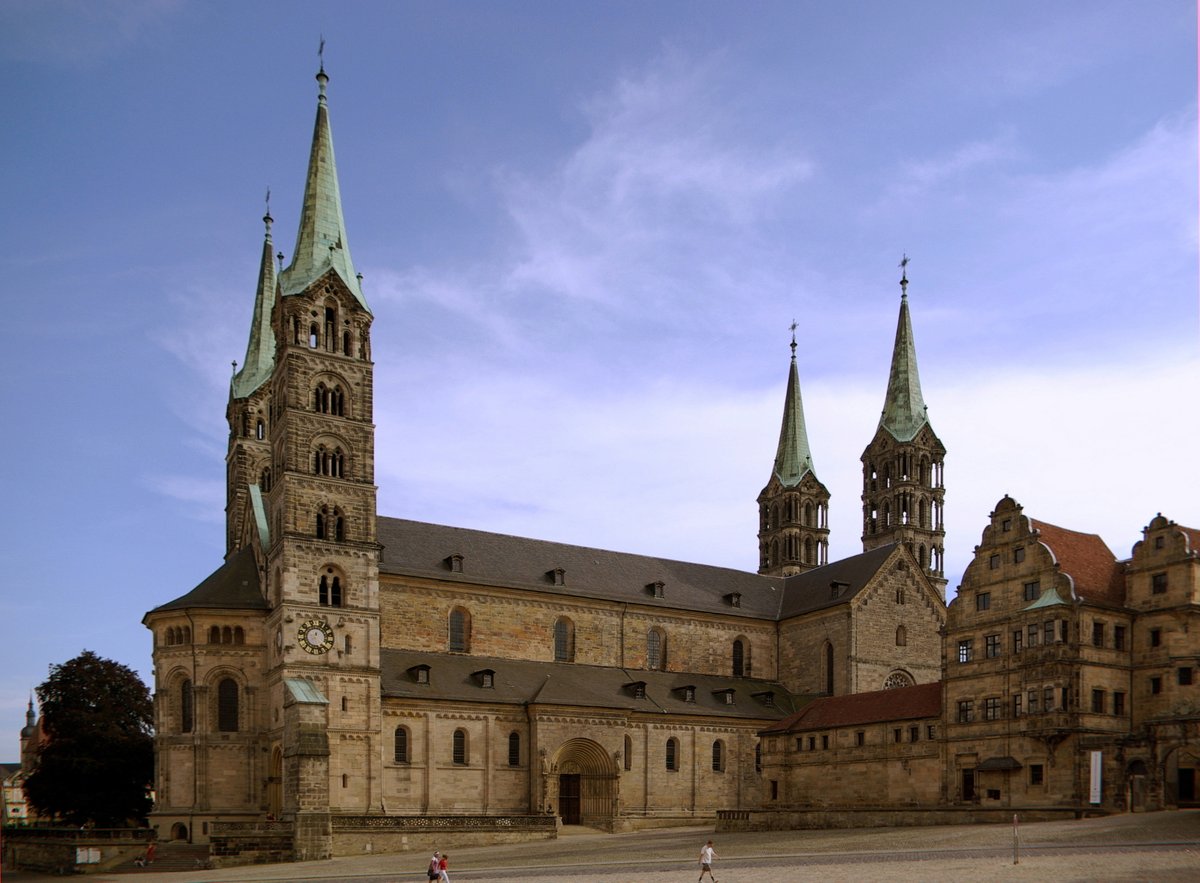
These witch trials were attracting a lot of negative attention not just from the Emperor but also by the Church hierarchy which was outraged as the Prince-Bishop kept defying the authority of everyone, executing Dorothea Flock from a prestigious Nürnberg merchant family.
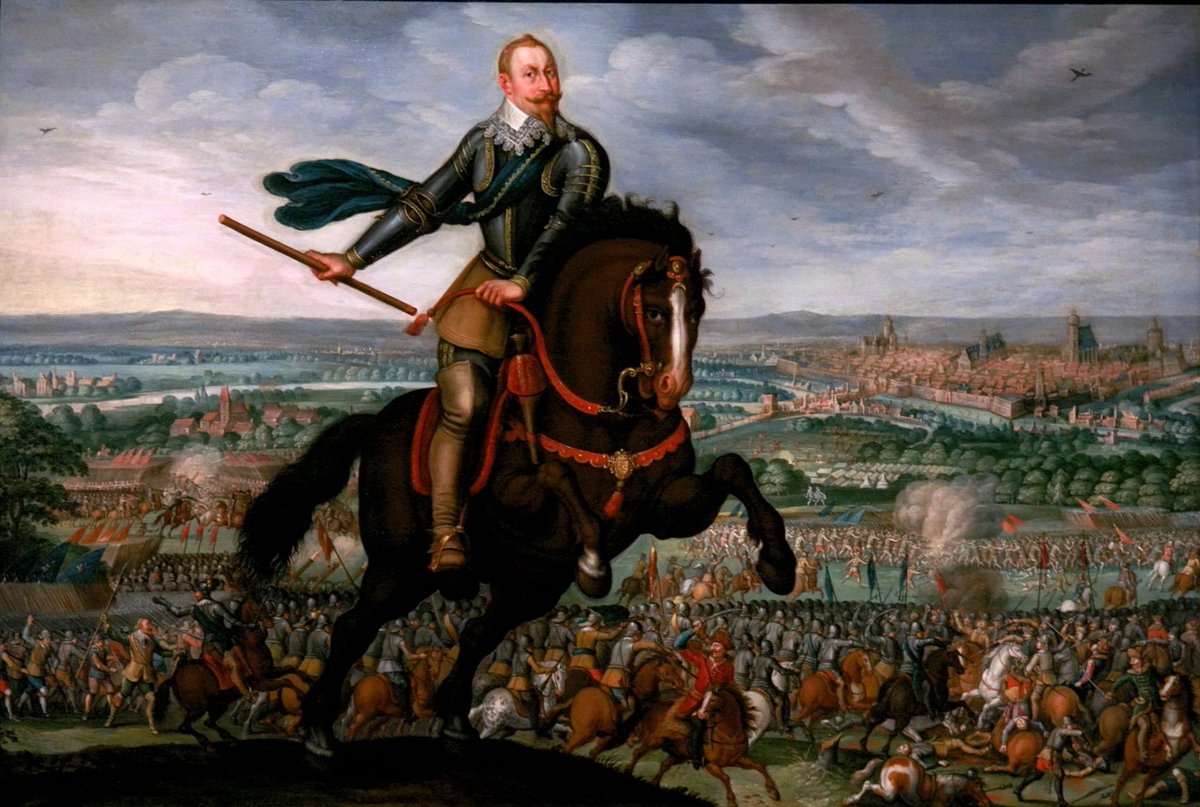
But as much as the Thirty Years' War was going in Dornheim's favor, it now turned to be a problem for him as the Swedish troops led by Gustavus Adolphus were approaching. Sensing that he was surrounded by hostile enemies, Dornheim fled Bamberg in winter of 1632.
This meant the end of witch trials and the main culprits died of natural death around the same time. Förner had already died in 1630 and Dornheim died in exile in 1633. The dreaded Drudenhaus was destroyed in 1635. Only dark memories remained of what was going on in Bamberg.
• • •
Missing some Tweet in this thread? You can try to
force a refresh

The early modern era saw the production of massive plan reliefs - scale models of cities, fortifications and surrounding landscape for military usage.
Venetians were the early pioneers of this in 16th century. But the French under Louis XIV took this on another level in 17th century, ordering a production of 140 1:600 scale models in 1688, in an aim to catalogue all the important military fortifications and border fortress-cities in France.
The finest military engineers of the realm such as Vauban took part in this project!
Close attention was paid to all the details.
In 1700, Louis XIV installed the huge collection of plan reliefs in the Louvre. These models could initially only be viewed by elite and were a sort of state secret, as they would provide important knowledge in an event of war.
A large number of such models was built during and after wars, to include newly captured cities and fortresses. Many new plan reliefs were made during the rule of Louis XV in 18th century, some of them to replace the old damage ones.
The construction of plan reliefs shows a new development in European military history. With the advent of siege artillery and bastion fort fortifications, it became hugely important for European states to upgrade their key fortresses and ensure that their strategic cities and towns were fortified enough to endure an enemy assault. Topographic features were studied and sieges were meticulously planned!
It also shows the centralization of European states, which felt the need to have their military capabilities carefully catalogued, helping them to better devise a grand strategy to protect their borders against all threats, studying the possible weak points.
After the fall of Ancien Regime, the production of plan reliefs was revived by Napoleon who ordered the construction of many new ones.
These plan reliefs could also end up in enemy hands, captured as spoils of war. This happened in 1814 when Prussians took 17 models with them to Berlin.
The production of plan reliefs continued into 19th century, but they would eventually be rendered obsolete by 1870 as military technology developed further and artillery became even more powerful, too powerful for the old bastion fort fortifications.
Fortunately, many of the old plan reliefs survived to this day and are stored in the Musée des Plans-Reliefs where they could be observed by curious visitors.
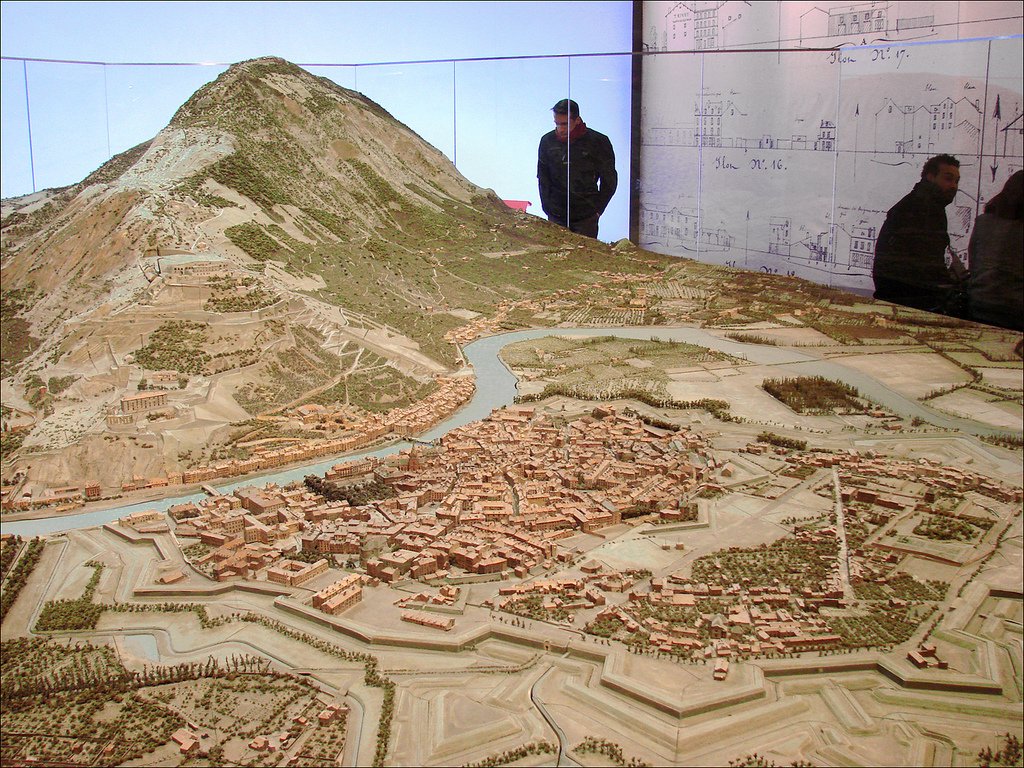
An example of a plan relief kept in Musée des Plans-Reliefs in Paris.
Besançon and surrounding fortifications, made in 1722.
The level of detail is astonishing!
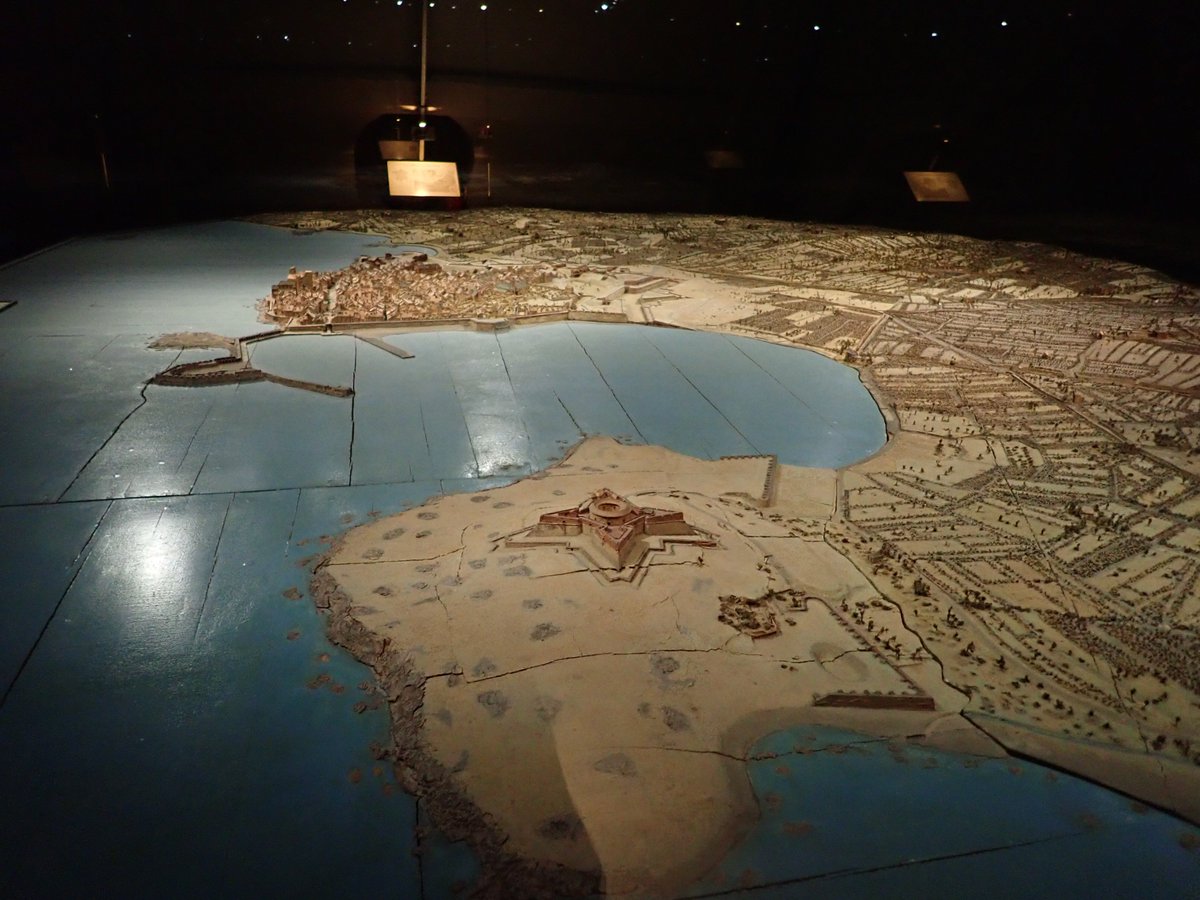
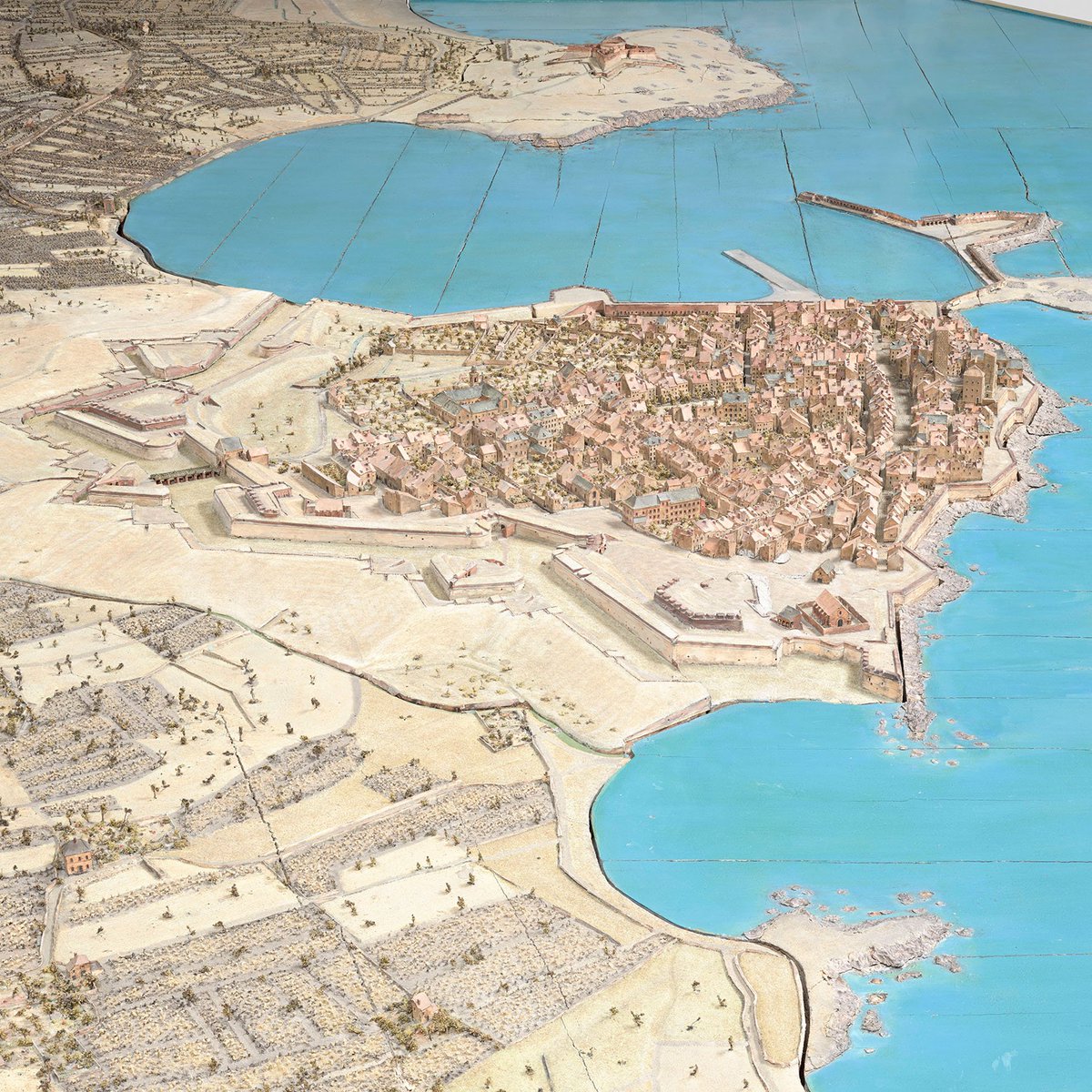
The scale model of Antibes and coast fortifications is quite epic!
Vauban helped to fortify this strategically important port in the French Riviera.
During 16th century sieges, mines and counter-mines were dug.
It was not uncommon that brutal subterranean fighting would take place in the mines!
It's incredible that such mines are still preserved today at St Andrews Castle in Scotland where a siege took place in 1546. 🧵
The well-preserved 16th century siege mines at St Andrews Castle reveal the hard work that was done by both the besiegers and the defenders to dig these tunnels.
During sieges, a lot depended on such subterranean battles.
Such tactics had already been in place for a long time in various medieval and early modern sieges all over Europe.
The besiegers dug tunnels trying to undermine enemy towers or sections of the wall, paving the way for the infantry to storm the city or fortification.
It's wild how Denmark had colonies in India for more than 200 years from 1620 to 1869.
Fort Dansborg, built in 1620, still stands today in the Bay of Bengal.
They had forts, factories, trading posts. But they eventually sold their possessions to British Empire.
The Danish presence in India was of little significance to the major European powers as they presented neither a military nor a mercantile threat so they let them carve out their own niche.
A map of Danish trade routes in the region.
The operation was initially conducted by Danish East India Company.
But the early years of the Danish adventure in India in 1620s were horrible. Almost two-thirds of all the trading vessels dispatched from Denmark were lost.
English explorer John Smith, famous for his involvement in establishing the Jamestown colony in America in 1607.
His coat of arms featured the heads of three Ottoman soldiers whom he beheaded in duels while serving as a mercenary in Transylvania during the Long Turkish War.
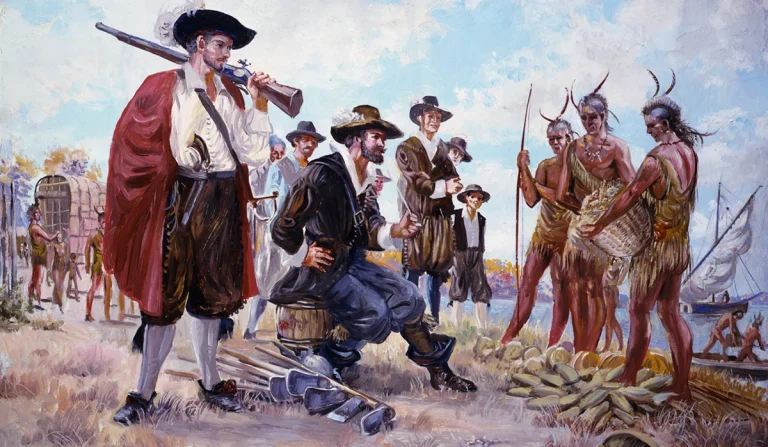
John Smith is known today for his role in managing the colony of Jamestown in Virginia, the first permanent English settlement in North America, and his connection with a Powhatan woman called Pocahontas.
But John Smith was also a powerful warrior and mercenary prior to that.
Born in England, he set off to sea in 1596 at age 16 after his father died to become a mercenary, fighting for the French against the Spanish.
He was looking for what he called "brave adventures".
After a truce was made in 1598, he joined a French pirate crew in Mediterranean.
Many Irishmen served the Habsburgs over centuries and distinguished themselves.
Over 100 Irishmen were field marshals, generals, or admirals in the Austrian Army!
Some of the illustrious Irish warriors serving the Habsburg emperors. 🧵
In 1853 there was an assassination attempt on emperor Franz Joseph in Vienna by a Hungarian nationalist.
But the emperor's life was saved by Count Maximilian Karl Lamoral O'Donnell who cut the assassin down with a sabre.
O'Donnell was a descendant of Irish nobility!
Maximilian ancestors -the powerful O'Donnell clan- left Ireland during the Flight of the Earls in 1607, when Irish earls and their followers left Ireland in the aftermath of their defeat against the English Crown in the Nine Years' War in 1603.
Many inns appeared in medieval Europe, offering foods, drinks and a place to socialize, as well as lodging for travelers, helping transportation logistics.
In this thread I will present some of the old medieval inns that survived to this day, from various European countries!🧵
The George Inn. Norton St Philip in Somerset, England 🏴.
Built in 14th century and completed in 15th century, this is a proper medieval inn.
Being an innkeeper was a respected social position. In medieval England, innkeepers were generally wealthy and held influence in towns!
Stiftskeller St. Peter. St Peter's Abbey in Salzburg, Austria 🇦🇹.
Often mentioned as the oldest inn in Central Europe, for it was first mentioned in 803 in a letter to Charlemagne.
It operated as part of the monastery to give food to pilgrims. Now a prestigious restaurant.