

Of the roughly 3 million customer service agents in the U.S., about 1.2 million exit those jobs every year. Abusive customers are a key reason. 🧵usatoday.com/story/money/20…
More than 8 in 10 customer service agents have dealt with verbally abusive customers, according to a report from ASAPP and the University of San Francisco. The field’s revolving door became a bigger problem during the pandemic, when call centers saw increased requests for help.
More than a third of surveyed workers said they’d experienced violent threats, according to the report. 
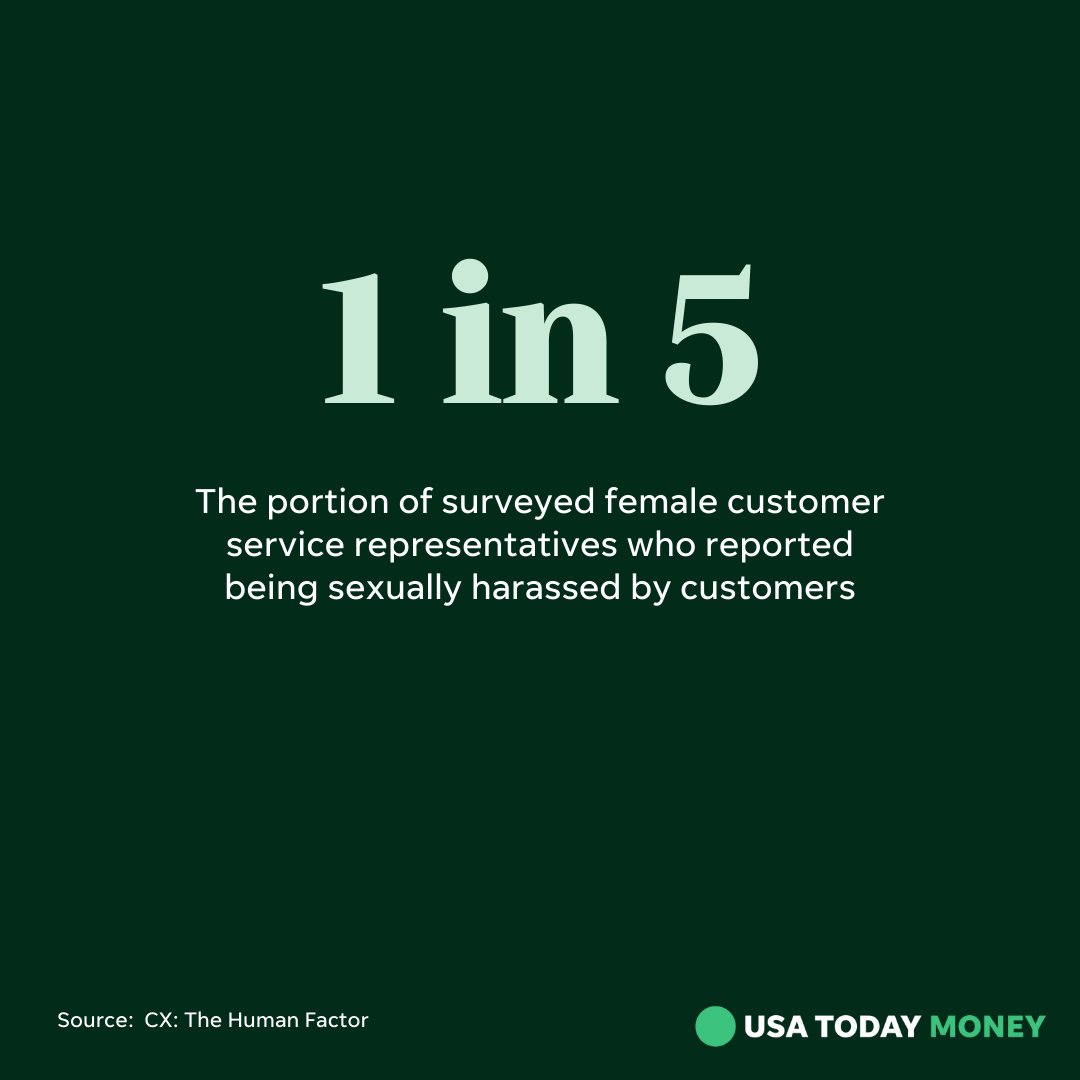
Agents also reported being sexually harassed by customers, with 21% of female and 9% of males employees affected.
The Communication Workers of America, a union which represents roughly 40,000 customer service workers, said its members who work for airlines were most affected by angry customers. “Verbal and physical abuse … have recently spiked,” the union said in an emailed statement.
Timmia McIlwaine began working as a customer service agent for a major airline 11 years ago. She says her work now involves dealing with hostile customers all day in nearly back-to-back calls and is “completely draining.” She’s even been called racial slurs by customers.
McIlwaine, 41, has recently watched many of her airline colleagues leave for other jobs.

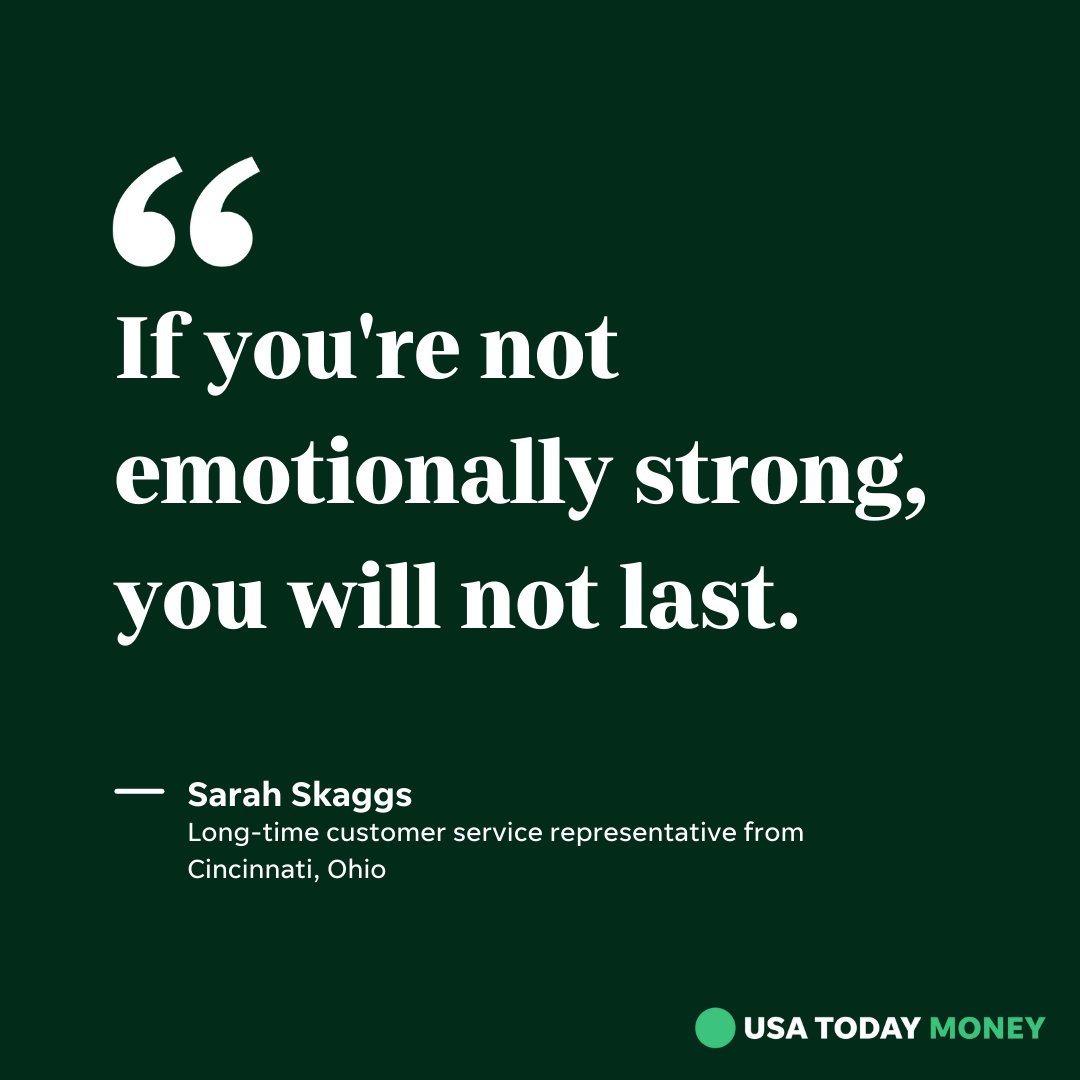
Sarah Skaggs, 26, started working in customer service more than a decade ago. During training, she’s received only fleeting advice on how to handle abusive customers, she said, and employers have not allowed her to hang up on callers.

Is it worth working in a call center? For some, fewer experience requirements, benefits and the chance to help people are draws. But some experts say the industry must make changes to retain employees and avoid legal liability.
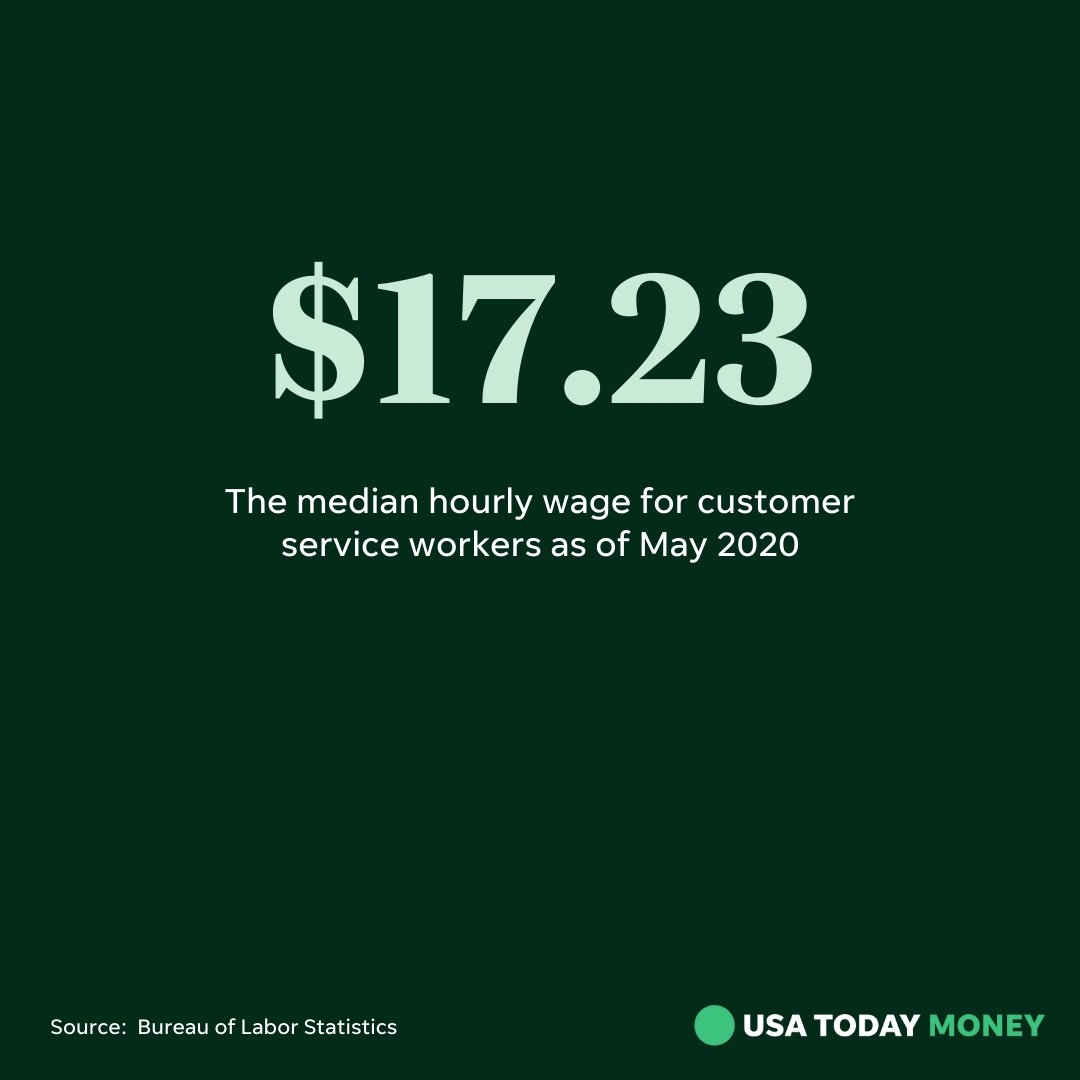
Here’s what current workers and experts say isn’t working — and what they believe needs to change: usatoday.com/story/money/20…
• • •
Missing some Tweet in this thread? You can try to
force a refresh





