A video posted online on Monday and verified by The Times appears to show Ukrainian soldiers killing captured Russian troops outside a village west of Kyiv on or around March 30, as the Russians were withdrawing. I'll thread some findings here: nytimes.com/live/2022/04/0… 
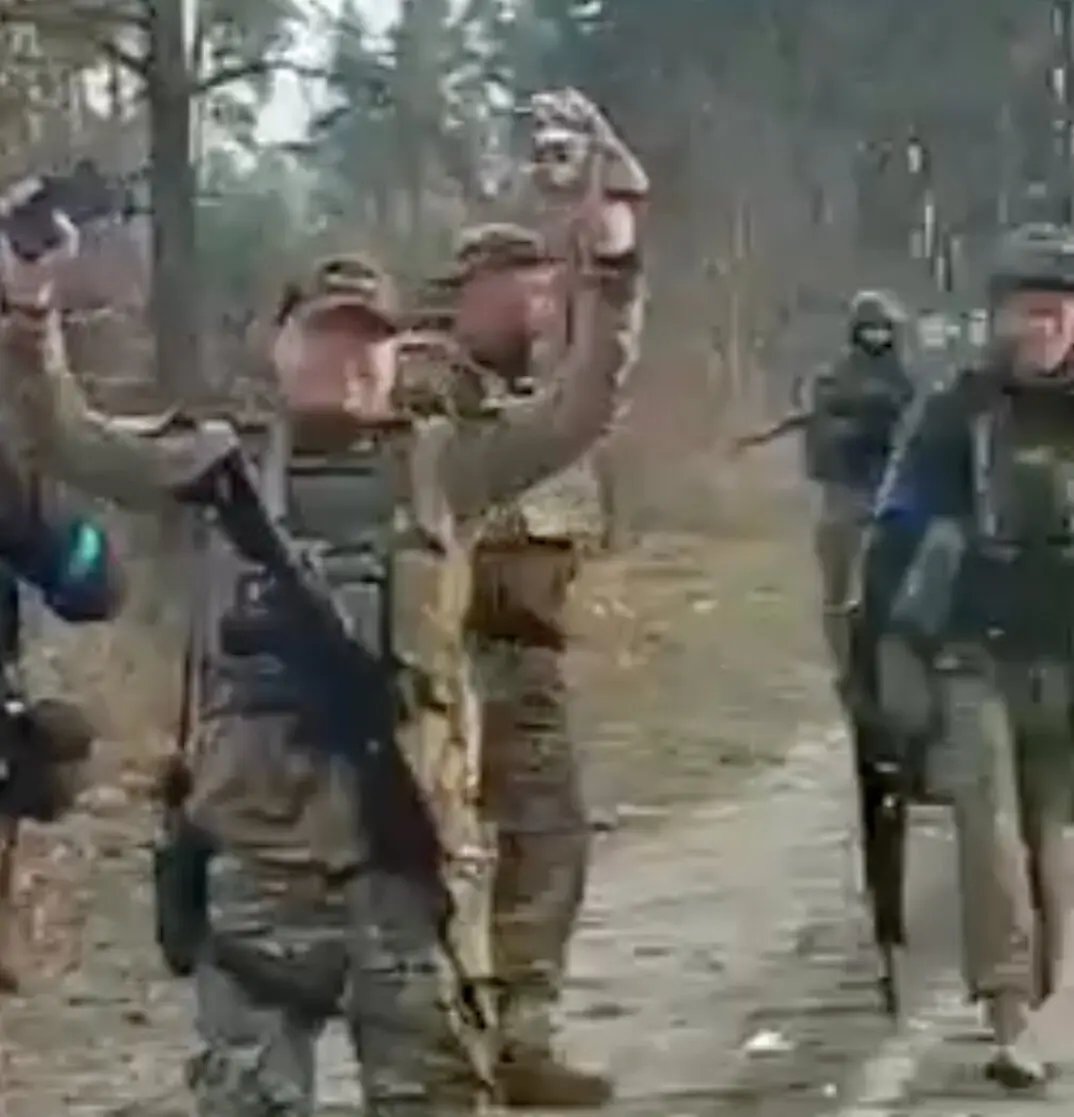
“He’s still alive. Film these marauders. Look, he’s still alive. He’s gasping,” a man says as a Russian soldier with a jacket pulled over his head, apparently wounded, seems to breathe. A soldier shoots the man twice. He keeps moving, the soldier shoots him again, and he stops.
Three other apparent Russian soldiers, including one with an obvious head wound who has his hands tied behind his back, are seen dead near the victim. All are wearing camouflage, and three have white arm bands commonly worn by Russian troops. Equipment is scattered around them.

The soldiers are lying in the road a few feet from a BMD-2, an infantry fighting vehicle used by Russian airborne units. (Thanks to @RALee85 for the vehicle identification.) Some appear to have had their jackets, shoes or helmets removed.

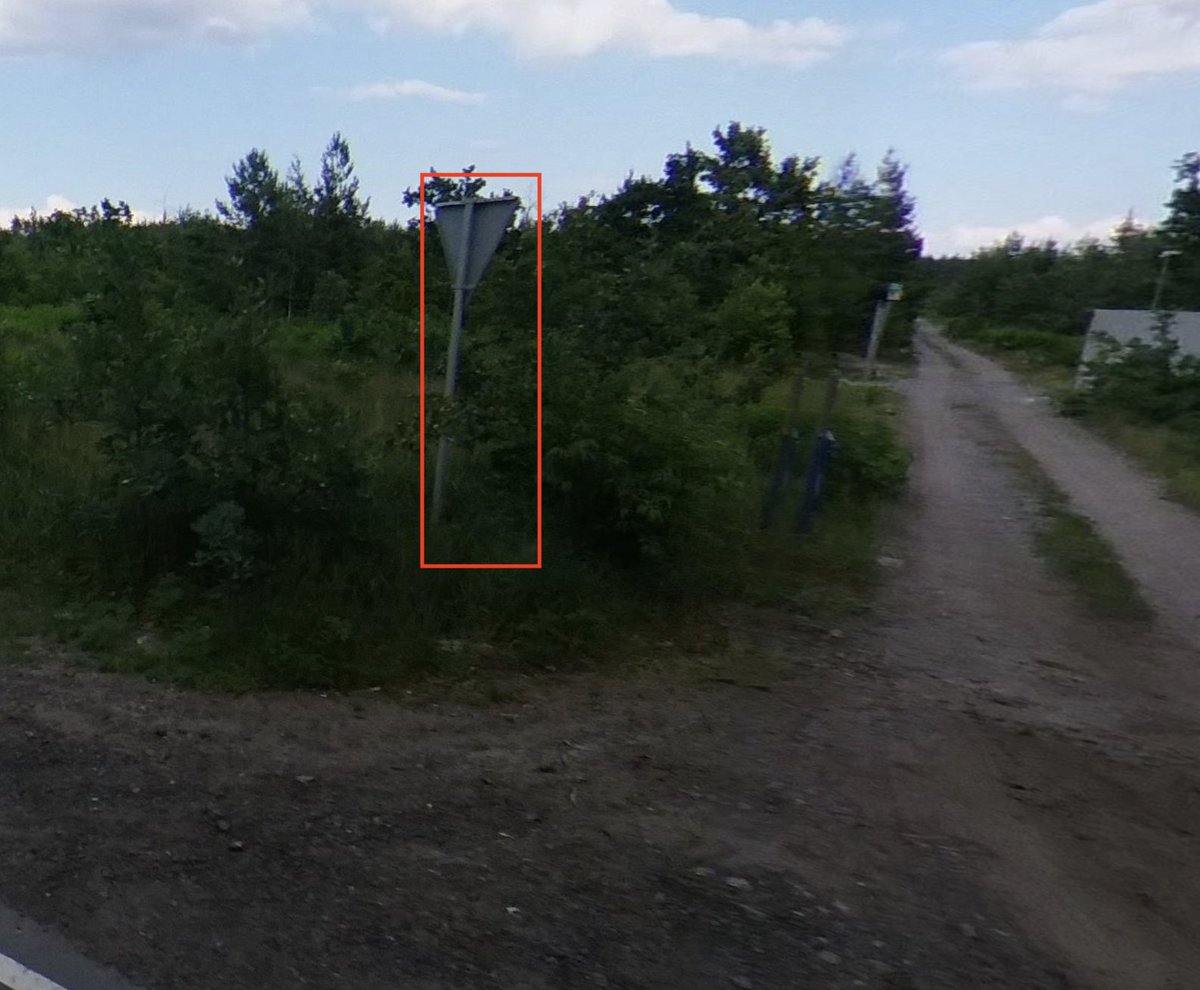
The video was filmed on a road just north of the village of Dmytrivka (50.464987° 30.182556°). The location was first identified by open source researchers and confirmed by us. It is around seven miles southwest of Bucha, where recent Russian atrocities have been alleged.


The killings appear to be the result of a Ukrainian ambush. @OzKaterji posted videos and pictures of the destroyed column on Twitter on April 2 and wrote that soldiers told him that the Russians had been ambushed 48 hours earlier.
https://twitter.com/OzKaterji/status/1510288389530136581
Ukraine's Defense Ministry also tweeted about the destruction of the convoy, calling it “precise work."
“These are not even humans,” a Ukrainian soldier says as he walks among the wrecked vehicles, adding that they took two Russian lieutenants prisoner.
“These are not even humans,” a Ukrainian soldier says as he walks among the wrecked vehicles, adding that they took two Russian lieutenants prisoner.
https://twitter.com/DefenceU/status/1510232791769923590
The soldiers are identifiable by blue arm bands and say “glory to Ukraine” multiple times. Their unit is unclear, but in the video, a man refers to some of them as “Belgravia lads,” likely referring to a housing development a few hundred yards away: g.page/belgravia_kk?s…
A Ukrainian news agency that posted a video of the aftermath of the ambush on March 30 (t.me/uniannet/42715) described it as the work of the “Georgian Legion,” a paramilitary unit of Georgian volunteers that formed to fight on behalf of Ukraine in 2014.
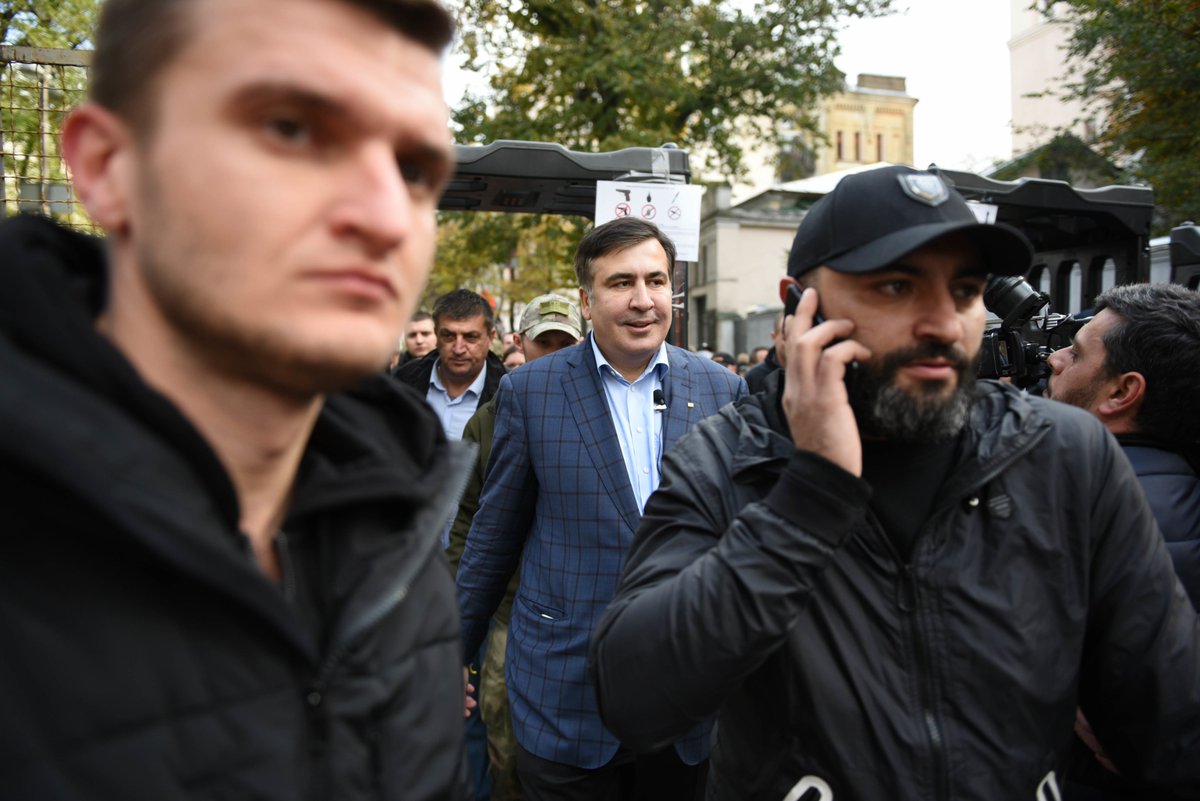
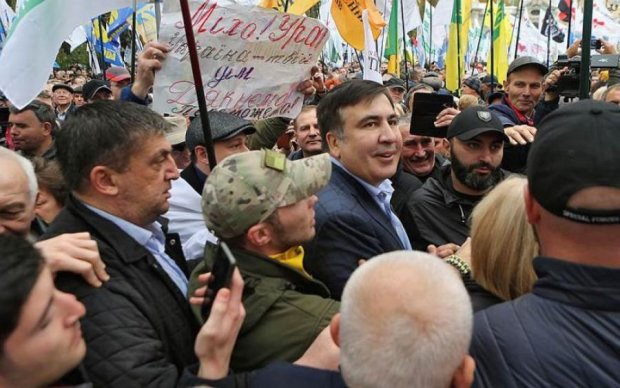
One soldier appears similar to a man pictured in close proximity, possibly providing protection, to former Georgian President and Ukrainian politician Mikheil Saakashvili during a 2017 protest. Facial matching software has indicated a likely match to open source researchers.

Read our full post on the apparent killing of captured Russian soldiers here: nytimes.com/live/2022/04/0…
• • •
Missing some Tweet in this thread? You can try to
force a refresh