

A #txwater 🧵. This story hits on a critical water issue in Texas - that rural and low-income communities lack the resources to apply for @twdb financial assistance.
But I don't think that the issue is limited to the SWIFT. #txlege
texastribune.org/2022/04/07/tex…
But I don't think that the issue is limited to the SWIFT. #txlege
texastribune.org/2022/04/07/tex…
To @twdb's credit, both the staff and the board members have made major efforts to increase outreach to these communities.
Can more be done as the Sunset report says?
Yes. Of course. Always.
Can more be done as the Sunset report says?
Yes. Of course. Always.
But this article correctly points out that even if these communities are made aware of SWIFT funding opportunities, they may not have the technical or financial resources to apply.
More critically, some do not have the revenue base needed.
More critically, some do not have the revenue base needed.
Beyond the SWIFT, which was created in 2013, @twdb administers other funds that are major workhorses for financing local water projects. These are the
🐴Clean Water State Revolving Fund
🐎Drinking Water State Revolving Fund
🐴Clean Water State Revolving Fund
🐎Drinking Water State Revolving Fund
The recently-passed US Infrastructure Investment & Jobs Act -- AKA Bipartisan Infrastructure Law -- provides Texas with half a billion $$$ for these workhorse funds.
This is A LOT of new water funding coming to Texas.
This is A LOT of new water funding coming to Texas.
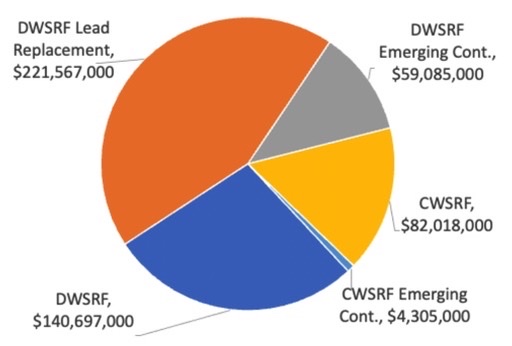
Naturally, with this being a Congressional Act, there are specific requirements including:
- 49% of funds used as grants or forgiveable loans
- targeted focus on disadvantaged and EJ communities
- emphasis on providing technical assistance
- regionalization
- etc.
- 49% of funds used as grants or forgiveable loans
- targeted focus on disadvantaged and EJ communities
- emphasis on providing technical assistance
- regionalization
- etc.
I think how we approach implementing IIJA in Texas could help establish a blueprint or policy template for addressing the issues in the @TexasTribune's article.
The lessons learned here could assist the reach of the SRF workhorses and, quite possibly, the SWIFT.
The lessons learned here could assist the reach of the SRF workhorses and, quite possibly, the SWIFT.
That said, we need a strategic plan on how Texas will address this unique #txwater funding opportunity.
We're thinking a lot about that here at @Texas2036, and look forward to collaborating with other stakeholders to craft Texas-sized solutions.
Stay tuned...
We're thinking a lot about that here at @Texas2036, and look forward to collaborating with other stakeholders to craft Texas-sized solutions.
Stay tuned...
Before closing this thread, @Carlos_TXH2O makes this simple, but profoundly important observation in the article:
"We need to avoid Band-Aid fixes."
"We need to avoid Band-Aid fixes."
And this observation from @groundwaterpuig is an essential take for #txwater policy:
"[A]quifers are infrastructure in rural Texas."
"[A]quifers are infrastructure in rural Texas."
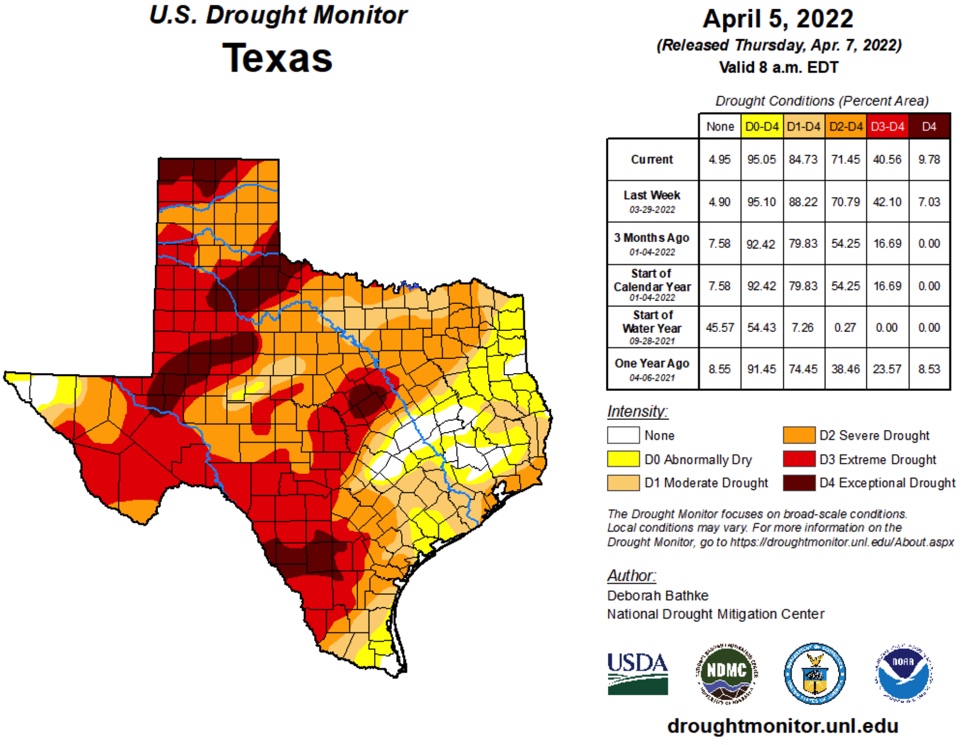
In closing, #txdrought is bad in Texas right now and predicted to get worse before summer. We always need to invest in #txwater. Thanks for reading!
• • •
Missing some Tweet in this thread? You can try to
force a refresh



