Received call from Karnataka colleague abt a man with severe liver failure
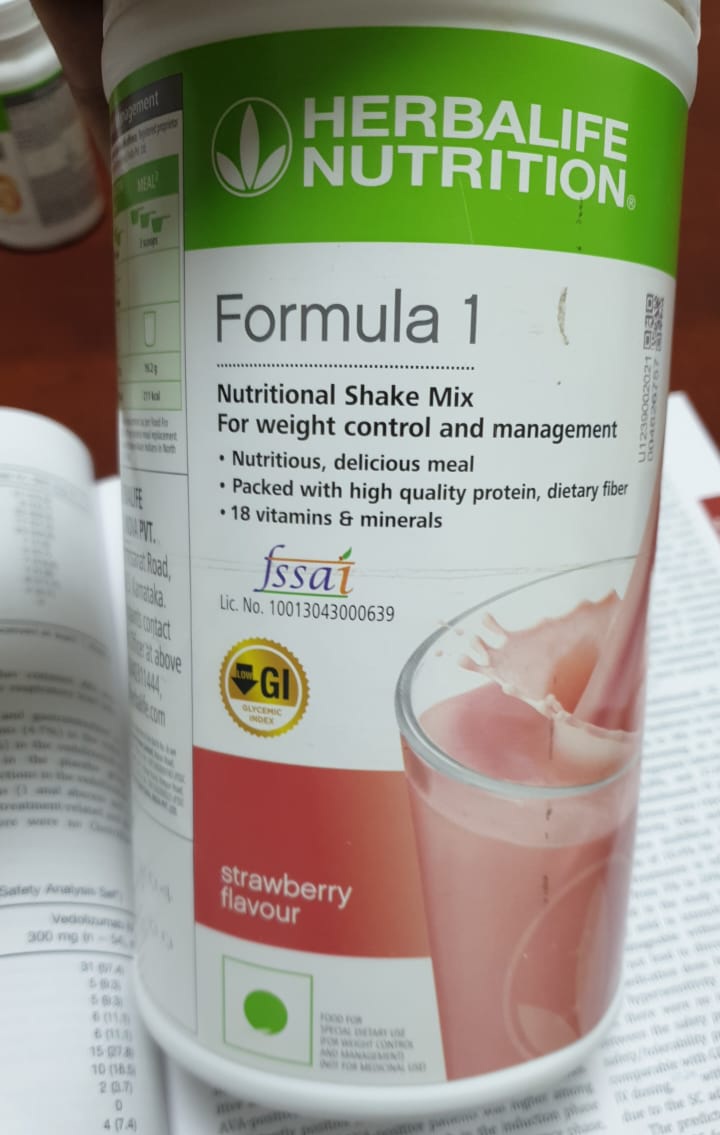
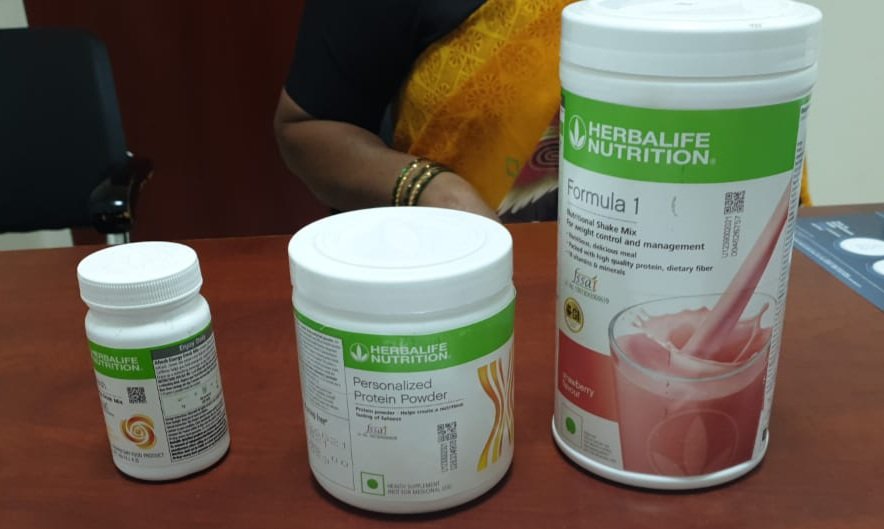
For weight loss & fatty liver disease, he paid 6000Rs and tuk these #Herbalife products, for 2 months
Now he is critically ill, may need a new liver
Shutting eyes in broad daylight doesnt make it night
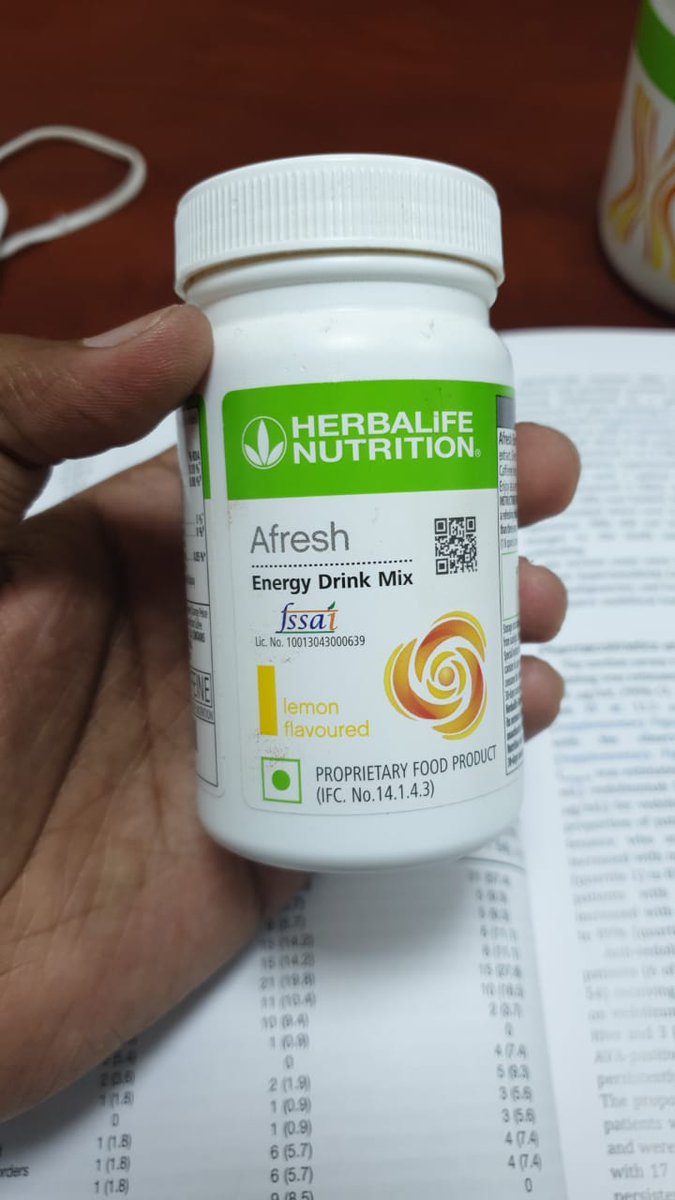
More context:
National Institute of Diabetes and Digestive and Kidney Diseases, USA run LiverTox calls Herbalife as a "well established cause of clinically apparent liver injury"
👇 ncbi.nlm.nih.gov/books/NBK54844…
The Latin-American Drug induced Liver Injury Network has identified Herbalife products as one of the commonest causes for severe liver injury pubmed.ncbi.nlm.nih.gov/33434654/
Herbalife related liver toxicities keep getting reported from all over the world, like this one here 👇 pubmed.ncbi.nlm.nih.gov/32595263/
A recent systematic review and metanalysis showed that Herbalife still featured as one of the top agents causing liver injury along with other liver toxic agents.
Herbalife products were also found to be associated with mania and other neuropsychiatric disorders in a recent systematic review and metanalysis of multiple studies read.qxmd.com/read/30034348/…
Herbalife products where also found to be associated with rare but life threatening diseases of liver and it's blood vessels in a recent report concerning couple of patients read.qxmd.com/read/27740529/…
And finally
Large scale systematic reviews have shown that Herbalife related products always feature as top causes for severe liver injuries world over. read.qxmd.com/read/27070596/…
Time to wake up and take notice.
Herbalife related liver injury has been very frequently reported from USA even after regulatory policies where strengthened.
Herbal dietary supplements industry walks free becoz they escape proper clinical studies and testing for safety.
You can read more on this here from my discussion with the fantastic @Examinecom where a lot of pertinent questions were answered. examine.com/members/deep-d…
• • •
Missing some Tweet in this thread? You can try to
force a refresh

A few years ago, a patient was referred to me because he was diagnosed with complicated cirrhosis. He had an infection which led to a condition called hepatic encephalopathy (brain failure due to high ammonia levels). The treatment largely involved ammonia reducing therapies. One drug was central to this - Rifaximin - a non-absorbable antibiotic that reduced ammonia in the body. I prescribed him Rifaximin for 6 weeks and advised him follow-up.
He came back to me, not after six weeks, but in 4 weeks, this time, in liver coma (worst stage of brain failure - due to very high ammonia). He spent two days in the ICU and six days in total in the hospital. His hospital bill was close to INR 80,000. He had no insurance and his wife borrowed the money from neighbors and friends to clear hospital dues.
Upon questioning, I found that he was not taking the Rifaximin drug I had prescribed. He was only on the other two drugs (one, a syrup called lactulose for improving ammonia clearance in gut). I was furious, because the patient spent a whole week unecessarily in the ICU and wasted so much money that he never had - just because he was "not compliant" to my orders. I decided it was time for me to school him a bit.
But I was wrong. He was compliant. He had purchased Rifaximin and was on it. For 15 days. Thereafter, he could not afford it. He was an autorickshaw driver who shuttled school children every morning and evening. He could hardly make ends meet. He had two children of his own. The Rifaximin brand I prescribed him was 42 rupees per tablet. He had to consume two a day - which would mean 2520 rupees a month. He just did not have that money - so he skipped it - to not compromise on other important matters - childrens education and food.
He was confused and scared about opting for a cheaper version of Rifaximin because one, he was unsure about the quality of Rifaximin that was not prescribed by me and two, he was "scared" that I would scold him for buying a cheaper Rifaximin and if that got him into trouble.
I was confused and scared about prescribing a cheaper version of Rifaximin because one, I was unsure about the quality of Rifaximin that was not "a good promoted brand" and two, I was "scared" that his family would scold me for prescribing a cheaper Rifaximin and if that got him into trouble.
It is heartbreaking that many doctors still simply don’t trust generic medicines. Too often, they worry that these cheaper options are lower quality or might cause more problems than the big, famous brands. This fear leads them to prescribe expensive drugs instead, and the real tragedy is that it pushes vital healthcare out of reach for the ordinary people who need it most - like my patient.
This narrative, that generic drugs 'are never good' and that only big pharmaceutical marketed drugs are what works has been deeply ingrained into doctors and patients alike - I do not know by whom and since when. Looking back, these strong emotions were based on either opinions, testimonials or second- and third-hand information. Not evidence.
Like I said. Stay with me. This is life changing and will disrupt the drug market in India. Here are the results of The Citizens Generic vs. Brand Drugs Quality Project.
1/11
With your help, we analyzed 131 different medicine samples from pharmacies - ranging from expensive top brands to "free" government generics.
This included the highest prescribed and selling (most expensive) branded drugs, generics marketed by the same big brands (branded and local pharma generics), government supplied generics [Central Govt. - Jan Aushadi and State Government - Kerala Medical Services Corporation Limited (KMSCL)], and trade generics [sold at hospital pharmacies and special generic pharmacies - Dava India, Generic Aadhar)
The question: Is the expensive stuff actually better?
2/11
The Test
We took 22 types of common (essential) medicines (for heart, pain, antibiotics, liver, sugar) from these 7 different sources, and sent them to an accredited lab - Eureka Analytical Services Pvt. Ltd. in Kundli, Sonipat, an FSSAI-notified and US-FDA and NABL/ISO 17025 accredited laboratory providing comprehensive pharmaceutical, API, and drug testing services.
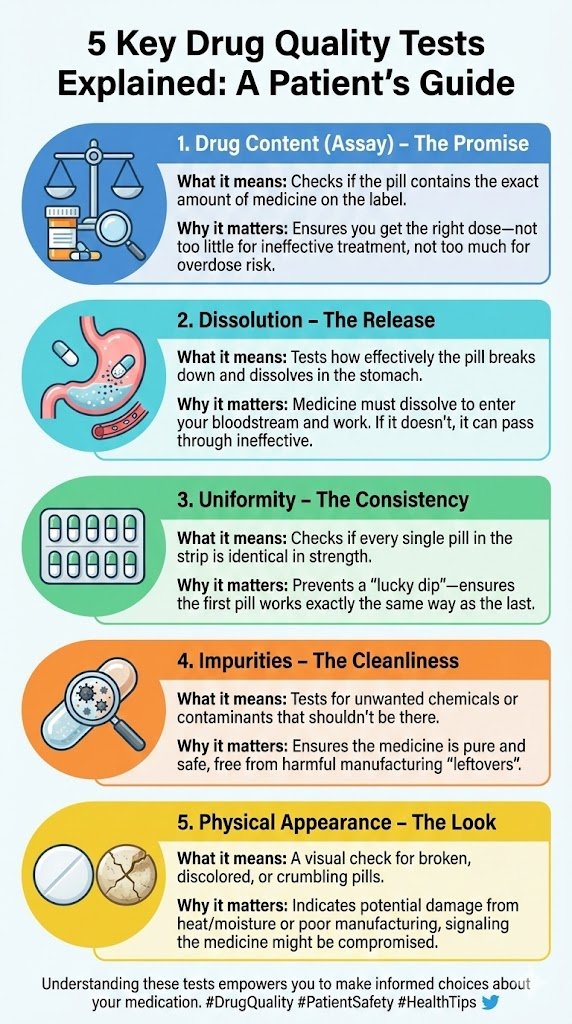
We tested 5 quality parameters according to standards of Indian Pharmacopeia:
✅ Drug content or assay
✅ Dissolution
✅ Uniformity
✅ Impurities
✅ Physical appearance
3/11
1/15
Our important work, The Citizens Protein Project 2 that analysed "hospital/doctor" prescribed whey protein vs. nutraceutical/fitness industry marketed whey protein is now peer-reviewed and published. Please share with your doctor!
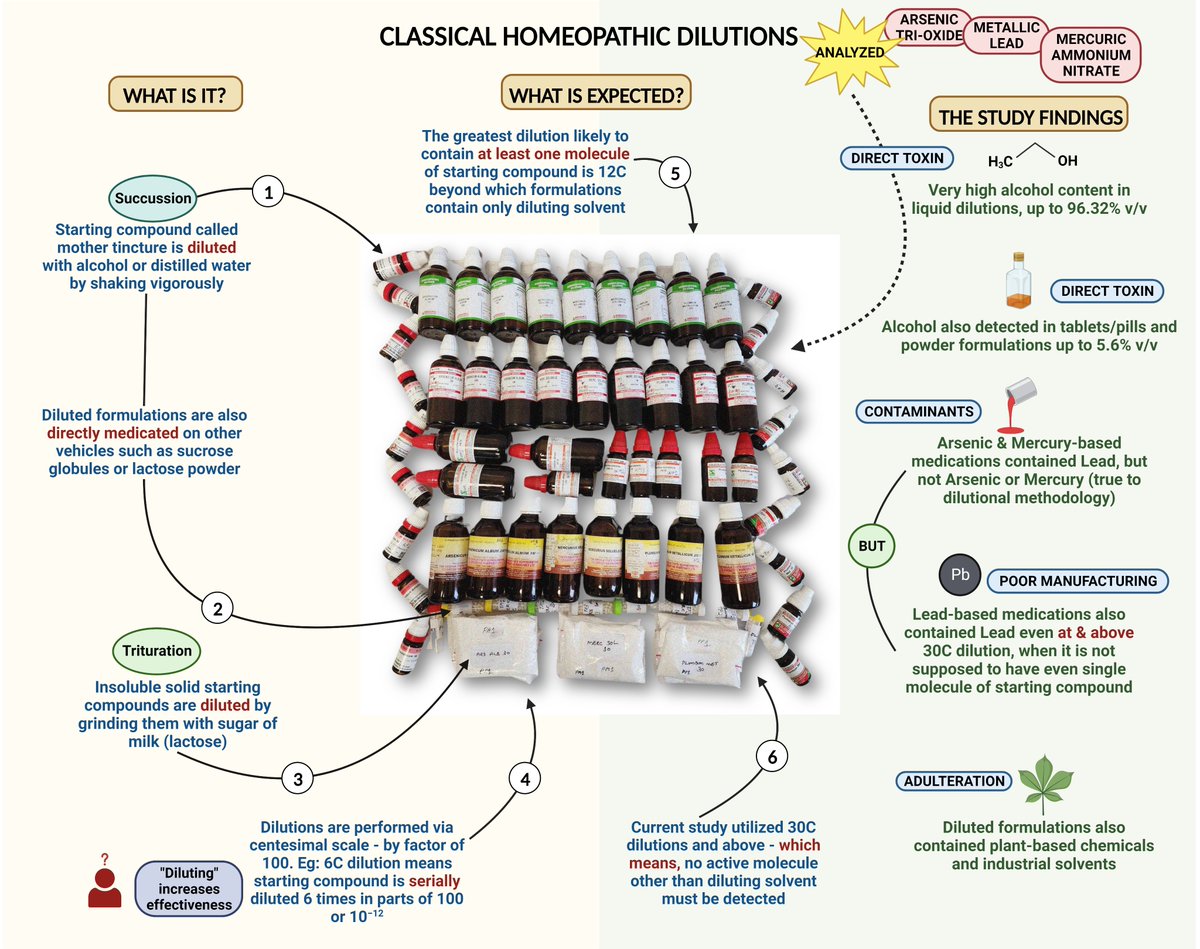
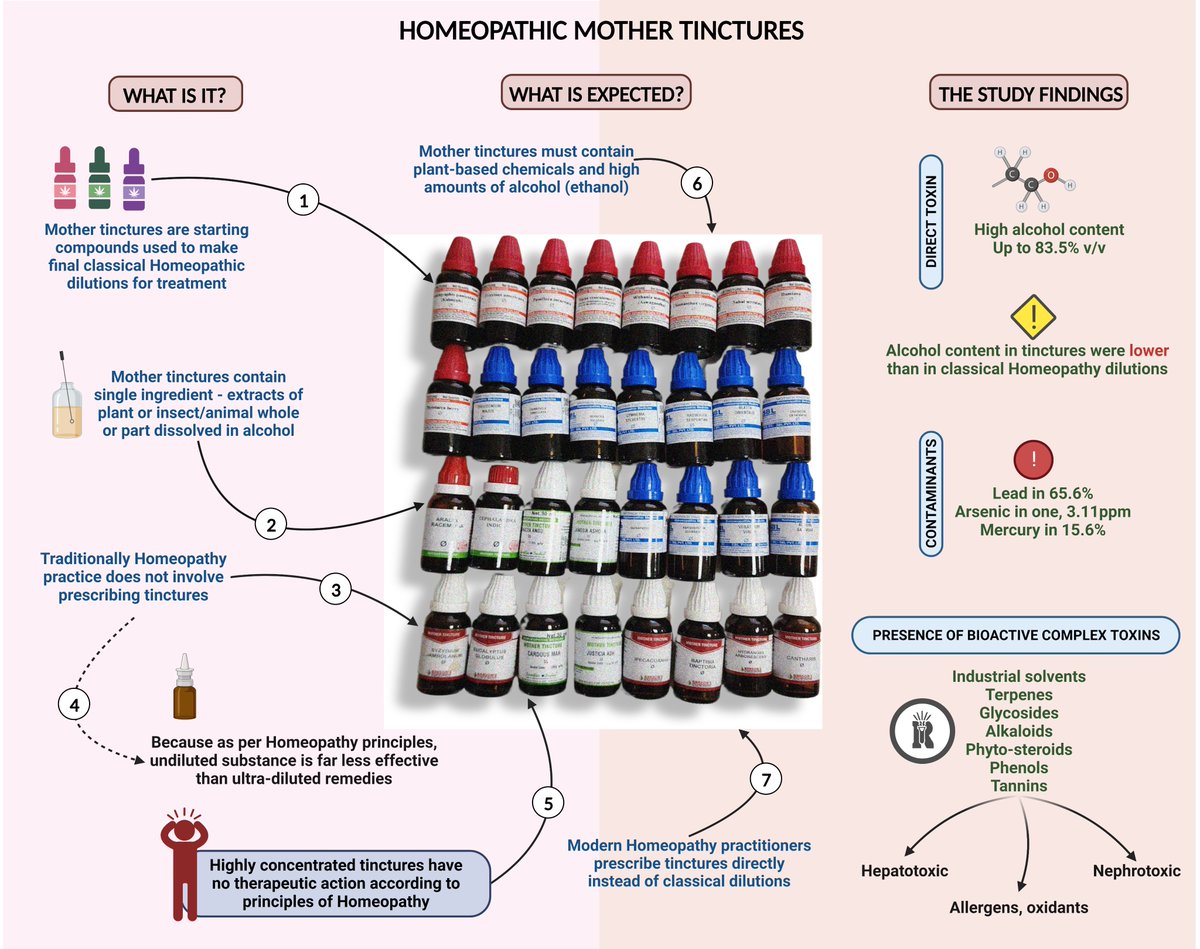
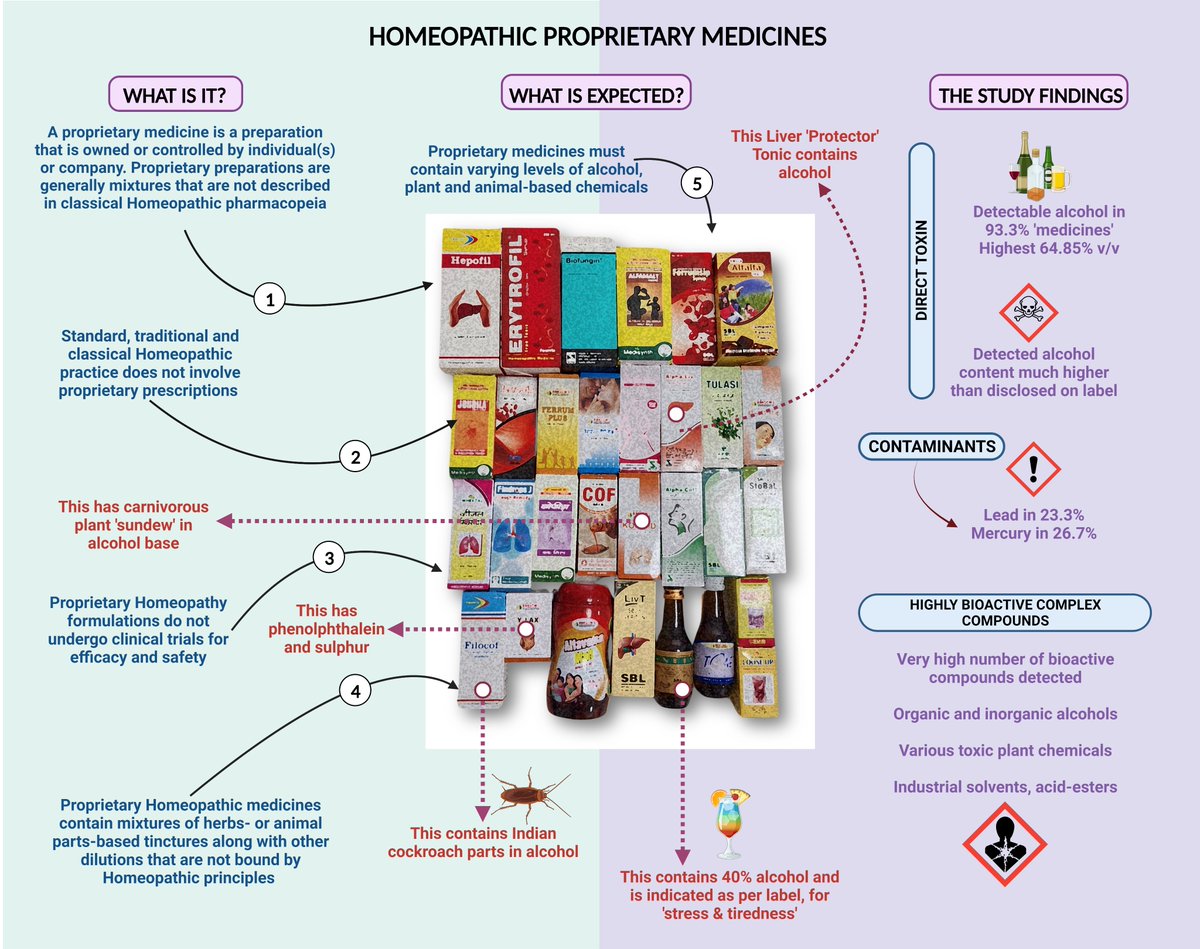
We recently published our independent analysis of Homeopathic practitioner commonly prescribed and popular over-the-counter 134 Homeopathy products marketed and sold as "medicine."
The Placebo Project: An observational study and comprehensive analysis of 134 commonly prescribed homeopathic remedies in India uncovers potential for hepatotoxicity: journals.lww.com/md-journal/ful…
Here is our plain language and visual abstract summary of what these Homeopathy products are and what we found in them.