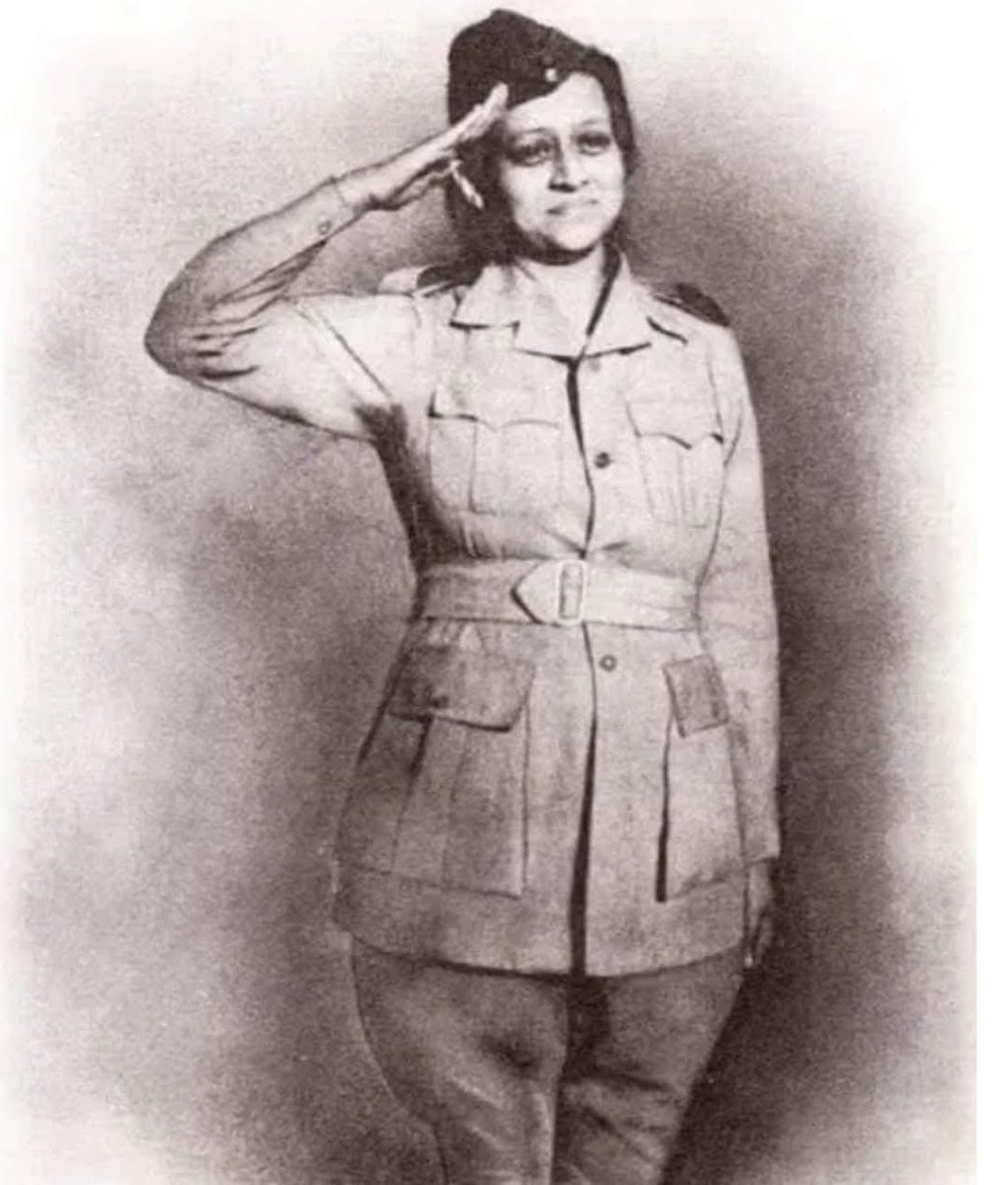
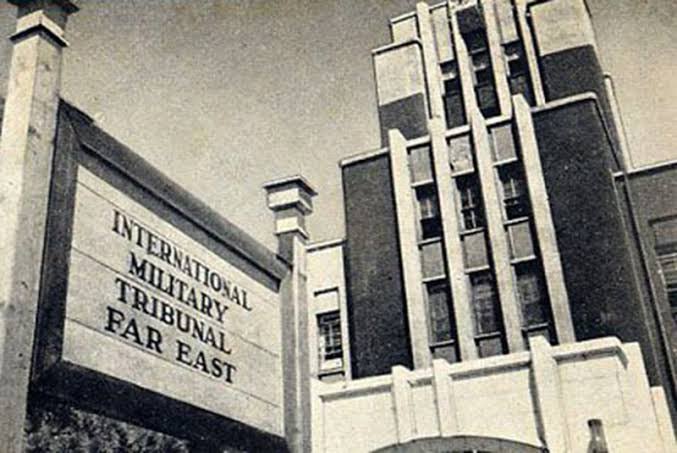
In 2016,Netflix presented a Web series ‘Tokyo trial’ based on the International Military Tribunal for the Far East,also known as the Tokyo TrIal. In the tribunal one Bengali Judge Radha Binod pal showed exemplary courage in telling the world that in a war,there is no ‘good side’. 
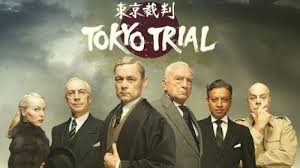
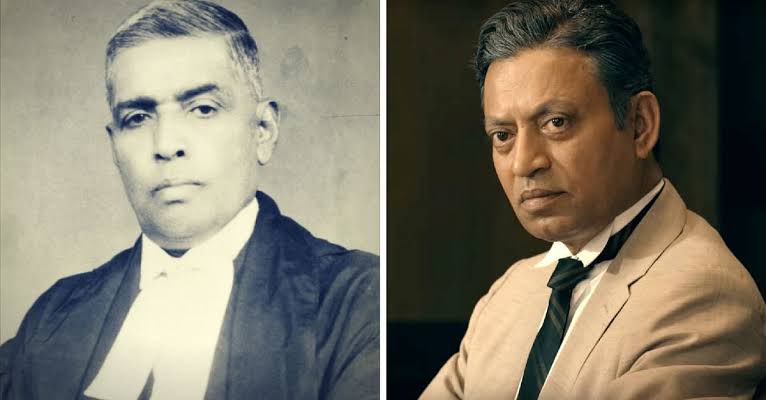
Tokyo Trial was set up to try the leaders,politicians including Prime Ministers, foreign ministers and military commanders of Japan for waging a war against China and for war crimes committed during the Second World War.
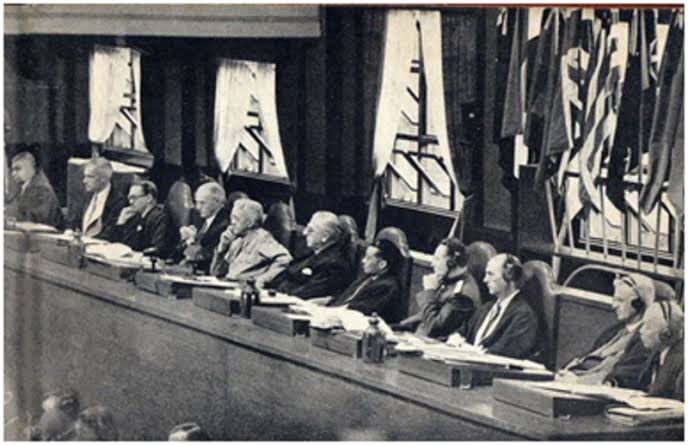
The 2&1/2 year long trial, which began in April 1946, had 11 judges appointed by Gen Douglas MacArthur, the Supreme Commander of the Allied Powers.
theleaflet.in/we-are-no-way-…
theleaflet.in/we-are-no-way-…
When Justice Radhabinod Pal was included as a judge, the Tokyo Trials had already started. In fact Pal was made to feel second class on the Bench, from the very start, when he was accommodated at a hotel which was inferior to the one in which the others were staying
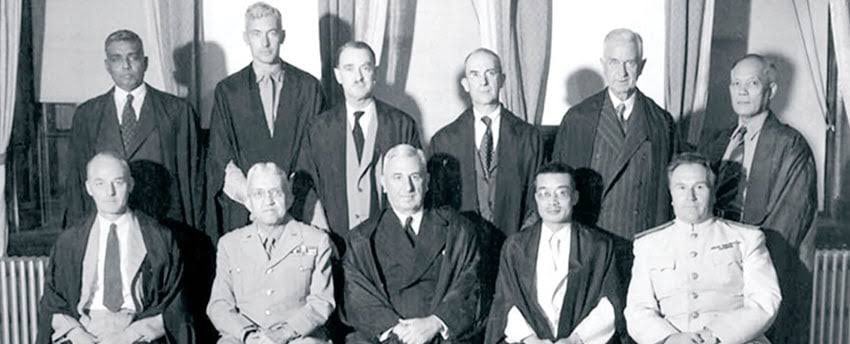
After the 932-day trial, the Tribunal found all 25 defendants guilty. However, Justice Pal in his 1,235-page dissenting judgement wrote that “the tribunal was a sham employment of legal process for the satisfaction of a thirst for revenge.”
cambridge.org/core/books/abs…
cambridge.org/core/books/abs…
His passionate disagreements in judicial conferences during the Trial and his discussions with members on the bench even influenced the French and the Dutch judges to add separate dissenting notes, though they agreed with the majority.
nationalww2museum.org/war/articles/j…
nationalww2museum.org/war/articles/j…
Justice Pal also made pointed criticisms of the American atomic bombing of Hiroshima & Nagasaki. Pal thereby radically transformed the Tokyo Trial, by bringing to the fore questions of imperialism & colonial violence, in which the Allied Powers were also complicit
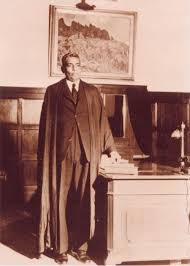
Recent documents mined by Nariaki Nazakato, Professor at the University of Tokyo’s Institute of Oriental Culture indicates that British govt suspected that that Justice Pal had nationalist leanings & links to Subhas Chandra Bose.
Independent India’s Prime Minister Nehru promptly distanced himself from Justice Pal saying that he was an appointee of the Colonial government.
When the Allied occupation of Japan ended in 1952, it also ended the ban on dissemination of the 1,235-page dissent Pal had written. His dissent note was widely read by Japanese society which felt it restored the dignity & self respect & respected him as a Great Jurist.

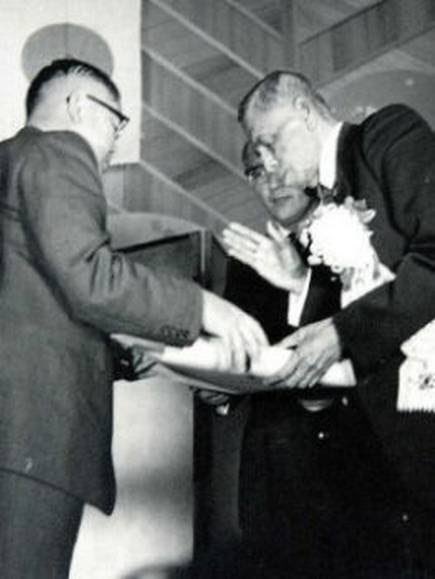
After the Trial, Justice Pal was elected to the United Nations’ International Law Commission, where he served from 1958 to 1966. In 1959, Pal was awarded the Padma Vibhushan.
In 1966, the Emperor of Japan conferred upon him the First Class of the Order of the Sacred Treasure in recognition of his brave defense of Japan, even in her defeat.
Justice Pal passed away in 1967, Among the many monuments at Tokyo’s Yasukuni Shrine, the memorial to Japan’s war dead, there stands a simple monument dedicated to a forgotten Bengali judge, Radha Binod Pal.

Justice Radha Binod Pal’s name is also mentioned frequently by both Indian and Japanese diplomats in the context of Indo-Japanese friendship and solidarity.

In 2007, the then Japanese PM Shinzo Abe visited 🇮🇳, he made a stop over in Kolkata to meet the judge’s son Prasanta Pal
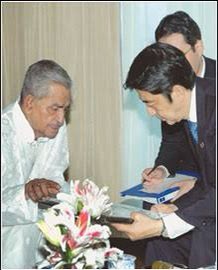
In his address to Indian parliament the then Japanese PM said
“Justice Pal is highly respected even today by many Japanese for the noble spirit of courage he exhibited during the International Military Tribunal for the Far East.”
reuters.com/article/idINIn…
“Justice Pal is highly respected even today by many Japanese for the noble spirit of courage he exhibited during the International Military Tribunal for the Far East.”
reuters.com/article/idINIn…
Justice pal family residence at 16 F, Dover lane in south Kolkata as per the will of Justice Pal’s son, it has been converted into a museum that houses documents, articles, photographs and journals dating back to the historic dissenting judgment at the Tokyo Trials.

Do watch ‘Tokyo Trial’ in Netflix for the brilliant dramatisation & splendid performance by legendary actor Irfan Khan who played the role of Justice Radha Binod Pal
netflix.com/title/80091880…
netflix.com/title/80091880…
• • •
Missing some Tweet in this thread? You can try to
force a refresh