"After World War II, it was the populations that moved instead. Millions of people were expelled from their homes and countries, with at least the tacit support of the victorious Allies."
"One could argue that Europe has been so harmonious since World War II not because of the failure of ethnic nationalism but because of its success, which removed some of the greatest sources of conflict both within and between countries."
"The fact that ethnic and state boundaries now largely coincide has meant that there are fewer disputes over borders or expatriate communities, leading to the most stable territorial configuration in European history" Quotes from: researchgate.net/publication/29…
So many people had to suffer and die to create the currently reality of mostly homogenous states in Europe, and elites are arrogantly throwing it away mixing together population that are far more different than the ones that caused conflicts in the 20th century.
As Ive tweeted before, border denialists have blood on their hands
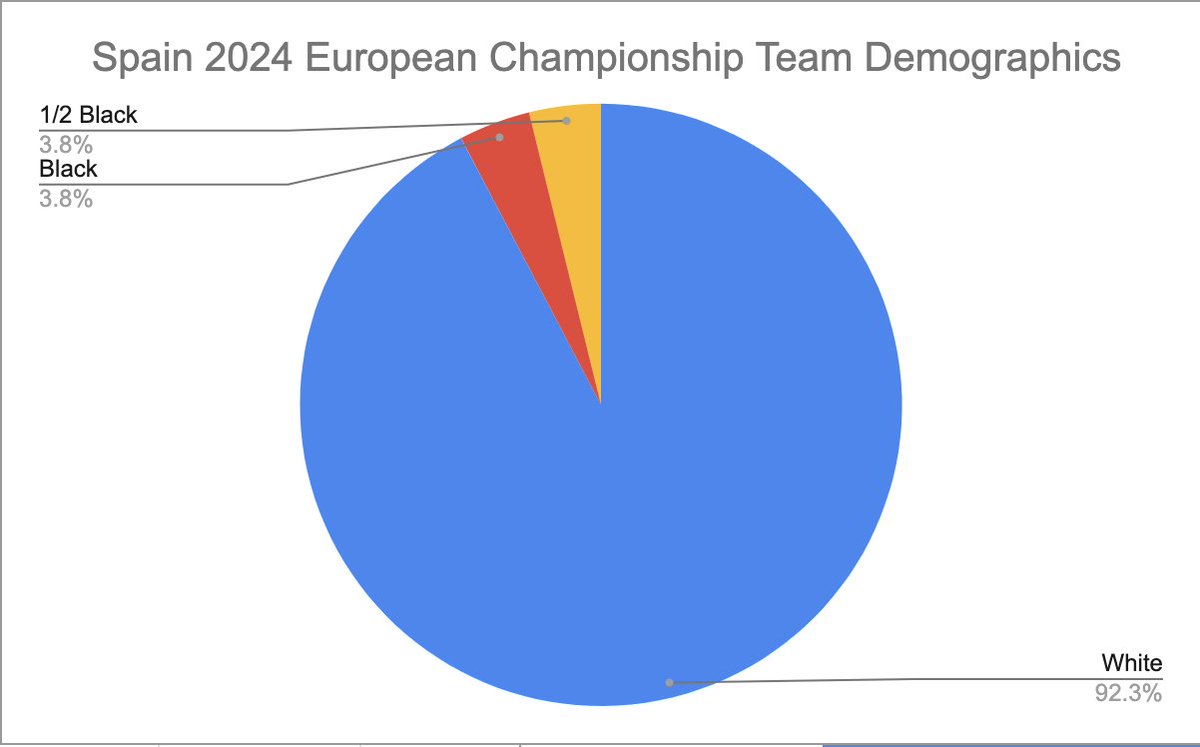
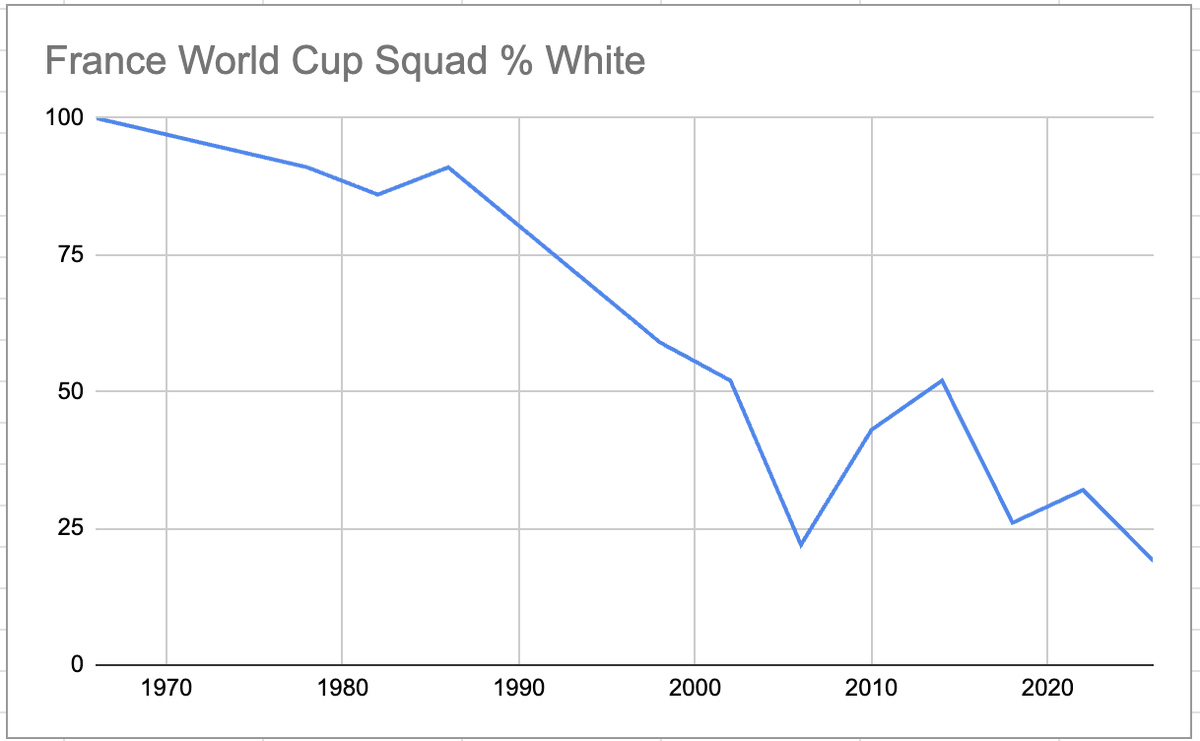
1/ THREAD on demographics of final teams in the World and European cups. This cup's final features the mostly castizo Argentinian team, facing off against the 92% white Spanish team with two prominent players with African ancestry.
2/ In the 2024 European cup, the mostly white Spanish team beat the half white English team.
3/ In 2022, the castizo Argentinian team beat the 48% black, 32% white French team in penalty kicks.
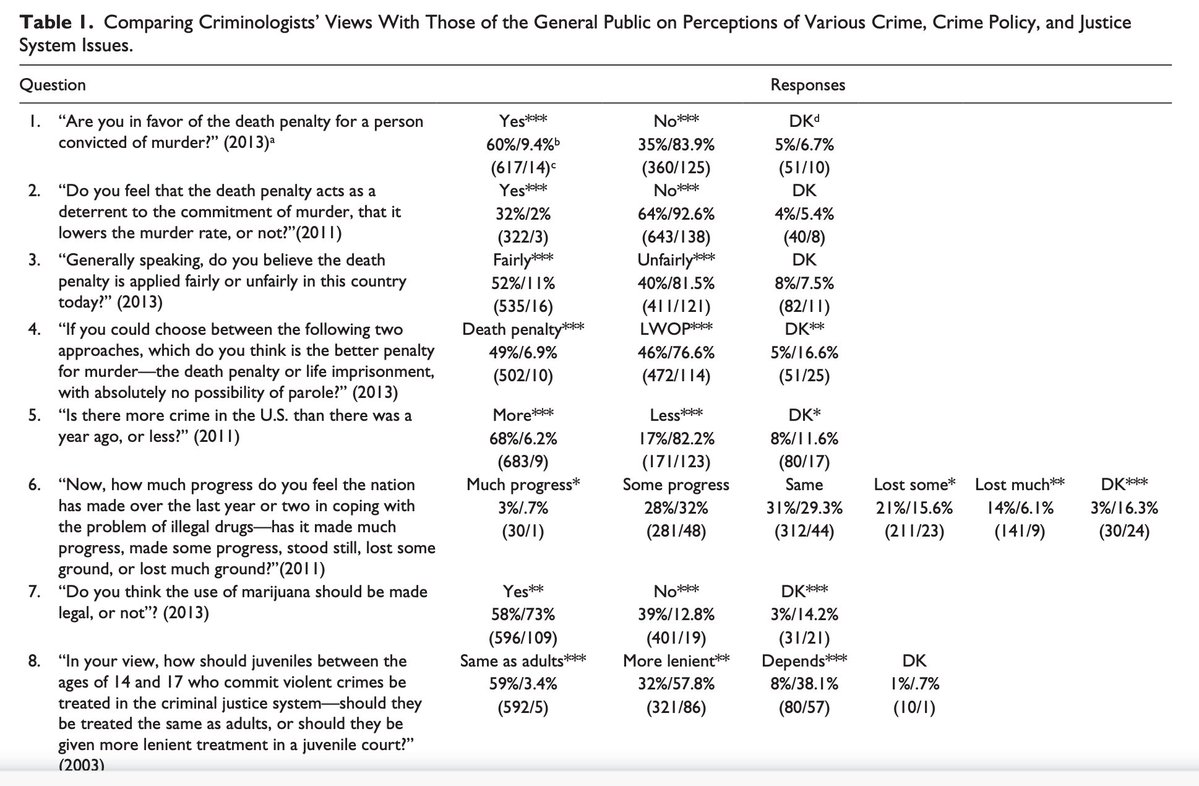
Survey that compared the opinions of the general public to expert criminologists. Only 9.4% of criminologists support the death penalty.
88% of criminologists believe solving social problems are more important for reducing crime over hiring more law enforcement. Criminologists as a whole are much less sympathetic to gun rights.
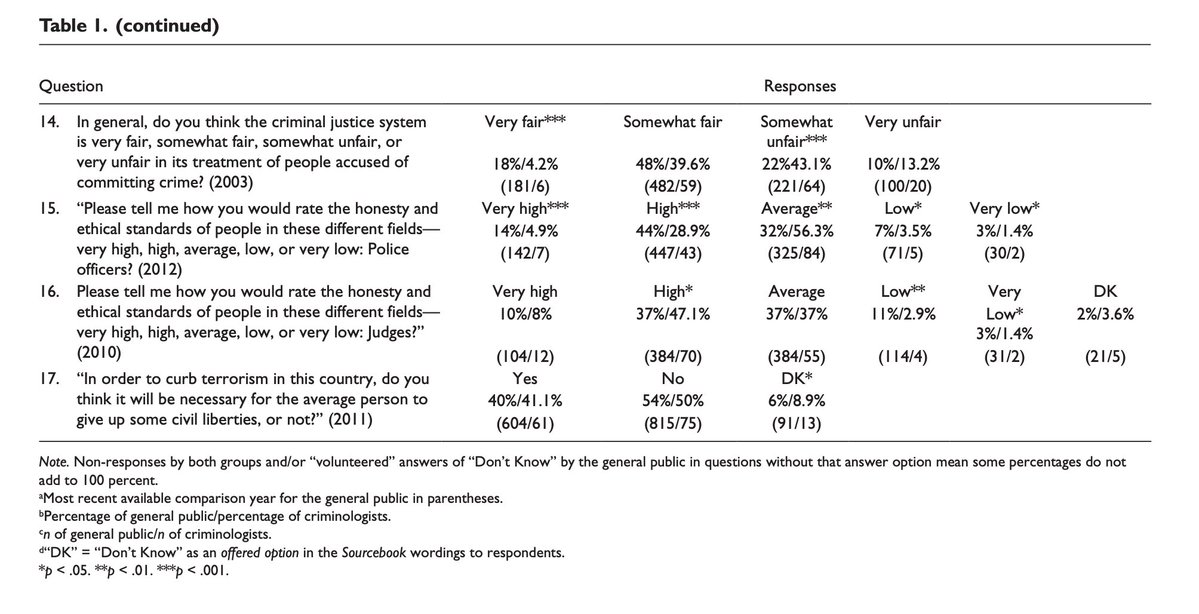
Overall most criminologists think the criminal justice system is unfair while the general public thinks it is fair.
1/ THREAD. There are two common narratives about the labor market: one that employers can't find workers and the other that employees can't find work. I wanted to read and do a thread on this book to continue to try to parse these contradictory narratives.
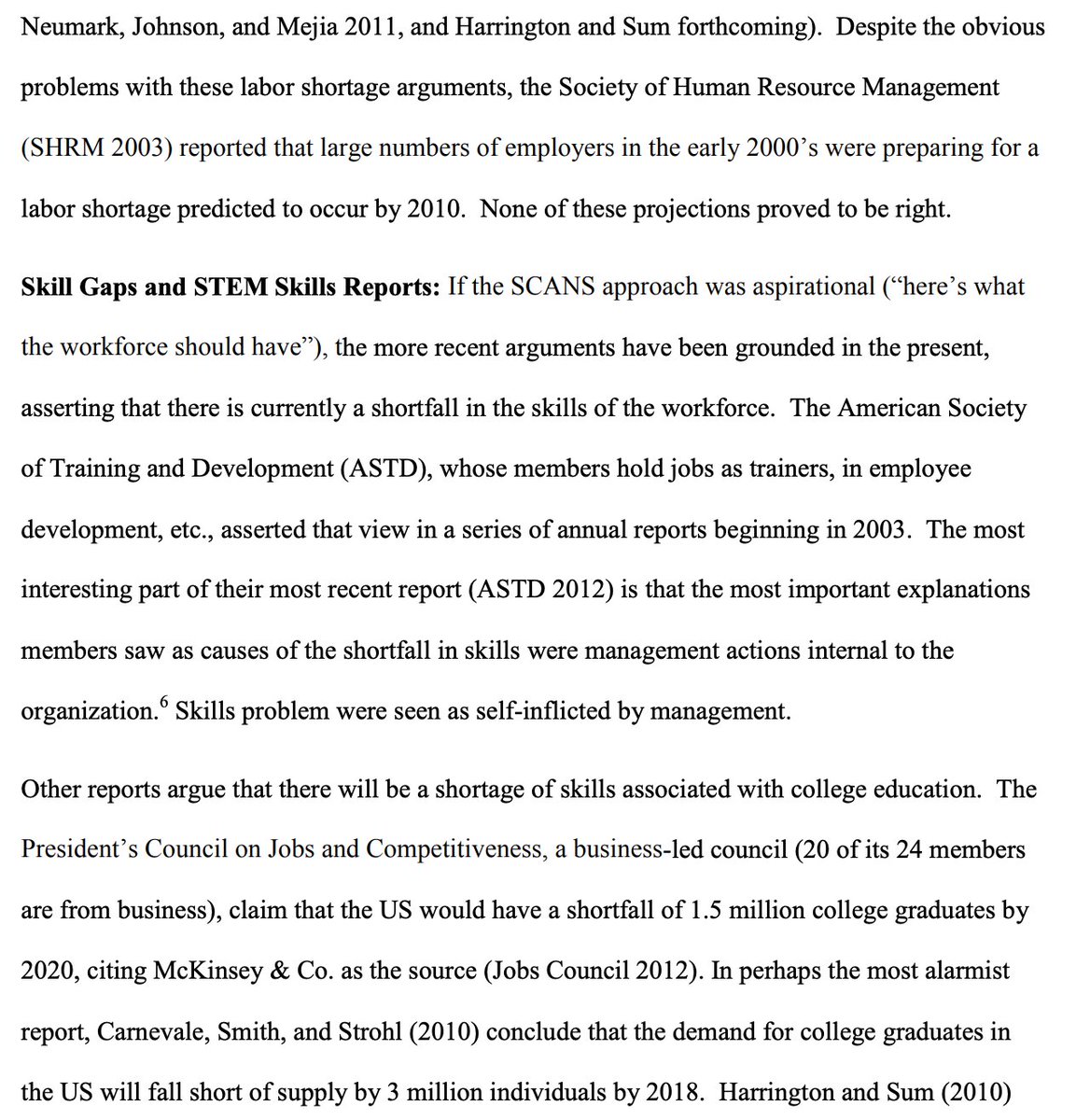
1/ Thread looking at paper from 2014 from dissecting claims of a labor shortage. This data is all old at this point but we see similar narratives today. On one side people claiming a labor shortage and on the other side, college graduates claiming they can't get jobs.
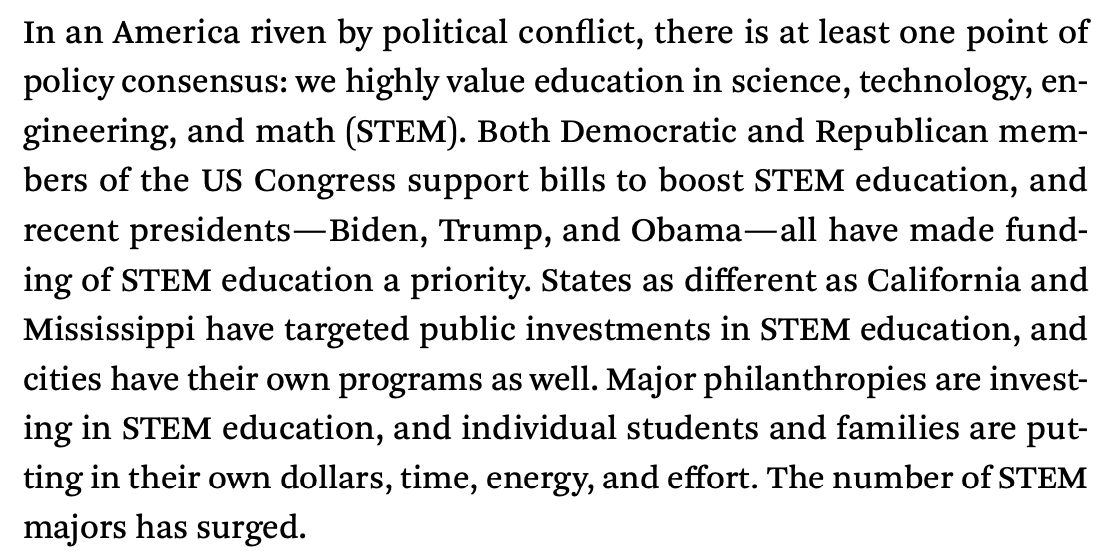
2/ The idea that America is falling behind in skills goes back a long time.
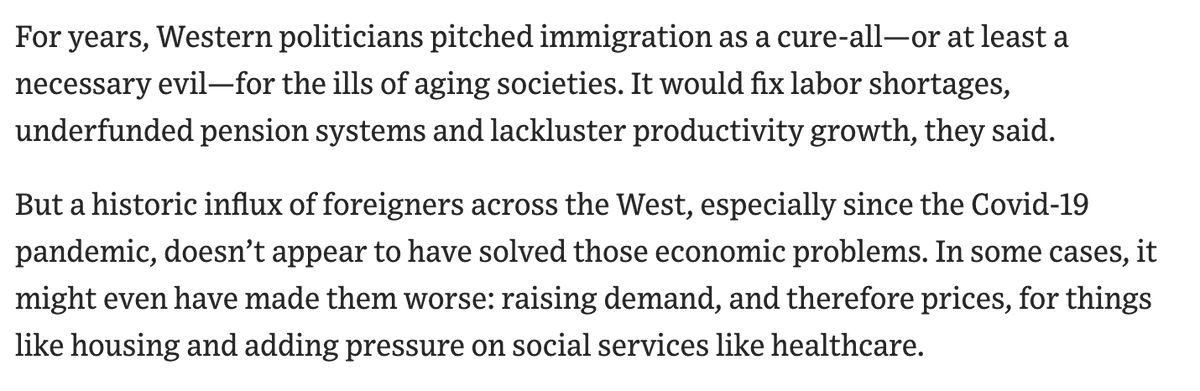
Some excerpts from WSJ article about the 10 million population cap referendum in Switzerland. The journal admits the historic wave of immigration to the West hasn't solved economic problems:
Economics professor from Canada admits that immigration hasn't solved Canada's problems.
Economic output per worker has stagnated across some of the countries that have accepted the most immigrants.