This is going to be a long thread 🧵on artillery logistics in the Ukraine war. It will explain what we should be seeing, but are not.
To get there, I need to start with calling myself out with being wrong and why I think that was.
I was wrong on Russian artillery ammo👇👇
1/
To get there, I need to start with calling myself out with being wrong and why I think that was.
I was wrong on Russian artillery ammo👇👇
1/
https://twitter.com/TrentTelenko/status/1515820487435300866
It turned out the Russians refusal to use artillery on Ukrainian counter-attacks at Izyum had to do with a large set piece artillery barrage the Russians had planned to open their Donbas offensive across the entire front.
2/
https://twitter.com/UkrWarReport/status/1516437240297267203
2/
The logic chain of that thread fell apart on that point.
It also helped I had been tipped off about coming a coming article saying there was a Russian shortage in 160mm & 240mm mortar ammo because of the heavy use of those calibers in Syrian cities.
The article's...
3/
It also helped I had been tipped off about coming a coming article saying there was a Russian shortage in 160mm & 240mm mortar ammo because of the heavy use of those calibers in Syrian cities.
The article's...
3/
... publication was put off by the start of the Russian Donbas offensive.
You can now file this under "Trent Telenko can be wrong."
There were additional factors besides those two points that gave me a context to reach that conclusion.
4/
You can now file this under "Trent Telenko can be wrong."
There were additional factors besides those two points that gave me a context to reach that conclusion.
4/
Back in late 2014 I joined a Ukrainian diaspora email list covering the Donbas war. At the time I was studying the 1945 artillery battle at Okinawa.
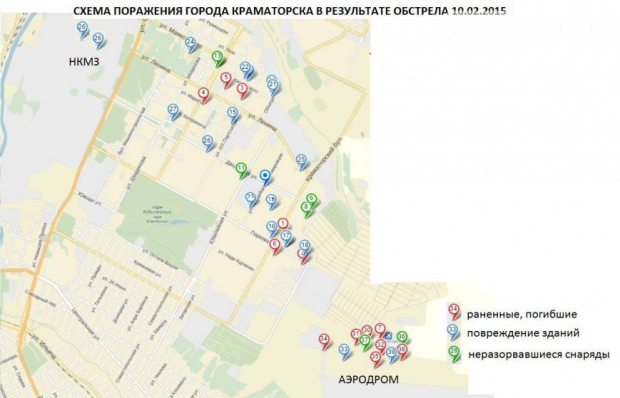
Weirdness popped out immediately looking at the artillery rocket impact pattern in Kramatorsk
5/
web.archive.org/web/2017022219…
Weirdness popped out immediately looking at the artillery rocket impact pattern in Kramatorsk
5/
web.archive.org/web/2017022219…
The key to the map
o Green UXO duds,
o Red KIA/WIA
o Blue exploded, no casualties
Most of the rockets overshot the airfield.
Seven out of 41 rockets UXO is an 18% dud rate.
6/
o Green UXO duds,
o Red KIA/WIA
o Blue exploded, no casualties
Most of the rockets overshot the airfield.
Seven out of 41 rockets UXO is an 18% dud rate.
6/
This dud rate is better than the oldest Ex-Soviet stuff seen in Afghanistan (~30%), but not the less than 5% rate of duds seen in older Western ammo.
Acronyms:
UXO - unexploded ordnance
KIA - Killed in action
WIA - Wounded in action.
7/
Acronyms:
UXO - unexploded ordnance
KIA - Killed in action
WIA - Wounded in action.
7/


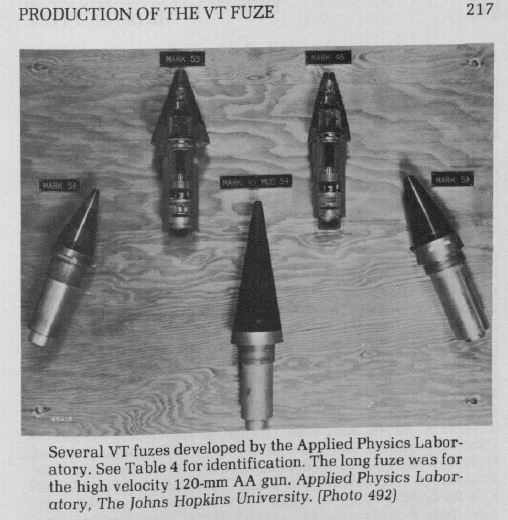
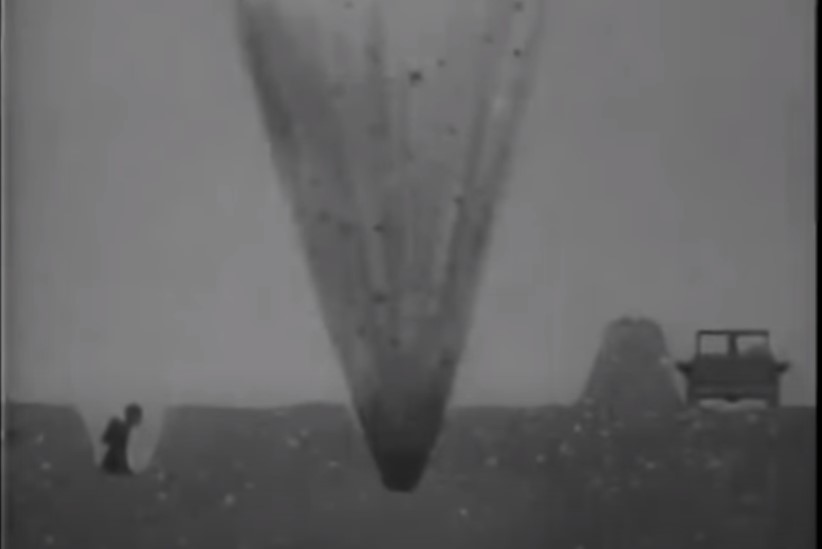
A shell fuze is an explosive train from smaller to largest of a primer, a detonator and a booster charge meant to set off the main bursting charge of a shell
The photo clip to the right is from a youtube WW2 US Army training film
Note: Fuze =/= Fuse
8/
The photo clip to the right is from a youtube WW2 US Army training film
Note: Fuze =/= Fuse
8/


Generally, as artillery fuzes age, they get less reliable. This is because the chemicals in the Fuze's primer are the most unstable & subject to degrading over time.
Artillery ammunition of all sorts has a life span.
Highly energetic solid explosives & propellants degrade
9/
Artillery ammunition of all sorts has a life span.
Highly energetic solid explosives & propellants degrade
9/
...over time as hot/cold cycles, humidity & trace contamination causes crystallization.
An 18% dud rate on Smerch rockets is a symptom of the aging of the primer in the rocket fuze, AKA a time expired munition.
10/
An 18% dud rate on Smerch rockets is a symptom of the aging of the primer in the rocket fuze, AKA a time expired munition.
10/
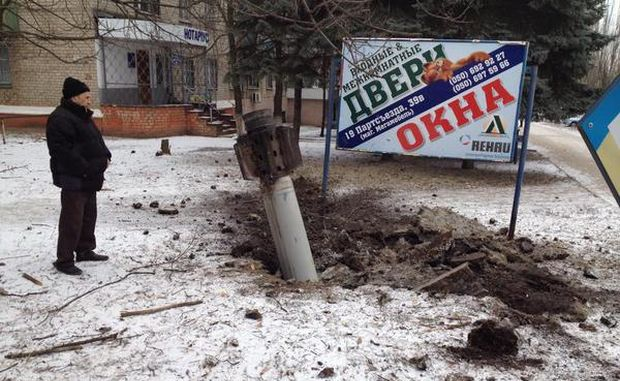
There were other indications of "time-ex" Russian artillery rocket munitions from the 2015 122mm Grad rocketing of Mariupol.
As rocket propellent ages, it generates marginally & unpredictably less thrust.
Mariupol's 'short' rocketing in the figure right below suggests that
11/
As rocket propellent ages, it generates marginally & unpredictably less thrust.
Mariupol's 'short' rocketing in the figure right below suggests that
11/

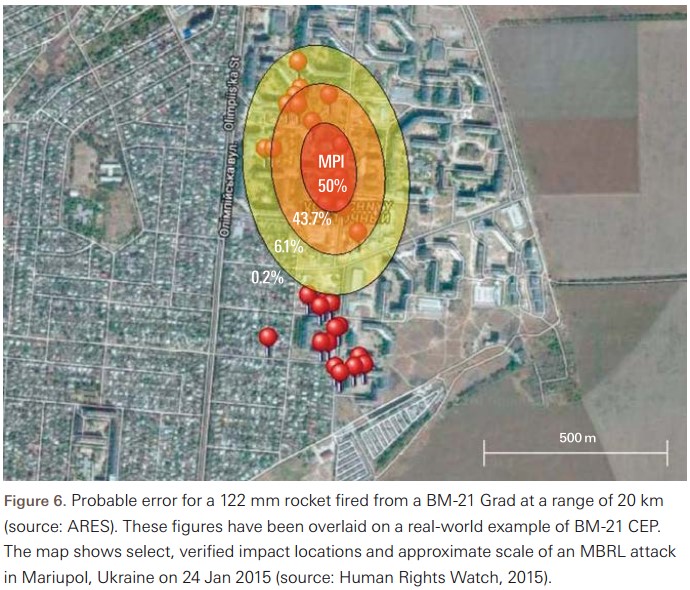
...happened in 2015.
US military practice is to treat solid rocket motors as a 10 year storage item requiring inspect/replace in a missile/rocket midlife depot level refresh
Demilitarizing artillery rockets & shells is an utter pain as it requires EPA regulatory permissions
12/
US military practice is to treat solid rocket motors as a 10 year storage item requiring inspect/replace in a missile/rocket midlife depot level refresh
Demilitarizing artillery rockets & shells is an utter pain as it requires EPA regulatory permissions
12/
...for burning the explosives & propellants.
DCMA administers these 'demil' contracts, which is where much of the information I've related on 'time-ex' ammo came from.
Russia's wars in Chechnya & Syria and the 1980's Iraqi purchases of Soviet shells saw large amounts of
13/
DCMA administers these 'demil' contracts, which is where much of the information I've related on 'time-ex' ammo came from.
Russia's wars in Chechnya & Syria and the 1980's Iraqi purchases of Soviet shells saw large amounts of
13/

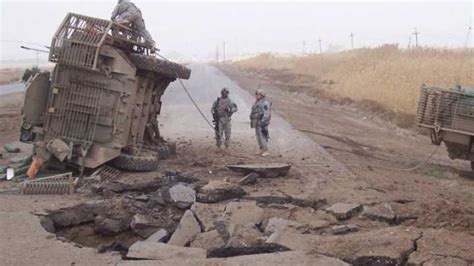
Soviet Union's strategic reserve of artillery ammunition used up.
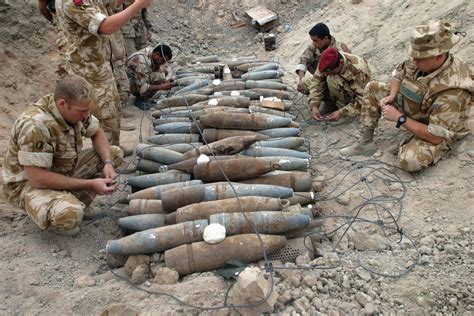
When the US Military overran Iraq in 2003. It found more artillery ammunition, mostly ex-Soviet, than in it's own war reserves.
These Iraqi munitions were destroyed in the US anti-IED campaign of 2004-2007.
14/
When the US Military overran Iraq in 2003. It found more artillery ammunition, mostly ex-Soviet, than in it's own war reserves.
These Iraqi munitions were destroyed in the US anti-IED campaign of 2004-2007.
14/
Now we get to the 1945 artillery fight at Okinawa.
The radar proximity "VT-Fuze" debuted for the first time in Pacific ground combat at Okinawa.
(I've posted a great deal about Okinawa, see below photos.)
15/
The radar proximity "VT-Fuze" debuted for the first time in Pacific ground combat at Okinawa.
(I've posted a great deal about Okinawa, see below photos.)
15/
https://twitter.com/TrentTelenko/status/1382114961875435526


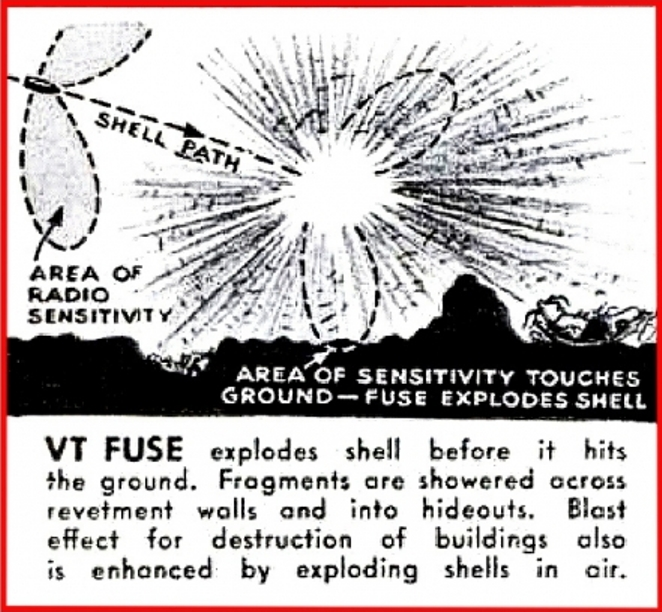
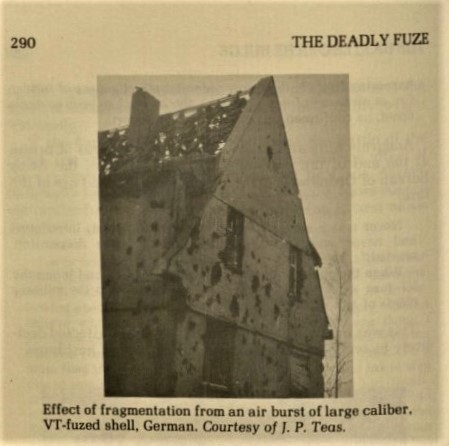
The impact marks of high speed fragments thrown from an airburst shell look different than ground & delay fuzed shell bursts.
The German building in the lower right is from Ralph Belknap Baldwin's The Deadly Fuze: The Secret Weapon of World War II
16/
The German building in the lower right is from Ralph Belknap Baldwin's The Deadly Fuze: The Secret Weapon of World War II
16/


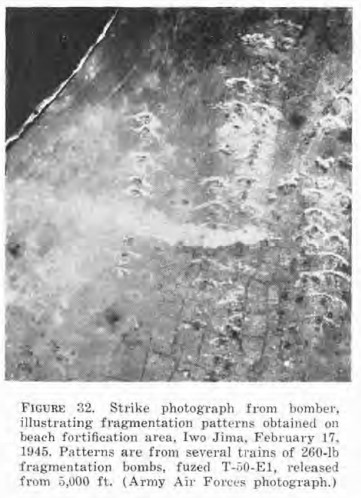
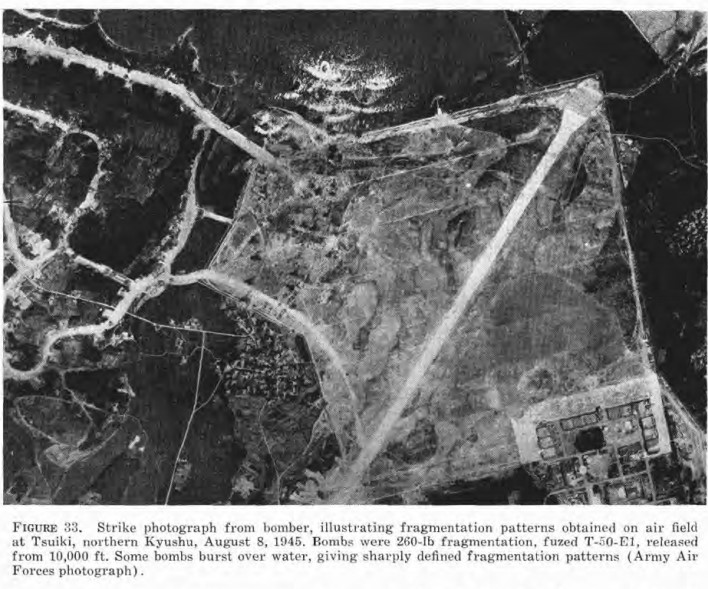
These are the fragment impact marks are from bombing raids of Iwo Jima, left, and a Japanese airfield on Kyushu right.
Please note, there are no craters. There are only wide u-shaped fragment patterns.
17/
Please note, there are no craters. There are only wide u-shaped fragment patterns.
17/
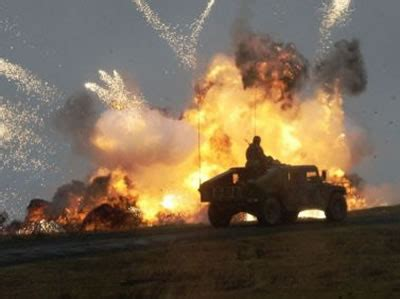
Airburst shells are infinitely superior to ground or delay bursts because they will kill infantry in trenches without overhead cover.
They are also much better at killing trucks as this US Navy 5-inch gunfire test shows.
18/
They are also much better at killing trucks as this US Navy 5-inch gunfire test shows.
18/
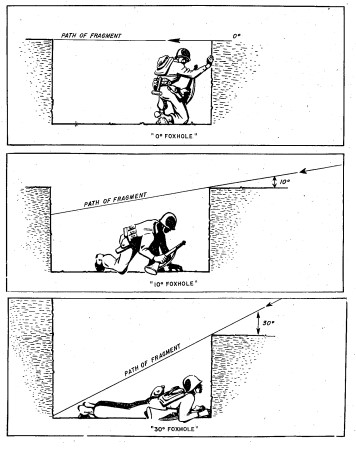

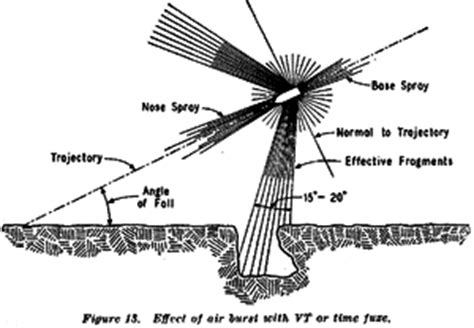
Now that you know all that. Recall that night vision video of Russian MLRS bombardment up thread & compare to this Baldwin photo.
And now look at the wood lined Ukrainian trench and tell me what you do not see from the photo retweet.
Neither have
19/
And now look at the wood lined Ukrainian trench and tell me what you do not see from the photo retweet.
Neither have
19/
https://twitter.com/GilesMacDonogh/status/1517403558215393280
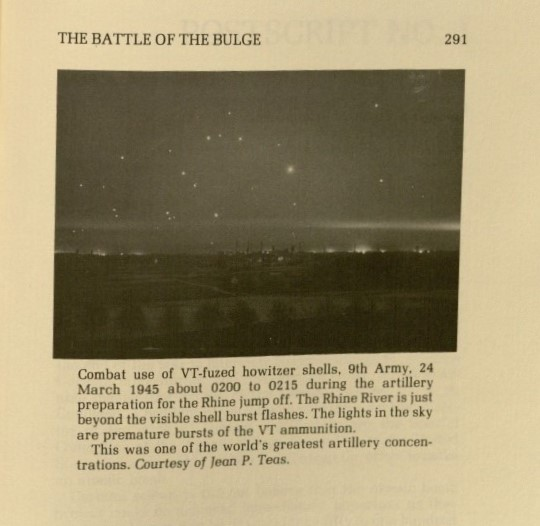
...airbursts clouds or high speed fragmentation impact marks.
Now look at this aerial video of buildings in the aftermath of the Battle for the Village of Moschun, near Kyiv.
There is not a single airburst fragmentation pattern to be seen.
20/
Now look at this aerial video of buildings in the aftermath of the Battle for the Village of Moschun, near Kyiv.
There is not a single airburst fragmentation pattern to be seen.
20/
https://twitter.com/visegrad24/status/1517659123663396864
Now look at this Russian drone directed shelling of a Ukrainian position.
All we are seeing is artillery ground bursts versus a trench line.
There are no airbursts.
22/
All we are seeing is artillery ground bursts versus a trench line.
There are no airbursts.
22/
https://twitter.com/dumptheguardian/status/1513560563070165002
This UK Daily Mail tweet also shows Ukrainian trench positions without evidence of airburst fragmentation.
23/
23/
23/
https://twitter.com/dumptheguardian/status/1513560563070165002
23/
Finally, this video shows a near miss of a Ukrainian trench line by a Russian impact fuzed shell.
If it had been a time or proximity fuzed shell, the fragments would have killed the soldier taking the video.
24/
If it had been a time or proximity fuzed shell, the fragments would have killed the soldier taking the video.
https://twitter.com/EliasMezaCota/status/1515506217006903302
24/
So what is this lack of Russian & Ukrainian airburst fuzing mean?
Good fuzing is expensive, requires high end manufacturing capability & quality control.
Russian artillery simply doesn't have either available.
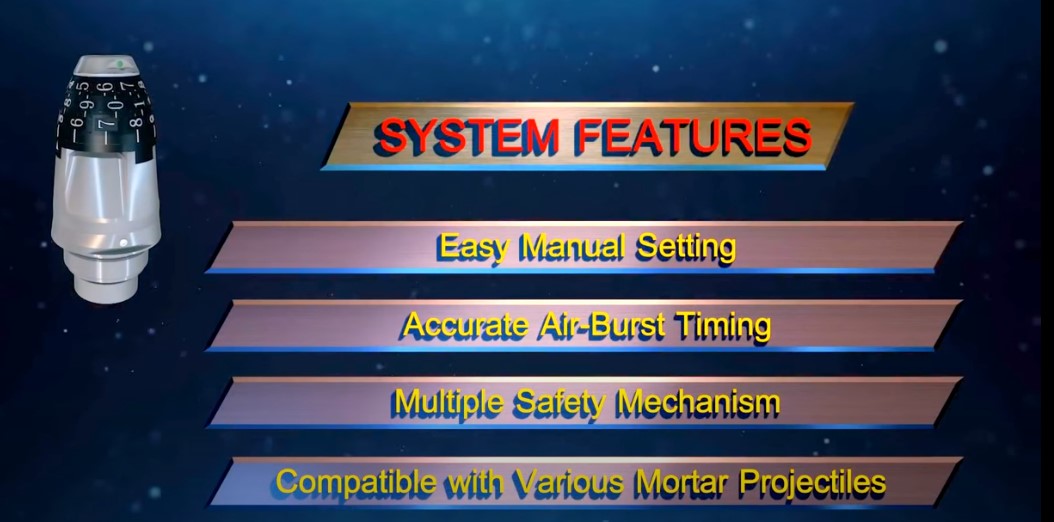
See this time mortar fuze from Taiwan.
25/
Good fuzing is expensive, requires high end manufacturing capability & quality control.
Russian artillery simply doesn't have either available.
See this time mortar fuze from Taiwan.
25/
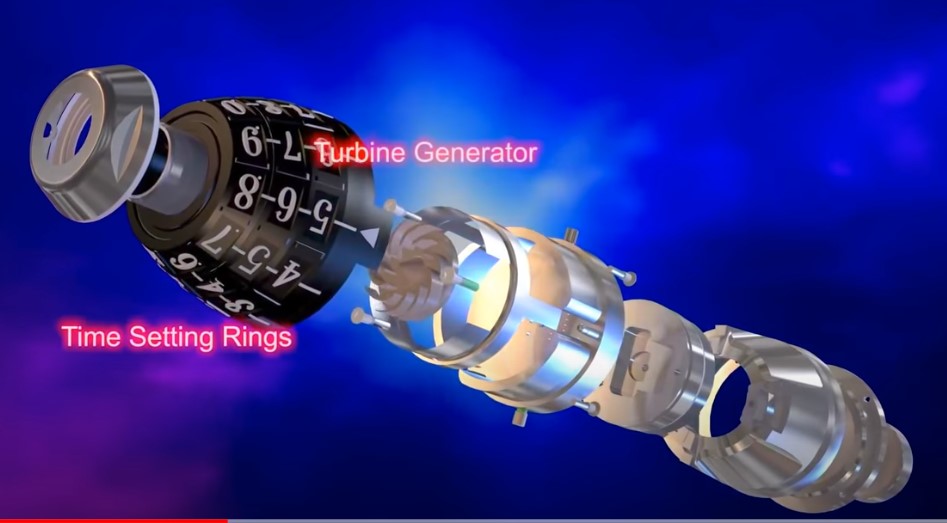

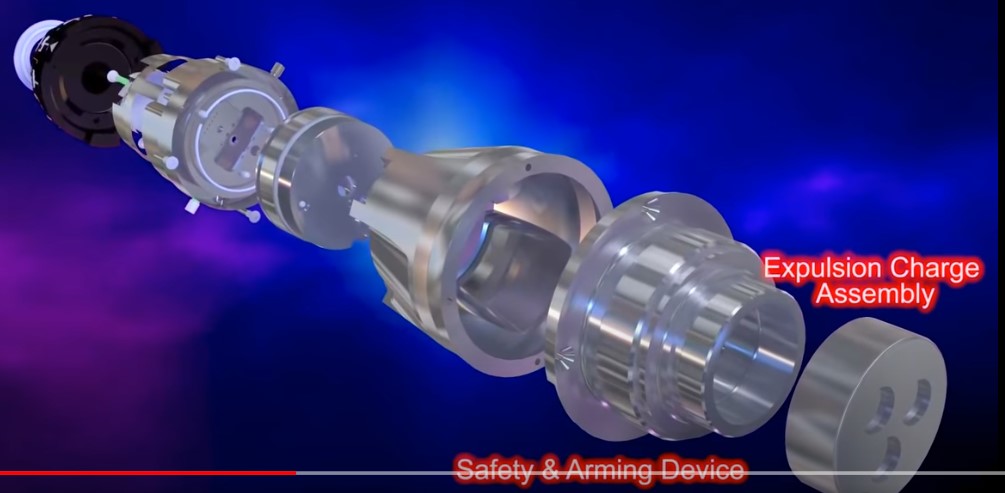

The replacement of chemical percussion, mechanical, and electromechanical fuzing with pure electric-electronic fuzing for superior shell performance is a 21st Century trend Russia is ill prepared to follow.
Taiwan is just one example of this.
26/
Taiwan is just one example of this.
26/

This is a Romanian 120mm Mortar with PF-120 proximity fuze ARM shells.
Please carefully note the huge beaten ground caused by the shell fragments in the photo clips & video.
27/
Please carefully note the huge beaten ground caused by the shell fragments in the photo clips & video.
27/

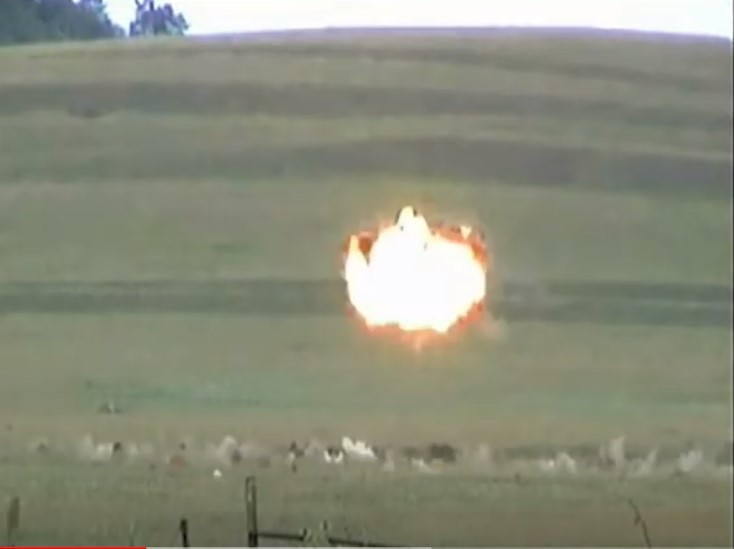
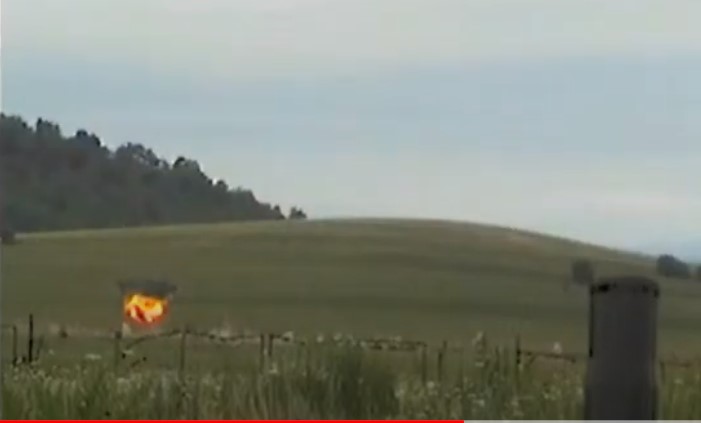
The lack of Russian airburst shelling in Donbas utterly stands out when you look at the lay of the land after repeated shelling over time.
27/
https://twitter.com/visegrad24/status/1513277459634003969
27/
This isn't to say airbursts are completely missing from both sides.
This Blue_Sauron video tweet shows a Ukrainian one destroying a Russian vehicle.
28/
This Blue_Sauron video tweet shows a Ukrainian one destroying a Russian vehicle.
28/
https://twitter.com/Blue_Sauron/status/1517463828333744129
But the best way to upgrade Ukrainian artillery is going to be with NATO & other artillery fuzes to give Ukraine more airburst and other options versus Russia.
And the fuze that will help Ukraine the most is the ATK precision guidance kit fuzes for its incoming NATO 155mm
29/
And the fuze that will help Ukraine the most is the ATK precision guidance kit fuzes for its incoming NATO 155mm
29/
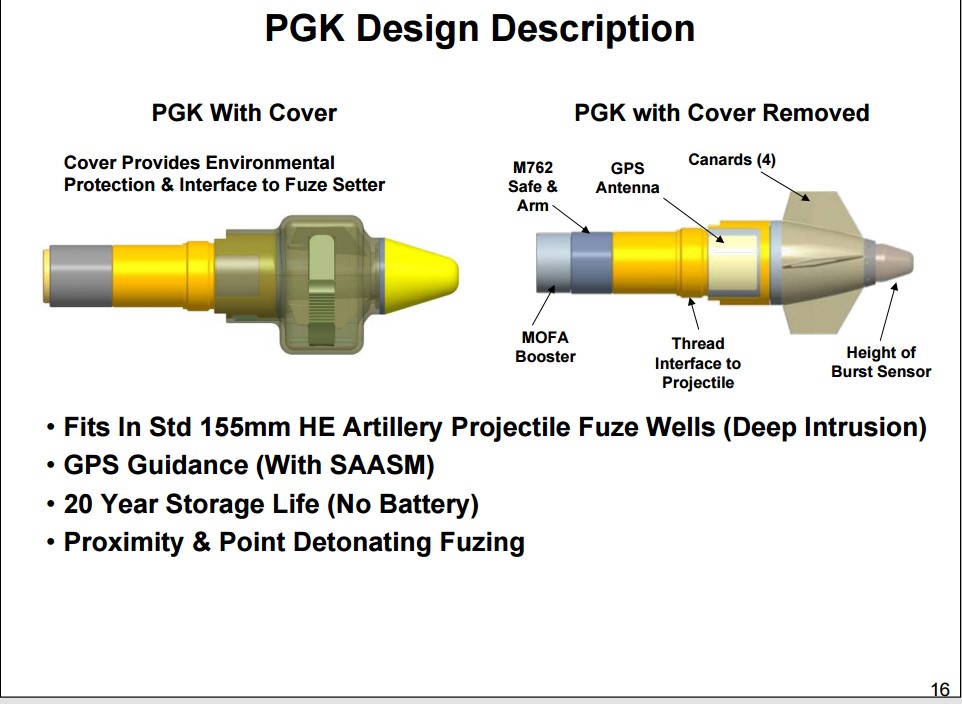
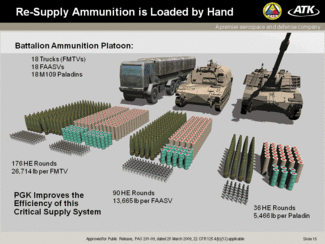
The PGK turns ordinary 155mm shells into precision guided artillery projectiles (PGAP) at the cost of 10% of maximum range.
You can airlift 40 PGK for the weight of a single Excalibur guided artillery shell.
30/
You can airlift 40 PGK for the weight of a single Excalibur guided artillery shell.
30/
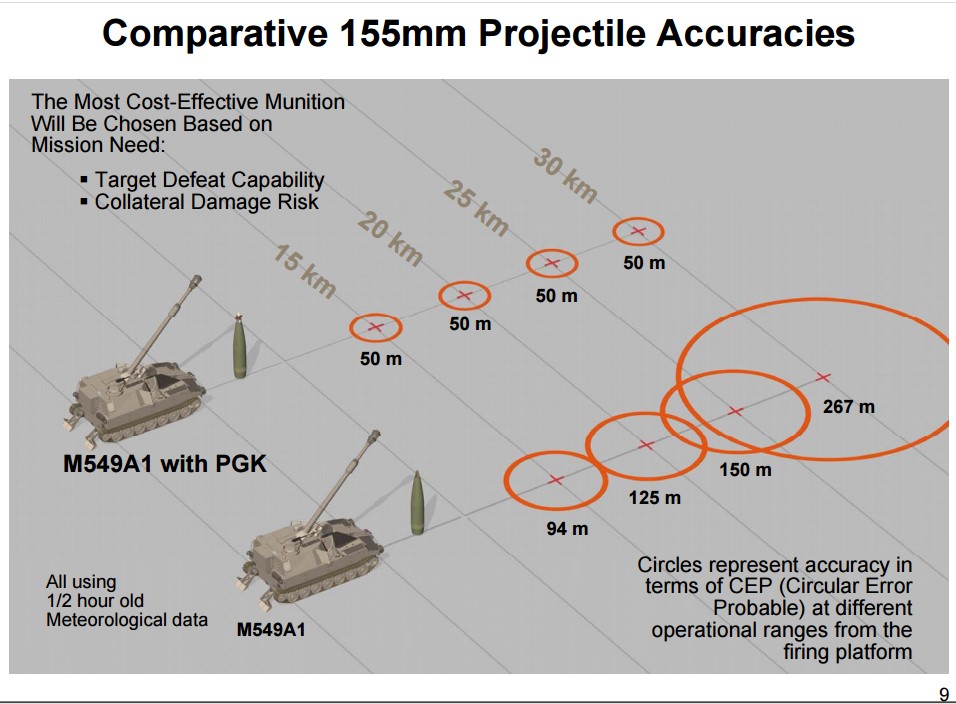
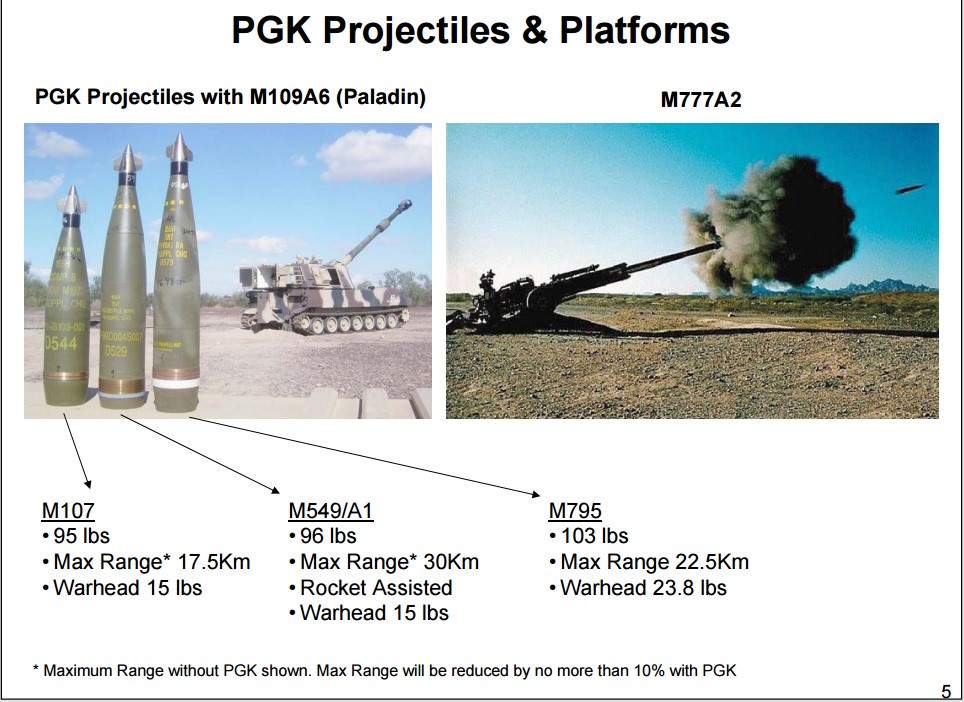
The PGK requires minimal additional training to properly use and it will vastly reduce the required artillery shell tonnage for the same battlefield impact.
The only reason it cannot be used on current Ukrainian shells is they have the Russian 36mm fuze threads compared
31/
The only reason it cannot be used on current Ukrainian shells is they have the Russian 36mm fuze threads compared
31/
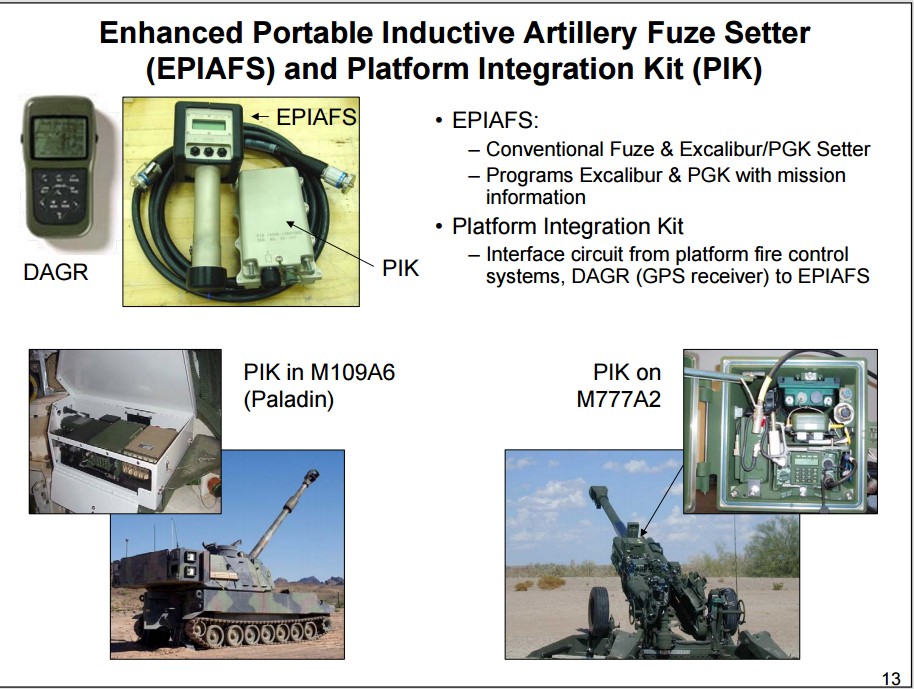
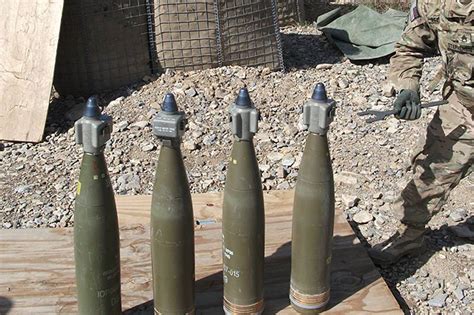
...to the 45mm used on NATO artillery shells.
So the UA would have to take 152mm and 203mm casings and machine out the threads to fit the PGK NATO fuse thread.
Ukraine has a plant in Sumy that manufactures 122mm, 152mm ammo, so this is not an unusual challenge for them.
32/
So the UA would have to take 152mm and 203mm casings and machine out the threads to fit the PGK NATO fuse thread.
Ukraine has a plant in Sumy that manufactures 122mm, 152mm ammo, so this is not an unusual challenge for them.
32/
It is the little things in war that make all the difference.
Things like shell fuzes.
Why we have not seen the Western intelligence notice or Defense Departments & Defense Ministries to go there with upgrading Ukrainian artillery and mortar fuzes is a mystery...
33/
Things like shell fuzes.
Why we have not seen the Western intelligence notice or Defense Departments & Defense Ministries to go there with upgrading Ukrainian artillery and mortar fuzes is a mystery...
33/
...I will leave to others.
The time to fix this situation is now.
34/End
The time to fix this situation is now.
34/End
@threadreaderapp unroll please
• • •
Missing some Tweet in this thread? You can try to
force a refresh