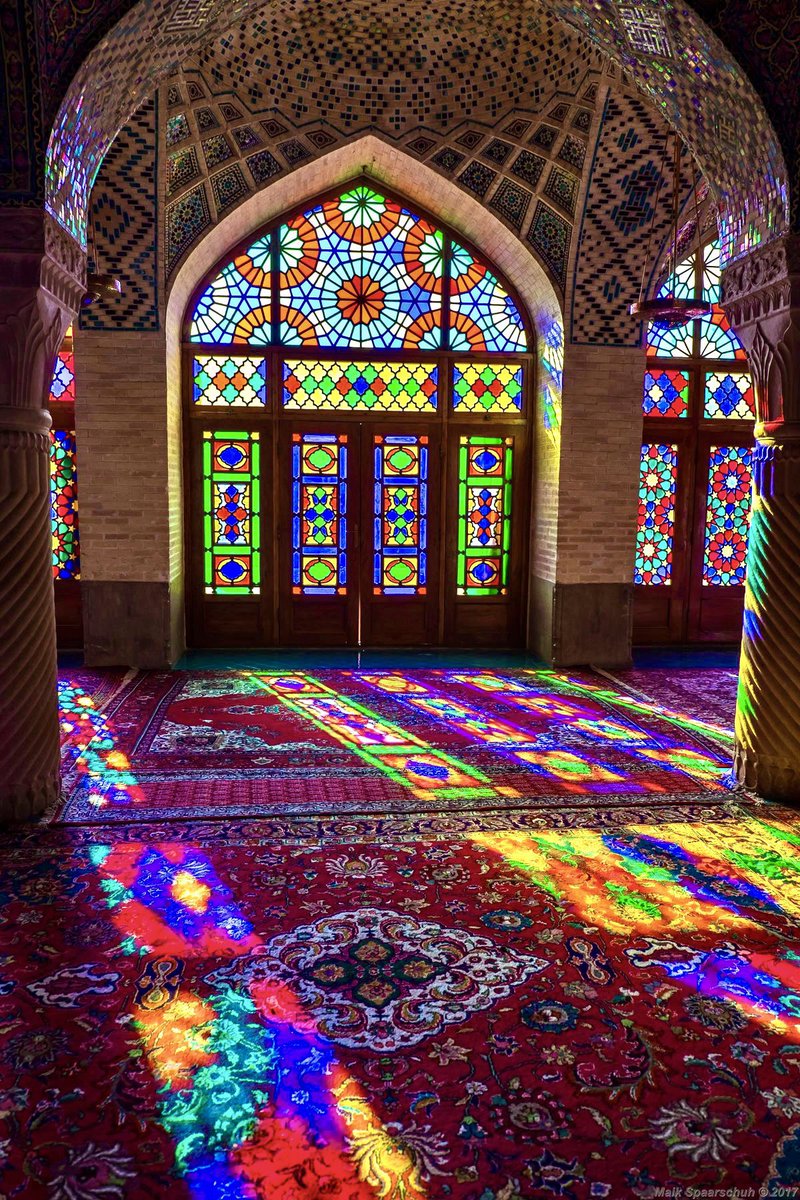
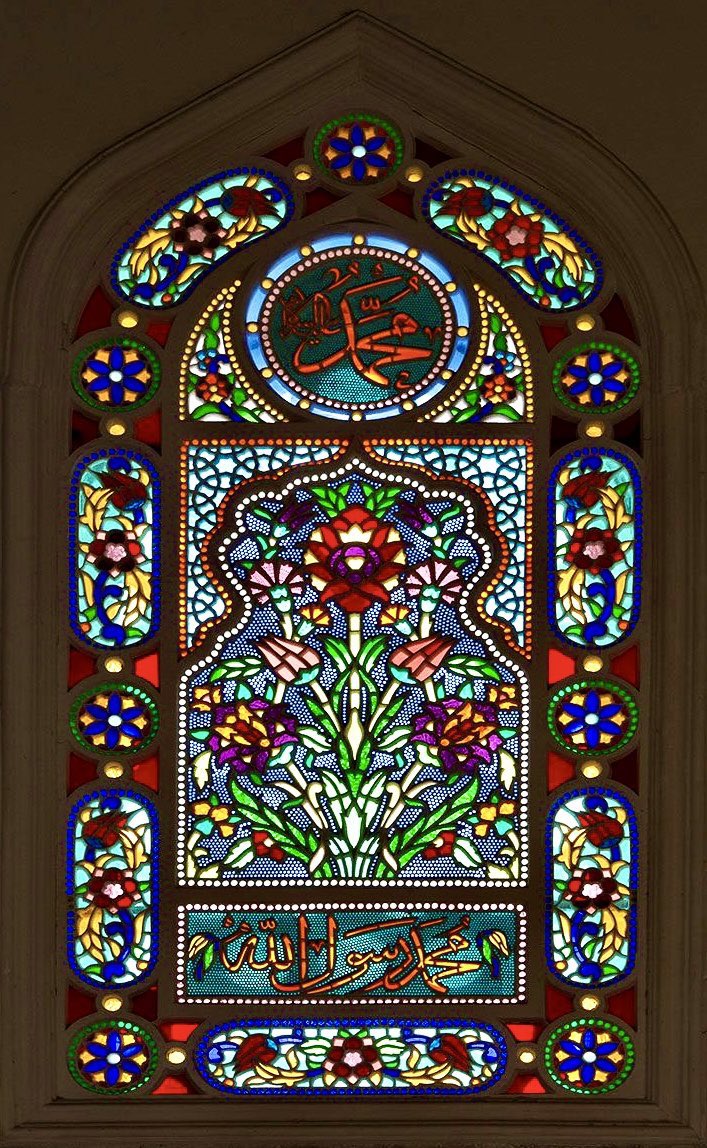
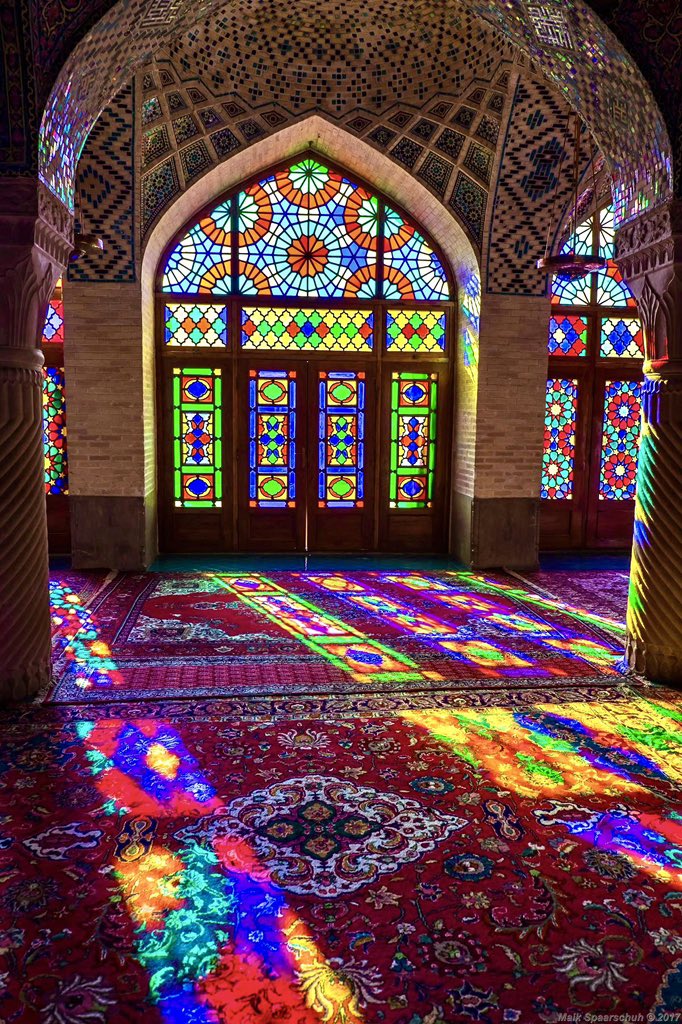
Mosques are adorned beautifully, with coloured mosaics & tiles. This is believed to reflect the divine beauty of the universe. For this reason, the artistry of mosaics are regarded as an expression of faith
For Ramadan, here are 24 mosaics in Mosques around the world
A thread…
For Ramadan, here are 24 mosaics in Mosques around the world
A thread…
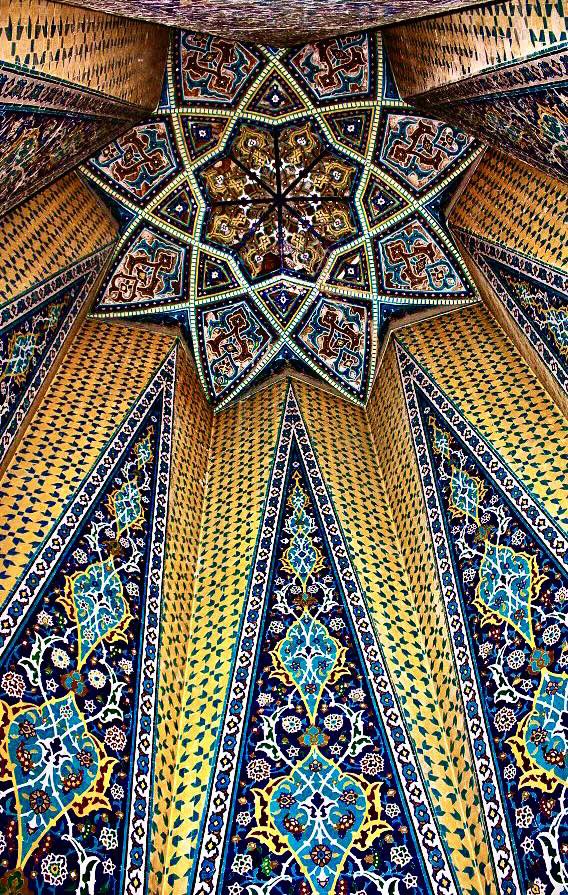
1/ Mosaic from the Jāmeh Mosque of Isfahān, Iran
Also known as the Friday Mosque of Isfahān (مسجد جمعه). The mosque is the result of continual construction, reconstruction, additions & renovations on the site from around 771 to the end of the 20th century #Ramadan
Also known as the Friday Mosque of Isfahān (مسجد جمعه). The mosque is the result of continual construction, reconstruction, additions & renovations on the site from around 771 to the end of the 20th century #Ramadan

2/ Mosaic from The Gūr-i Amīr, Samarkand, Uzbekistan
Built in 1404, by Timur. It has an important place in the history of Central Asian Architecture, & influenced Mughal architecture, including Gardens of Babur in Kabul, Humayun's Tomb in Delhi & the Taj Mahal in Agra #Ramadan
Built in 1404, by Timur. It has an important place in the history of Central Asian Architecture, & influenced Mughal architecture, including Gardens of Babur in Kabul, Humayun's Tomb in Delhi & the Taj Mahal in Agra #Ramadan

3/ Mosaic from The Nasir al-Mulk Mosque, Shiraz, Iran
Built in 1888. It is located near Shāh Chérāgh Mosque. It was built during Qajar dynasty rule of Iran. The designers were Mohammad Hasan-e-Memār, Mohammad Hosseini Shirazi, and Mohammad Rezā Kāshi-Sāz-e-Širāzi #Ramadan
Built in 1888. It is located near Shāh Chérāgh Mosque. It was built during Qajar dynasty rule of Iran. The designers were Mohammad Hasan-e-Memār, Mohammad Hosseini Shirazi, and Mohammad Rezā Kāshi-Sāz-e-Širāzi #Ramadan
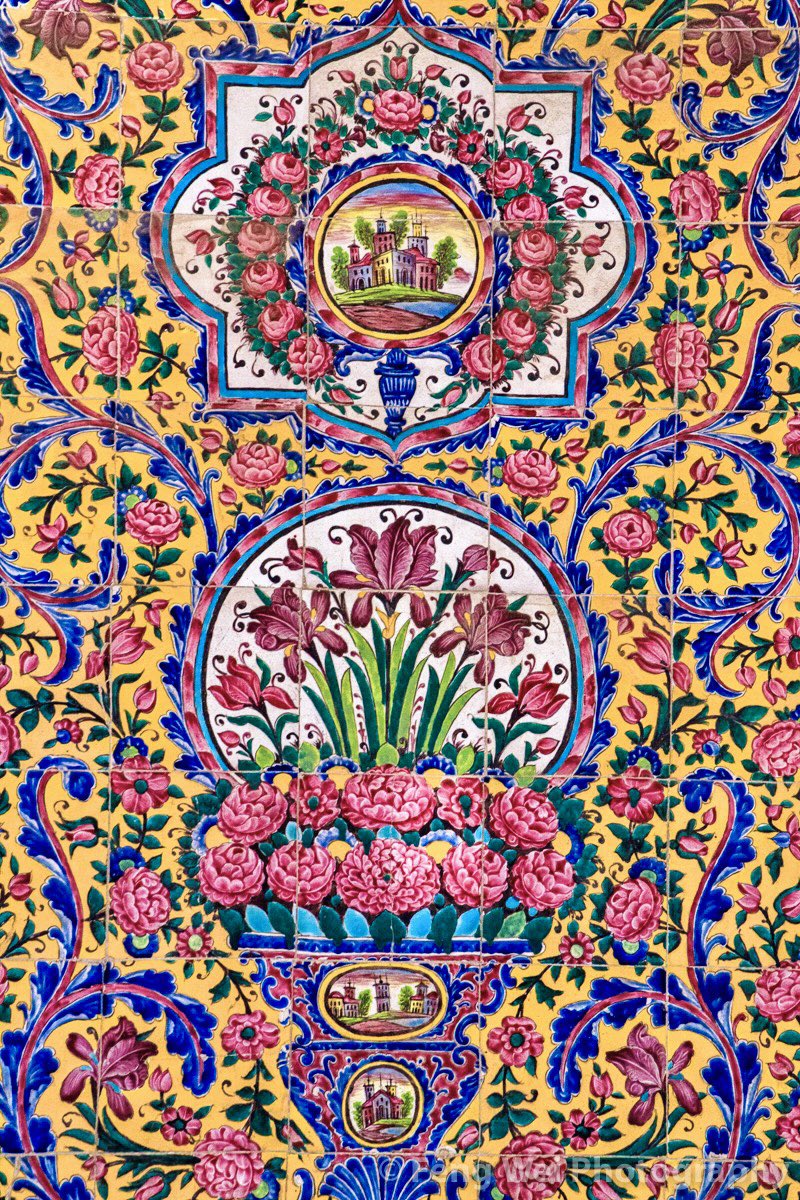
4/ Mosaic from St Petersburg Mosque, Russia
When opened in 1913, it was the largest mosque in Europe outside Turkey. The architect Nikolai Vasilyev patterned the mosque after Gur-e-Amir, the tomb of Tamerlane in Samarkand. The mosque can accommodate 5000 worshippers #Ramadan
When opened in 1913, it was the largest mosque in Europe outside Turkey. The architect Nikolai Vasilyev patterned the mosque after Gur-e-Amir, the tomb of Tamerlane in Samarkand. The mosque can accommodate 5000 worshippers #Ramadan
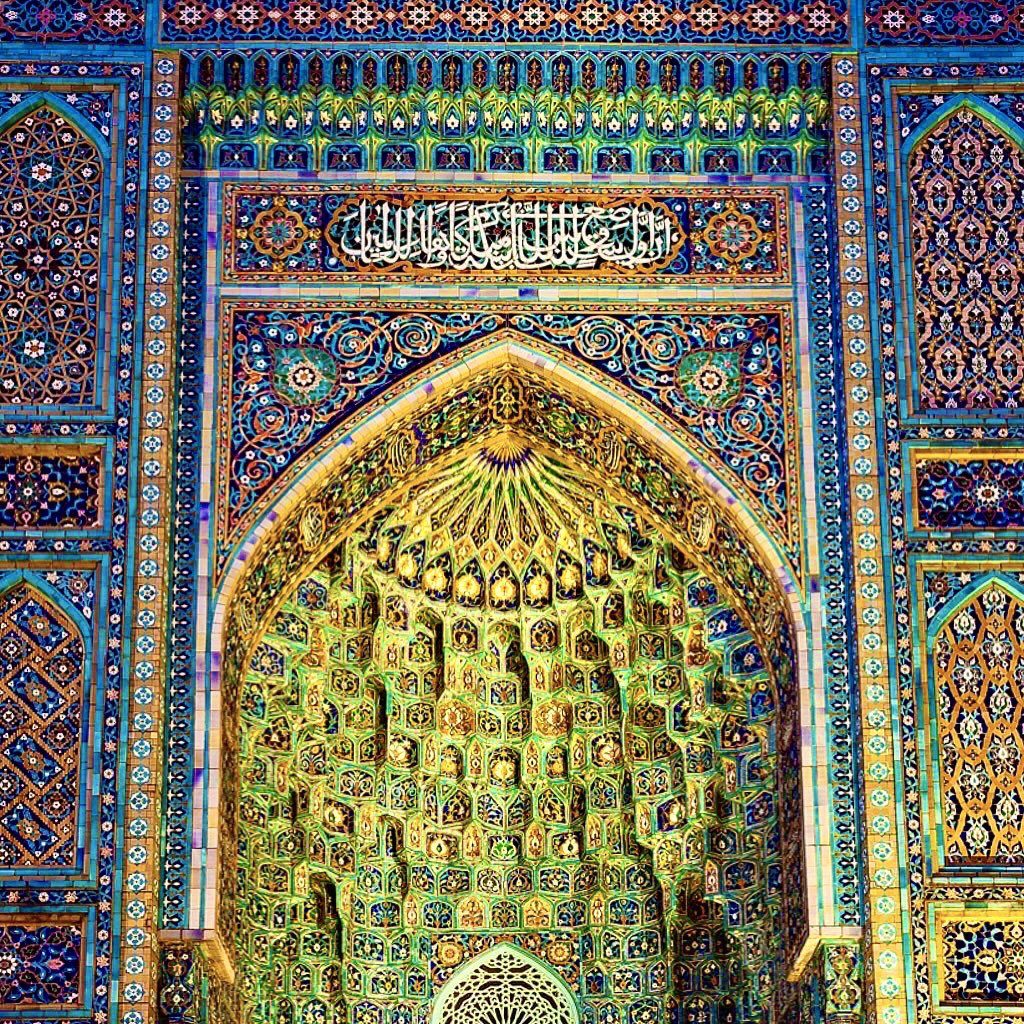
5/ Mosaic from The Sultanahmet Mosque (Sultanahmet Camii)
Built between 1609 & 1617 it is known as the Blue Mosque because of the blue tiles used to decorate its interior. Commissioned by Sultan Ahmet I as a monument that would rival the Hagia Sophia #Ramadan
Built between 1609 & 1617 it is known as the Blue Mosque because of the blue tiles used to decorate its interior. Commissioned by Sultan Ahmet I as a monument that would rival the Hagia Sophia #Ramadan
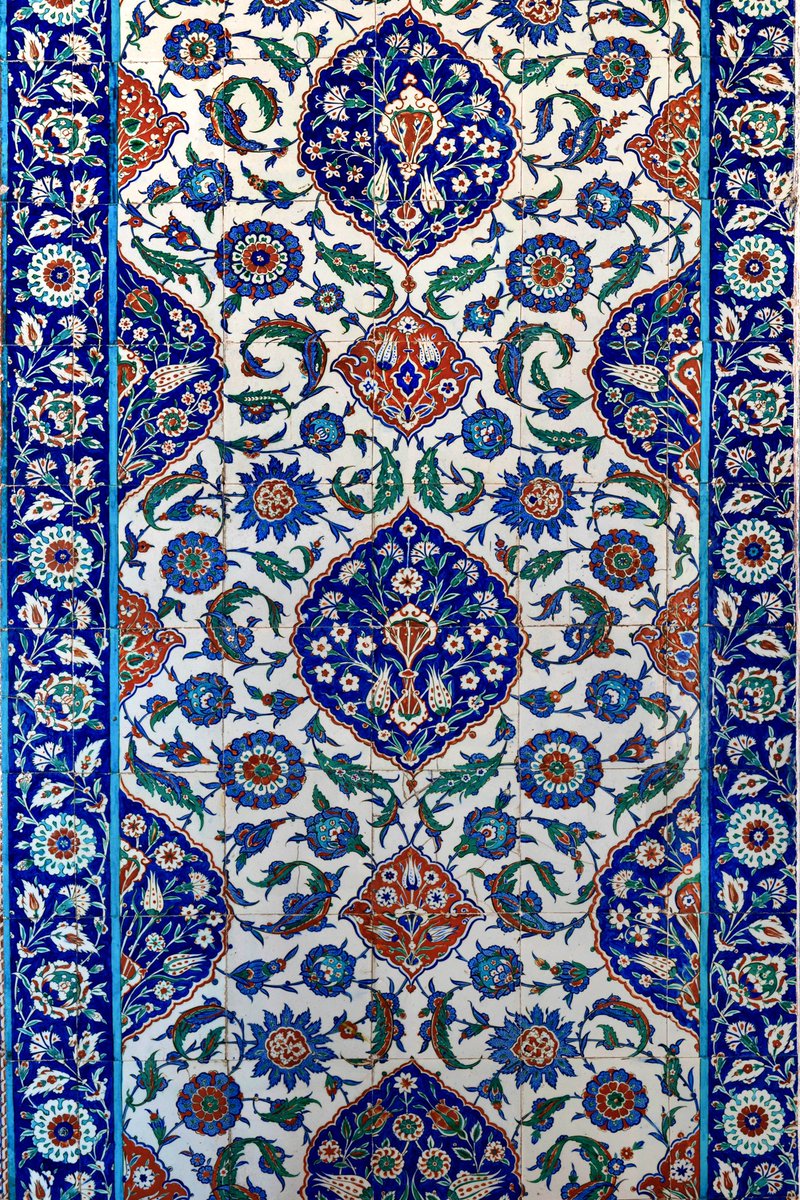
6/ Mosaic from Khodja Akhror Madrasah, Uzbekistan
In 1630 the Samarkand ruler Nodir Divan Begi ordered to build near the grave of Khodja Akhror (who was the leader of the Sufi order Naqshbandiya) the mosque & madrassah #Ramadan
In 1630 the Samarkand ruler Nodir Divan Begi ordered to build near the grave of Khodja Akhror (who was the leader of the Sufi order Naqshbandiya) the mosque & madrassah #Ramadan
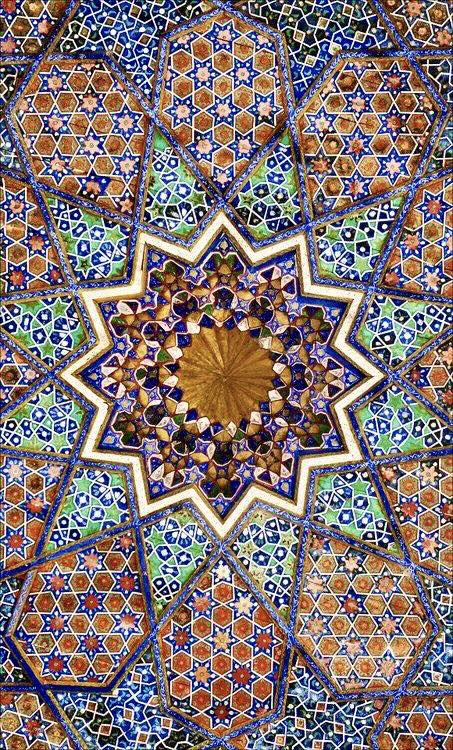
7/ Mosaic from The Imām ‘Alī Mosque, Najaf, Iraq
First built by the Iranian ruler the Daylamite Fannakhosraw Azod ad Dowleh in 977. After being destroyed by fire, it was rebuilt by the Seljuk Malik Shah I in 1086, & rebuilt again by the Safavid Shah Ismail I in 1500 #Ramadan
First built by the Iranian ruler the Daylamite Fannakhosraw Azod ad Dowleh in 977. After being destroyed by fire, it was rebuilt by the Seljuk Malik Shah I in 1086, & rebuilt again by the Safavid Shah Ismail I in 1500 #Ramadan

8/ Mosaic from The Hassan II Mosque, Casablanca, Morocco
Completed in 1993, it was designed by Michel Pinseau under the guidance of King Hassan II and built by Moroccan artisans from all over the kingdom. It is the second largest mosque in Africa #Ramadan
Completed in 1993, it was designed by Michel Pinseau under the guidance of King Hassan II and built by Moroccan artisans from all over the kingdom. It is the second largest mosque in Africa #Ramadan
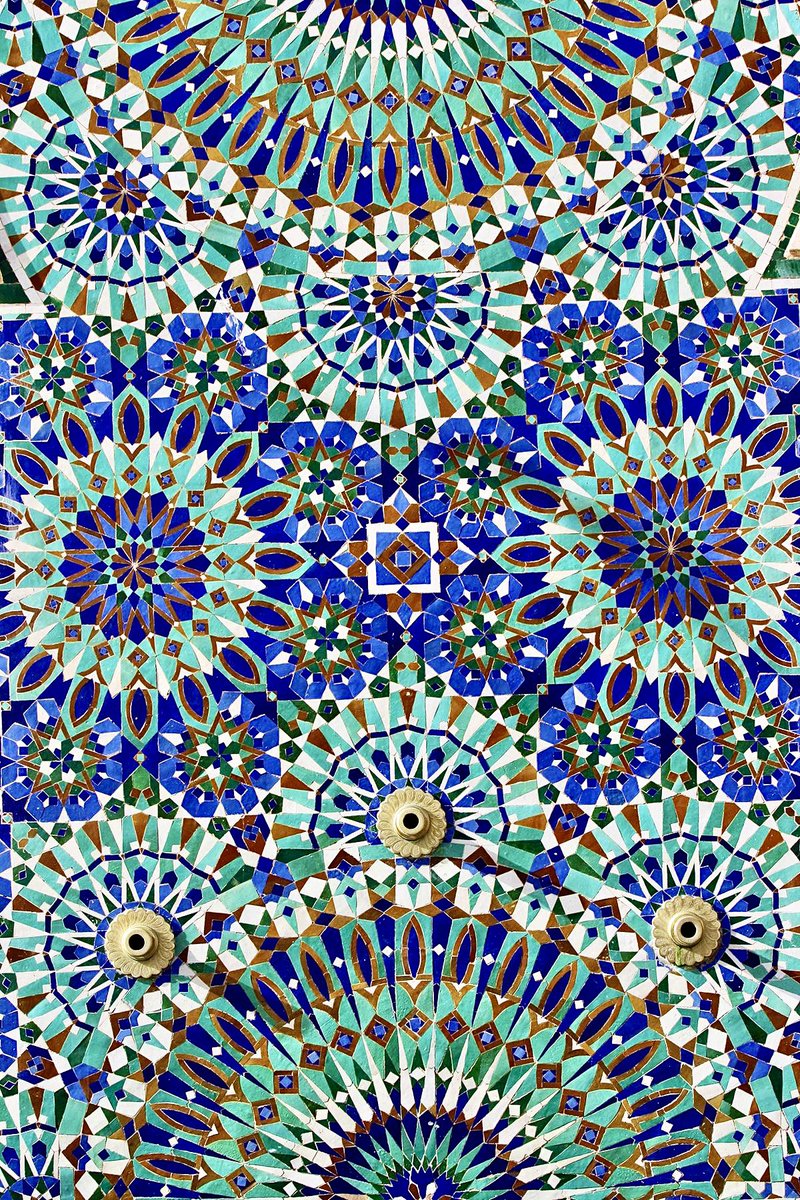
9/ Mosaic from The Wazir Khan Mosque, Lahore, Pakistan
Construction began in 1634 and was completed in 1641 This mosque was commissioned during the reign of the Mughal Emperor Shah Jahan as part of an ensemble of buildings that included the nearby Shahi Hammam baths #Ramadan
Construction began in 1634 and was completed in 1641 This mosque was commissioned during the reign of the Mughal Emperor Shah Jahan as part of an ensemble of buildings that included the nearby Shahi Hammam baths #Ramadan
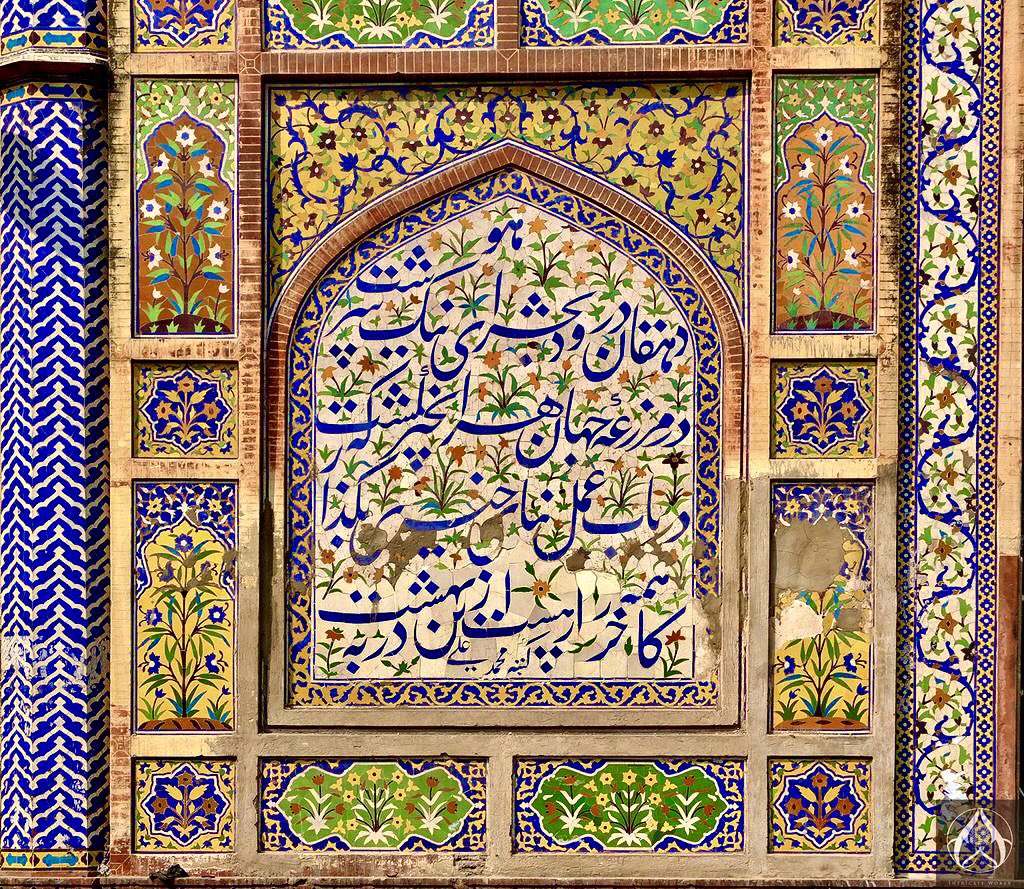
10/ Mosaic from The Sayyidah Ruqayyah Mosque, Damascus, Syria
The mosque was built in 1985 around the mausoleum of Rukayyah bint Husayn, and exhibits a modern version of Iranian architecture, with substantial amount of mirror and gold work #Ramadan
The mosque was built in 1985 around the mausoleum of Rukayyah bint Husayn, and exhibits a modern version of Iranian architecture, with substantial amount of mirror and gold work #Ramadan
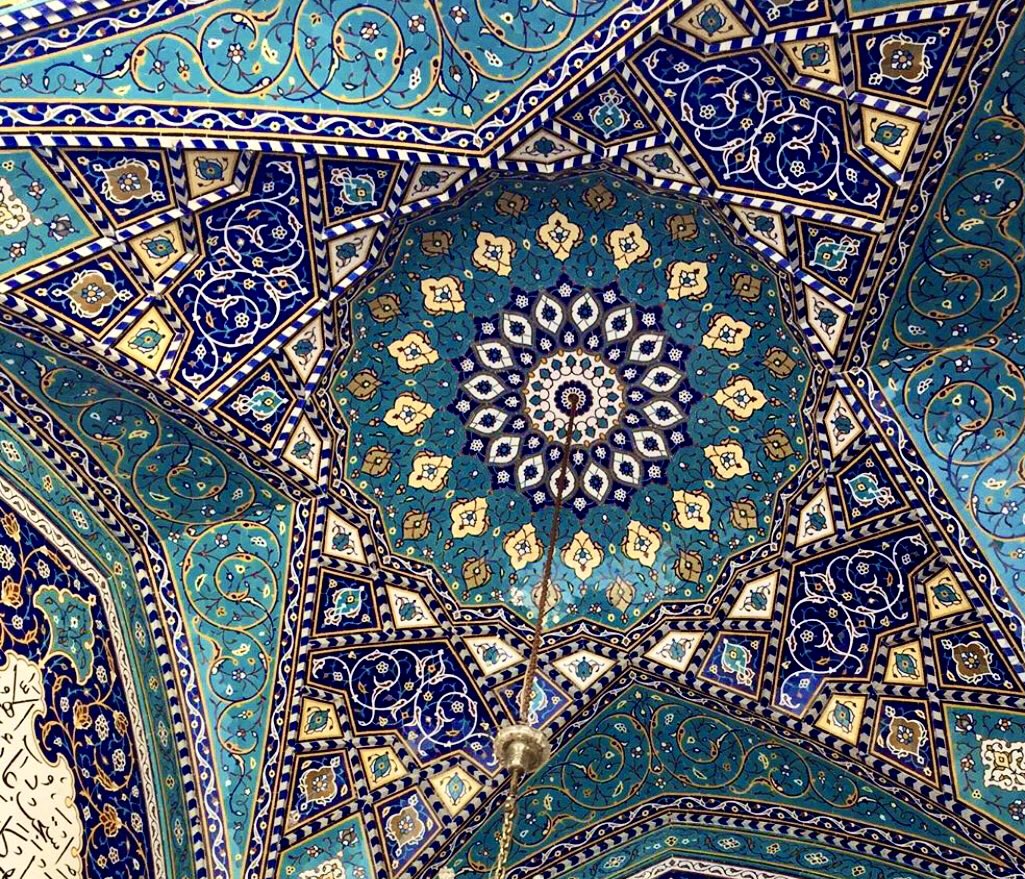
11/ Mosaic from The Sultan Qaboos Grand Mosque, Muscat, Oman
In 1992, Qaboos bin Said al Said, the then Sultan of Oman, directed that his country should have a Grand Mosque, construction commenced in December 1994. It took six years and seven months to complete #Ramadan
In 1992, Qaboos bin Said al Said, the then Sultan of Oman, directed that his country should have a Grand Mosque, construction commenced in December 1994. It took six years and seven months to complete #Ramadan
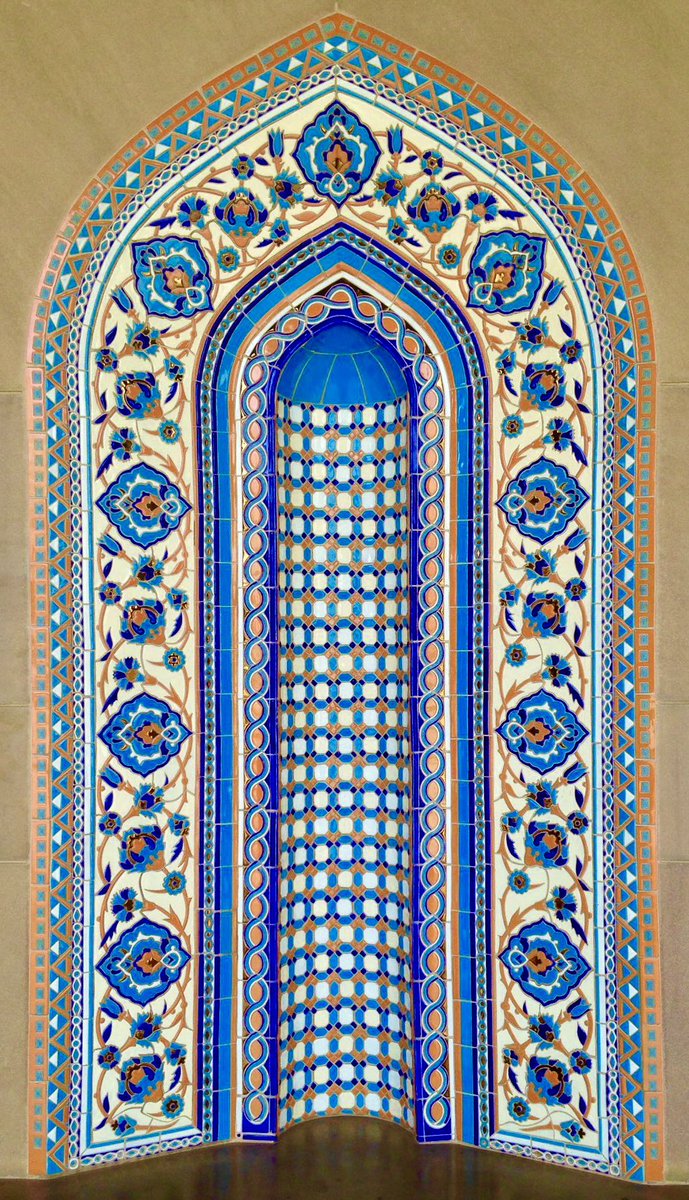
12/ Mosaic from The Sheikh Zayed Grand Mosque, Abu Dhabi, UAE
Completed in 2007, the architect Yusef Abdelki took inspiration from Abu al-Abbas al-Mursi Mosque in Alexandria, Badshahi Mosque in Lahore, & other Persian, Mughal & Indo-Islamic architecture #Ramadan
Completed in 2007, the architect Yusef Abdelki took inspiration from Abu al-Abbas al-Mursi Mosque in Alexandria, Badshahi Mosque in Lahore, & other Persian, Mughal & Indo-Islamic architecture #Ramadan
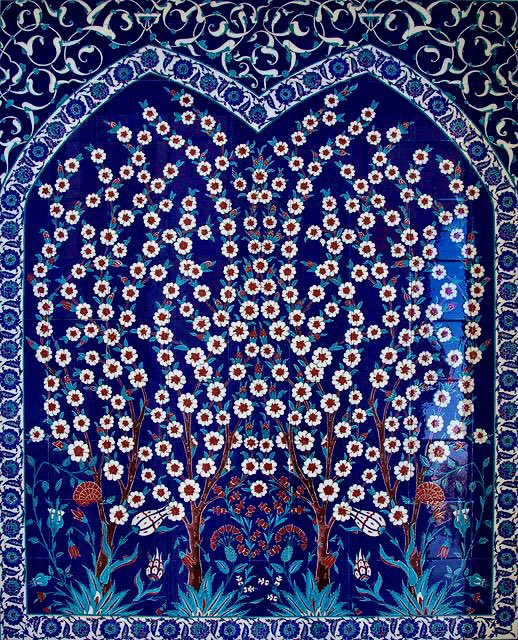
13/ Mosaic from Shah Mosque on Imam Square, Isfahan, Iran
The mosque is also known as Imam Mosque and Jaame' Abbasi Mosque. It is one of the masterpieces of Iranian/Persian Architecture and an excellent example of Islamic era architecture of Iran #Ramadan
The mosque is also known as Imam Mosque and Jaame' Abbasi Mosque. It is one of the masterpieces of Iranian/Persian Architecture and an excellent example of Islamic era architecture of Iran #Ramadan

14/ Mosaic from The Badshahi Mosque, Lahore, Pakistan
It was constructed by the Mughal emperor Aurangzeb between 1671 and 1673 and was the largest mosque in the world from 1673 to 1986. The exterior is decorated with carved red sandstone with marble inlay #Ramadan
It was constructed by the Mughal emperor Aurangzeb between 1671 and 1673 and was the largest mosque in the world from 1673 to 1986. The exterior is decorated with carved red sandstone with marble inlay #Ramadan
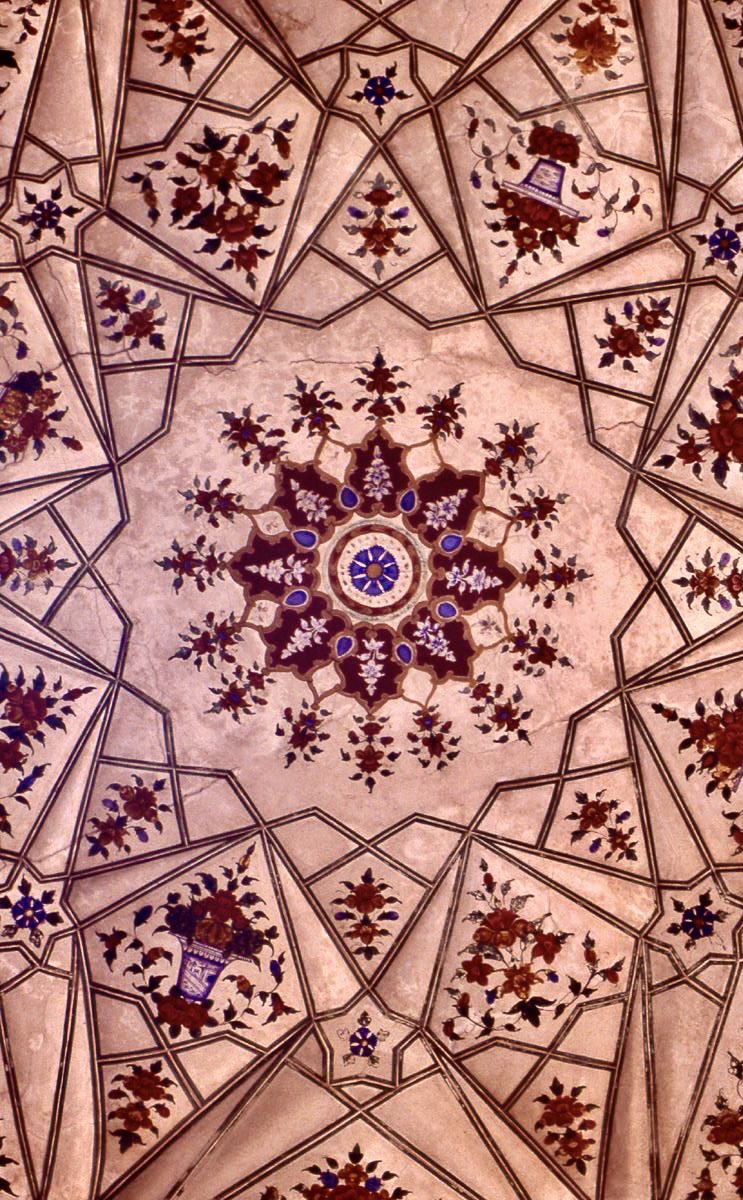
15/ Mosaic from al-Darwishiyeh Mosque, Damascus, Syria
Constructed between 1572 & 1575 by the Ottoman governor of Damascus (دمشق), Darwish Pasha. His tomb is in a small octagonal domed building on the southern side of the complex, joined to the mosque by an arch #Ramadan
Constructed between 1572 & 1575 by the Ottoman governor of Damascus (دمشق), Darwish Pasha. His tomb is in a small octagonal domed building on the southern side of the complex, joined to the mosque by an arch #Ramadan
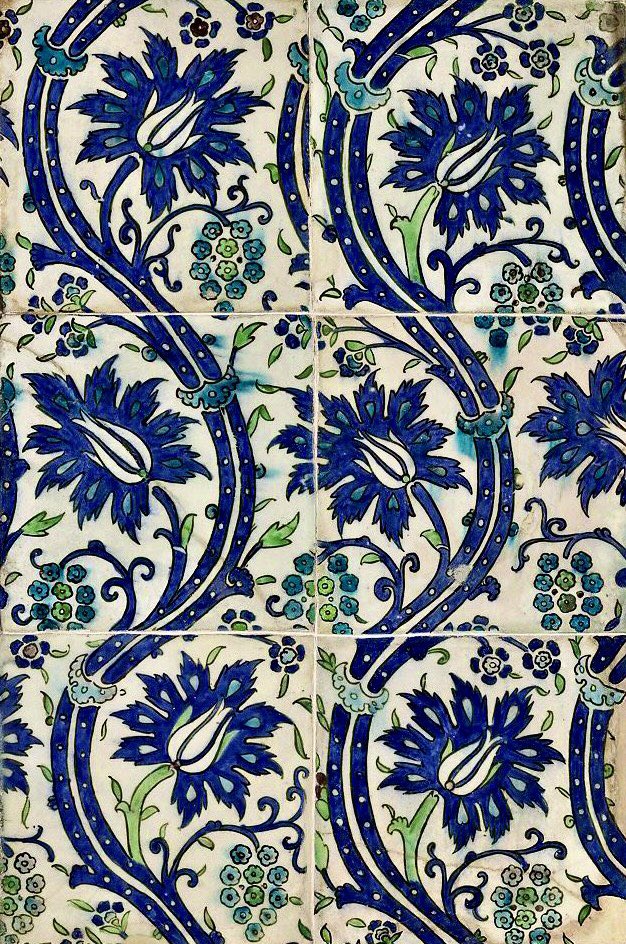
16/ Mosaic from Baba Tahi, north-western part of Hamadan, Iran
Seljuk period. The inner part of the mausoleum is decorated with 24 marble slabs inscribed by 24 of Baba Tahir’s poems in black calligraphy. The most striking part is the tile decoration under the ceiling #Ramadan
Seljuk period. The inner part of the mausoleum is decorated with 24 marble slabs inscribed by 24 of Baba Tahir’s poems in black calligraphy. The most striking part is the tile decoration under the ceiling #Ramadan
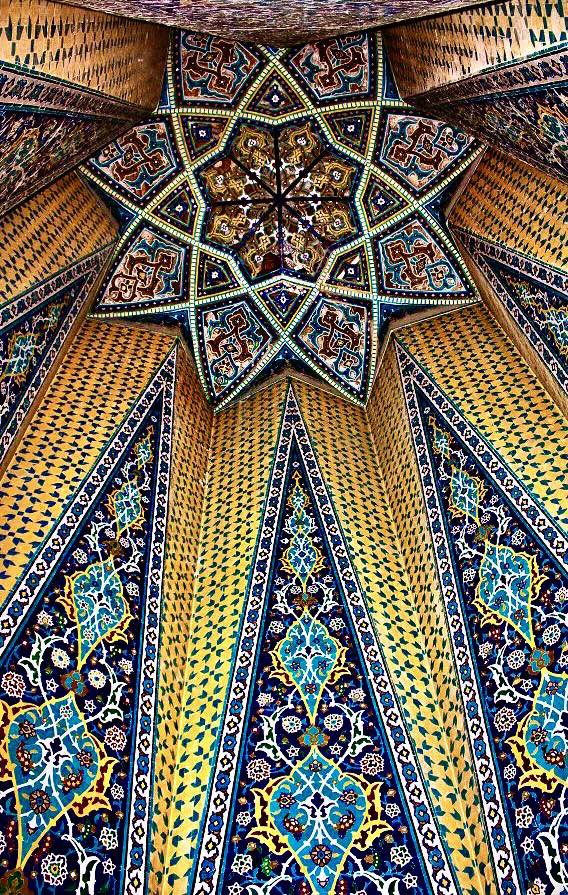
17/ Mosaic from Fatima Mausomeh, Qom, Iran
Built in 16th century. The mosque consists of a burial chamber, three courtyards and three large prayer halls, totalling an area of 38,000 m2 (410,000 sq ft). The three prayer halls are named: Tabātabā'ī, Bālā Sar, and A‘dham #Ramadan
Built in 16th century. The mosque consists of a burial chamber, three courtyards and three large prayer halls, totalling an area of 38,000 m2 (410,000 sq ft). The three prayer halls are named: Tabātabā'ī, Bālā Sar, and A‘dham #Ramadan
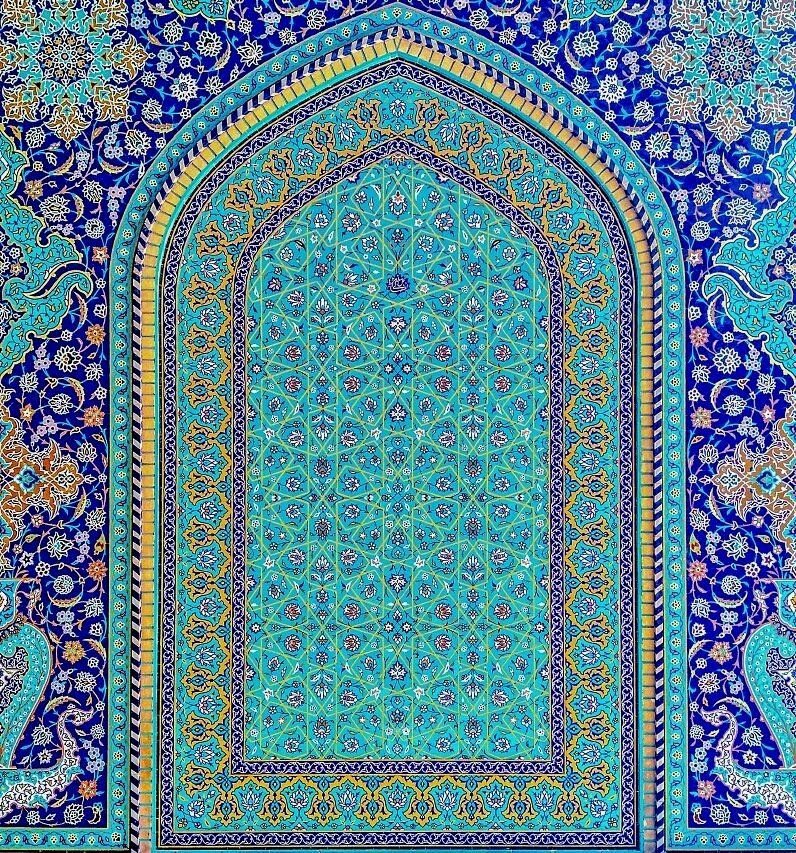
18/ Mosaic from The Grand Mosque of Paris, France
In 1926, the Mosque was officially inaugurated. It was built to symbolize the friendship between France and Islam, but it also served to commemorate the thousands of Muslims who fought and died for France in World War I #Ramadan
In 1926, the Mosque was officially inaugurated. It was built to symbolize the friendship between France and Islam, but it also served to commemorate the thousands of Muslims who fought and died for France in World War I #Ramadan
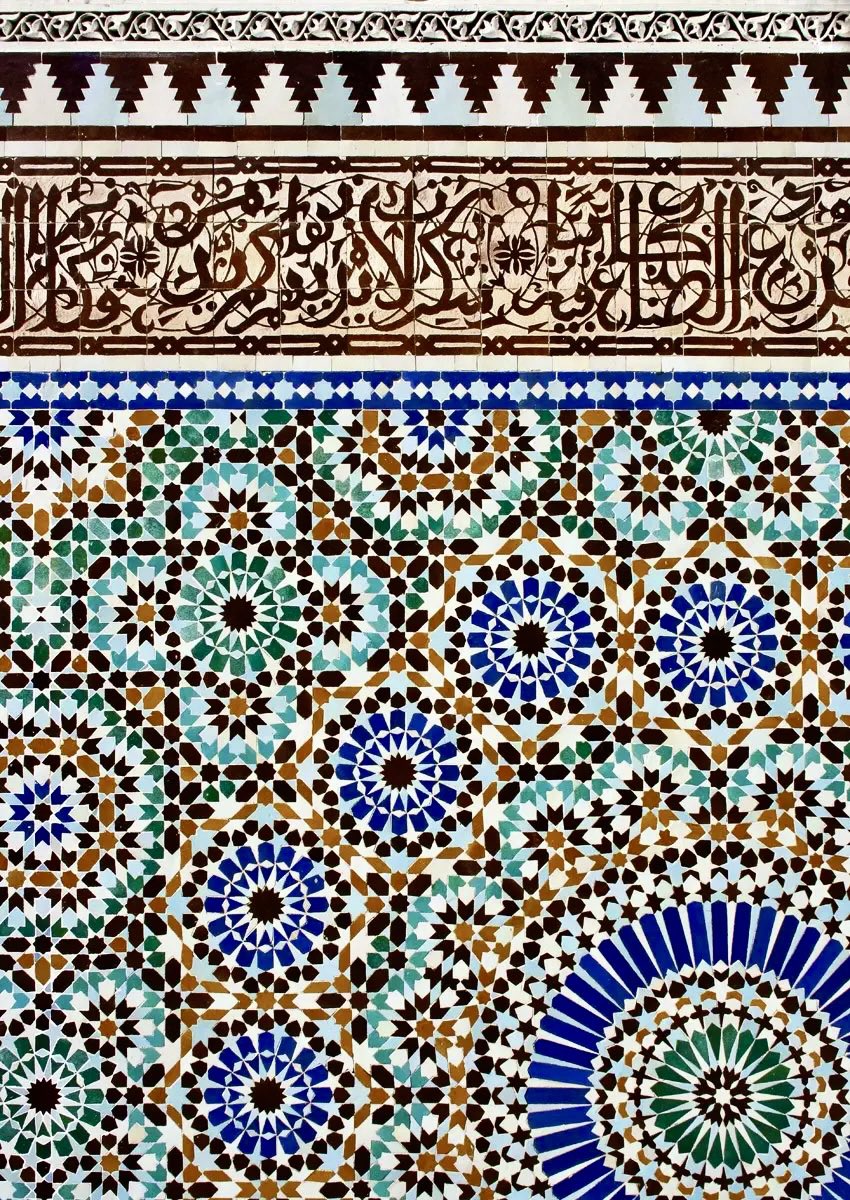
19/ Mosaic from The Jāmeh Mosque of Yazd, Iran
The 14th-century mosque is still in use today. It was built under Ala'oddoleh Garshasb of Al-e Bouyeh dynasty. The mosque was largely rebuilt between 1324 & 1365 & is one of the outstanding 14th century buildings of Iran #Ramadan
The 14th-century mosque is still in use today. It was built under Ala'oddoleh Garshasb of Al-e Bouyeh dynasty. The mosque was largely rebuilt between 1324 & 1365 & is one of the outstanding 14th century buildings of Iran #Ramadan
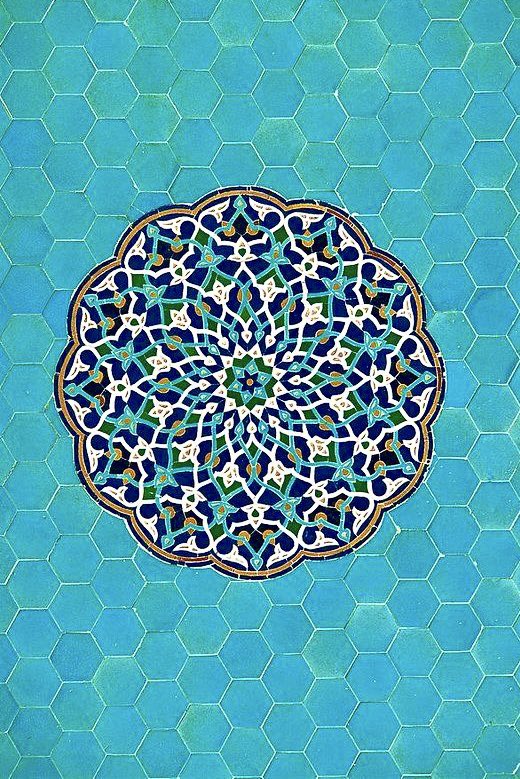
20/ Mosaic from Mir-i-Arab Madrasa in Bukhara, Uzbekistan
Constructed by the Shaibanid ruler Ubaydullah-khan (r. 1534-39). Its name, Mir-i Arab, literally means "Prince of the Arabs" and refers to Sheikh Abdullah Yamani of Yemen #Ramadan
Constructed by the Shaibanid ruler Ubaydullah-khan (r. 1534-39). Its name, Mir-i Arab, literally means "Prince of the Arabs" and refers to Sheikh Abdullah Yamani of Yemen #Ramadan
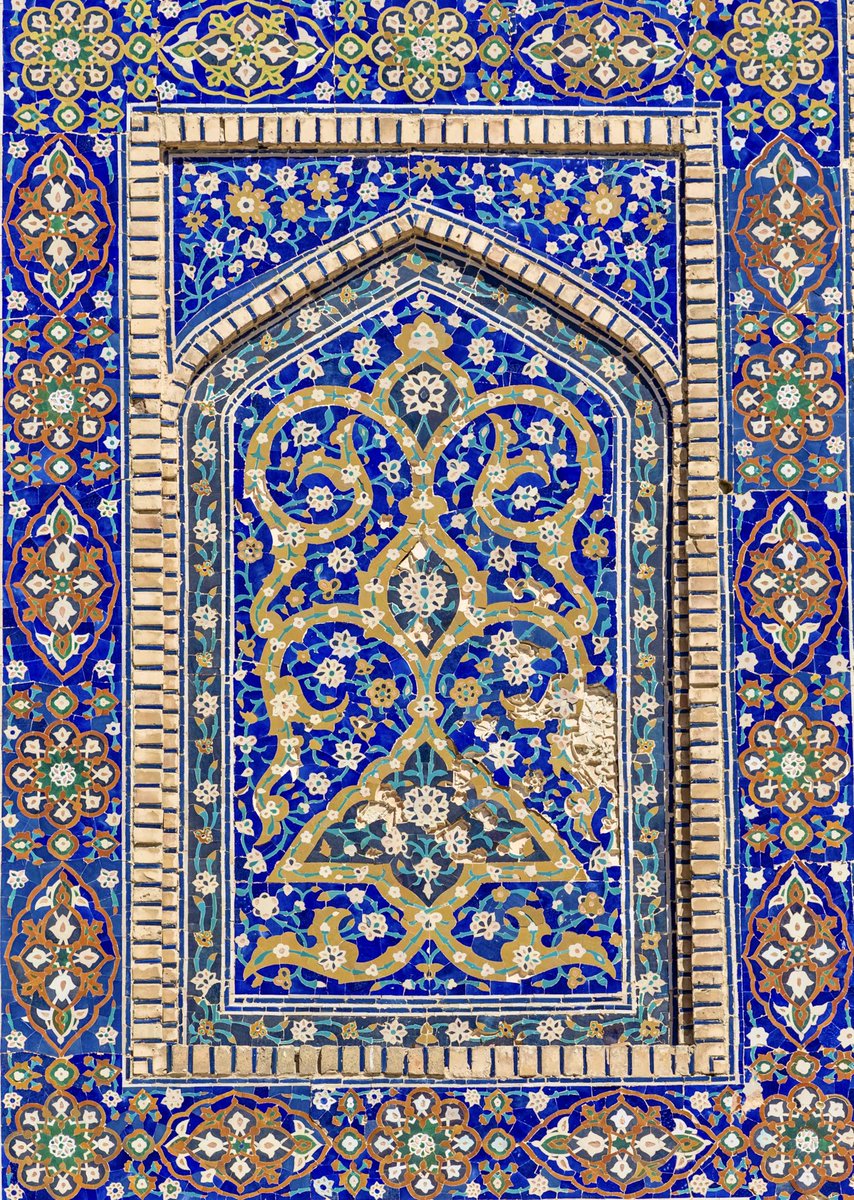
21/ The Blue Mosque, or Aqsunqur Mosque, Cairo, Egypt
The largest mosque in the district. Built in 1347 by Amir Aqsunqur, it incorporates a mausoleum & courtyard for prayer. The interior is decorated with these beautiful blue Iznik tiles from Istanbul & Damascus #Ramadan
The largest mosque in the district. Built in 1347 by Amir Aqsunqur, it incorporates a mausoleum & courtyard for prayer. The interior is decorated with these beautiful blue Iznik tiles from Istanbul & Damascus #Ramadan
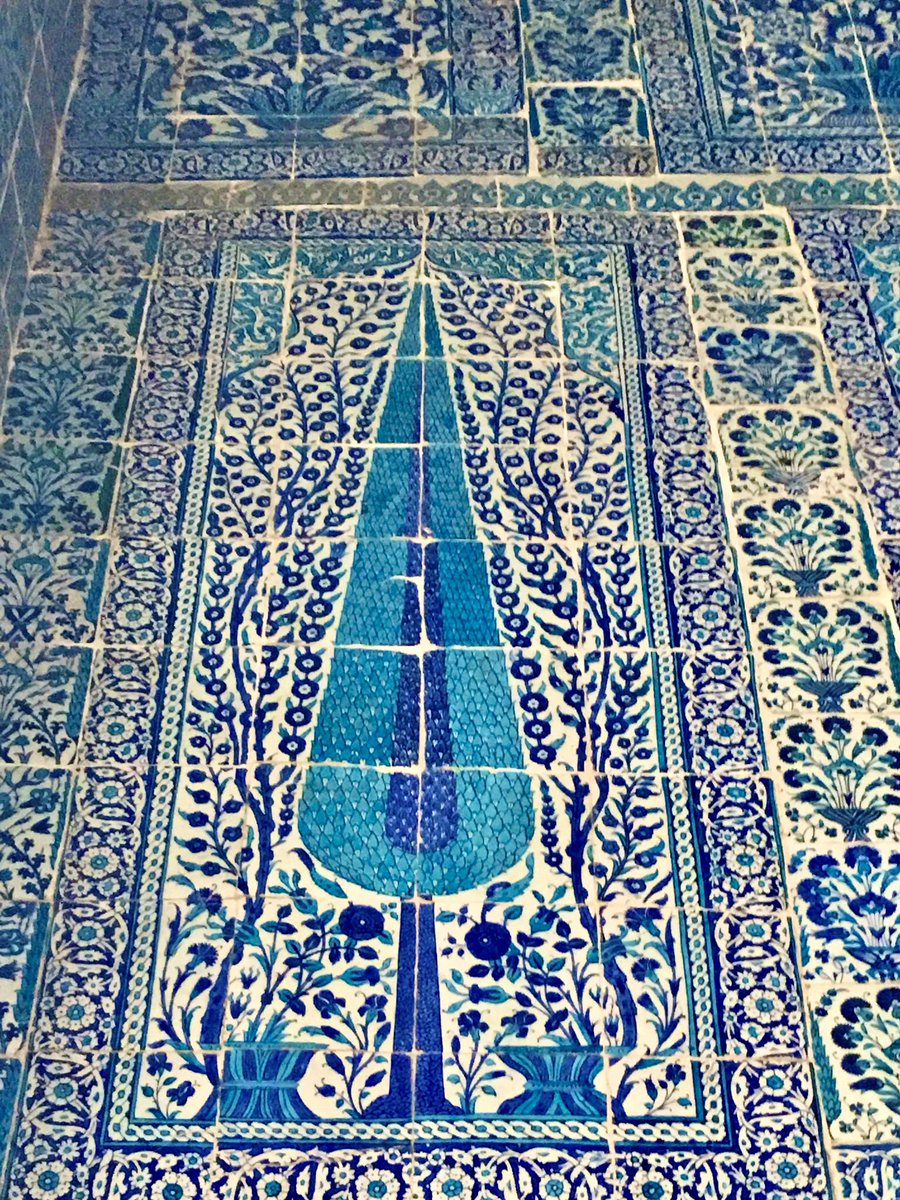
22/ Mosaic from Markazi Jamia Masjid, Rawalpindi, Pakistan
One of the oldest mosques in Rawalpindi and an architectural beauty. Built almost 100 years ago, the mosque still stands tall among historical sites of the city due to its mosaics and glass artwork #Ramadan
One of the oldest mosques in Rawalpindi and an architectural beauty. Built almost 100 years ago, the mosque still stands tall among historical sites of the city due to its mosaics and glass artwork #Ramadan
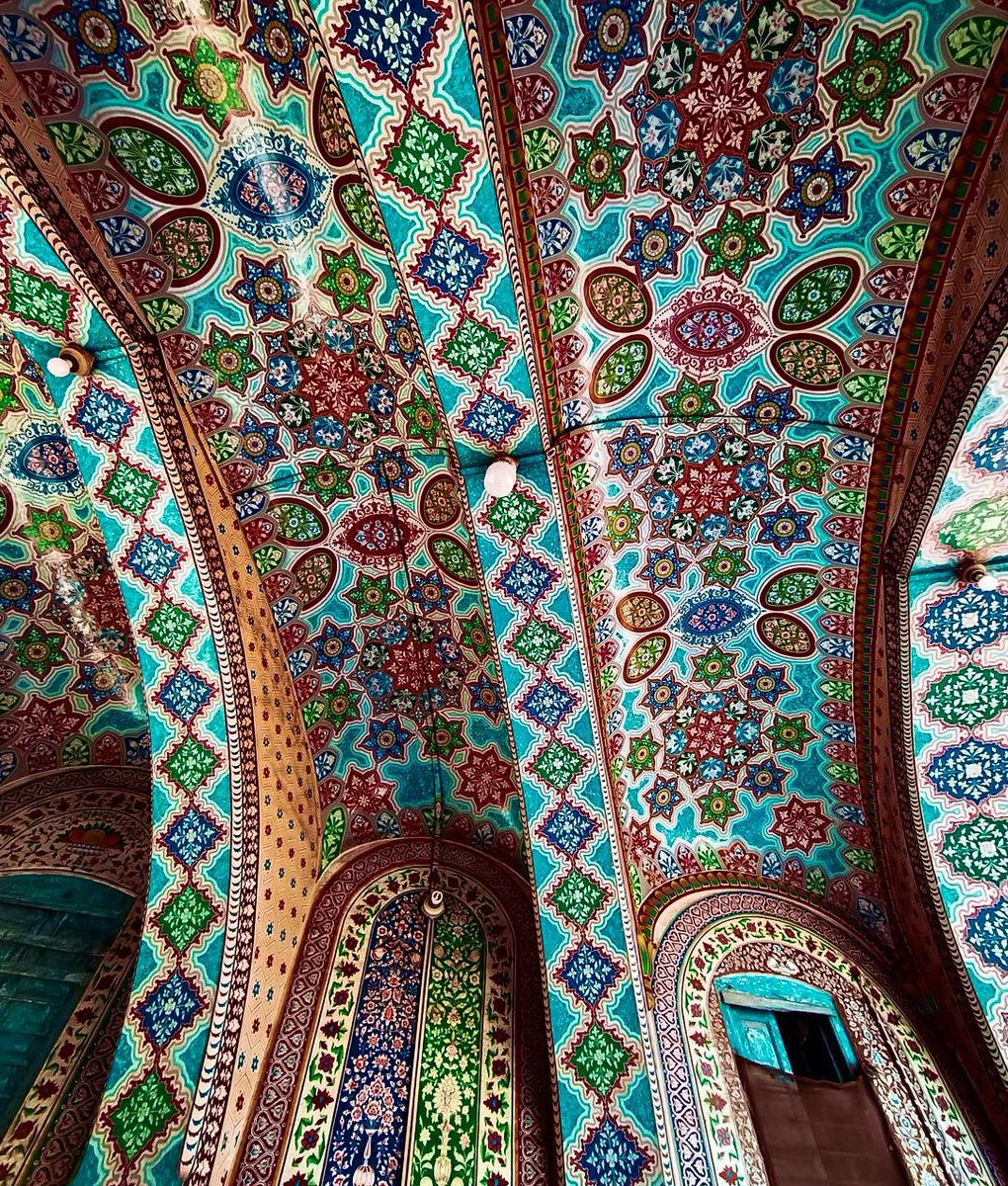
23/ Mosaic from Uzbekistan
The beautiful turquoise & azure tile mosaics adorning historic mosques, is a highlight of Uzbekistan. Such as the ceramic-tiled walls of Tash Khauli in Khiva; the azure tile designs on the Registan madrassas and Shah-i-Zinda in Samarkand #Ramadan
The beautiful turquoise & azure tile mosaics adorning historic mosques, is a highlight of Uzbekistan. Such as the ceramic-tiled walls of Tash Khauli in Khiva; the azure tile designs on the Registan madrassas and Shah-i-Zinda in Samarkand #Ramadan
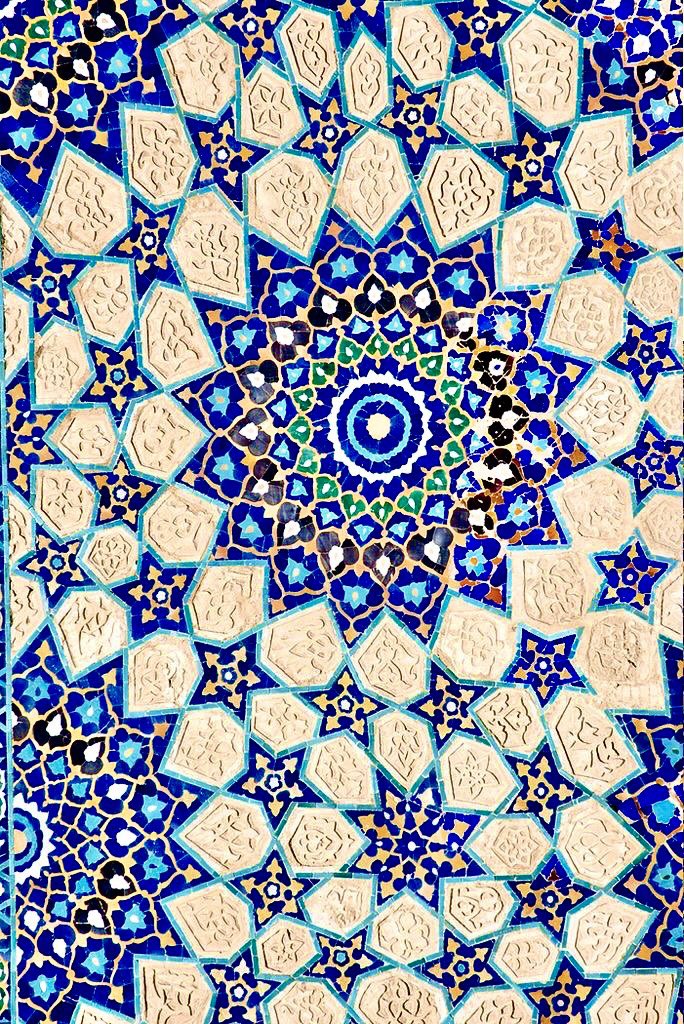
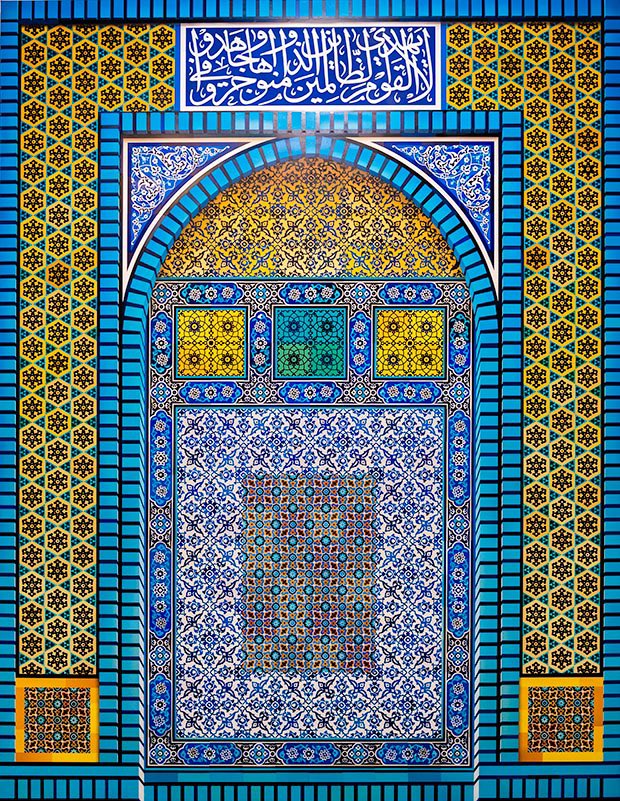
24/ Mosaic from Al-Aqsa Mosque, Jerusalem, Palestine
Located in the Old City of Jerusalem, it is the 3rd holiest site in Islam. It was built on top of the Temple Mount, known as the Al Aqsa Compound or Haram esh-Sharif in Islam #Ramadan
Located in the Old City of Jerusalem, it is the 3rd holiest site in Islam. It was built on top of the Temple Mount, known as the Al Aqsa Compound or Haram esh-Sharif in Islam #Ramadan
• • •
Missing some Tweet in this thread? You can try to
force a refresh