
Thread on Omicron subvariants and what they might mean for UK:
TLDR: reasonable chance of a new wave of infections in 4-6 weeks or so, boosters should reduce admissions & deaths but not entirely. Ditto long covid. Can expect more future waves too. 1/12
TLDR: reasonable chance of a new wave of infections in 4-6 weeks or so, boosters should reduce admissions & deaths but not entirely. Ditto long covid. Can expect more future waves too. 1/12
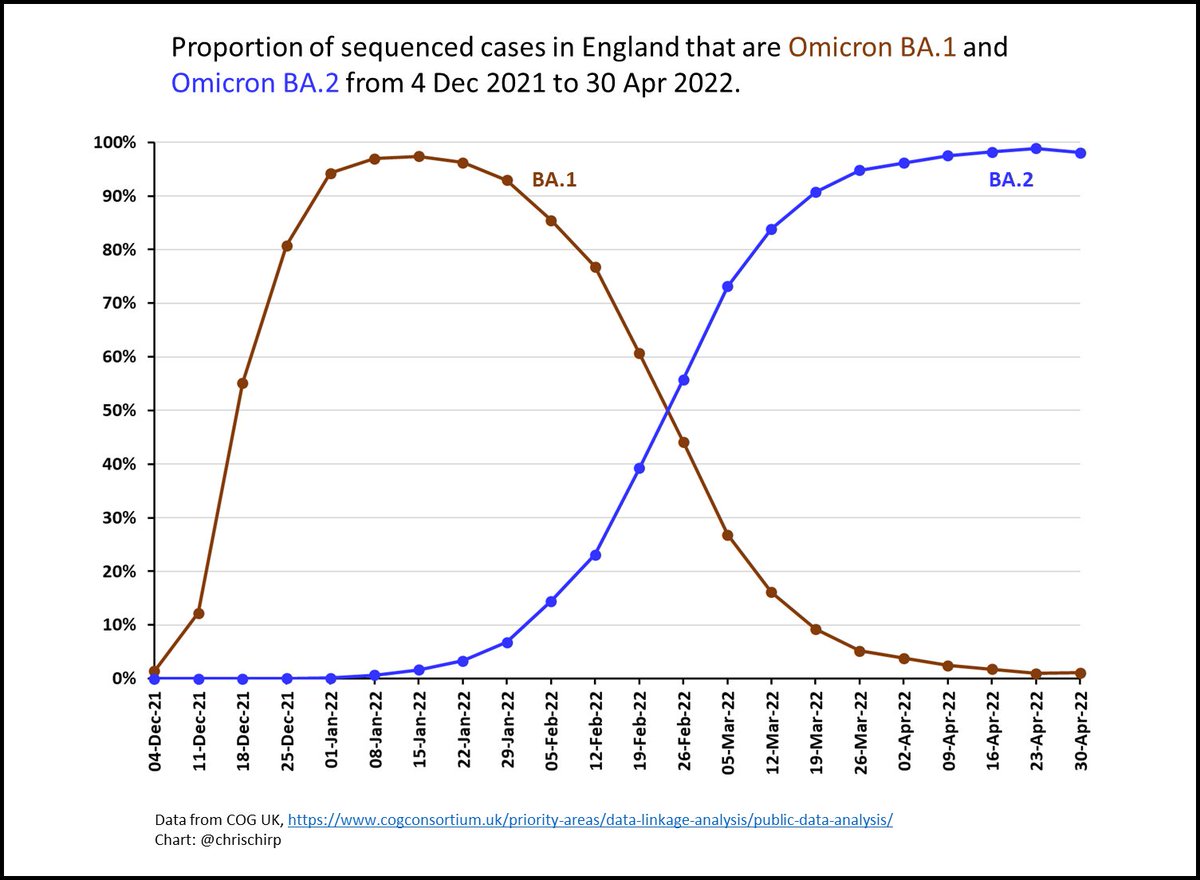
the UK original Omicron wave was BA.1 in Dec/Jan, followed by BA.2 wave in March.
BA.2 remains dominant (98% of cases) and we are now on the firm downward slope of that wave, with infections & admissions decreasing rapidly.
But... 2/12
BA.2 remains dominant (98% of cases) and we are now on the firm downward slope of that wave, with infections & admissions decreasing rapidly.
But... 2/12
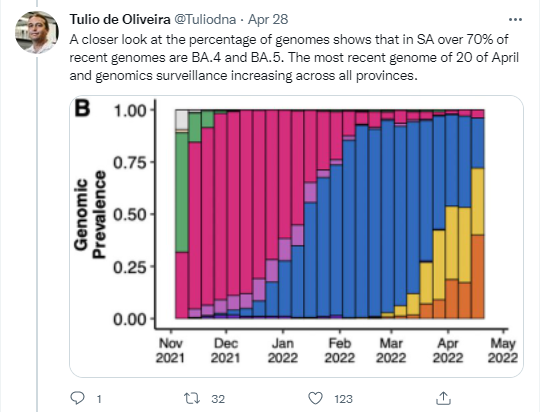
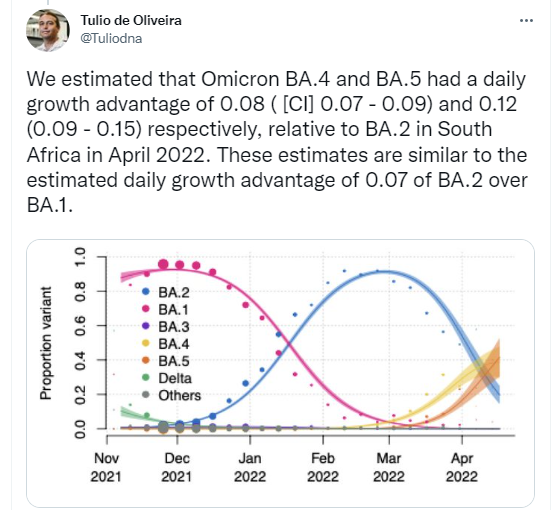
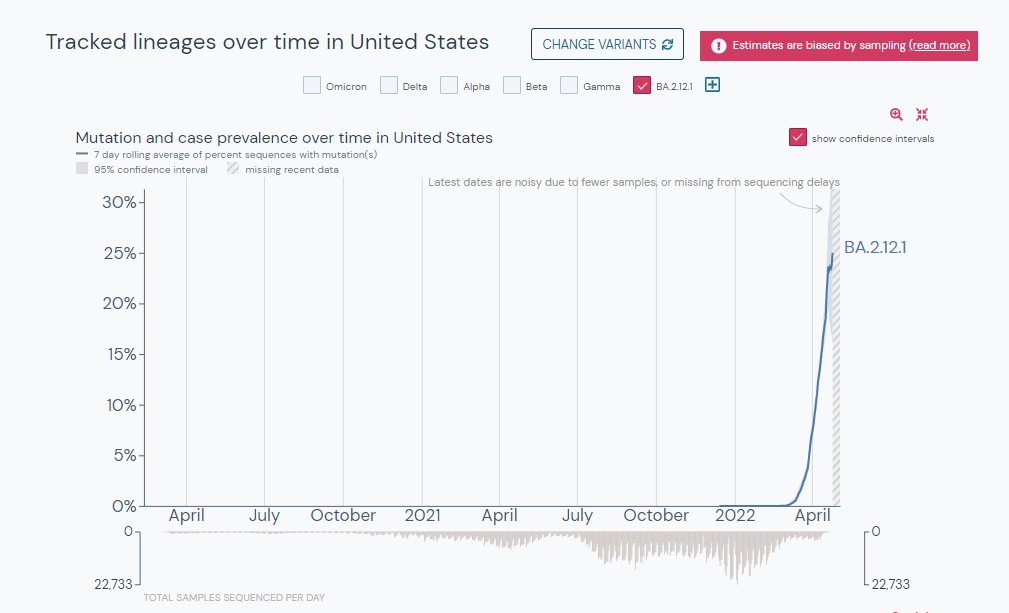
South Africa has just entered a new wave driven by new Omicron variants BA.4 and BA.5, while in the US Omicron variant BA.2.12.1 is growing rapidly.
A few recent papers have shed more light into what this might mean... 3/12
A few recent papers have shed more light into what this might mean... 3/12
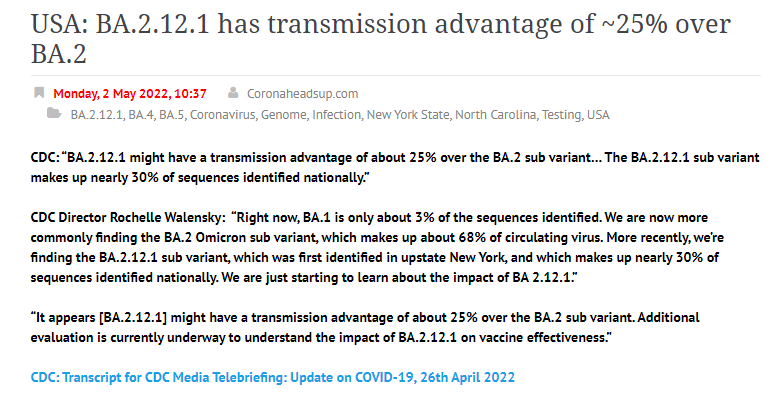
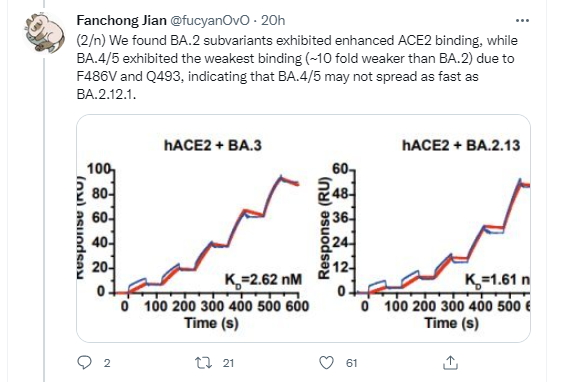
A preprint from @fucyanOvO investigated how good the blood of vaxxed people with/without BA.1 infection was at fighting BA.4, BA.5 and BA.2.12.1 off.
BA.4 & 5 better at escaping vax & inf immunity than BA.2 but not better at getting into cells. BA.2.12.1 better at both. 4/12
BA.4 & 5 better at escaping vax & inf immunity than BA.2 but not better at getting into cells. BA.2.12.1 better at both. 4/12
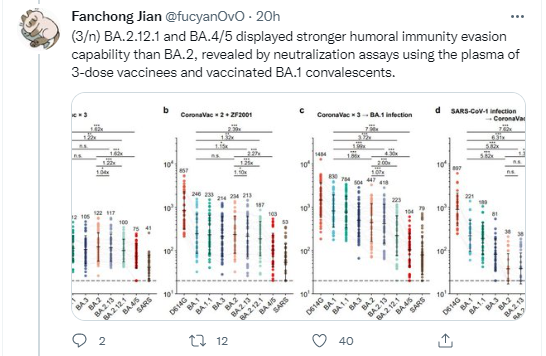
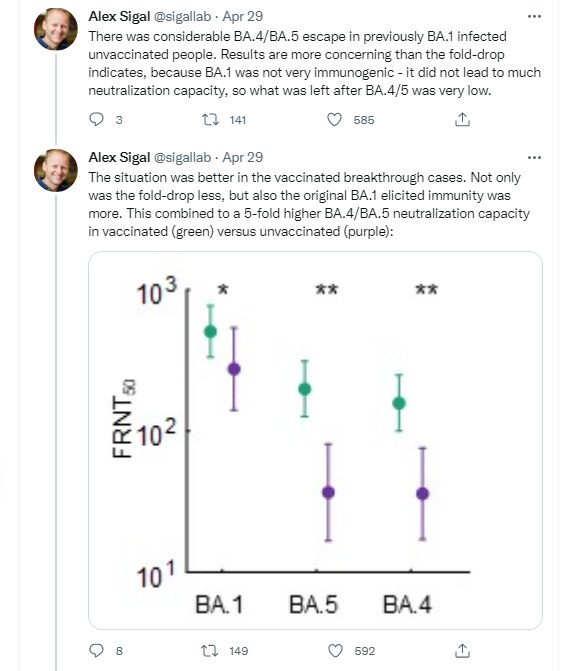
Previous infection with BA.1 (what we had in Dec/Jan) might well not stop you getting infected with these new substrains (prob due to mutation at L452)
@sigallab reported similar - although boosted *plus* BA.1 infection much better than just prev BA.1 infection (get vaxxed) 5/12
@sigallab reported similar - although boosted *plus* BA.1 infection much better than just prev BA.1 infection (get vaxxed) 5/12
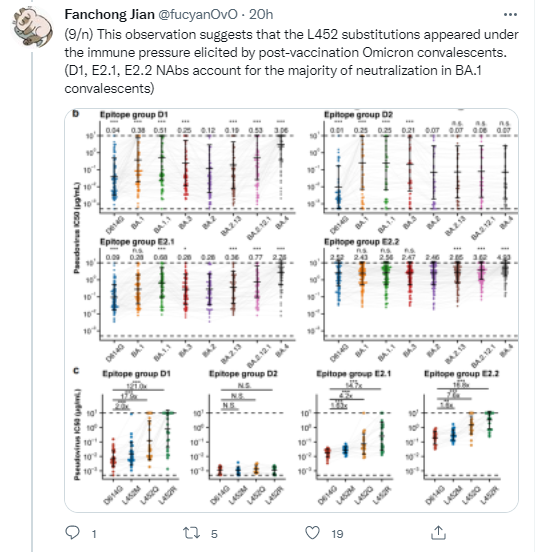
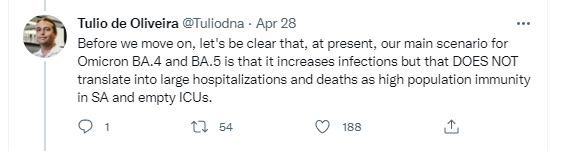
We don't know much about severity of these new Omicron variants - but so far assumption is that they are no worse than prev Omicrons - especially given high population prev infection & boosters.
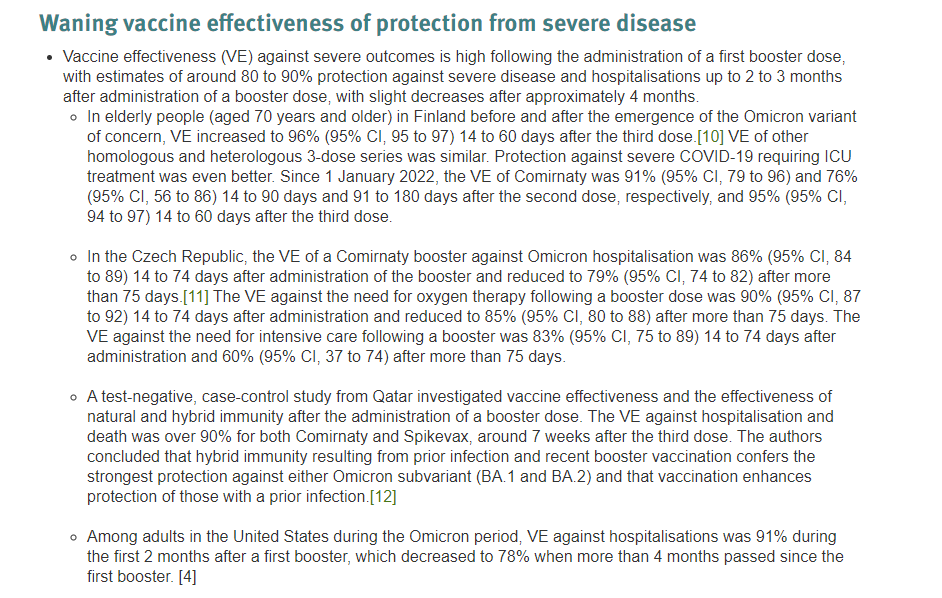
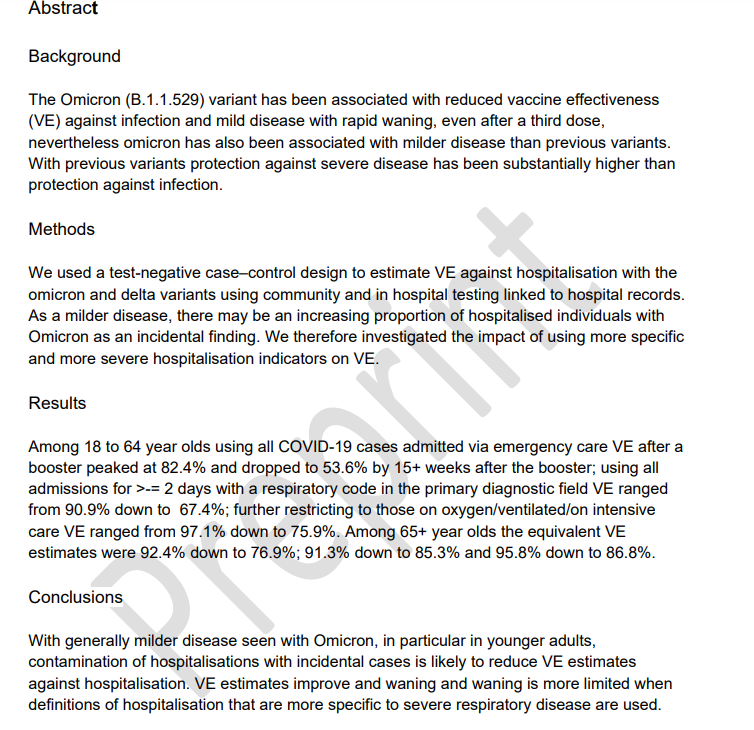
Although boosters wane rapidly vs infection, less so against severe disease. 6/12
Although boosters wane rapidly vs infection, less so against severe disease. 6/12

BA.4, BA.5 & BA.2.12.1 *are* in the UK but in v low numbers.
However, most recent data for England shows them growing as a % of cases against BA.2 (current dominant one). Still *tiny numbers* so nothing definitive.
Wld be easier to tell if we were doing more PCR tests... 7/12
However, most recent data for England shows them growing as a % of cases against BA.2 (current dominant one). Still *tiny numbers* so nothing definitive.
Wld be easier to tell if we were doing more PCR tests... 7/12

*If* any/all of BA.12.1, BA4. BA.5 take off here, we'll likely see new wave of infections - perhaps similar in size to prev Omicron waves but hopefully fewer admissions & deaths (esp cos of 4th dose in >75s).
These are not (as far as we know) super scary new variants BUT 8/12
These are not (as far as we know) super scary new variants BUT 8/12
A new wave would still add strain again to NHS, still disrupt education (and in exam season) and workplaces and we would likely see a few hundred more thousand *more* people developing Long Covid. Not good. 9/12

And what *is* concerning about Omicron is that compared to prev variants, immunity is not that long lived & it gives less protection againts non-Omicron variants.
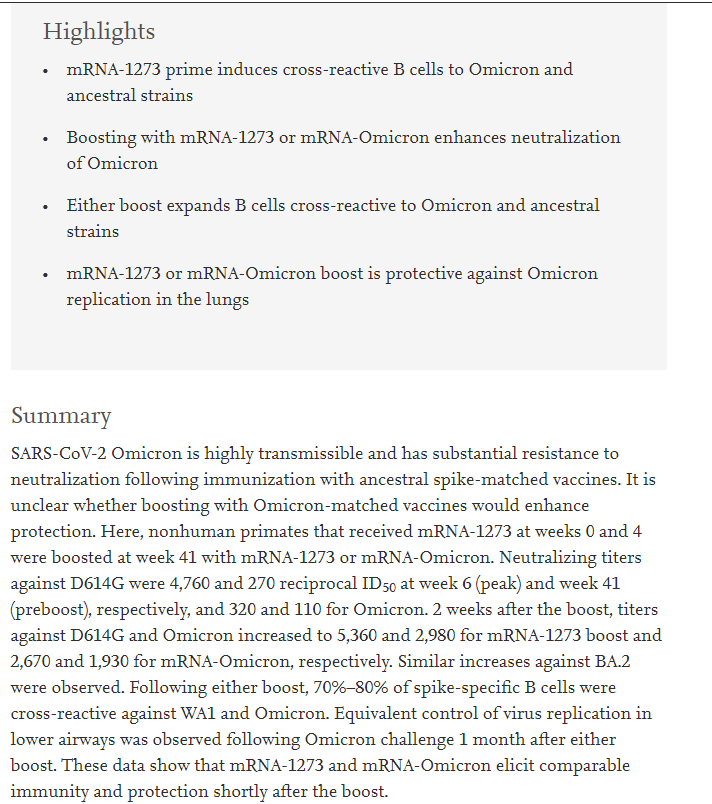
An Omicron-specific booster was no better than the existing booster, so a new Omicron vax unlikely to help. 10/12
An Omicron-specific booster was no better than the existing booster, so a new Omicron vax unlikely to help. 10/12

So until a new variant emerges (also not great), we might get repeated waves of Omicron variants every 4-6 months - each causing disruption & illness.
I think we can & should mitigate this with ventilation, testing, supported isolation if +ve, masks during peaks etc etc. 11/12
I think we can & should mitigate this with ventilation, testing, supported isolation if +ve, masks during peaks etc etc. 11/12

In the meantime it's wait and see for these Omicron subvariants in the UK. Even if they keep growing, won't see any impact on overall numbers for several weeks.
And thanks to @Tuliodna @sigallab @fucyanOvO @UKHSA @COGUK_ME etc for the rapid research and making it public. 12/12
And thanks to @Tuliodna @sigallab @fucyanOvO @UKHSA @COGUK_ME etc for the rapid research and making it public. 12/12
• • •
Missing some Tweet in this thread? You can try to
force a refresh






