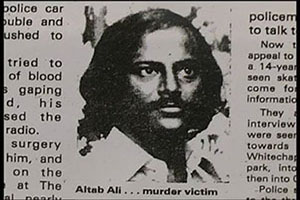
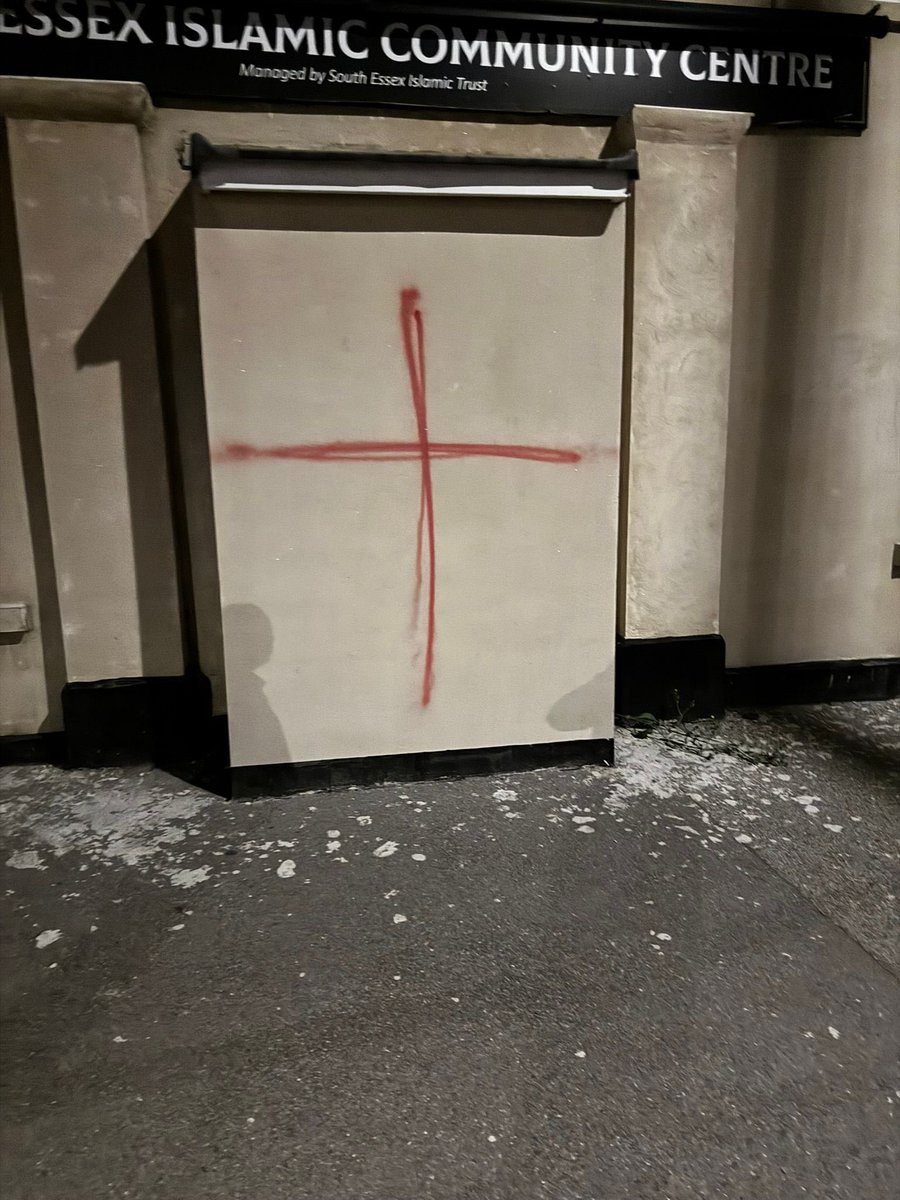
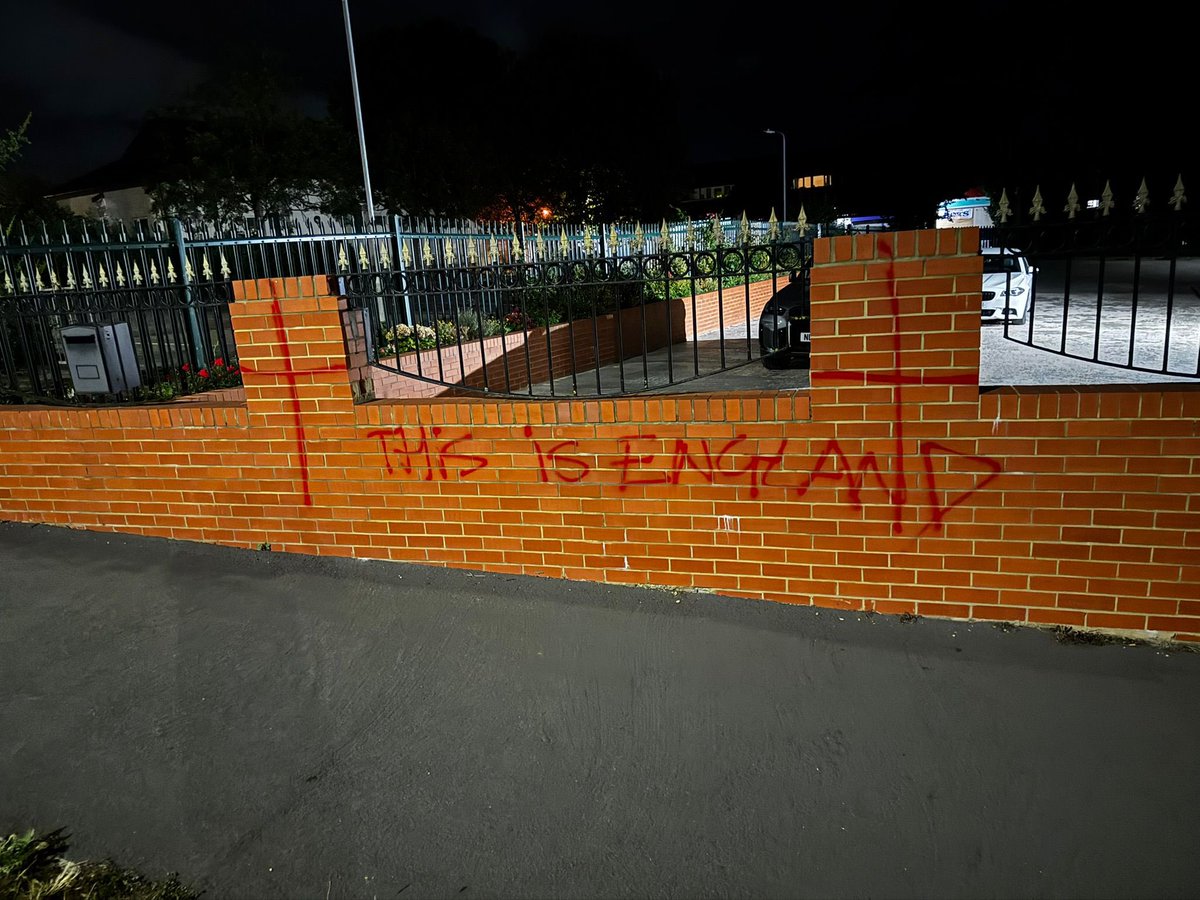
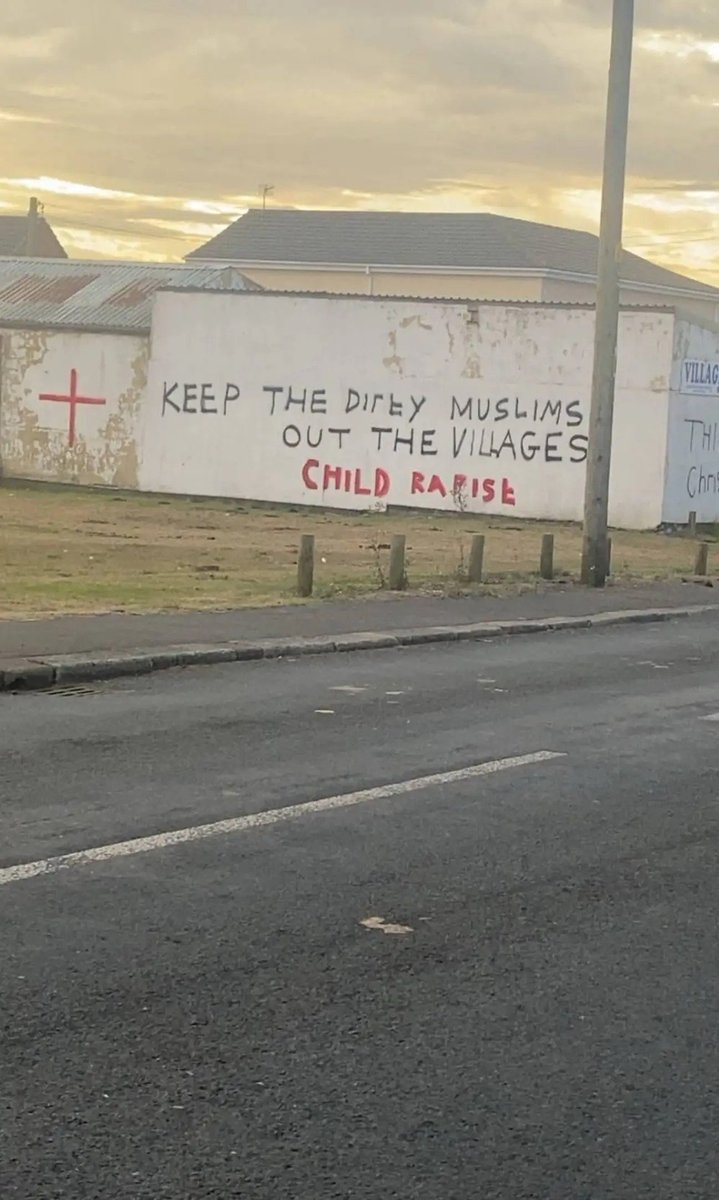
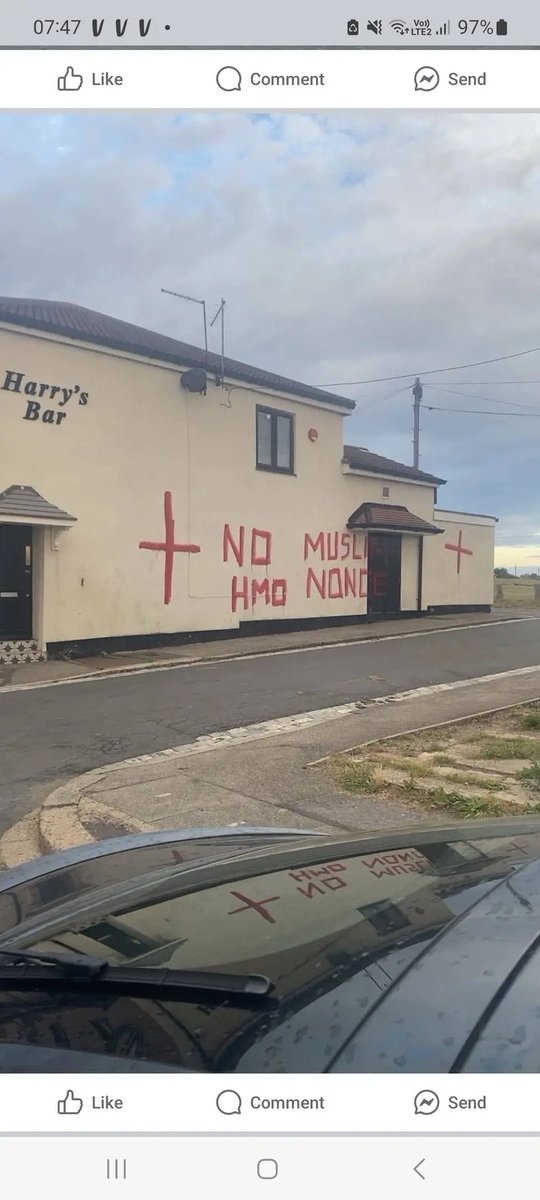
On this day, 4 May 1978, Bangladeshi garment worker Altab Ali was murdered in a racially motivated attack while walking home from work in East London. 10 days later, thousands of anti-racists marched across London, taking the coffin of Altab Ali to Downing Street. Rest in power.
This was not an isolated incident. In June 1978, just a month after the murder, Ishaque Ali was killed in a racially motivated attack in Hackney. 2 years earlier, Gurdip Singh Chaggar was killed in Southall. Racist violence was commonplace.
The experience of having to fend for yourself in the absence of any institutional support would come to shape the activism of many South Asians. There was a clear necessity for South Asians to organise politically to challenge racism and defend their communities.
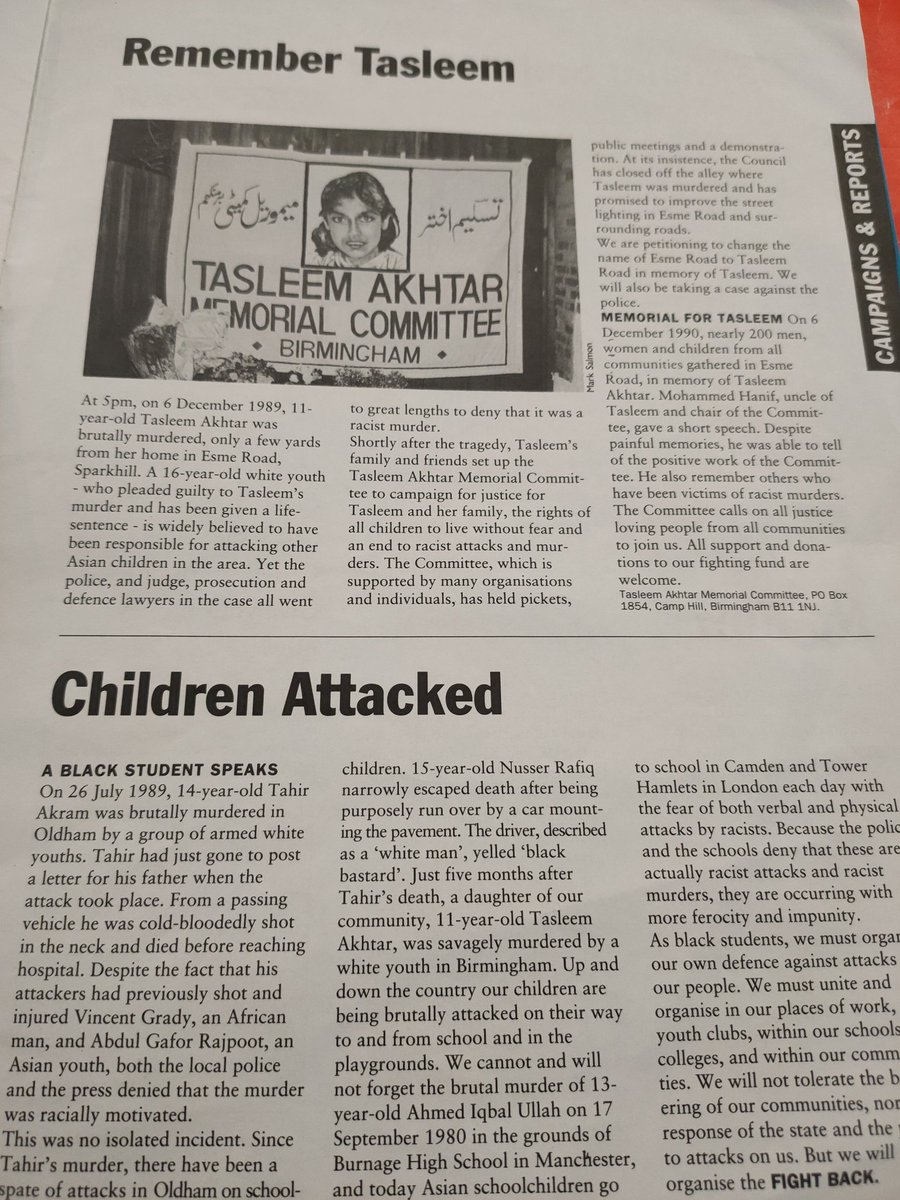
I was looking at some old issues of CARF Magazine and came across these truly heartbreaking stories. 11-year-old Tasleem Akhtar from Birmingham and 14-year-old Tahir Akram from Oldham murdered in 1989.
• • •
Missing some Tweet in this thread? You can try to
force a refresh

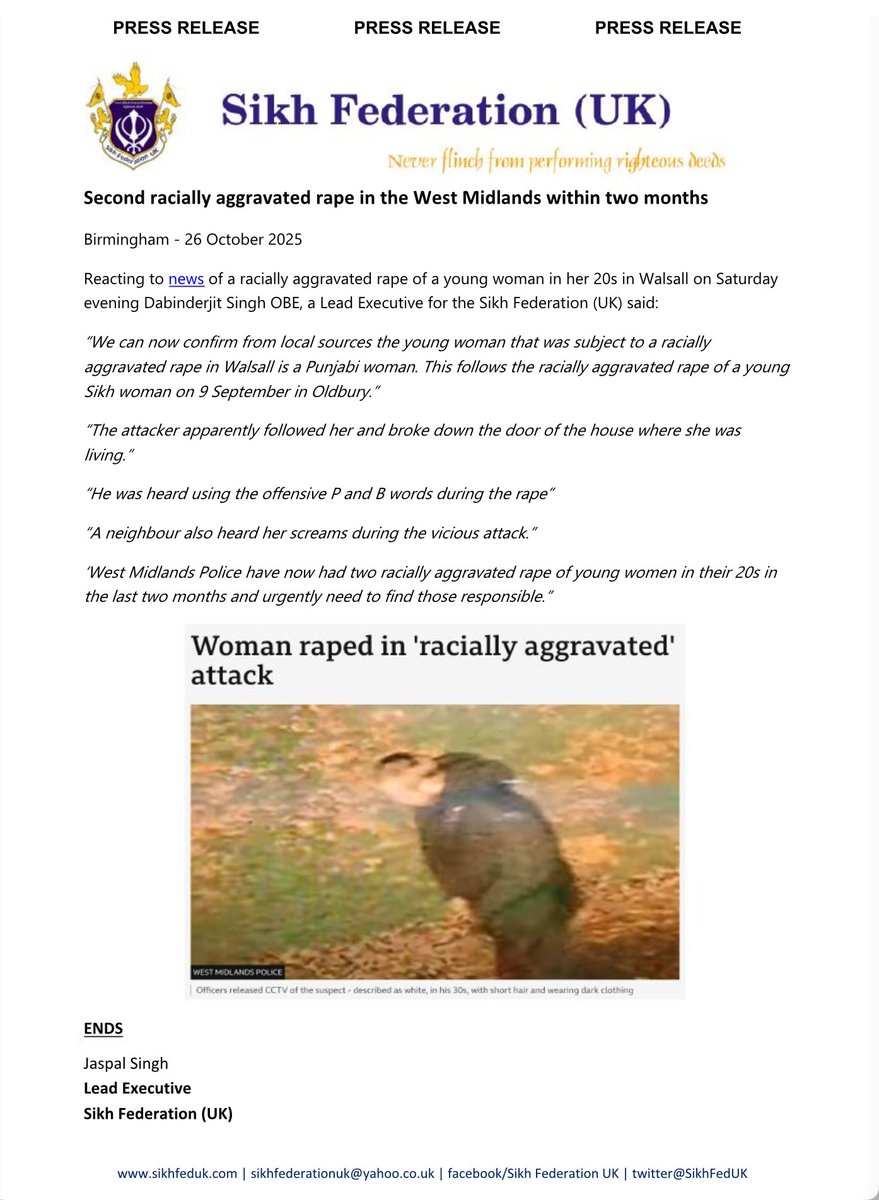
Last night, a woman in Walsall was raped in a racially aggravated attack.
West Midlands police have launched an urgent appeal to identify the suspect.
The attacker is described as white, in his 30s, with short hair, and was wearing dark clothing.
West Midlands Police were called to the Park Hall area of Walsall just after 7.15pm yesterday after a woman was reported to be distressed in the street.
Officers established that she had been raped and assaulted at a nearby property by a man she did not know.
Sikh Federation UK: “We can now confirm from local sources the young woman that was subject to a racially aggravated rape in Walsall is a Punjabi woman. This follows the racially aggravated rape of a young Sikh woman on 9 September in Oldbury.”
In the 70s, Black & Asian people faced housing discrimination, racist violence & huge levels of income inequality. Their presence in inner city areas like Handsworth is tied to that history. If you want to talk about integration let's not shy away from talking about white flight.
There's also social mobility. In the 60s and 70s, East London was full of slum housing. The docks were in decline and the scars of the blitz were still visible. Families with children moved to new towns and suburbs on the outskirts of London where there was much better housing.
Few Bangladeshi migrants qualified for council housing in East London. Those Bengali families that did manage to secure a tenancy were given abysmal accommodation, often in predominantly white housing estates where they were isolated and subjected to frequent racist attacks.
NEWS: I’ve set up an independent anti-racist reporting and monitoring organisation. We’ll document racist attacks, support victims, pressure authorities to act, and amplify the voices of smaller, more isolated Black and Asian communities across Britain.🧵
Far too often, racism is either unreported or dismissed as anti-social behaviour. Our platform will gather verified reports and push to ensure they’re taken seriously by the media and public institutions. Share, report, support. ⬇️
In the early phases, we’ll signpost support, collect data + advocate. With your backing, we can go further, giving time to individual cases and amplifying the voices of smaller, isolated Black and Asian communities whose experiences too often go unheard.
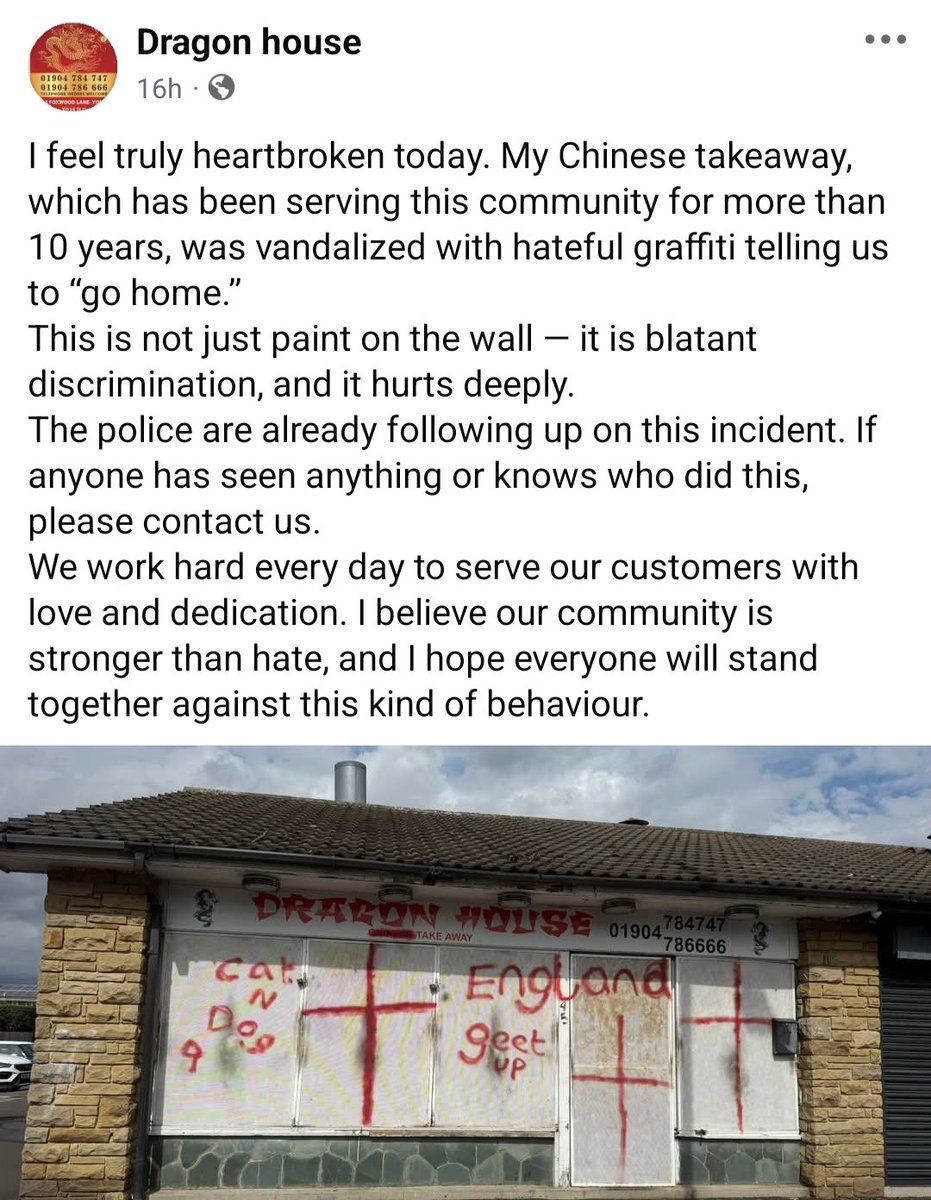
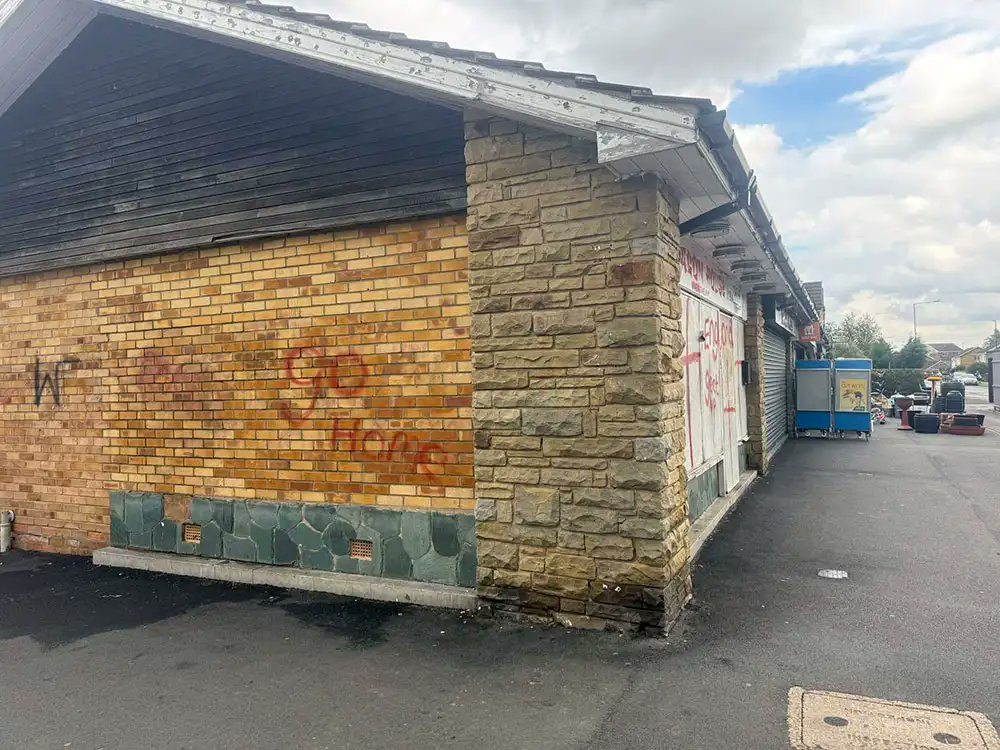
The word ‘Chinese’ was painted over, and ‘Go Home’ daubed on one wall.
'Go home' graffiti on the Chinese takeaway.
The British-Chinese owner has lived in the UK for over 20 years.
“This is heartbreaking for me. Very sad.” The perpetrators are “definitely racist,” she said. “There are so many shops on Foxwood Lane, but only the Chinese takeaway was targeted.”
“England is my home. I don’t know why people treat us like this.”
Racist graffiti in Thornley, Bishop Auckland (North East England)
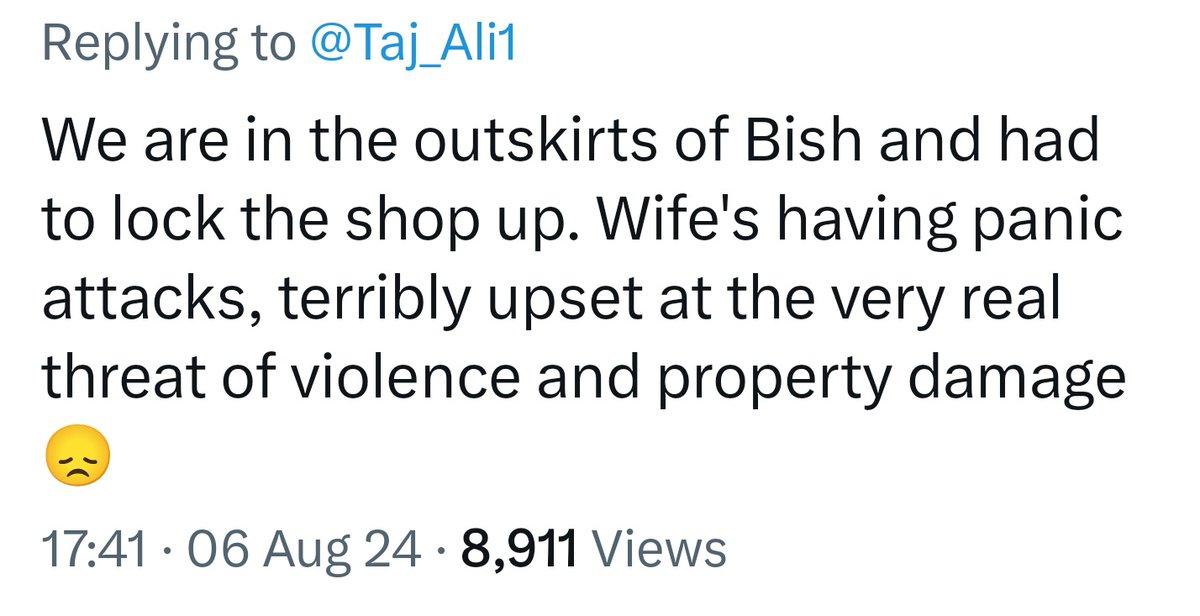
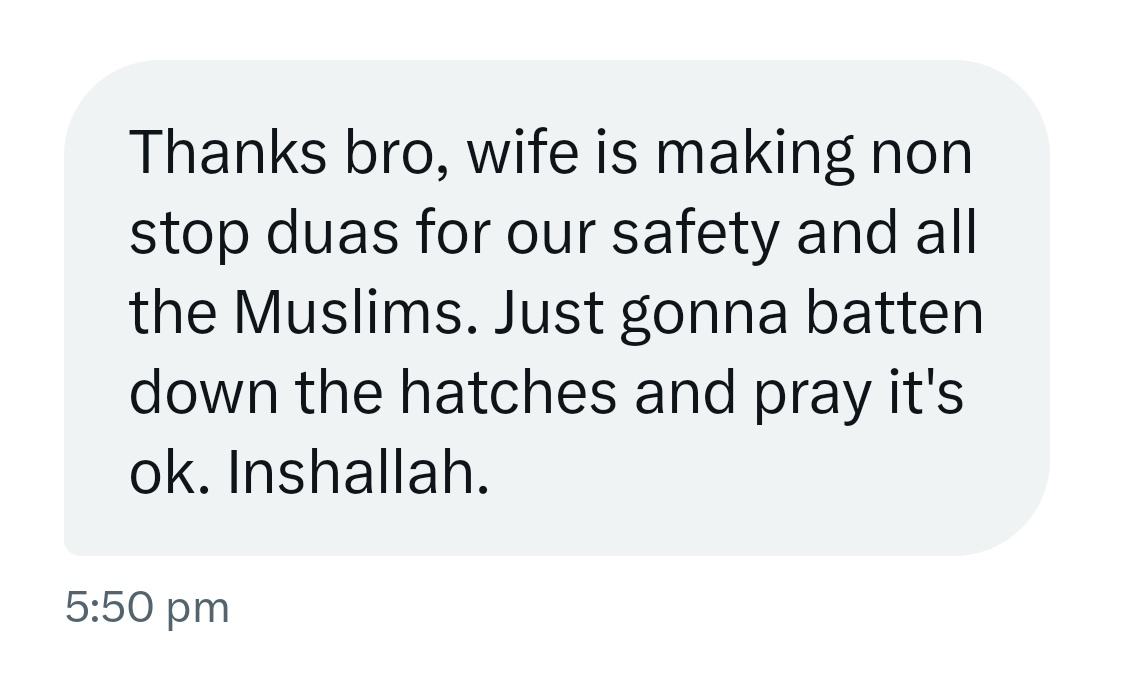
I spoke to a Muslim in the area last summer who was deeply worried about racist violence. His wife was having panic attacks at the time.
This is the experience of smaller Black and Asian communities in Britain.
There's a real ignorance about the experience of smaller more geographically isolated Black and Asian communities. Racism is on the rise and they are often on the receiving end of it. We cannot be complacent.
If you live in the area and have experienced any racist abuse or intimidation, do get in touch. It's important that we document these things and ensure people feel safe.