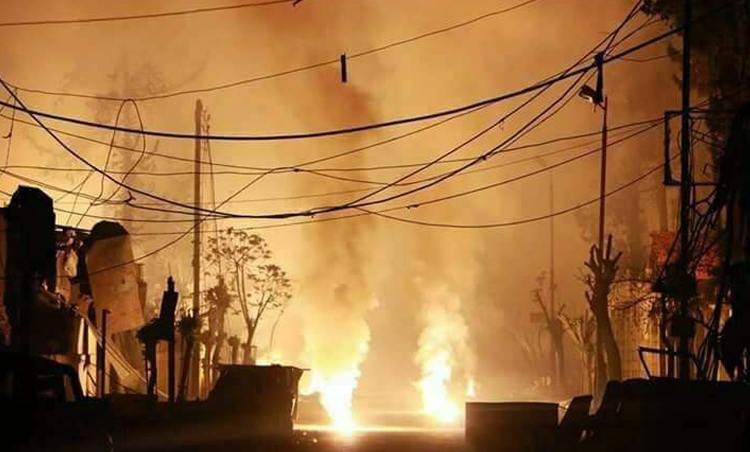
Footage from Mariinka in eastern Ukraine shows an incendiary attack today by Russia against this town of 10,000 people. Although it's being described as a phosphorus attack, it's actually something a lot worse and yet another war crime. A 🧵 to explain. /1
This is not phosphorus; it's thermite, a pyrotechnic composition of metal powder and metal oxide. It burns at up to 3,500°C. It can't be smothered and can't easily be extinguished by water - it can even be used for underwater welding. It can ignite in any environment. /2 
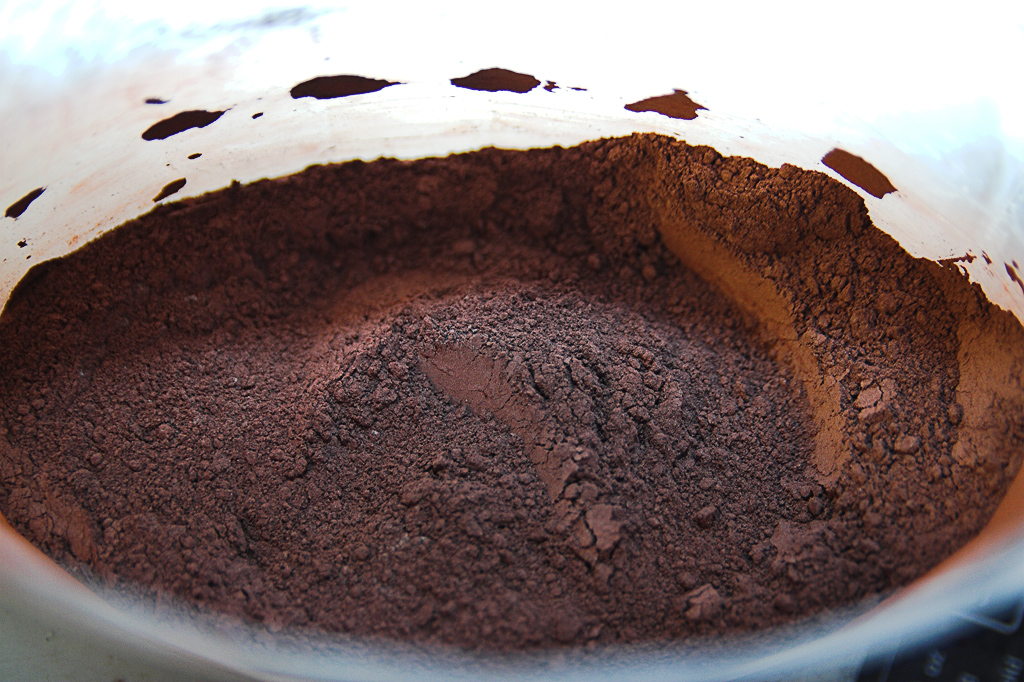
It's been used in incendiary bombs since WW2. The Germans pioneered its use against British cities such as Coventry, while the Allies used thermite bombs to raze cities in Germany and Japan (Braunschweig pictured here), killing hundreds of thousands. /3

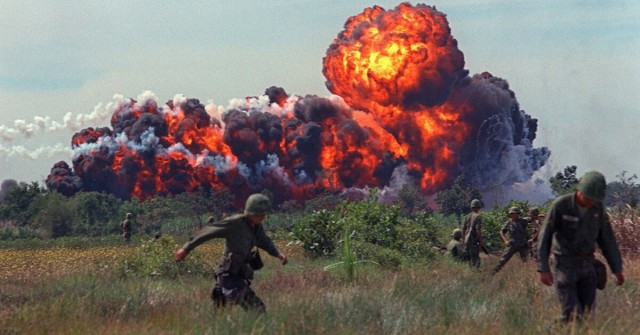
This was hugely controversial even at the time, and the use of napalm by the US in Vietnam caused further controversy. In 1980 an international protocol was agreed to prohibit the use of air-dropped incendiaries against civilian targets. It entered force in 1983. /4
There is a loophole though - ground-delivered incendiary weapons are permitted if a military target is "is clearly separated from the concentration of civilians and all feasible precautions are taken" to avoid harming civilians and civilian objects. /5
This is what Russia uses to deliver incendiaries: the 9M22S rocket, launched from BM-21 Grad truck-mounted multiple rocket launcher systems. Up to 40 can be fired in a salvo to a range of 20 km (12 miles). It's a notoriously inaccurate and indiscriminate weapon. /6
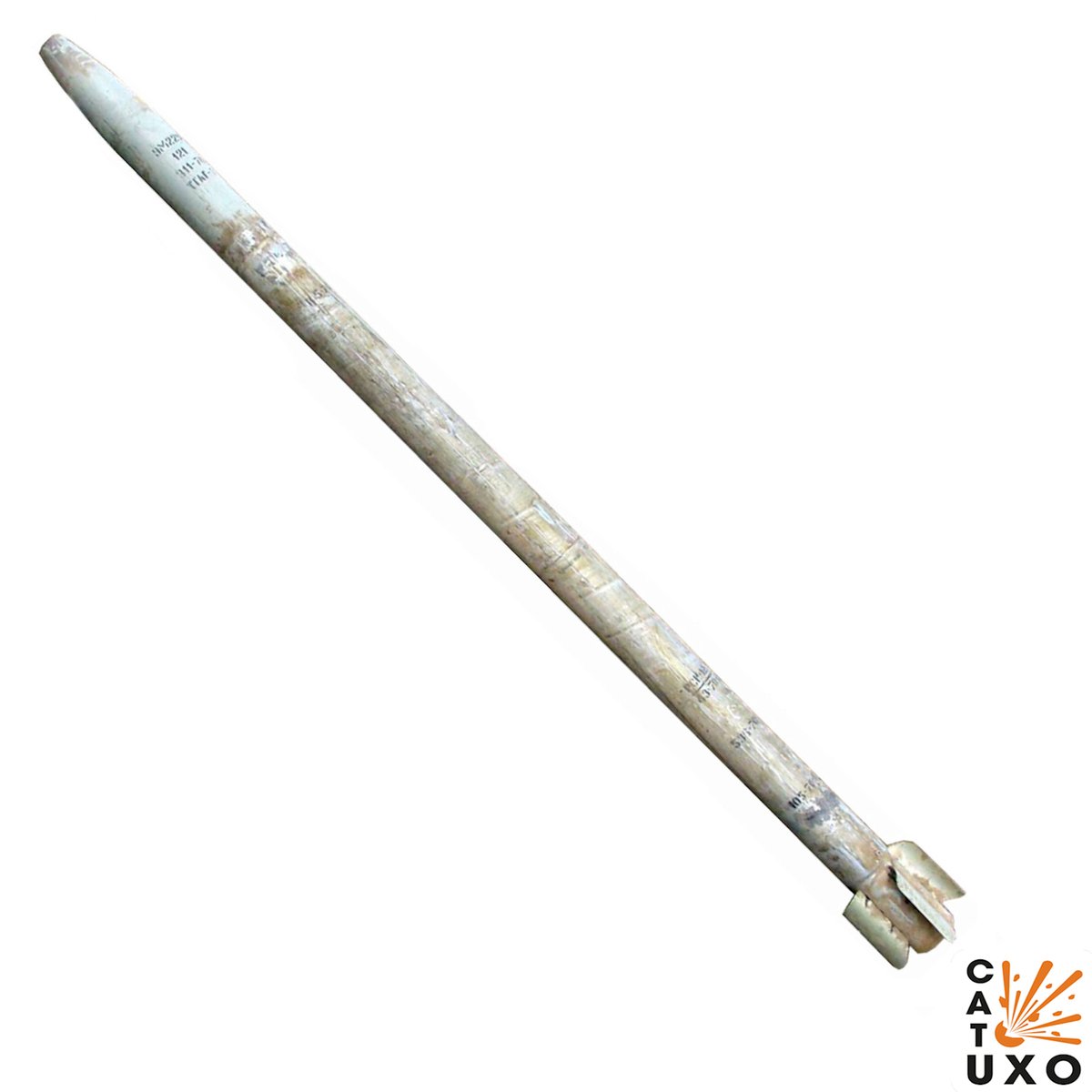
Each rocket contains 180 hexagonal incendiary elements made of magnesium, packed with thermite and arranged in a matrix within the rocket. Each element is 40 mm long and 25 mm wide. A linear charge ejects them from the rocket and ignites them, to burn for about 2 minutes. /7
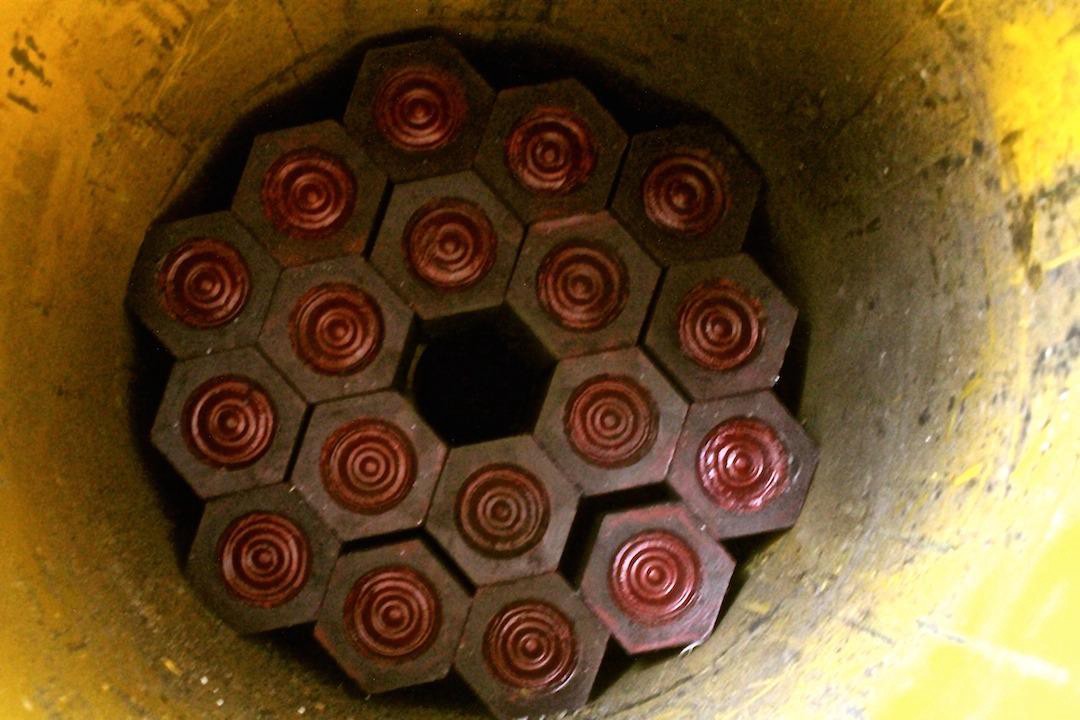
This weapon was developed in Russia in 1971 with the objective of igniting fires in areas such as fuel depots, ammunition storage sites, and other flammable military targets. It was also intended to be used against enemy troop concentrations. /8
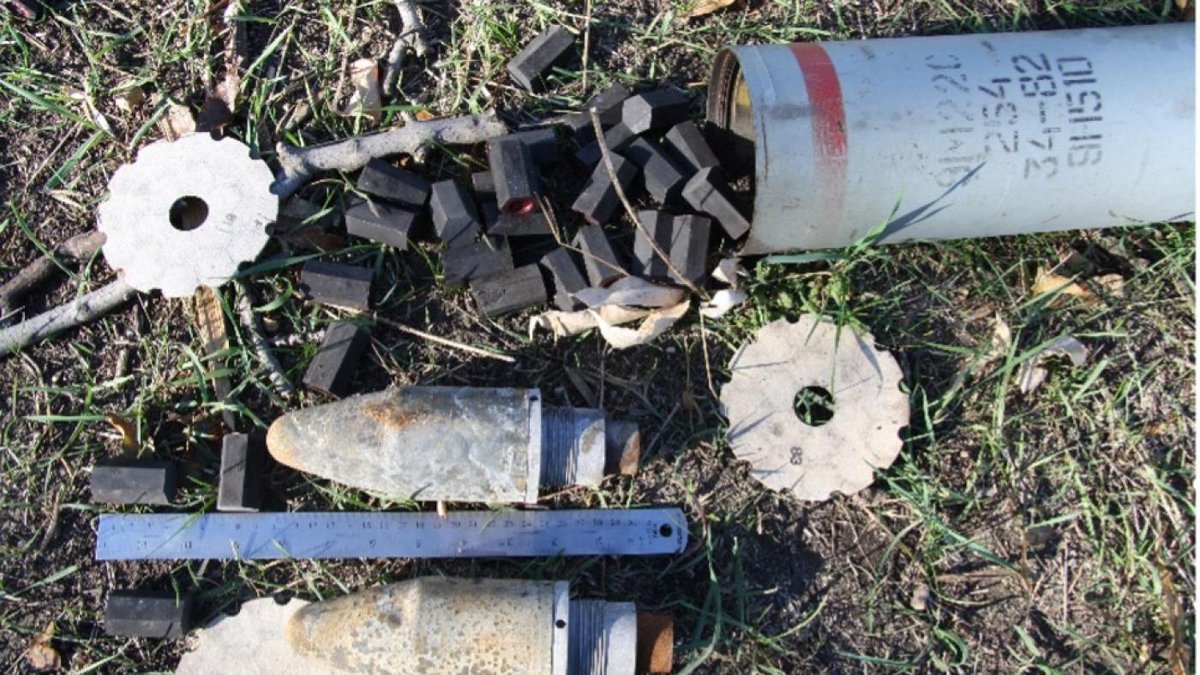
Russia has used them repeatedly in Syria and Ukraine. In many cases, as apparently today in Mariinka, they've been used indiscrimately against populated places - a clear war crime. This is what it looks like on the receiving end. /9
The effect on the target can be devastating. Thermite burns hot enough to melt steel. It destroys structures and causes "excruciating burns, sometimes to the bone, ... respiratory damage, infection, shock, and organ failure" (Human Rights Watch). /10
Human Rights Watch and other campaign groups have been pressing for years for such weapons to be banned outright. Unfortunately and unsurprisingly, Russia has opposed this, and has continued to use incendiary weapons ruthlessly in its wars. /end
@Euan_MacDonald @shashj @TrentTelenko @WarintheFuture @UAWeapons @KofmanMichael @IAPonomarenko @JoshManning23 @McFaul @olex_scherba @RALee85 @yarotrof @leonidragozin @Blue_Sauron @MarkUrban01
Used against Mariupol's Azovstal plant, reportedly on 14 May - this is the clearest view I've seen of 9M22S thermite submunitions being deployed.
It's worth noting that despite their horrific effect, this is currently allowed by the laws of war as long as it's against a purely military target (as Azovstal appears to be now that civilians have been evacuated).
Read more about Human Rights Watch's campaign to ban these weapons here: hrw.org/topic/arms/inc…
Video from the Russian side of a thermite incendiary attack being carried out against a Ukrainian position:
https://twitter.com/Hetreeli/status/1528056298209673221?t=col8dTa2DW1Qoqr37xtB2Q&s=19
A large-scale thermite incendiary attack against Ukrainian positions around Kharkiv on 26 May. It's unclear whether this targeted civilian areas.
https://twitter.com/RALee85/status/1529877504311365632?t=EltraUak-hxgNzELt5I63A&s=19
On the receiving end in Donbas. It sticks to you, can't be put out and 5g (0.17oz) is enough to disable a person.
• • •
Missing some Tweet in this thread? You can try to
force a refresh