Justice Oka is giving the 45th JP Memorial Lecture organised by PUCL India.
Justice Oka: Remembering Jayaprakash Narayan today, I go back to my first brush with his movement — I was 14, reading one Marathi and one English newspaper a day, without fully grasping the moment that would define a generation. JP, a committed Gandhian and colleague of leaders like N.G. Ranga, emerged as the leader of the youth in the 1970s; only later did I realise how much my generation underestimated the depth of his ideas.
#JusticeOka
Justice Oka: From his writings and speeches, one thing stands out: his unwavering faith in non-violence. For JP, non-violence was not a tactic, but a way of resisting evil with moral strength. He reminded us that negotiations, arbitration, friendship or mediation may succeed or fail — but for those who truly accept non-violence and are prepared to resist evil non-violently, there is no failure. That single idea has stayed with me: those who accept non-violence, and prepare themselves to resist whatever evil may come non-violently, discover a strength that no defeat can erase.
When I revisited JP’s life, I felt his active public role was cut short. Had he remained in public life for another 10–14 years perhaps we would have seen a different India.
#JusticeOka
Justice Oka: Let me now turn to today’s theme: where do we see the judiciary today, within the framework of our Constitution, which promises justice – social, economic and political – to every citizen. Our courts have, in many instances, delivered substantive and even spiritual justice, and I say this as someone who has seen the system from within. Yet I have consistently said: when the Constitution, the government and the citizens placed great expectations on the justice system, we did not fully live up to those expectations.
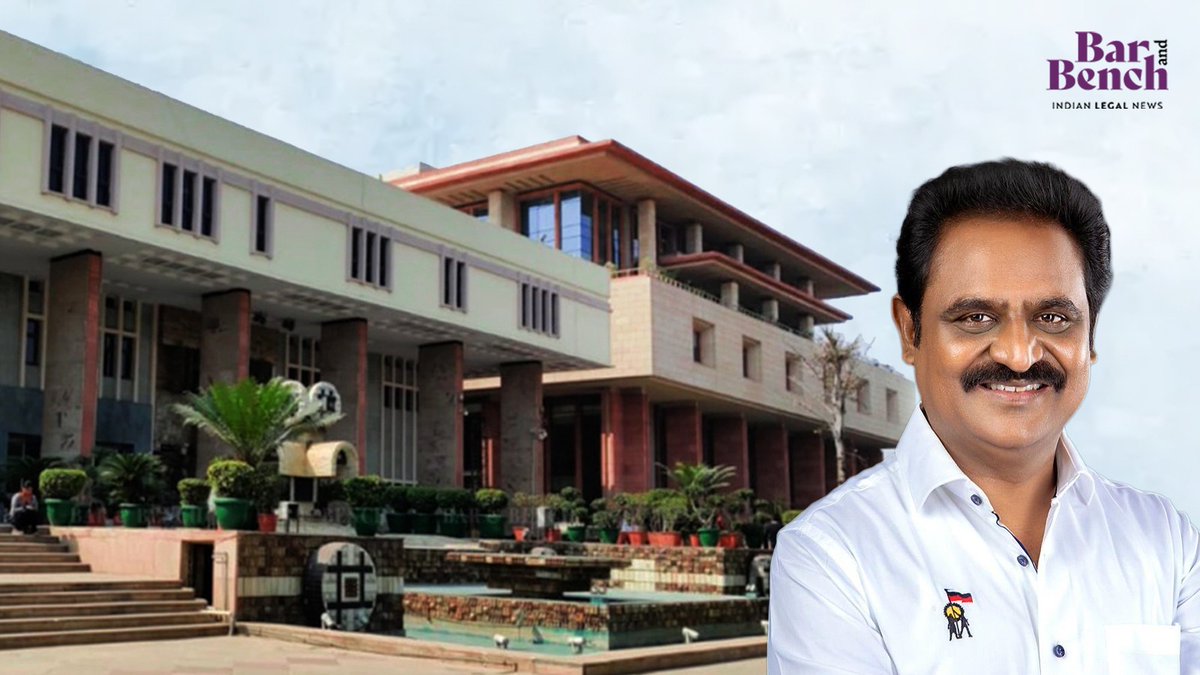
Delhi High Court stays further investigation and proceedings in FIR lodged against Tamil Nadu MLA and Secretary of Student Wing Dravida Munnetra Kazhagam (DMK), C.V.M.P. Ezhilarasan, for organising a protest challenging proposed UGC laws, at Jantar Mantar on February 6.
The matter was listed before Justice Anup Jairam Bhambhani.
Senior Amit Anand Tiwari appeared for the politician. He stated that the perusal of the FIR would itself show that there is no allegation that the peaceful protest held by the petitioner and his associates caused any obstruction, annoyance or injury or risk.
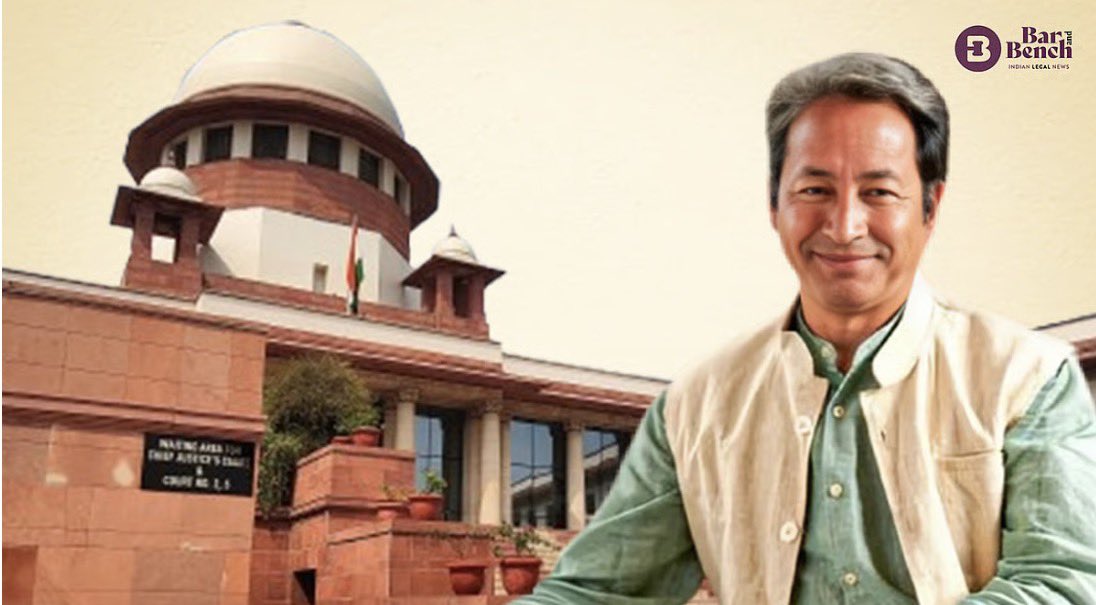
Supreme Court resumes hearing the plea against Ladakh-based activist Sonam Wangchuk’s detention under the NSA.
Bench: Justices Aravind Kumar and PB Varale
Notably, Wangchuk’s detention was revoked by the Centre on March 14.
@Wangchuk66
While revoking Wangchuk’s detention earlier this month, the Centre said the decision was taken after considering the need to foster “an environment of peace, stability, and mutual trust” in Ladakh.
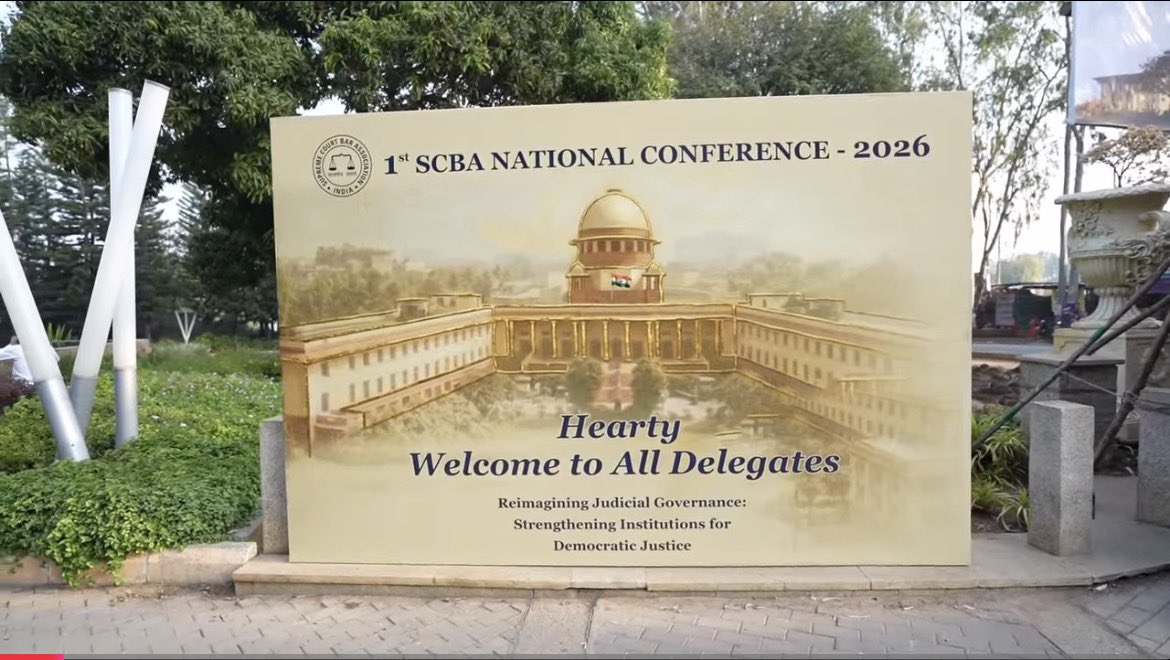
Supreme Court Bar Association flags off its first National Conference on the theme “reimagining judicial governance: strengthening institutions for democratic justice”.
Justice Mehta: if a true picture is provided to litigants by lawyers at the first stage the chances of mediation succeeding would increase manifold.
Justice Mehta: But the most stumbling roadblock is the government. The experience in the national Lok Adalats where we hold pre-litigation mediation sessions is sad to say the least. There is hardly a single department of this government which comes forward with a positive response.
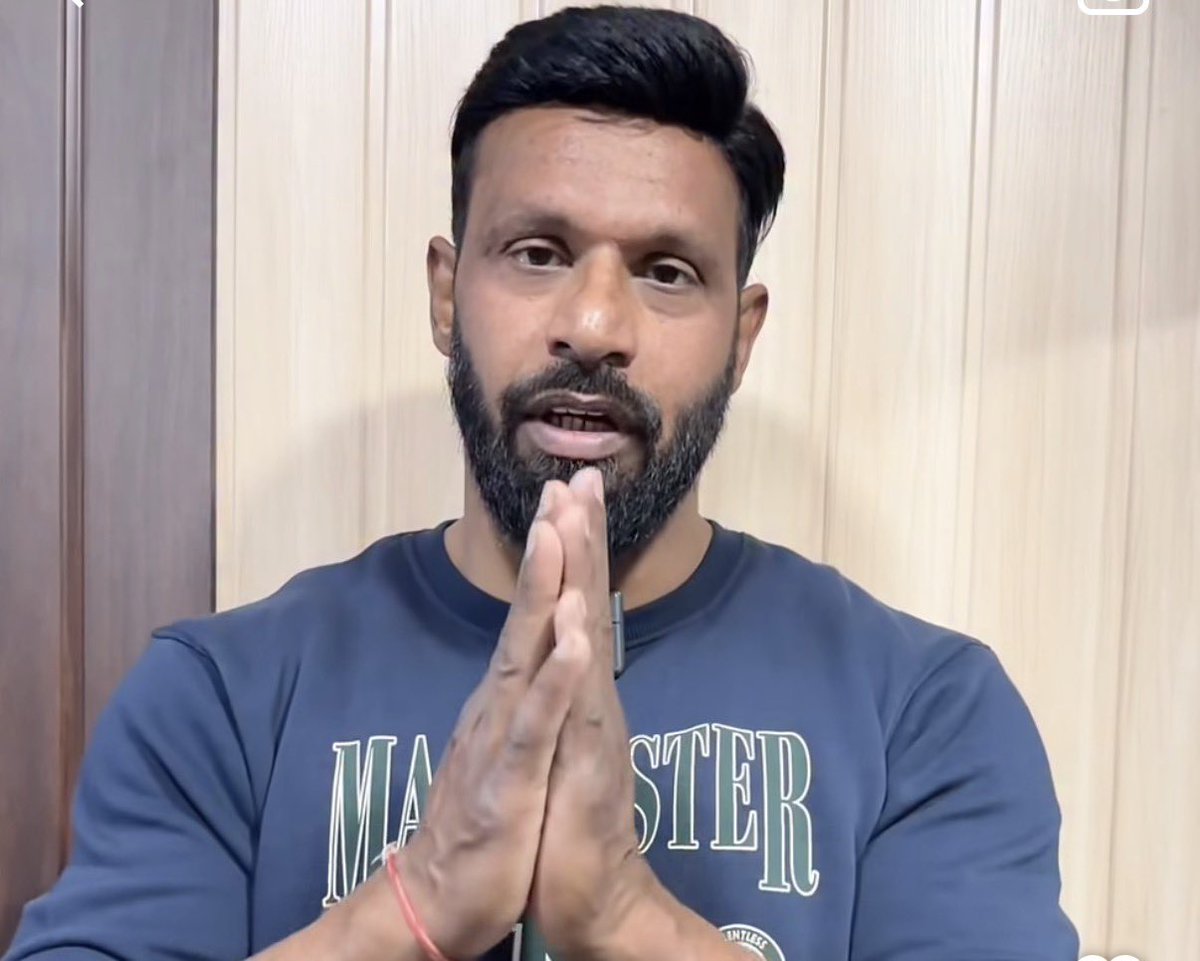
The person who is an accused is praying for protection? You are a suspected accused. You are trying to sensationalise the issue: Uttarakhand High Court to gym owner ‘Mohammad’ Deepak Kumar
The Court is hearing a plea filed by Kumar seeking quashing of an FIR agains him.
I have been receiving consistent threats: Kumar’s counsel
You are investigation: Court
That is a different thing: Counsel
[Day 2]: A nine-judge Constitution Bench of the Supreme Court to resume hearing reference on the interpretation of “industry” under the Industrial Disputes Act, in the State of UP v. Jai Bir Singh batch of cases
#SupremeCourt